
Cheap flights, swoon-worthy photos, and strong economies drive global travel numbers sky-high. But the multi-billion-dollar tourism industry can wreak havoc. In some locales, anti-tourism protests feature locals pleading for visitors to leave, while other sites try to draw more traffic.
Tourists travel through places that aren’t home. They visit, experience, and enjoy distant locales knowing they’ll depart for someplace better in time: home. Christians sometimes refer to themselves as pilgrims traveling through the world but headed for a renewed, eternal home. Good “pilgrims,” like good tourists, are not “of” a visited country. But they should treat those places and people with respect.
Here are some places experiencing touristy tensions right now:
AFGHANISTAN
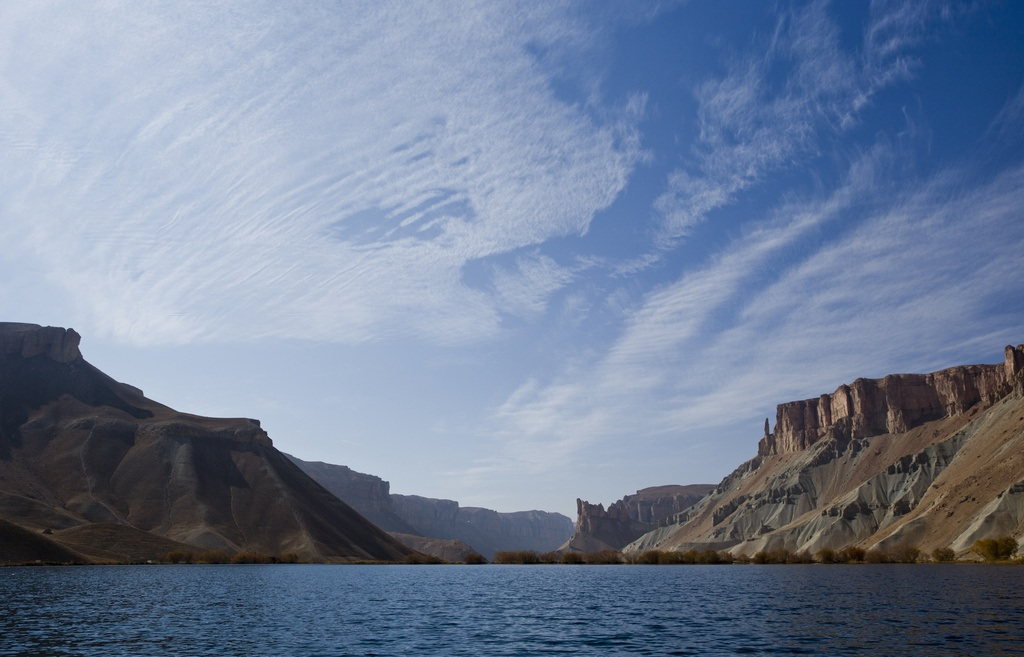
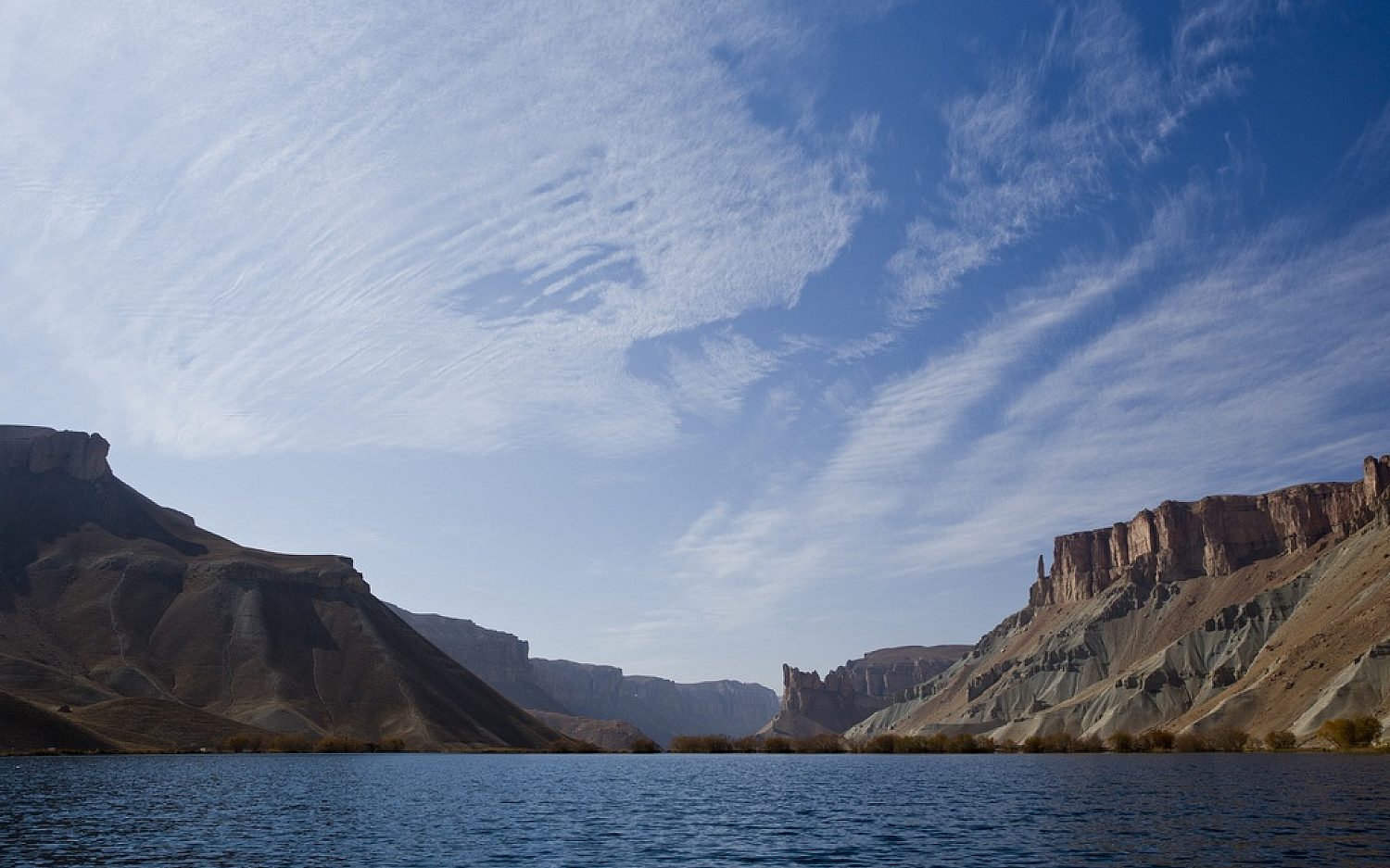
Afghanistan would gladly welcome tourists—if folks wanted to travel there.
The potential for tourism income isn’t lost on its terrorist Taliban government. “Tourism brings many benefits to a country,” Deputy Minister of Tourism Qudratullah Jamal told reporters. “We . . . aim for our nation to take full advantage of them.”
But four decades of near-continuous conflict keep vacationers away. Western countries still advise against travel there for safety reasons. Islamic State gunmen killed six people, including three tourists, at one of the country’s main tourist attractions last year.
Many would-be tourists also object to the Taliban’s strict restrictions on women and girls. Laws about clothing, jobs, education, public appearances, and travel keep women subjugated. Critics condemn visiting Afghanistan for pleasure when its government discriminates so terribly against half the country’s population.
FRANCE
With some 100 million visitors last year—more than the country’s entire population—France is trying to balance the economic benefits of tourism with serious concerns about swelling crowds.
Over the summer, overwhelmed Louvre museum staff protested working conditions, including throngs beyond what they could handle. Staff walked out, shutting down the world’s most-visited museum.
On the French Riviera, Cannes city council plans to halve the number of passenger-laden cruise ships allowed in its harbor. The council will cap next year’s daily number of passenger visits ashore. The aim of city councilors? A manageable industry with ships and crowds that are “less numerous, less big, less polluting, and more [a]esthetic.”
GREENLAND
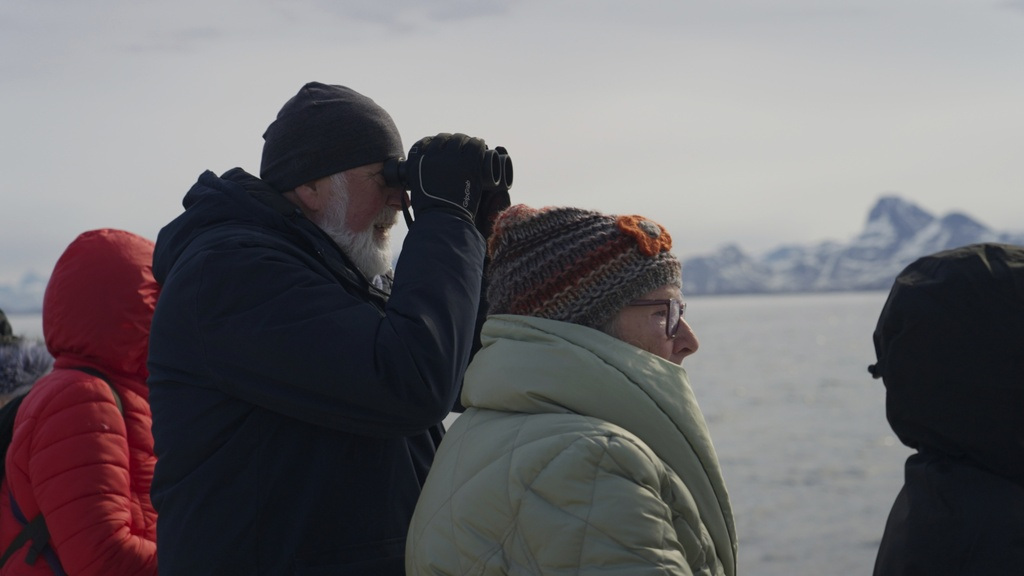
Meanwhile, Danish territory Greenland enthusiastically welcomes tourists.
“Come visit Greenland,” says Nukartaa Andreassen, who works for a water taxi company in Nuuk, the capital. “We love to have you.”
Greenland offers rare experiences like whale watching, puffin viewing, and charters through remote settlements.
Americans are welcome too—despite President Donald Trump’s largely unpopular remarks about annexing the island earlier this year. Tour guide Frank Møller sees an upside to the hoopla: “It has kind of put Greenland on the world map.”
SPAIN
Like France, Spain is experiencing high tourist numbers. Many in Barcelona support tourism, a pillar of the local economy. Those who don’t have a new weapon: water guns.
In July, a tourist protest group took the toy weapons to a rally. Some brought them to spray one another and stay cool in the heat.
“It was just kind of a joke,” says Adriana Coten, an organizer of Neighborhood Assembly for Tourism Degrowth.
But some protesters turned their water guns on tourists. Images of the dousings spread on the internet and became a symbol of an anti-tourism movement.
Later, about 1,000 protesters marched at top sightseeing attractions. Marchers spritzed unsuspecting tourists, chanted slogans, and carried signs opposing the foreign crowds.
Some tourists took the spraying in stride, even claiming it was refreshing on a day with high temperatures. Others did not enjoy the one-sided water fight.
Protester Lourdes Sánchez believes the water guns “say that we are fed up of how tourism industry is transforming our country into a theme park.”
Tourist Nora Tsai of Taiwan was among those spritzed. She was a bit frightened—and saddened. The “Tourist go home!” chants didn’t help.
Ill treatment aside, it’s a reminder: We seek the city that is to come. (Hebrews 13:14)
Why? Whether traveler or resident, people should treat each other and all places with respect, remembering that this world is temporary for all.