
Ten years ago, students seeking an exciting, lucrative career path often chose computer science. Learning to code almost guaranteed excellent job prospects after college. Today, students wanting an “AI-proof” major are looking elsewhere.
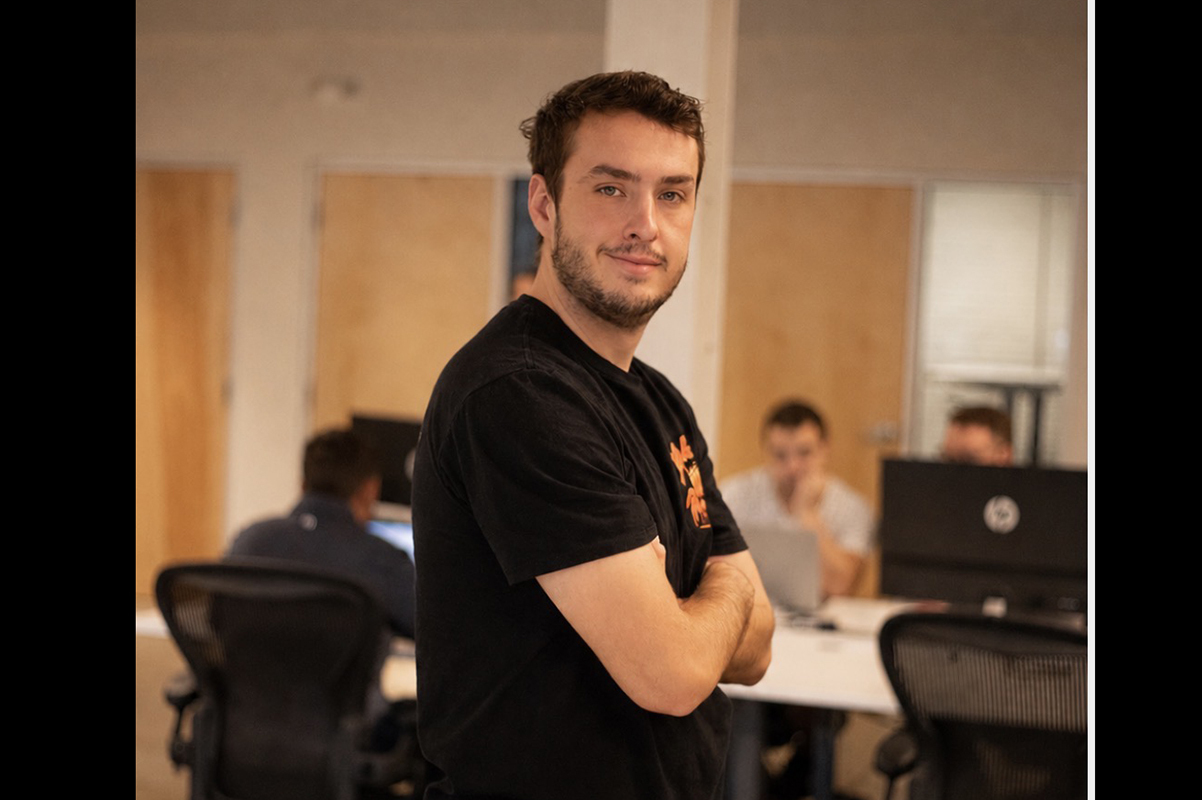
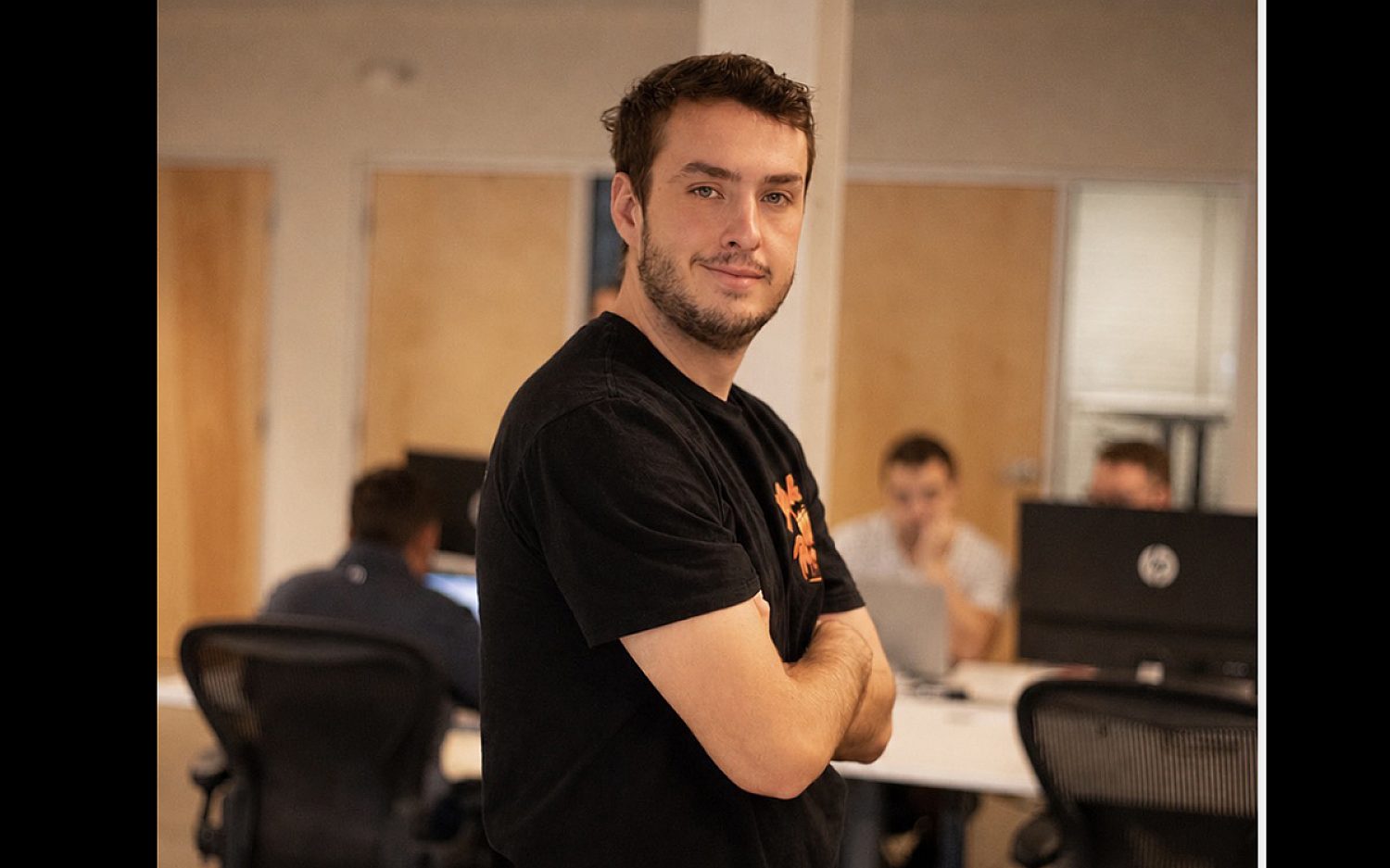
Senior-level developer Cole Stegall graduated from college in 2019. He tells WORLDteen he entered the field at the right time. He gained experience as a junior at a financial technology company. Today, that knowledge allows him not only to generate code but also to troubleshoot code written by others, human or AI.
Stegall empathizes with young developers looking for jobs. He says, “A lot of junior positions are being filled by AI.” Like nearly everyone in the field, he’s asking, “But if no one’s hiring juniors, where will tomorrow’s seniors come from?”
The rise of artificial intelligence scrambled Josephine Timperman’s planned major in analytics. She says, “Everyone has a fear that entry-level jobs will be taken by AI.” She switched to a marketing degree.
The concern isn’t irrational. Some experts estimate entry-level developer jobs are down between 20% and 70%.
Recent grad Ben Aybar couldn’t land a coding job despite his computer science degree. He pivoted to AI consulting. He predicts more jobs that require AI skills, especially for people who can explain complex processes simply: “Being able to talk to people . . . is more valuable than ever.”
Jordan Jueckstock has worked as a researcher and engineer for the Department of Defense and the National Security Agency. He teaches programming at Bob Jones University. He admits the current AI upheaval to the job market seems “intense.” But he says people who can think and know the fundamentals of computer science and software engineering are still important.
“The fundamental problem is not generating code,” Jueckstock says. “The fundamental problem is thinking clearly” before coding.
And that, he says, isn’t something AI does well—at least “in a human sense” about concepts like “reality and value and motive.”
In a March 2026 article for French media outlet 3DVF, renowned software developer Bill Gates listed programming as one of three jobs AI isn’t likely to replace. He says AI still needs programmers to build, debug, and manage it.
Turns out, God-given human strengths—critical thinking, flexibility, and communication—may still set students up for success.
Jueckstock’s computer science colleague Jim Knisely encourages his students to use the skills God gives them whether in programming or another field. Part of that includes trusting God to work all things together for good. (Romans 8:28) For those in tech fields, that may include a future working with—not against—AI.
—by Kim Stegall, with AP reporting
Why? God made humans for work. But as times change, jobs change too. God will continue to supply everything we need to fulfill His work and will.
Recommended Reading: For more on artificial intelligence, read 2084 and the AI Revolution by John C. Lennox.