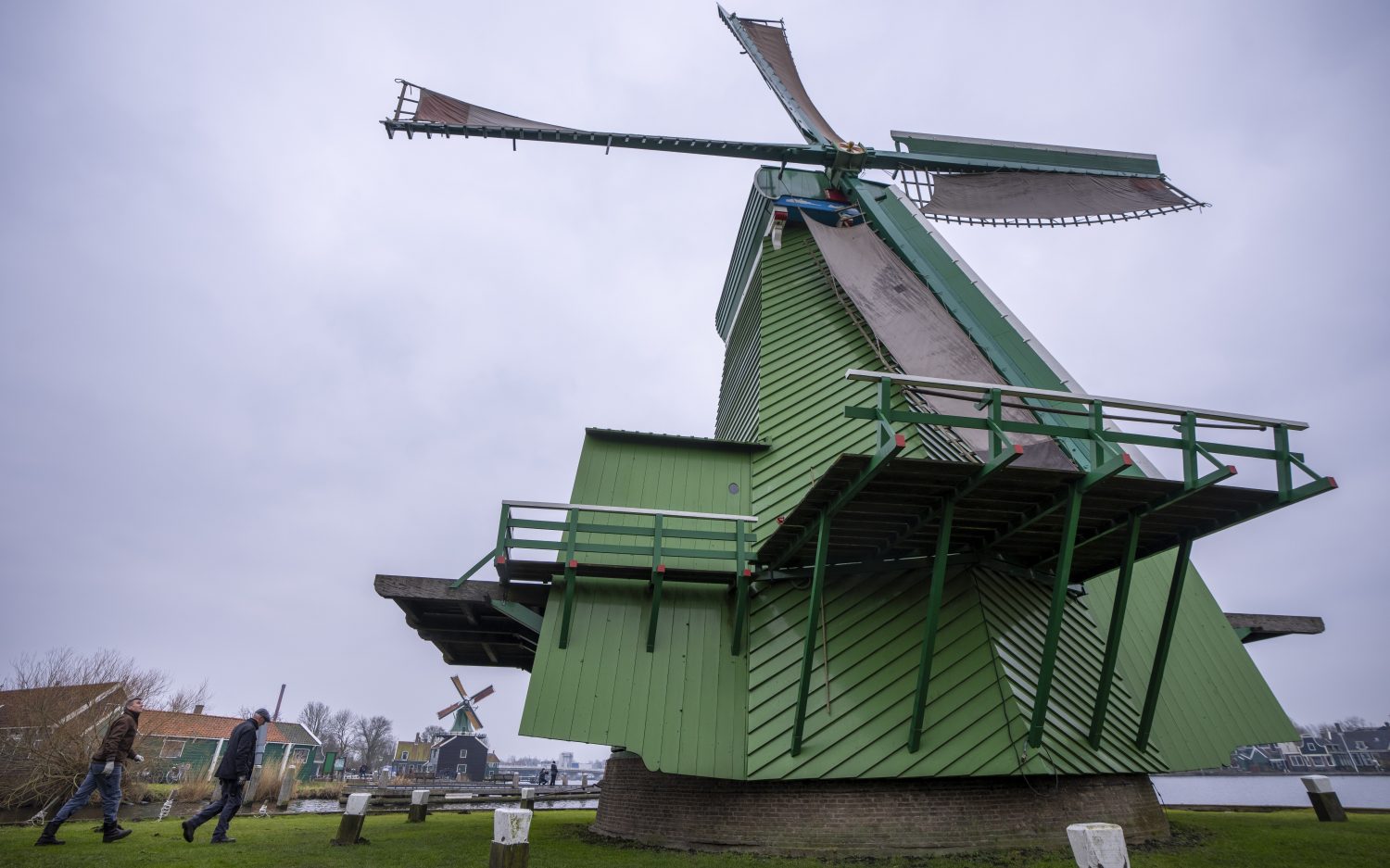
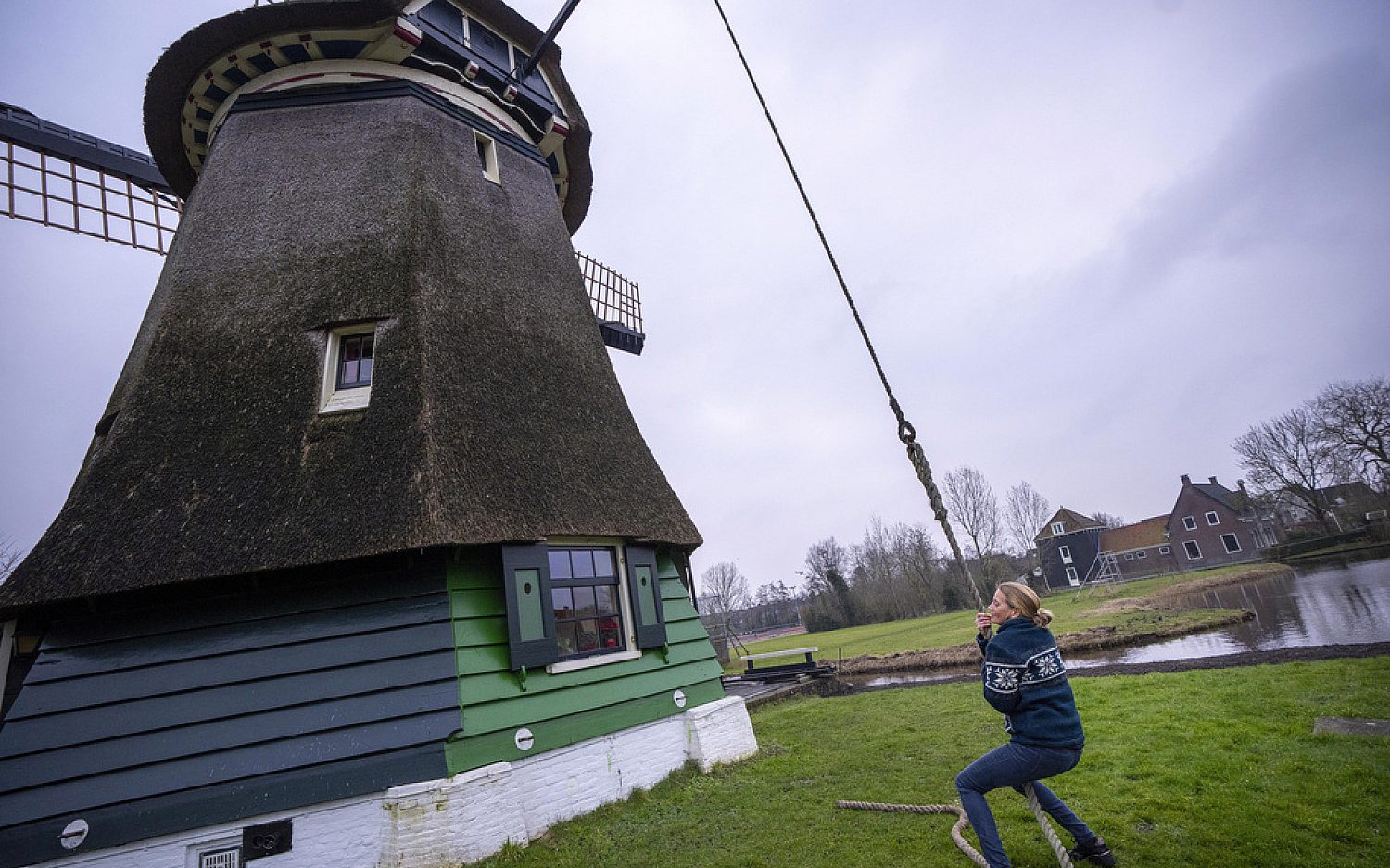

Millers near Amsterdam look forward to wind. Breezes mean the giant sails of centuries-old windmills begin turning. The ancient craft of harnessing wind power is enjoying a renaissance in the Netherlands.
For centuries, this low-lying nation relied on power from windmills. Some 10,000 of them once dotted the countryside. Beginning in the 1200s, the spinning structures drained water from swampy land and ground grain into flour. Later, windmills also sawed wood used in sailing ships and crushed spices imported from Dutch colonies.
El Pais journal reporter Isabel Ferrer calls windmills “the hallmark of the Dutch landscape,” adding that many “are considered monuments.”
Despite modern pumping stations, many Dutch windmills are still in use. Today, about 1,200 of them saw lumber, grind grain, or help shift water at times of extreme rainfall.
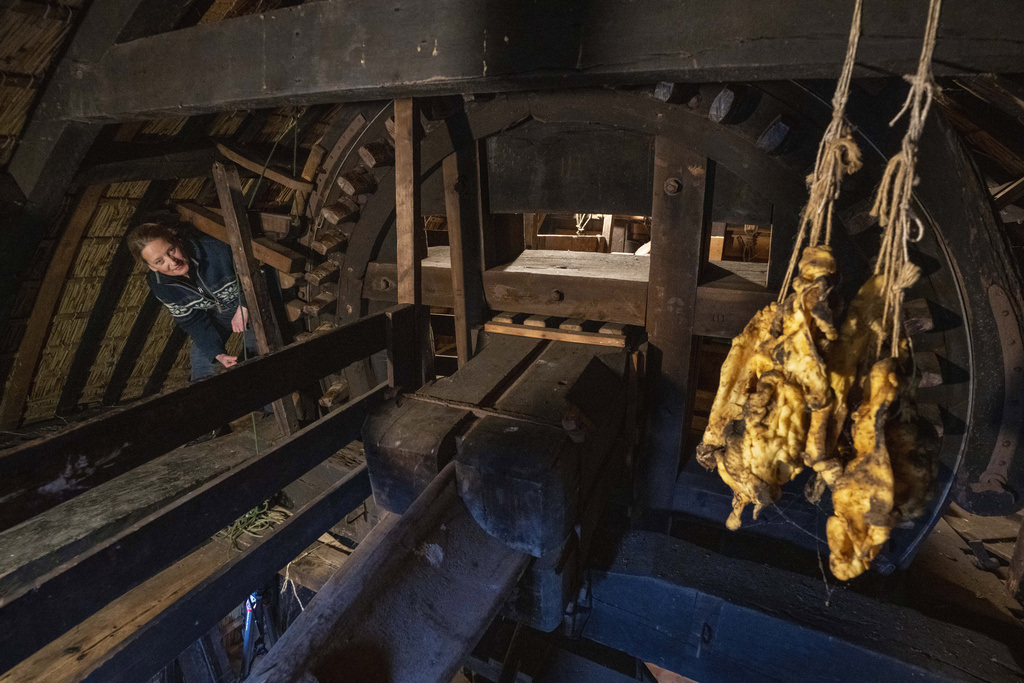
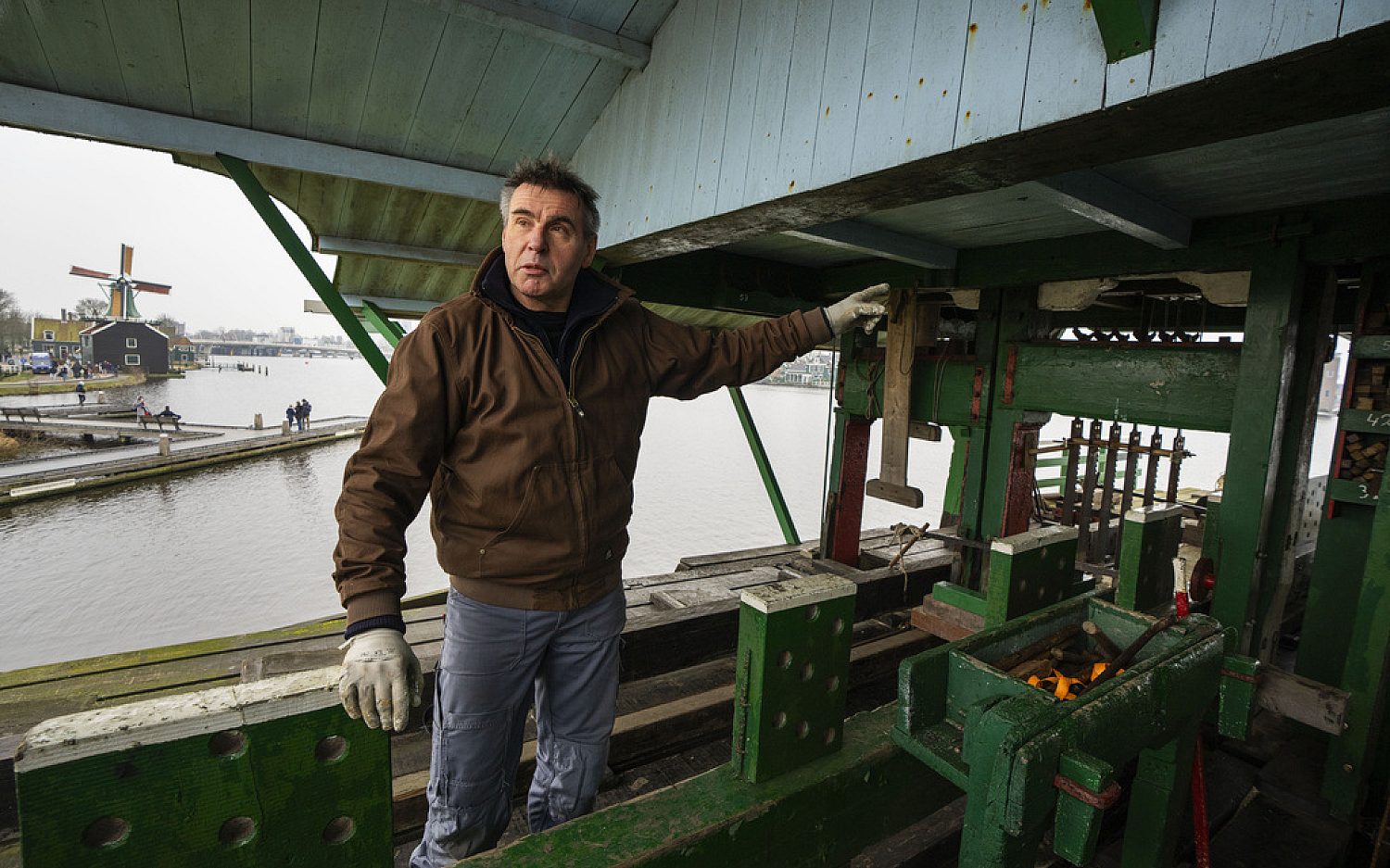
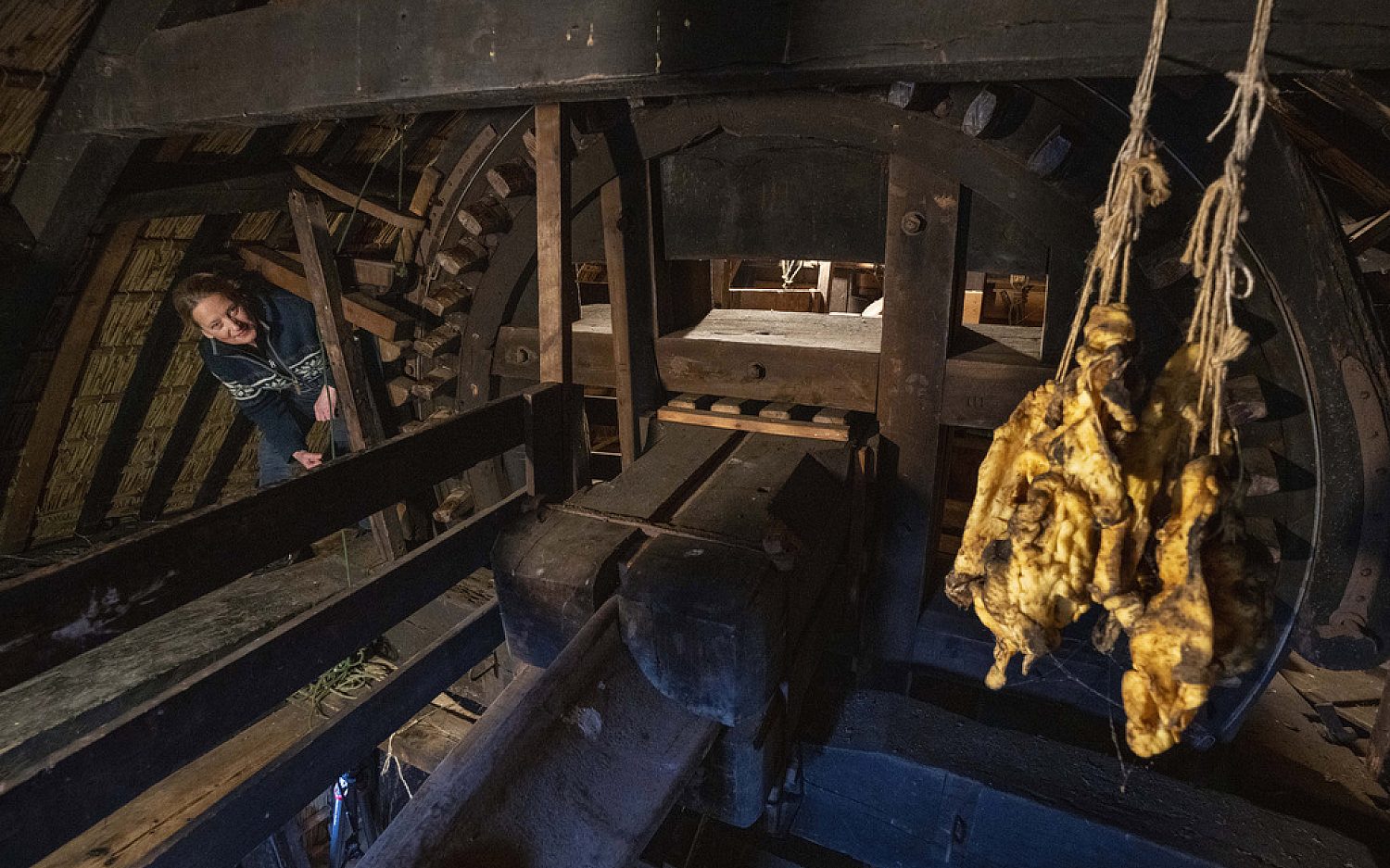
On one mill floor, six blades rise and fall at a blast of wind. They hack into a rough-hewn plank. But the wind drops, and the mill’s sails and saws grind to a halt. After all, God alone controls the wind. (Mark 4:41)
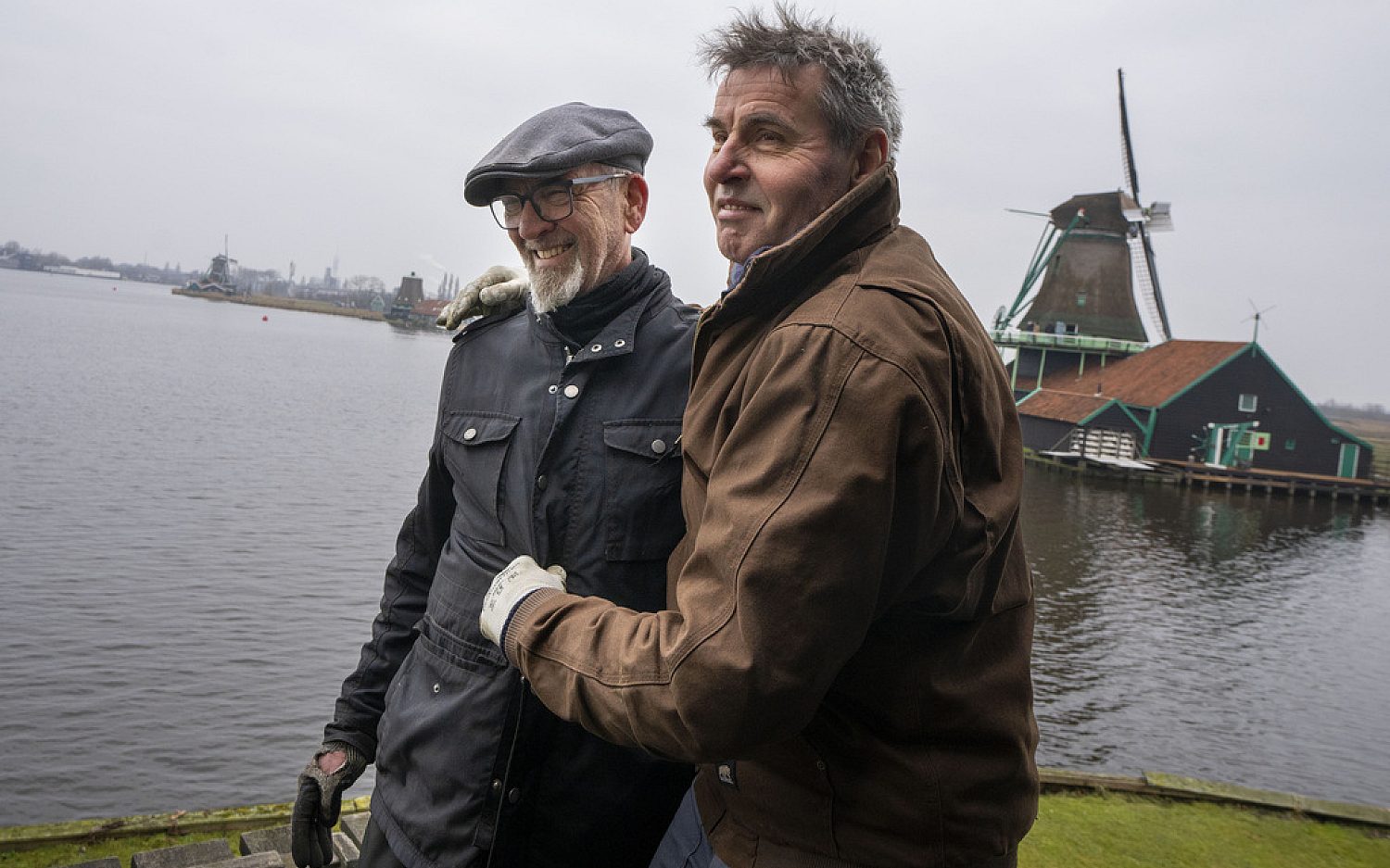
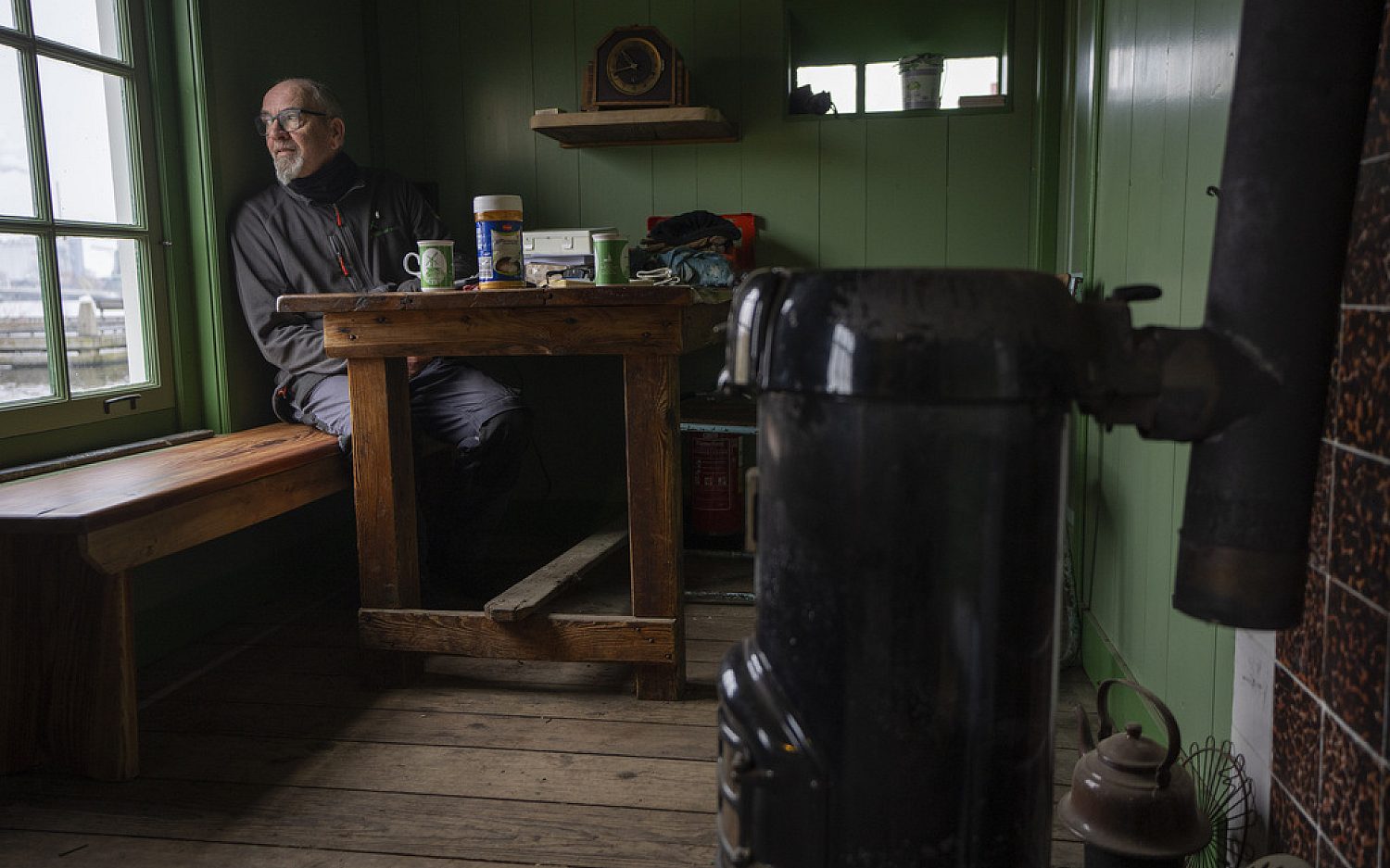
“If the wind doesn’t blow,” says mill volunteer Erik d’Ailly, “we’re unemployed.” He’s part of a record crop of 110 newly qualified millers. Co-worker Peter Booij, whose fascination with windmills started with a model he made and took off from there, also recently trained for the profession.
Work in a windmill requires two to three years of training and hands-on experience. Millers must understand the mechanics of the windmill and be able to adapt to weather patterns. And they must be unafraid of heights.
After an exam, most graduates, like d’Ailly and Booij, become volunteers at windmills.
A windmill’s vanes, also called blades or sails, need to keep turning to prevent them from falling into disrepair.
“A mill is like a car,” says Nicole Bakker, director of a group that represents windmills and millers. “It needs to run; it needs to move.” She says that to preserve the miller’s craft, “We need to preserve the mill.”
Interest in learning the miller’s craft rose during the global pandemic several years ago. Lockdowns forced people to focus on things close to home, Bakker says. This included local historic sites and baking bread with fresh-ground flour.
“People saw the mill in their neighborhood and thought, well, okay, maybe it’s great to become a miller,” she said from the top floor of the windmill she calls home.
D’Ailly calls working at a windmill a good conversation starter.
“Most people don’t know that this profession still exists,” he says. “They are not aware that a mill has to be run by a miller.”
Why? Learning new skills takes time, patience, and curiosity. In the end, it can help both the learner and entire communities.
Recommended Reading: For more about windmills, see The Winged Watchman by Hilda van Stockum.