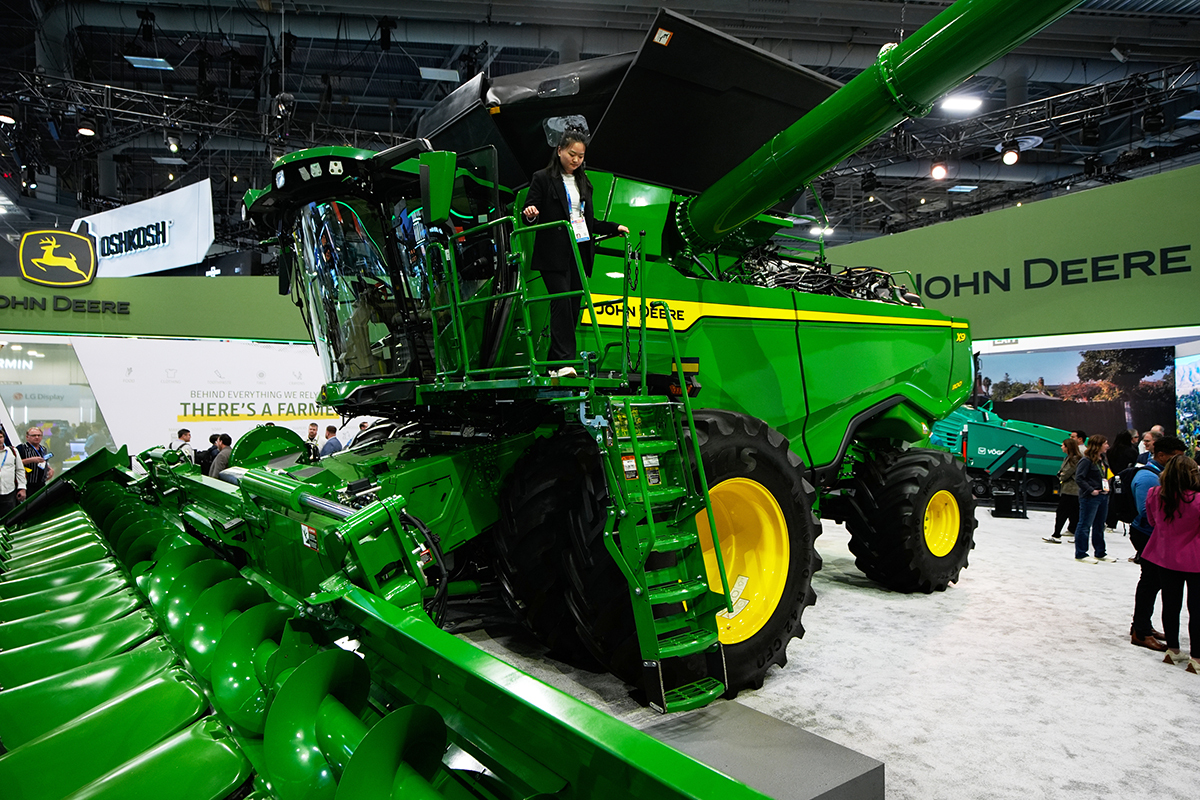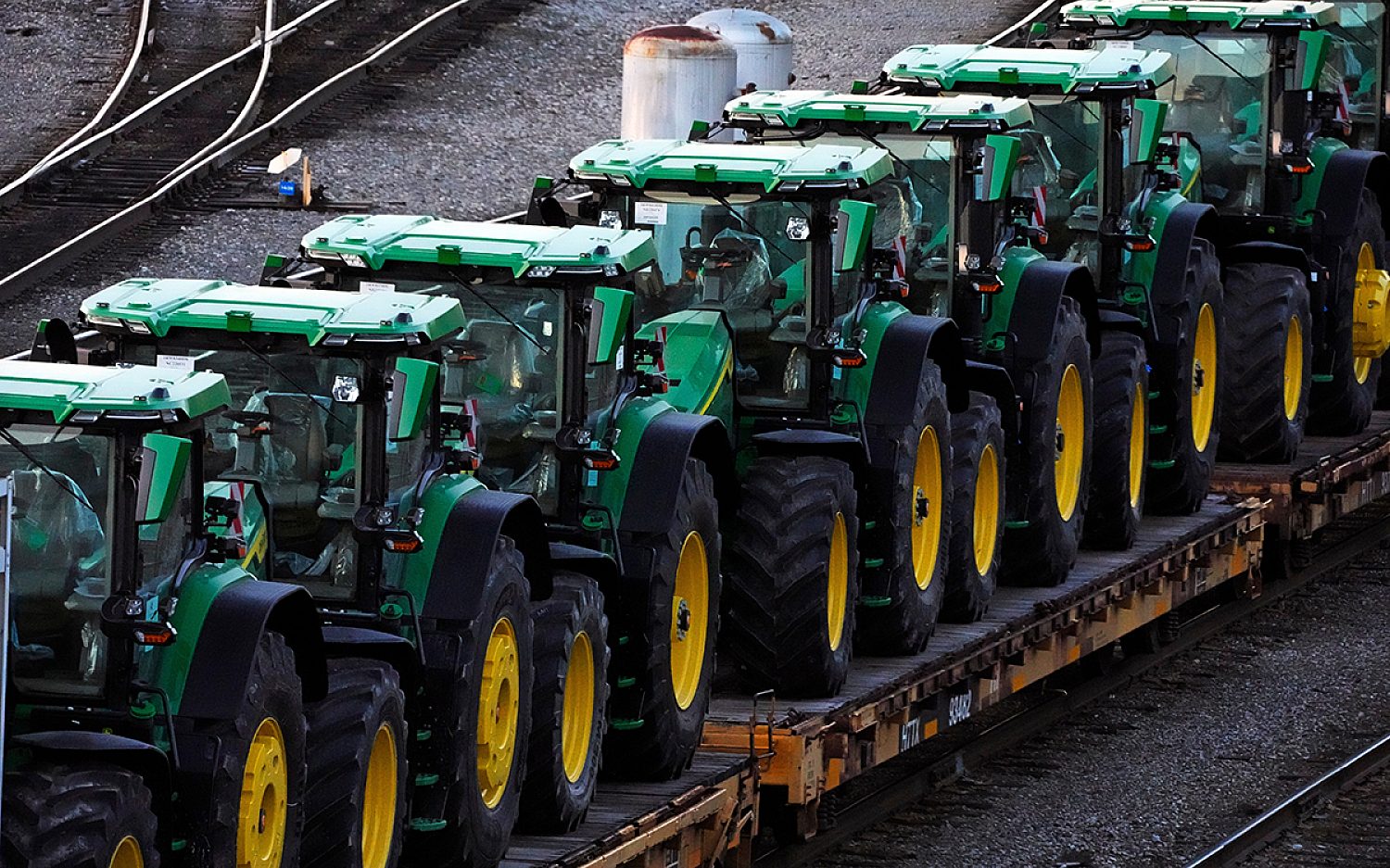
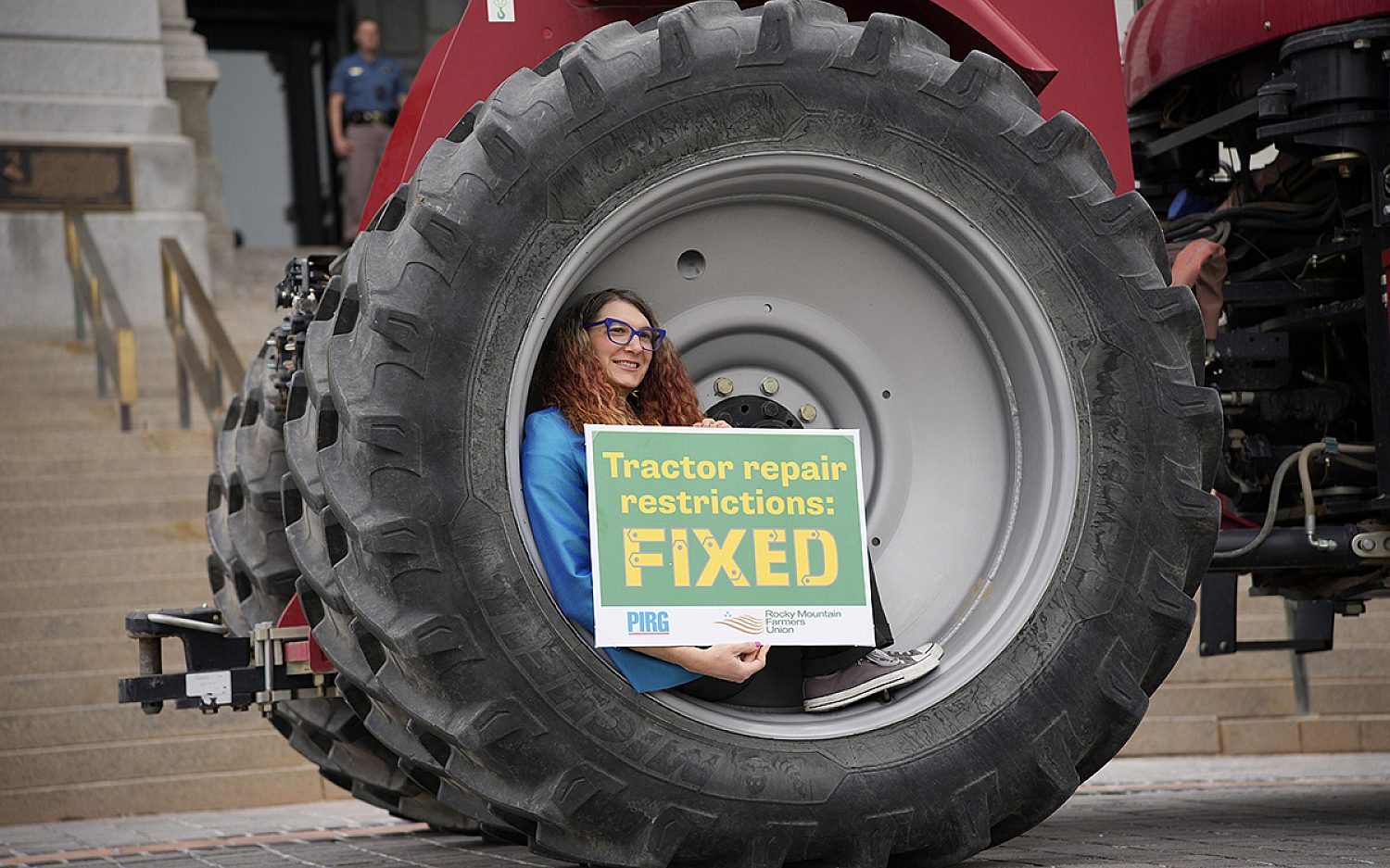
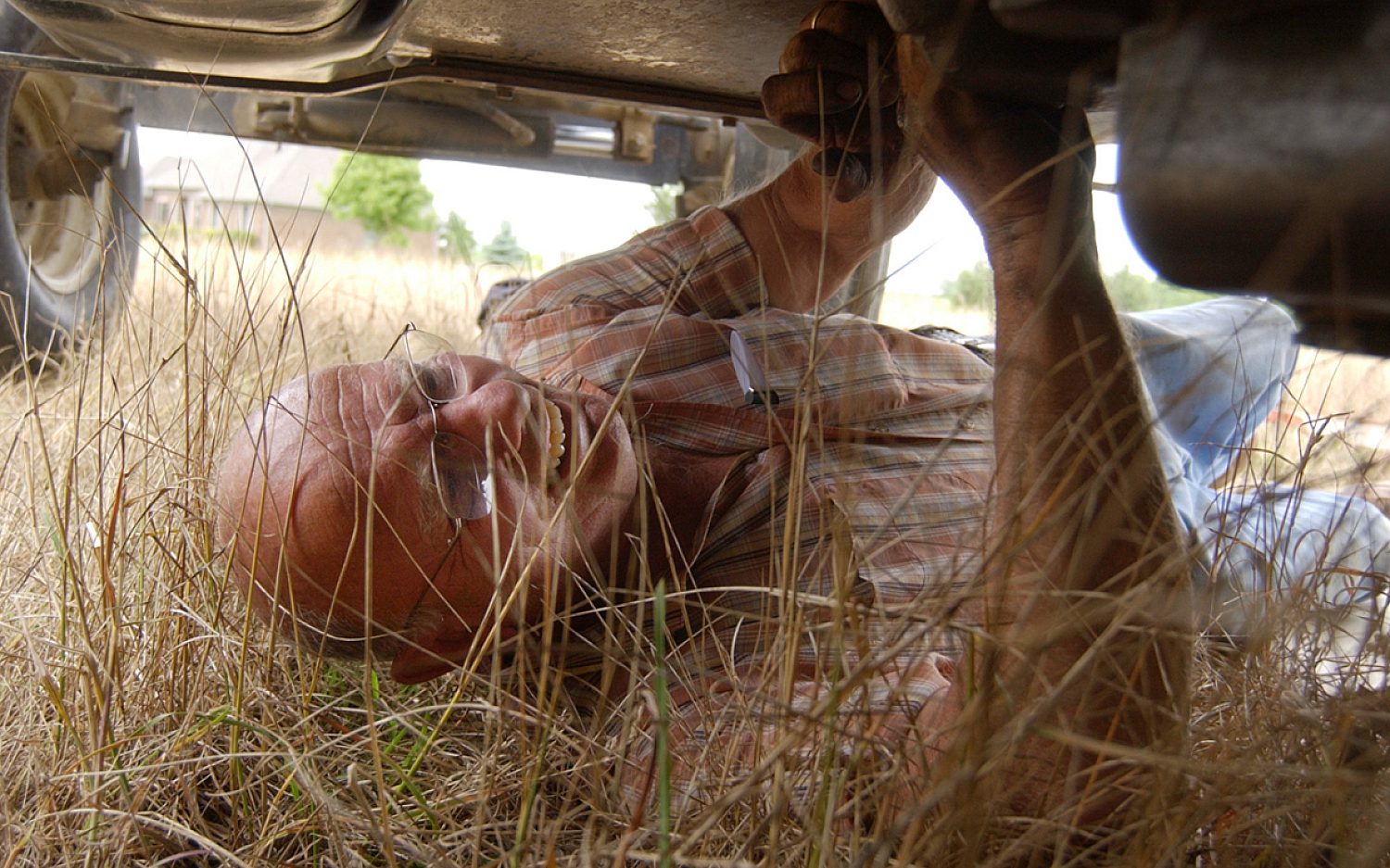
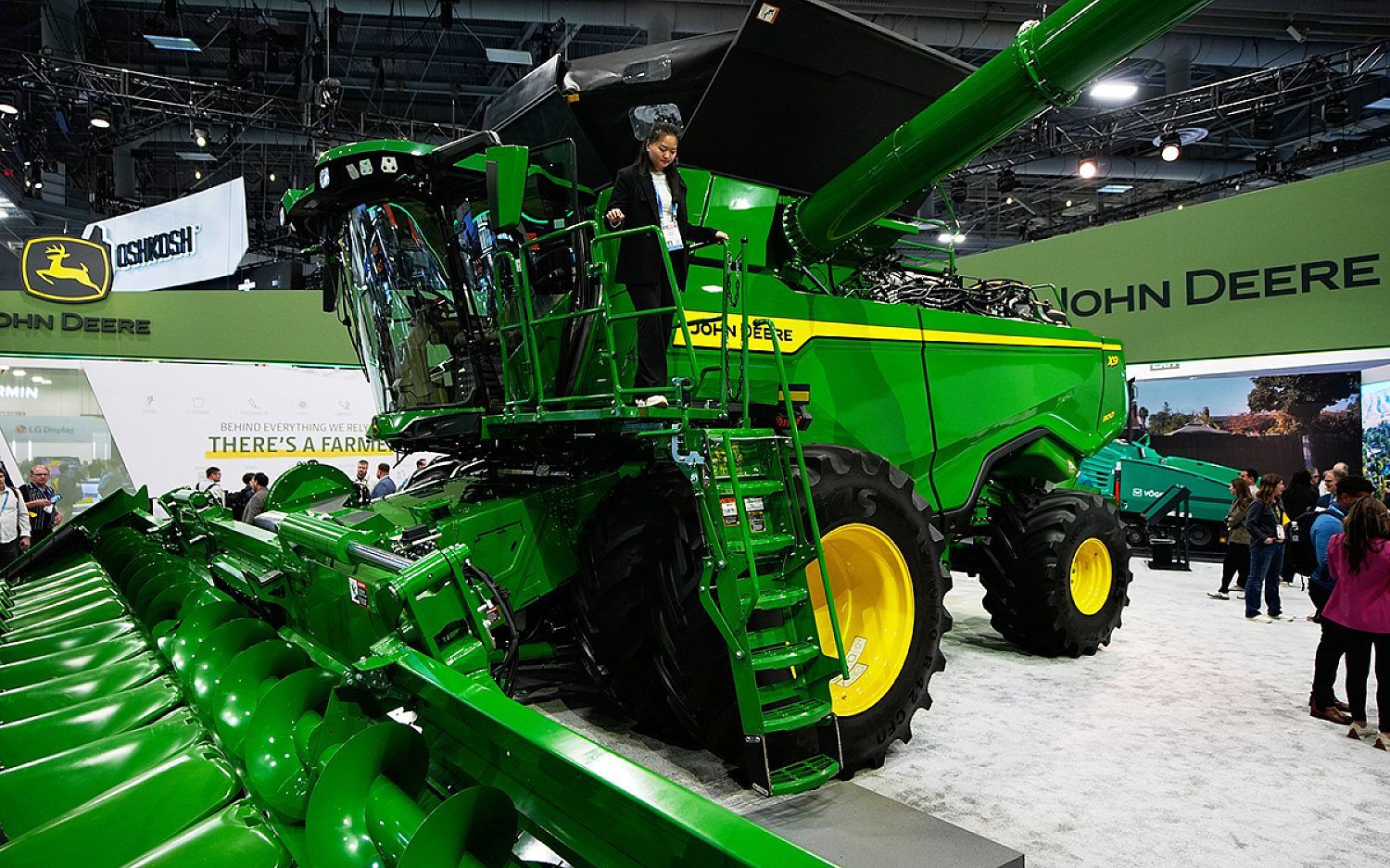

The U.S. Constitution doesn’t guarantee “do it yourself” rights. But many farmers consider fixing their own bought-and-paid-for machines pretty basic. Now officials from several states have secured a right-to-repair settlement with major machinery company John Deere.
Right to repair is a widespread movement that extends beyond farm products. A multitude of devices like iPhones, hospital ventilators, and tractors break down over time and use. Getting some of those up and running again quickly is vital to life and commerce.
For years, Apple Inc. lobbied to keep customers from being able to perform simple repairs to iPhones, iPads, and MacBooks. The company claimed people often damaged products with bad repairs. Apple maintained that governing repairs protected users.
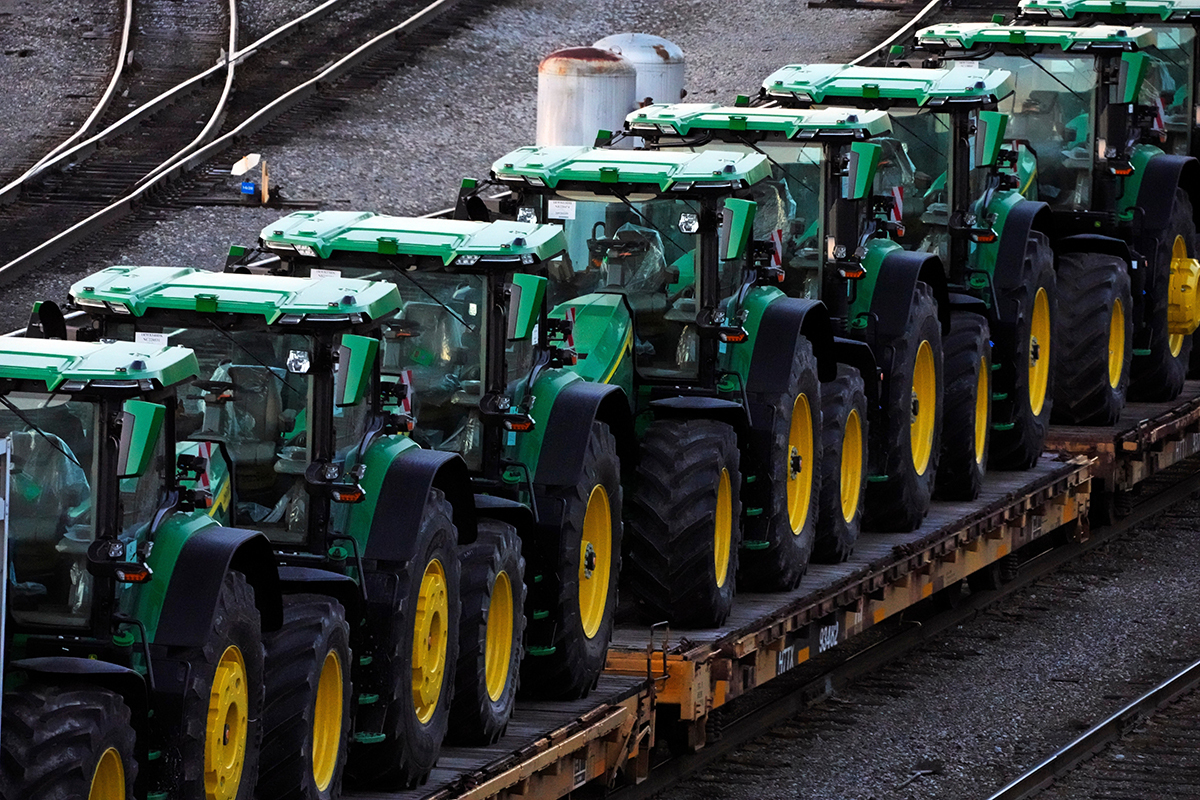
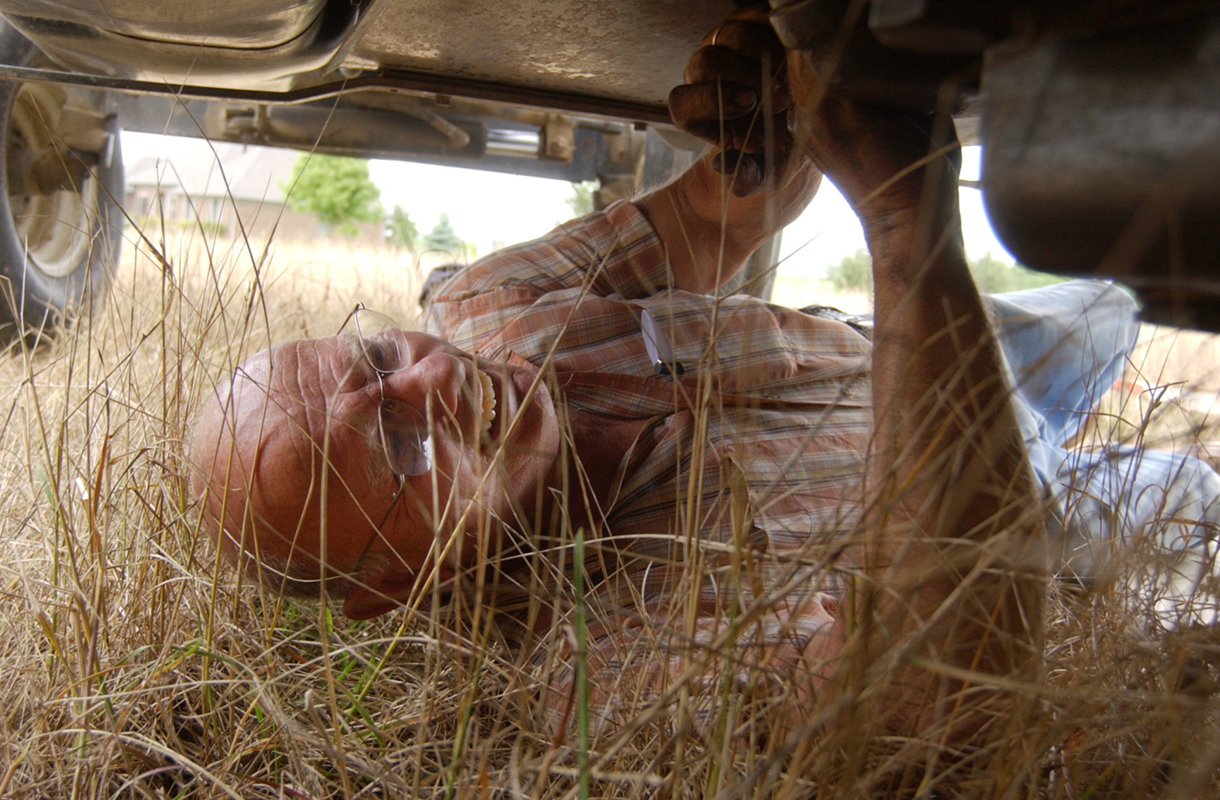
Using a similar argument, Illinois-based Deere & Co.—known as John Deere—for years withheld the full version of its repair software from farmers and independent repair shops. That action forced customers to use authorized dealers. They didn’t have the information needed to do their own repairs, and they couldn’t hire other mechanics to work on Deere equipment. This often led to high repair costs and long waits—while farm operations suffered.
Attorneys general from Arizona, Illinois, Michigan, Minnesota, and Wisconsin and the Federal Trade Commission (FTC) argue Deere’s actions were illegal.
“For too long, Arizona farmers and independent mechanics have been at the mercy of Deere’s monopoly,” says Arizona Attorney General Kris Mayes.
Deere denied that its handling of service tools prevented competition. It argued that since it didn’t directly provide services—the authorized dealers did—it couldn’t monopolize them. Deere further maintained the company is committed to independent repair.
A recent FTC settlement addresses right to repair. It requires Deere to make diagnostic and repair tools available outside its own authorized dealers. The ruling also prevents Deere dealers from acting against equipment owners or repair shops that fix Deere equipment.
Most people see the right to repair as common sense. But not everyone. Some companies say changing the law could force them to expose trade secrets. Farmer and former Colorado representative Richard Holtorf is uneasy about forcing people to sell intellectual property—that is, their inventions and ideas.
Other people allege the new ruling allows farmers to more easily tinker with horsepower or bypass emissions controls. Such actions might create danger for others. Right-to-repair advocates say farmers can tamper with their machines already. They add that doing so in potentially harmful ways would remain illegal.
At the end of the day, right to repair must decide how much people want or need government and big business to protect—or interfere with—them, and who loses if everyone has access to everything.
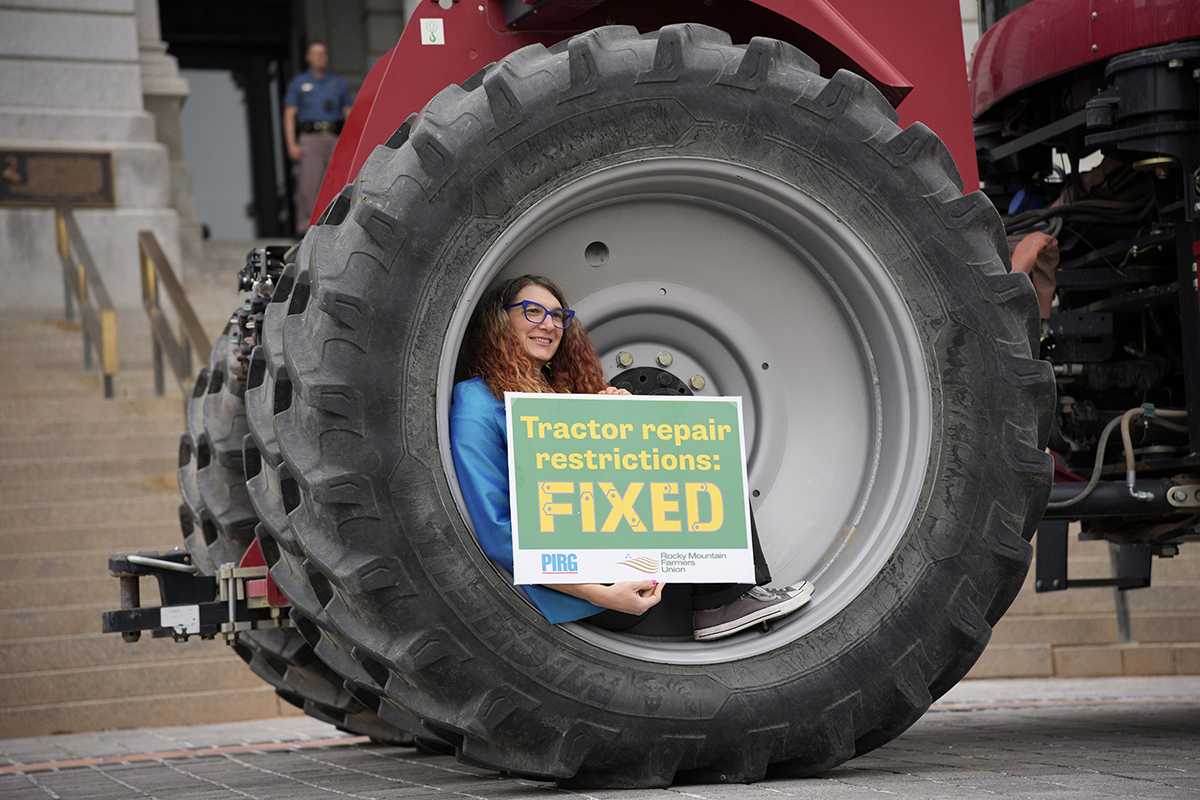
Representative Brianna Titone helped sponsor right to repair in Colorado. She says, “[Farmers] just want to get their machine[s] going again.”
Why? Rights come with responsibilities. Ownership should provide some rights, but one person’s right to repair shouldn’t violate another’s safety, rights, or intellectual property.