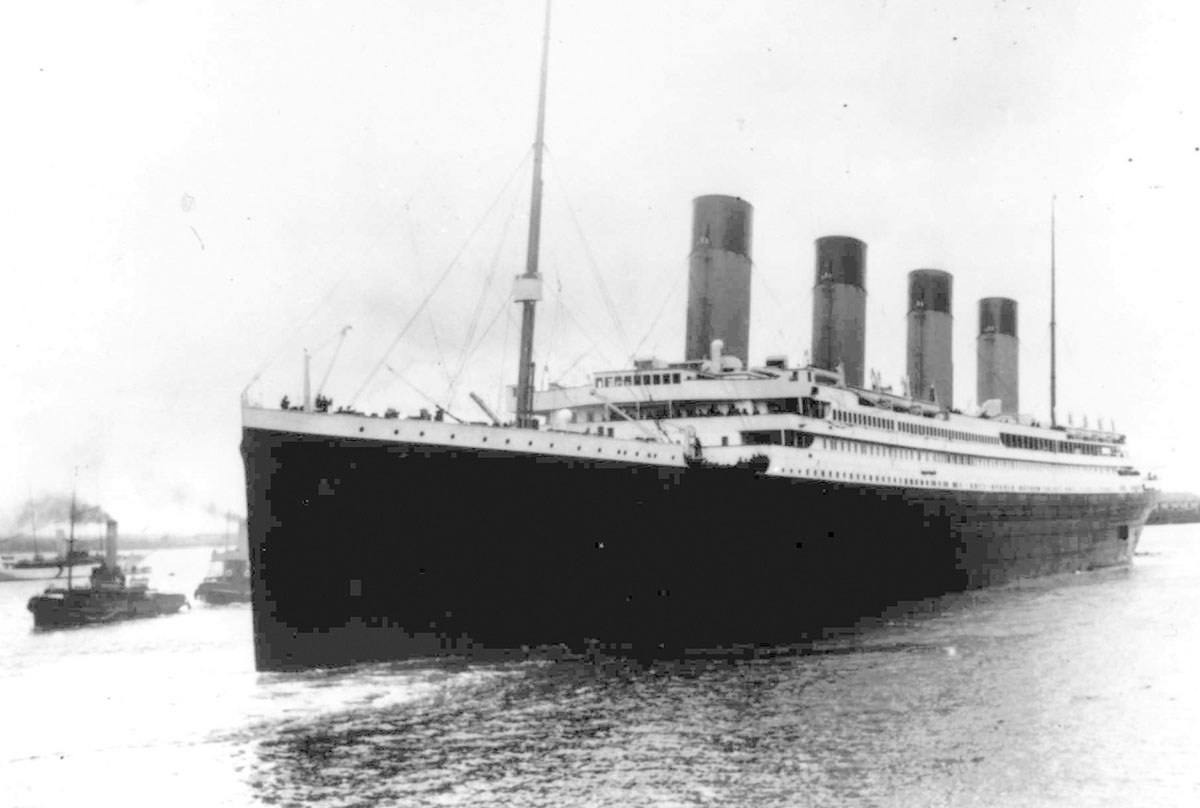
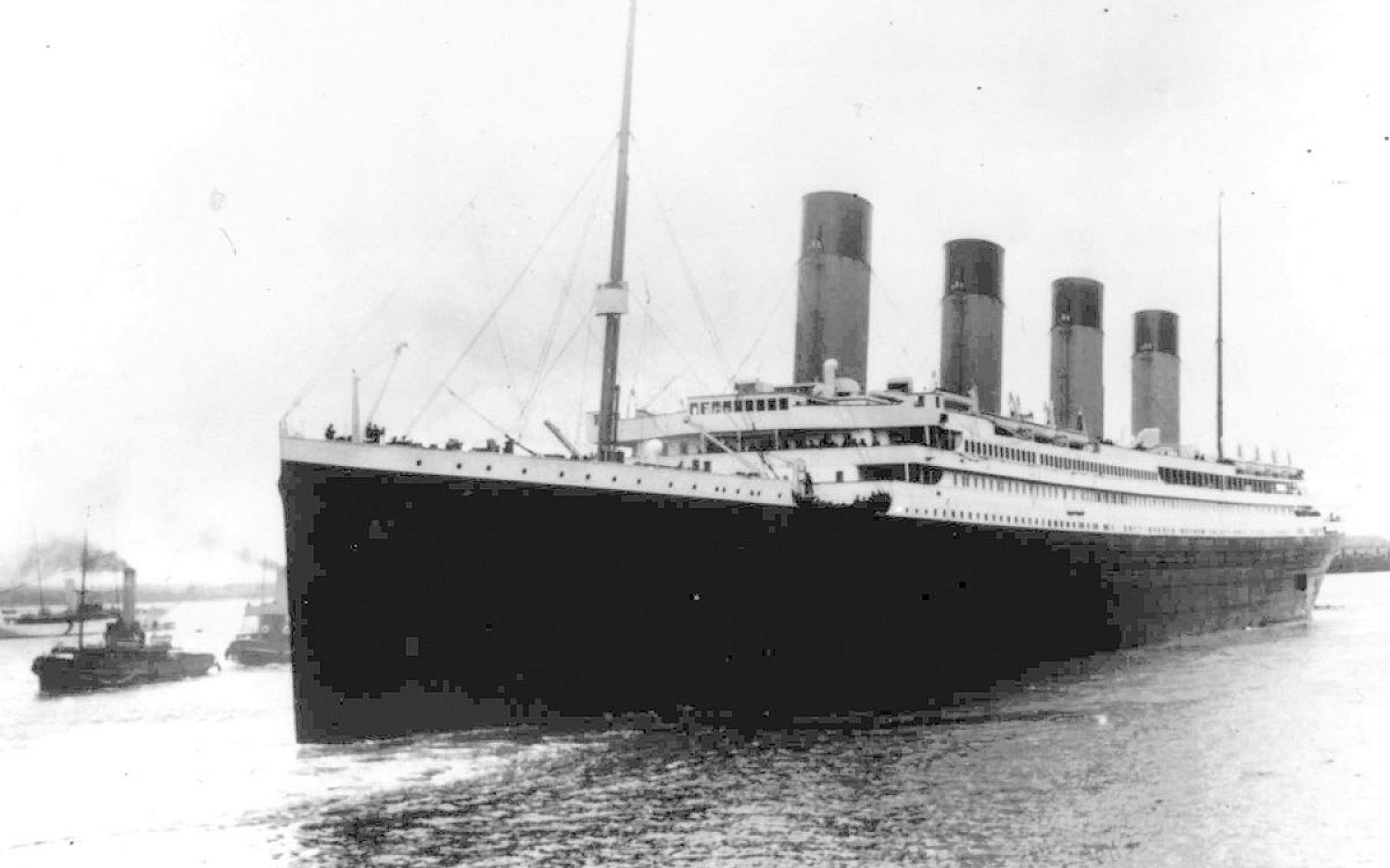
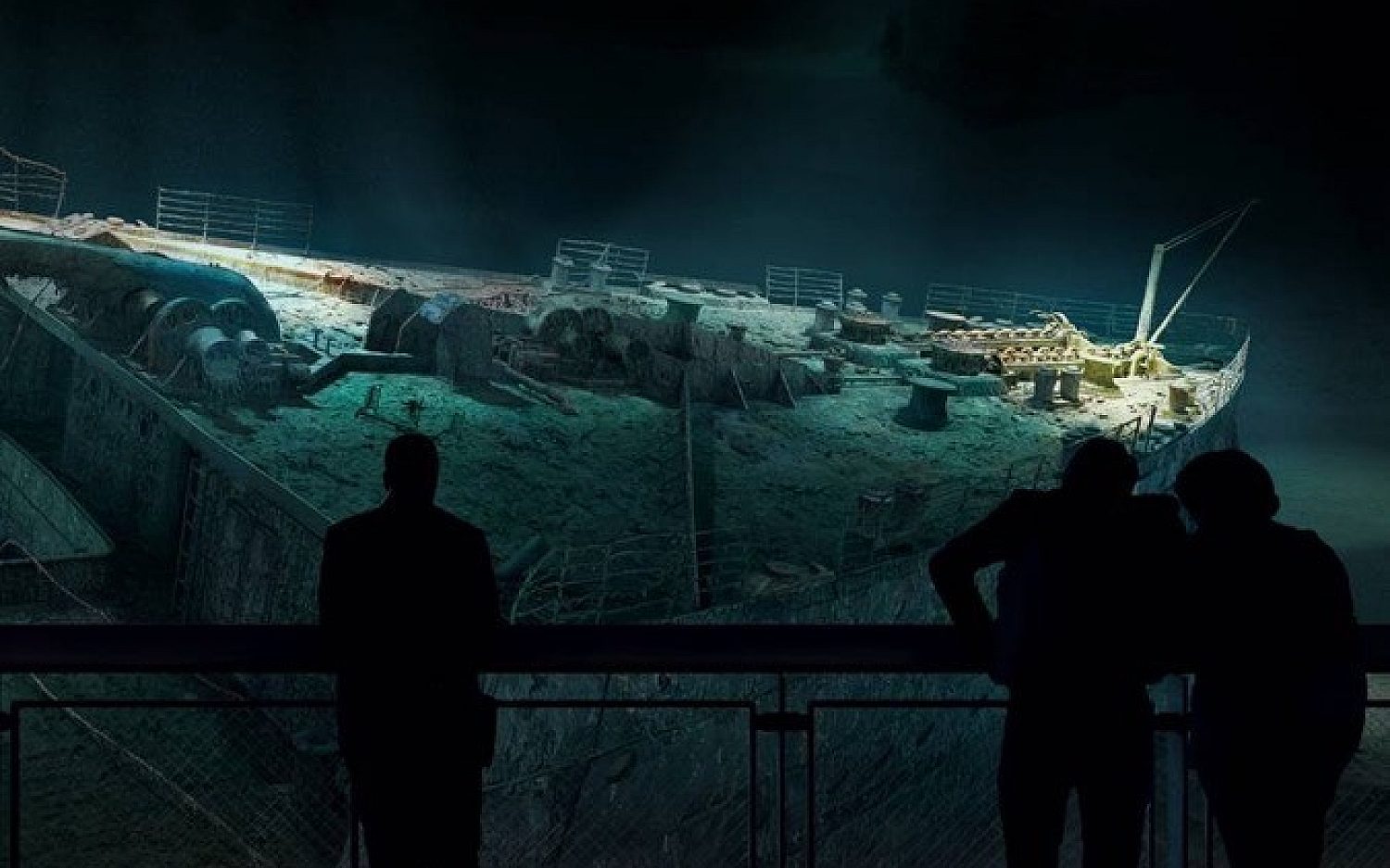
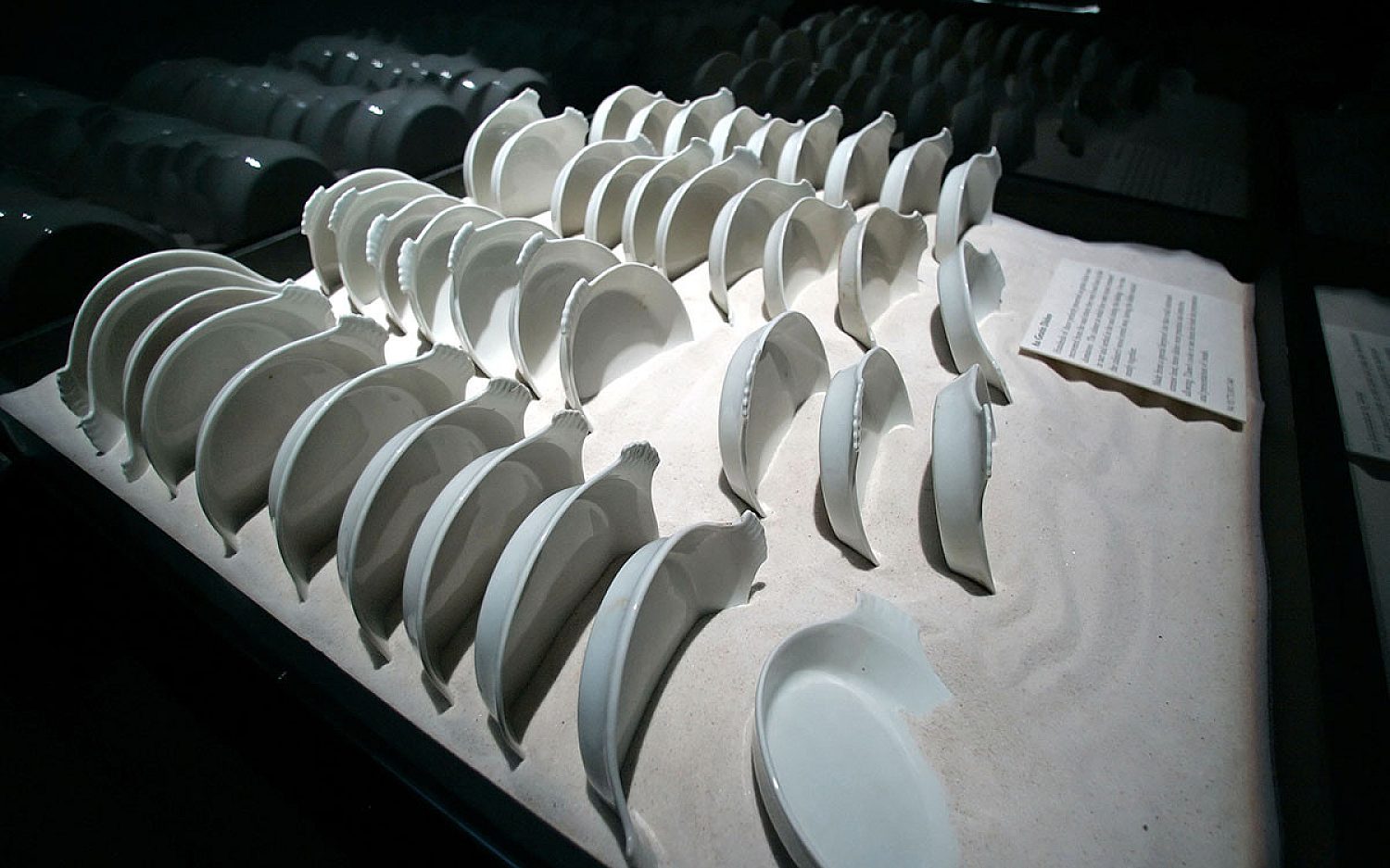
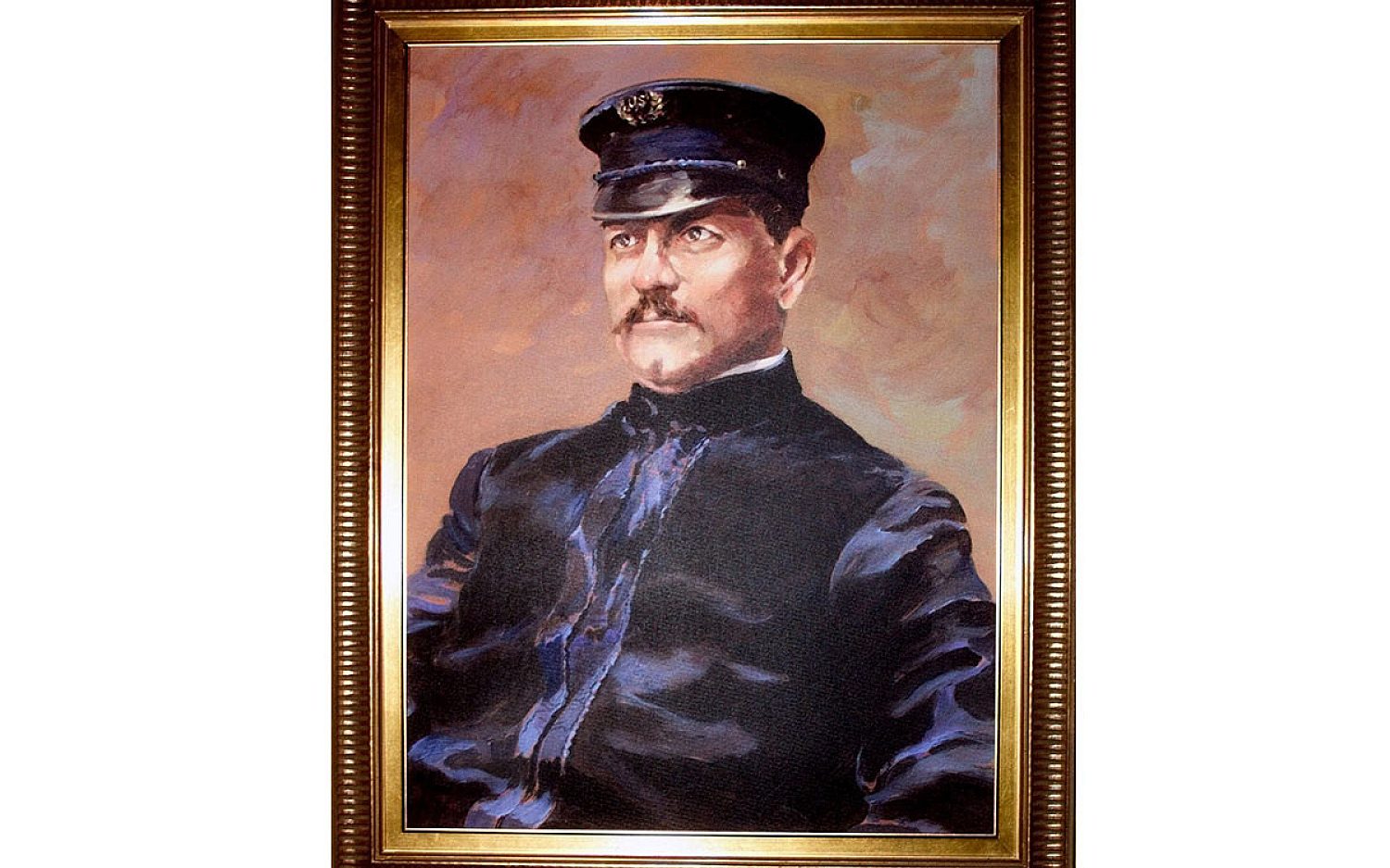
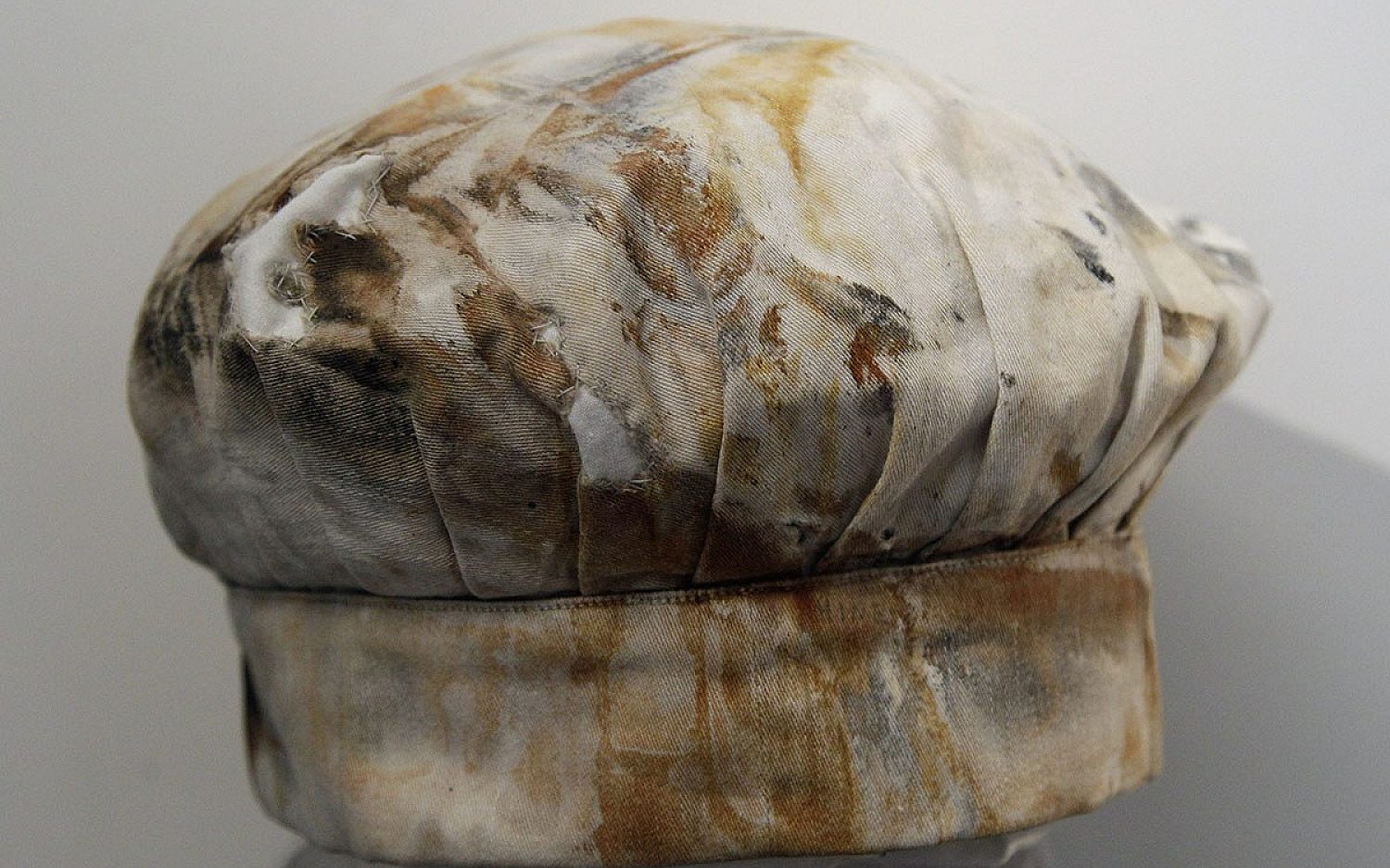


About 1,500 people died when the RMS Titanic sank after striking an iceberg in 1912. More than a century later, the wreck still fascinates many. That’s partly why RMS Titanic, Inc., the company that owns exclusive salvage rights to the wreck, wants to sell some of the recovered artifacts. But the U.S. government is pushing back.
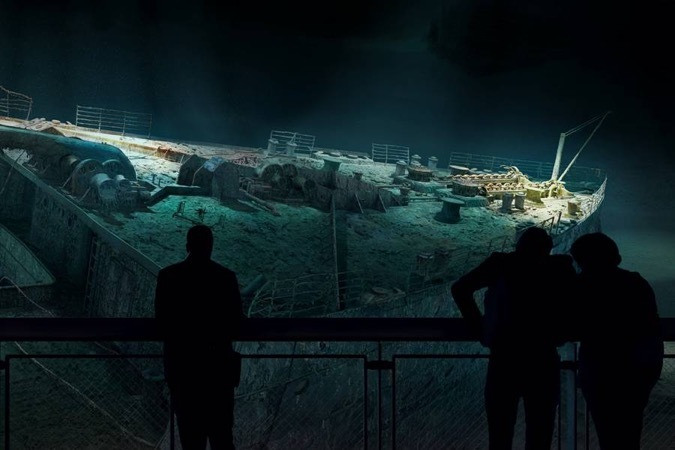
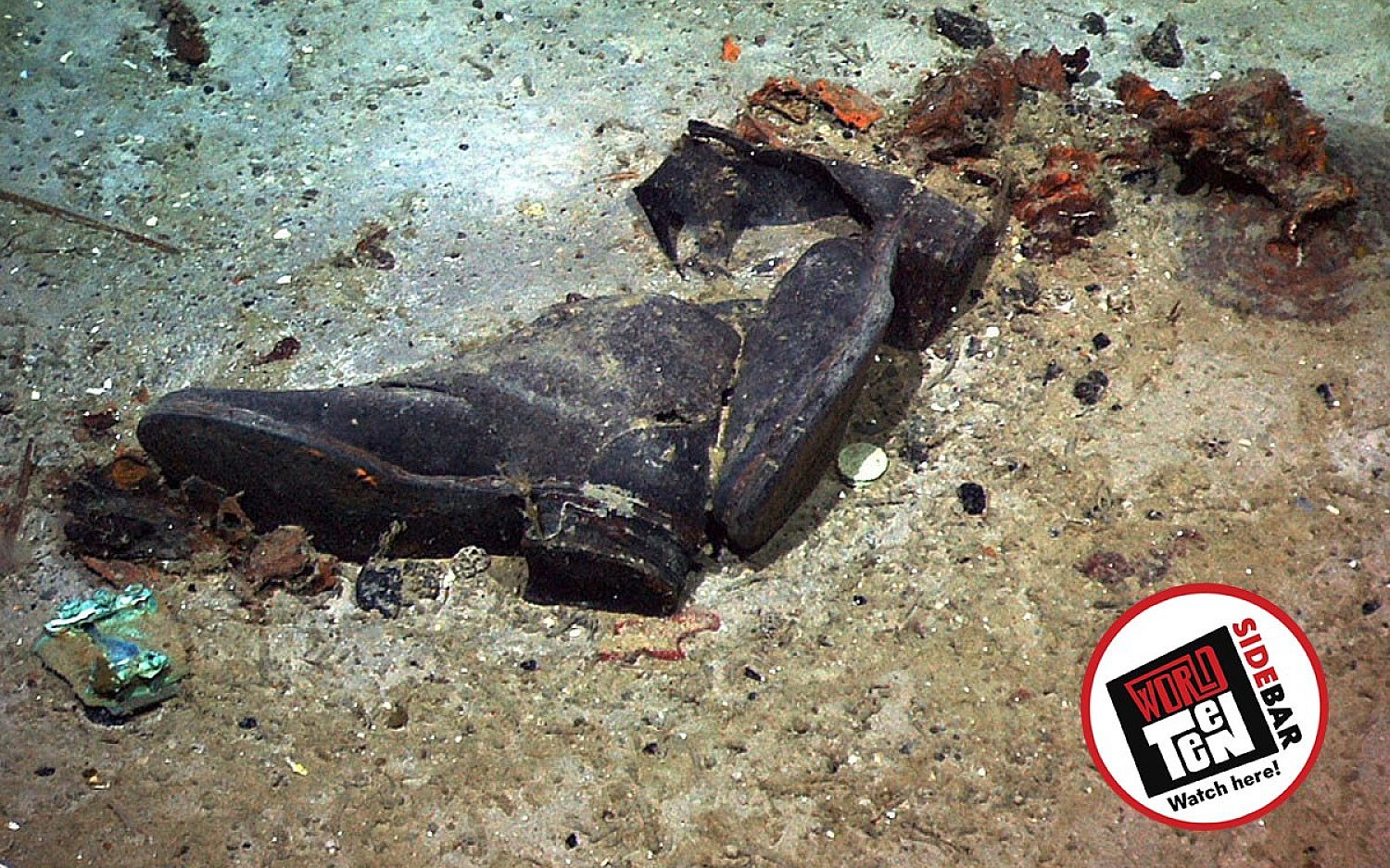
After the discovery of the wreckage in 1985, the government established rules to preserve it as a historic site and final resting place for the victims.
The National Oceanic and Atmospheric Administration (NOAA) represents U.S. oversight of the wreck. The agency contends the proposed sale would violate RMS Titanic, Inc.’s legal obligations.
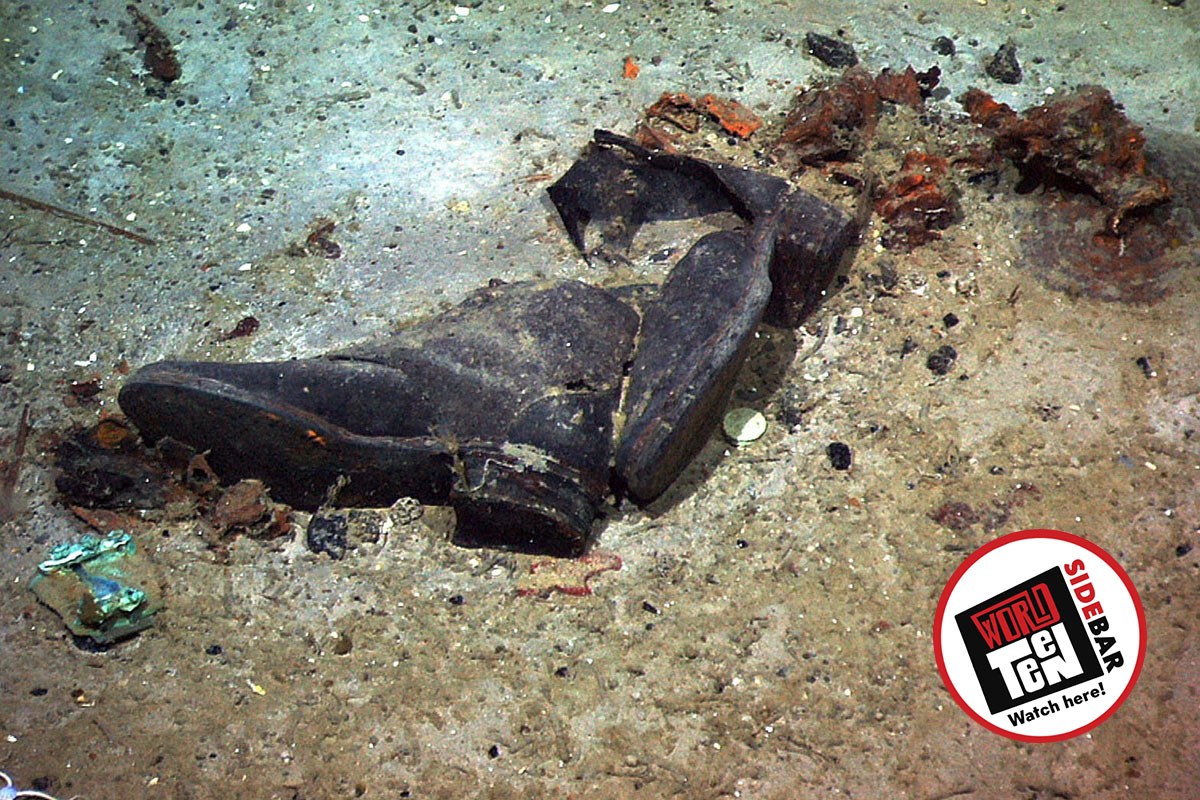
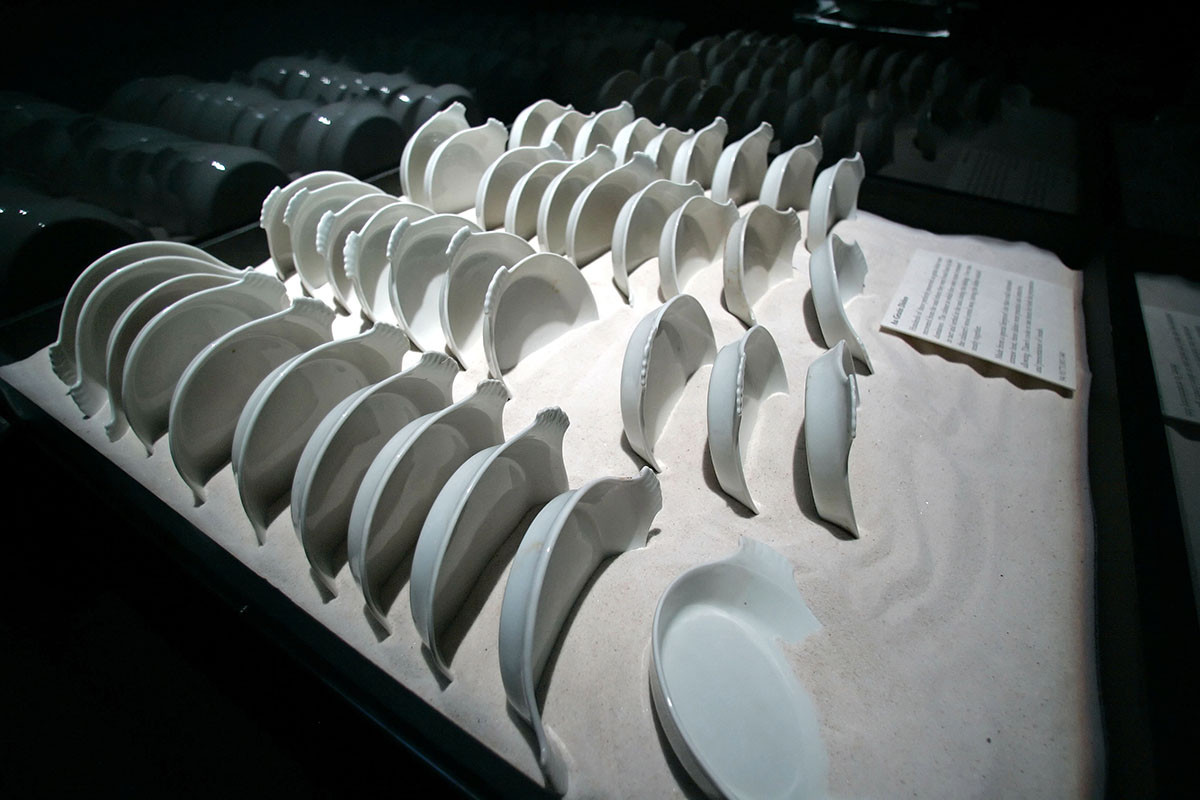
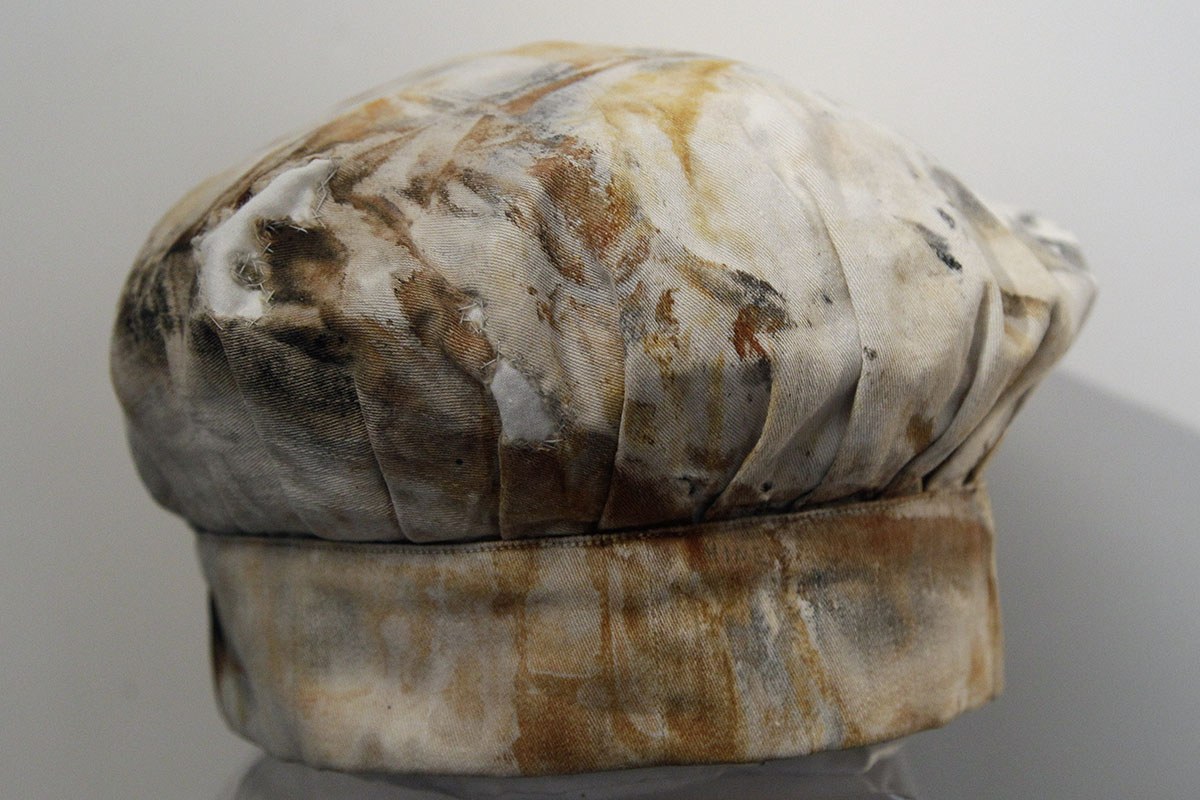
The company wants to sell more than 100 things salvaged from the wreckage—including currency, kitchen items, and décor. Court documents reference a bronze cherub, a necklace of gold nuggets, and a heart-shaped pendant, among others.
The company tried multiple times to sell artifacts to fund future explorations and to combat financial trouble. But U.S. courts, preservation groups, and victims’ relatives opposed the efforts. Some of the pieces selected for the sales once belonged to passengers.
However, possessions saved by survivors or rescuers can be sold, often for large sums. Auctioneers say the unending fascination with Titanic and the rarity of artifacts adds up to high demand and exorbitant prices.
Soon after the wreck site was located, the company now known as RMS Titanic, Inc., salvaged about 1,800 objects and took them to France. France awarded ownership to the salvager.
Workers retrieved the rest of the collection during subsequent expeditions, and the salvage claim was made in a U.S. District Court in Norfolk, Virginia. The company makes money through exhibition of the artifacts.
NOAA argues that all the roughly 5,000 items—regardless of where they were claimed—must remain in one collection based on conditions set both by the U.S. court and a French court.
RMS Titanic, Inc., counters that argument, among other things. Its representatives claim that the U.S. court lacks jurisdiction over the items claimed in France.
Because humans are made in the image of God, we seek to treat human earthly remains with respect. Titanic’s tragic history calls for particular care in handling the site.
RMS Titanic, Inc., has spent much money on expeditions to Titanic. Without that company’s efforts, much from the wreck would be lost. Should RMS Titanic, Inc., be allowed to make that money back and even profit through sales of artifacts? Or does historical importance outweigh the right to cover costs and produce profit? This conundrum requires wisdom.
What do you think? Email a letter to the editor at WORLDteeneditor@gwnews.com to tell us.
Why? The sinking of the RMS Titanic is both a tragedy and a source of fascination. That’s why the U.S. government put rules in place about how the wreck site should be treated.
Click the “video” button at the top of the page to watch a WORLDteen Sidebar about underwater artifacts from an even older shipwreck—one that dates back to the Byzantine Empire!