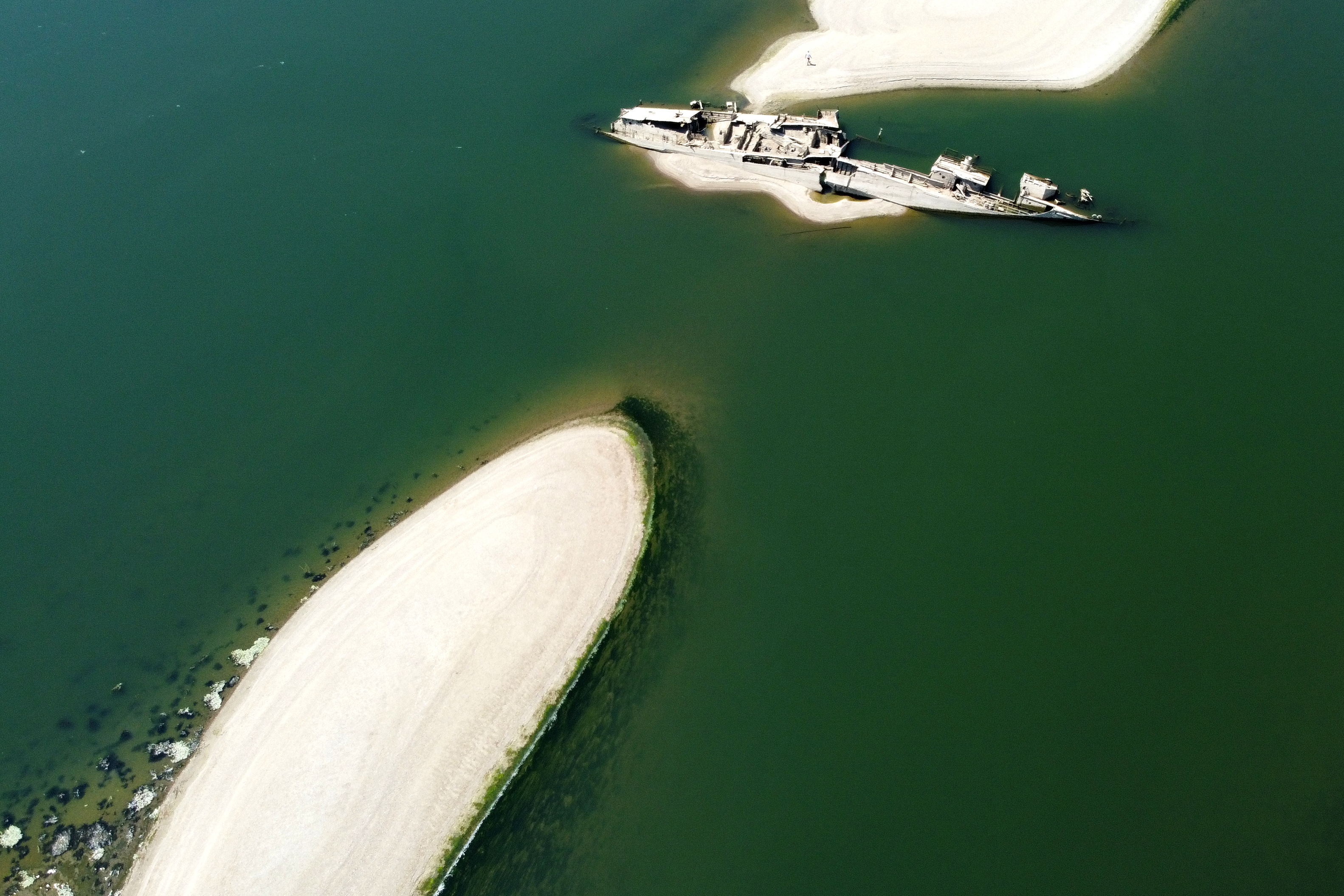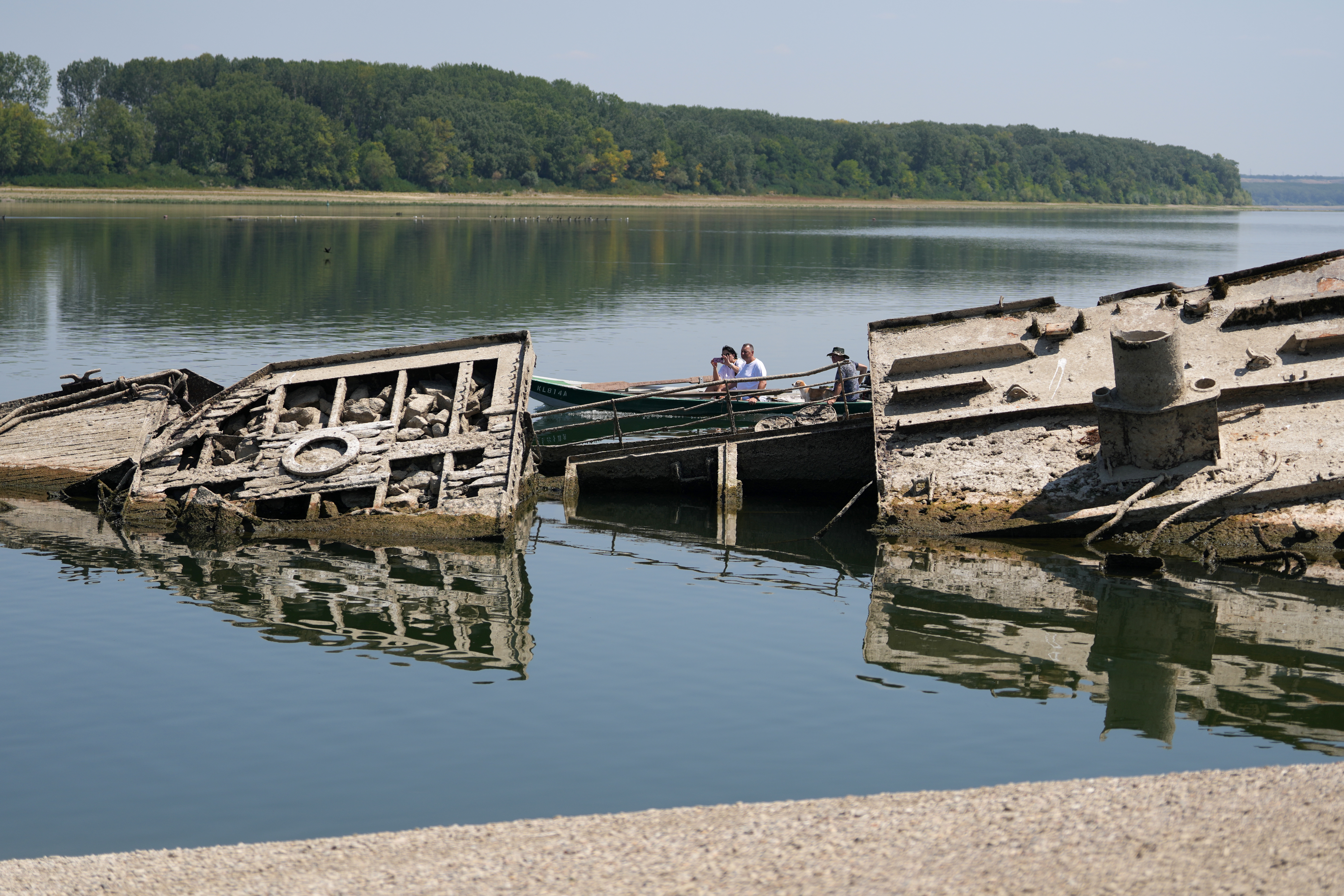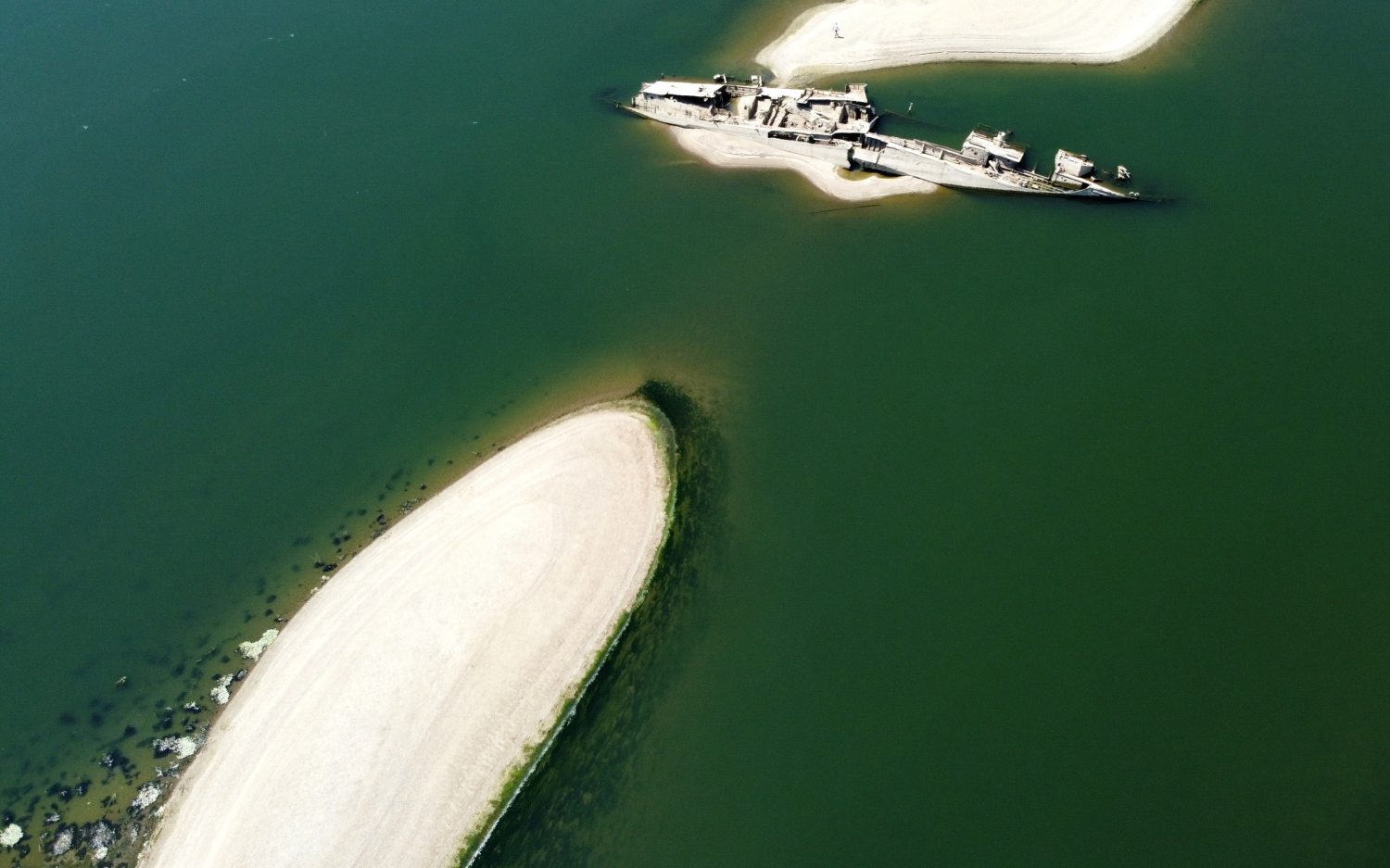
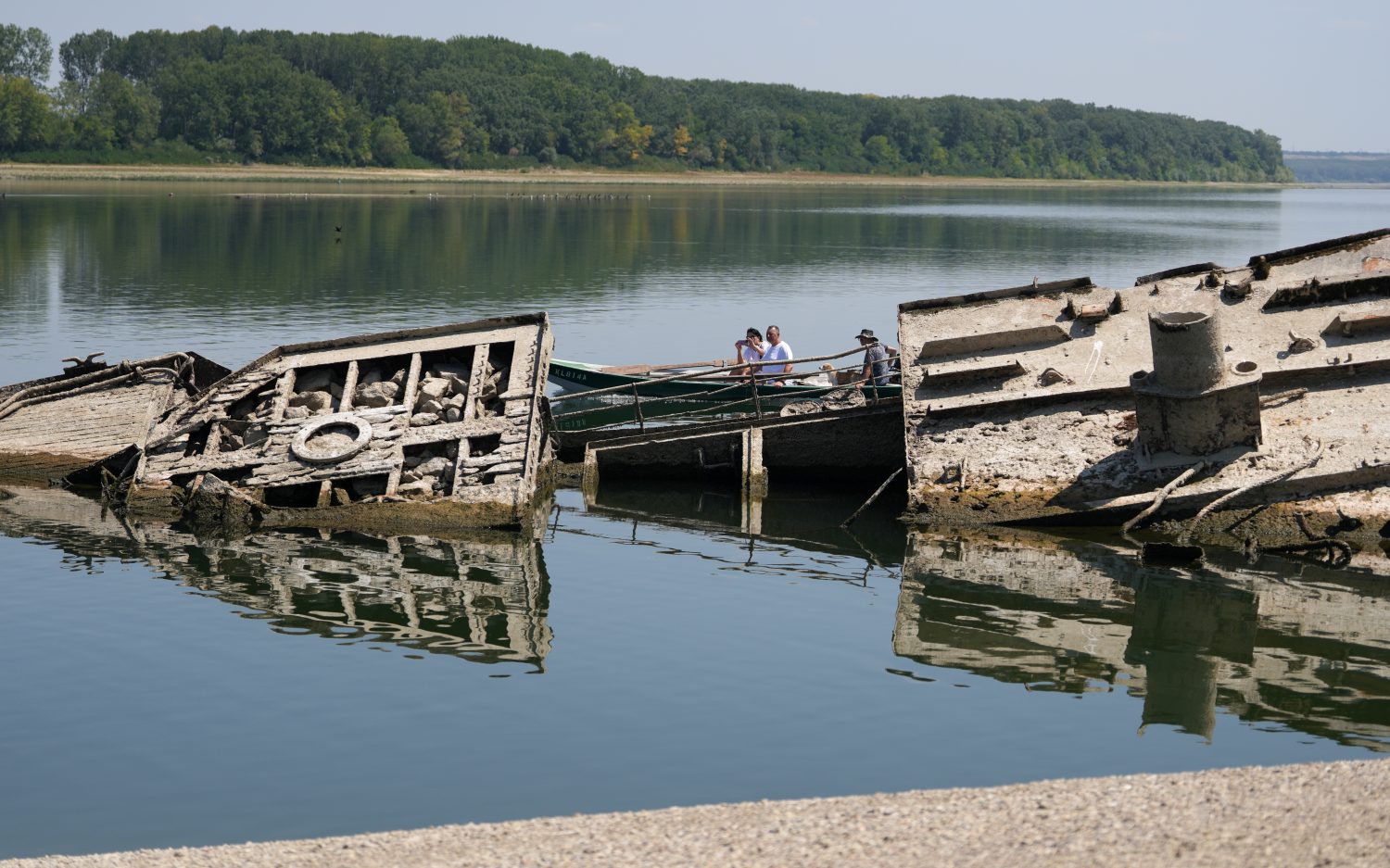
Water levels on Europe’s Danube River have dropped so low that sunken World War II German battleships are coming into view.
The old ships belonged to Nazi Germany’s Black Sea fleet. Germany sank up to 200 ships on purpose in September 1944 to try to slow the Soviet advance in the final months of the war. The strategy ultimately didn’t help much. The Germans eventually surrendered in May 1945. It’s not clear what will happen to the ships. The Serbian government has been trying to remove them for years. But clearing the area is no simple task. Many of the ships still contain explosives.
Historically, the Danube River was an important part of the Roman Empire. It winds over about 1,770 miles through a total of 10 countries. Beginning in the Black Forest of Germany, it empties into the Baltic Sea from Romania at that country’s border with Ukraine.
The emerging ships are a fascinating but sobering result of the drought and heat waves Europe has faced this summer. Some days have reached temperatures of over 100° Fahrenheit. Meanwhile, rainfall in some parts of Europe has been lower than normal.
For countries that rely on the Danube River for trade, electricity, and tourism, the lower water levels are a crisis, especially as Europe continues to fight wildfires. Governments across Central and Eastern Europe are taking steps to conserve electricity.
Hungary’s only nuclear power plant, which produces half of the country’s electricity, is currently operating at just 10%. Workers can’t get enough water from the river to keep the reactors cool. Even if they turn the plant off, it still needs cool water to prevent a nuclear accident.
If more rain and lower temperatures don’t arrive soon, European farms face reduced crop yields.
Meanwhile, tourism is also decreasing as some river cruise ship companies cancel tours. Last month, 186 passengers evacuated from a Viking cruise ship because the water in the Danube River was too low for the ship to continue.