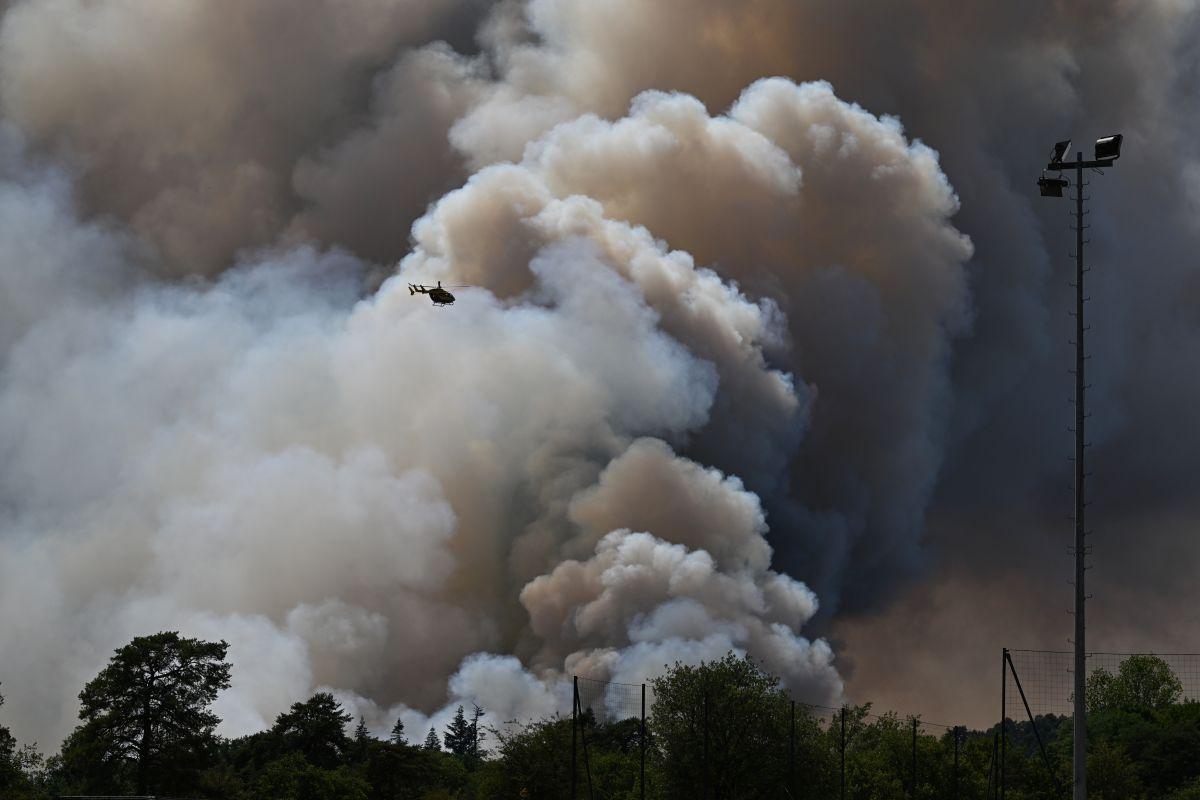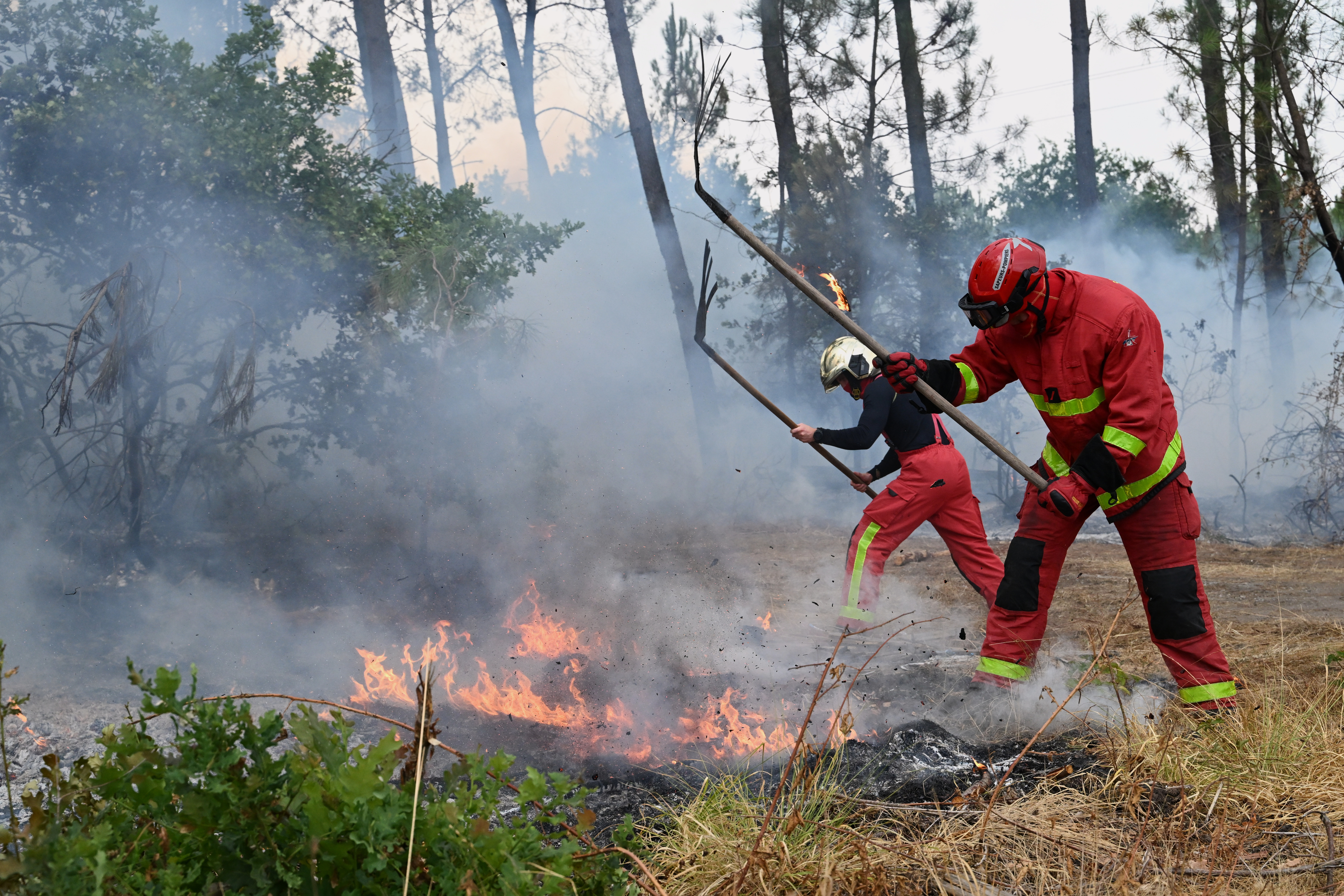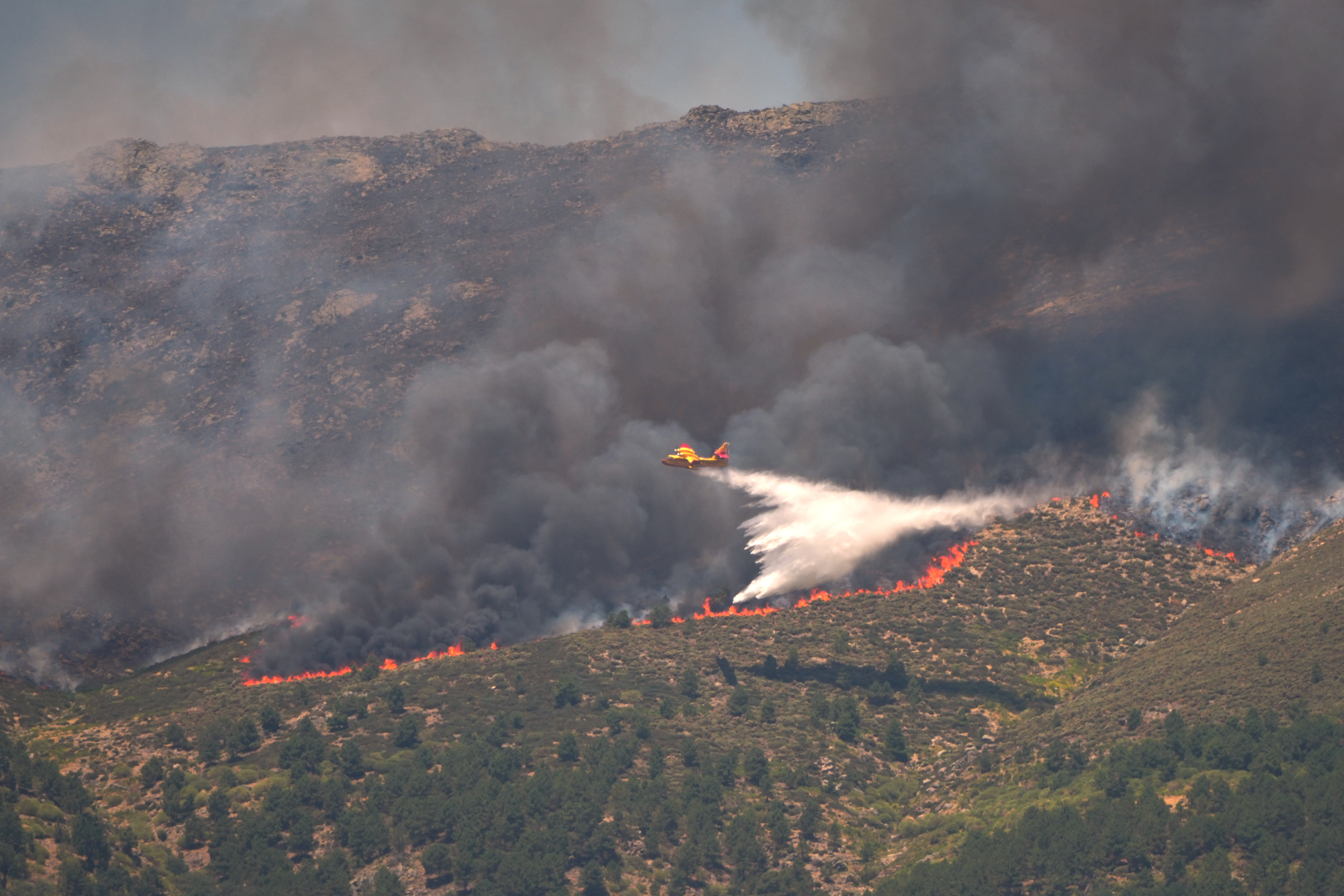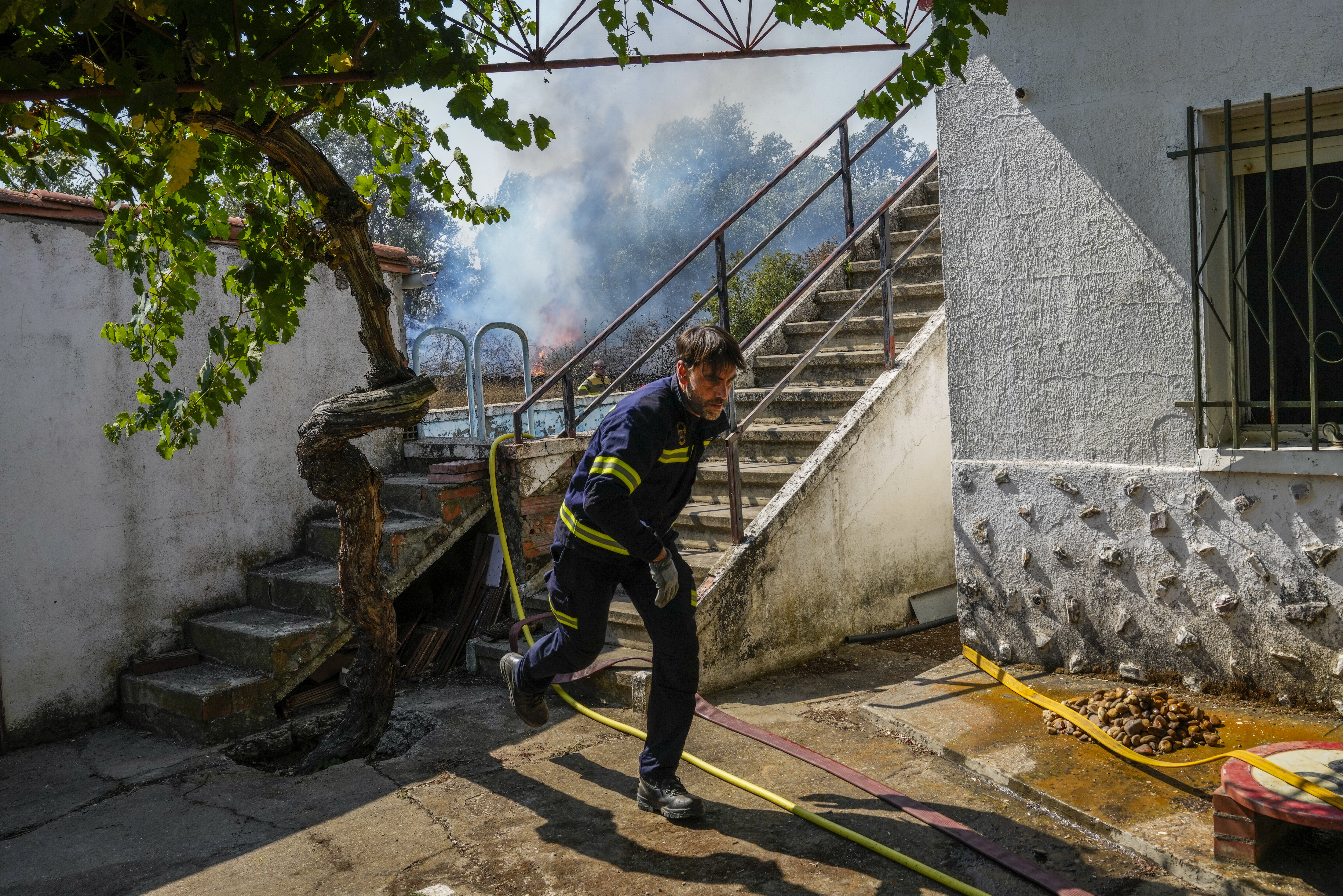
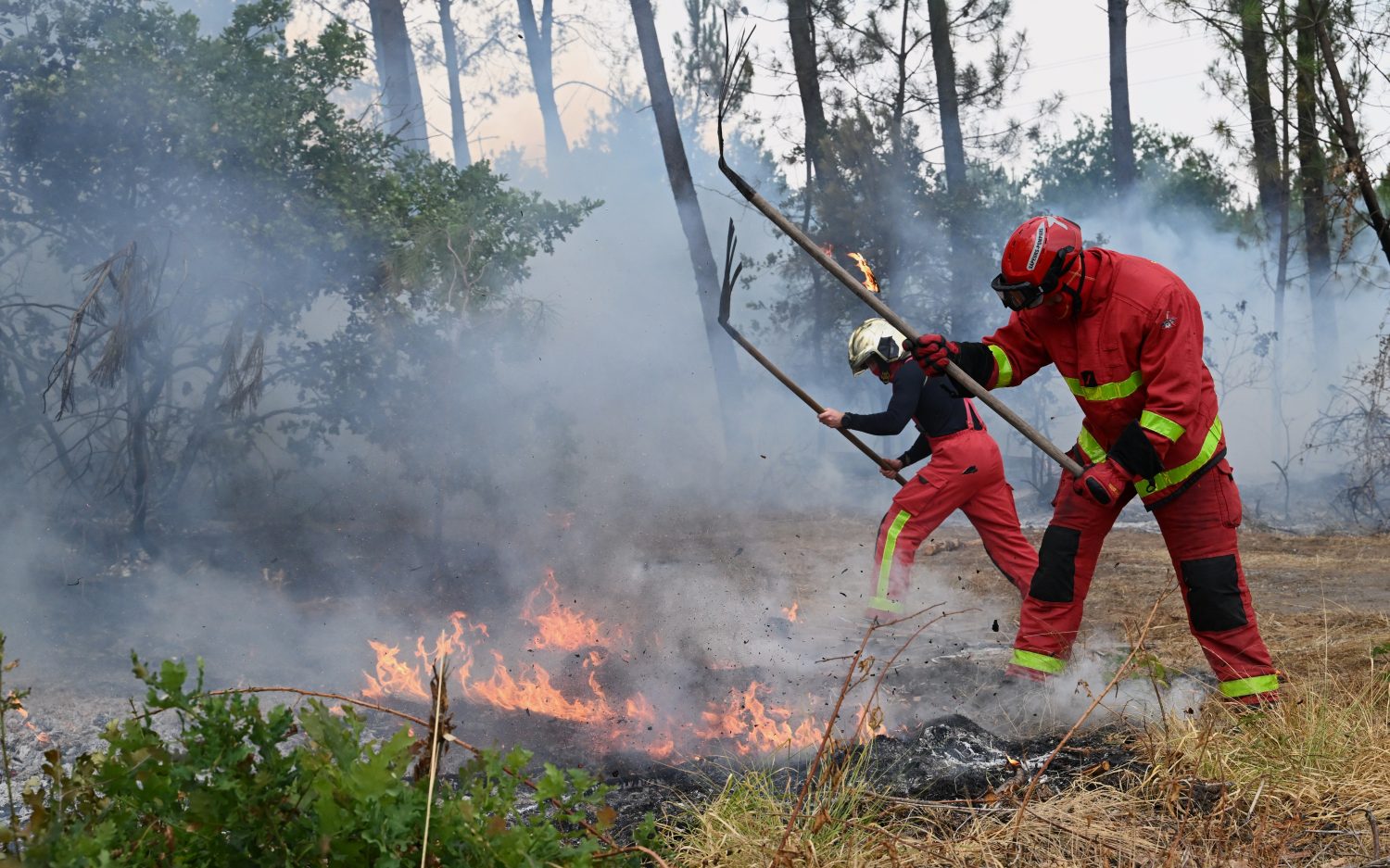
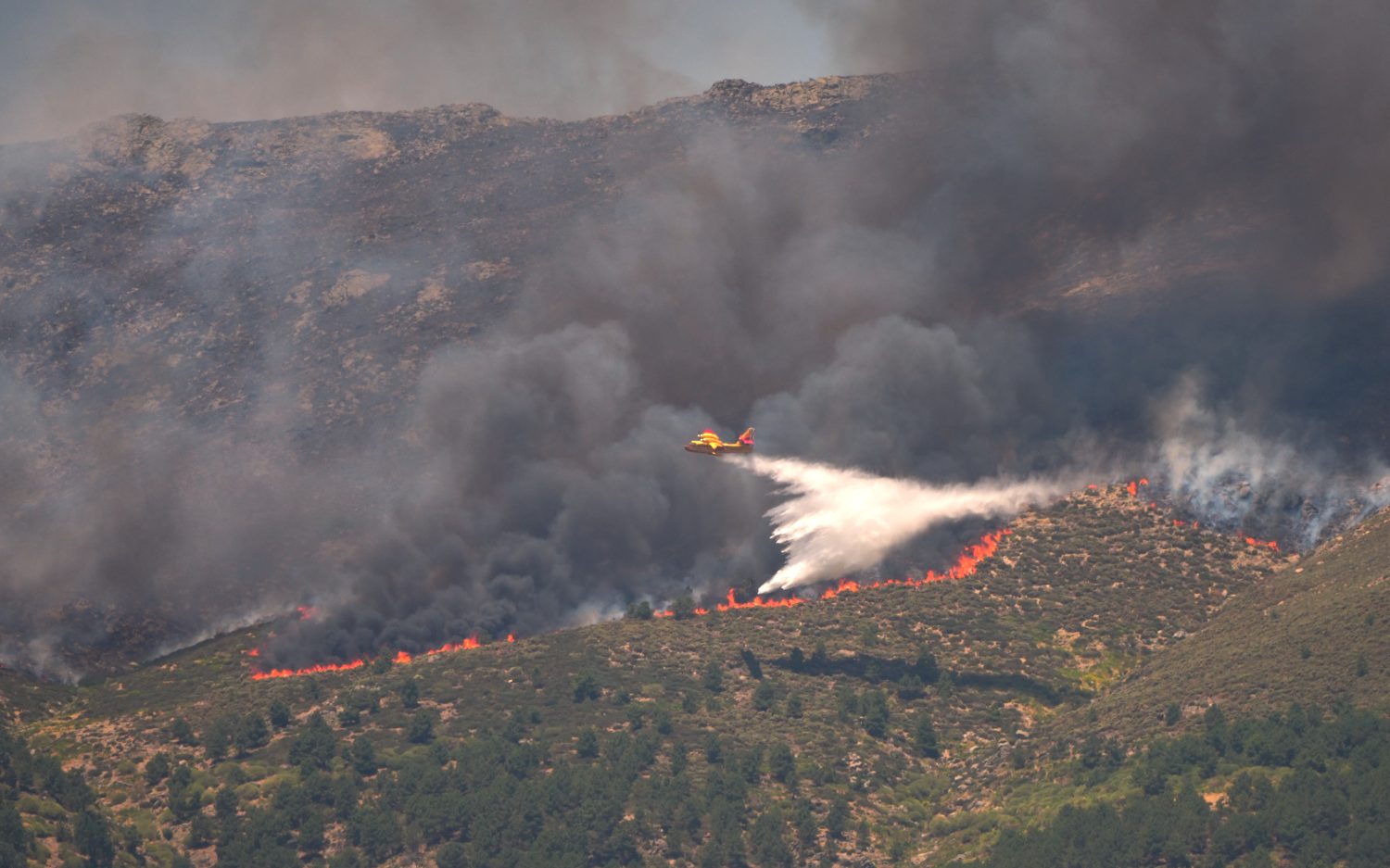
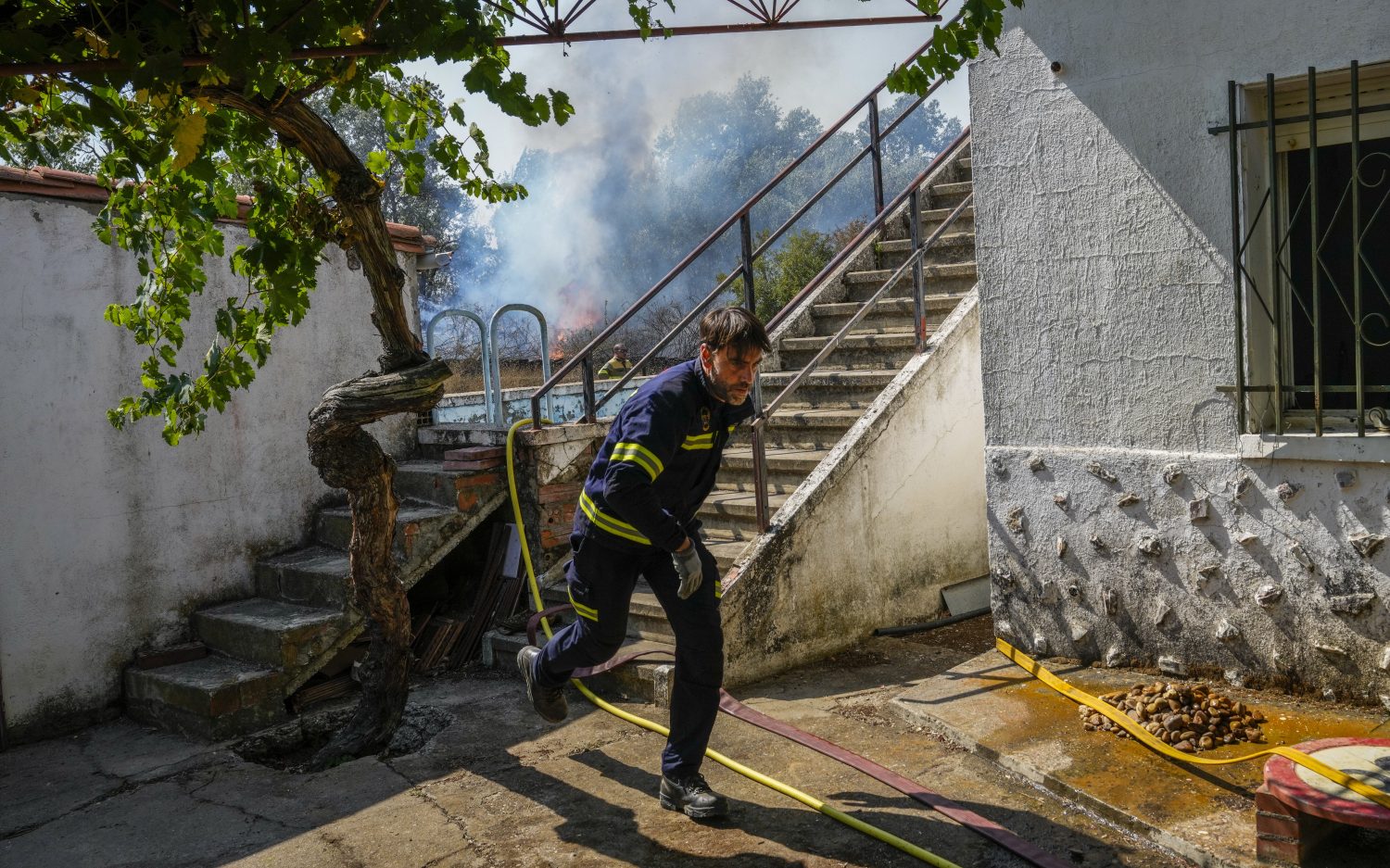
Historic wildfires blaze in France and Spain. Record summer heat in Europe and low rainfall created conditions that let flames spread quickly. Both countries are battling their largest wildfires on record.
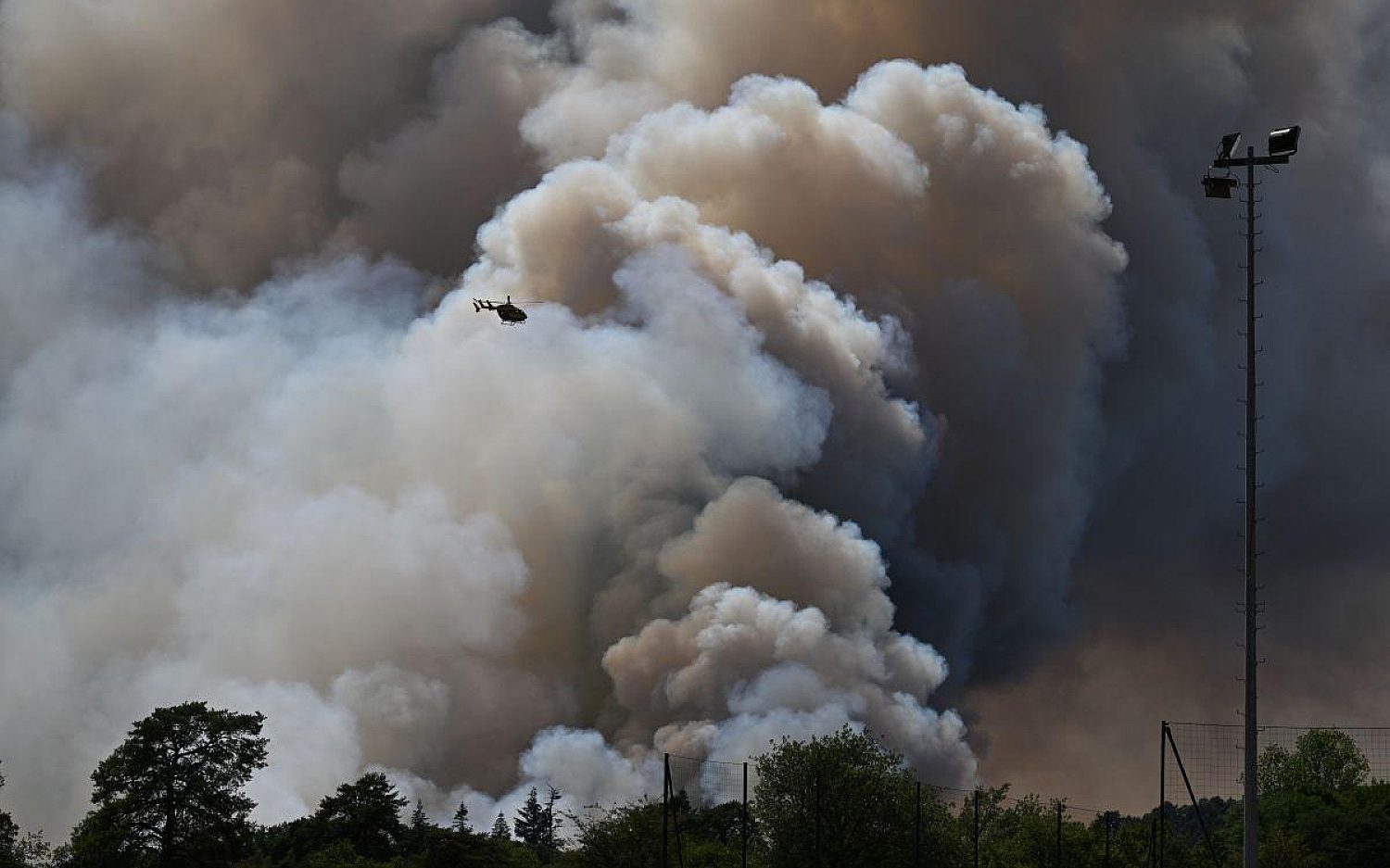
In southwest France, one blaze grew so powerful it created a thunderstorm. That generated lightning, which started more wildfires. The phenomenon is called a pyrocumulonimbus, or pyroCb. Rare in Europe, it was a first on record for France.
“Once it forms, the cloud becomes its own weather system, sitting on top of the fire and making it harder to predict,” says fire meteorologist Theodore M. Giannaros. A pyroCb can release “fire whirls”—whirling columns of flame.
Authorities in France have evacuated more than 250,000 people. It’s one of the country’s largest evacuations since World War II.
The government mobilized soldiers to join fire crews. Farmers volunteered to deliver tanks of water.
In southwest France, 93 firefighters have been injured. The fire destroyed hundreds of homes.
In Spain, 90,000 people evacuated.
Rocío Domínguez describes fleeing her home with only the clothes she was wearing. “It was madness with cars going up and down, traffic jams in the village streets as people tried to get out,” she says. “It looked like the apocalypse. . . . Everything was covered in ash.”
On the heels of Spain’s World Cup victory, the Spanish Football Federation offered its national training facilities as shelter for evacuees.
National team head coach Luis de la Fuente says that all of Spain is rallying for the firefighters. “They have the support of the entire country,” he says. “The same support we have when we play soccer. It’s exactly the same.”
Javier García is part of an emergency wildfire brigade in Spain. “This doesn’t have a precedent,” he says of a wildfire in a rural region west of Madrid. “Until last year, I had never experienced fighting one big fire after another.”
In the past, his brigade’s mission was to put out forest fires. This year, their goal is to save lives by redirecting fires. “Now it is lives first, then homes, and after, the forest,” he explains.
Another firefighter, Raúl Guerrero, says his 40-man unit had to retreat several times from fires because it was in danger of being trapped. “The fire is so virulent and has such power that no matter what you do, you can’t put it out.”
Another heatwave forecast for Spain this week threatens to ignite more wildfires. Nine other countries in the EU are sending firefighting planes and helicopters to France and Spain.