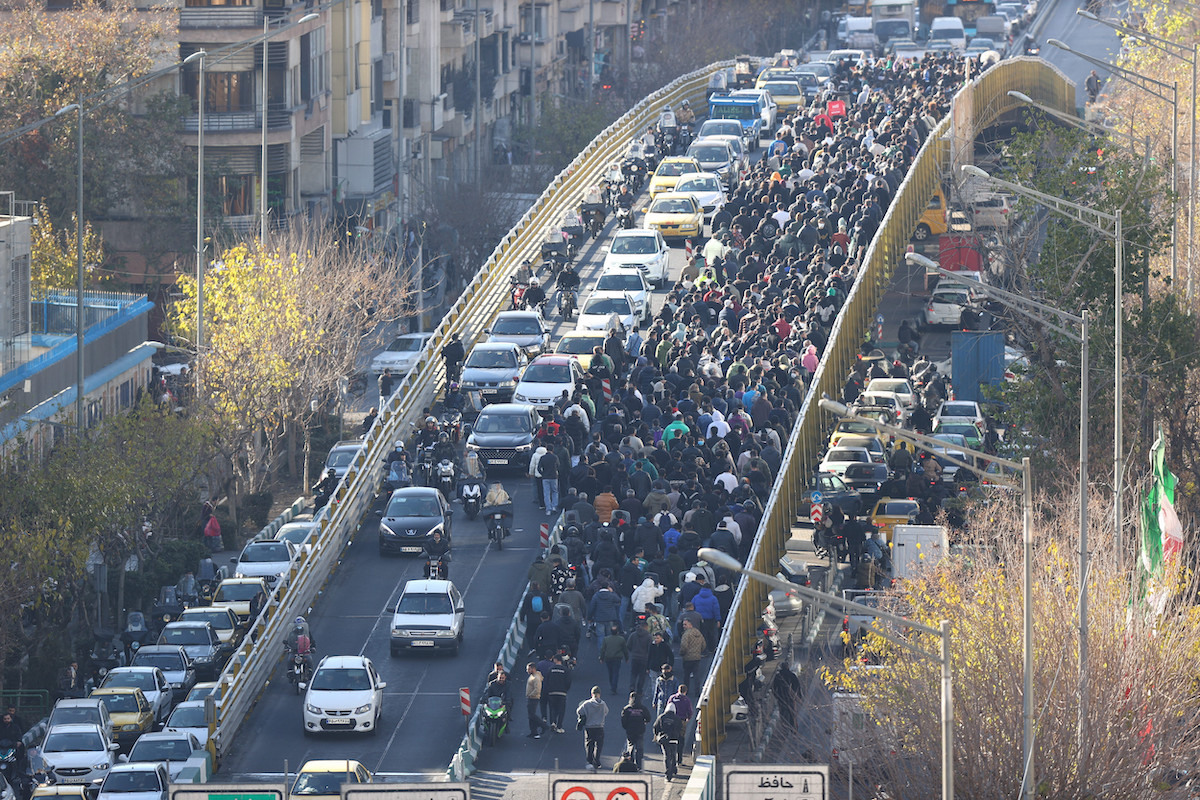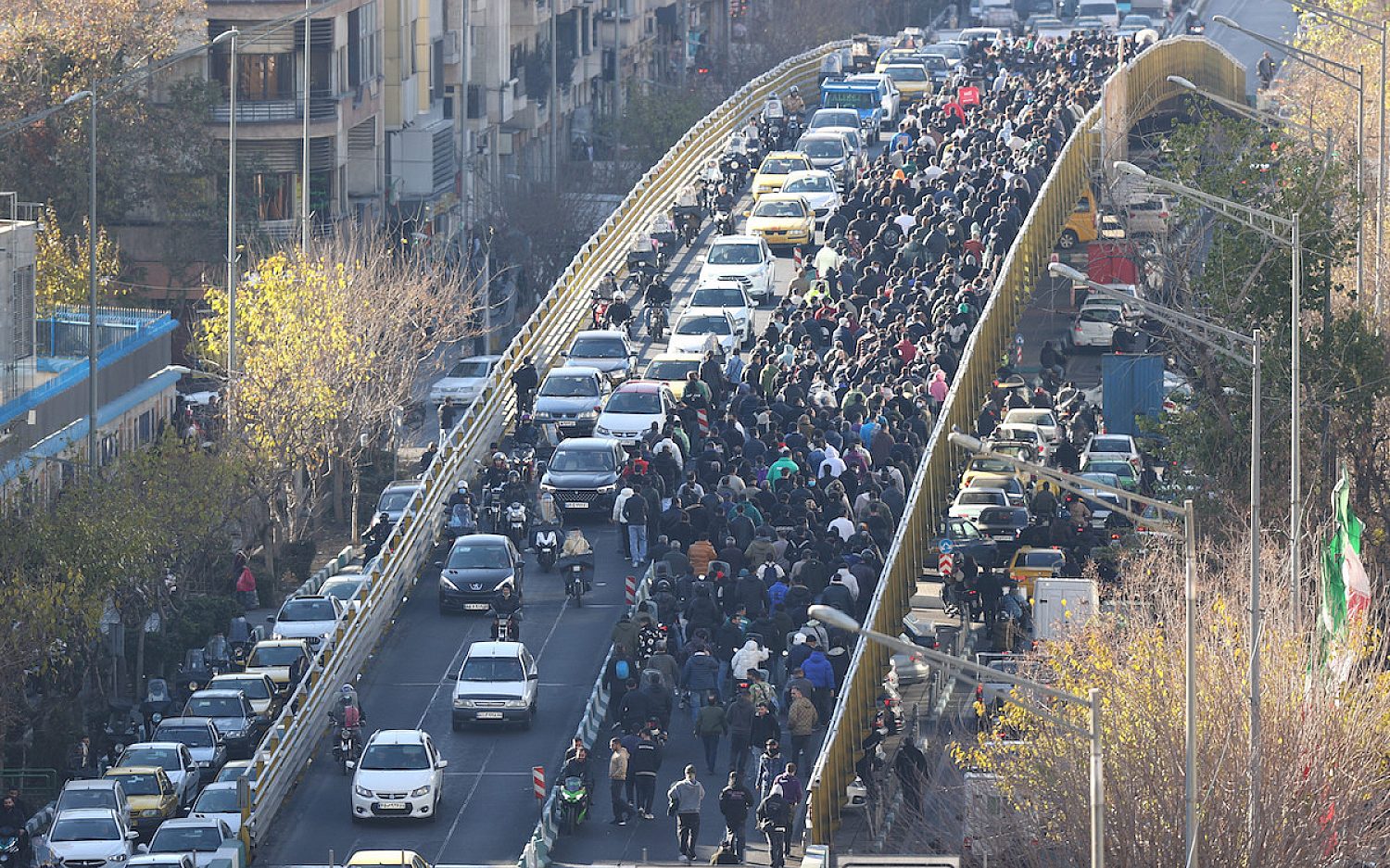
Protests erupted across Iran in recent weeks. Economic troubles sparked these demonstrations. But the causes go deeper. Iran’s people feel discontent under their Islamist government.
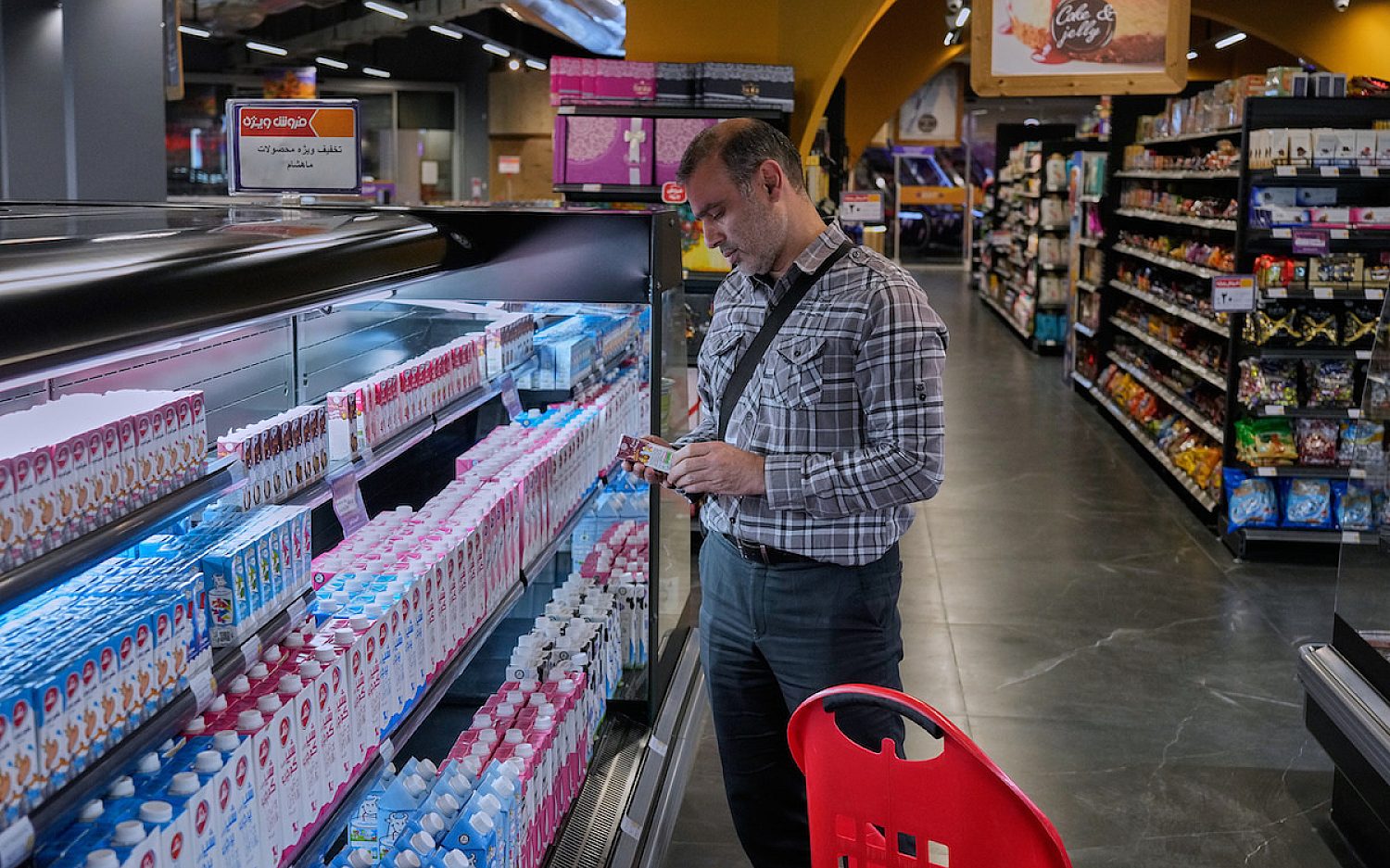
Iran has seen a year of turmoil. In June, the nation faced a 12-day war with Israel. The United States bombed Iran’s nuclear sites. In September, the United Nations imposed sanctions on Iran due to its nuclear program. Economic pressure increased. Iran’s currency, the rial, plummeted in value. Inflation has climbed. Ordinary Iranians struggle to afford food and other basic goods.
Over 340 protests have taken place across Iran’s 31 provinces. Violence around the protests has caused 38 deaths. Over 2,200 people have been detained by authorities.
Iran hasn’t seen protests of this scale since 2022. That year, months of protests followed the death of Mahsa Amini. Authorities arrested her for not wearing a hijab, a traditional head-covering scarf. She died in police custody. The government shut down internet access and flooded streets to stop the demonstrations. So far, the current protests haven’t faced that level of pushback.
In Iran, protests against the government often fizzle out because they lack a leader.
“The Iranian security apparatus has arrested, persecuted, and exiled all of the country’s potential transformational leaders,” says Nate Swanson. He studies Iran for the Atlantic Council, a U.S.-based think tank.
Still, several prominent voices have fueled the fire. Perhaps the loudest such voice belongs to exiled Crown Prince Reza Pahlavi. In 1979, a revolution ousted his father, the shah (Iran’s ruler at the time—similar to a king). It replaced Iran’s monarchy with a theocracy. In a theocracy, religious leaders rule. Iran considers itself an Islamic Republic. Many Iranians long for the days before when Pahlavi’s father reigned.
Now Pahlavi urges Iran’s people to protest. He asked them to chant from their roofs and windows on Thursday and Friday nights at 8:00 p.m.
“Wherever you are, whether in the streets or even from your own homes, I call on you to begin chanting exactly at this time,” says Pahlavi in an online video. “Based on your response, I will announce the next calls to action.”
U.S. President Donald Trump has also spoken in support of Iranian protesters. He wrote on social media that if Iran “violently kills peaceful protesters,” the United States “will come to their rescue.” After the capture of Venezuelan dictator Nicolás Maduro, some Iranians wonder whether the United States will perform similar actions in Iran.
Proverbs 29:2 says that when wicked leaders rule, the people groan. It’s not easy to untangle the mess caused by wicked leaders. Even protests for good can turn violent. Even actions meant to help can hurt. People do their best to fix broken systems. Ultimately, only God can perfectly make everything new—but He promises that He has not forgotten us and that He is always working. Pray for the safety and freedom of Iran’s people.
By the blessing of the upright a city is exalted, but by the mouth of the wicked it is overthrown. — Proverbs 11:11