Rainstorms pummeled the U.S. Southwest for two weeks. The resulting floods destroyed some homes but replenished water reservoirs.
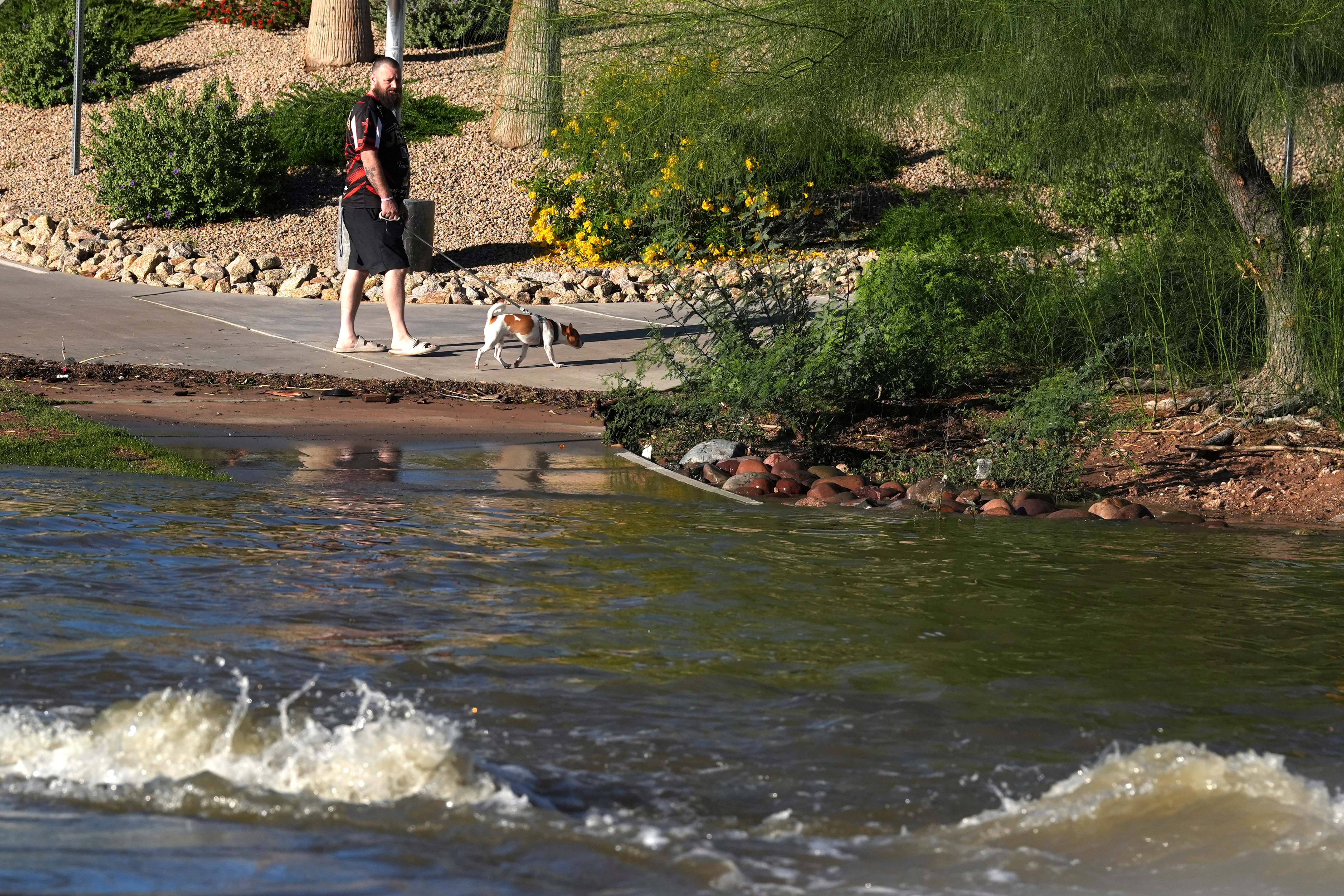
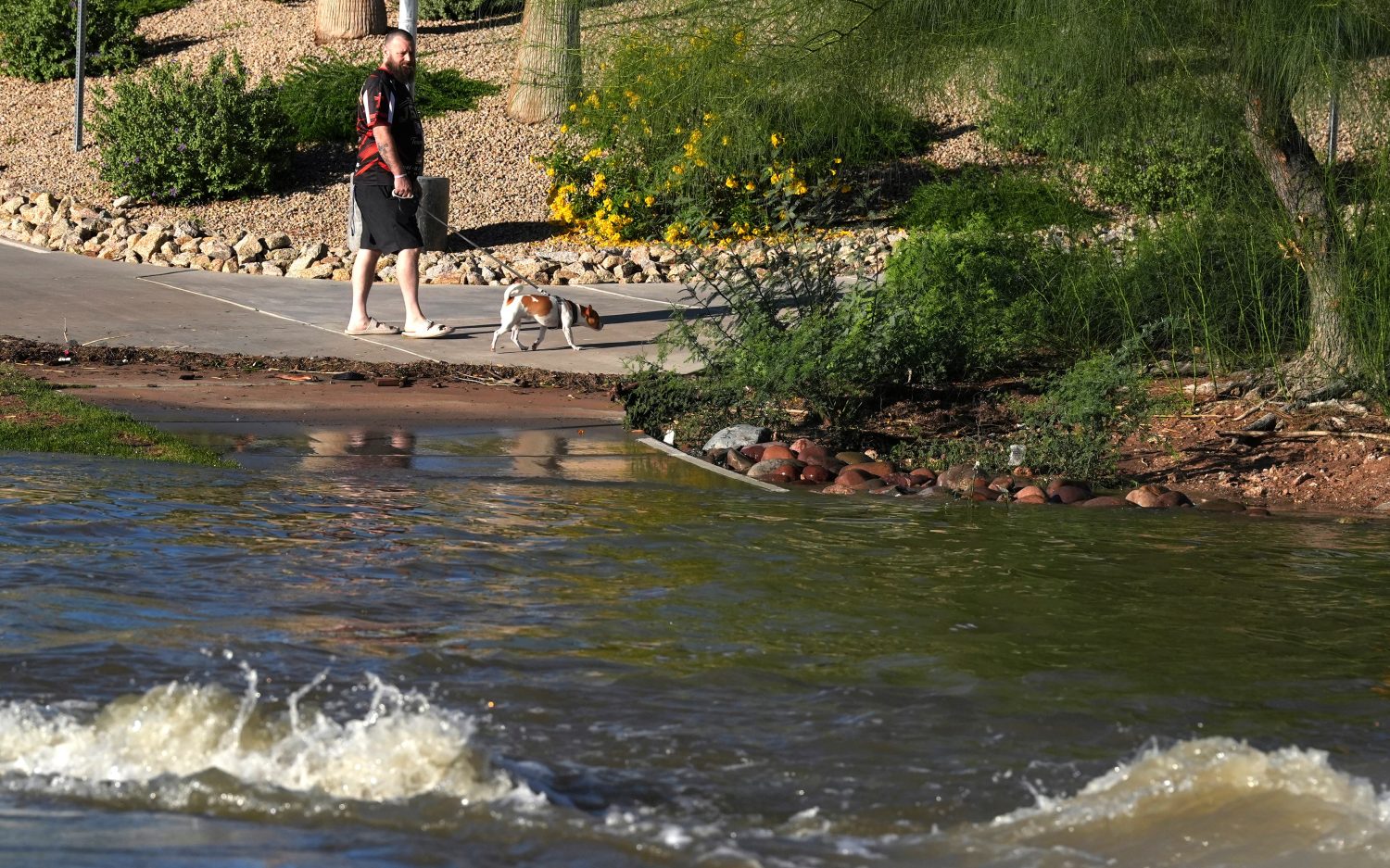
Two rounds of storms in October and November brought 20 trillion gallons of rain to Arizona, Colorado, New Mexico, Nevada, and Utah. That’s more than 10 months of water flow over Niagara Falls.
Meteorologists say the rainstorms are connected to the intense El Niño weather pattern this year.
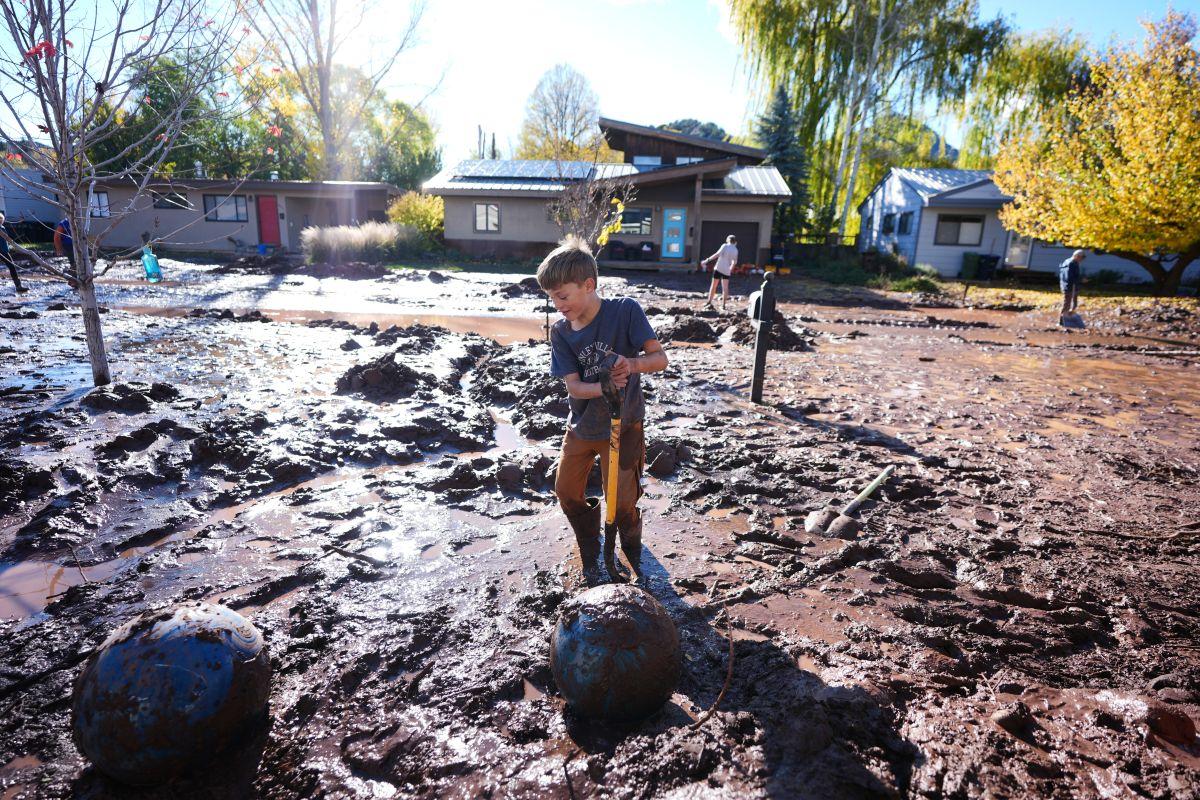
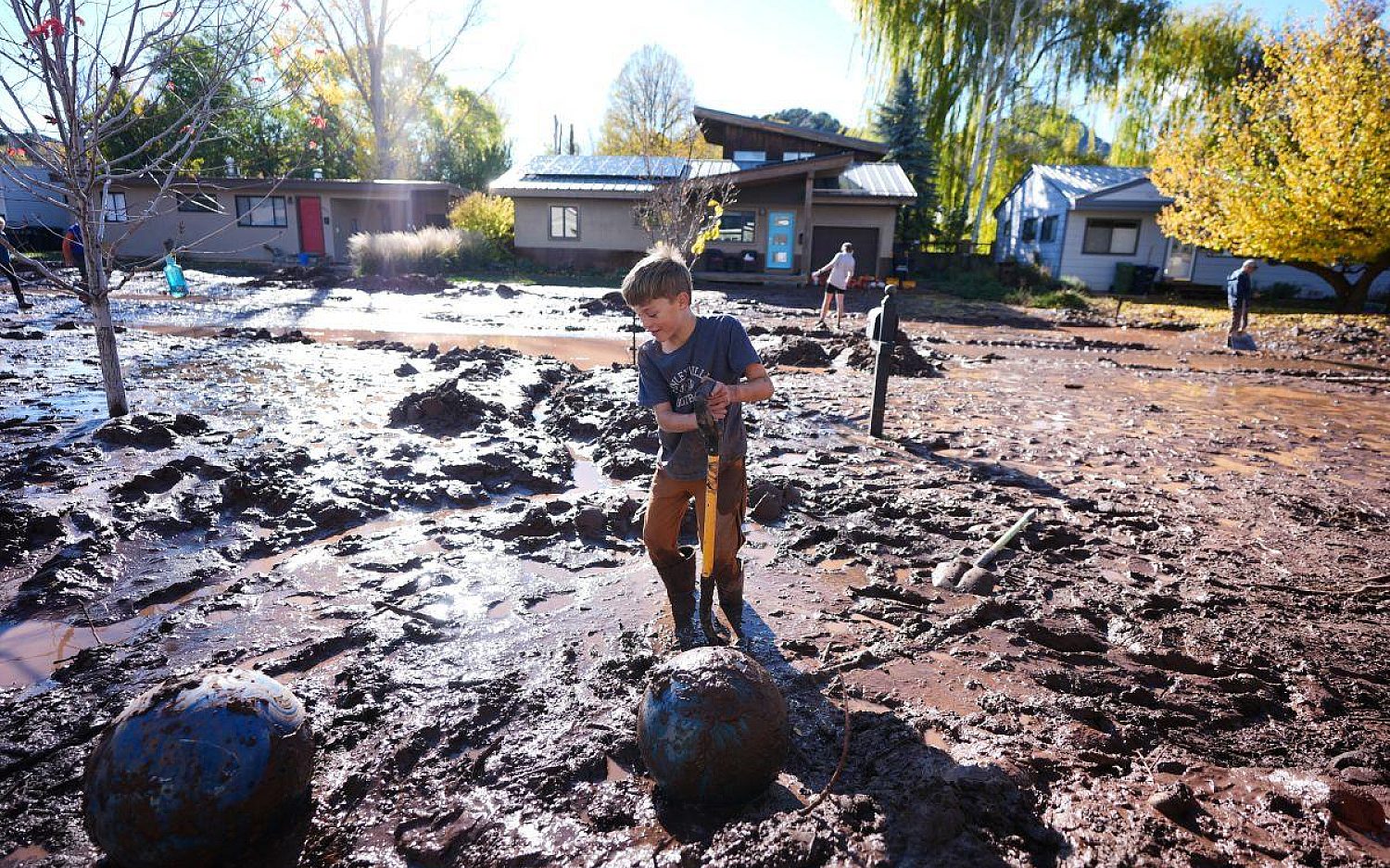
The rainfall brought devastating floods to many communities, including the town of Pagosa Springs, Colorado.
“This is quite a disaster for everybody, especially in the low-lying areas,” says Pagosa Springs resident Jack Ellis.
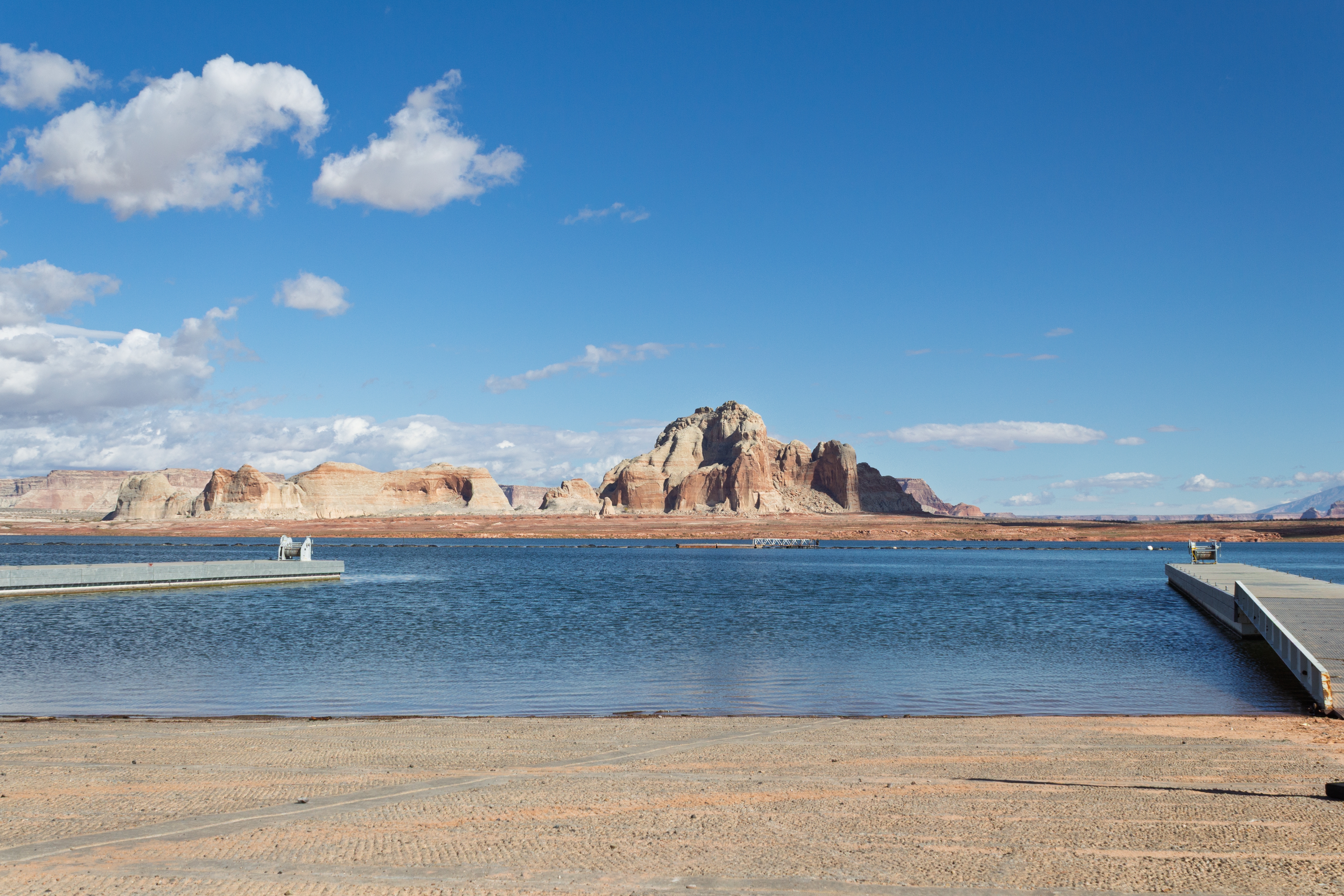
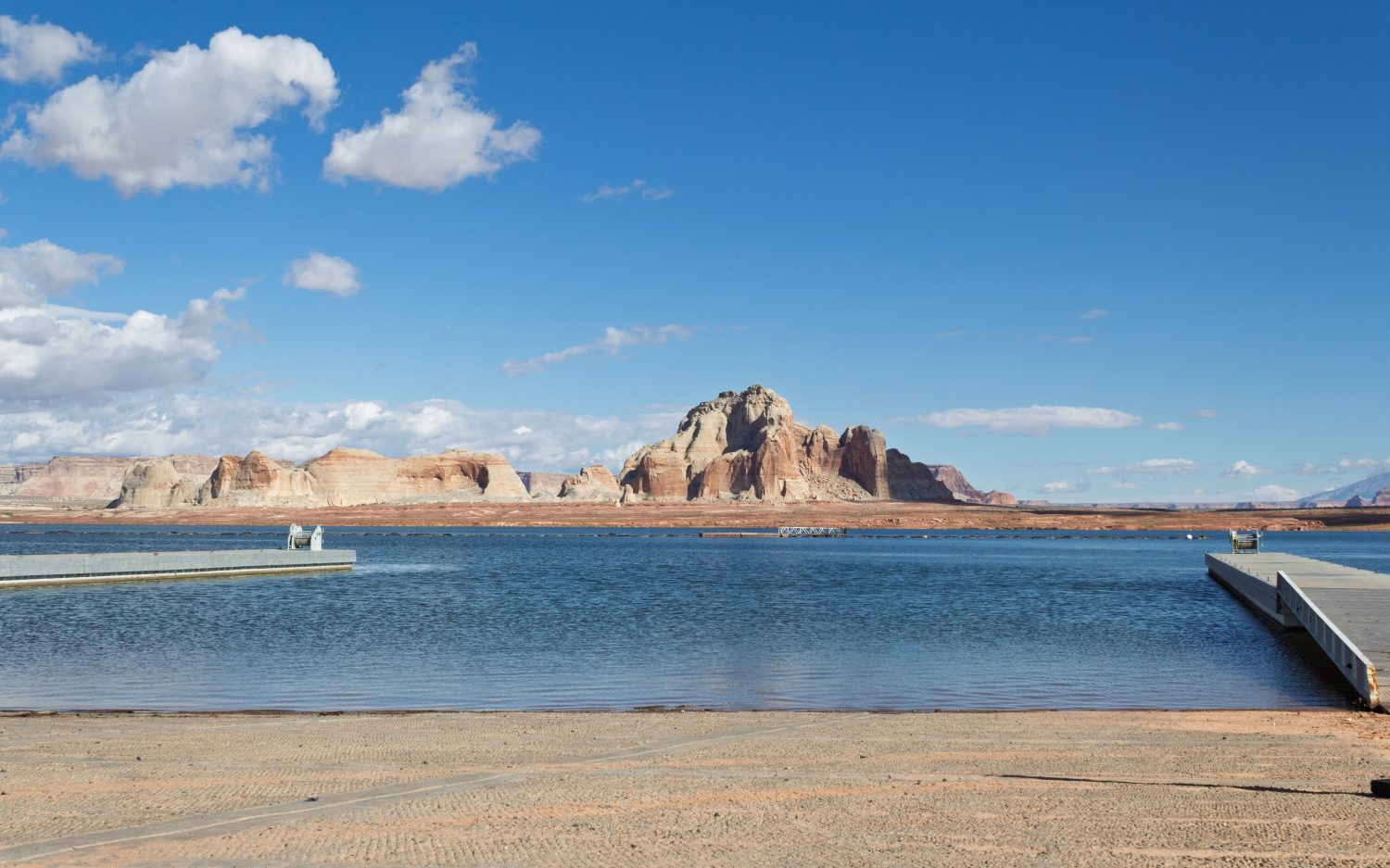
At least there is one bright side. Over the summer, reservoirs in the Southwest dropped to record low levels. But since mid-September, Lake Powell rose more than 20 feet. That’s more water than it gained from the spring’s snowmelt. The lake is now just over a quarter full.
In Pagosa Springs, officials lifted the town’s water restrictions. “While the storm was destructive, I think there is a silver lining,” says Pagosa Springs town manager David Harris. “You’re getting a good start to the winter snowpack in the higher elevations.”
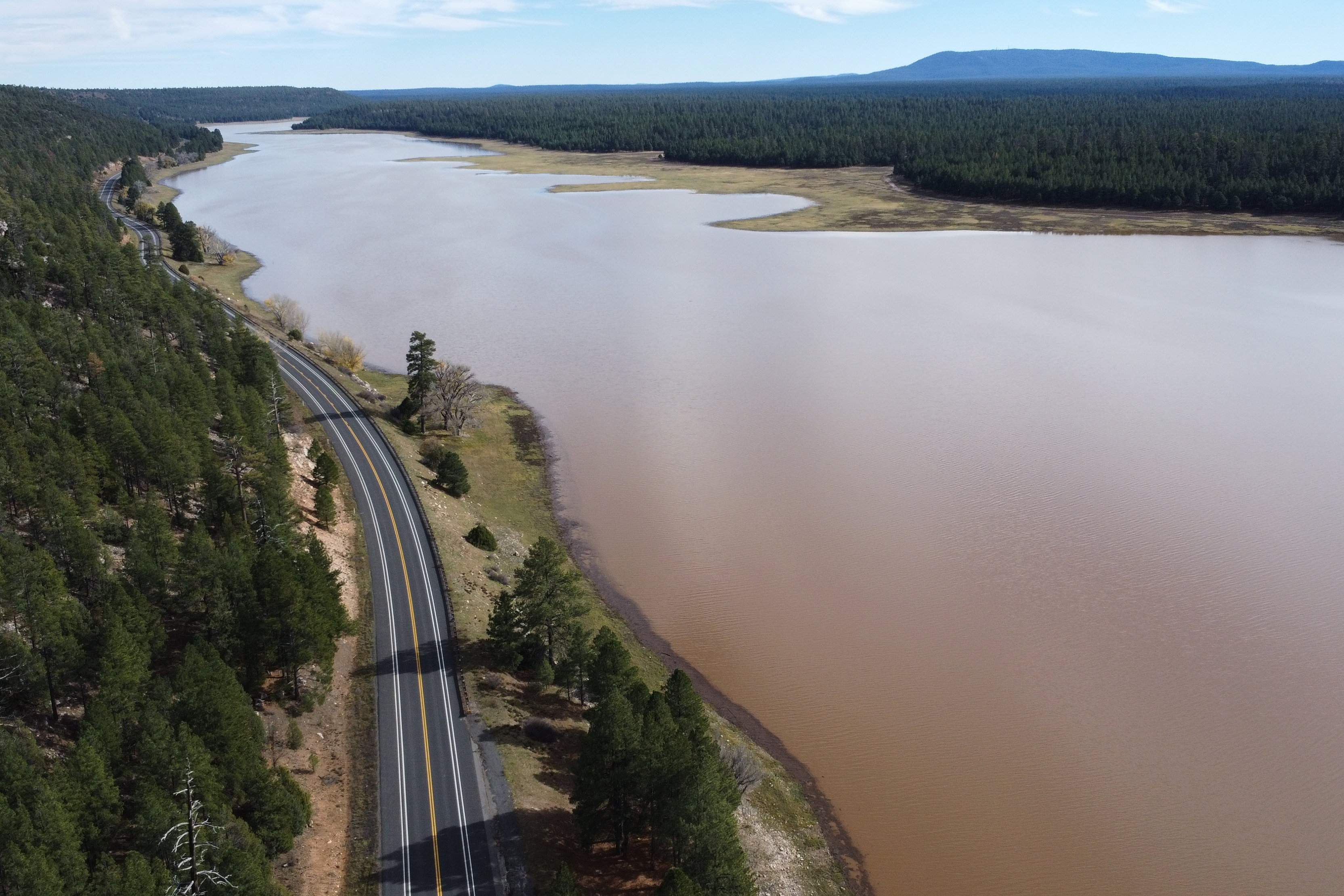
Brian Huntzinger is the water production manager for Flagstaff, Arizona. He was thrilled to see the city’s water supply increase.
“It’s just a great, great thing to see,” Huntzinger says. “We might be overflowing at this rate before we see any snow fly.”
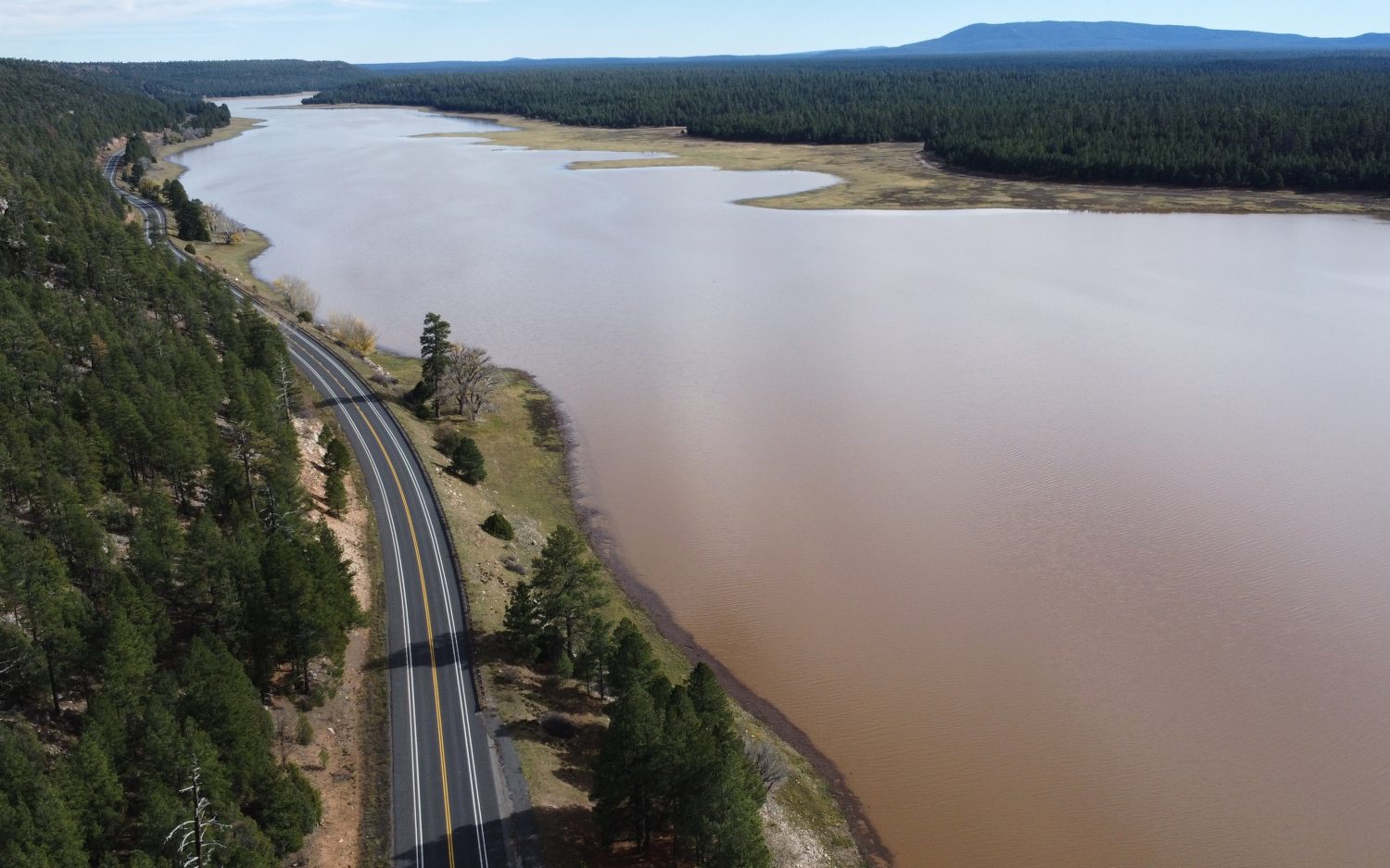
Upper Lake Mary supplies up to 40% of Flagstaff’s water. Since October, rainfall added three billion gallons of water. That’s the equivalent of two years of snowmelt.
Despite the influx of water, the region remains in a drought. The federal government hasn’t lifted water restrictions on California, Nevada, and Arizona.
Utah State University professor Jack Schmidt studies the Colorado River. He thinks that officials will keep water release from Lake Powell restricted until April, after another spring’s snowmelt.
Martin Hoerling, a meteorologist from the University of Colorado, thinks the water level in Lake Powell could continue to rise this fall. But he agrees that cities shouldn’t rely on this boost.
“We need to figure out how to be resilient in a drier future,” he says. “And we’re not quite there yet.”