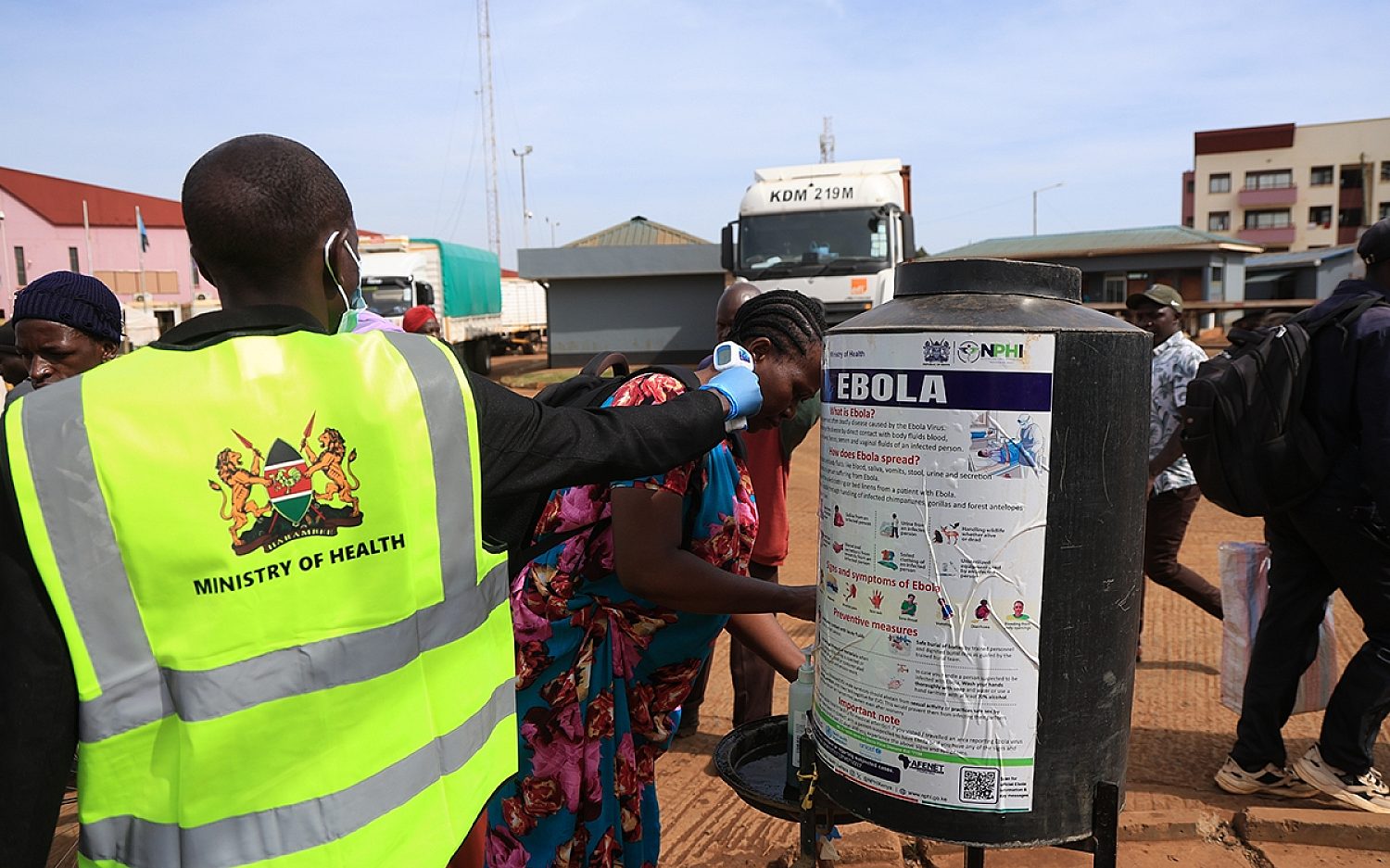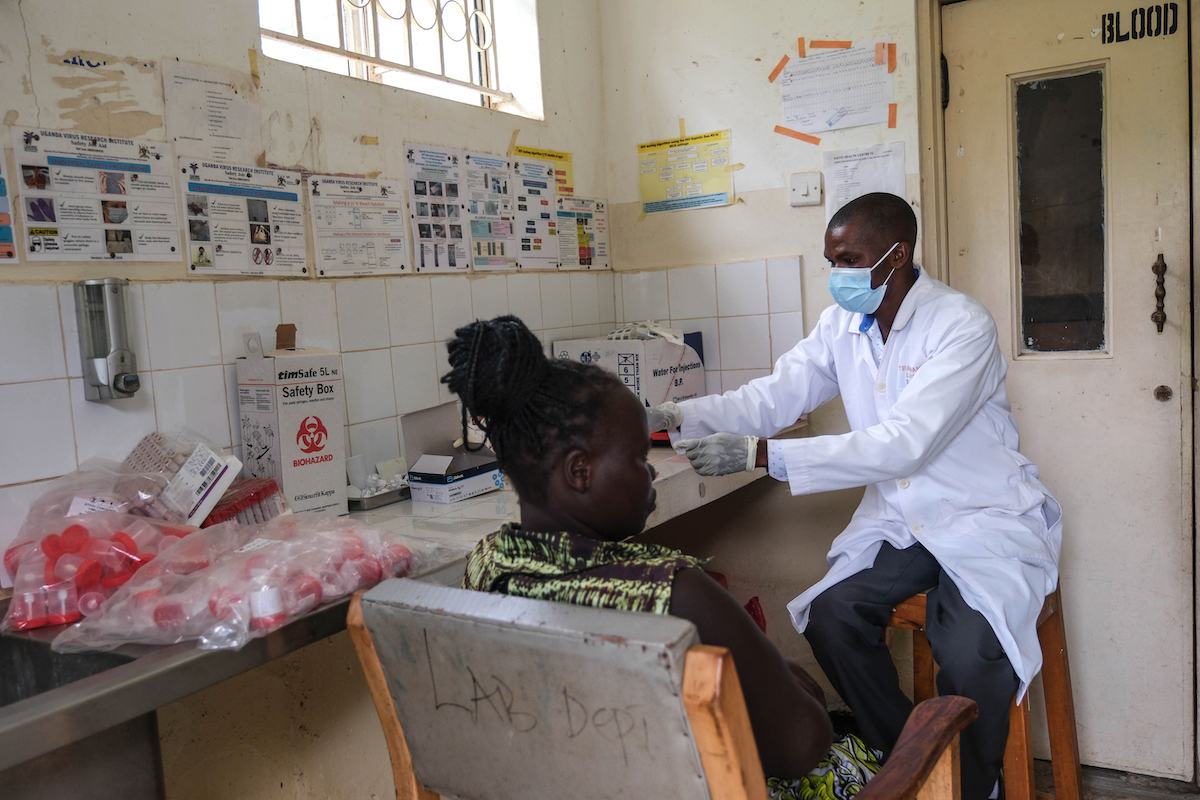
In May, an Ebola outbreak struck the Democratic Republic of the Congo and spread to Uganda. It’s the seventeenth outbreak in Congo since the virus first appeared in 1976. It’s already the deadliest Ebola event in years.
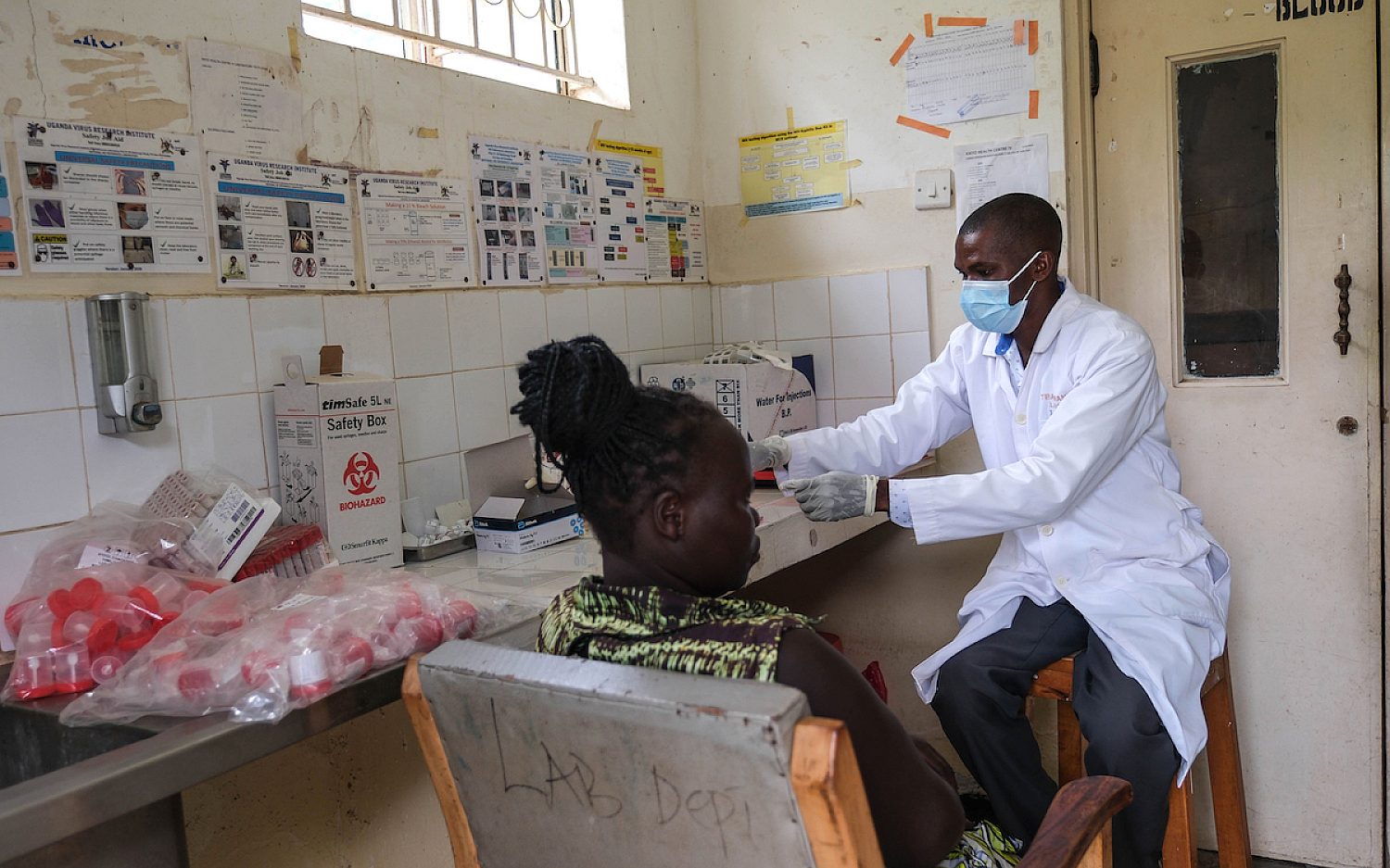
At first, skepticism worsened Ebola’s spread. Many people didn’t believe there was much risk. To make matters worse, health workers often lack the protective equipment they need.
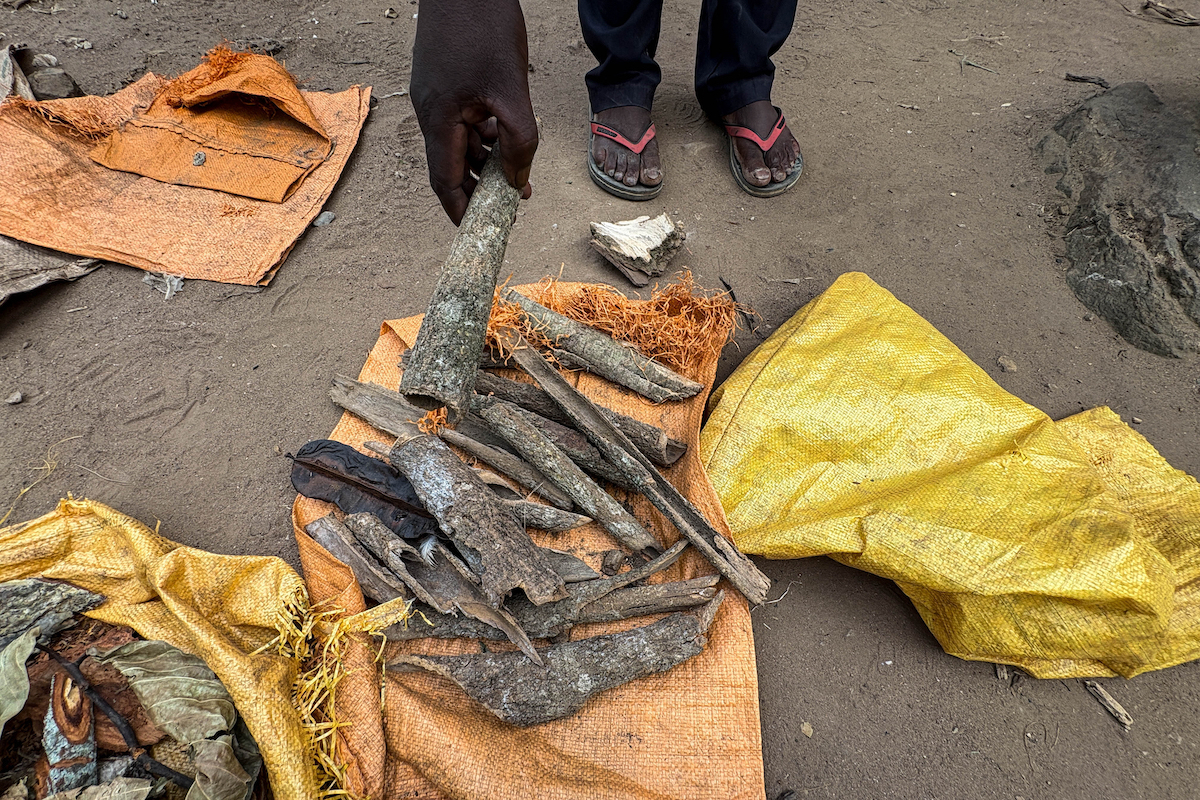
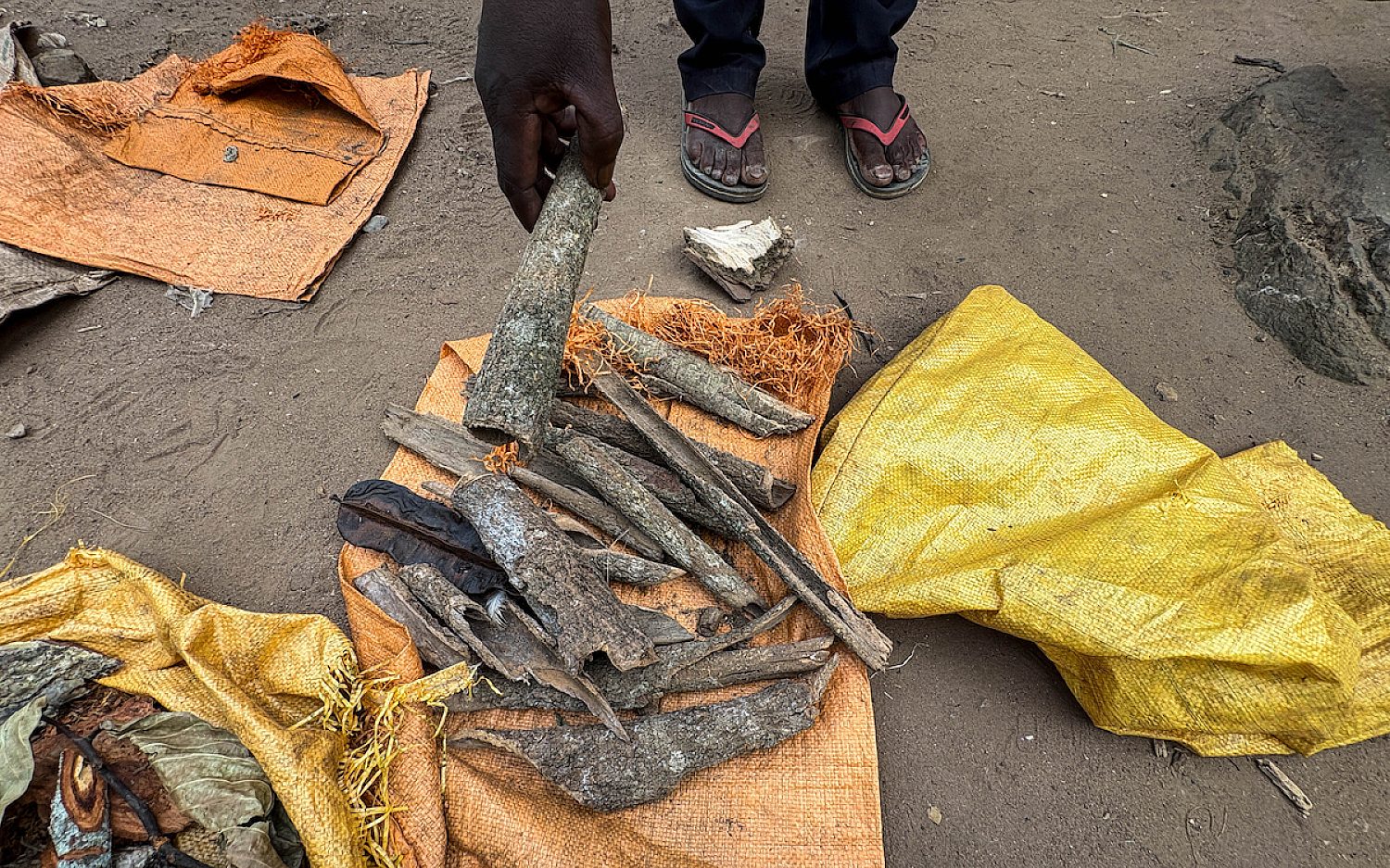
Another factor complicates disease prevention and treatment. In Congo, many infected individuals avoid the hospital. Instead, they turn to traditional shrines and healers, sometimes called witch doctors.
Most people in Congo and Uganda identify as Christian. However, they often mix in traditional spiritual beliefs. In Bunia, a town in Congo’s Ituri province, misinformation makes it harder to fight Ebola. The virus spreads through contact with fluids from the sick or infected. But one rumor says the disease comes from evil people dropping magical charms into latrines. Some infected individuals believe they’ve been bewitched.
“Some people still describe Ebola as something mysterious, spiritual, or brought by outsiders, rather than a disease that needs medical care,” says Onesphore Bangenza of the Mercy Corps aid group. “When people do not trust the health system, they often go first to traditional healers, faith leaders, or people they already know. The danger is that many only reach the hospital when they are already very sick.”
Traditional beliefs say the dead may lose out on the afterlife if not buried according to custom. Sadly, people can contract Ebola when touching bodies for burial.
Many pastors feel pressure to perform miraculous healings. So do traditional witch doctors. To some, seeking help from a hospital seems like a lack of faith.
Humanitarian workers urge religious leaders to help combat Ebola. One local church leader shared his story in a video. When he first felt sick, he didn’t seek treatment. “I don’t usually rush to the hospital, so I decided to go to the fields,” he says. That mistake nearly cost him his life. His children convinced him to seek medical help. With that intervention, he recovered.
As Christians, we needn’t fear death and disease. We know these come as a result of the Fall, not from curses or as specific punishments for wrongdoing. Look at the story of Job, who suffered loss and sickness even though he remained righteous. We also know that, even though God can bring miraculous healing, He also calls people to work as doctors, nurses, and scientists. Those medical experts are His hands and feet.
Seeking medical help doesn’t mean a lack of faith. It can reveal faith in the good God who calls His people to every type of good work.
Pray that God would give leaders, doctors, and everyday citizens the knowledge and wisdom to fight Ebola. Ask Him to protect and heal the people of East Africa.