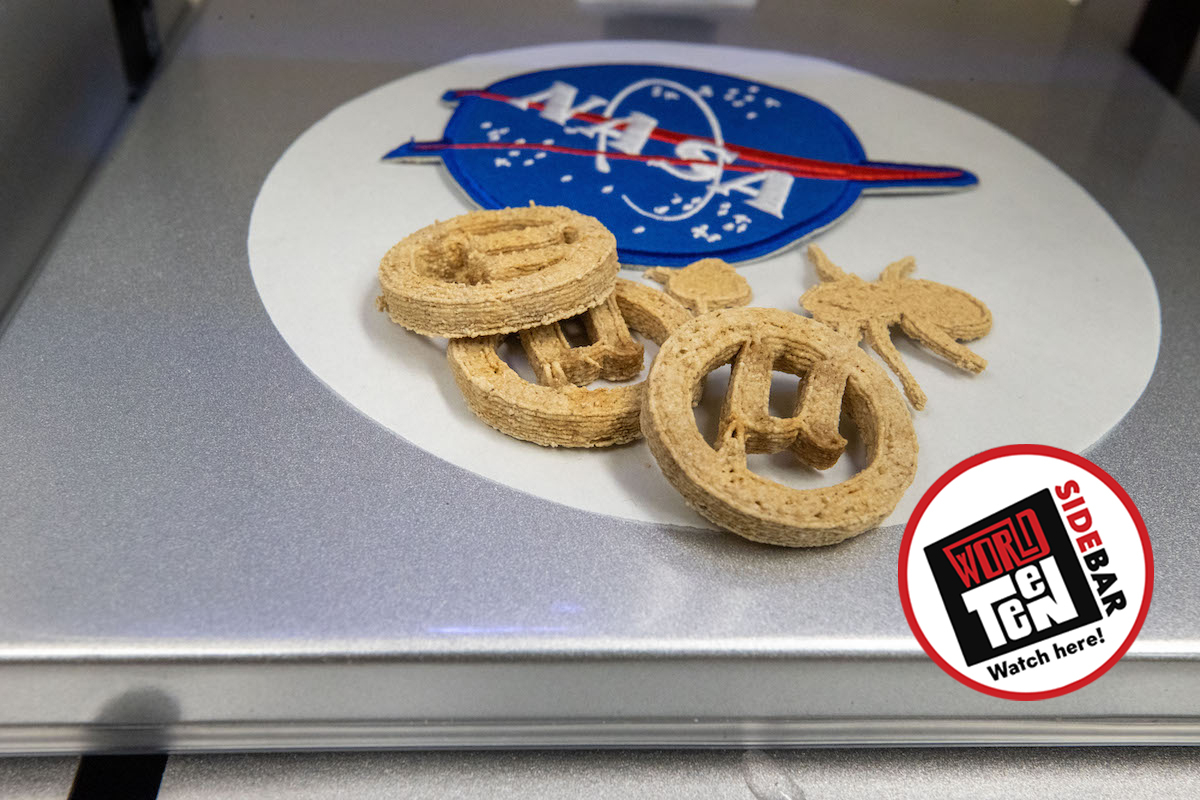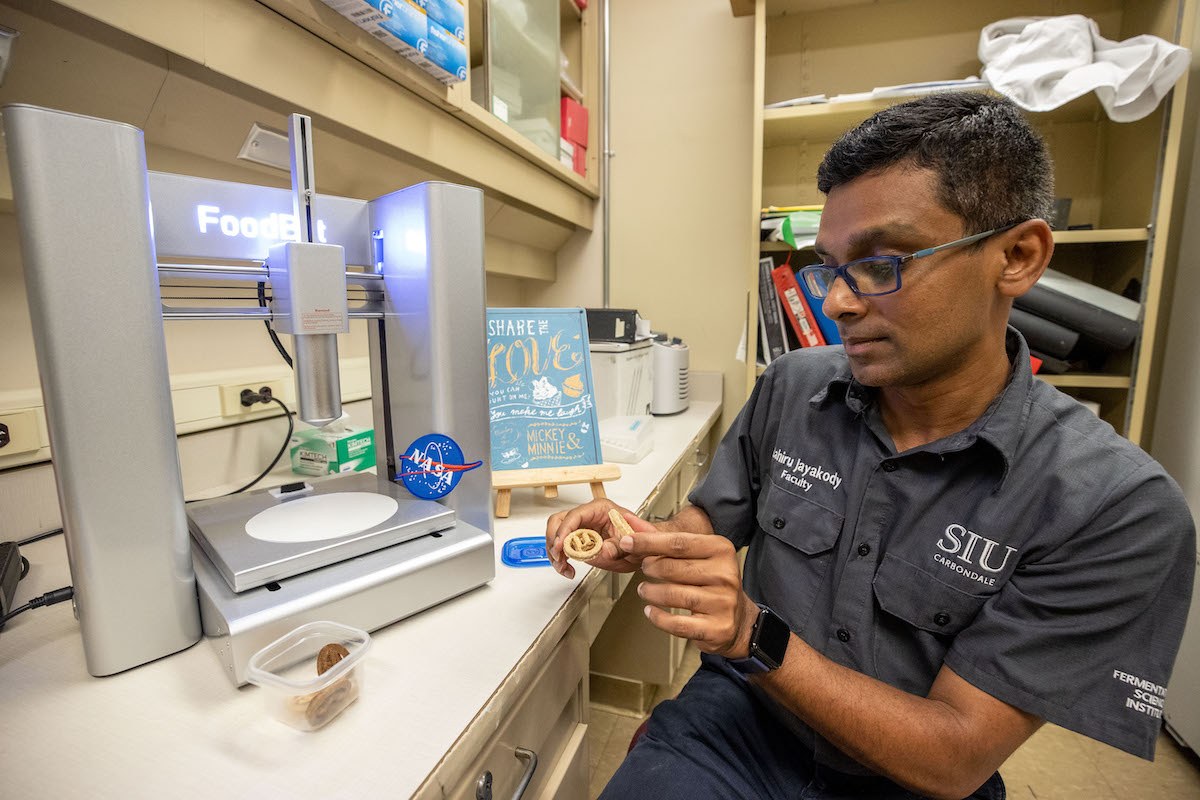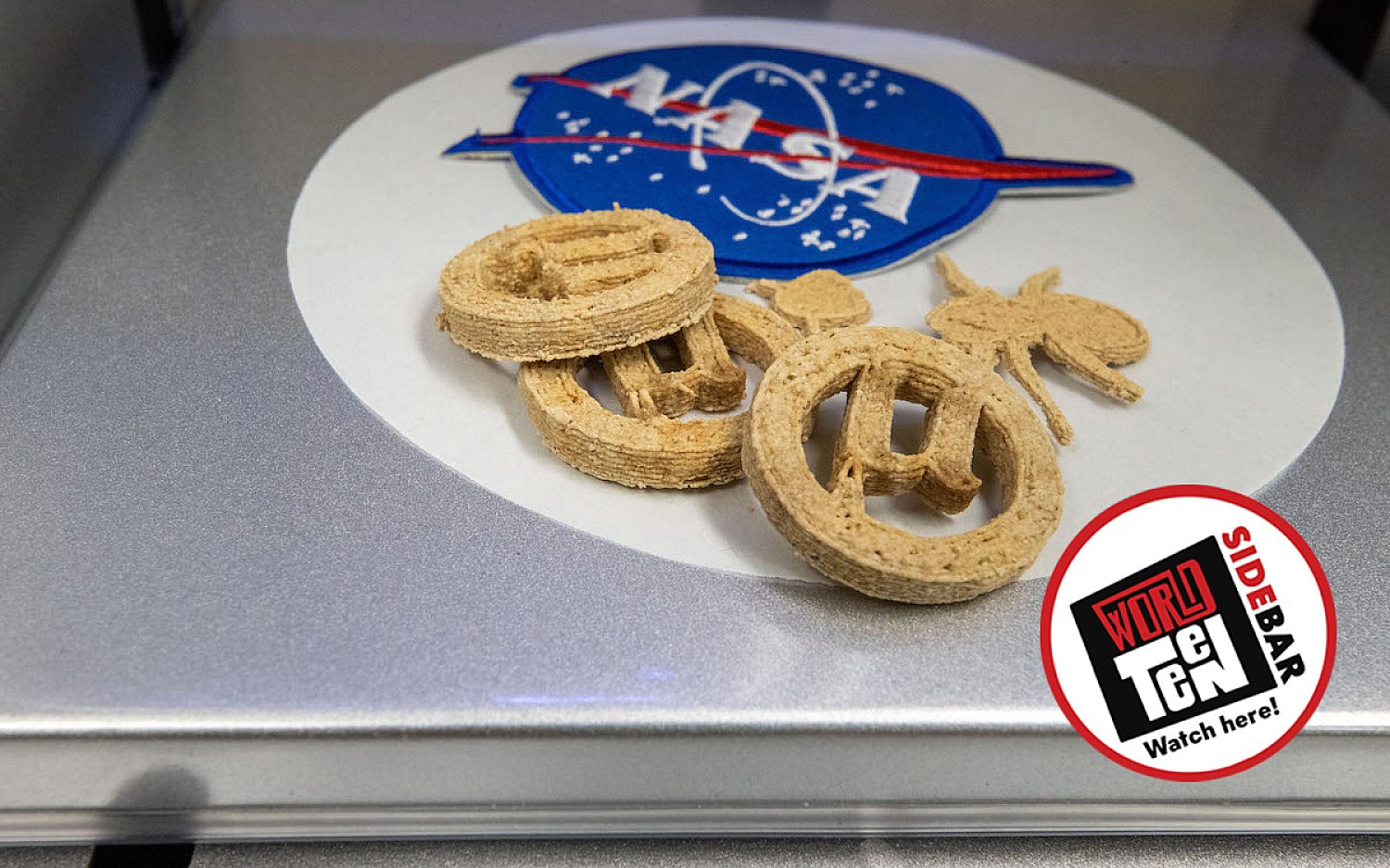
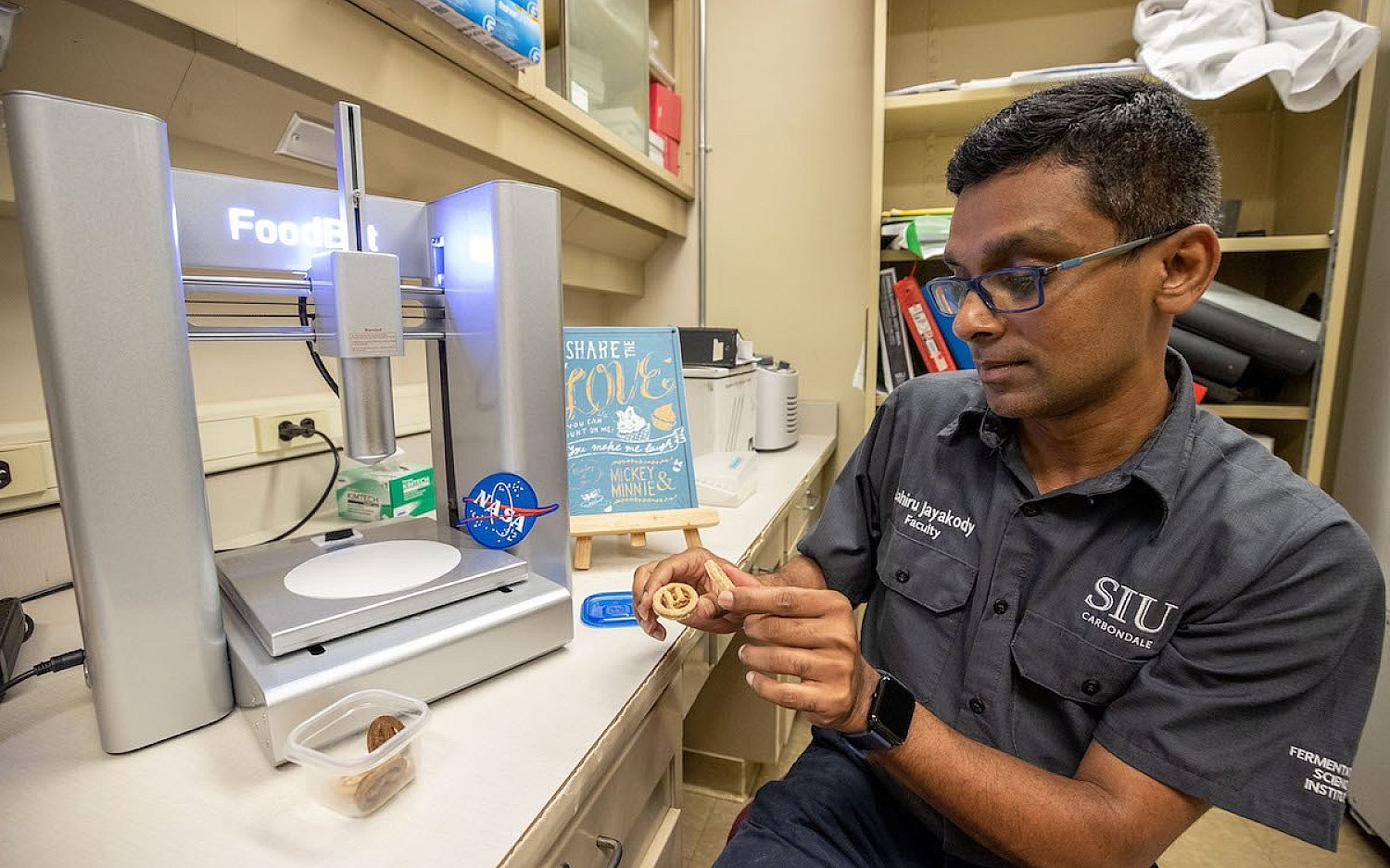
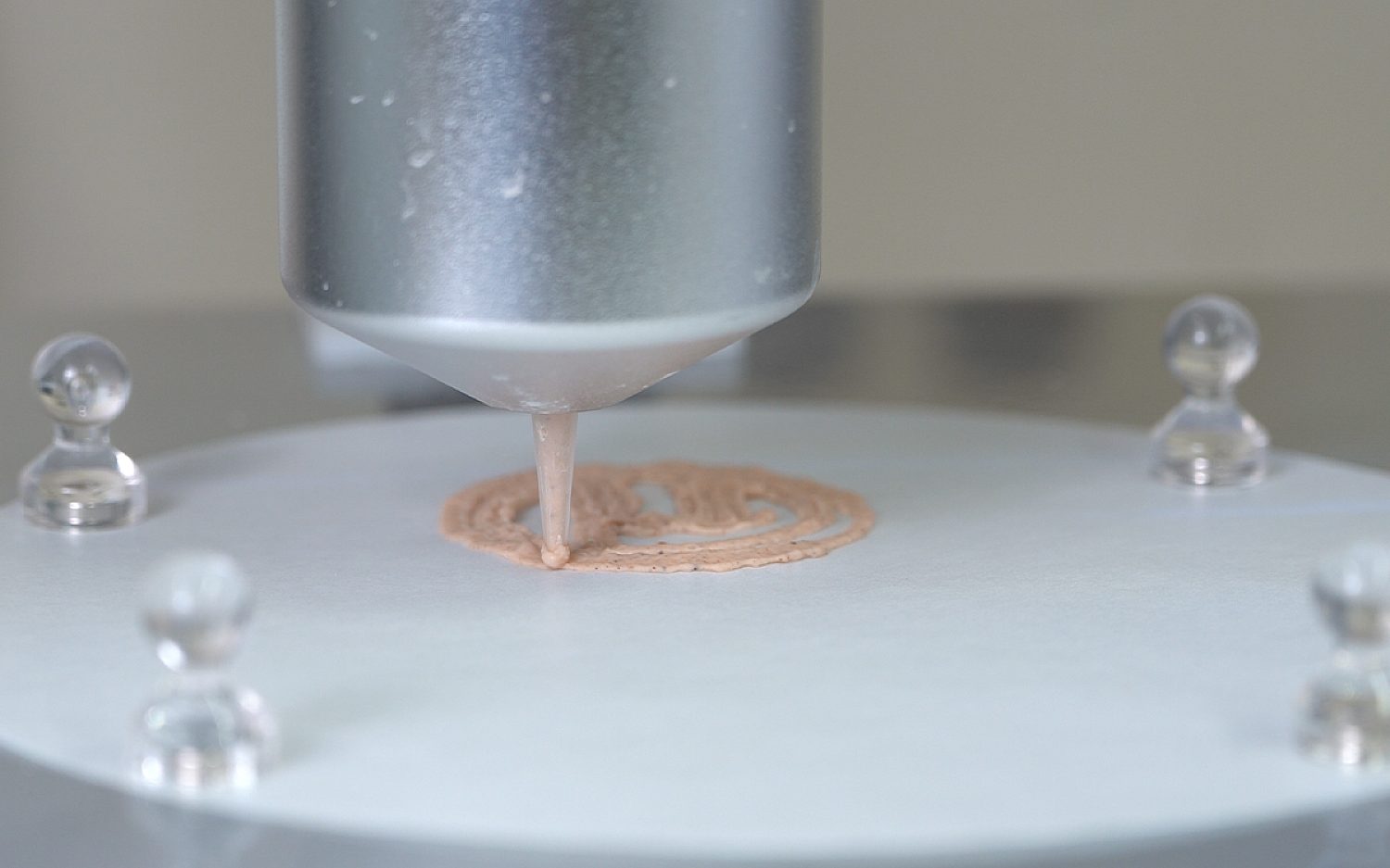


Would you eat cookies made from recycled plastic? Researchers at Southern Illinois University Carbondale hope so! They invented µBites, pronounced “microbites”—3-D printed protein cookies partly made from plastic waste.
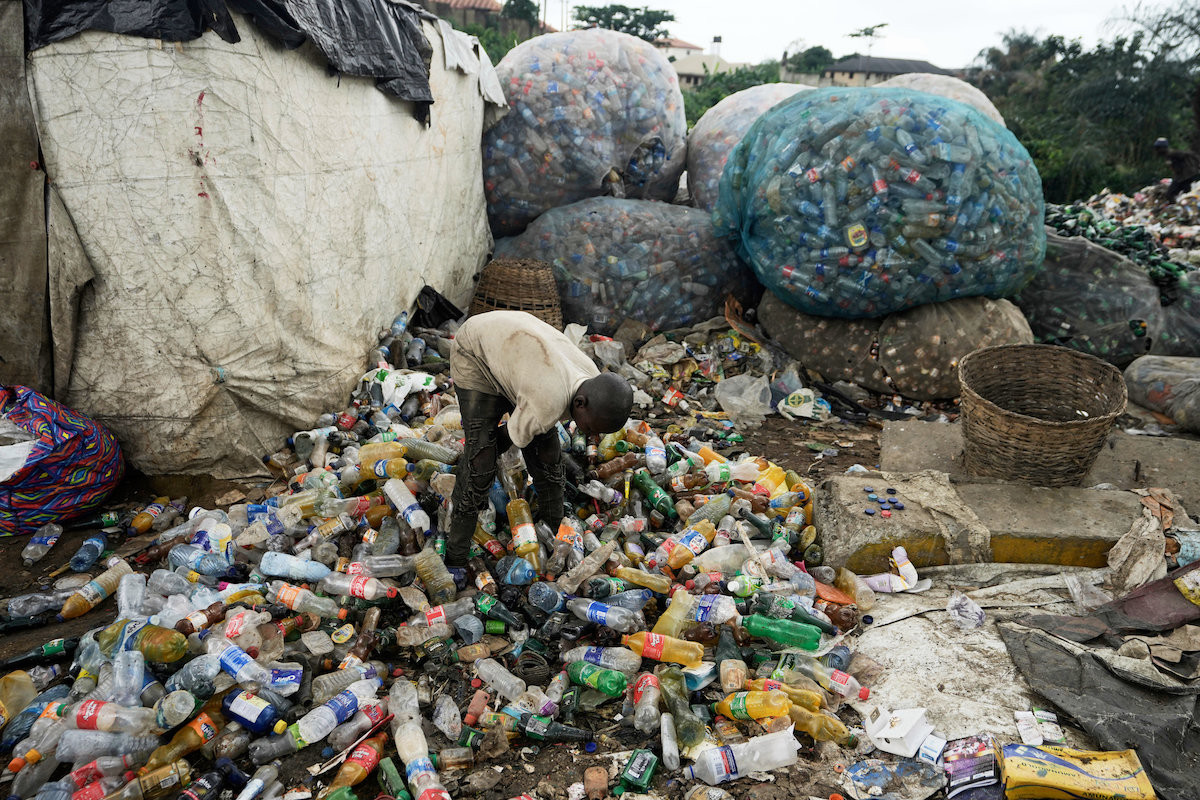
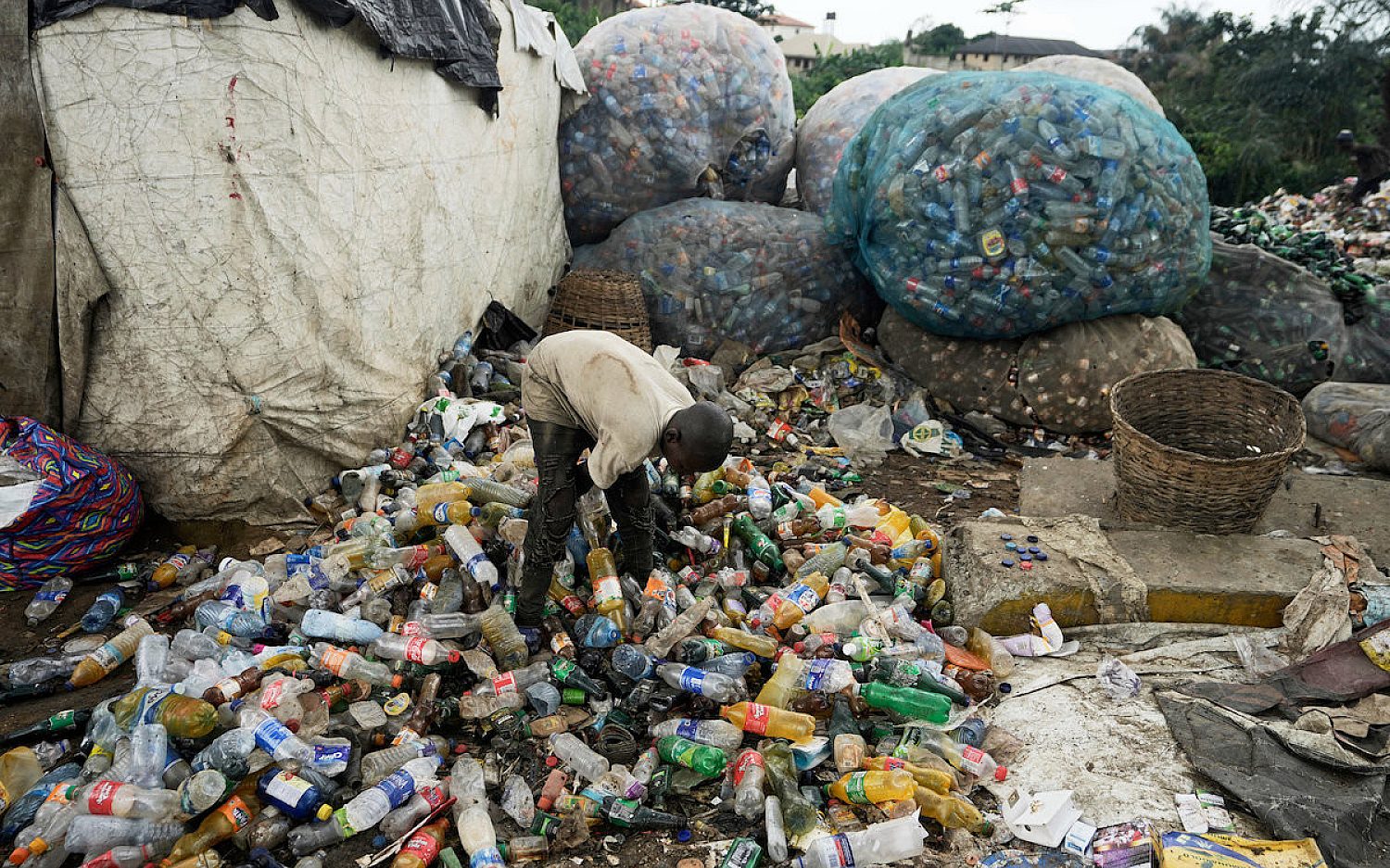
The world has a plastic pollution problem. Meanwhile, many people struggle to find and afford food. Associate Professor Lahiru Jayakody and her fellow scientists thought: Why not use one problem to solve another?
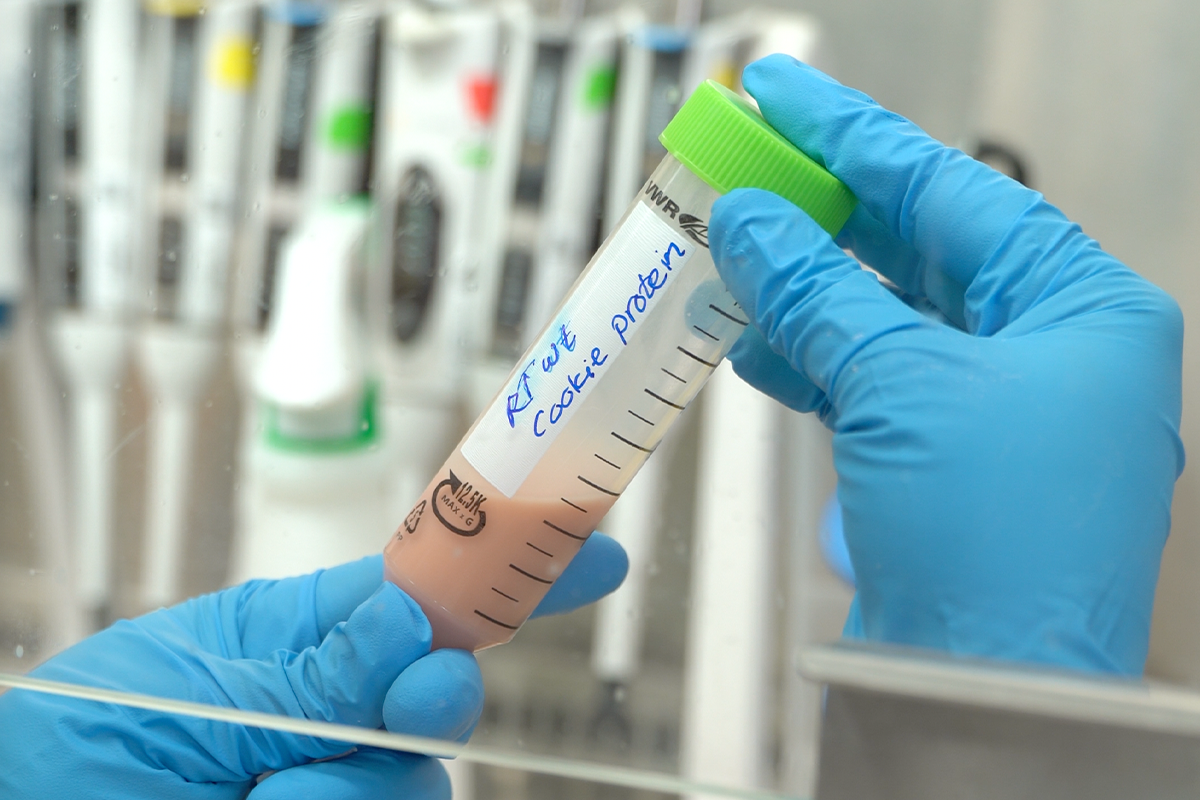
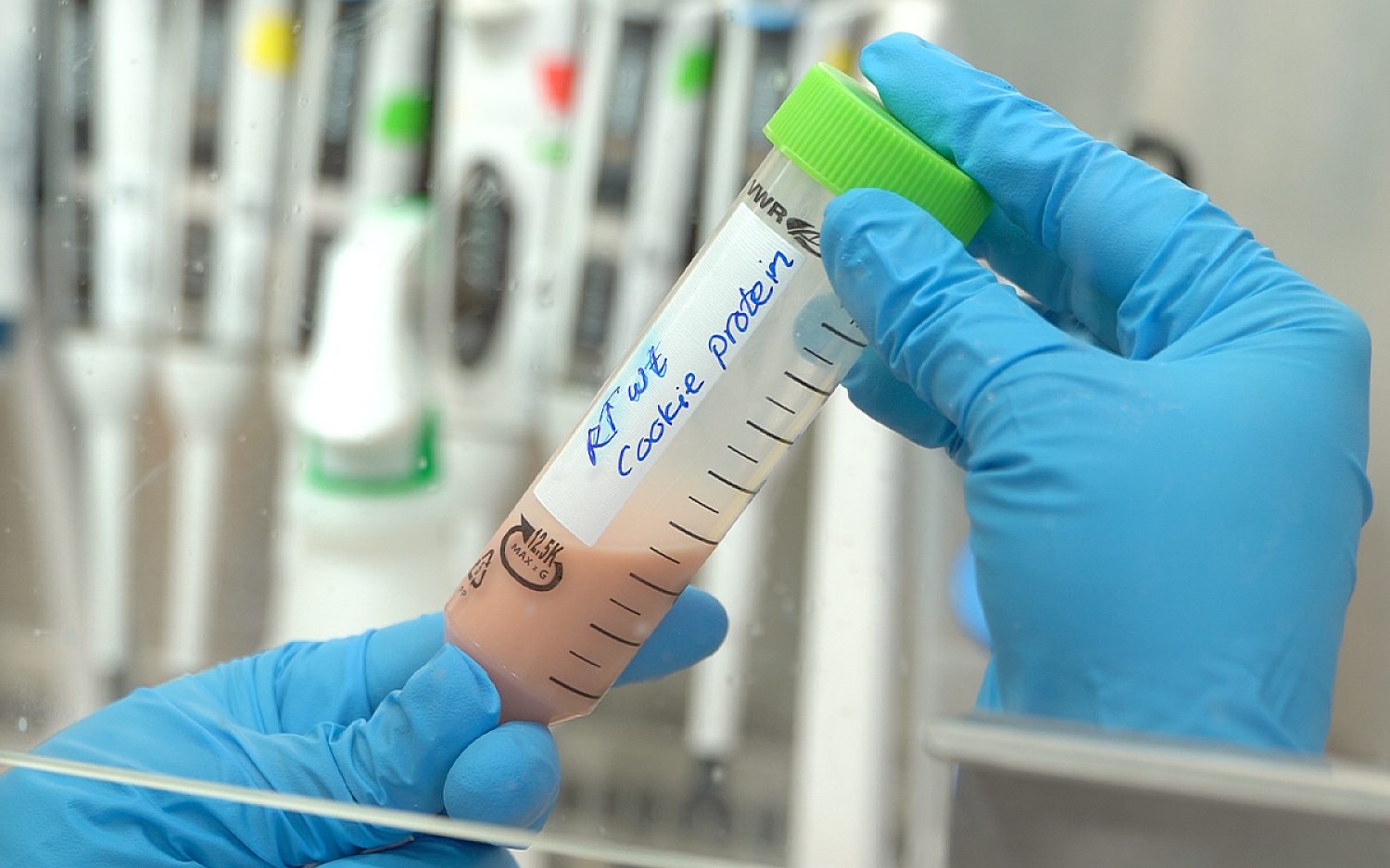
To transform trash into treats, they need to break it down into building blocks. Much plastic waste contains carbon. Carbon also happens to form the food proteins we eat every day. Could scientists turn the carbons from plastic into protein?
It turns out, they could—with some tiny helpers.
Microbes naturally break down substances into molecules. You might use this process at home without knowing it. In fact, you might have microbes in your cupboard right now. Yeast is a microbe. It consumes sugars and gives off carbon dioxide. The carbon dioxide gas makes dough rise.
“Microbes are very clever,” says Jayakody. “We are using their traits to solve the problems we created.”
Jayakody and her colleagues used modified yeasts to break down plastic. They also fed their microbes organic waste, such as cornstalks and leaves. They used a high-temperature, high-pressure process with water and oxygen to turn waste into something microbes can munch.
These microbes produce more than proteins. Some can convert waste into vitamins, fats, starches, and more. Researchers even discovered how to create vanilla flavoring from plant waste!
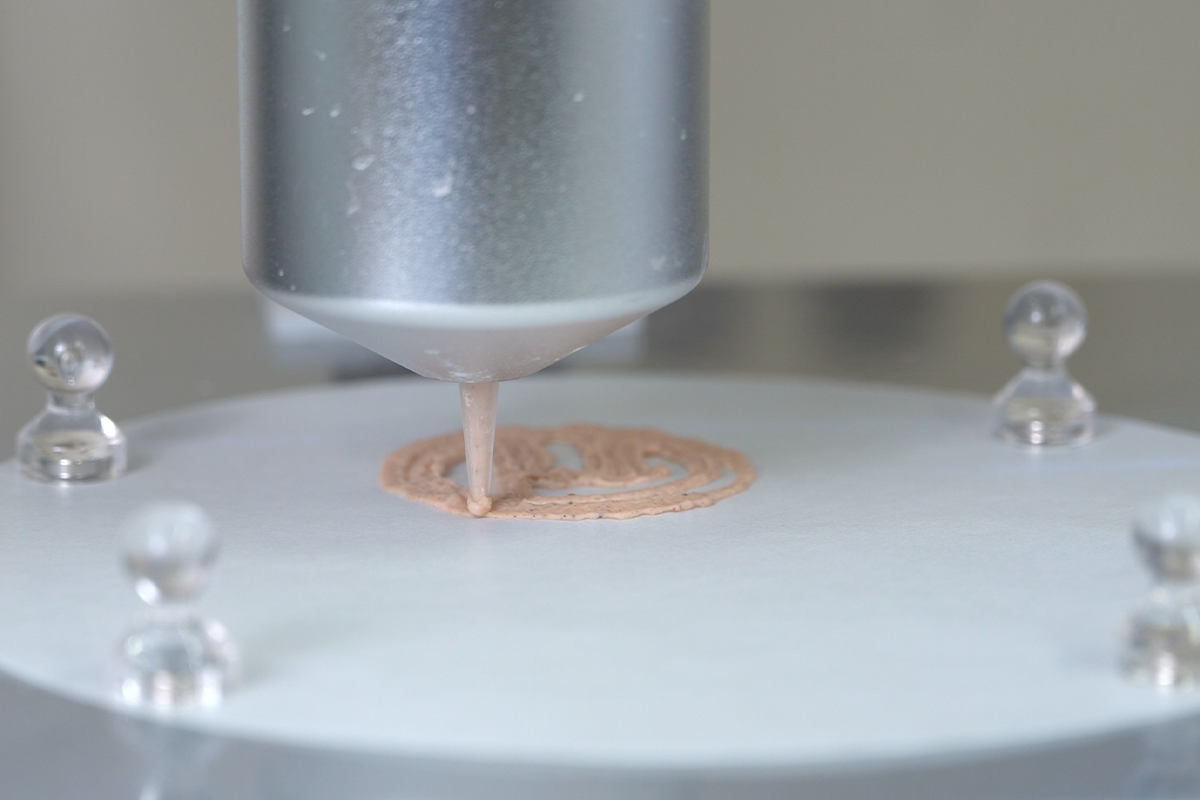
All these products go into a 3-D printer. The printer squirts out thin, round cookies. Then they bake in the microwave.
Research says these cookies should be safe to eat. But scientists need higher-up approval before they can run taste tests. In the meantime, µBites pass the smell test!
This project started as an answer to the NASA Deep Space Food Challenge. NASA hopes to build a Moon base and someday explore Mars. On those long journeys, astronauts will need reliable, replenishable food. This process could give them a way to recycle waste and create nutrients.
But what about here on Earth? Food is more than proteins and nutrients, after all. It connects us with other people and with the world around us.
The 3-D printed protein cookies might help in a pinch, especially in disaster zones. But would they help with the deeper problems at hand? Do they solve the consumer culture that creates mountains of garbage? Do they mend the economic ills behind poverty and hunger? And do hungry people really want to survive on recycled waste from the overconsumption of others?
Why? One problem can help solve another. But clever-sounding solutions sometimes fail to treat deeper, underlying issues.
Click the “video” button at the top of the page to watch a WORLDteen Sidebar about another 3-D printed food: plant based steaks.