
Can a vehicle generate more power than it uses?
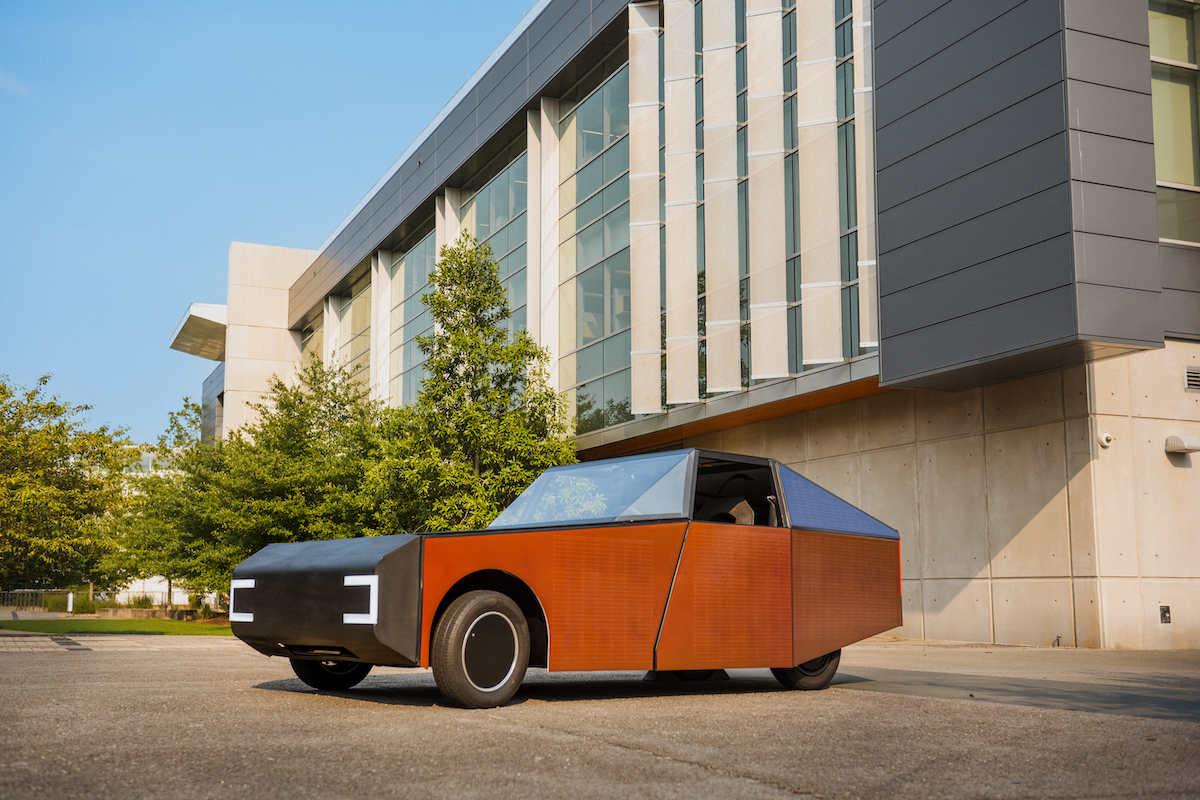
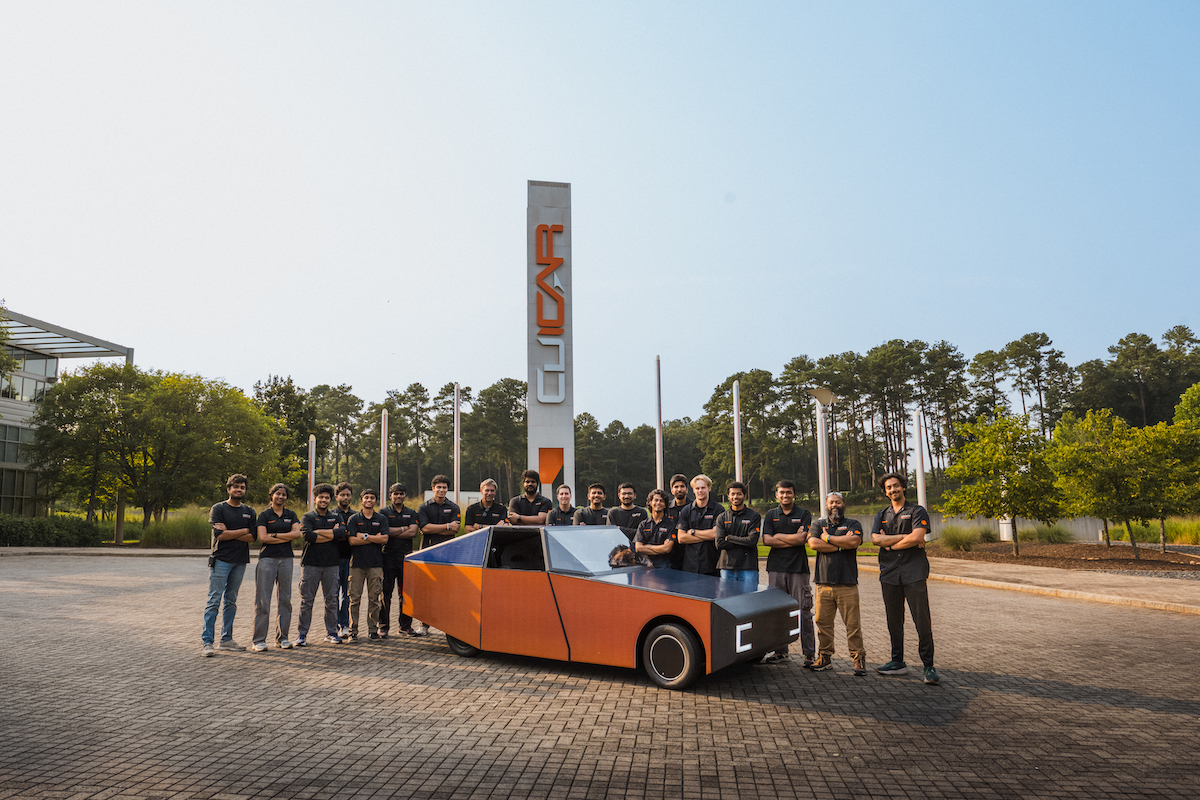
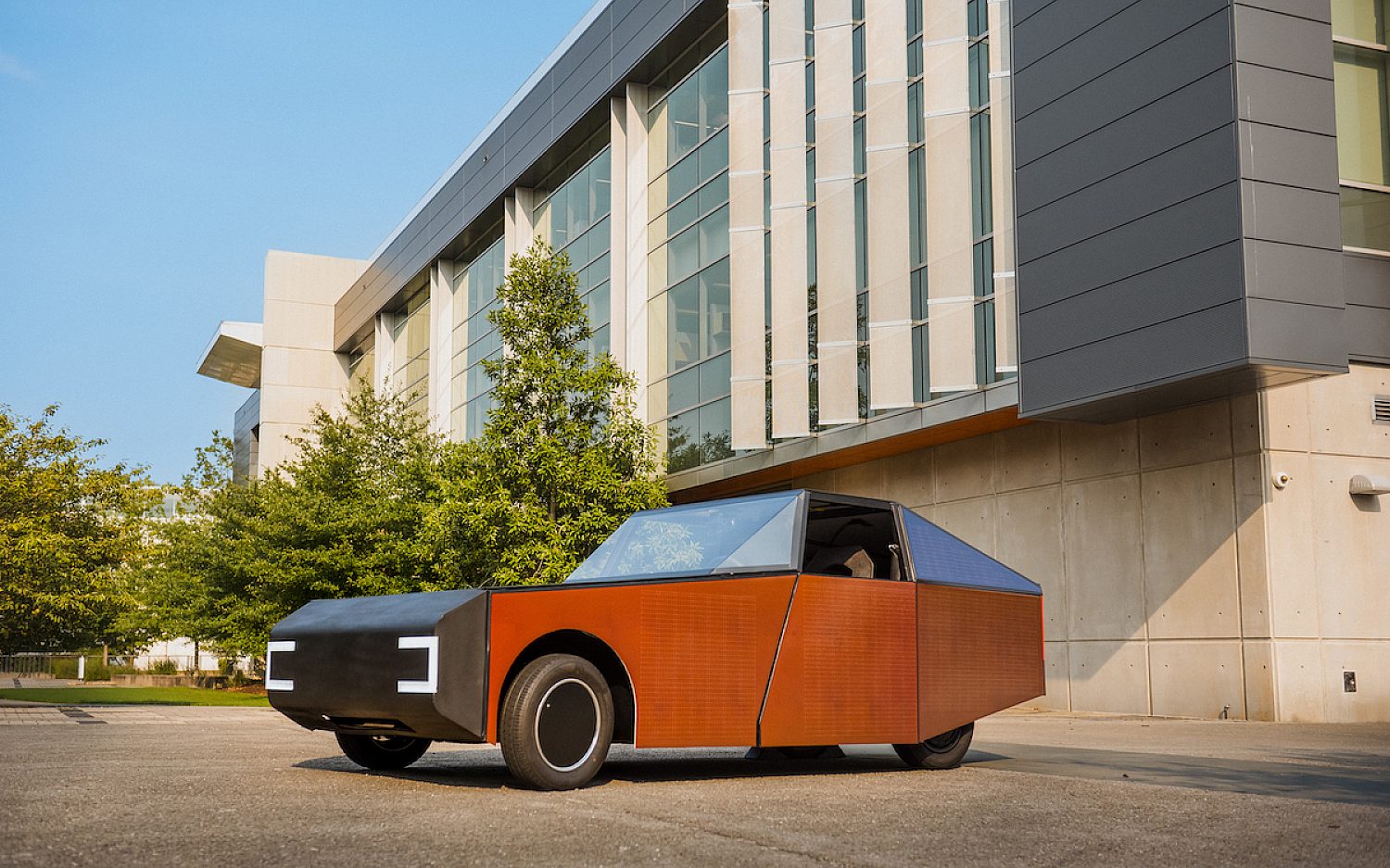
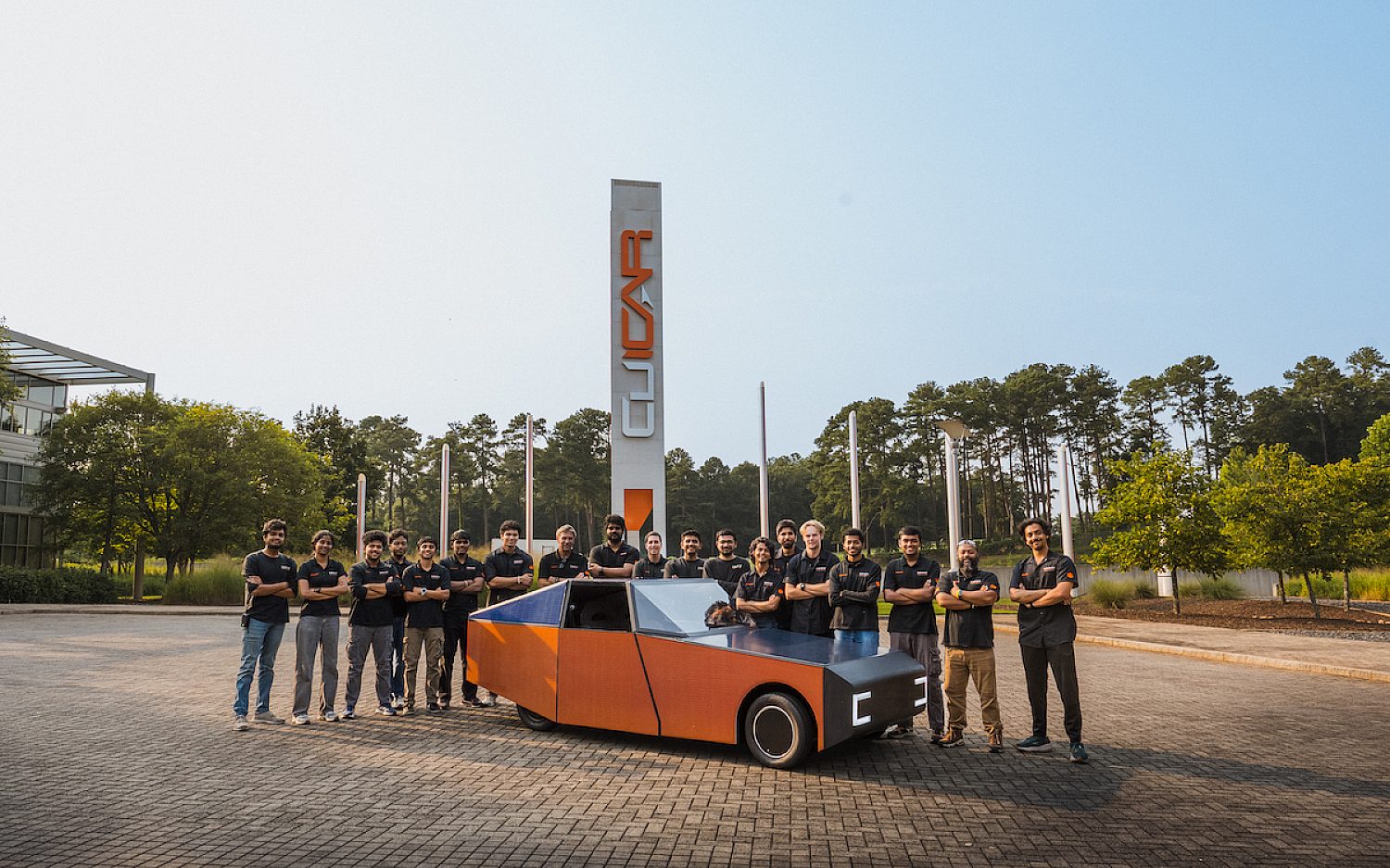
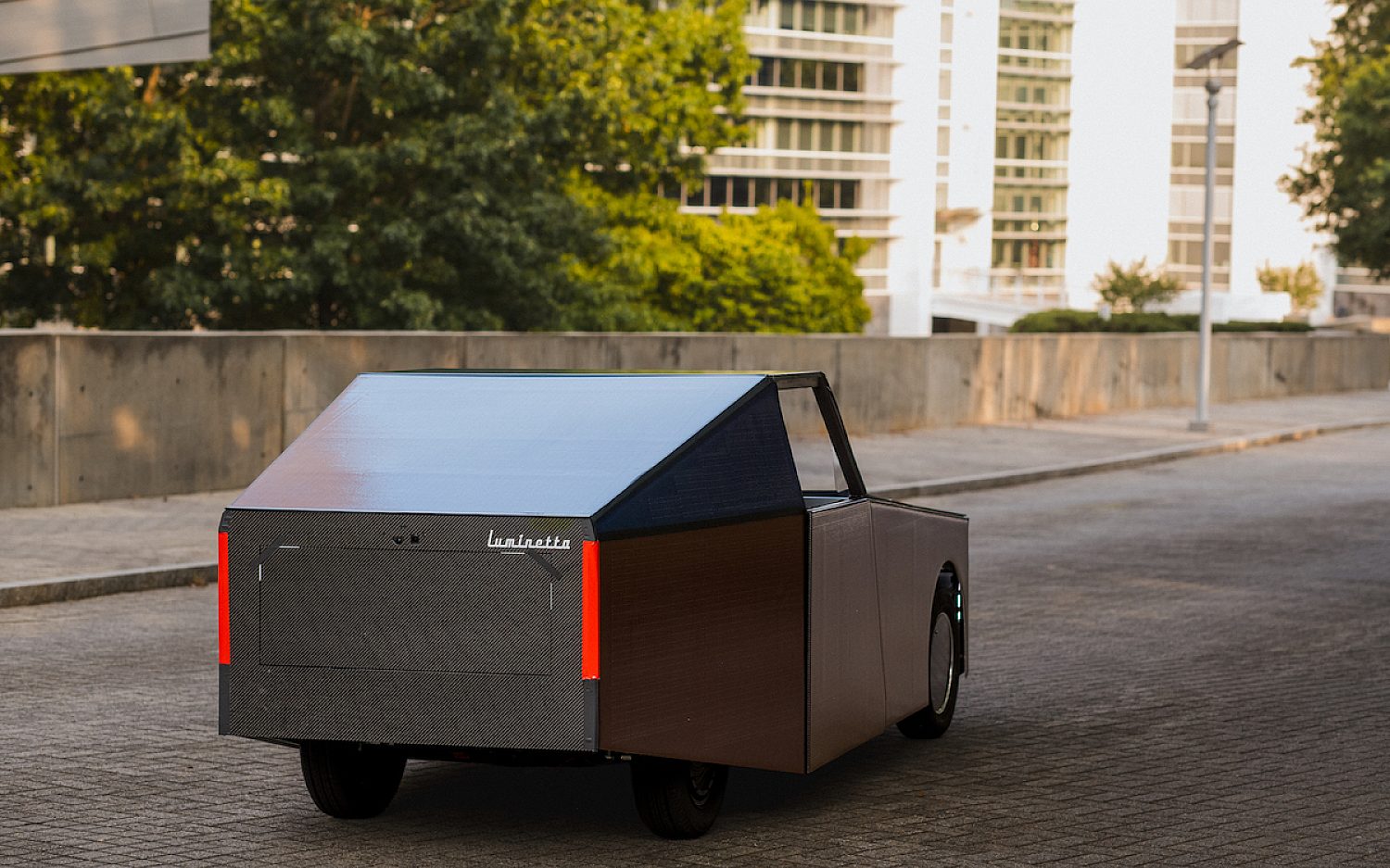
Leaders at BMW posed that question to graduate students at Clemson University in South Carolina in 2024. Now those students have an answer. They’ve created a prototype of an energy-positive, solar-powered car. The students call the vehicle Deep Orange 17. On a regular city drive, it produces more energy than it consumes.
“This is a project we’ve wanted to pursue for years,” says Stephan Augustin, Project Manager of Research and New Technologies at BMW. He calls it “rewarding to see this group of students . . . overcome so many technical challenges and constraints and bring an energy-positive vehicle to life.”
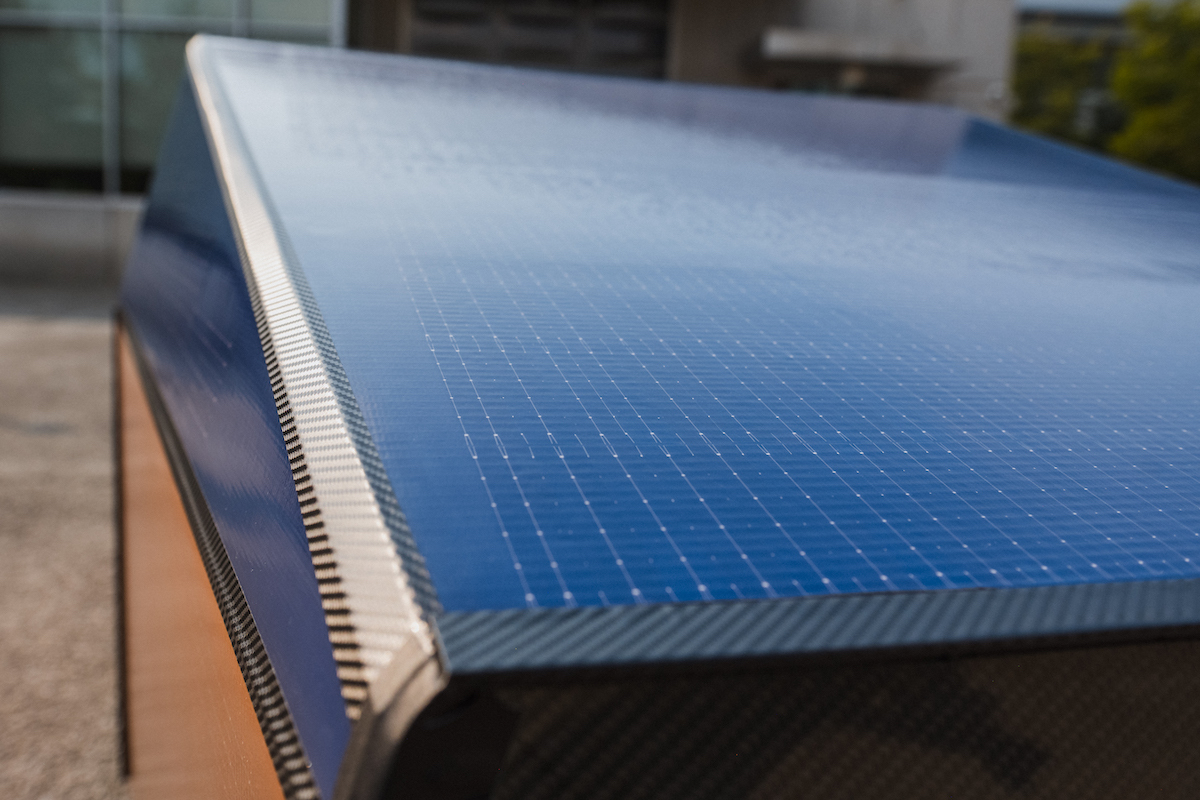
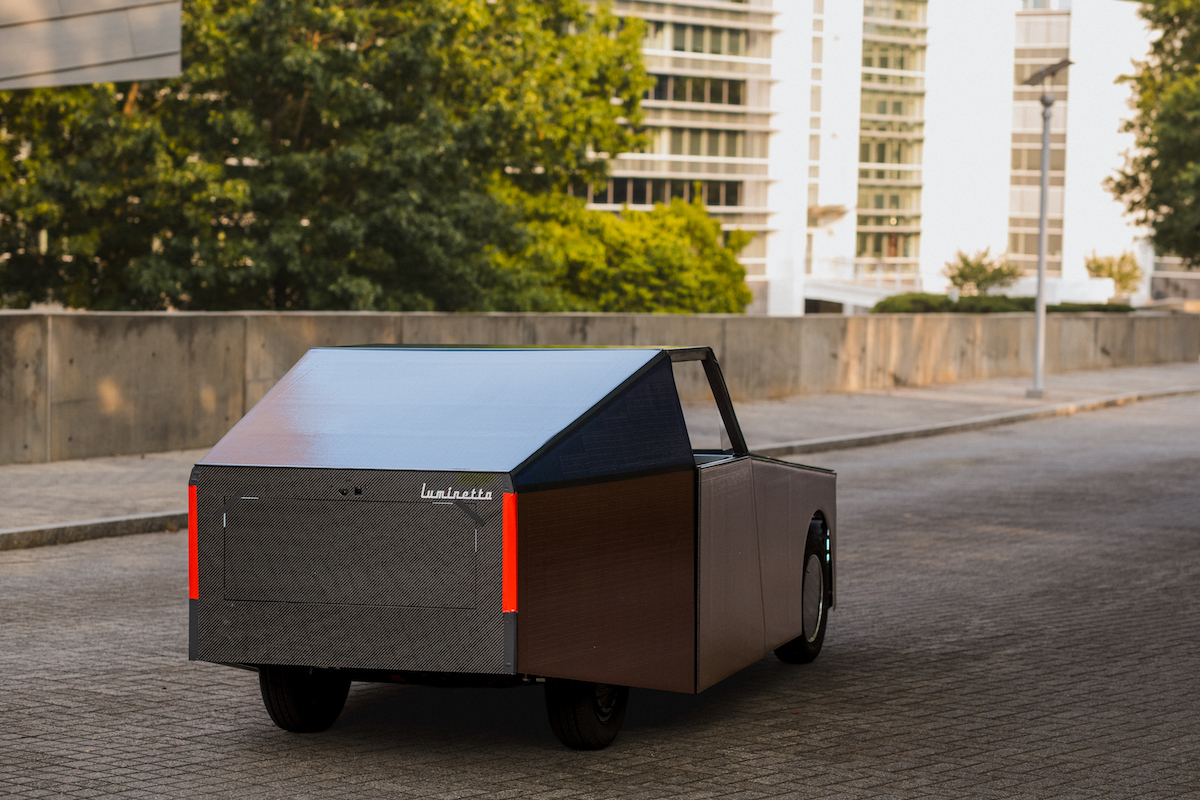
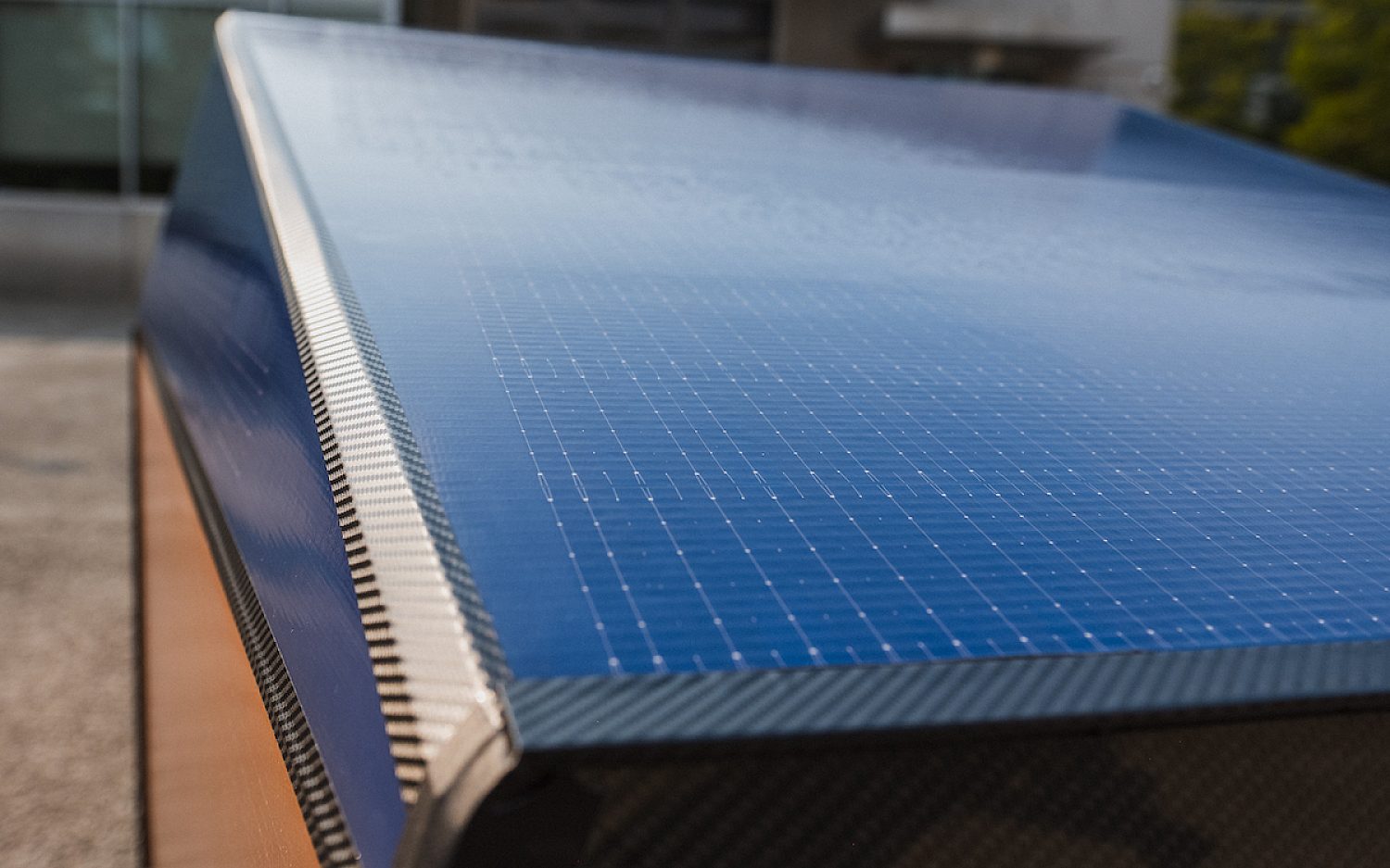
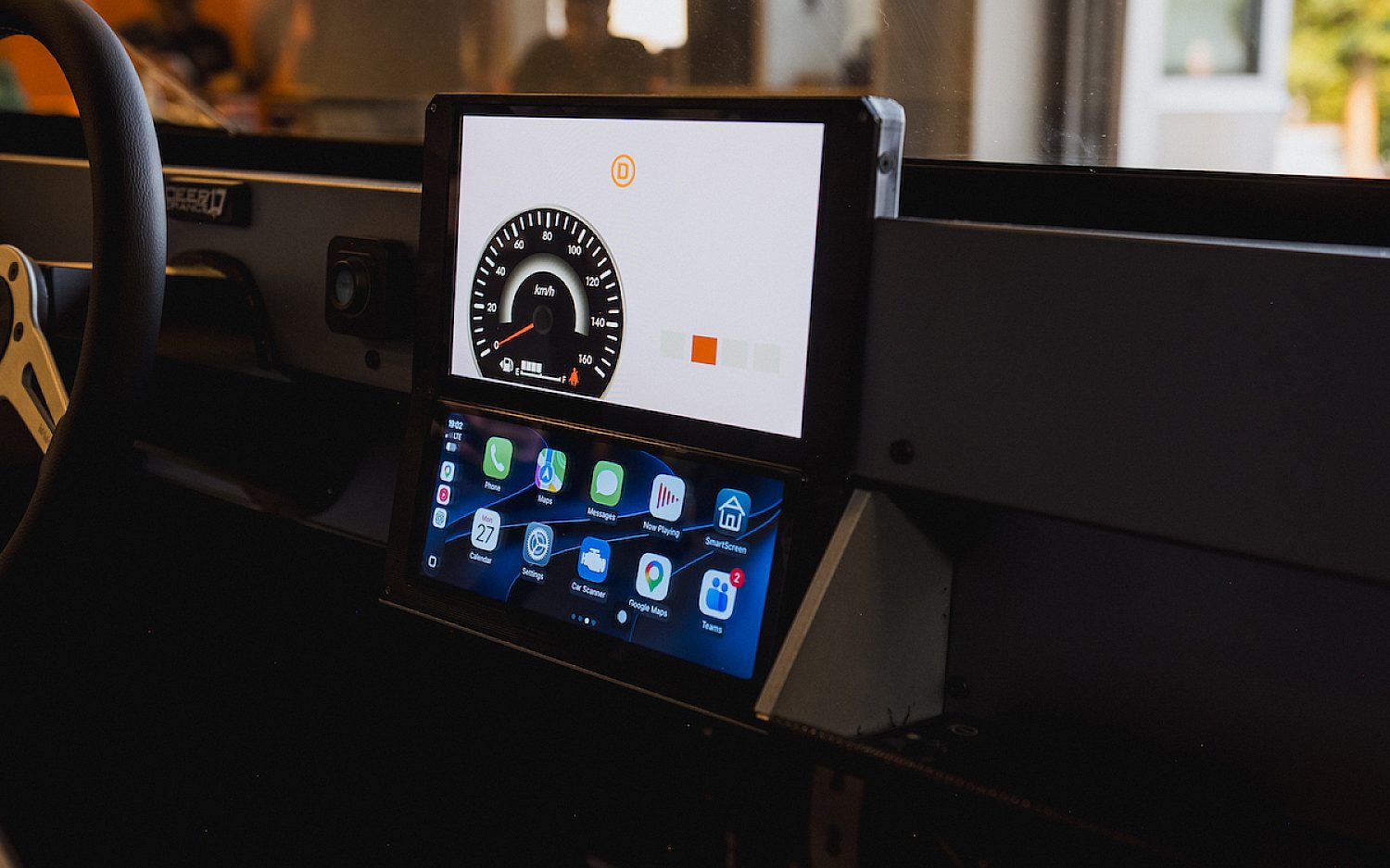
The boxy car has a retro style, but it’s packed with modern tech. Photovoltaic cells, or “solar cells,” cover its surface. These cells turn sunlight into energy. They work even in partial shade. Unlike in other vehicles, solar power isn’t a supplemental feature here. It’s the driving force—literally!
Clemson’s engineers modeled sunlight conditions in major cities around the world. They tested their design for a 12-mile commute. The vehicle generated enough extra solar energy to travel 31 miles beyond its destination.
To achieve this, the designers asked a simple question: What do cars actually do most of the time? Most cars spend a lot of time parked. Obvious? Yes, but typically, car designs focus on how people drive—not on what the car does while people aren’t driving. Deep Orange 17 captures solar power both while parked and when in motion. That gives it more than enough juice for typical urban commutes.
Designers also focused on making the car small. Less weight means less power needed to make it move. Deep Orange 17 weighs 1,212 pounds—about one quarter the weight of similarly sized vehicles.
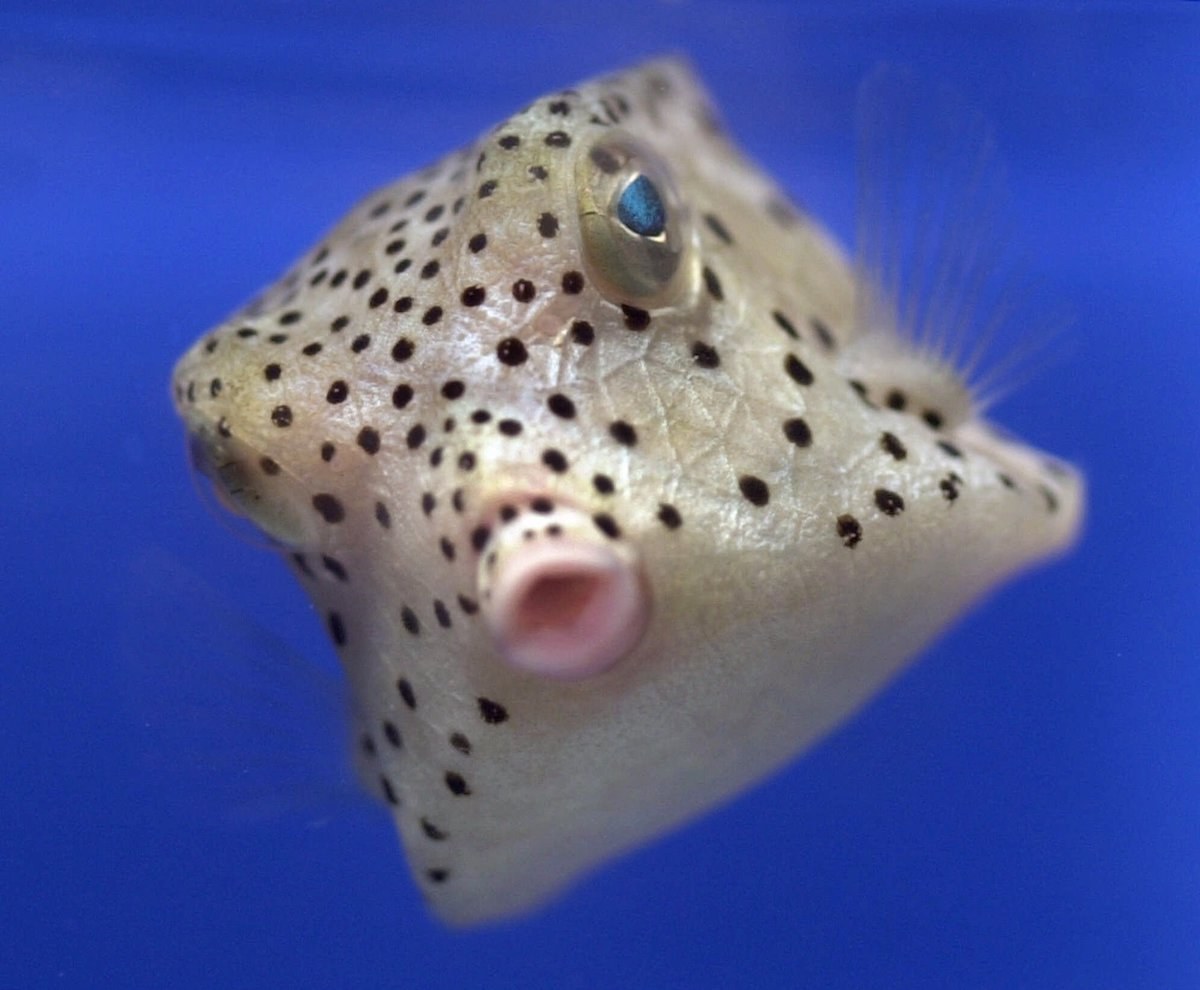
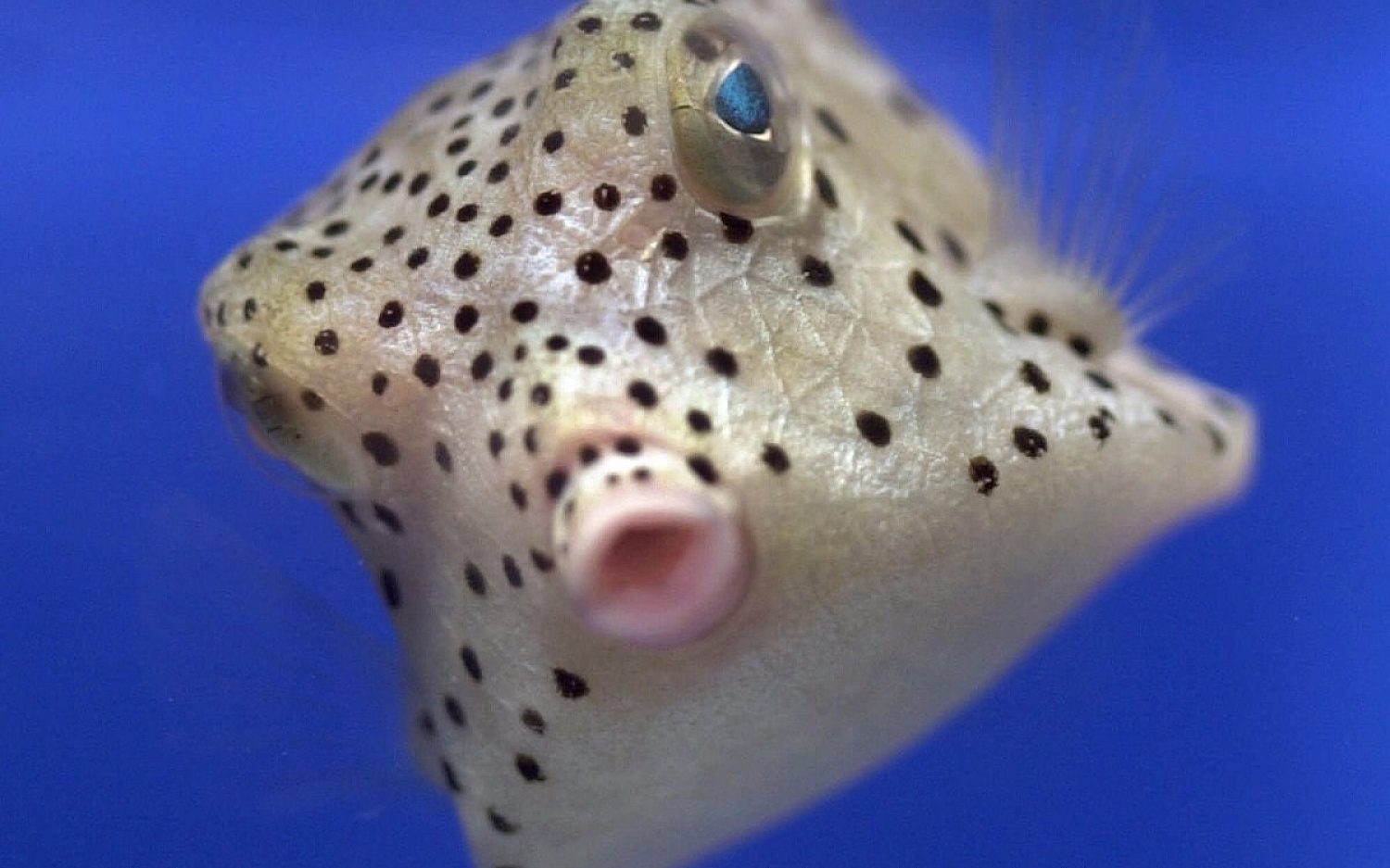
For the vehicle’s shape, engineers drew inspiration from a surprising source: the boxfish.
This black-spotted, yellow fish looks like its name. It has a rectangular body that tapers towards its tail. “Box” might not sound like an aerodynamic shape. But some researchers believe this shape creates less drag than the typical automobile. That helps save energy.
Some researchers disagree. They say the boxfish shape aids maneuverability, not aerodynamics. Either way, the boxfish-based design gives Deep Orange 17 more space for solar cells without losing mobility.
When designers take inspiration from plants and animals, it’s called biomimicry. Engineers often find that God already solved the problems they face. When designing the first airplanes, engineers found inspiration in the lightweight structure of bird bones. Sunflowers inspired a compact layout for solar panels. Can the boxfish help make driving cleaner and more cost effective?
Why? We can create because we’re made in the image of a Creator. His inventiveness inspires our inventiveness.