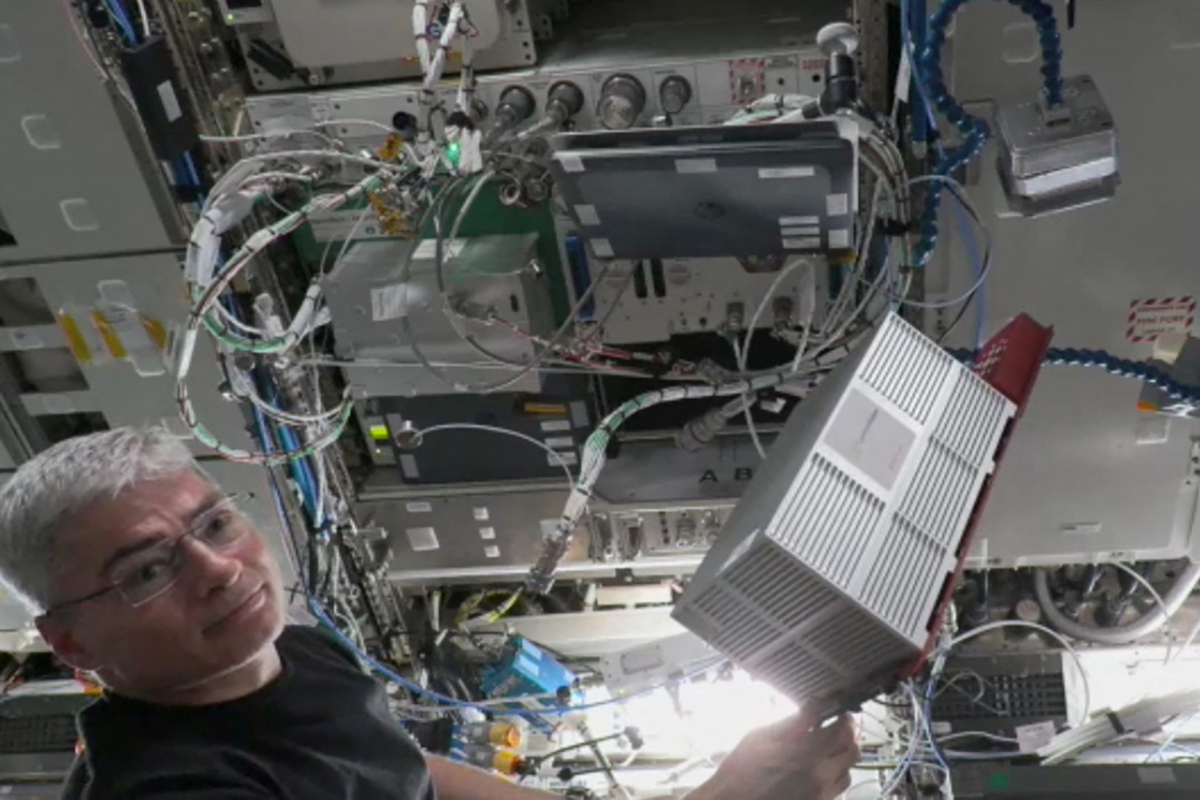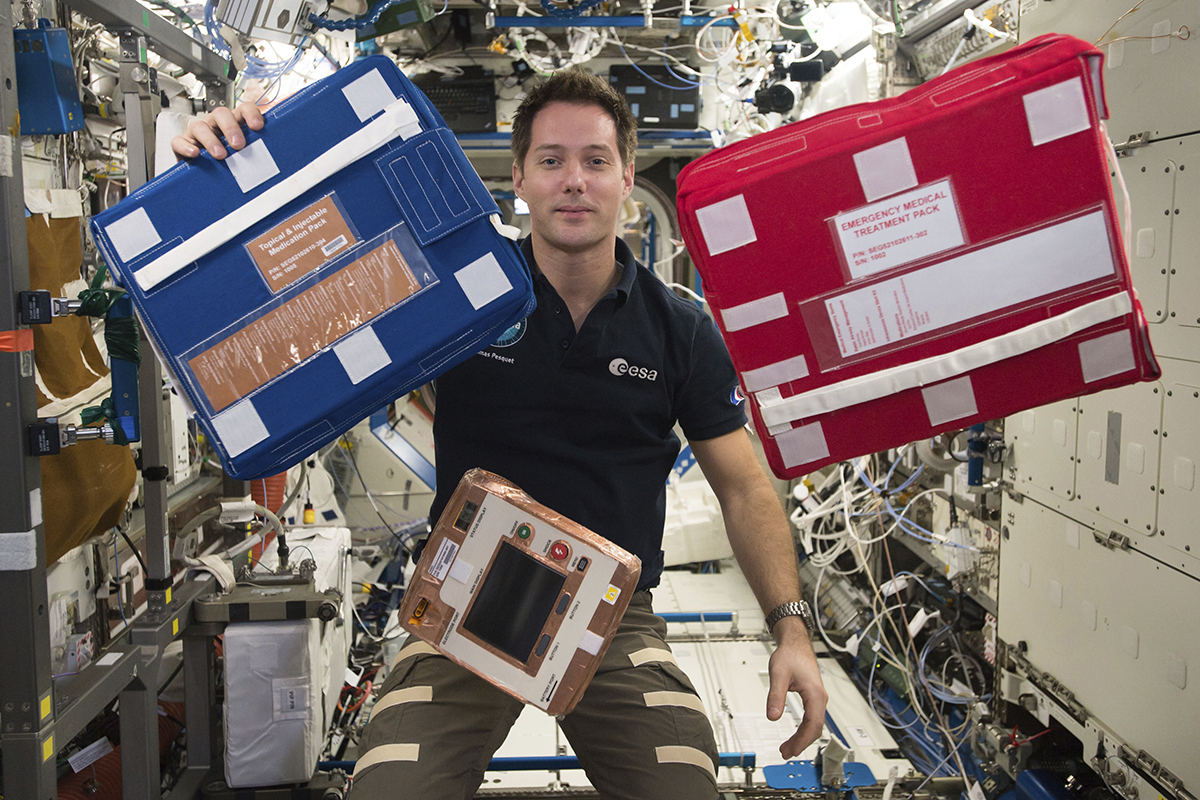
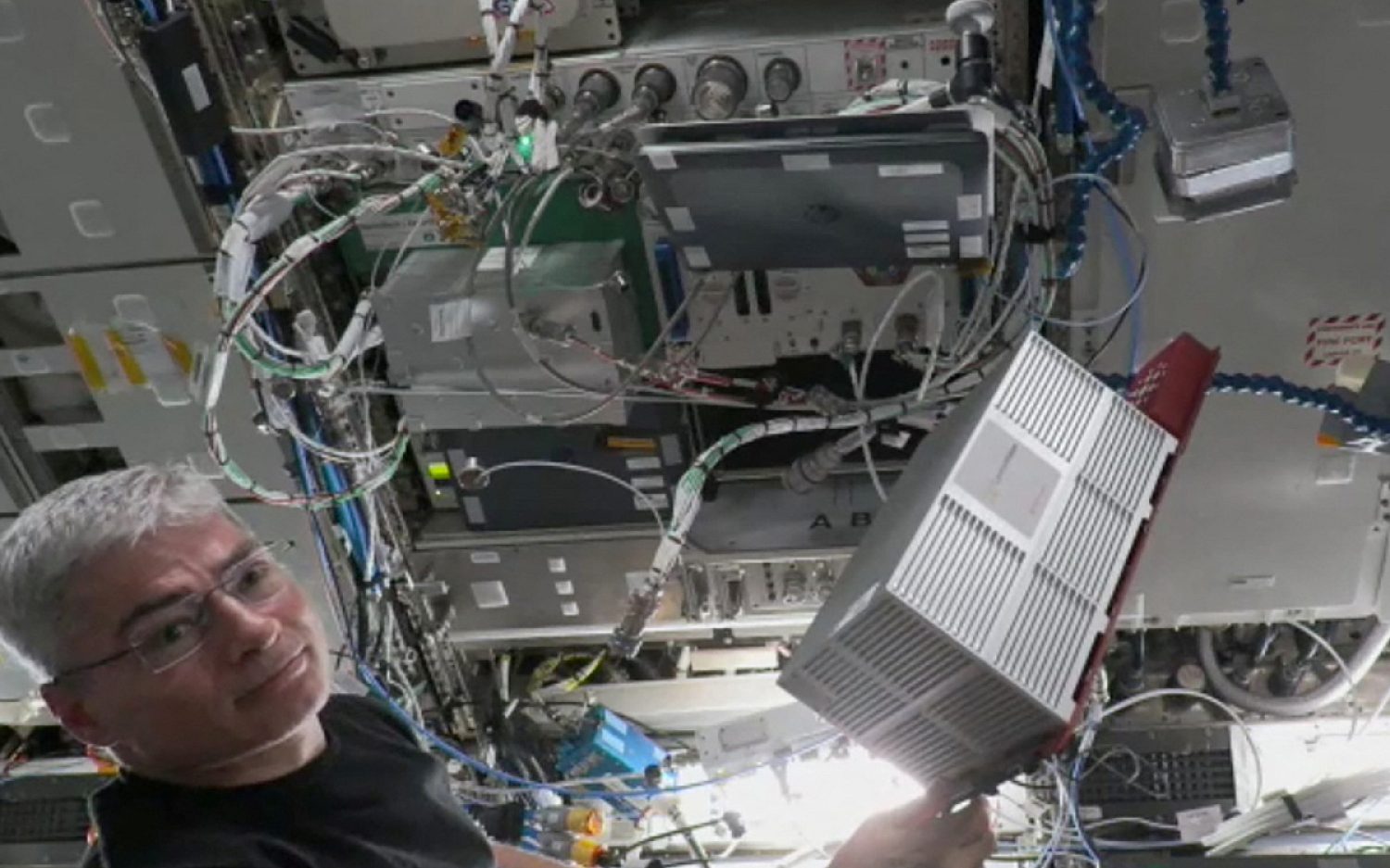
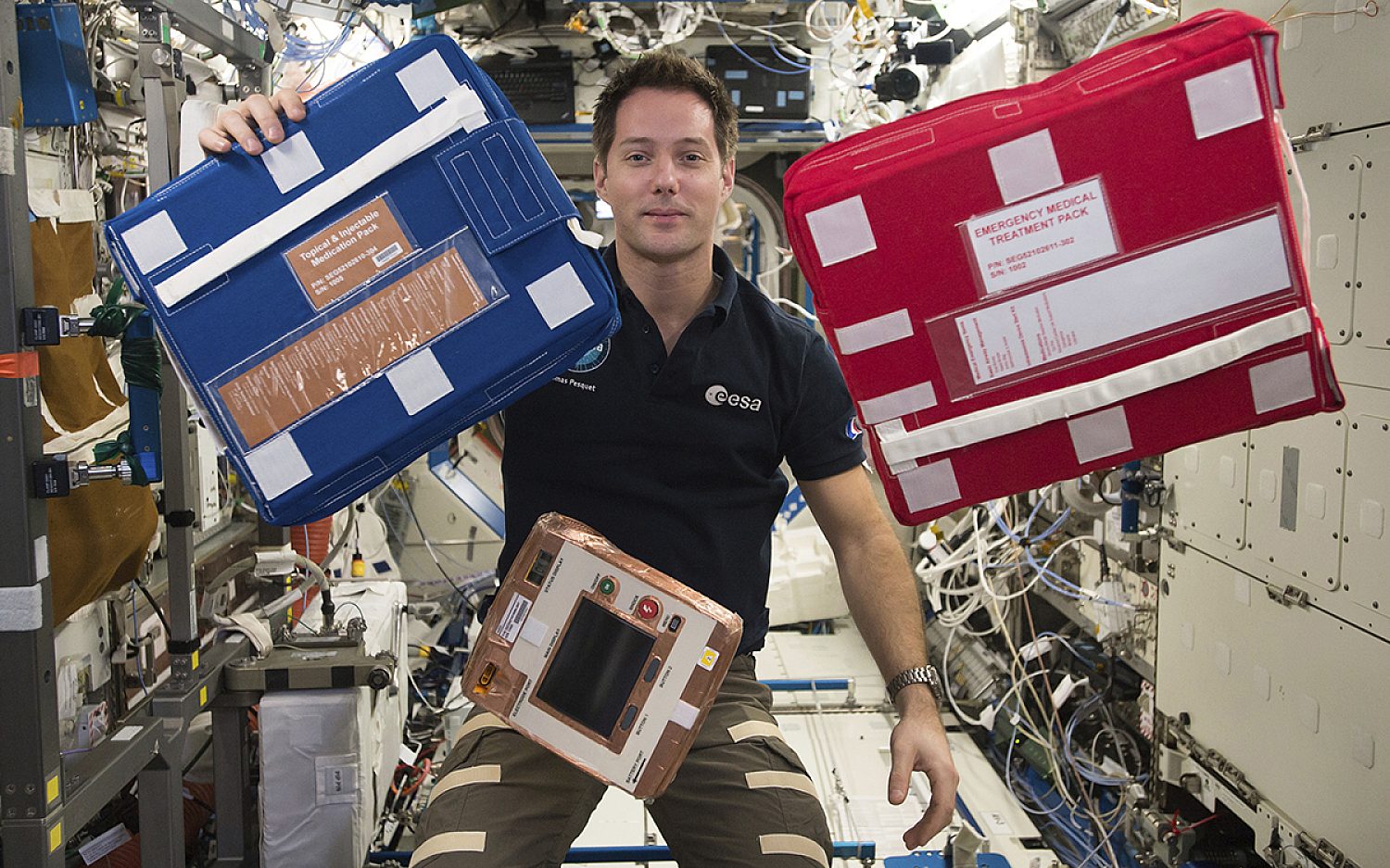
Biotechnology companies are conducting medical experiments aboard the International Space Station (ISS). Scientists are printing genetically human tissue with the help of microgravity. They hope to use the tissue to treat blindness and cancer.
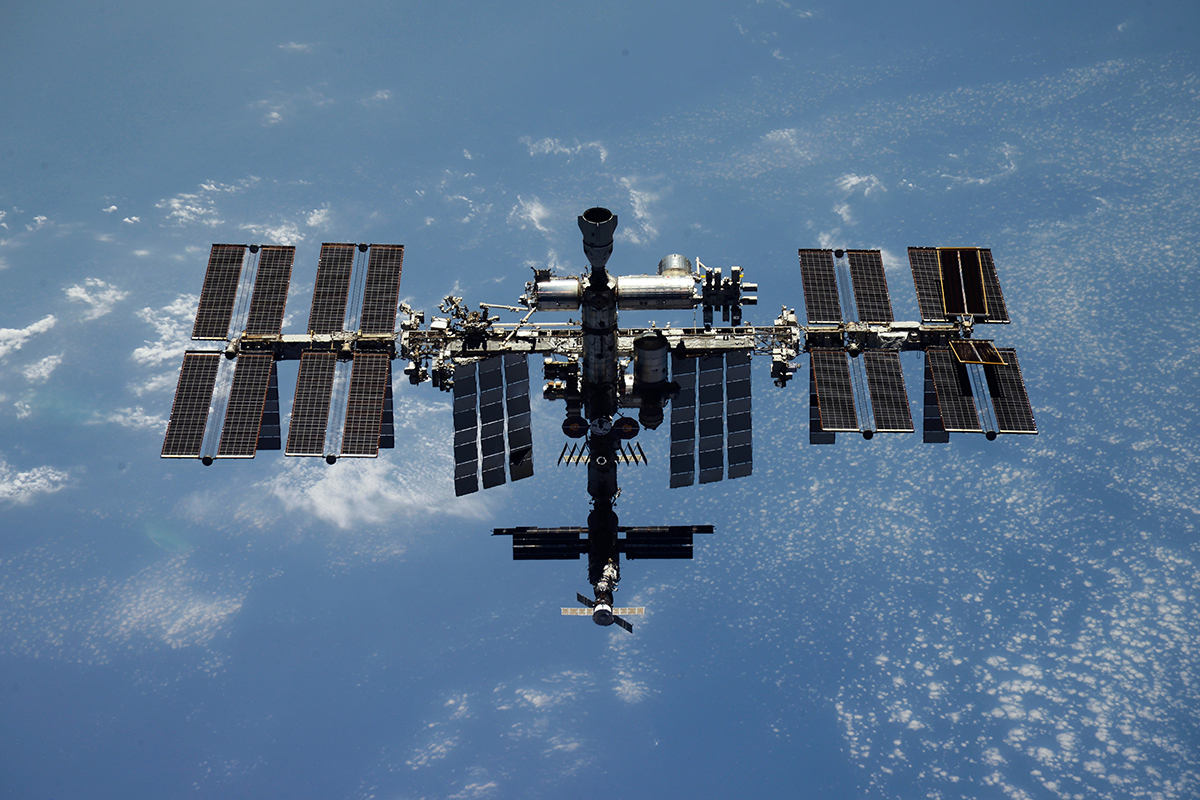
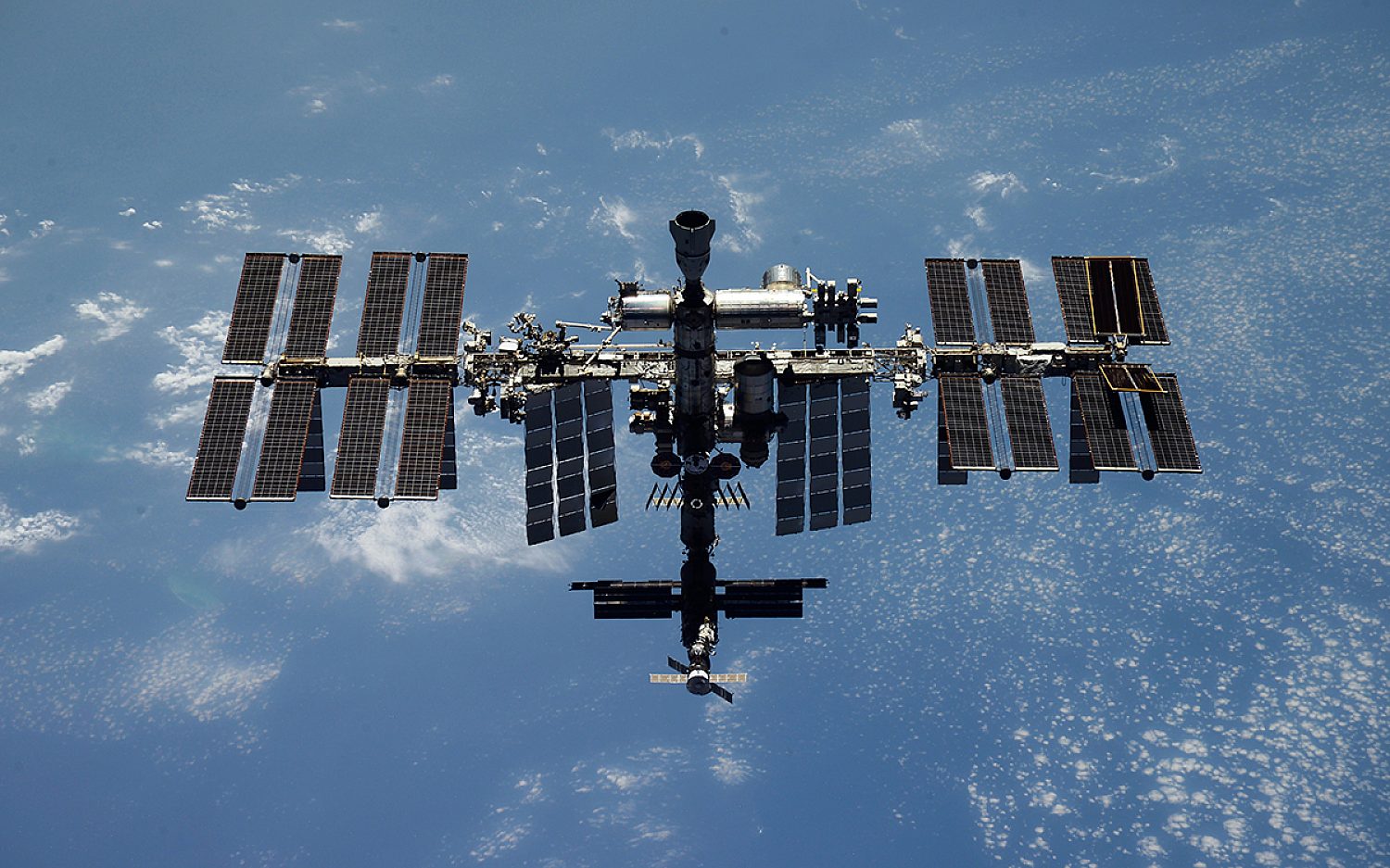
Scientists initially started organ-tissue printing experiments on the ISS back in 2018. The ISS orbits Earth at about 17,500 miles per hour. The speed matches the pull of gravity and the curve of Earth. The combination keeps the station in a constant state of falling. The ISS is still bound by gravity, but everything inside falls together. It produces a weightless environment we call microgravity.
This unique condition attracts scientists from around the world. Researchers who study medicine say microgravity is a key part of mimicking natural cell distribution. God distributed the cells in our tissues perfectly. But Earth-bound scientists can’t replicate it.
Researchers with Auxilium, a biotech company, describe cell distribution on Earth like making blueberry muffins. Sometimes, when you put the blueberries into the batter, they all sink to the bottom.
Auxilium has a 3-D bioprinter aboard the ISS. The company’s goal is to print kidney and liver tissues with the printer. They say that tissue cells are like the blueberries in the batter. When scientists try to replicate these tissues on Earth, the cells don’t stay in the right places. They may clump together or sink. But aboard the ISS, researchers have greater control over where the cells go. Doctors hope to use the printed tissue to perform organ transplants and repairs on Earth.
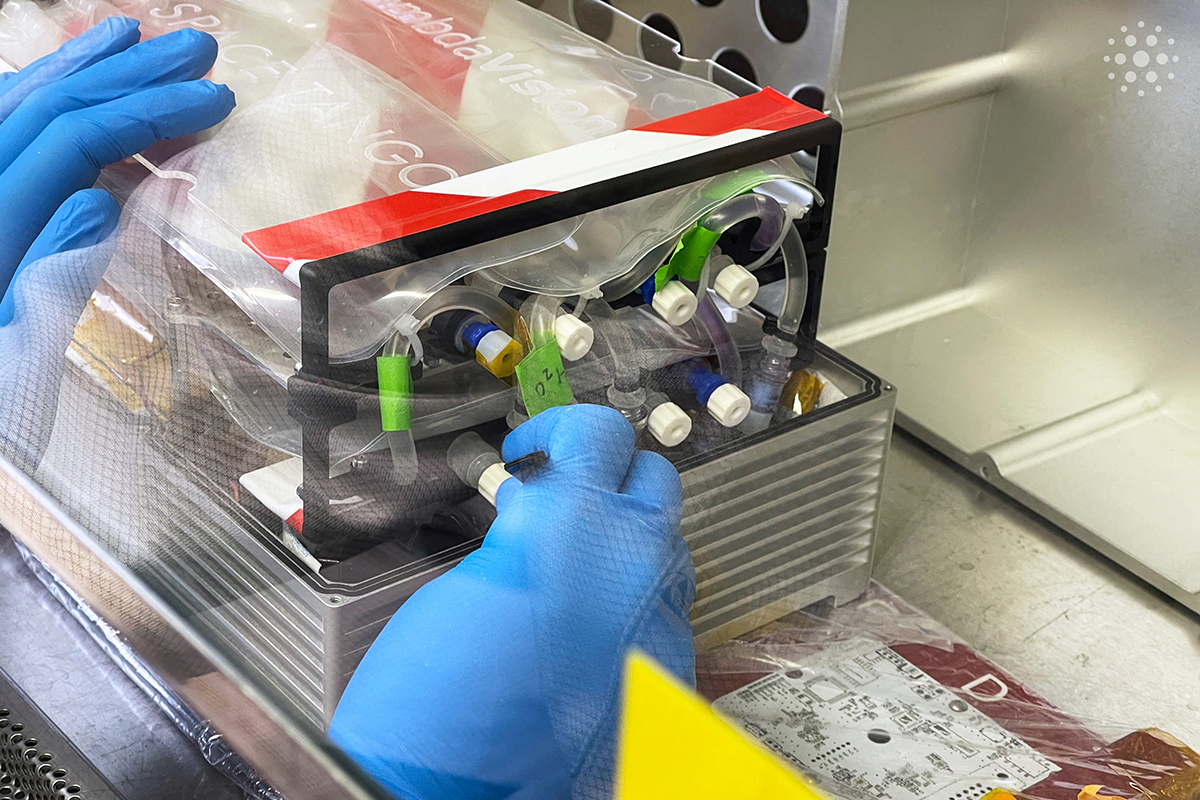
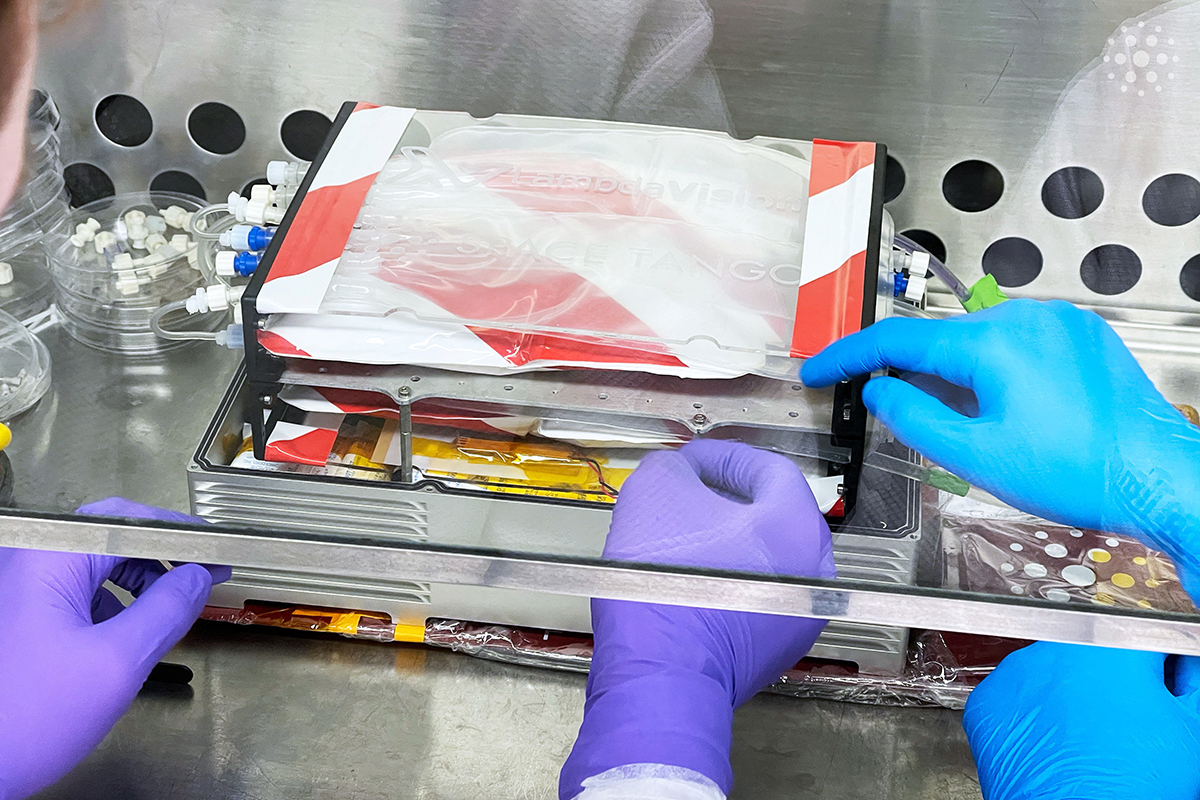
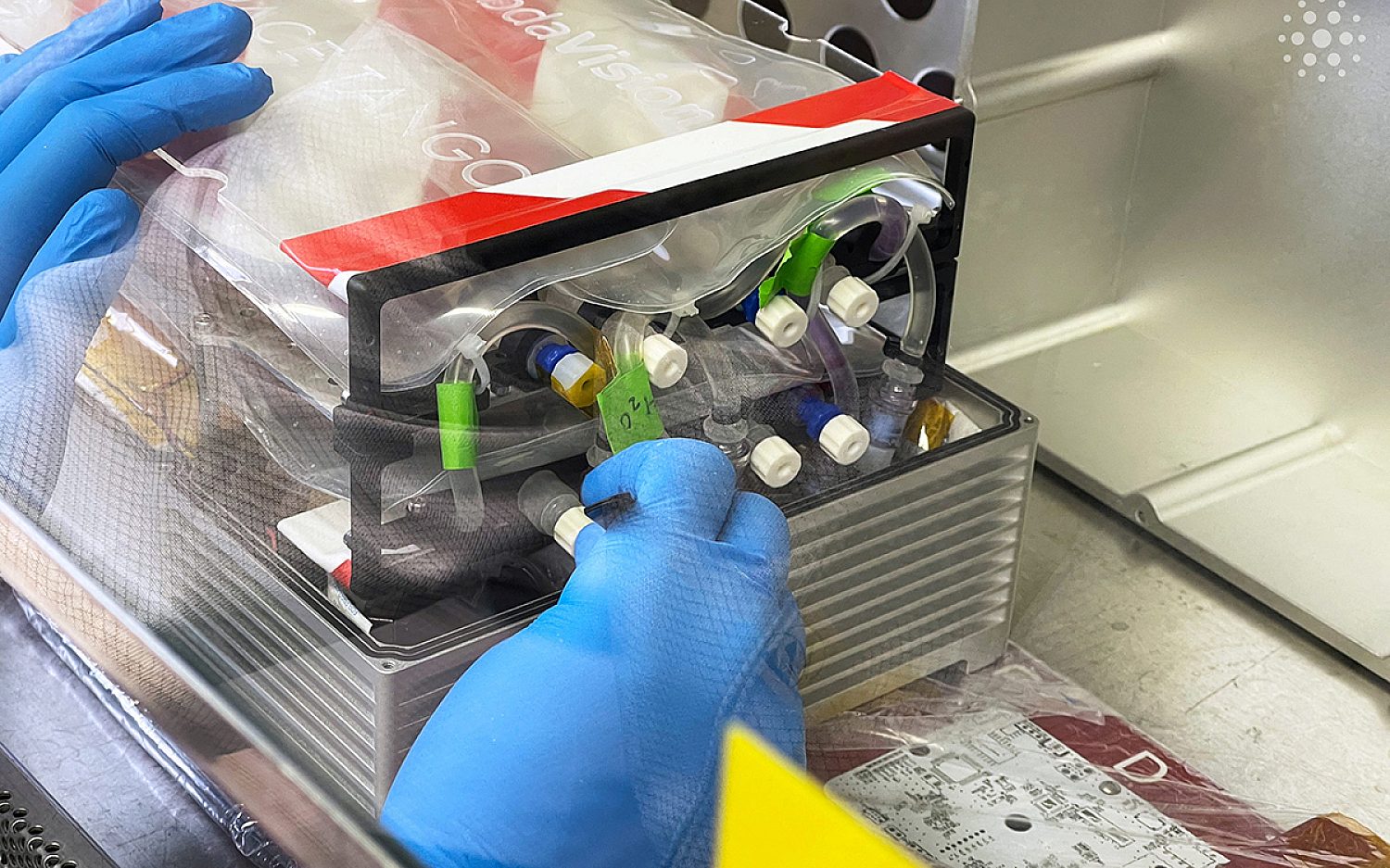
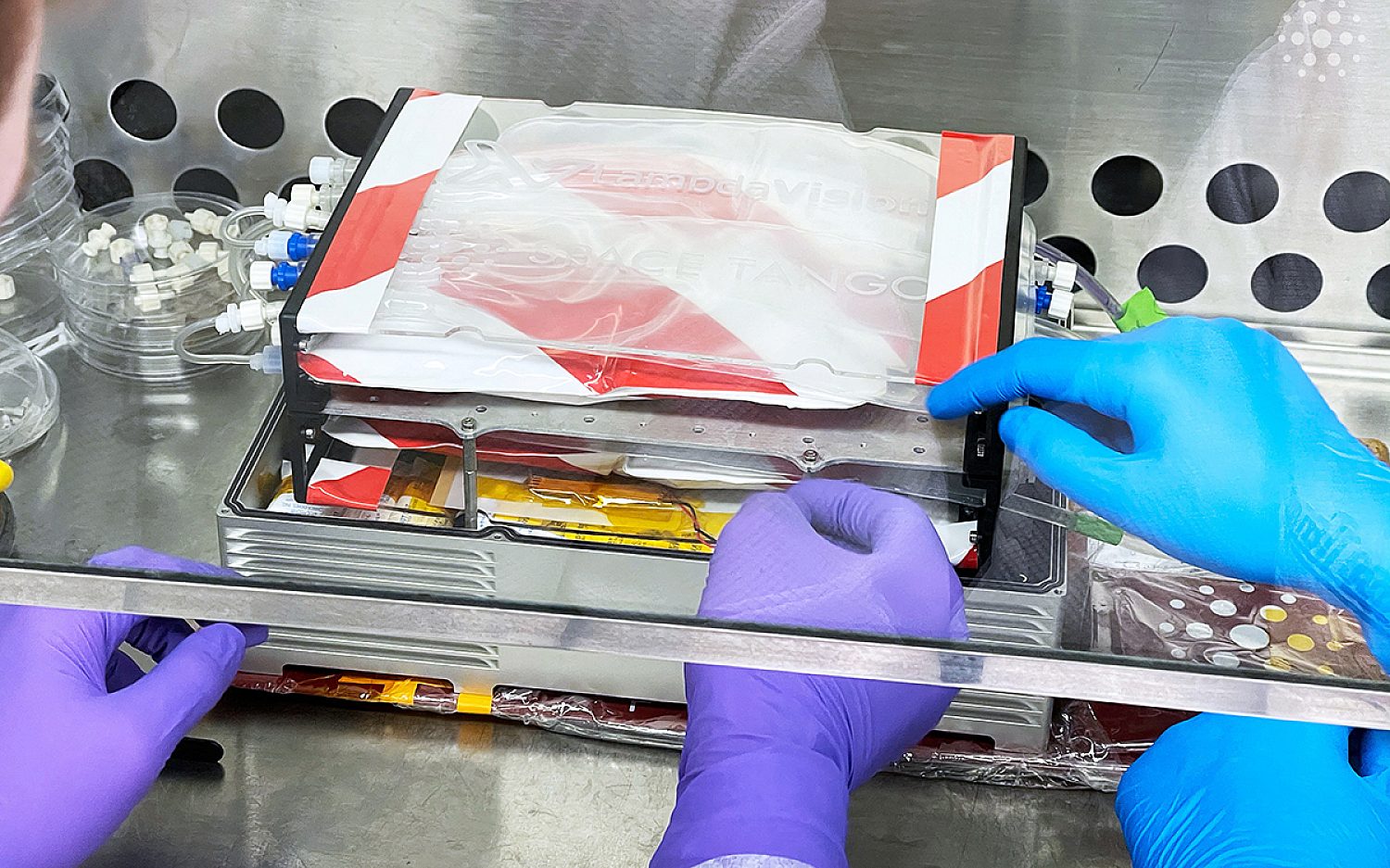
LambdaVision, another biomedical technology company, uses microgravity to design an artificial retinal implant. The implant could help restore blind peoples’ eyesight. But the proteins and polymers must be layered carefully onto a scaffold.
Microgravity removes Earth’s downward pull, which stops cell layers from collapsing under their own weight. Without gravity causing fluids to settle or mix unevenly, polymers can form structures that mimic human tissue almost exactly.
And He is before all things, and in Him all things hold together. — Colossians 1:17
Why? Studying the intricacies of the human body reveals God’s infinitely wise handiwork and gives opportunity for people to help others.