

Could the key to clean, powerful energy lie down under the Down Under? Researchers at Australia’s Edith Cowan University (ECU) say it just might.
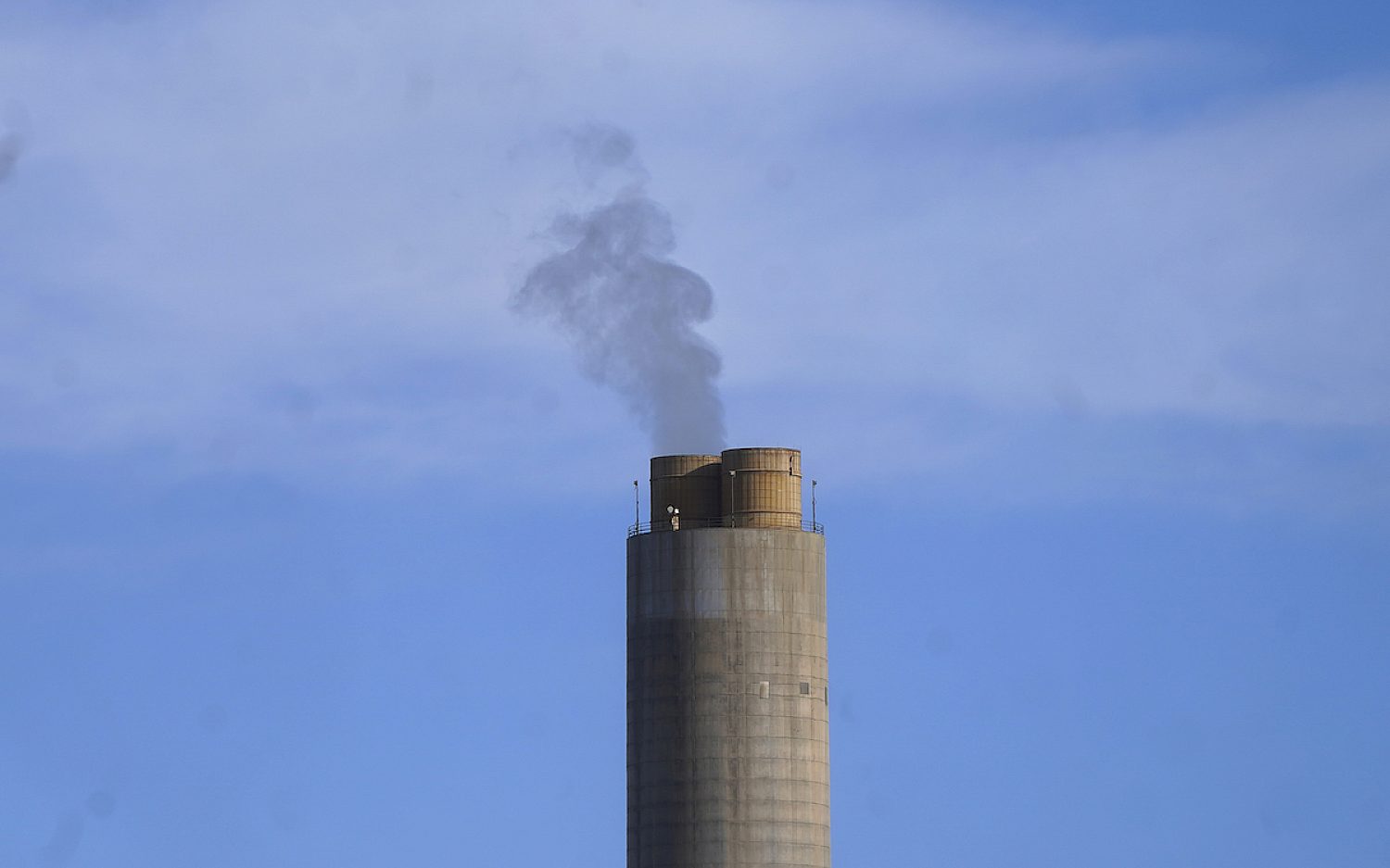
As the world grows ever more dependent on electricity, a desire for new energy sources grows too. Researchers seek a power source that produces less pollution than traditional fossil fuels like oil and gas. The war in Iran has renewed the urgency for fuel independence. When the world’s primary fuel sources travel through only a handful of trade routes, energy can quickly turn scarce and expensive.
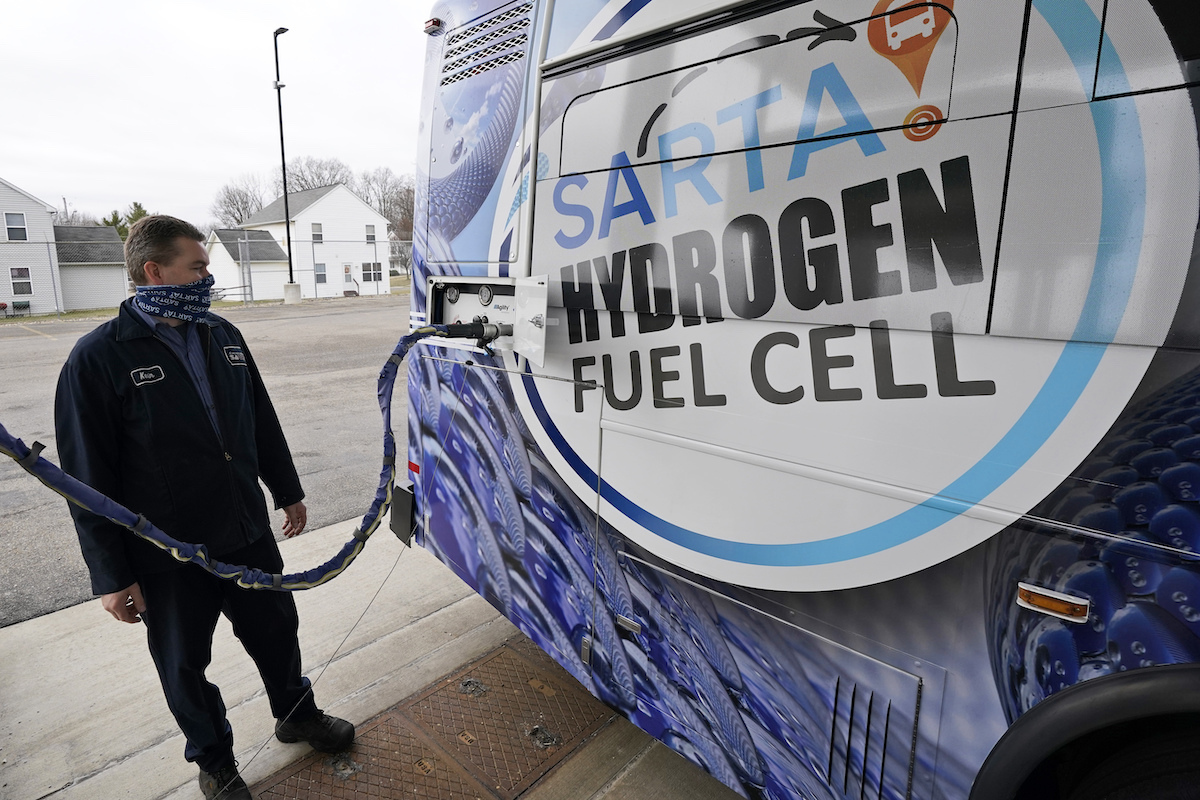
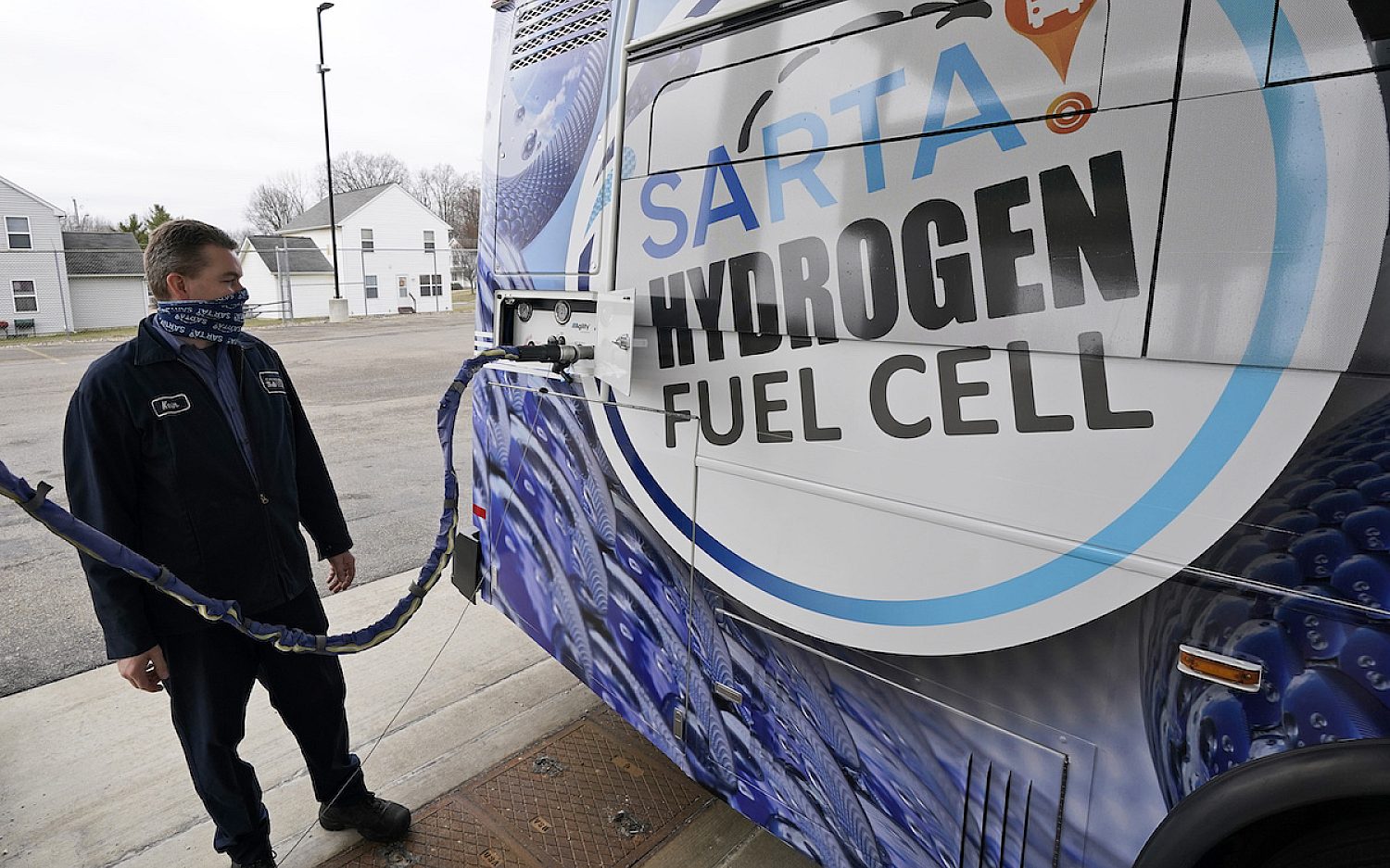
But there’s a natural fuel that releases even more energy than oil or gas: hydrogen. Ignite hydrogen and it doesn’t release carbon. It releases air and water—along with a burst of energy.
There’s a catch. Current methods use traditional fossil fuels to produce enough hydrogen for useful fuel. But could a new discovery change that?
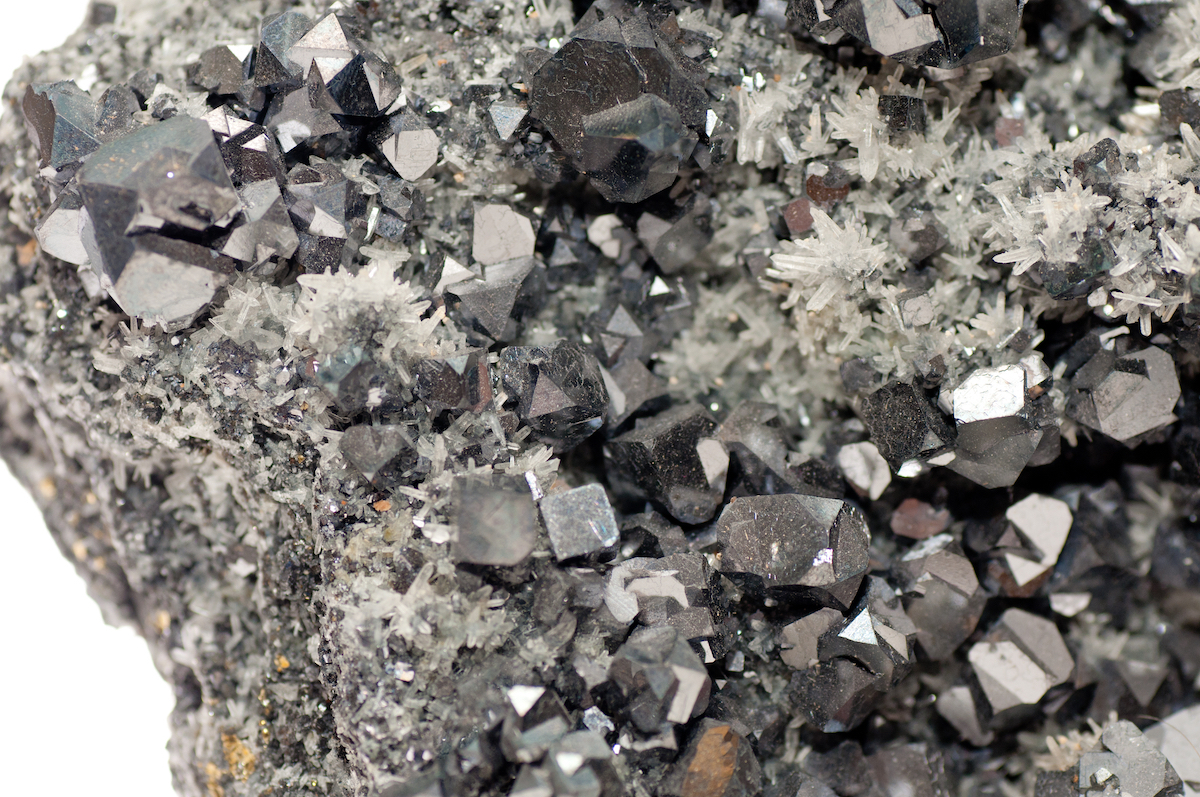
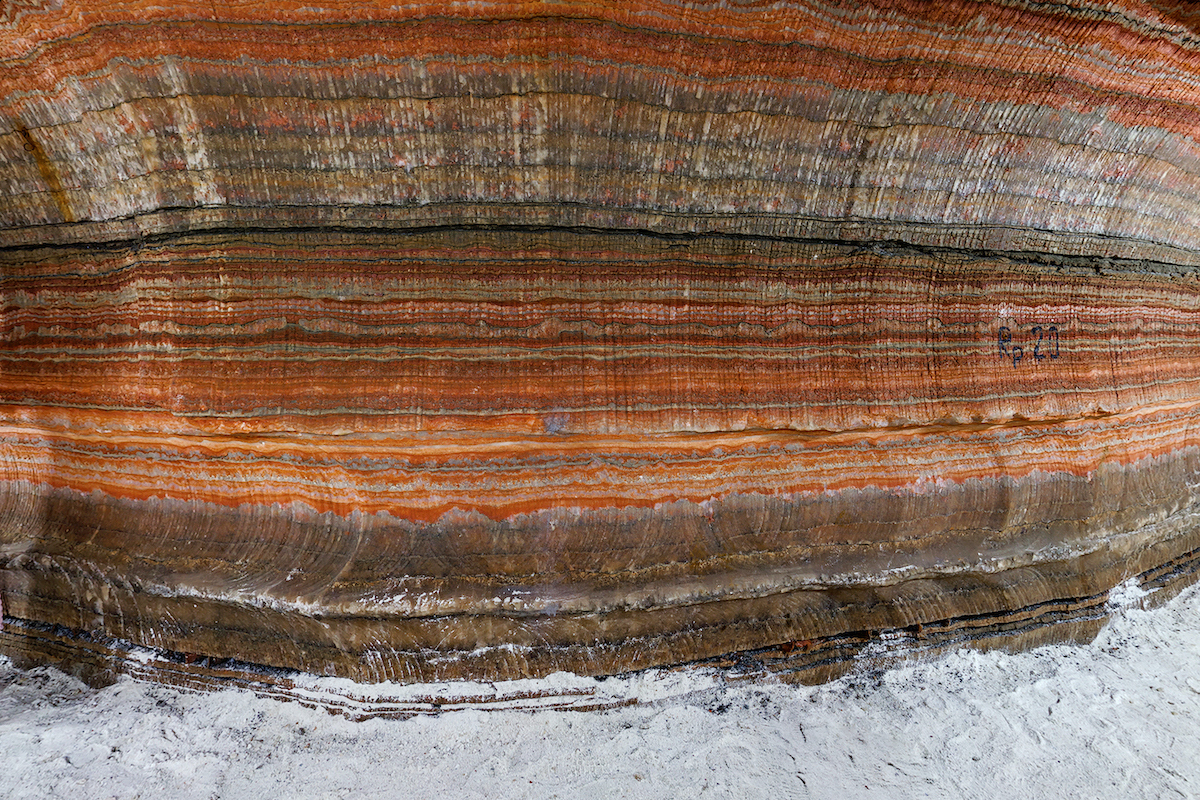
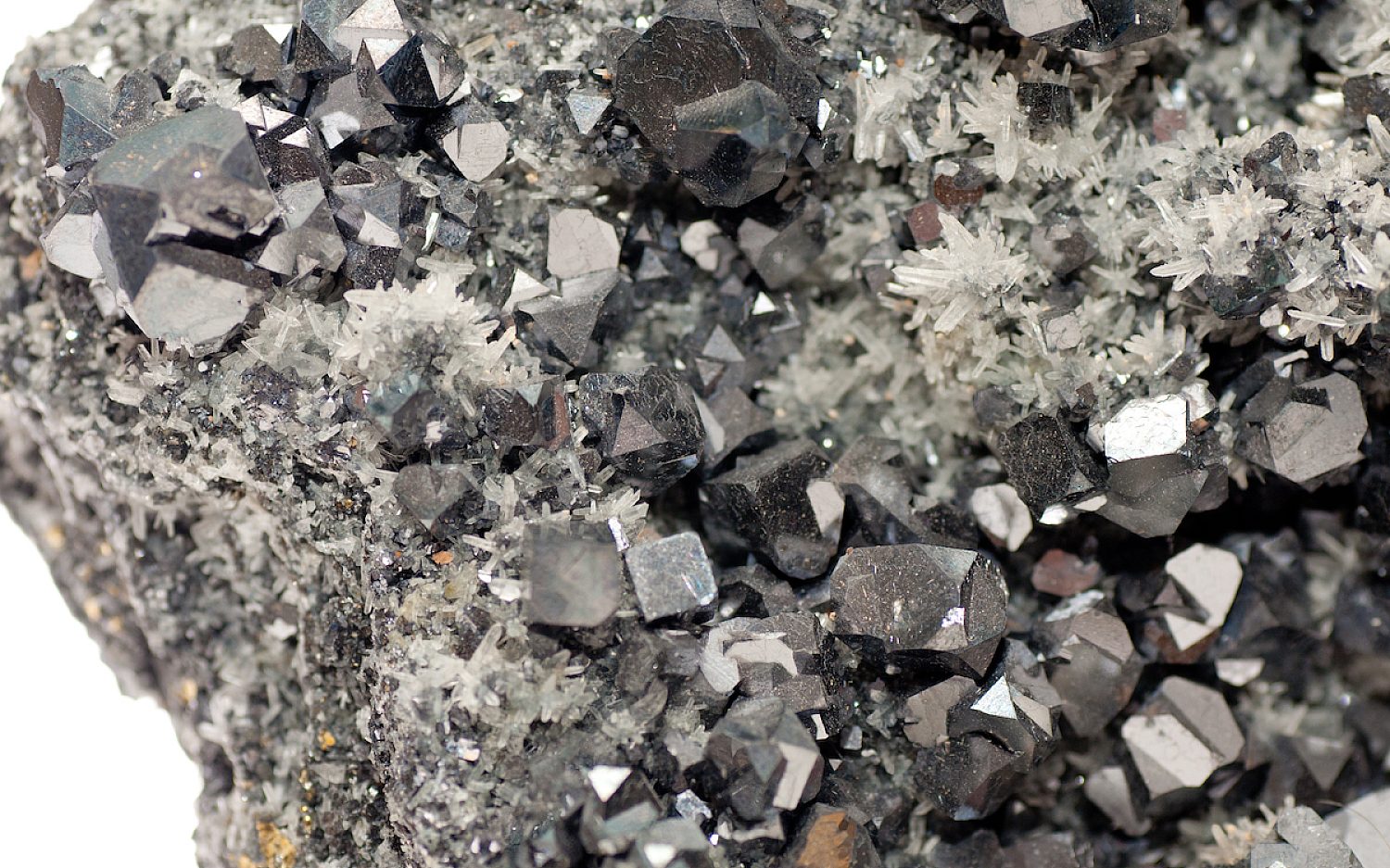
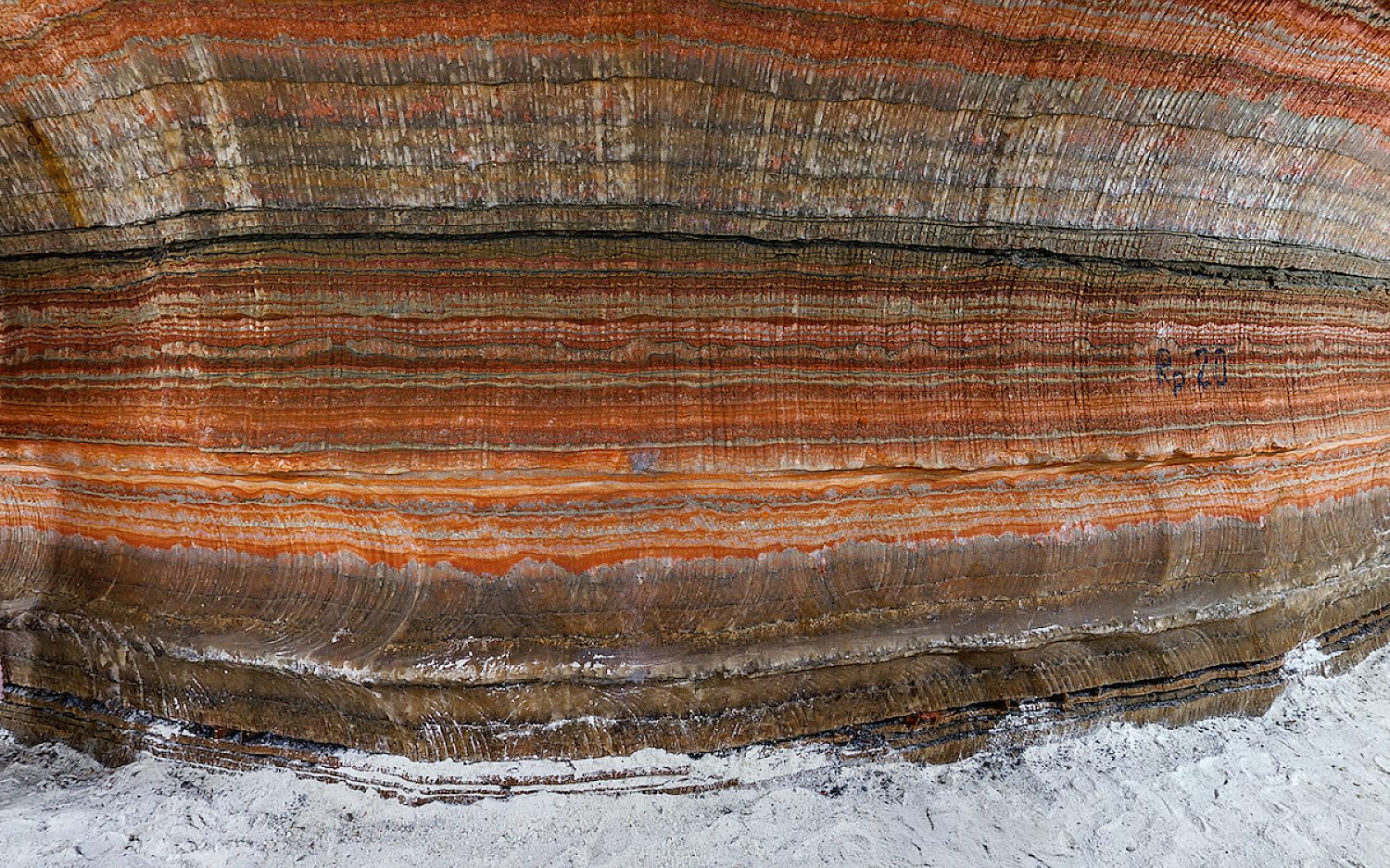
Banded iron formations lie deep beneath the surface of western Australia. These rock layers contain an abundance of iron oxides—compounds made from iron and oxygen. One such iron oxide is magnetite. Magnetite could hold the secret for freeing hydrogen without using fossil fuels. The reason involves a good bit of chemistry.
Under the right circumstances, magnetite pulls oxygen from water. Each water molecule contains two hydrogen atoms and one oxygen atom (hence the formula “H2O”). Remove the oxygen, and you’re left with—you guessed it—hydrogen.
But these “right circumstances” involve high heat and pressure. On Earth’s surface, those conditions typically occur in man-made scenarios only. But deep underground, they occur naturally—right where you find Australia’s magnetite deposits.
ECU researchers wondered: Is the magnetite beneath Australia already producing huge, unused stores of hydrogen?
They put this idea to the test. They placed magnetite in water. To mimic underground conditions, they kept it at nearly 400° Fahrenheit under high pressure for 60 days. The results supported their theory. They also found that they could produce more hydrogen using powdered magnetite—five times more! That’s a lot of power from a bit of iron oxide—and the ground beneath Australia is full of it.
“Australia could be sitting on a massive, untapped energy reserve—and the potential is enormous,” says associate professor Alireza Keshavarz. “There is enough hydrogen for Australia to benefit for generations, and potentially enough for us to become a major exporter of clean energy to the rest of the world.”
These new discoveries will help researchers find hydrogen reserves faster and extract them more efficiently. Will the world one day look to Australia for hydrogen, the way it now looks to the Middle East for oil?
Why? God has put the potential for massive amounts of power into creation. If creation holds that much power, think how much stronger the Creator must be!