
How do scientists unlock the mysteries of physics? Sometimes it’s just a matter of smashing things into each other really, really fast.
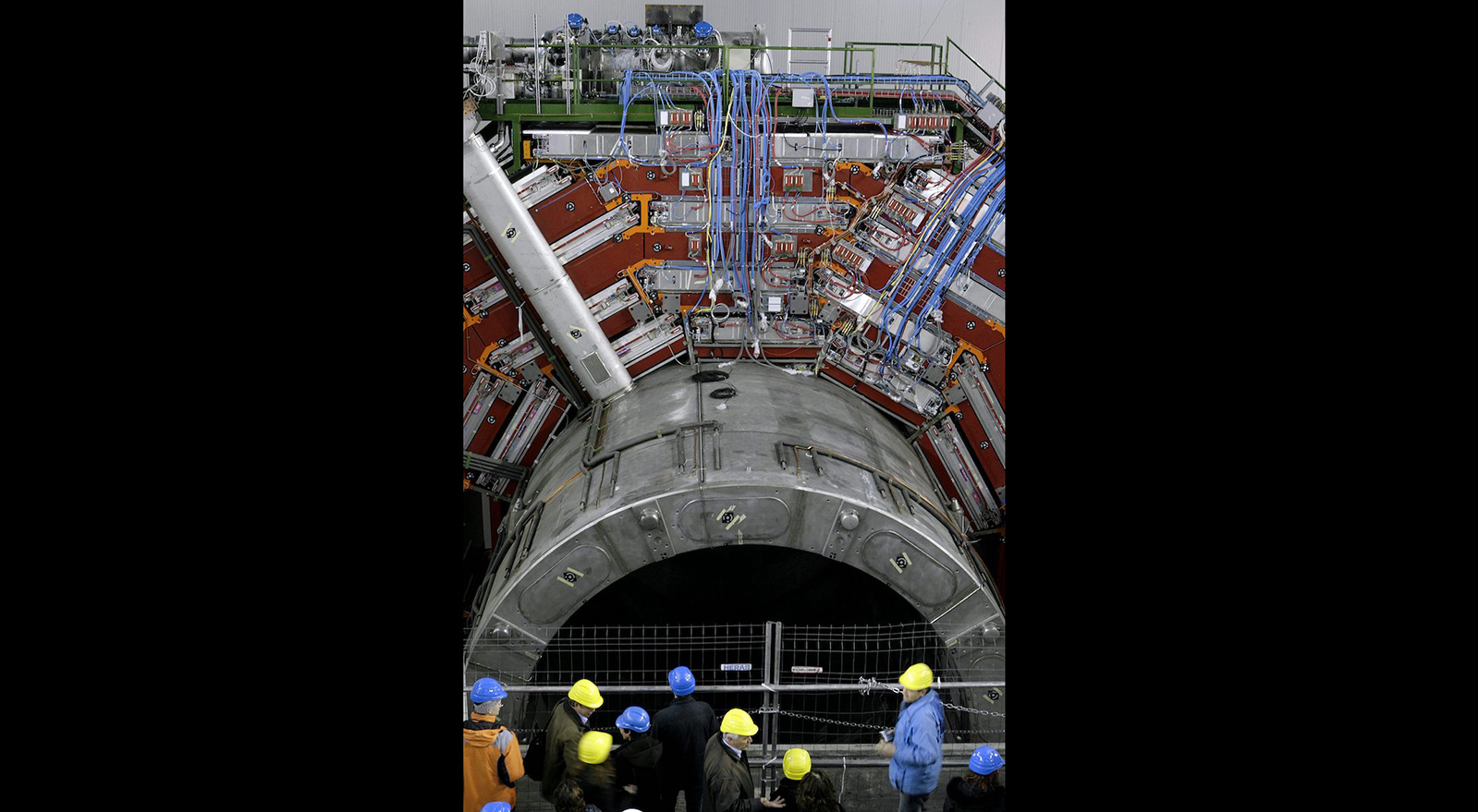
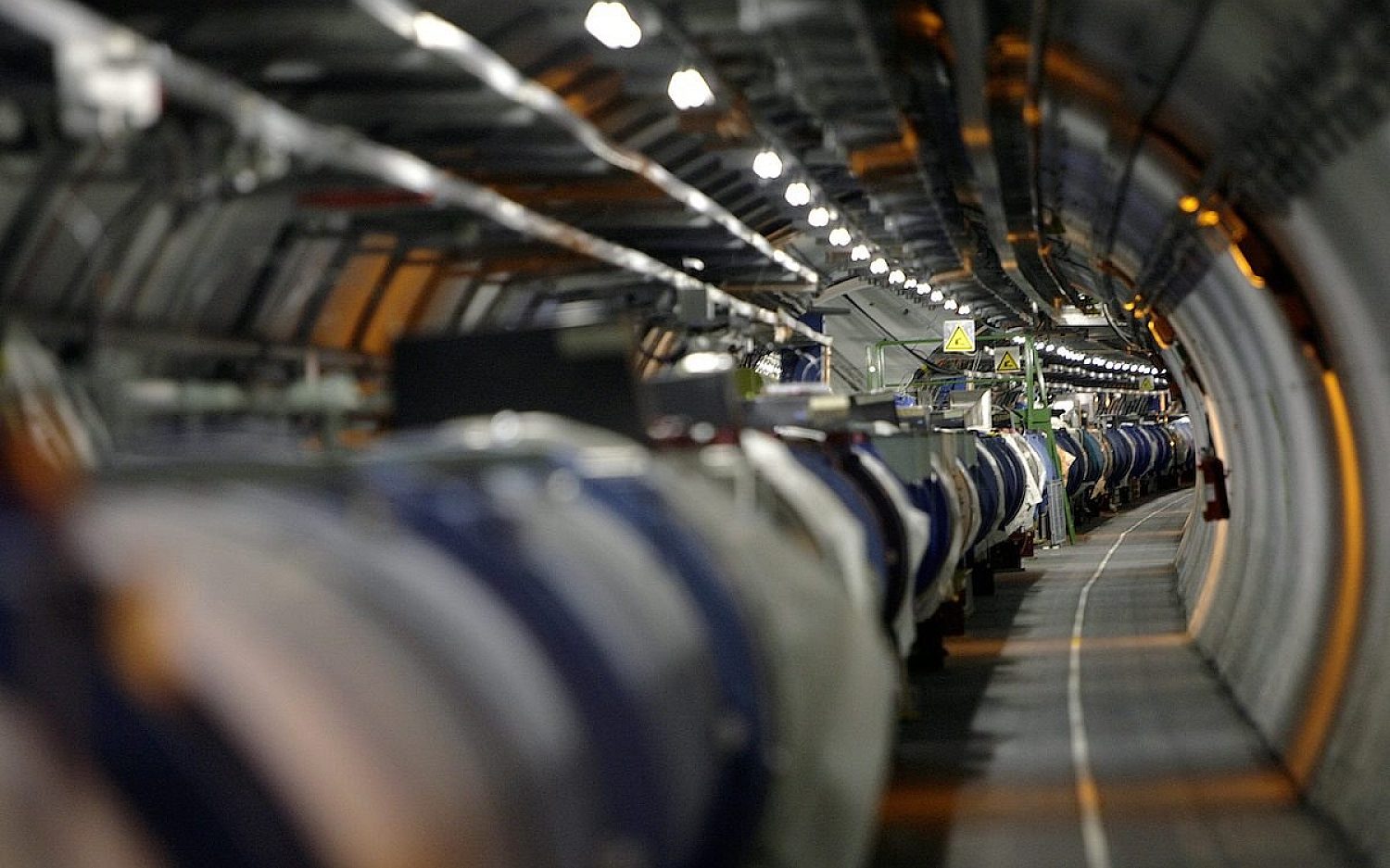
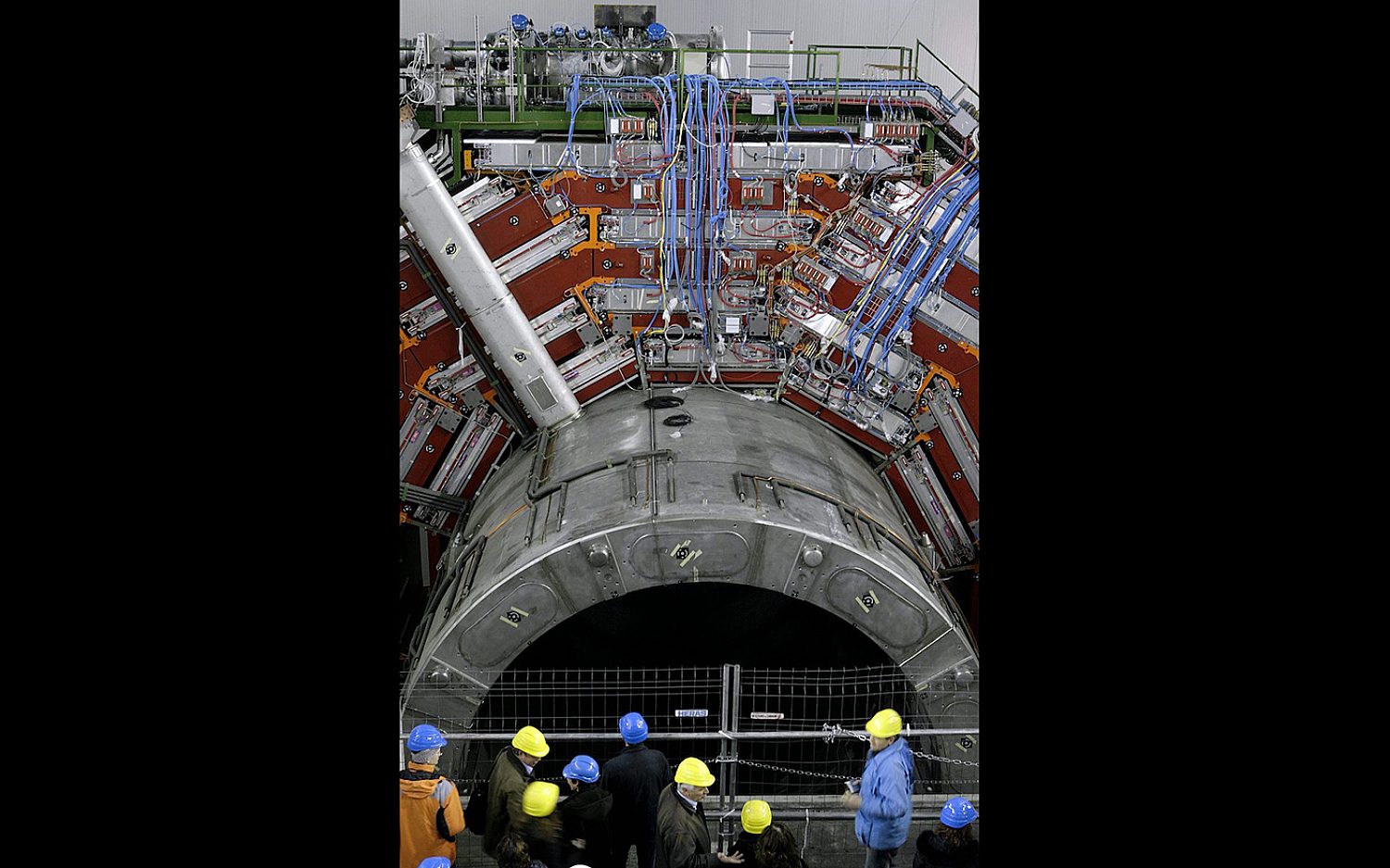
Since the 1930s, scientists have used particle accelerators—or “atom smashers”—to study the building blocks of nature. The biggest such device is the aptly named Large Hadron Collider, or LHC. It has operated since 2008. On March 31, scientists unveiled plans for an even larger machine: the Future Circular Collider, or FCC.
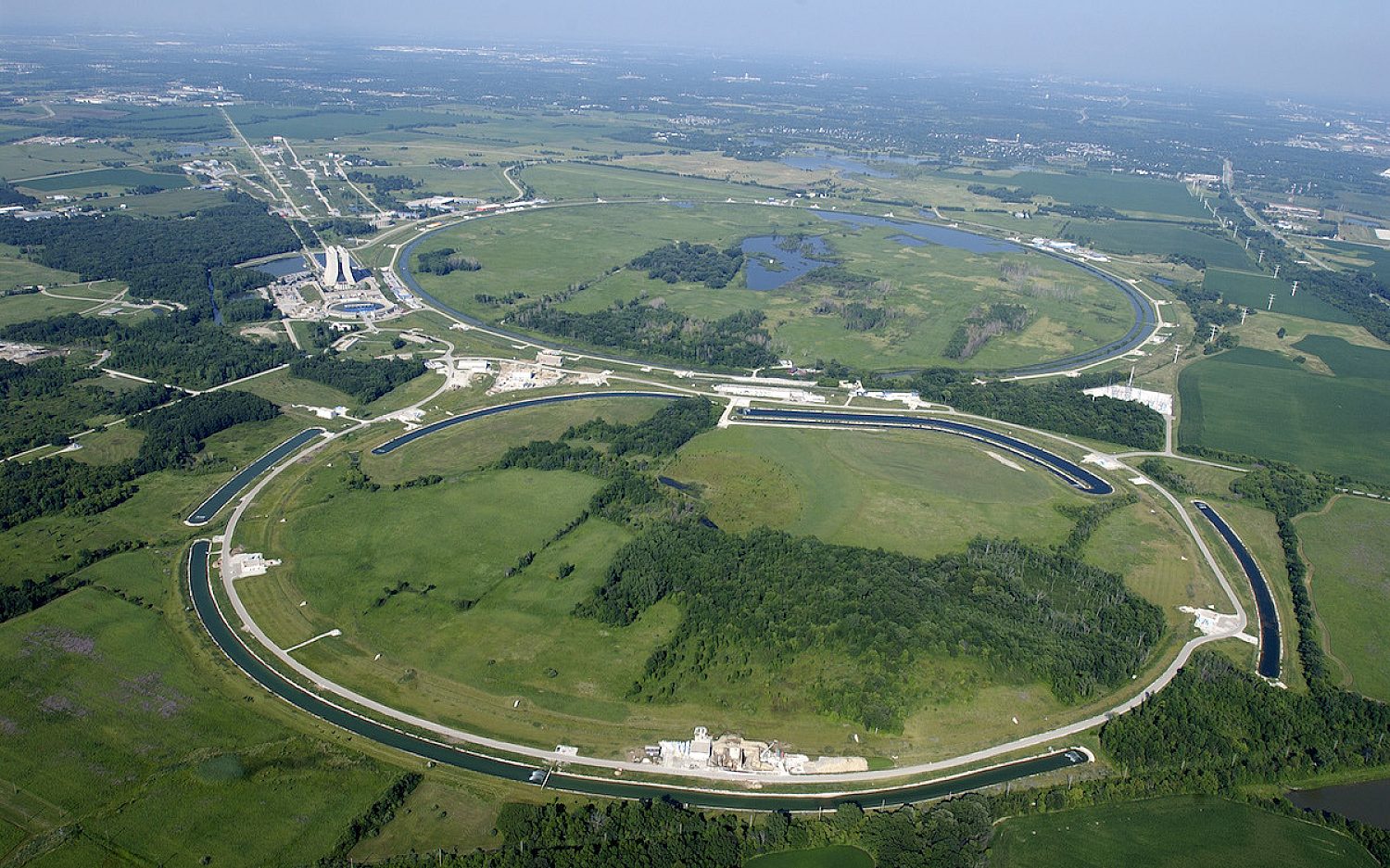
This atom smasher would form a 56.5-mile loop along the French-Swiss border near Lake Geneva. It could start working in the mid-2040s. CERN (the European Organization for Nuclear Research) has been working on the project for nearly a decade. The FCC would create about 10 times more energy than the LHC. Its work could “open the door to the unknown,” suggests Italian scientist Giorgio Chiarelli.
But what exactly do atom smashers do?
All matter is made of atoms. Atoms have smaller parts called protons, neutrons, and electrons. And those have even smaller components. Scientists fire up atom smashers to release these mind-blowingly small particles.
Despite all the advanced science, colliders function on a basic idea. If you smash protons together hard and fast enough, bits and pieces will fly off. Among these bits and pieces, scientists hope to discover new subatomic (smaller than an atom) particles.
But making that actually happen? That’s where the brain-bending physics come in.
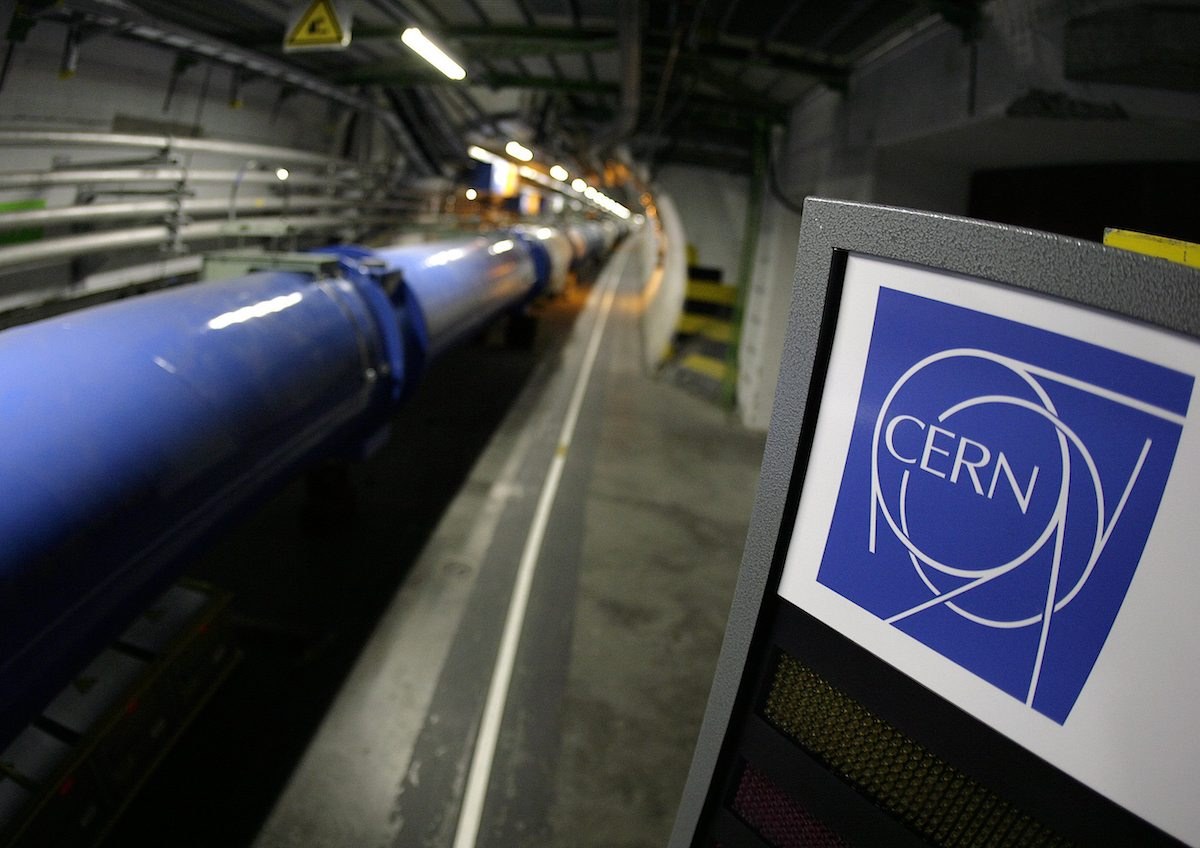
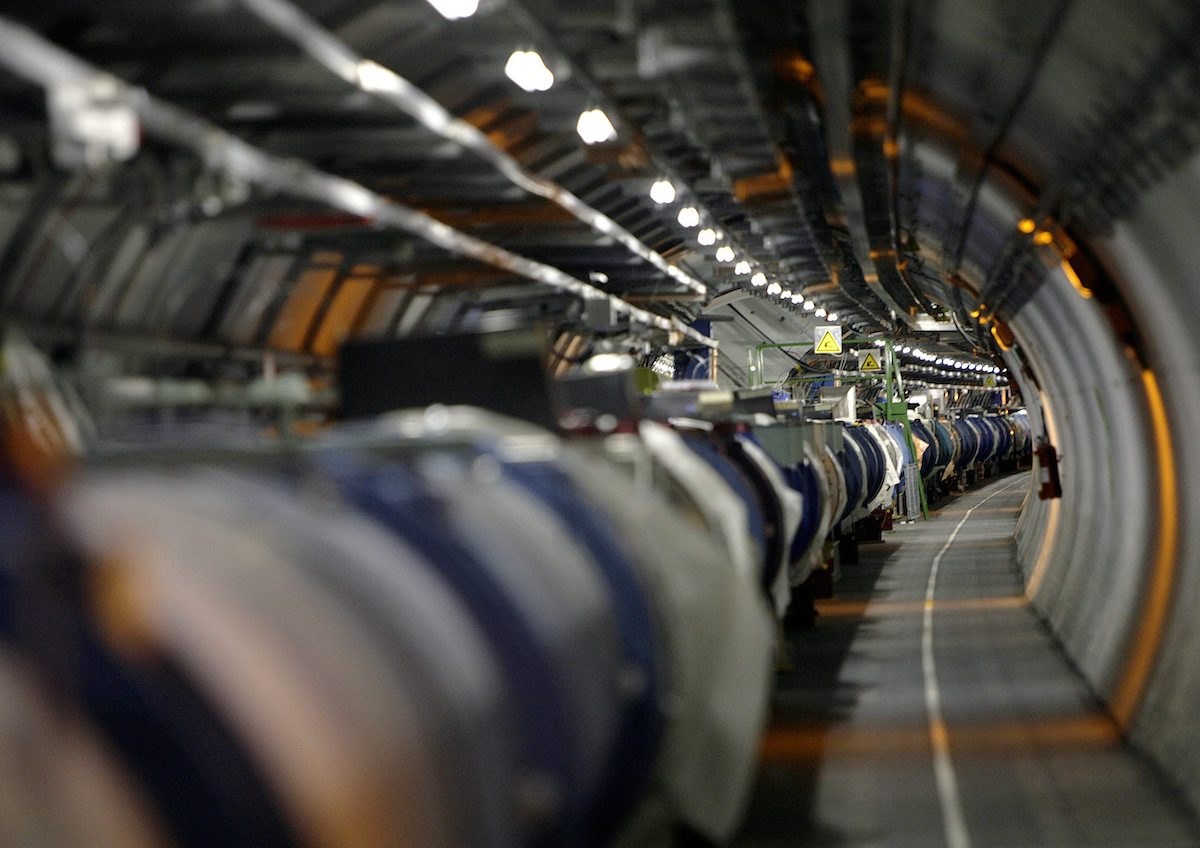
It’s no easy task to make two protons collide. They need to hit dead center. That’s like two archers trying to make arrows collide midair—except, imagine if those arrows were microscopic! These protons must move fast. The LHC accelerates them to nearly the speed of light. To achieve those speeds, it uses very powerful magnets. The magnets send particles through a 17-mile underground loop. A loop shape provides enough space to pick up the necessary speed. And these magnets must stay cold. Pipes filled with liquid helium keep them at about -456° Fahrenheit.
The whole process is very costly. The LHC itself cost about $9 billion to build. The new collider’s estimate is at least $16 billion. But some scientists say the research is worth it.
“History of physics tells that when there is more data, the human ingenuity is able to extract more information than originally expected,” says Chiarelli.
The LHC has already helped humans discover more about the universe. In 2012, it revealed the Higgs boson particle. The Higgs boson is associated with the Higgs field, which gives other particles their mass. This discovery has taught scientists about the nature of matter itself. What might an even more powerful tool uncover?
Why? The universe remains full of mysteries to solve. When we explore those mysteries, we learn more about our Creator.