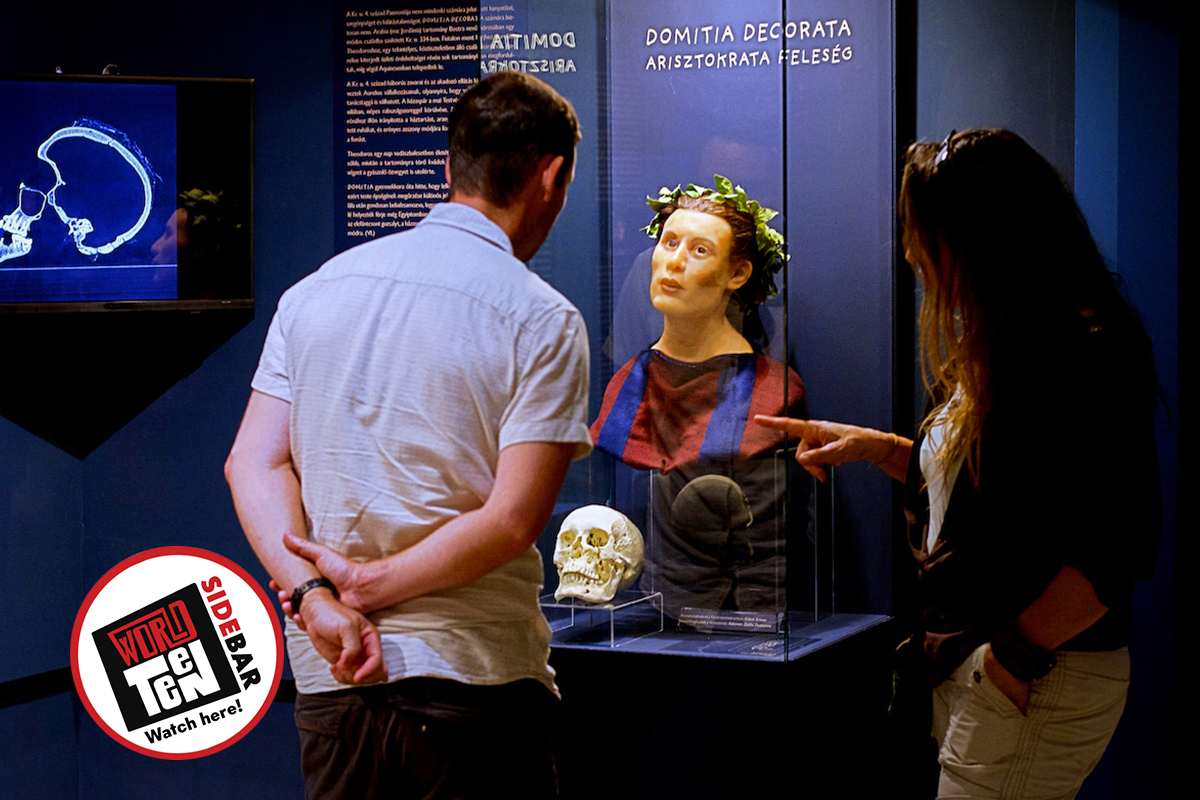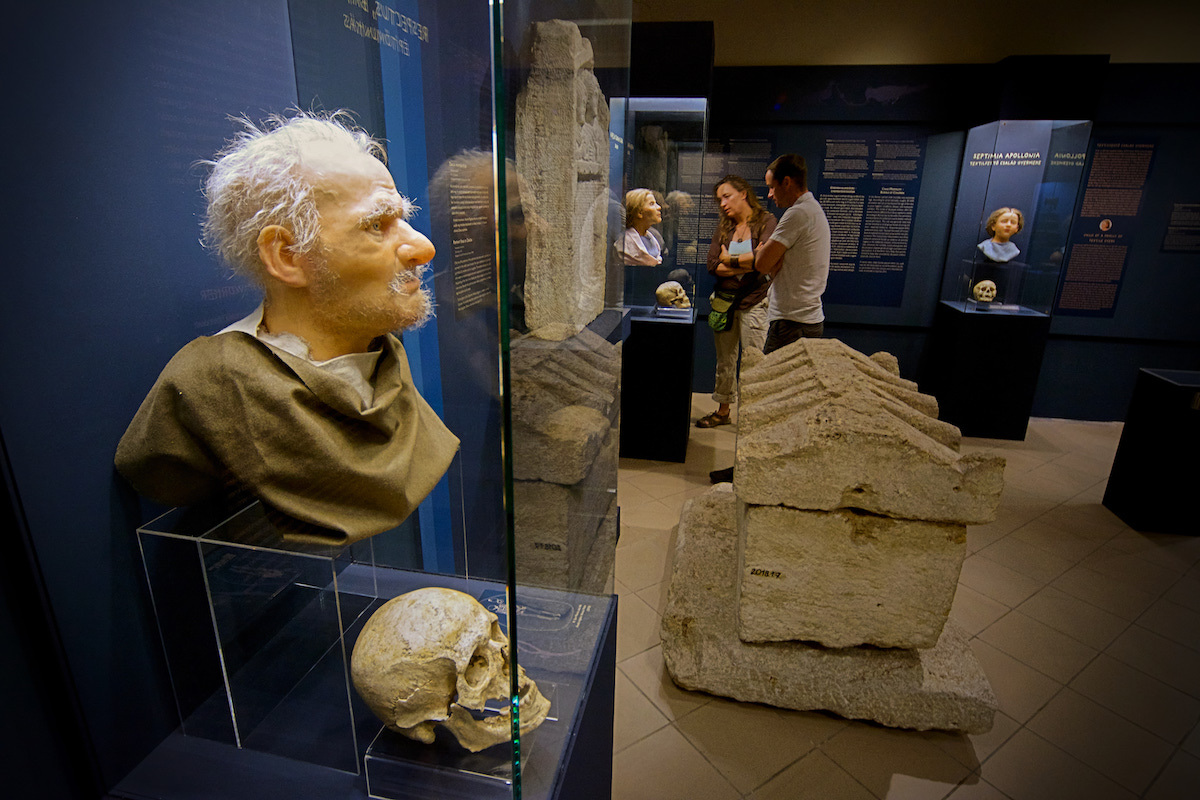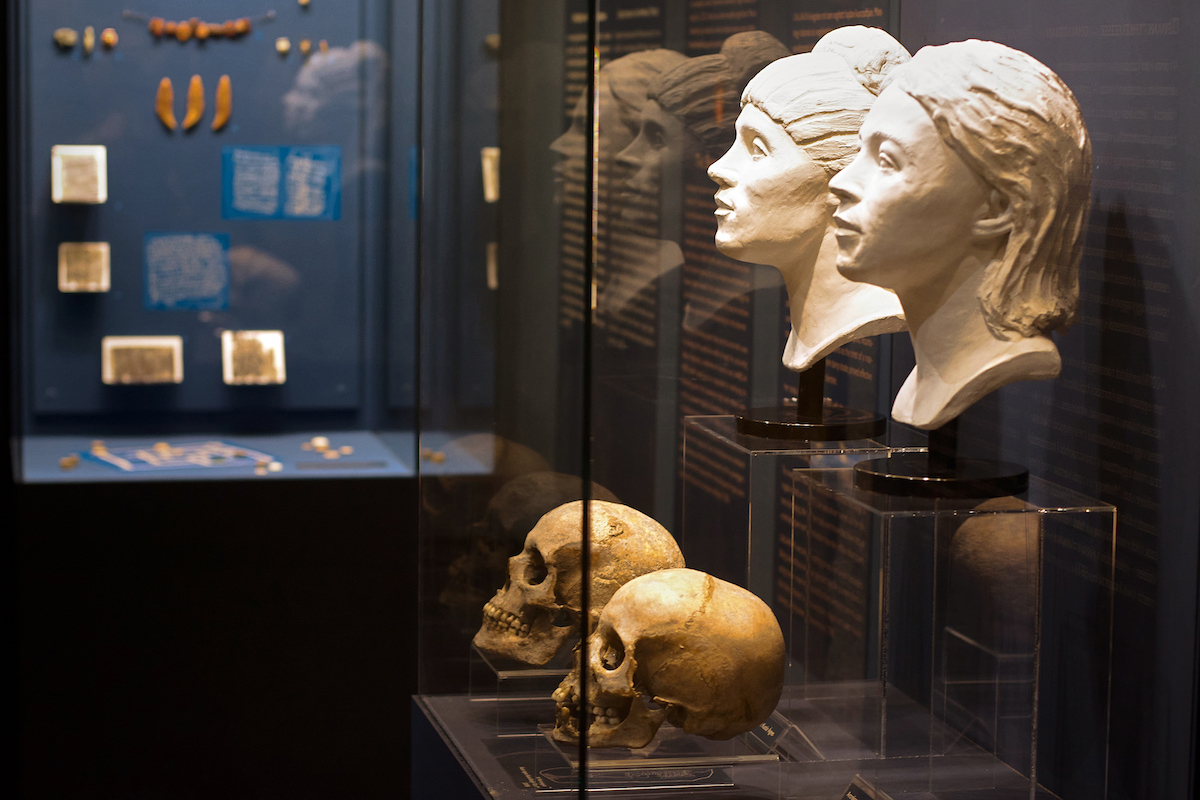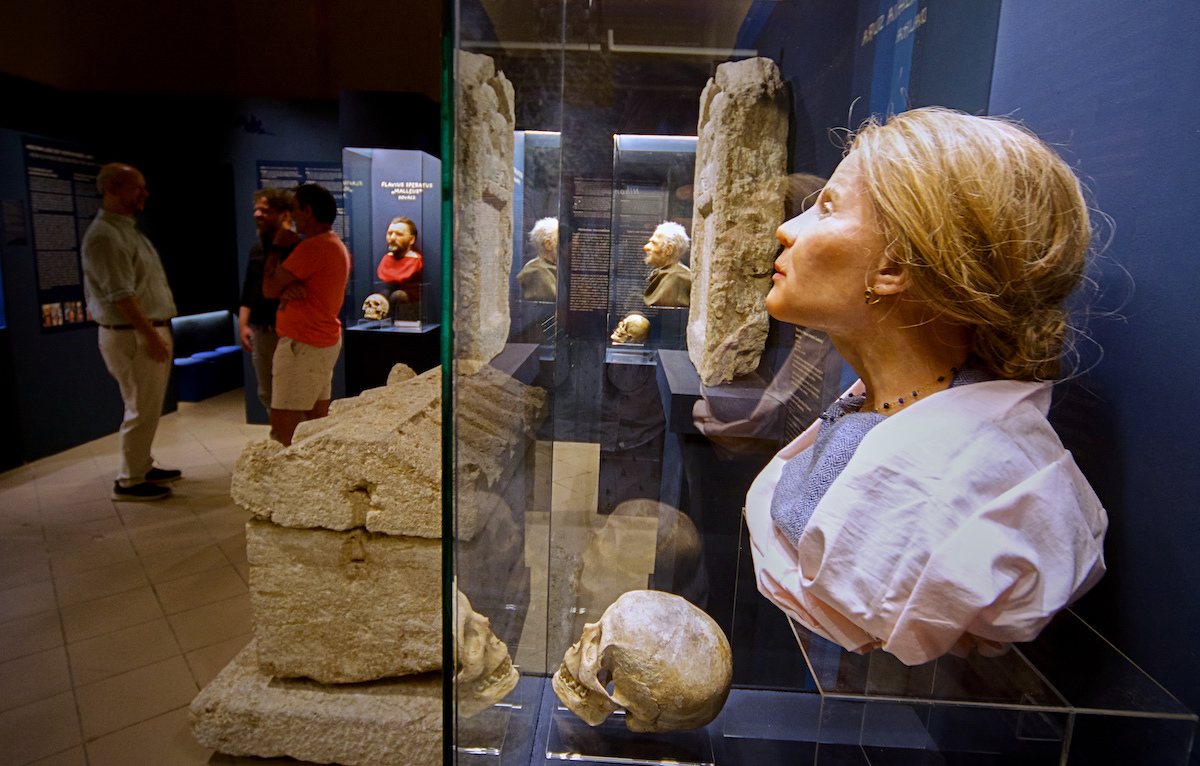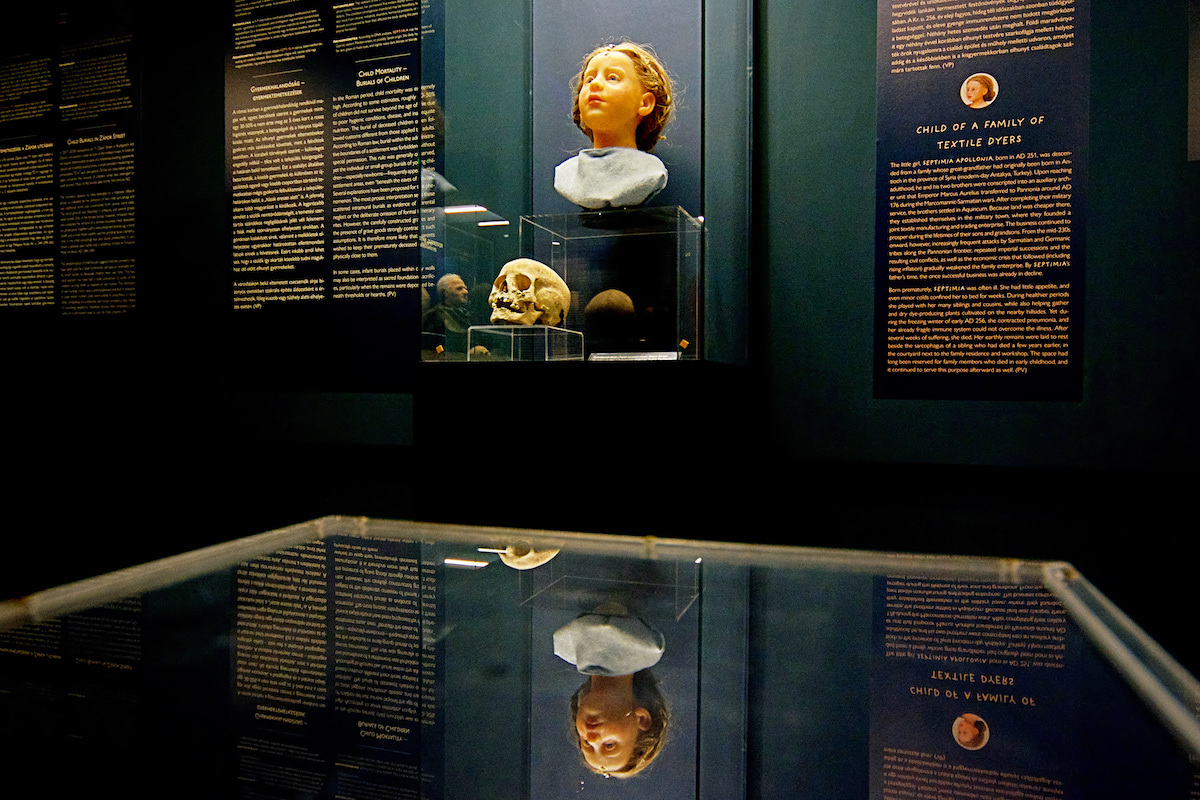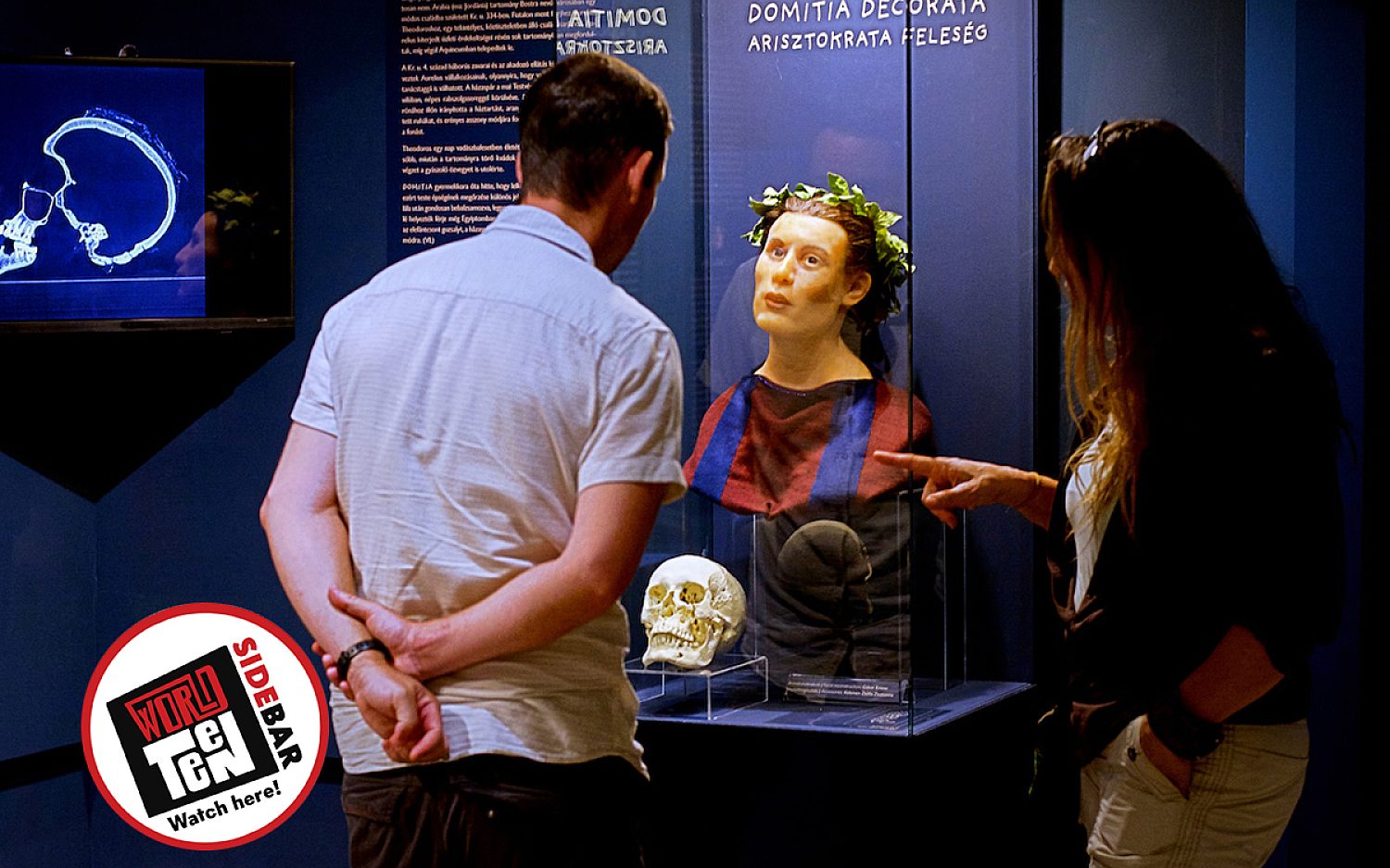
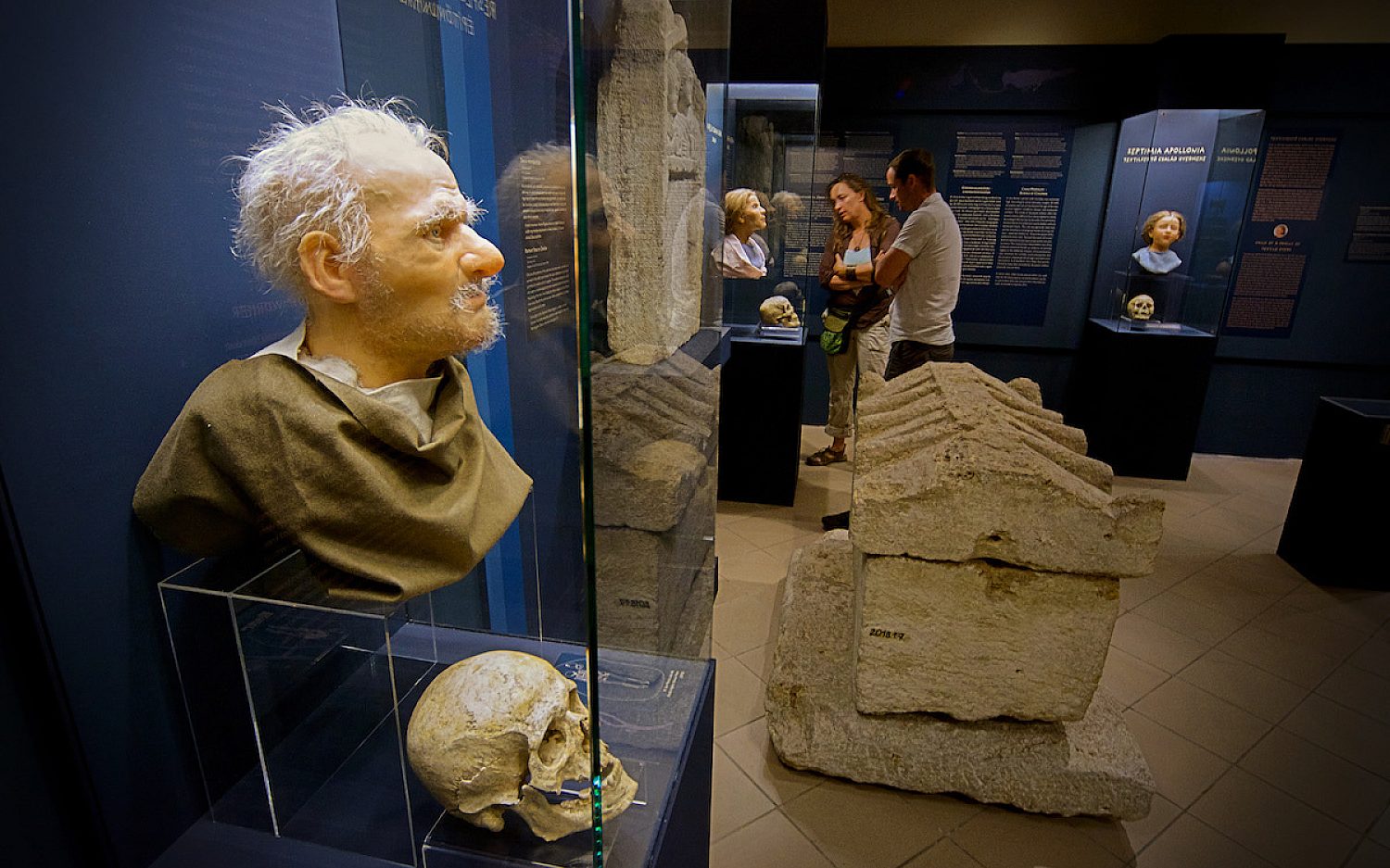


Visitors wander a dark exhibit at the Aquincum Museum in Budapest, Hungary. Ancient human skulls rest in glass cases. But these nearly 2,000-year-old bones are more than mere artifacts.
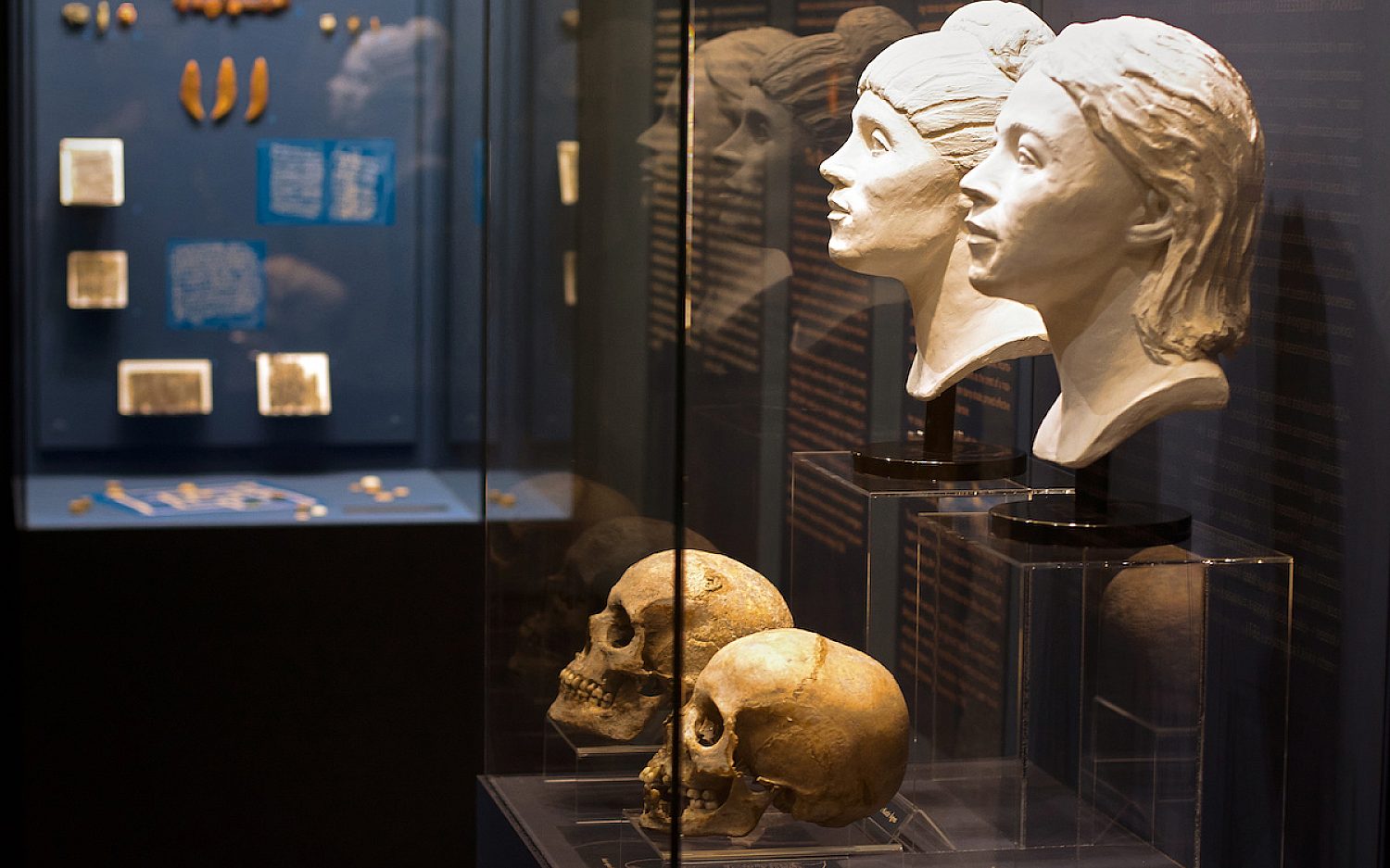
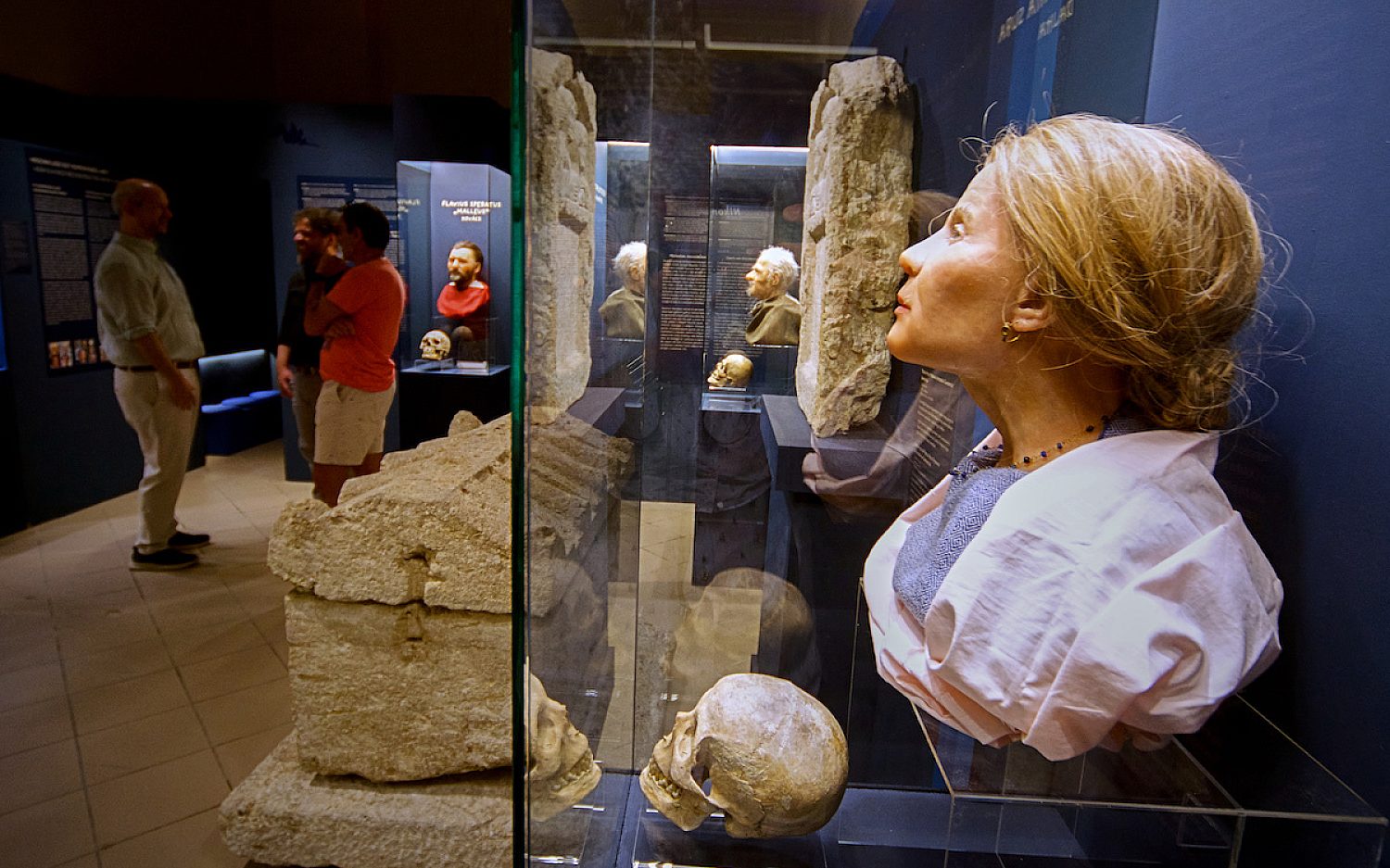
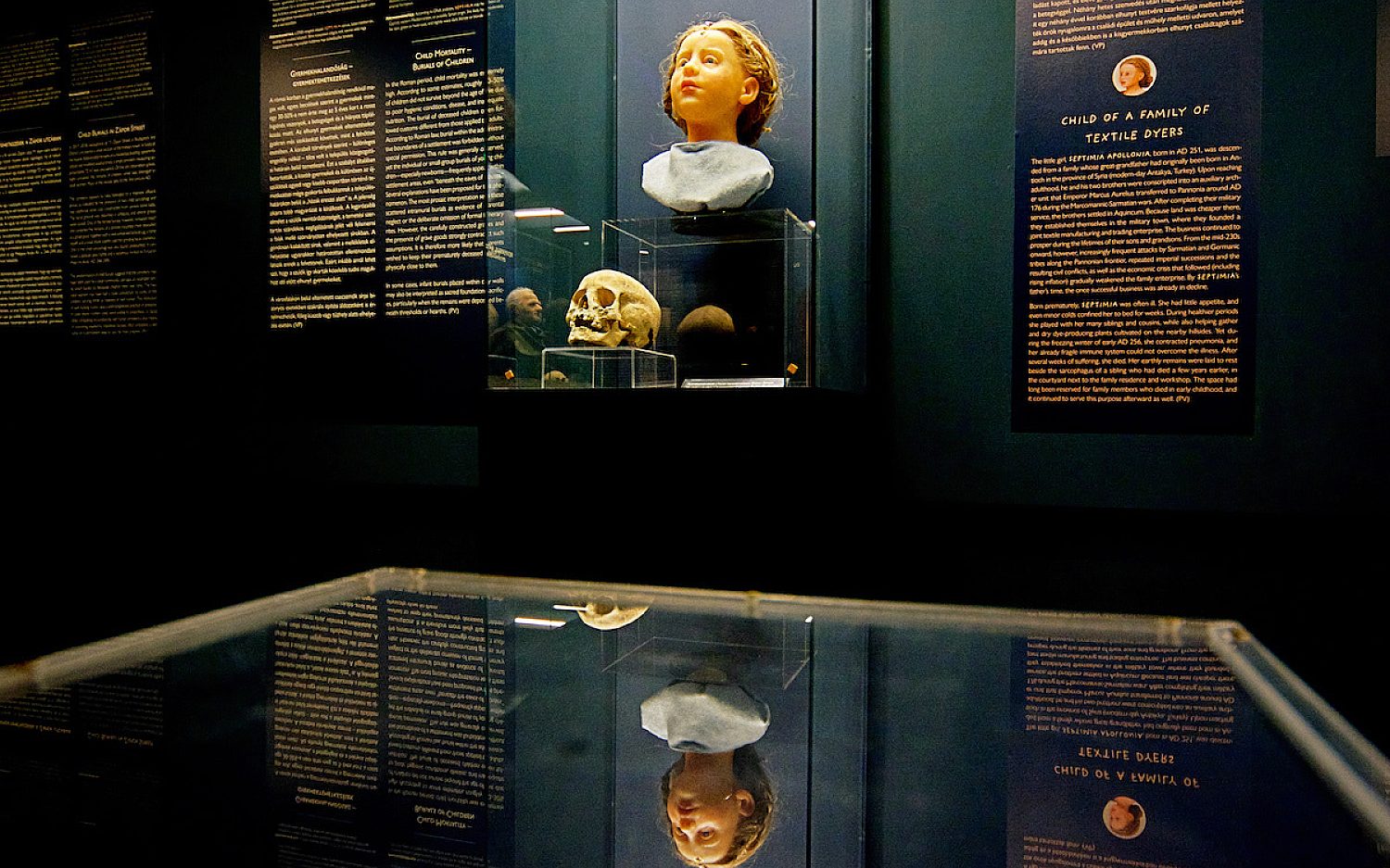
The Once We Were Like You exhibit features hyper-realistic recreations of the faces that once belonged to the real skulls. Some of these faces take the form of handcrafted silicon models. Others appear digitally on screens.
“Our main goal was to bring a few of these individuals closer to the people of today,” says Loránt Vass. He’s an archaeologist and the exhibition’s co-curator.
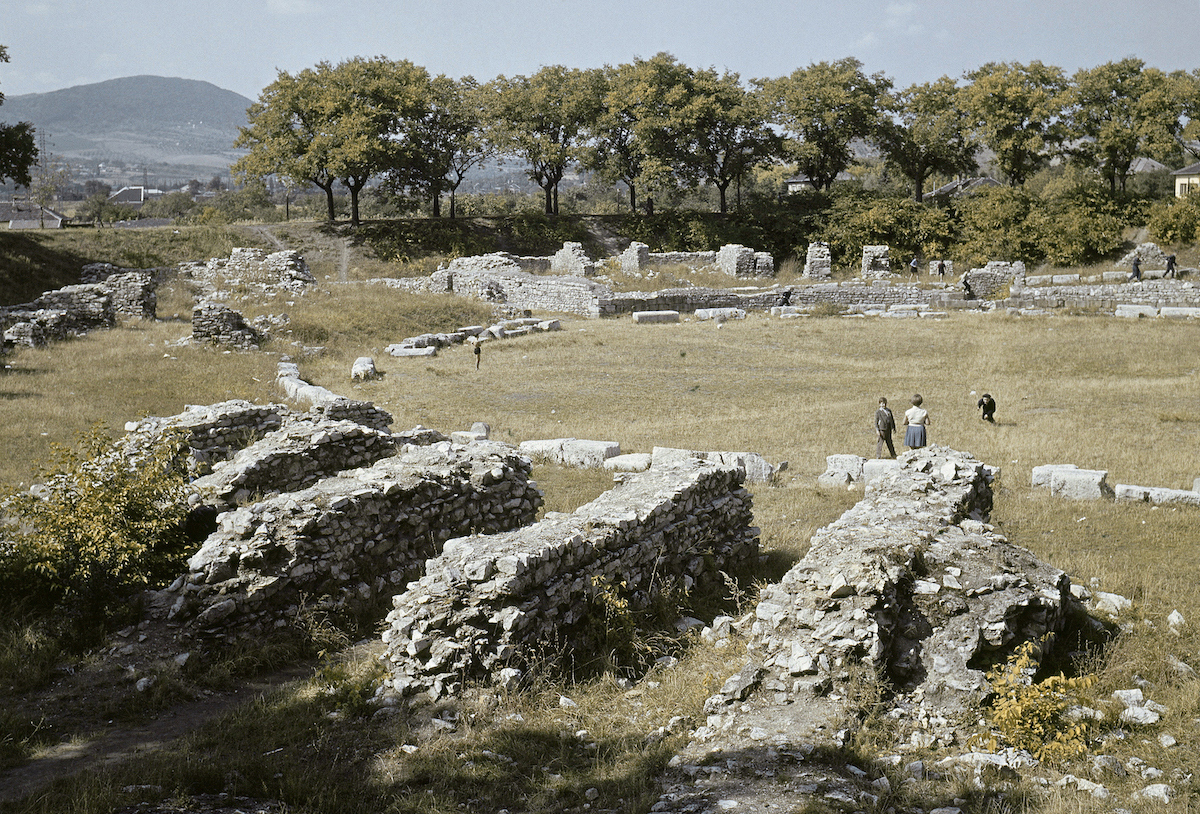
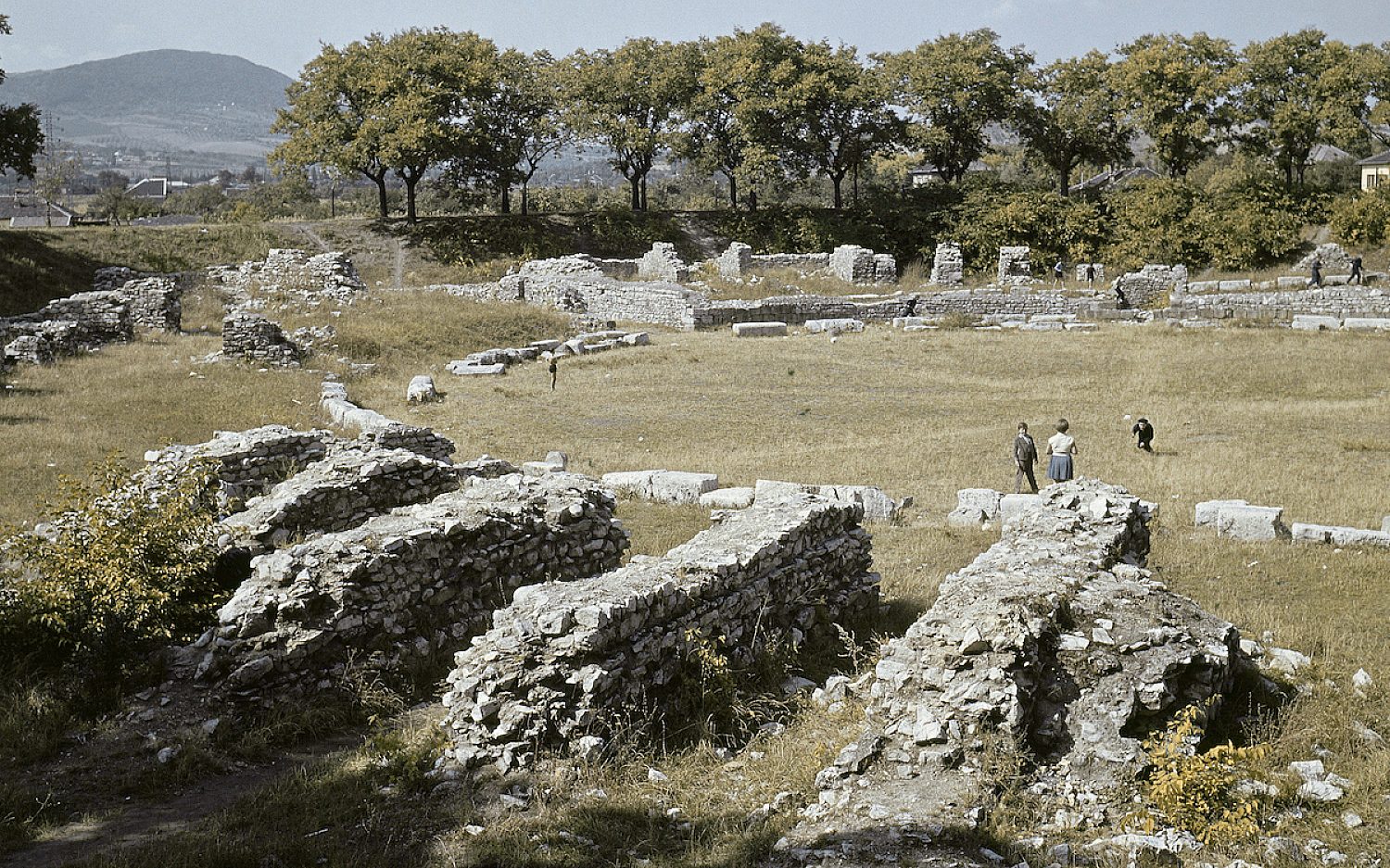
Budapest contains the remains of an ancient Roman city named Aquincum. This bustling settlement marked the Roman Empire’s northern frontier. The bones come from this site.
Researchers used DNA analysis to figure out what the faces may have looked like. By studying DNA in the bones, scientists can learn the subject’s hair and eye colors. They can even tell whether the person had freckles. Other skull measurements can reveal age and face shape.
Bone analysis can’t tell the whole story though. What jobs did the people of Aquincum hold? What did they experience? What were their names? For the exhibit, researchers made up realistic answers based on historical research.
“We tried to incorporate everything that anthropology and genetic studies could tell us about their life history,” says Péter Vámos, another exhibit co-curator.
The bones offer clues. One figure—named Respectus by the curators—had a broken nose and a lost tooth. The curators suggest he may have been a construction worker. They think he could have received his injuries in a fight.
Most of the remains show high levels of inflammation. “They were subjected to regular physical labor, and in many cases they were exposed to starvation for a certain period of time,” says Vass.
The remains also reveal the many ethnicities of Aquincum’s people. They didn’t all come from the heart of the Roman Empire—the capital, Rome. Some came from as far as Scotland or Syria. Others belonged to nomadic Sarmatian tribes from the Middle East.
Vass says archaeologists often treat ancient remains as artifacts to be examined, documented, and stored. But he wants museum visitors to connect with the long-gone individuals. “They were like we are today,” he says. “They had the same occupations, the same problems.”
Across time and place, age or ethnicity, humans have something in common. God made us all in His image. Everyone has a name and a story. Places like the Aquincum Museum can help us realize that truth—and even put faces to it.
Why? No human is just a piece of history. Everyone past and present has a story and bears the image of God.
Click the “video” button at the top of the page to learn how 3-D scanning can help scholars explore ancient artifacts in fresh detail.