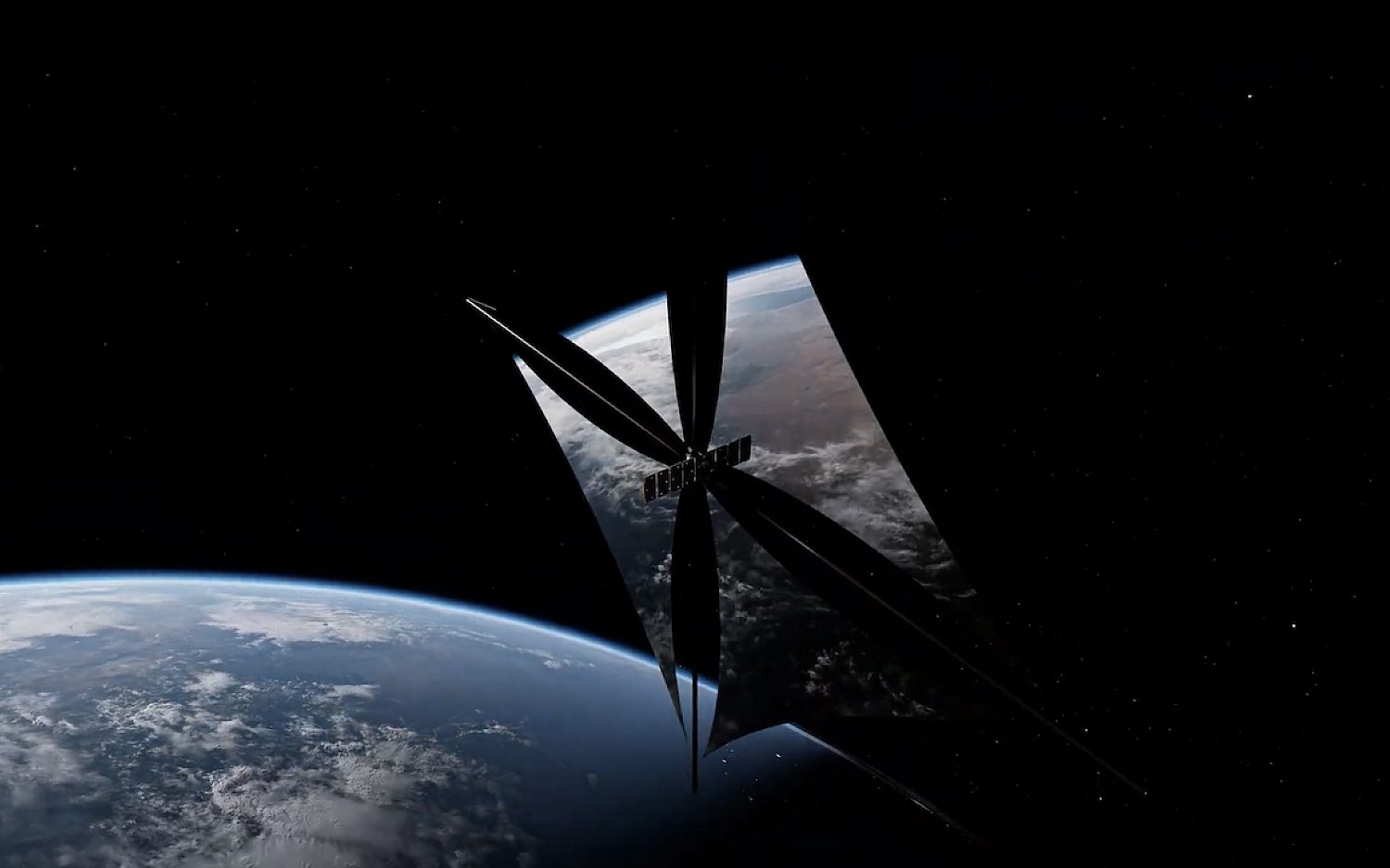


Break out the sunscreen. Reflect Orbital wants to put mirrors in space to increase hours of sunlight on Earth. The U.S. Federal Communications Commission (FCC) has cleared the company for a test run. But not everyone’s excited for the launch.
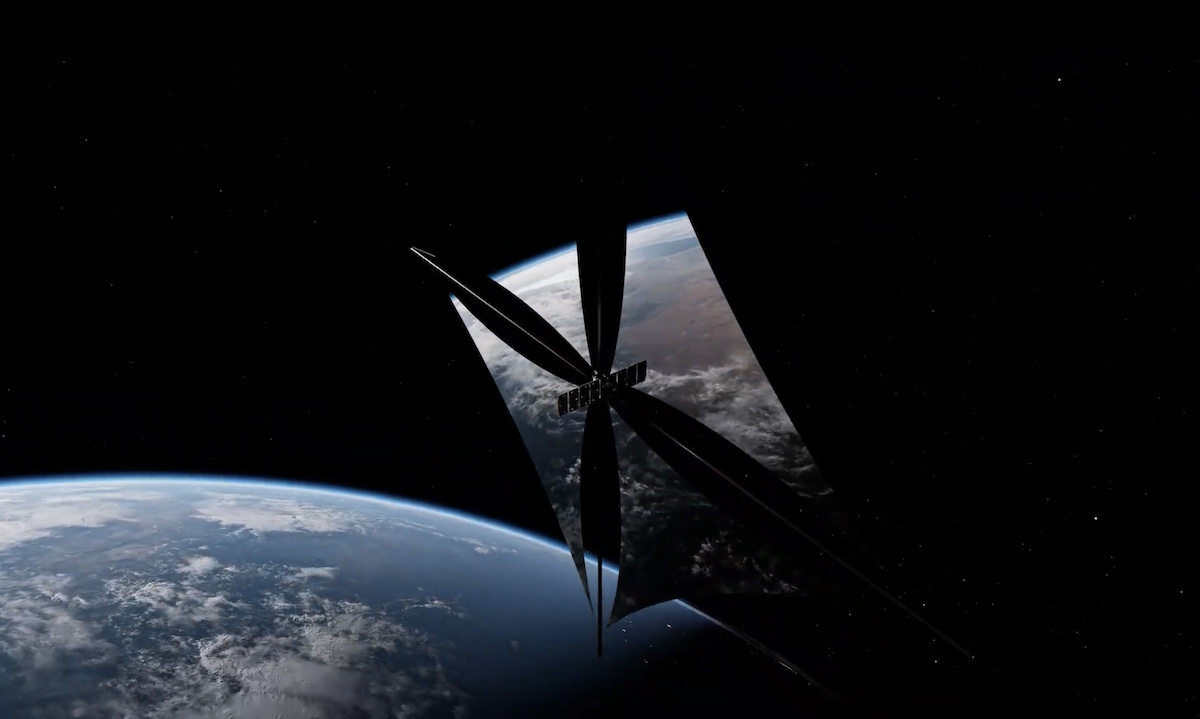
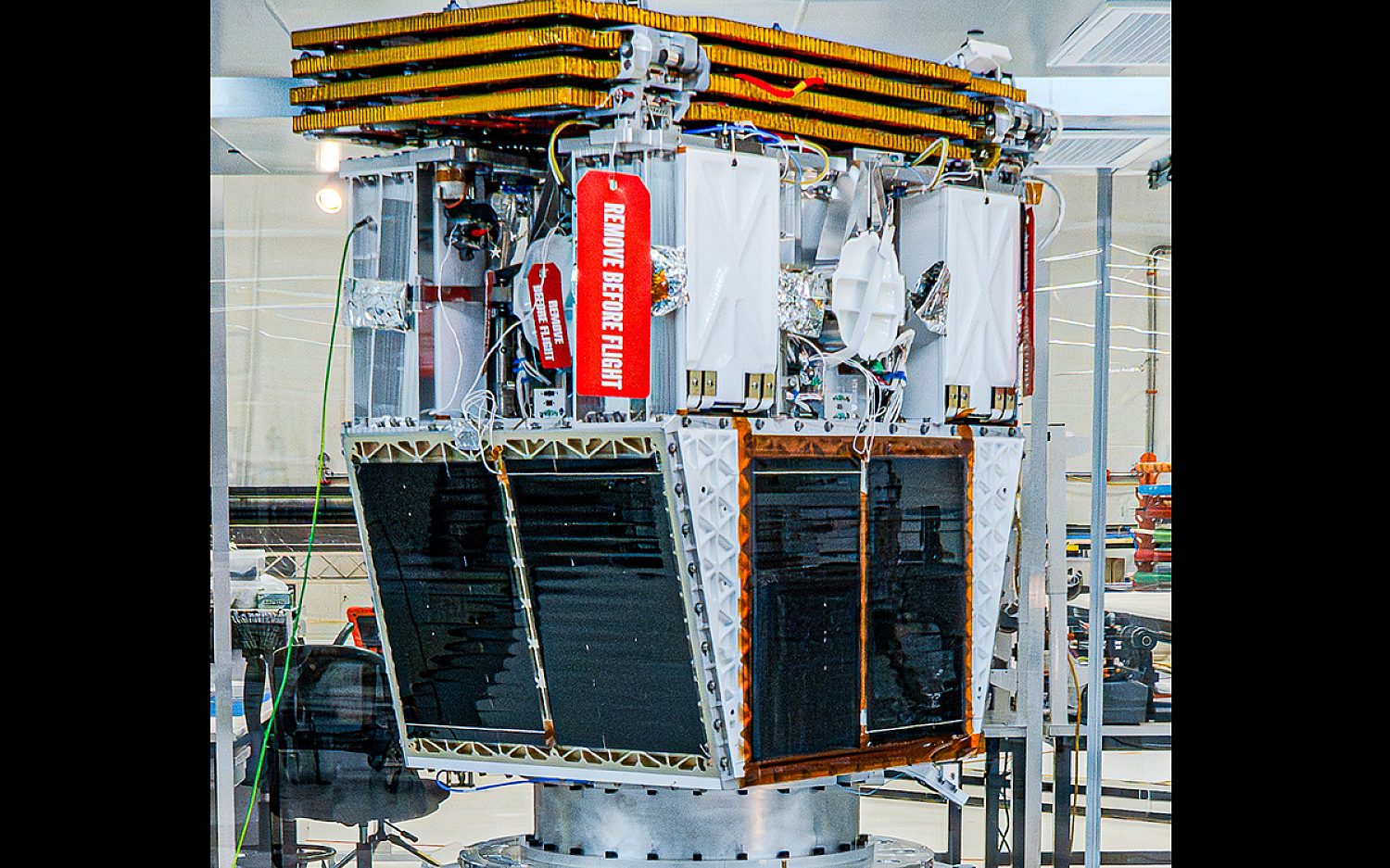
Reflect Orbital was founded in 2021. It calls itself “the Sunlight Company.” The company’s leaders want to launch mirror-bearing satellites into space. These satellites will reflect sunlight to dark parts of the Earth. The California-based company hopes to launch two satellites in 2026. By 2035, it wants more than 50,000 mirrors orbiting the planet.
Why send more Sun to the surface? It’s all about energy.
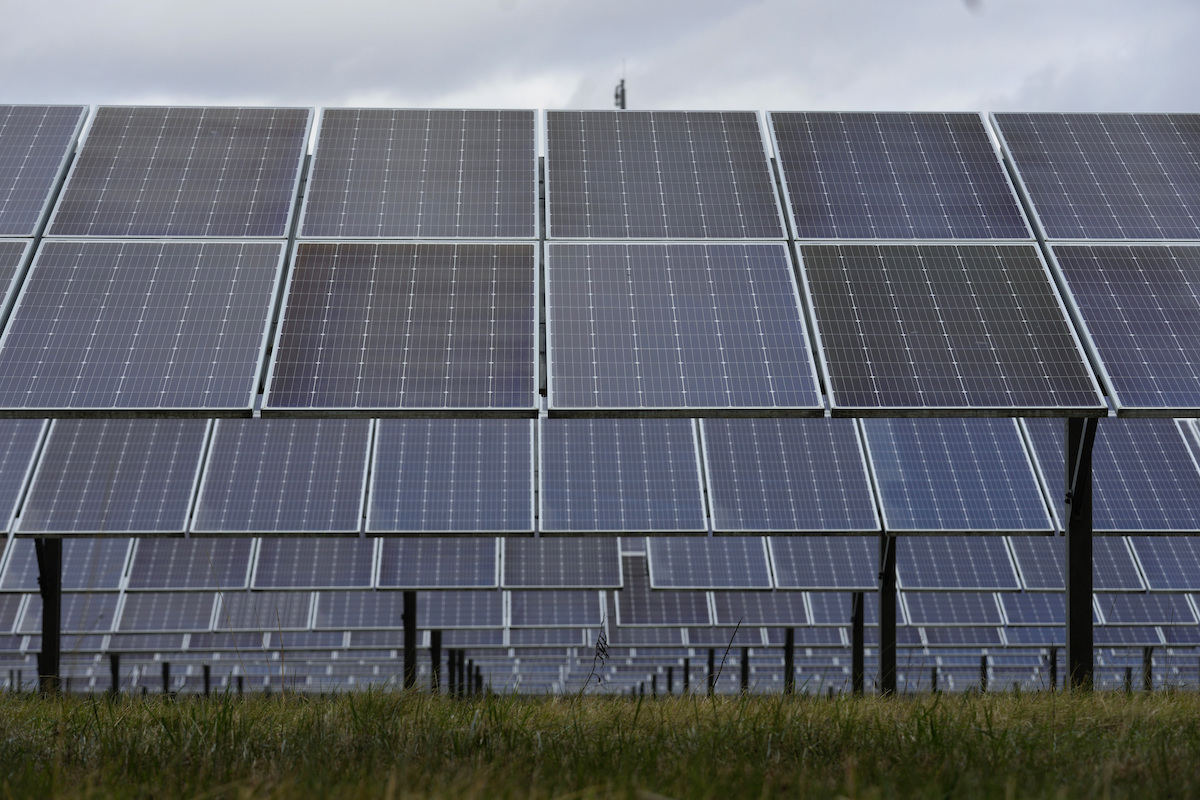
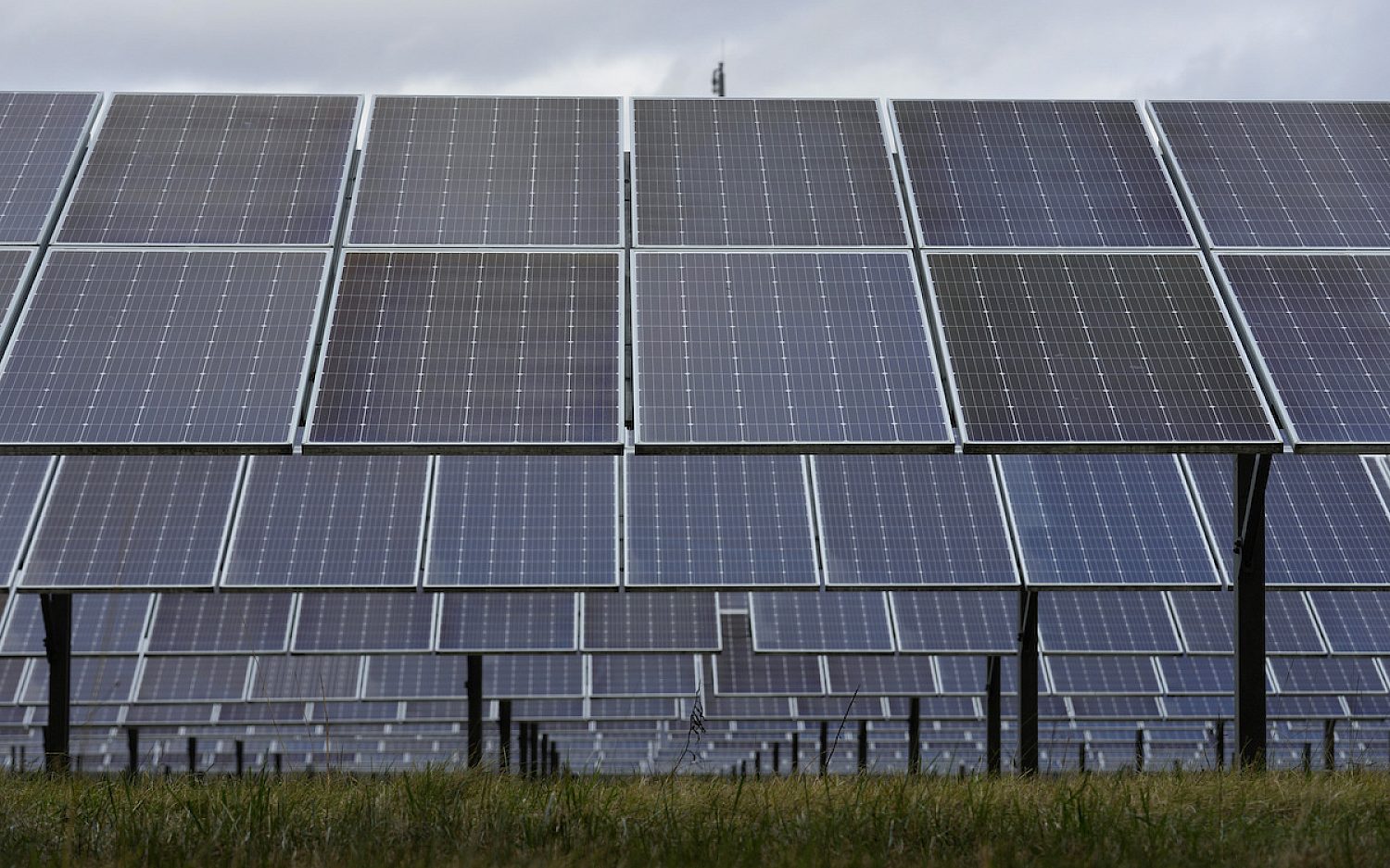
“More solar is built today than any other energy technology, and it continues to get cheaper and more widespread,” reads a company statement. “The biggest drawback of solar is that it doesn’t work at night.”
Solar power could provide a low-pollution alternative to traditional fuels. But for the nighttime hours, solar panels can’t collect sunlight. Reflect Orbital aims to change that—by aiming mirrors at the Earth.
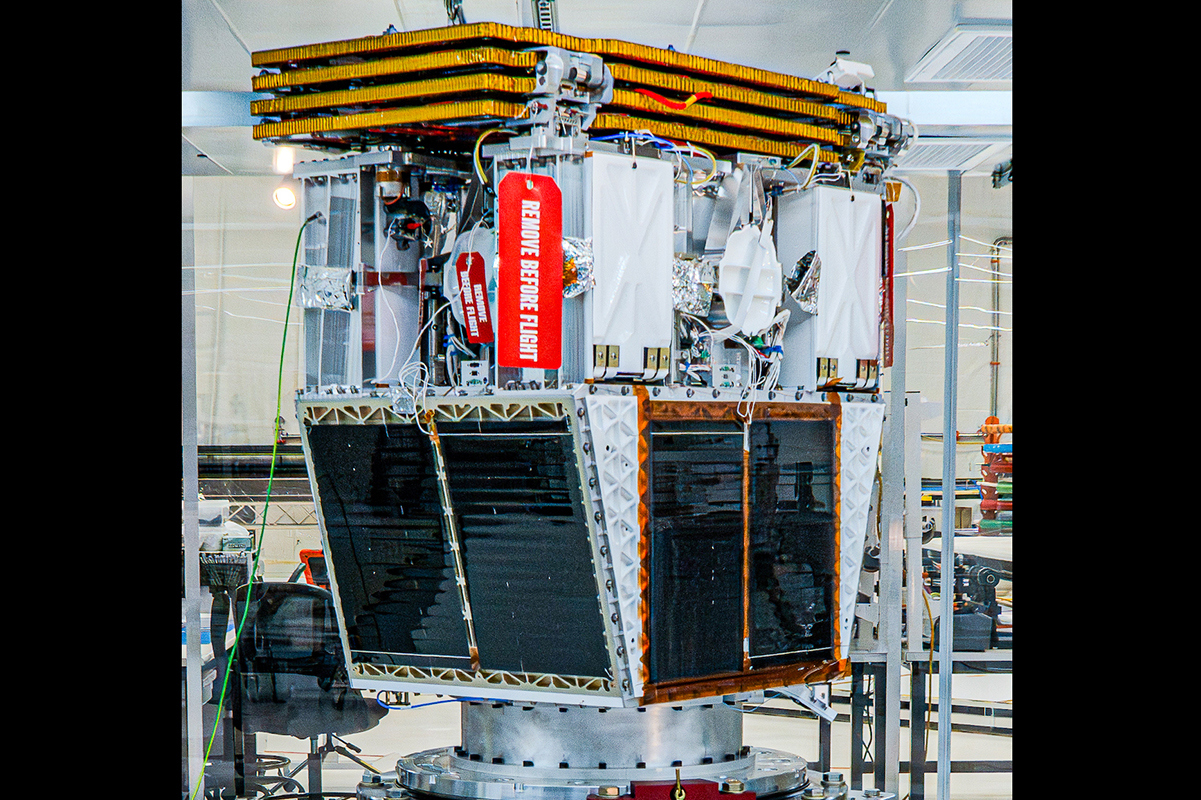
In July, the FCC approved the launch of one test satellite called Eärendil-1. The satellite’s name comes from J.R.R. Tolkien’s The Lord of the Rings. In that series, the “Light of Eärendil” is a glowing gem that shines through the darkness. Tolkien borrowed the name from an Old English word for “ray of light.”
American companies must receive FCC approval before sending new satellites to orbit. Satellites communicate with the ground via radio frequencies. The FCC makes sure new launches won’t interfere with other transmissions or risk collision with existing satellites.
Reflect Orbital’s approval didn’t come without controversy. The FCC received hundreds of public comments protesting the launch.
“I oppose Reflect Orbital, a planned orbital illumination system. There is no viable pathway for such systems to align with responsible lighting principles,” reads one comment. “These systems would introduce significant ecological, human health, safety, and astronomical risks at a global scale.”
Some pushback comes from astronomers. Light pollution already makes it tough to study the night sky in many places. They say that bright reflected sunlight could possibly hurt the eyes of people looking through telescopes.
Other criticism comes from environmentalists. Increased light pollution can disturb the natural rhythms of plants and animals. Nature needs periods of darkness—the way God designed the world to operate.
Reflect Orbital claims its light will go only where requested. But even well-intentioned projects can have unintended consequences.
God created the separation between day and night. Should humans hesitate before disrupting that division? Does darkness have a purpose we don’t always see?
Why? Even well-meaning projects can have unintended consequences. Sometimes God has a purpose in His created order that we don’t yet understand.