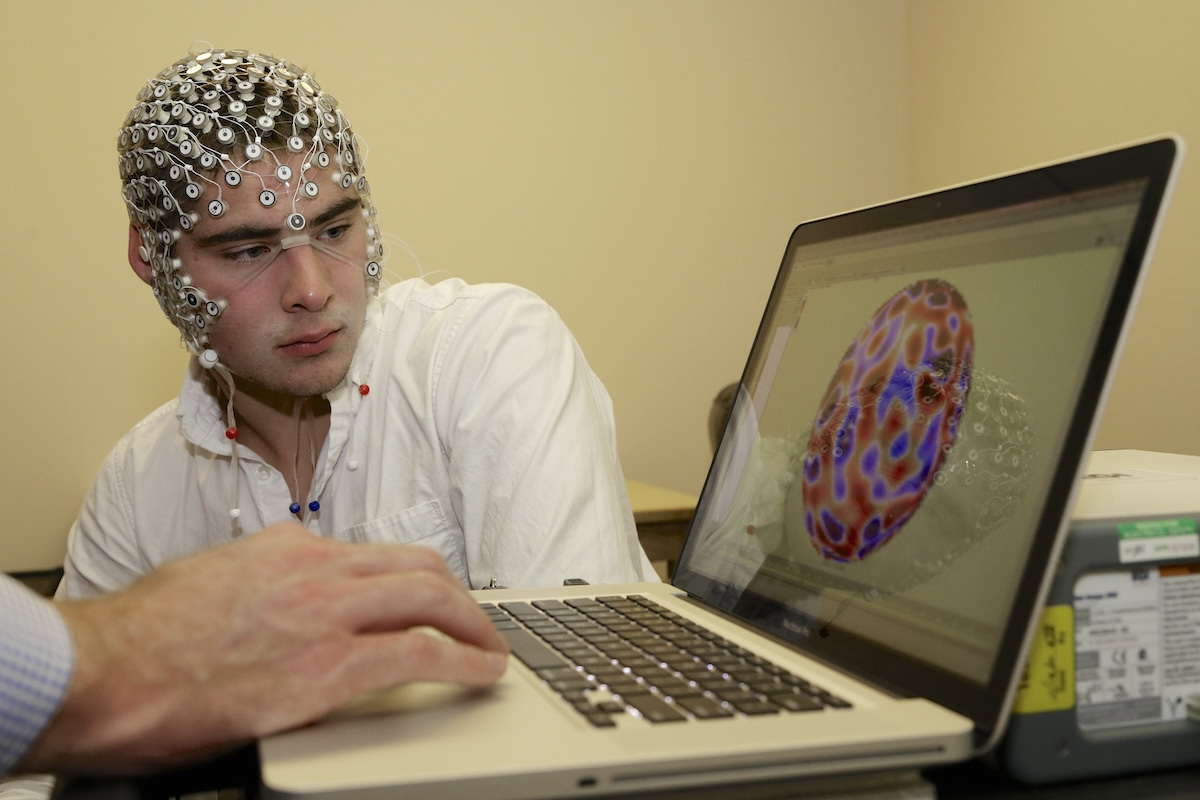
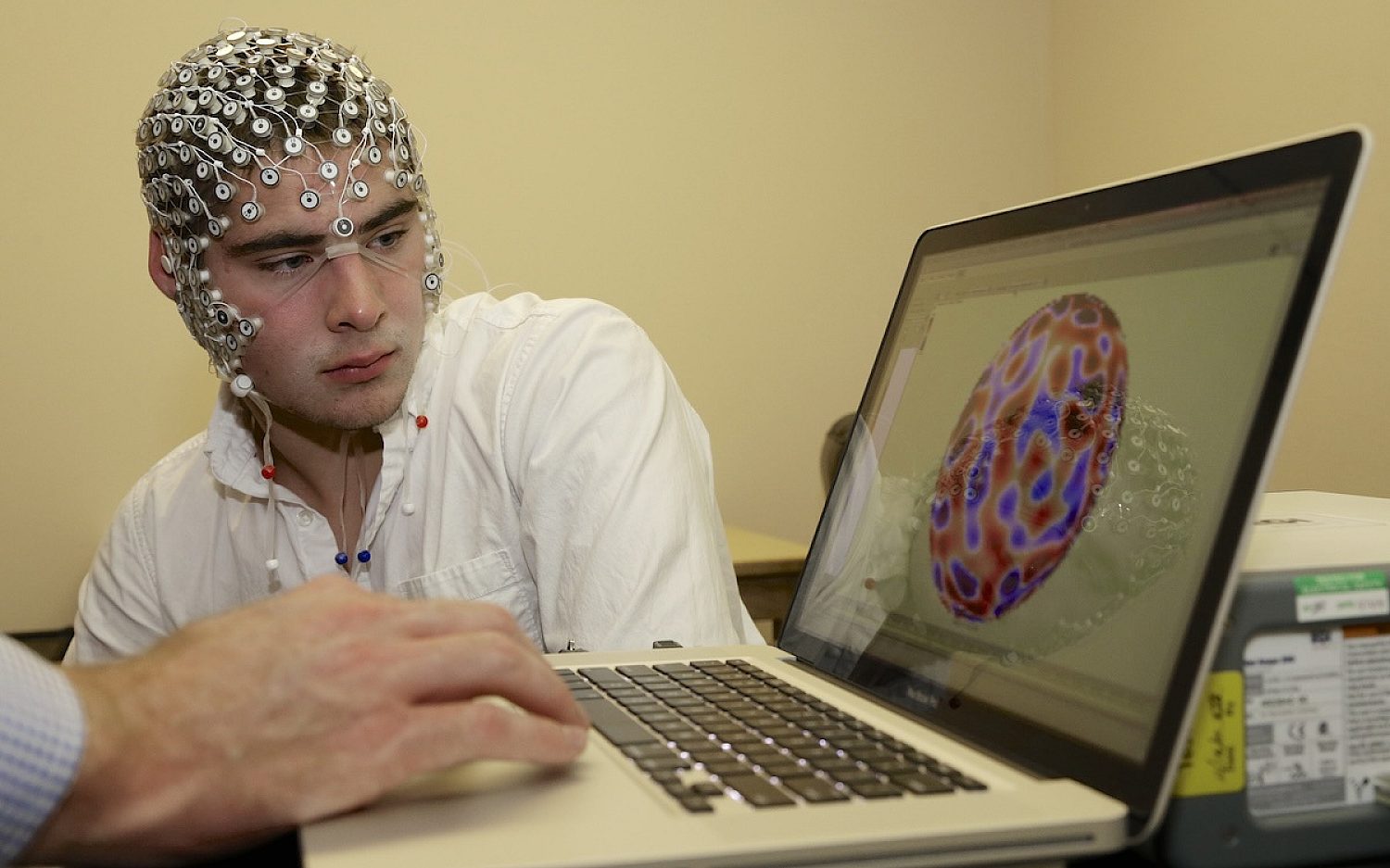


A patient identified as “H.” in a medical trial is a family man in his forties. He suffered a neck injury several years ago. Doctors prescribed him opioid medication to manage his pain. The pain eventually decreased. But H.’s body became dependent on the opioid. He took around 130 pills per day. He had become addicted. H. could not feel calm or function normally without the medication—until a new treatment changed his brain.
Dr. Amir Minerbi is Director for the Rambam Institute for Pain Medicine in Israel. In June, he and his team adjusted the electrical activity in an area of H.’s brain called the nucleus accumbens (NAc). That’s the center of the brain’s reward system. The region controls feelings of satisfaction, pleasure, and reinforcement.
The strategy is similar to what doctors do to treat patients with tremors. But this method uses sound waves. It does not require surgeries that heat or remove body tissue.
The new technology targets specific brain centers depending on each patient’s condition. H.’s appetite for opioids dropped a week after treatment. He rated his craving score a zero out of 10. He also went from three packs of cigarettes per day to just a few. He reported no desire to consume alcohol.
Opioid addiction is a global health crisis. It has claimed hundreds of thousands of lives in the United States alone.
Most treatments follow two approaches. Some doctors slowly reduce a patient’s opioid dose to zero. A second strategy substitutes other medicines for the opioids. Those who manage to quit opioids remain at risk of relapse.
Opioids are very effective for short-term pain management. But a large portion of patients develop addiction. The drugs become less effective for pain control over time. Long term, they cause mental and physical health to decline.
For H., a 20-minute treatment transformed his days. He describes feeling as though he has regained his life.
Dr. Lior Lev-Tov is Director of the Functional Neurosurgery Unit at Rambam. He regards the sound wave strategy as a medical and therapeutic breakthrough. He hopes it will open doors to treating some of the most complex medical challenges.
Obsessive-compulsive disorder, post-traumatic stress disorder, eating disorders, and severe depression might be alleviated. Symptoms associated with ADHD, Alzheimer’s disease, and Parkinson’s also might be addressed.
Lev-Tov envisions a day when people struggling with these conditions could return to work, have families, and enjoy contributing to society.
Why? Sin affects every area of life, including how our brains are wired. A non-surgical intervention that avoids the side effects of medication could help improve life function for many image-bearers.