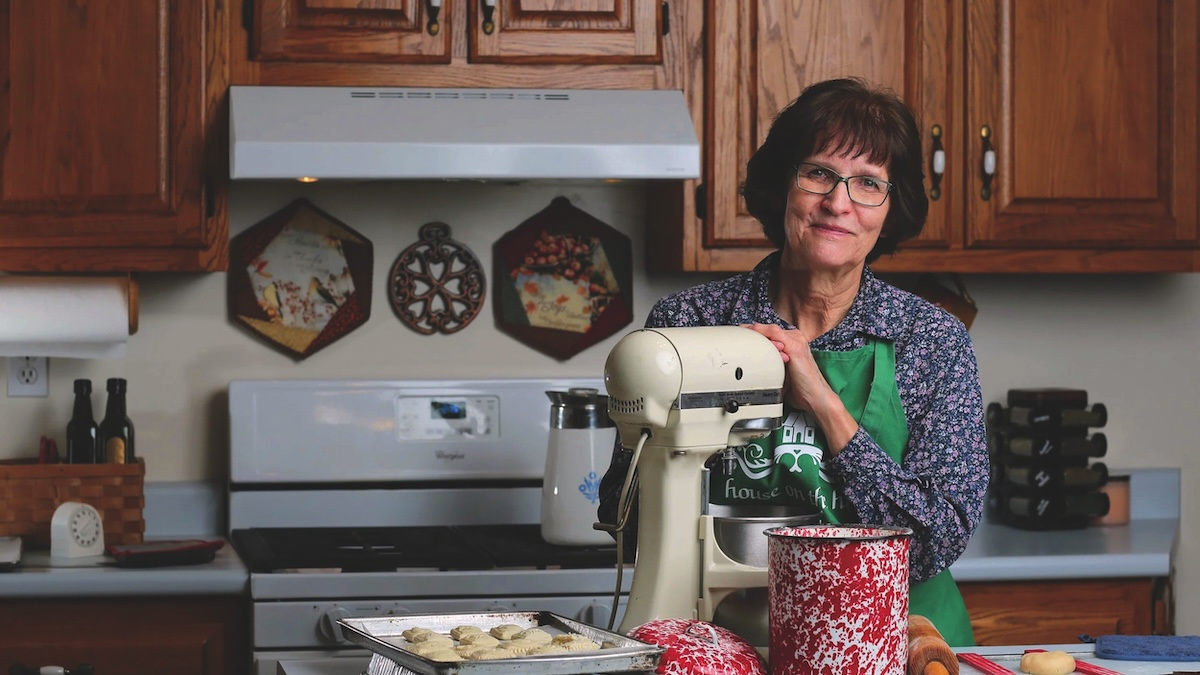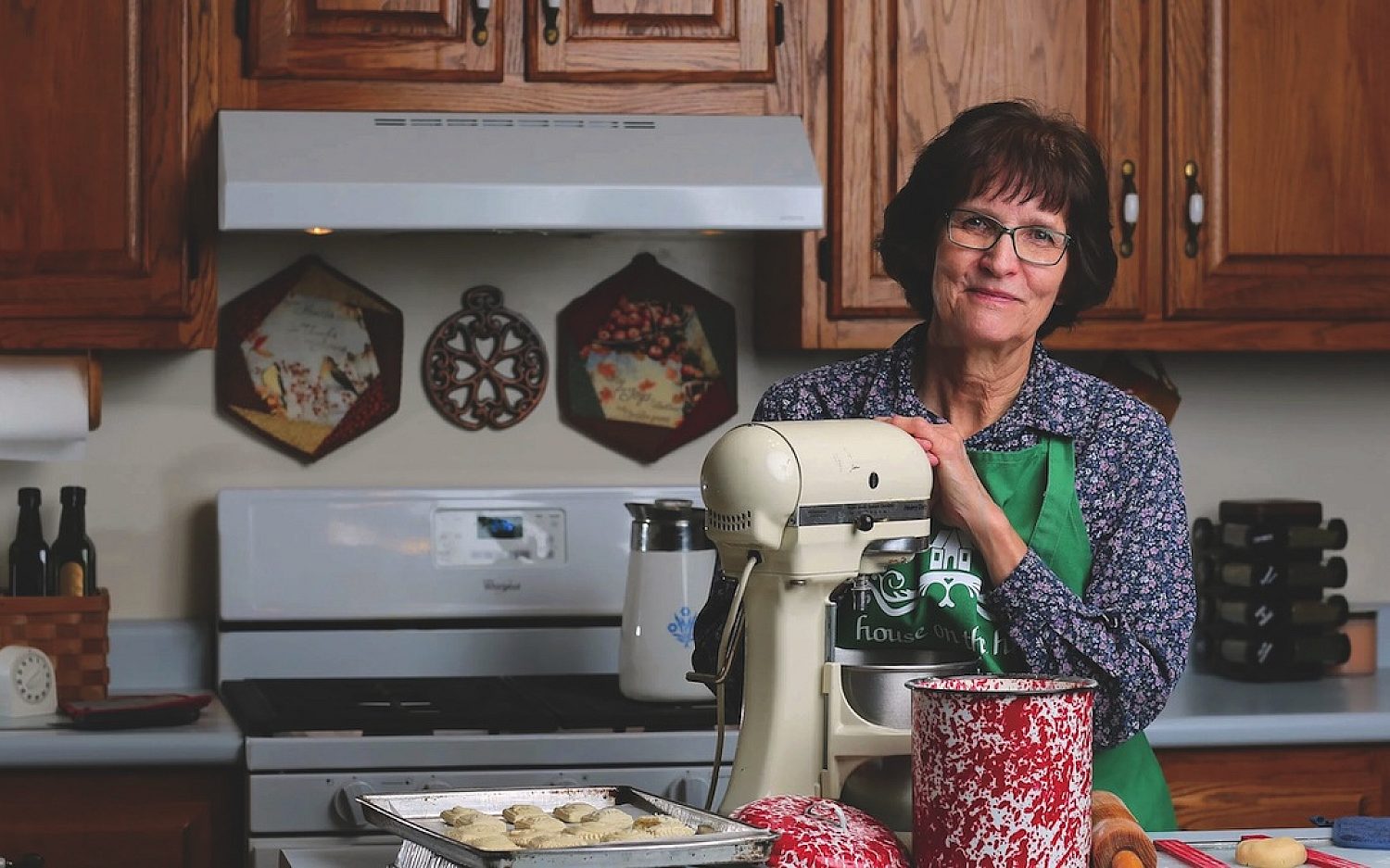
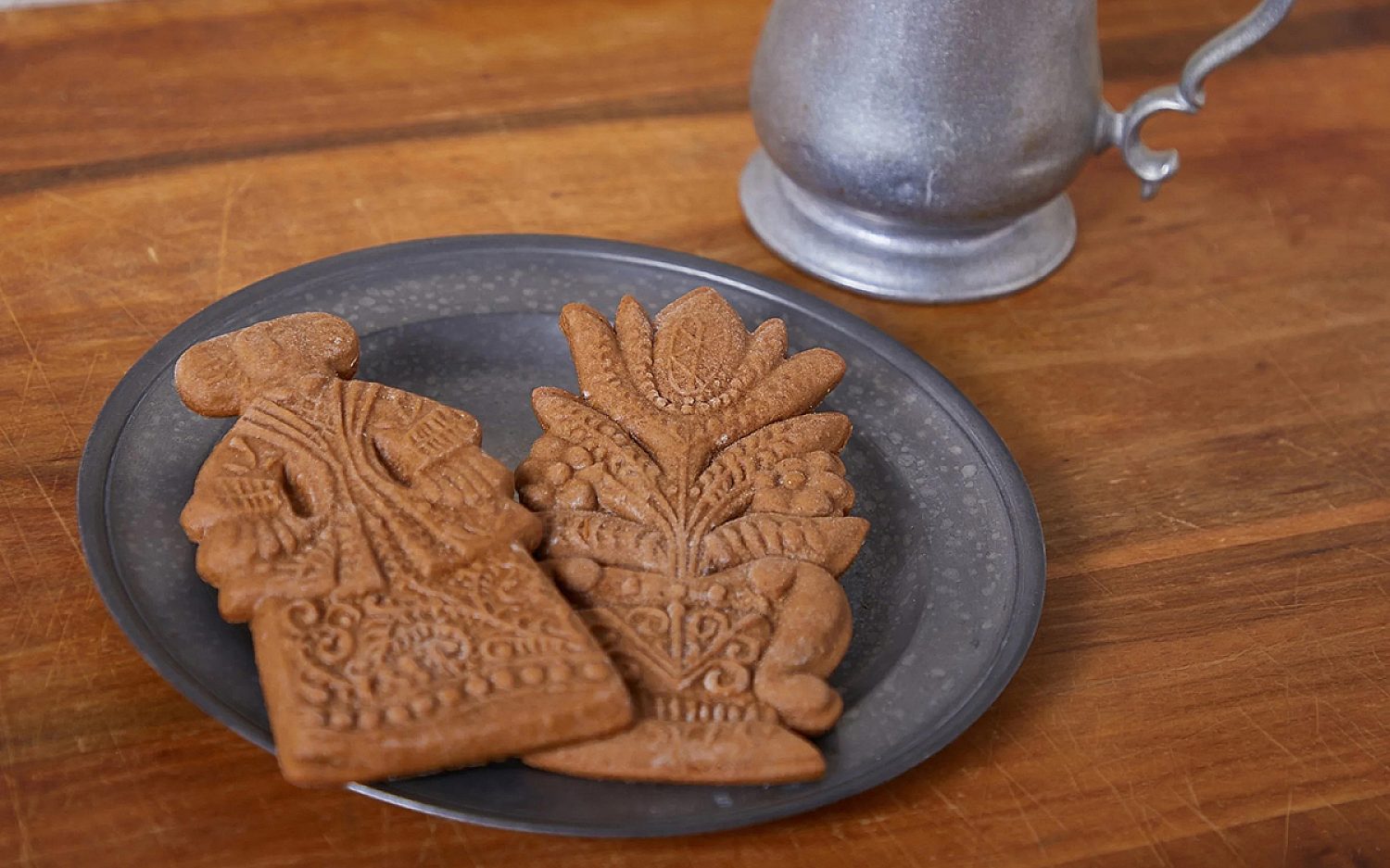

“Both grandmas made lots of cookies at Christmas,” remembers Letha Misener of her childhood in the American Midwest. “Nothing ever went to waste. We might be eating leftover cookies till Easter.”
Misener owns House on the Hill Cookie Molds in Rosebud, Missouri. She comes from families of German farmers on both sides. “Grandma made gingerbread but didn’t use pressed molds,” she says. Today, Misener spends every day keeping cookie mold history alive and reproducing the delicate cookie patterns passed down through many generations.
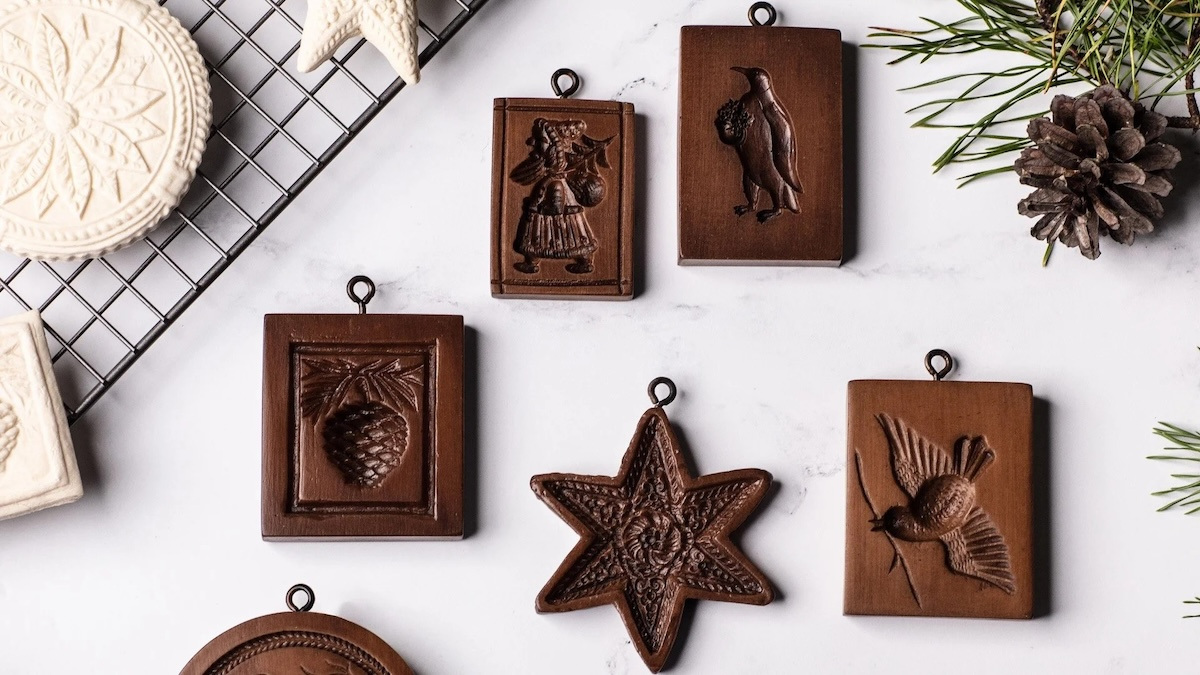
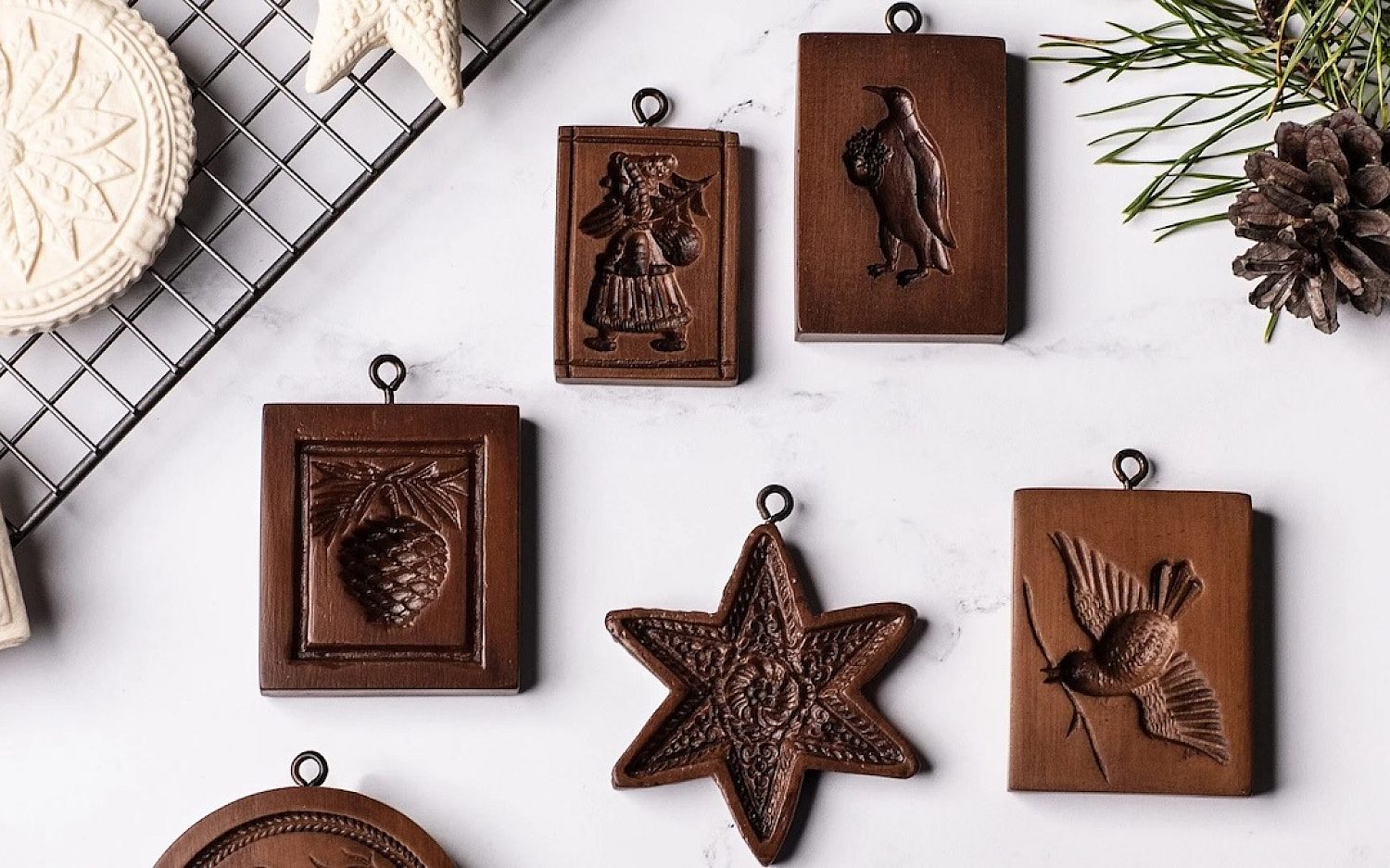
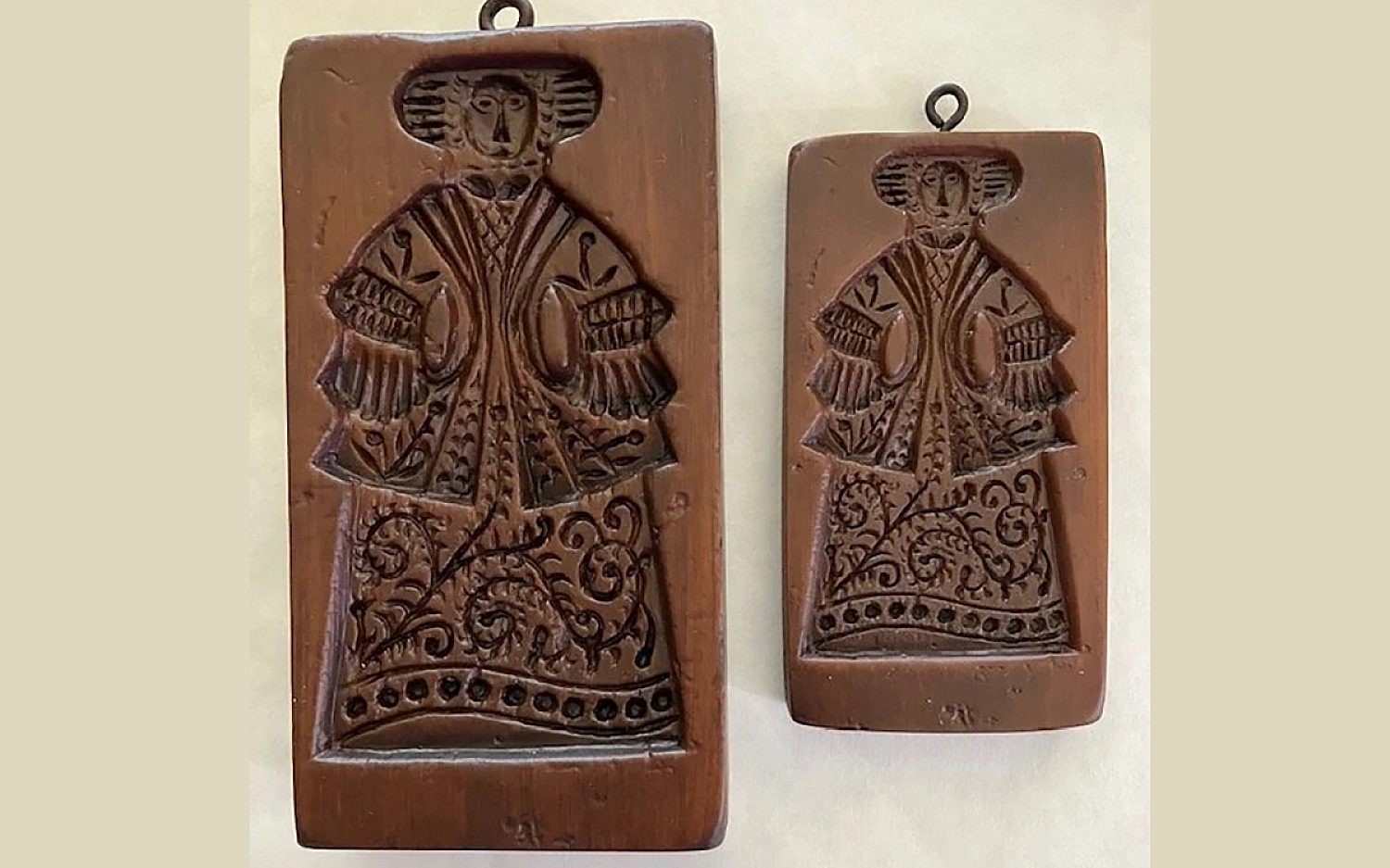
A day in Misener’s life: First thing, she reads Our Daily Bread and prays, takes care of the dog and two cats, and opens the chicken house. Next, she settles down to emails from customers hoping to replicate or buy historic cookie molds. She works with a carpenter to copy old cookie molds and design new ones. She sells the molds to folks who want to keep centuries-old gingerbread traditions going.
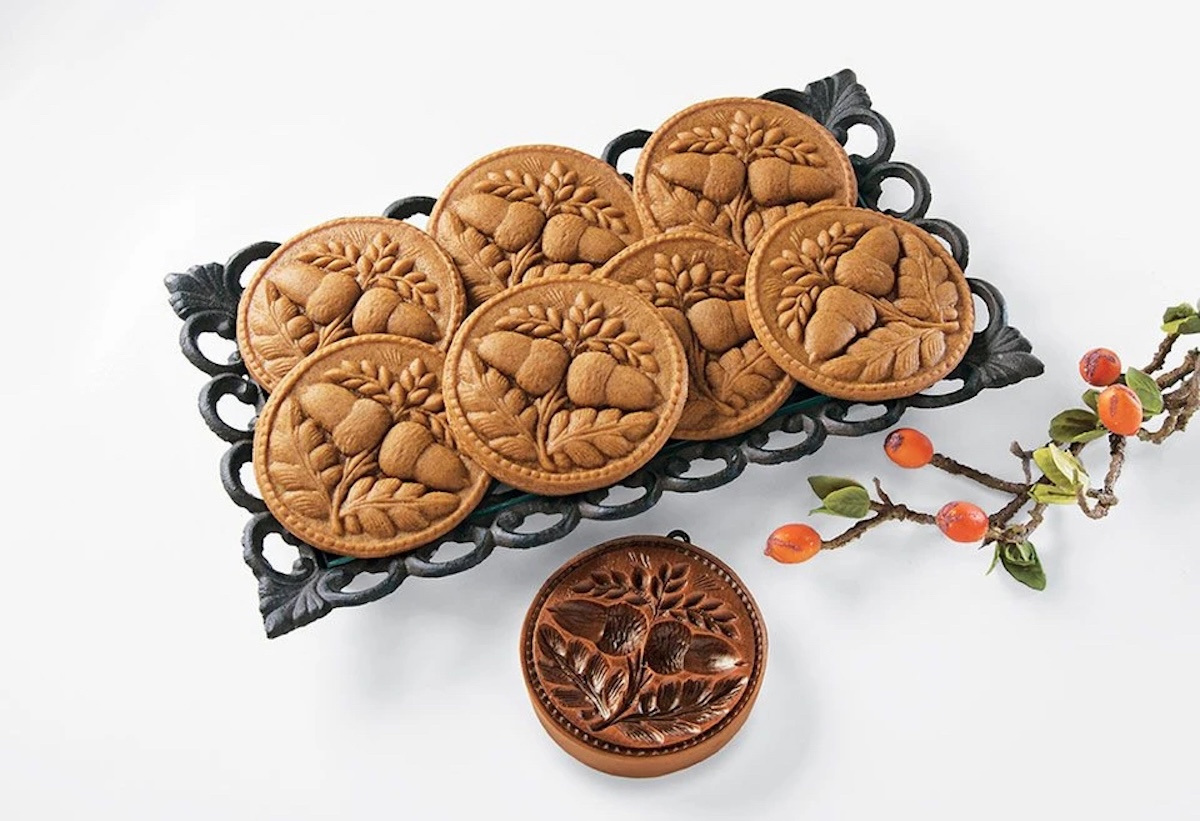
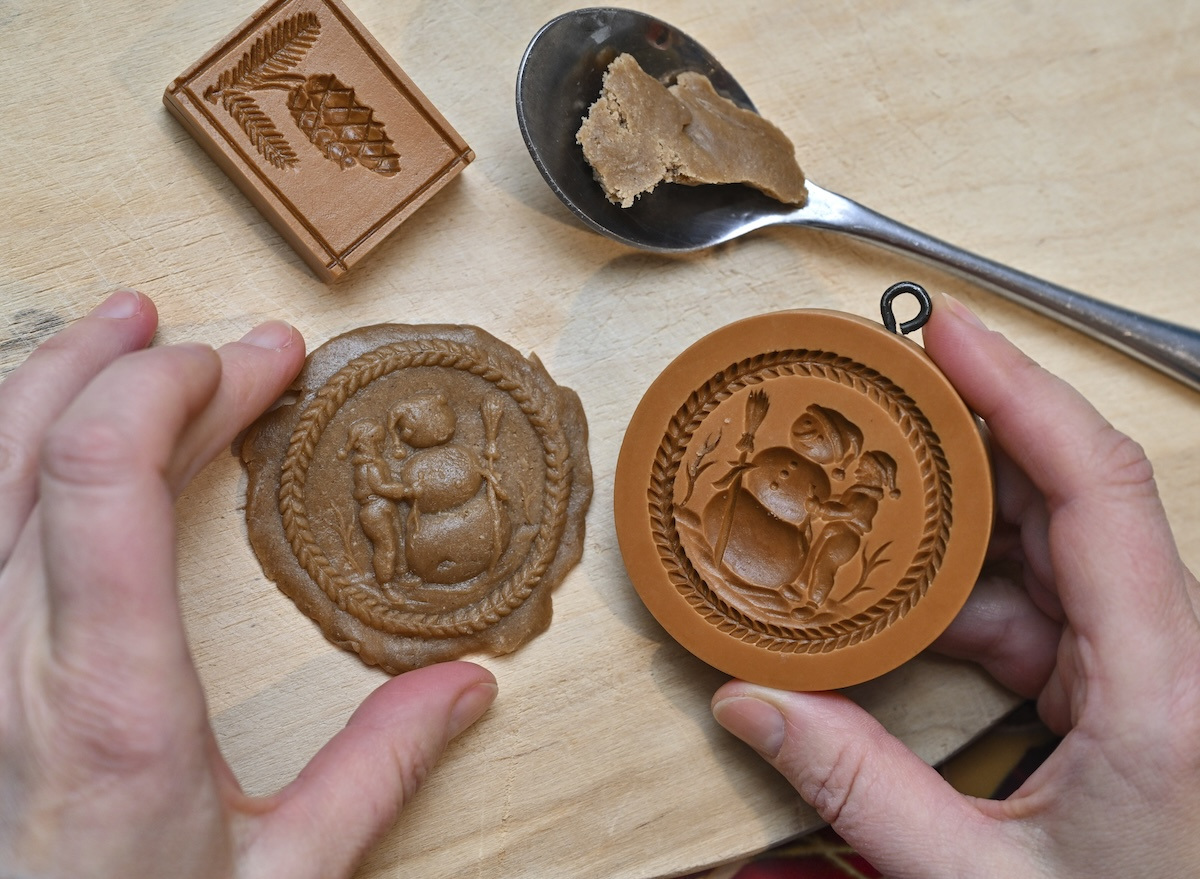
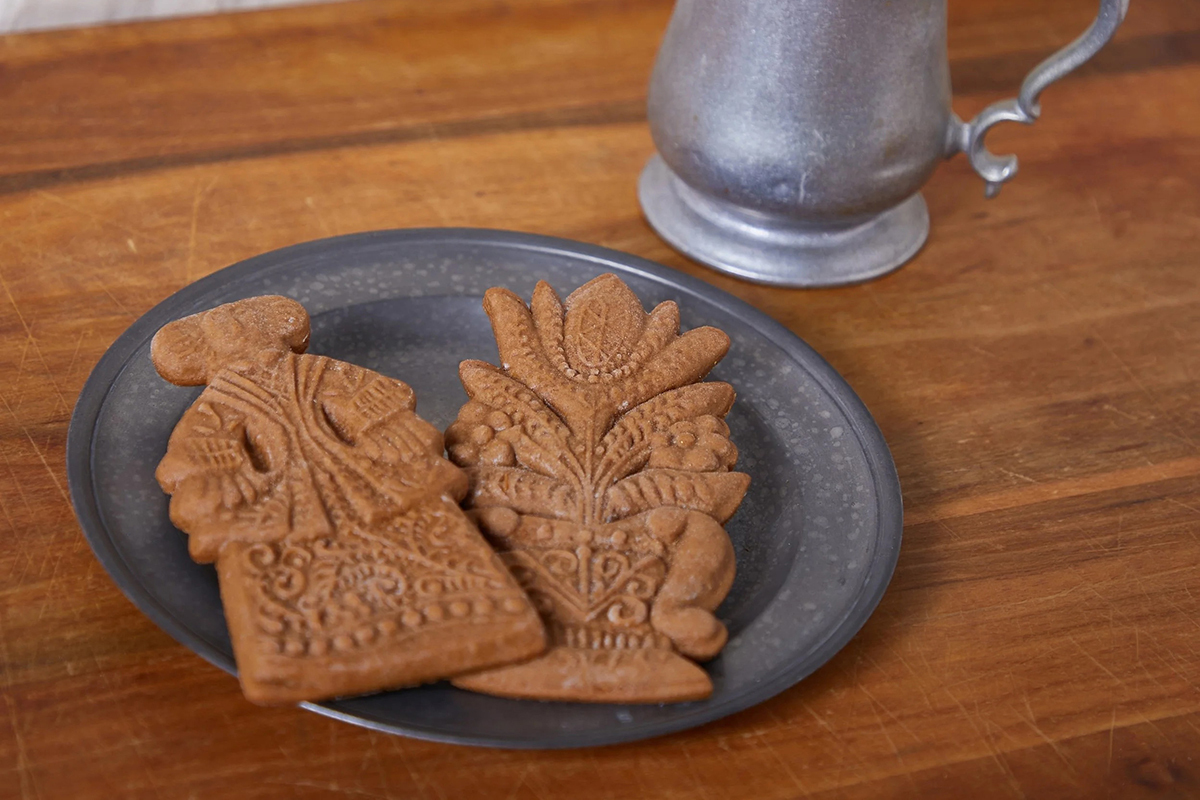
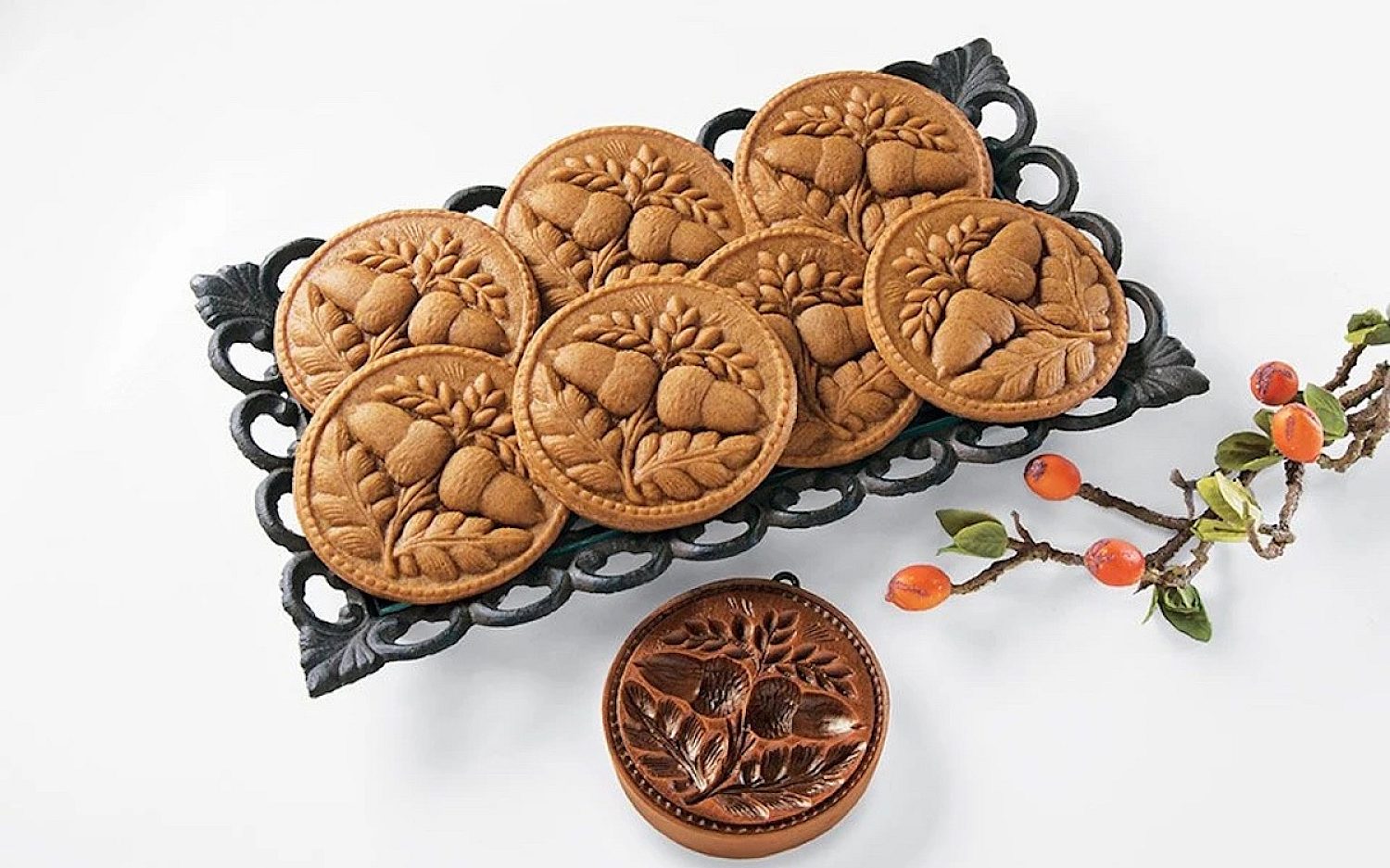
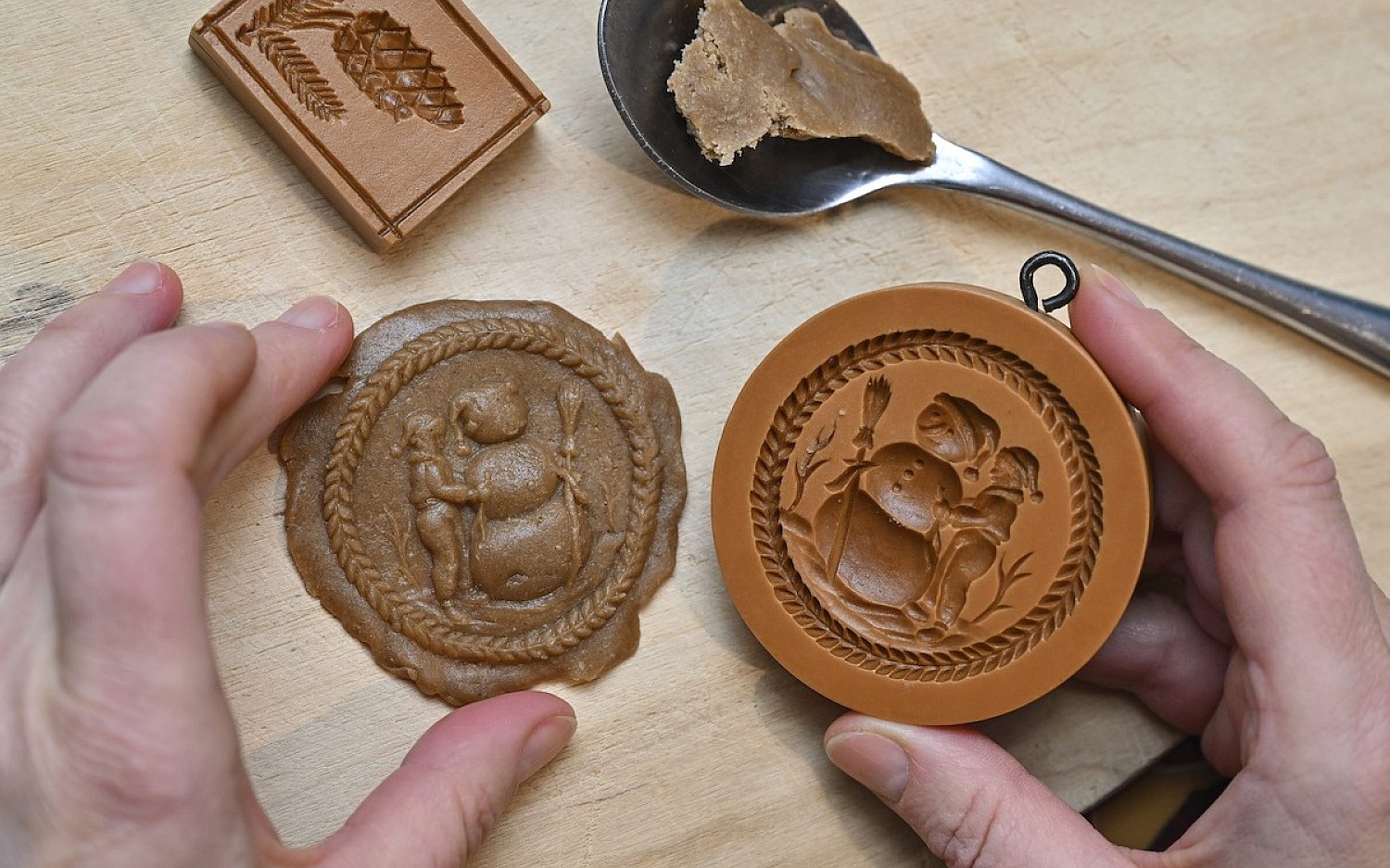
Some families buy a new mold from Misener each year. Others buy cookies from her or take her cookie classes. In those hours-long sessions, she teaches young and old to bake two archaic cookie types: gingerbread and springerle. (Springerle are thick, hard German Christmas cookies, often flavored with anise or orange.)
“It’s not a job done for money,” she says. “It’s done for story.”
Who Was Christopher Ludwick?
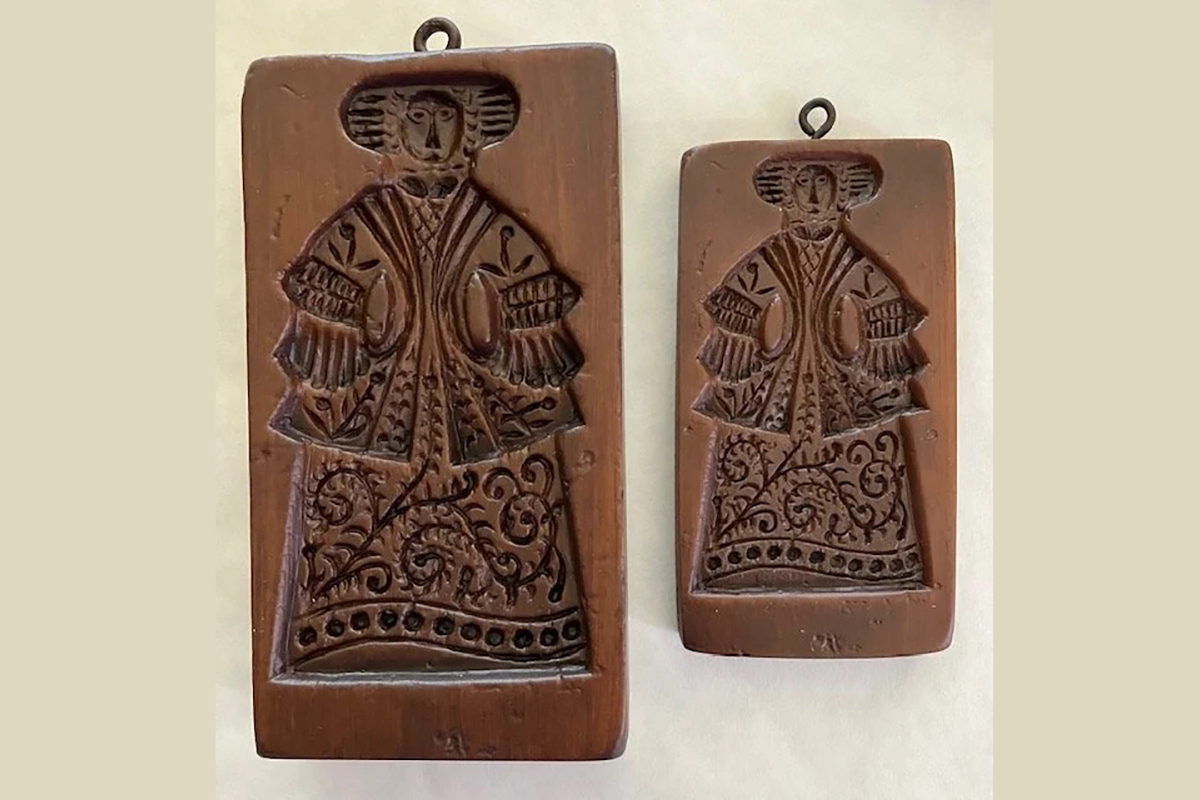
Speaking of story—one of Misener’s replica molds has a particularly good one. The original mold belonged to Christopher Ludwick.
Ludwick, a German baker, moved to America and opened a prosperous Philadelphia bakery, just in time to help the American colonies become a new nation. When the Revolutionary War began, he wanted to serve his new country—and he did, just not in the way he expected to. When the British hired German soldiers called Hessians to fight against the colonies, Ludwick showed the Hessians how well he was doing in America. He persuaded them they could do well too, and convinced hundreds to stop helping the Brits.
When the colonial army needed bread, Ludwick became the army’s baker general. He sold one of his houses so he’d have the resources to feed soldiers. Congress proposed that for every pound of flour, Ludwick give the army one pound of bread. Ludwick objected: “No gentlemen, I will not accept your commission on any such terms; Christopher Ludwick does not wish to get rich by the war.”
Ludwick wanted to give them more bread for less flour, since bread isn’t made just with flour but with water and yeast as well. These ingredients make bread heavier. “These men from the Continental Congress didn’t bake,” says Misener. Ludwick could have taken advantage of their ignorance, but he never did—and that’s how he earned this nickname from George Washington: “my honest friend.”
Why Cookie Molds?
“The German culture is famous for wood carving,” Misener says. She then wonders aloud who first thought to carve cookie molds. “Who knows?”
We do know that people in Northern Europe used carved clay molds to form pastries. We also know that German craftsmen have carved wood since the Middle Ages. The two arts combined by the 17th century when Germans carved cross-cut timber into cookie molds. Bakers competed with each other—sometimes making 150-pound, six-foot cookies!
Germans immigrating to America brought cookie molds along with them. Some molds displayed a family crest. For springerle, carvers designed rolling pins carved with between 12 and 24 cookie designs.
The finished cookies put family history—and family values such as thrift, hard work, and creativity—on display. Imagine cooking gingerbread or springerle in a hearth oven. You’d begin the day by building a hot fire, which would heat the stones of the kitchen oven. The oven would cool as the day went on. Early, you’d bake bread (when the oven reached around 400° to 450°). Then you’d bake a second batch of bread. Next would come fruit cakes. (By this part of the day your oven will have cooled to about 350°.) Next, you’d bake small cakes. Finally, you’d have a slack oven—the coldest oven of the day. Then it’s time for springerle.
Why? Old traditions often embody virtues like thrift, hard work, and creativity.