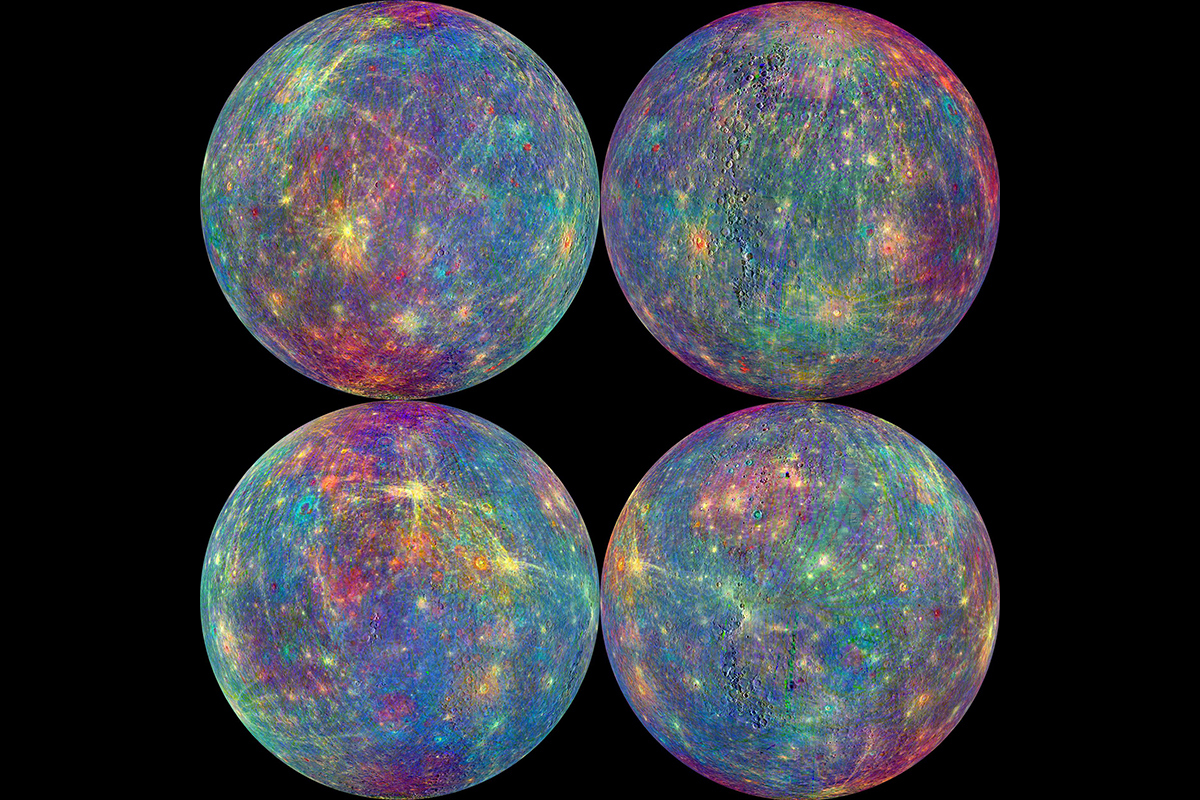
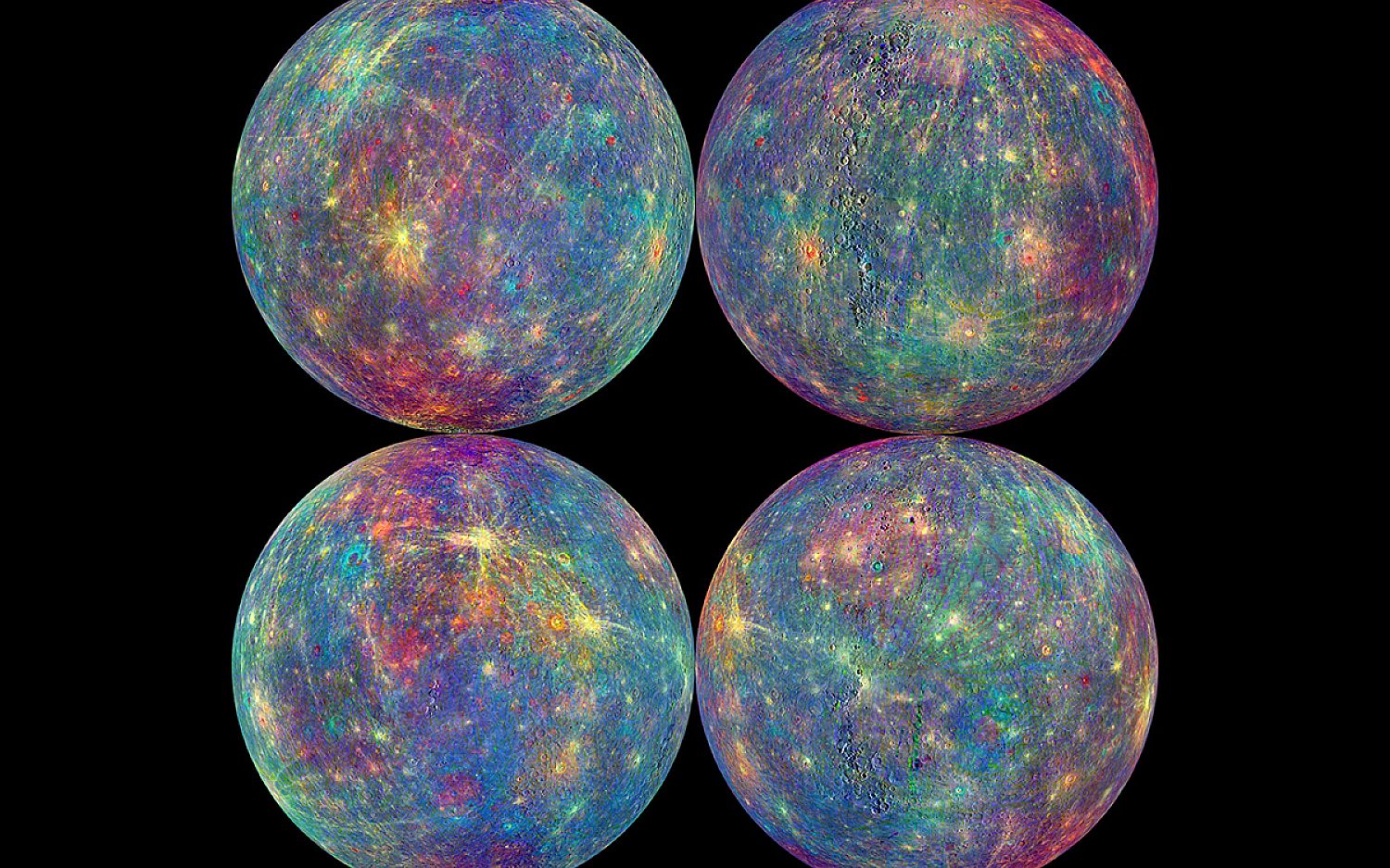
Mercury has something in common with a dubiously popular after-school snack. Both are small. Both are wrinkly. Both taste weird . . . probably.
Imagine a giant grape floating through space. Now imagine that grape slowly shrinking down into a raisin.
That’s a bit like what’s happening to Mercury.
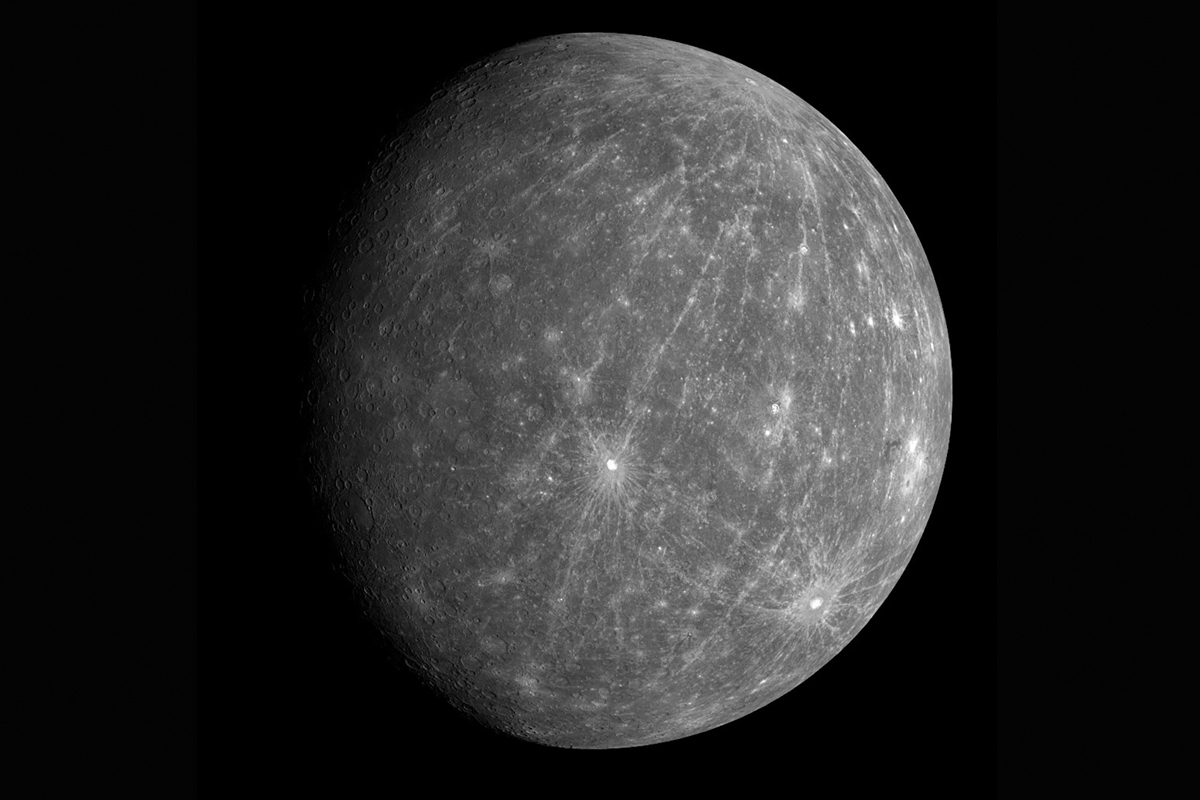
Mercury has been shrinking possibly ever since it was spoken into being at creation. Scientists have known about the phenomenon for years. But they didn’t know how much the small planet near the Sun is shrinking.
The planet seems to have shrunk up to 30% more than they expected. The previous estimates of Mercury’s size reduction showed that it had lost around 2.5 to 10 miles of diameter. The new estimate puts it closer to 14.5 miles.
So, why is this happening?
Scientists theorize that Mercury was formed from bits of planetesimal. Those bits were chunks of cosmic dust or rock that smashed together in space. The energy from the collisions superheated the planet’s metal core. Even though Mercury is the closest planet to the Sun, it eventually cooled from those very high initial temperatures.
When an object cools, the molecules that make up that thing move more slowly, allowing the object’s mass to contract. Mercury began to contract as it cooled.
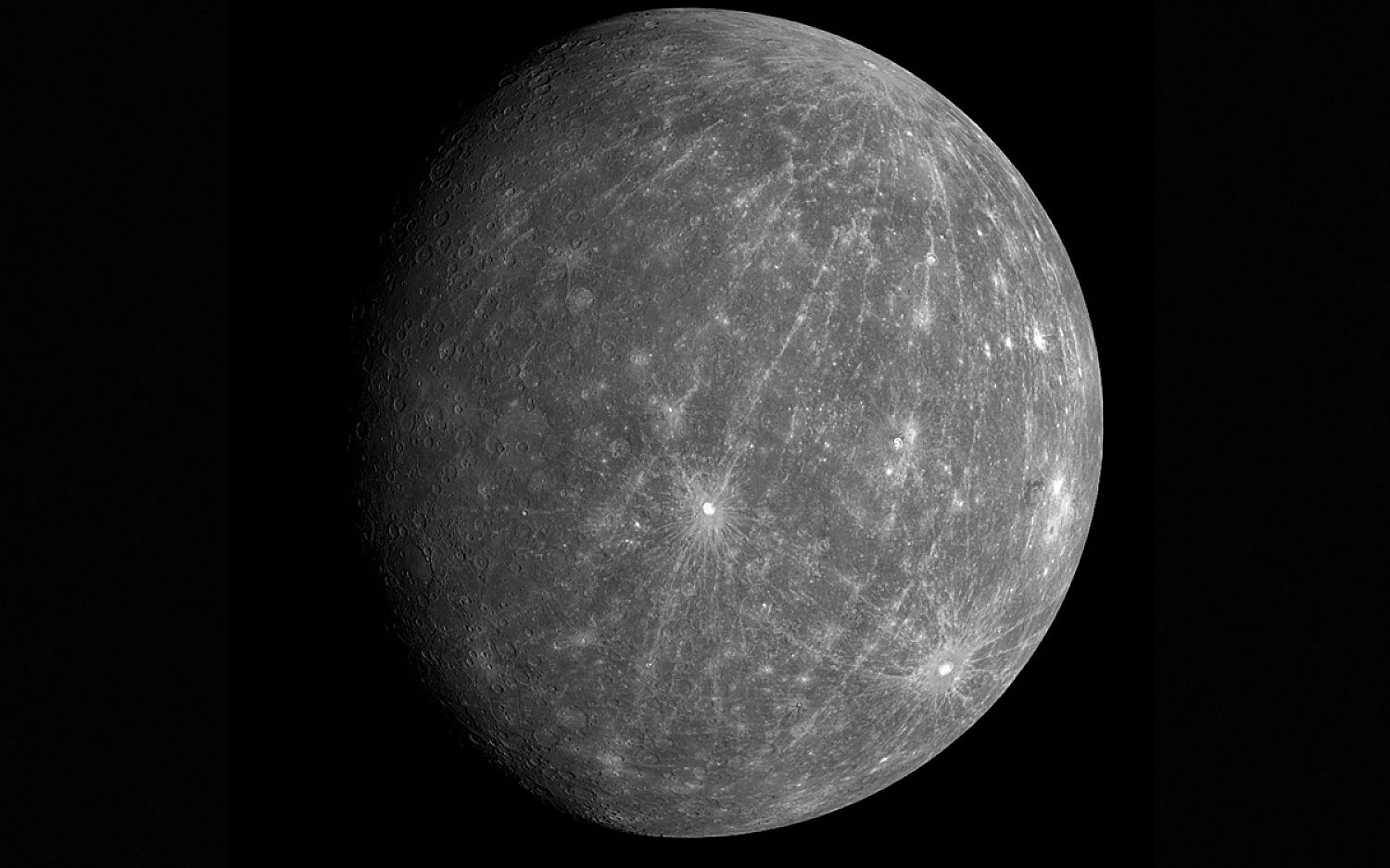
As the planet shrank from the interior, its rocky exterior layer had to adjust. The surface crumpled and cracked, creating tectonic features called scarps. They look like wrinkles to us. But on the surface, they’re giant, rocky cliff-like ridges.
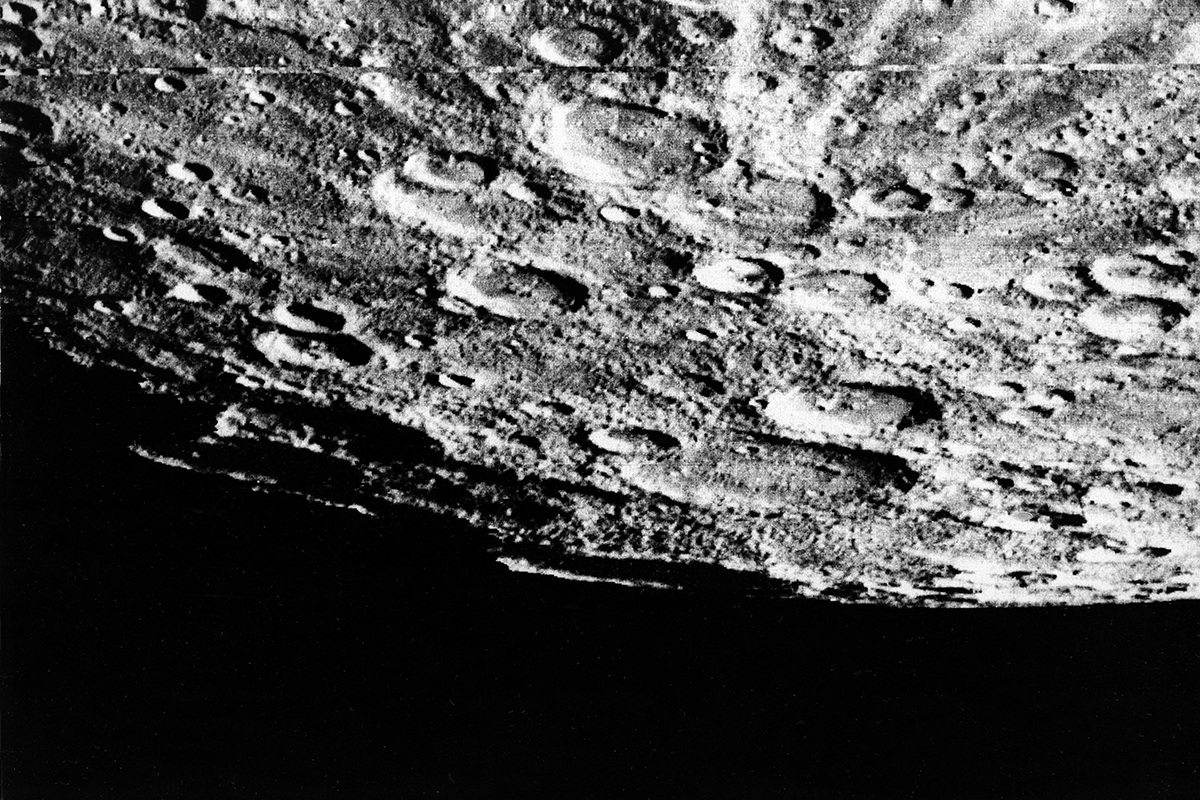
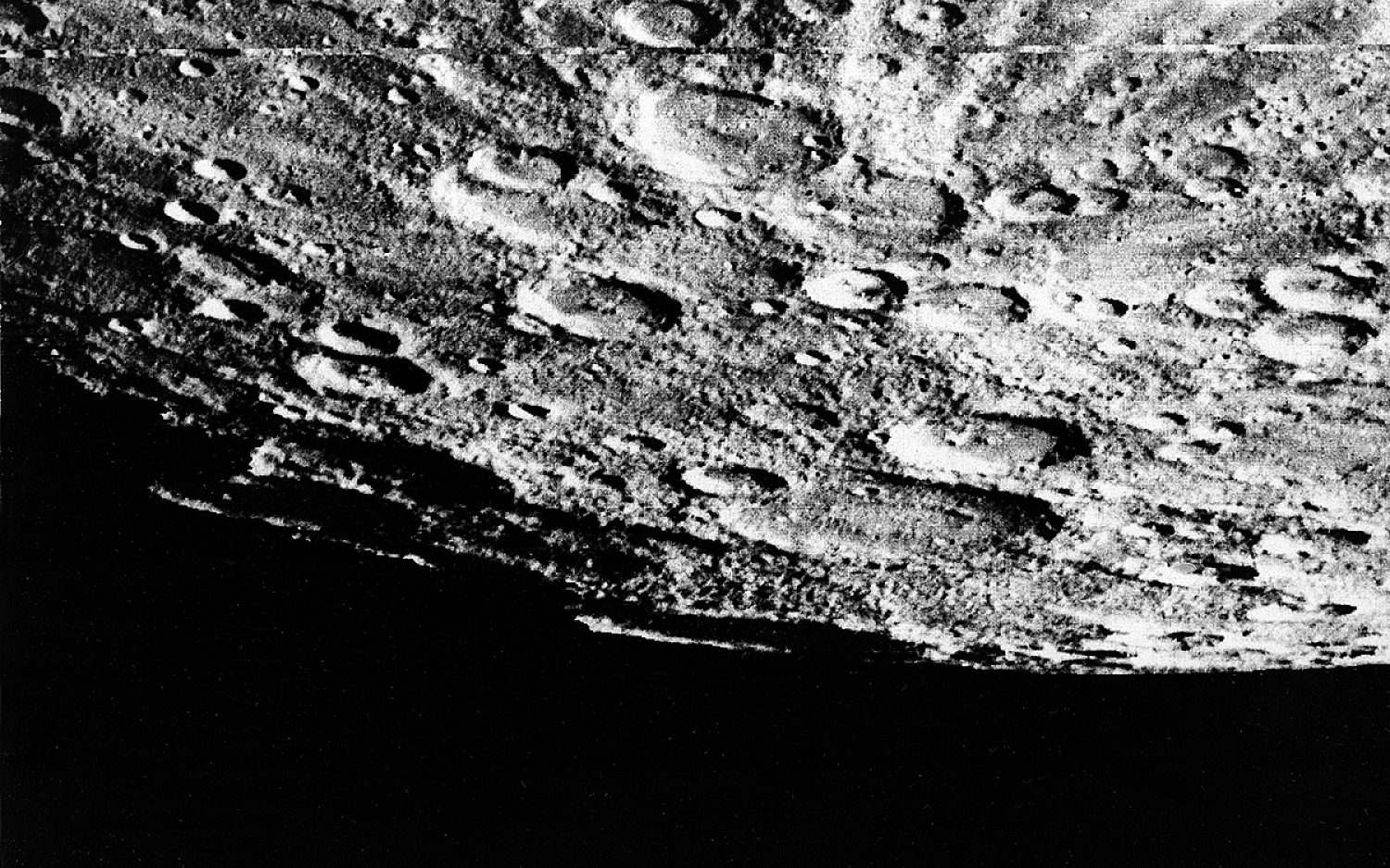
Smaller chunks of space material still hit Mercury sometimes. They create craters and piles of debris on the planet’s surface. Scientists think debris from many years of impacts has covered some of the planet’s wrinkles.
Researchers led by Gaku Nishiyama compared maps of Mercury’s wrinkles with maps showing the roughness of the surface texture. They noticed that the roughest parts had fewer visible wrinkles.
Think about a pothole in a road. If someone fills the pothole with gravel, you might not even notice it was there. That’s similar to what is happening on Mercury—except these craters can be hundreds of miles long, and the piles of debris are sometimes over a mile high.
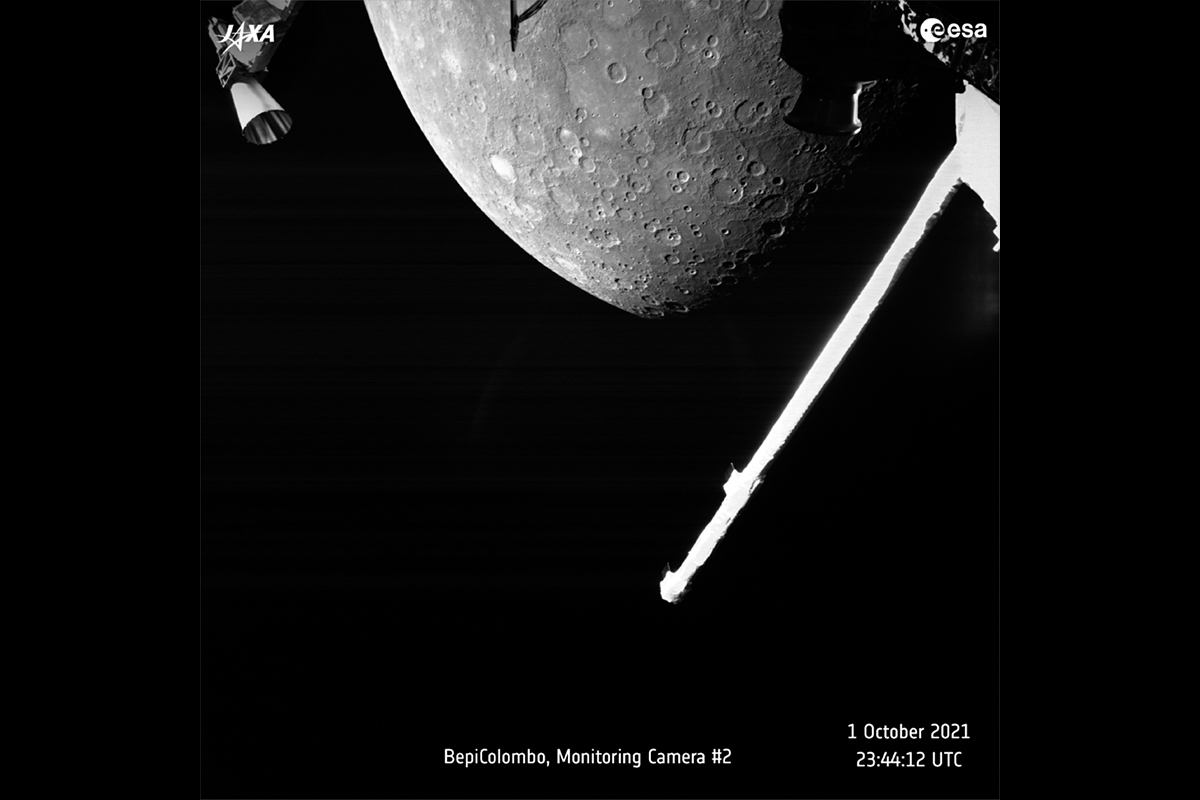
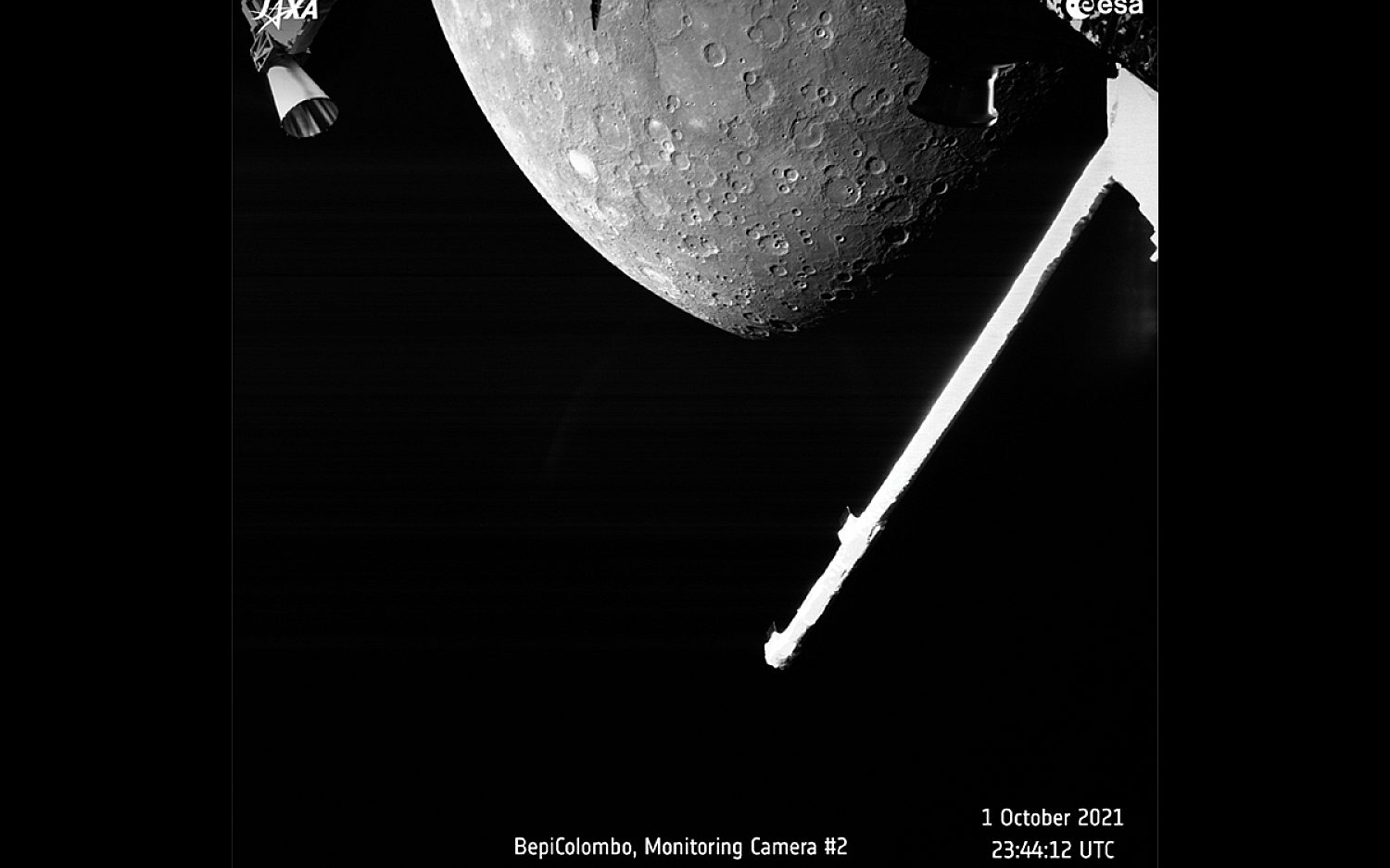
In November 2026, a spacecraft called BepiColombo will enter Mercury’s orbit. Two satellites will collect more detailed information about the planet’s surface. Scientists will evaluate the new data.
Studying the vastness of space may make us feel small and insignificant. But God reminds us that to Him, we are of immeasurable value. He counts us bigger than the stars and planets. He condescends to seek us and call His beloved to Himself individually.
When I look at your heavens, the work of your fingers, the Moon and the stars, which you have set in place, what is man that you are mindful of him, and the son of man that you care for him? Yet you have made him a little lower than the heavenly beings and crowned him with glory and honor. — Psalm 8:3-5
Why? God’s creation may make us feel small and insignificant, but His love for us is big and unchanging.