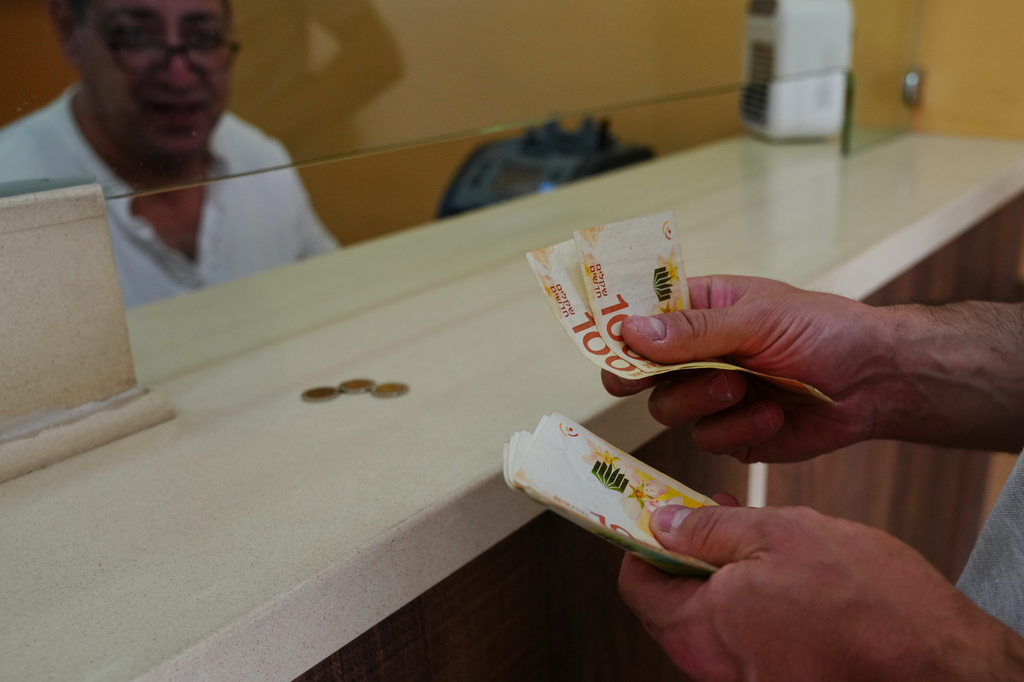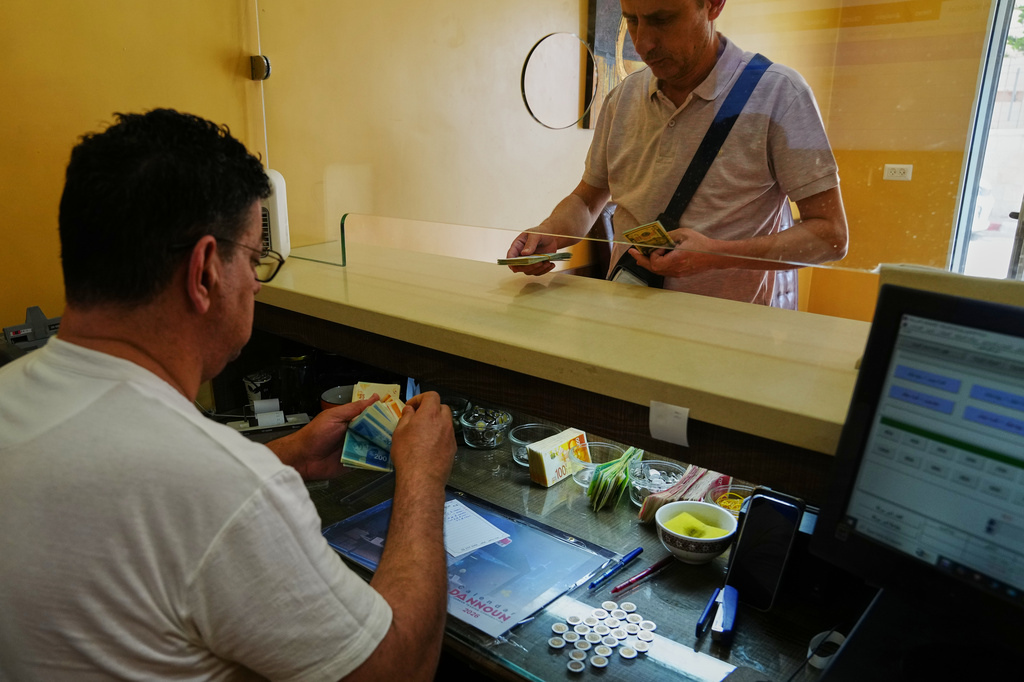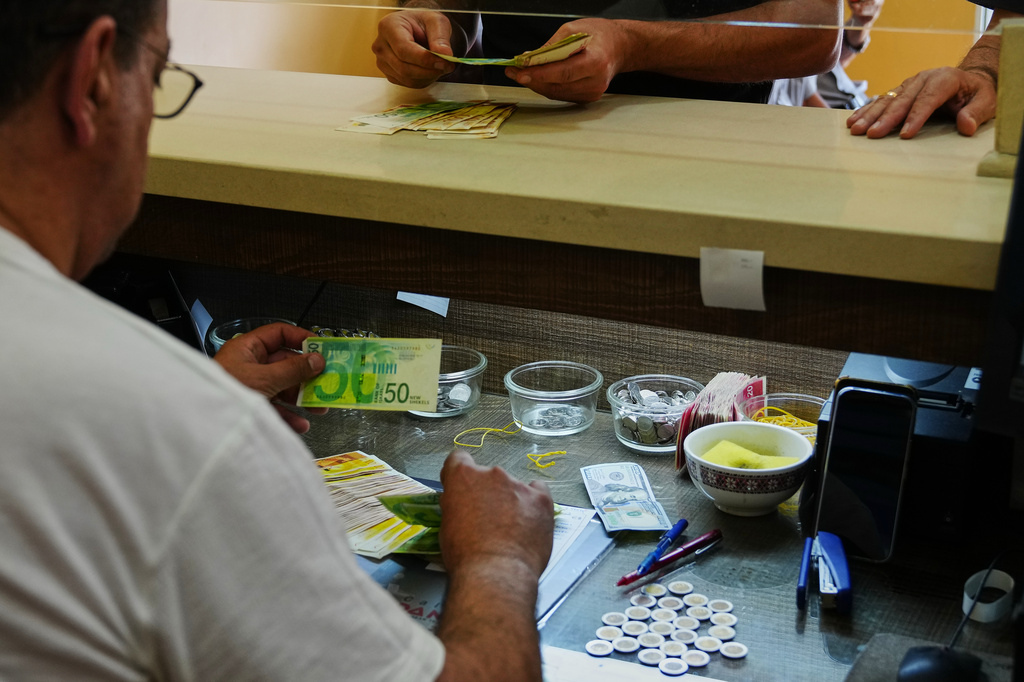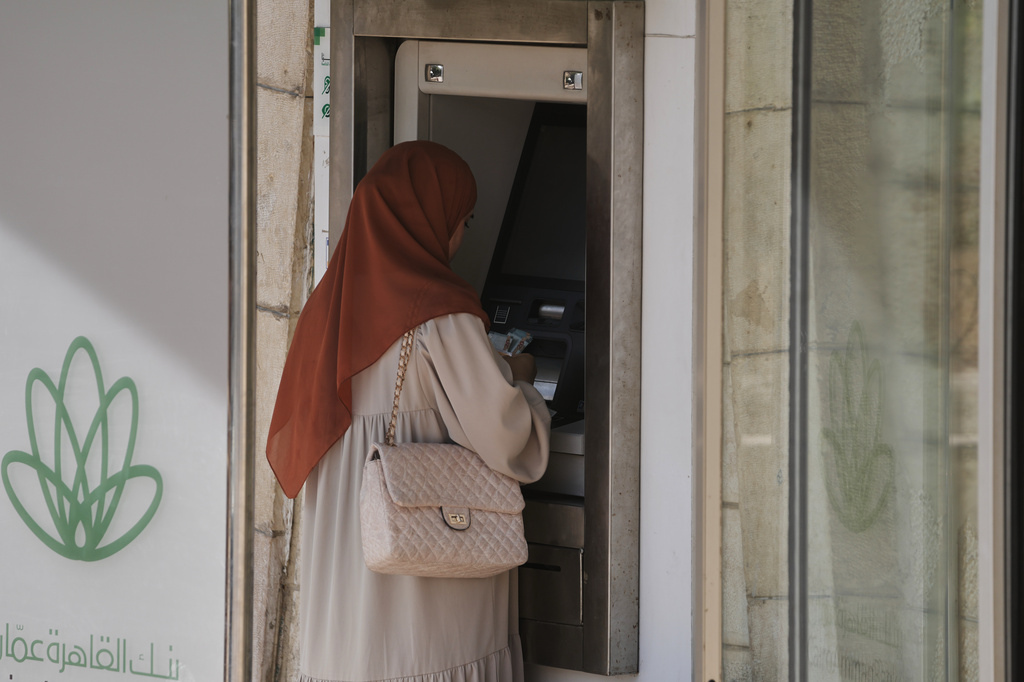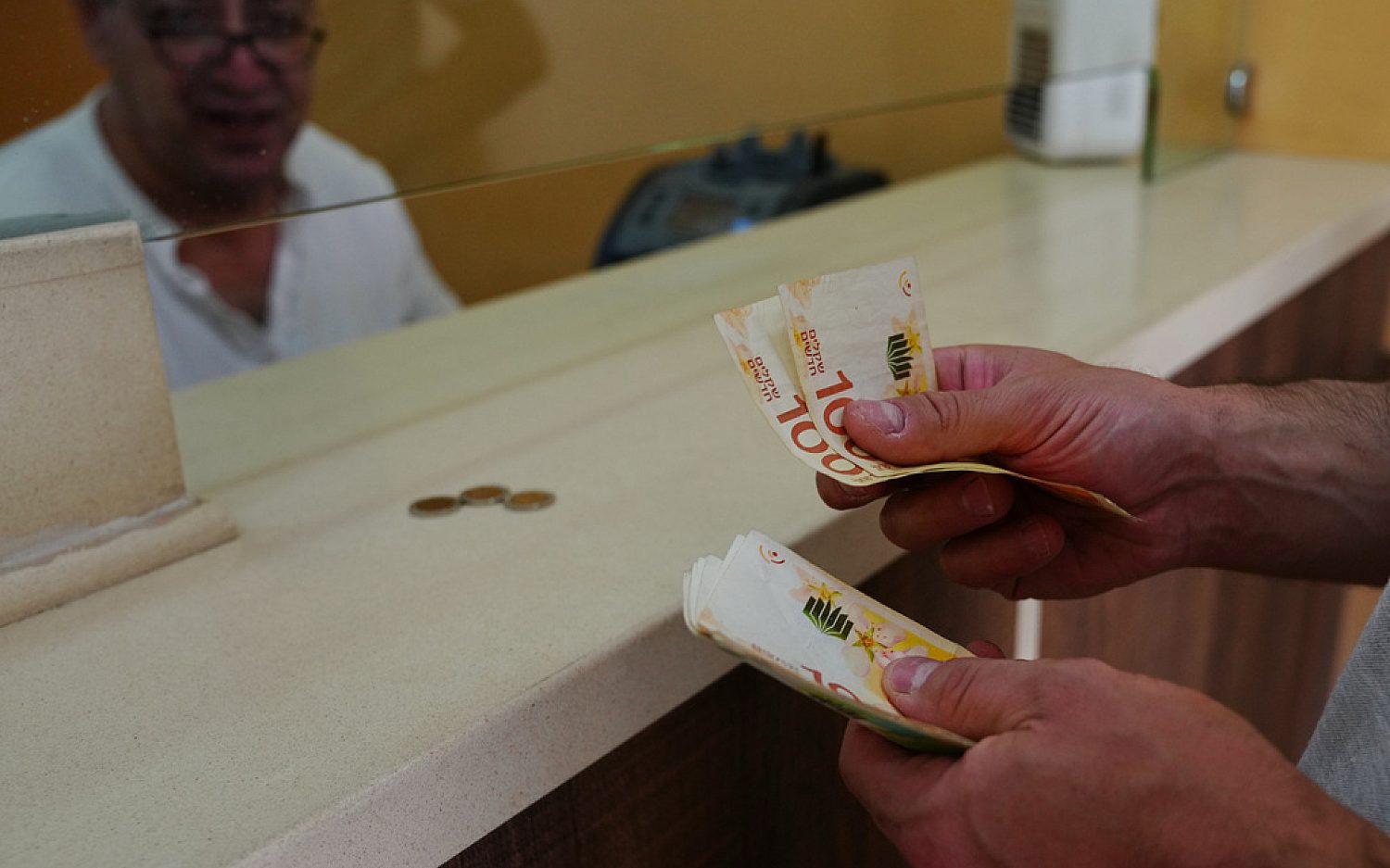
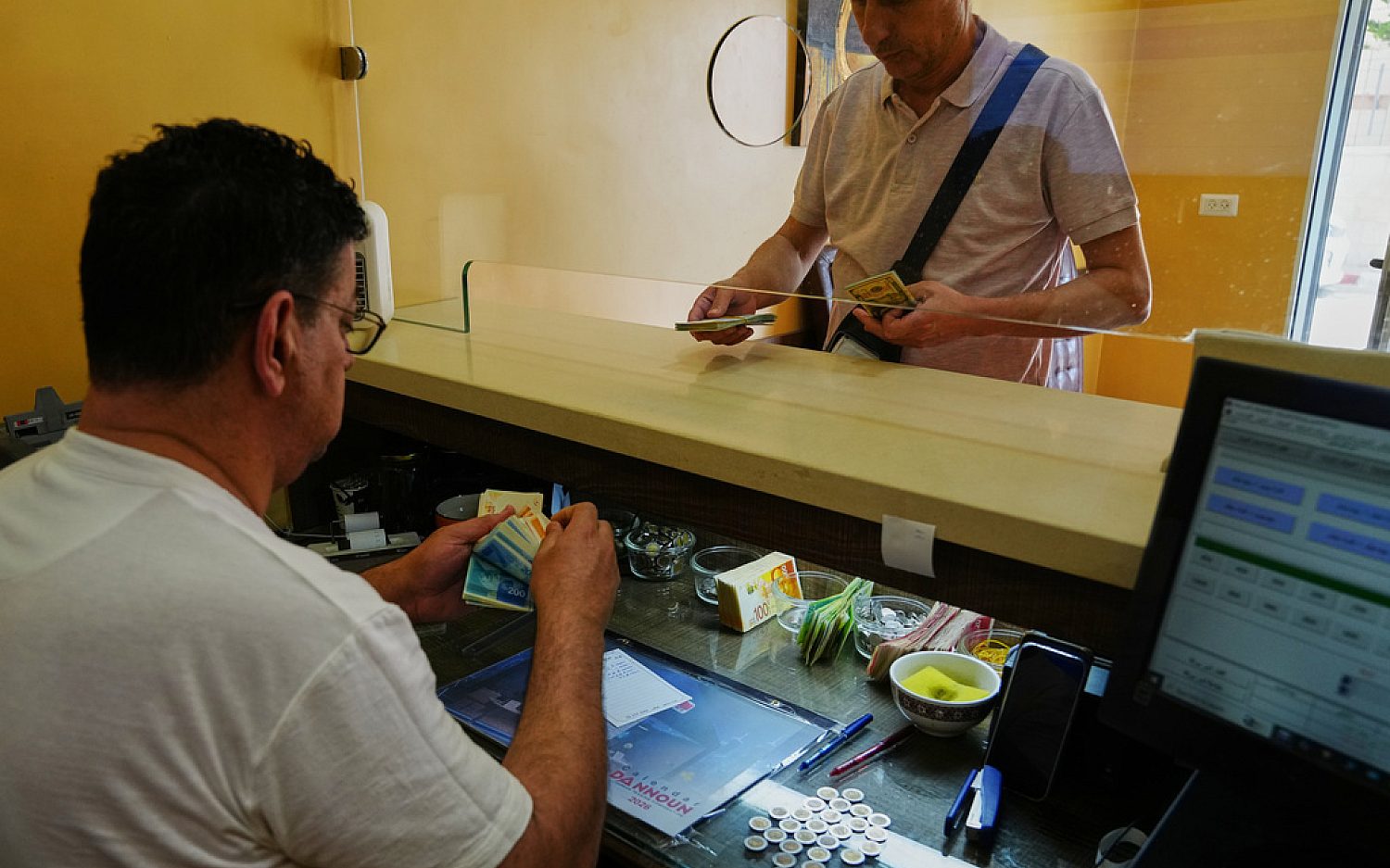
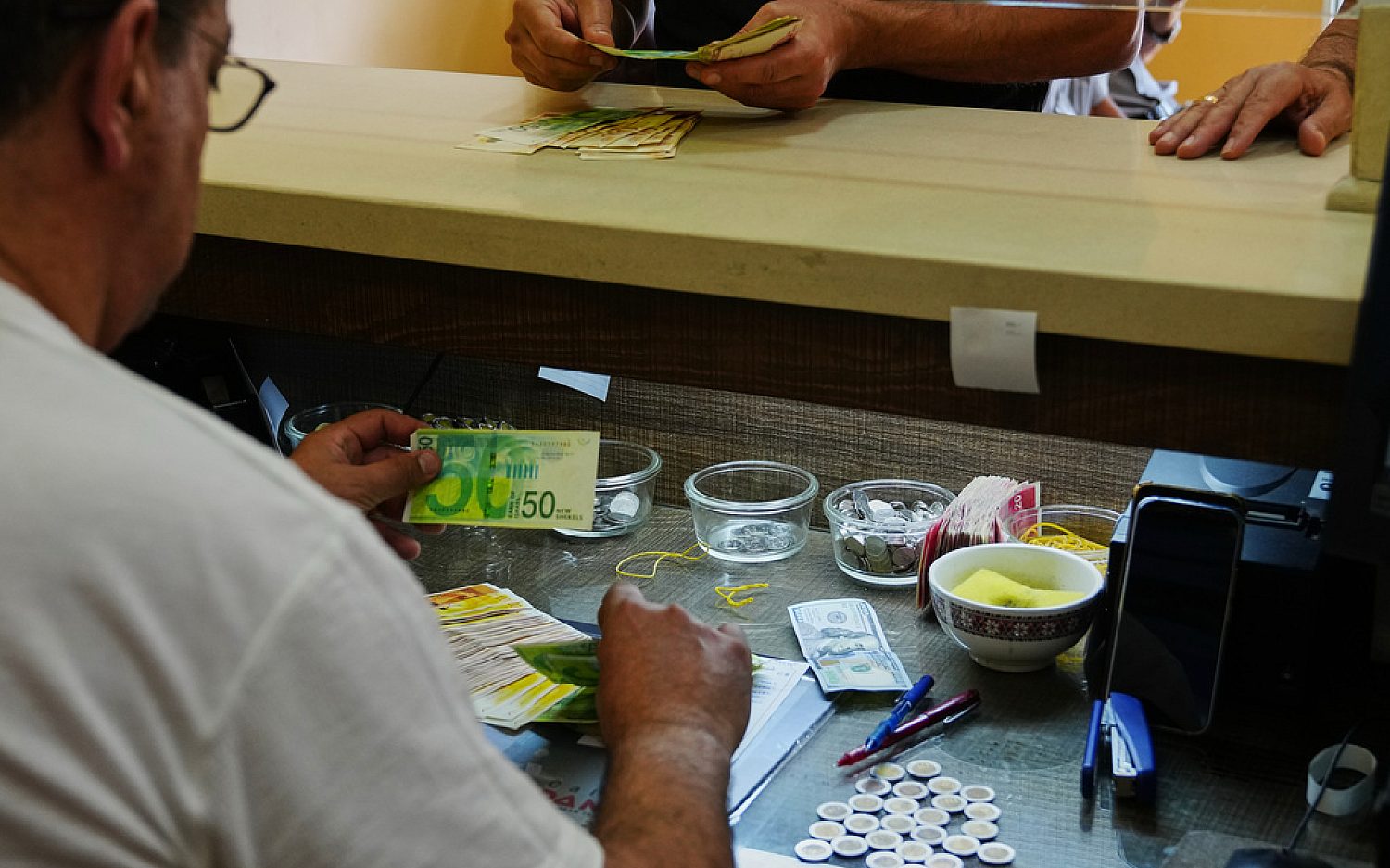
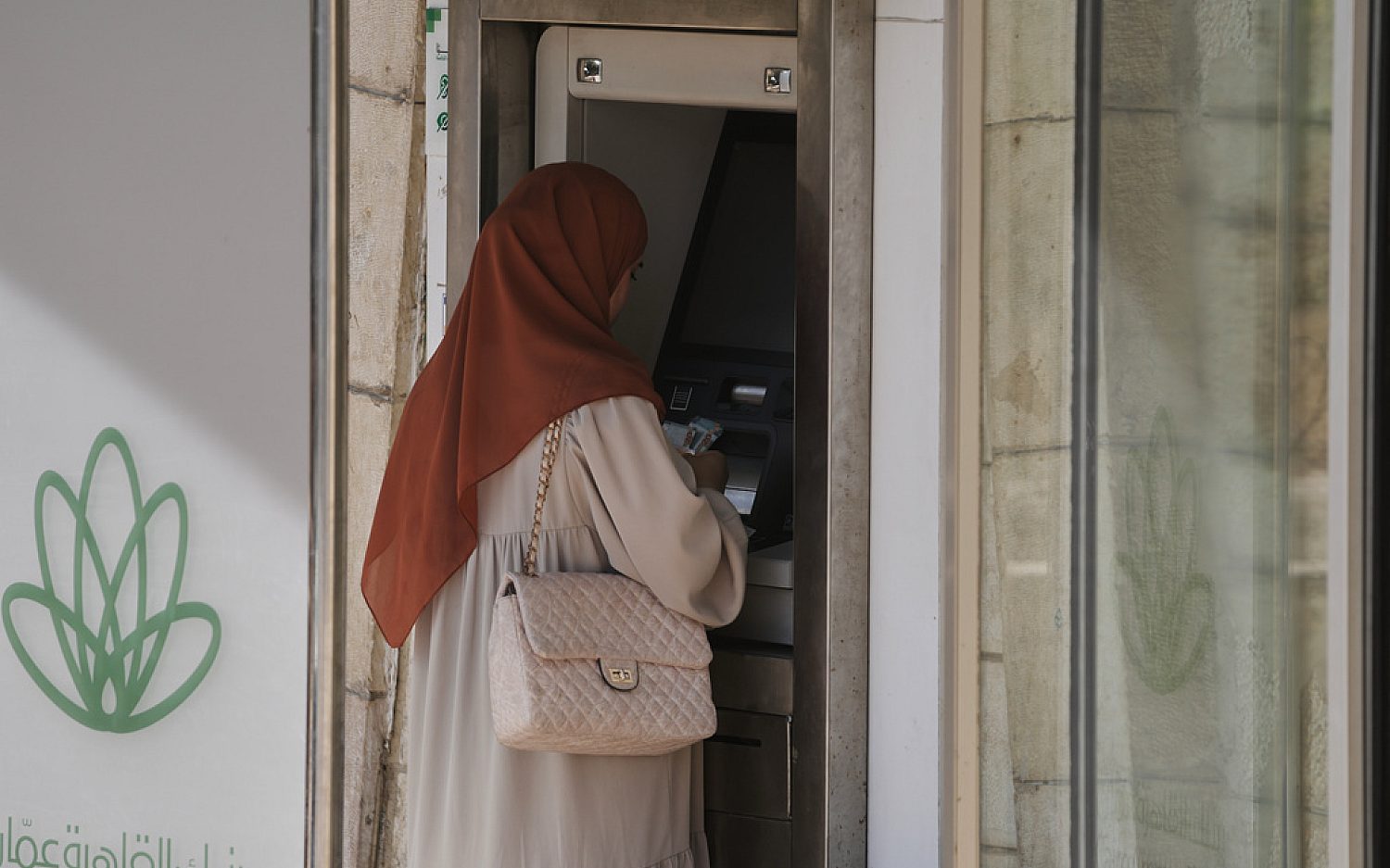

Inside the headquarters of the Al-Huda Group in Ramallah, the West Bank, machines count banknotes, spitting out neat stacks. The company operates gas stations, convenience and grocery stores, car washes, and other businesses that collect tens of millions of Israeli New Shekels each month. But there’s a problem. They can’t deposit the money. The banks are full.
In the Israeli-occupied West Bank, too much cash is gumming up the economy.
Central banks in most countries take back cash from commercial banks and credit the banks electronically. Commercial banks use this electronic credit to settle payments and make transfers for customers. But in the West Bank, the economy runs differently.
Because of agreements created in the 1990s, the territory depends heavily on Israel to facilitate trade, collect taxes, and process payments for imported goods. A surfeit (excess) of cash forms because the Palestinian economy operates almost exclusively on physical currency, and more enters from Israel than can exit.
Israel’s central bank limits the amount of physical currency it takes back from the West Bank. The limit is 18 billion shekels ($5.9 billion) per year. But banks now accumulate an estimated 30 billion shekels per year, says economist Moayad Afaneh.
Why? Employers in Israel pay Palestinian laborers in cash. Palestinian citizens of Israel often purchase goods in the West Bank, bringing in even more shekels.
Commercial banks can’t convert the money into electronic balances to pay suppliers or process transfers. That also means the cash doesn’t earn interest or get turned into loans, investments, and bill payments.
Banks in the West Bank are running out of vault space for stacks of shekels. They must pay to store and insure the cash. They accept less from businesses and households, which in turn must find other ways to store cash safely.
Israeli officials are reluctant to increase the cash return limit. They cite concerns that returned money could be linked to laundering, tax evasion, or terrorism.
With earnings stuck outside the traditional banking system, business leaders are concerned this will eventually prevent West Bank companies from being able to import fuel, food, and medical supplies from Israel and elsewhere. That will also become a problem for Israeli vendors, who won’t get paid.
Maybe that’s why, per an announcement in August, Israeli officials approved an early transfer of 4.5 billion shekels.
This won’t solve the problem, but it may help relieve it.
Relations between Israelis and Palestinians have been fraught for decades. Ask God to guide leaders to wise decisions that may bring about peace and human flourishing.
Why? When systems don’t work well, too much of just about anything can create problems—even too much cash.