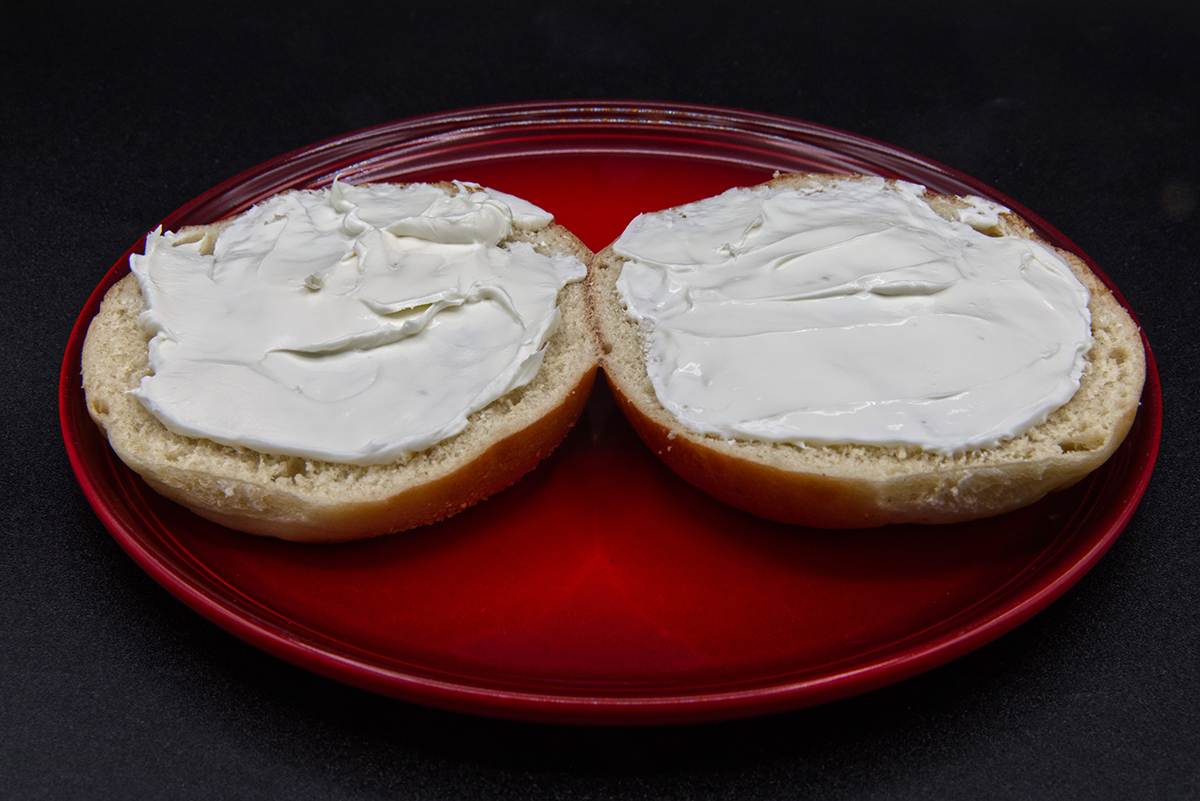
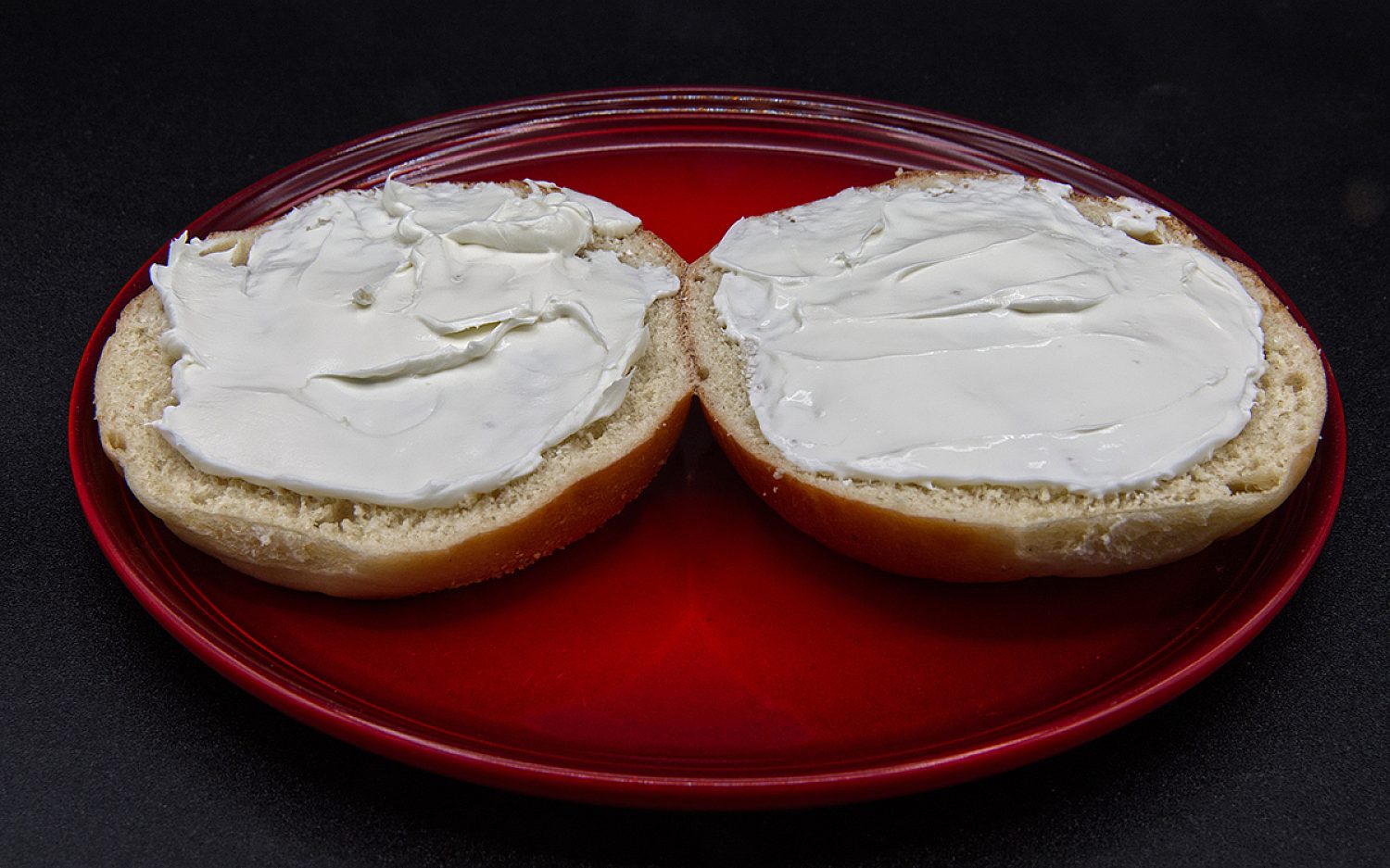
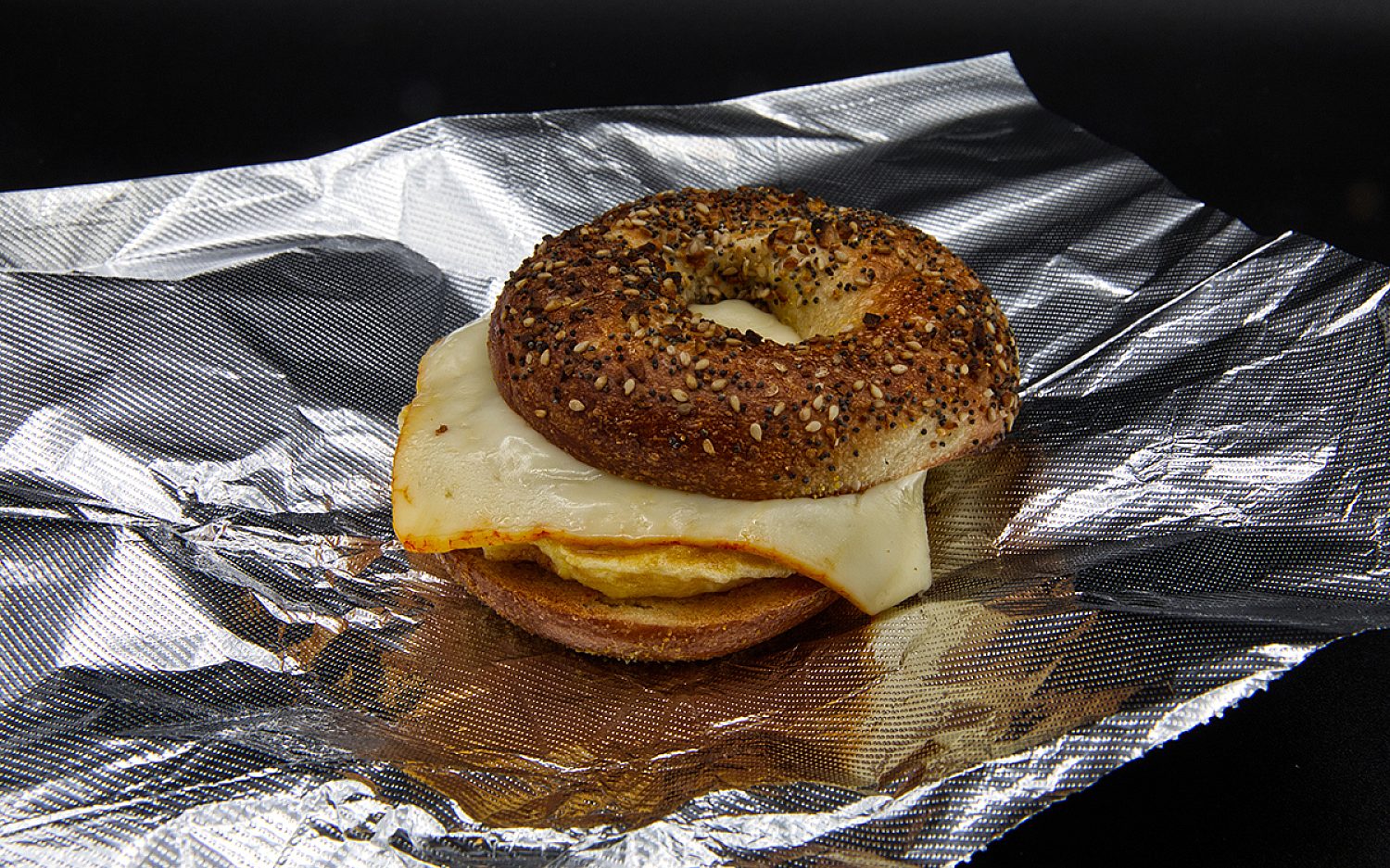

Chewy on the outside. Soft on the inside. Do you take yours with or without a “schmear” of cream cheese? Did you know the traditional and beloved authentic deli bagel has an immigrant story in the United States?
No, we aren’t suggesting that bread rolls migrate. But the people who make them sometimes do!
Most Americans today are familiar with bagels and the variety of flavors the ring-shaped breads come in. But it’s also likely that most don’t stop to think much about how the traditional Jewish bagel became so popular in the United States.
Historians have found records of ring-shaped breads in cookbooks from the 13th century. But the bagel as we know it seems to have come to the United States with Polish Jewish immigrants.
Persecuted Jewish communities fled Poland and other Eastern European countries in the late 19th and early 20th centuries. Many relocated to the United States—especially to big cities on the East Coast. They brought their traditional roll-with-a-hole recipe with them.
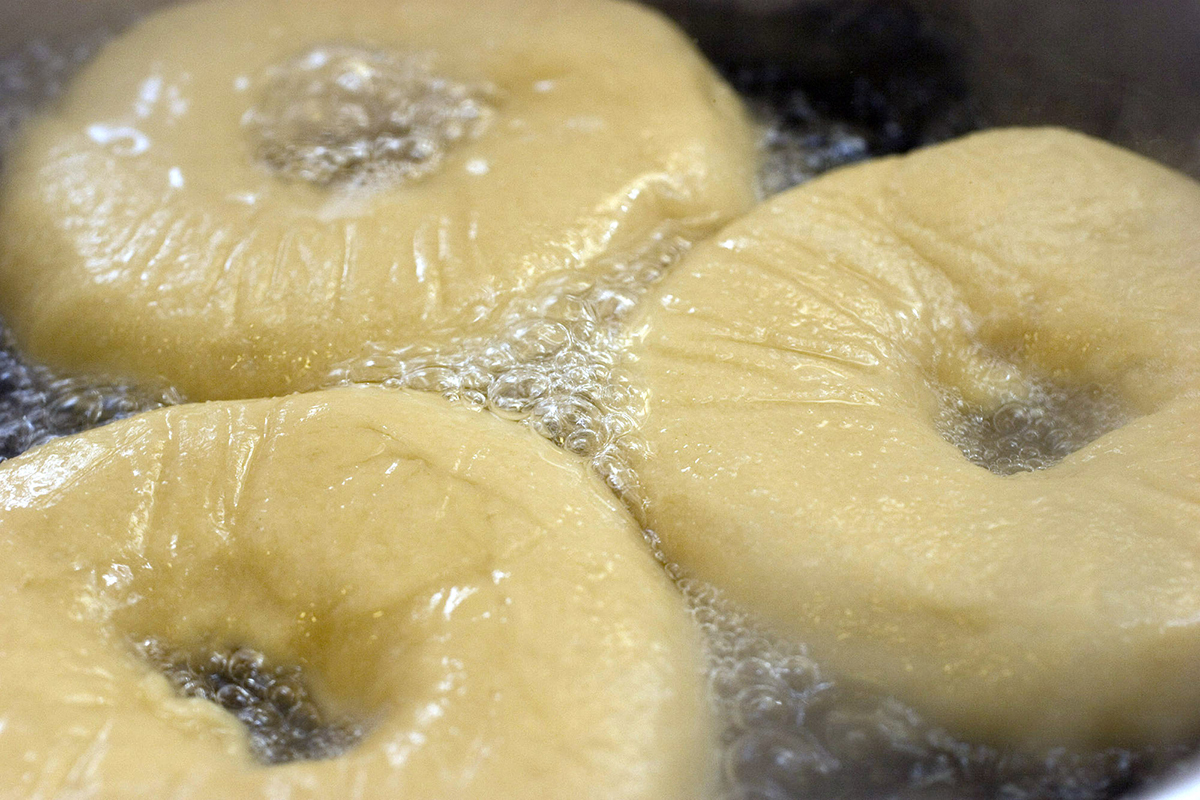
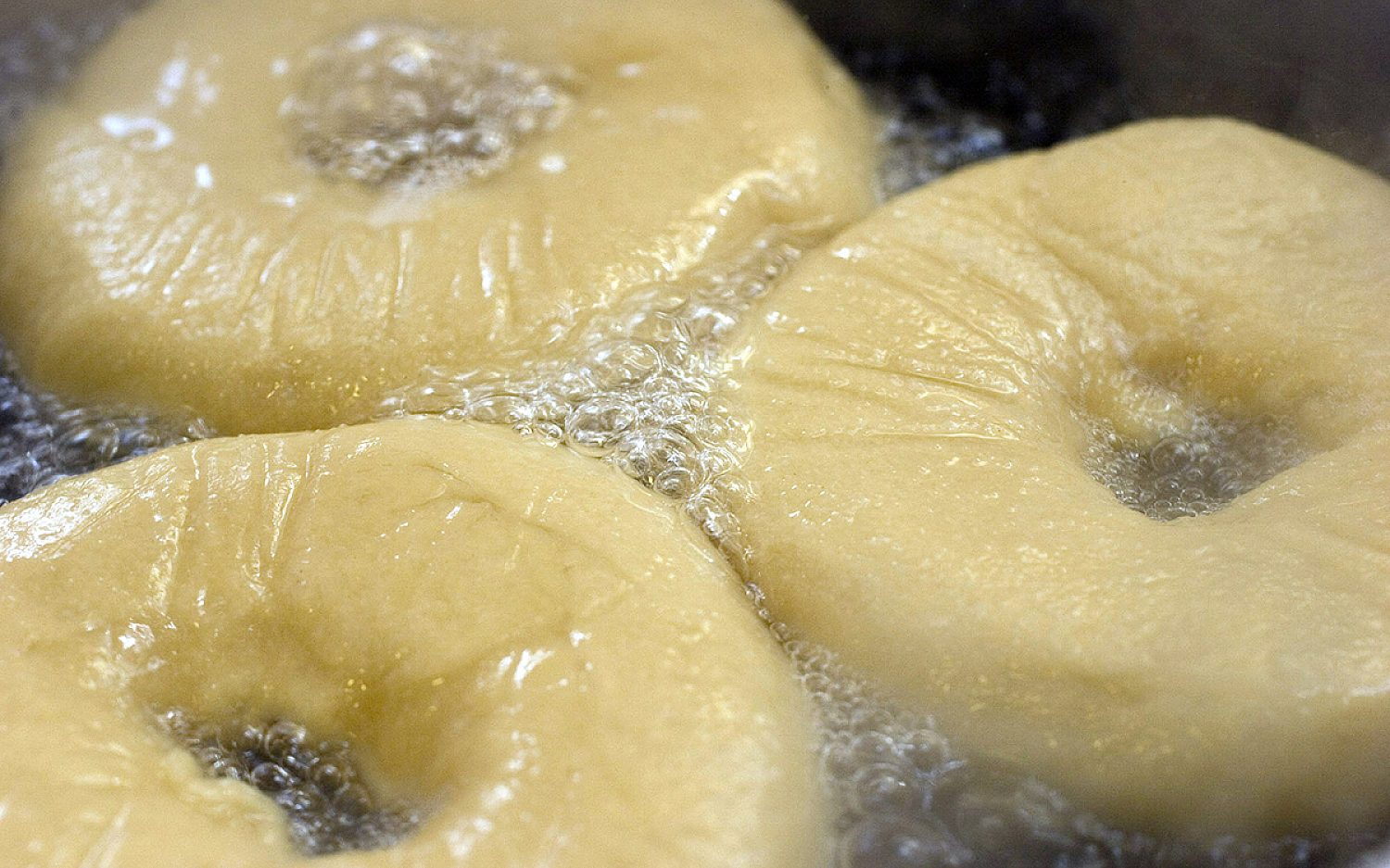
Before that, the bagel may have been related to an old version of the German pretzel, according to the Institute for Culinary Education. The two doughy treats share some characteristics: Both get cooked twice. First the dough is shaped and then proofed—or allowed to sit and rise. Then both bagels and soft pretzels are boiled before they are baked. This gives both a slightly tough outside “skin” and a dense, chewy center. Yum! No wonder bagels caught on.
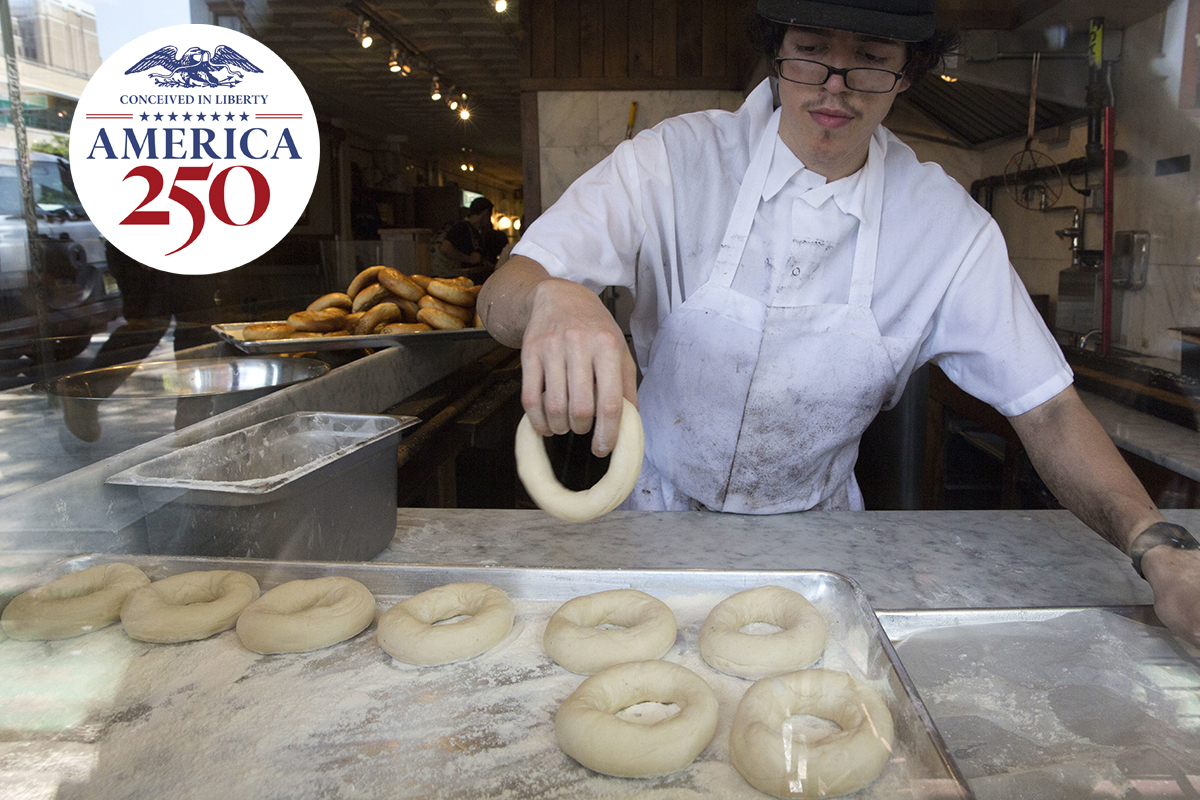
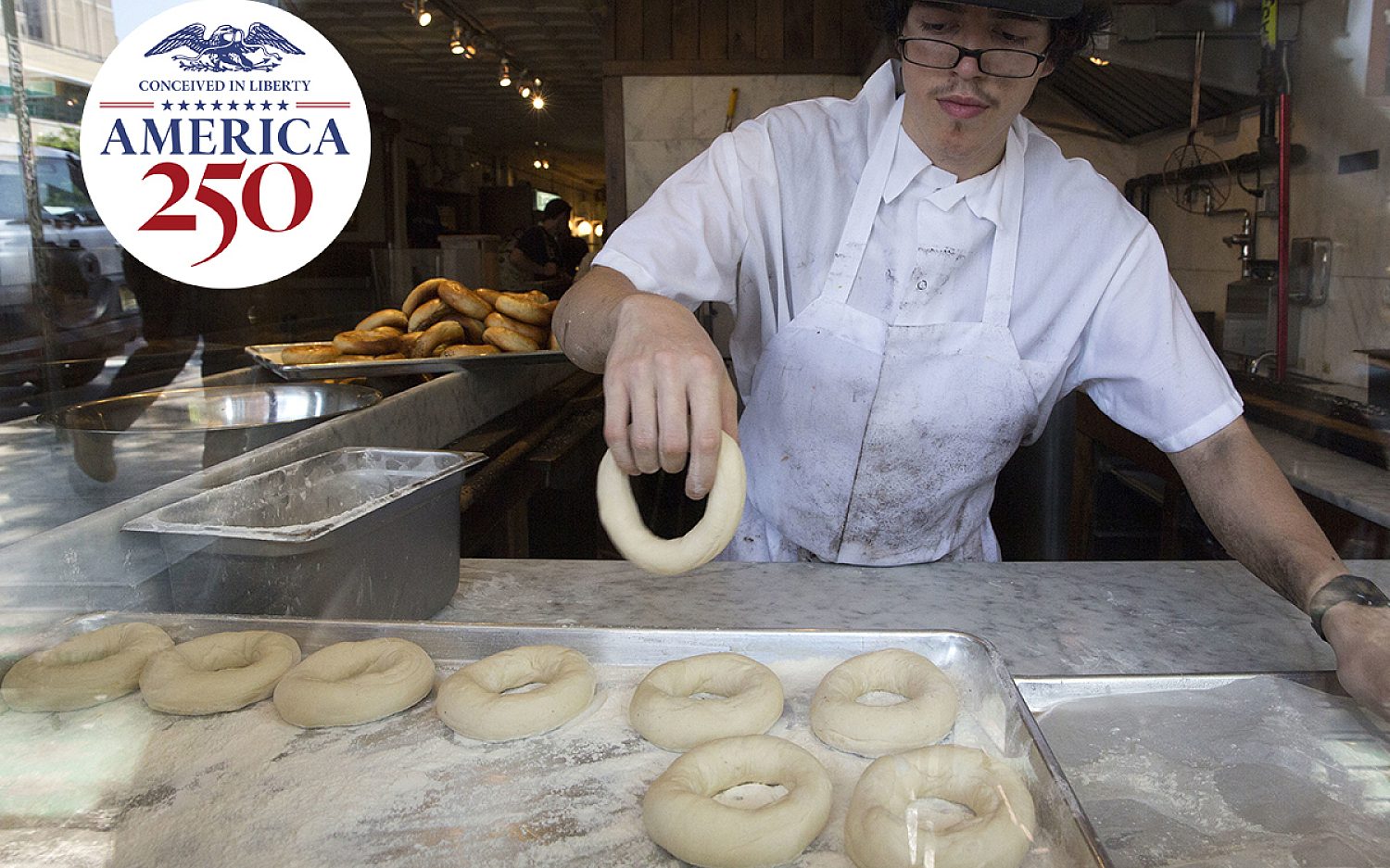
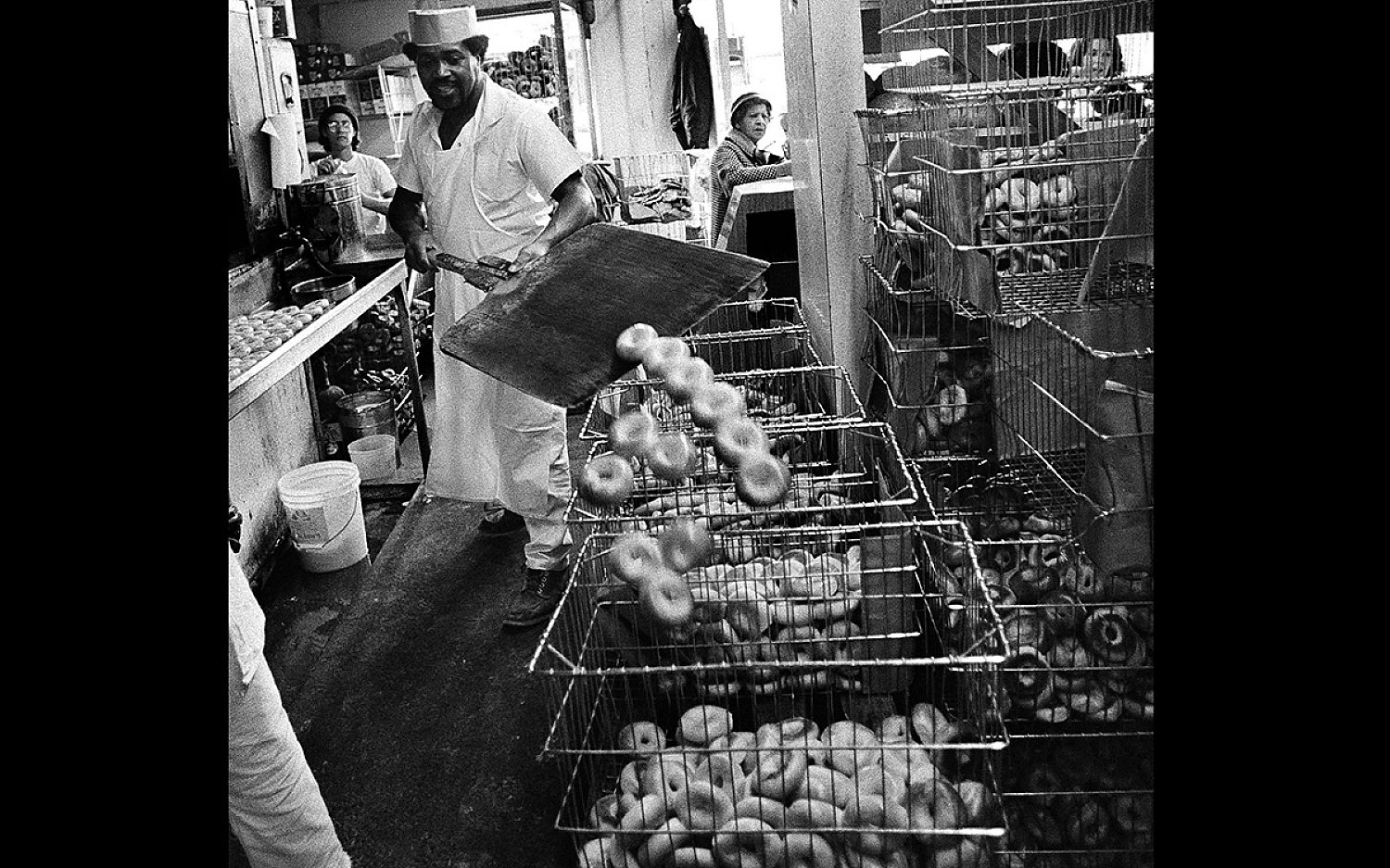
Any true bagel-lover will tell you: Not all bagels are created equal. Consensus says the best bagels are made by hand and sold fresh at city delis. New York City is famous for its bagels. But not every town has a bagel deli. As people moved out from cities into the expanding rural areas of America, they couldn’t automatically take deli bagels with them.
Traditional bagel-making almost died out in the 1950s. Immigrant Harry Lender worked at a New Jersey bakery after arriving from Poland. He saved to bring his family to America as well. In 1954, he developed a means of freezing bagels. This meant bagels could ship to grocery stores around the country—even in small towns. In 1958, Daniel Thompson invented a machine that could replace human hands in much of the bagel-making process. Bagel production began to really roll.
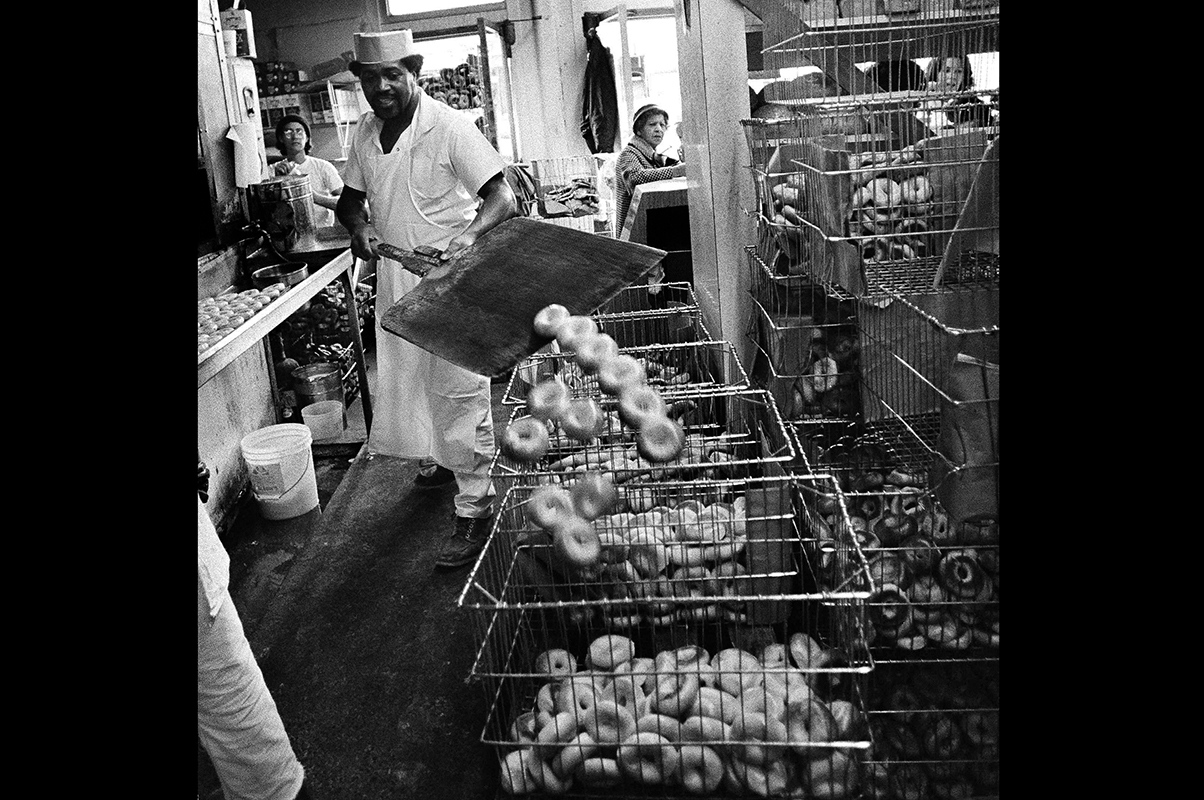
These innovations meant more bagels reached more people, but critics say the mass-produced varieties just don’t measure up to those crafted by hand. Many people still chose to make bagels the old-fashioned way. And every day, thousands of people still visit city delis for fresh morning bagels, sometimes waiting in long lines.
In Jewish communities, bagels show up at special occasions such as celebrations for new children, bar or bat mitzvahs, and even funerals. The bagel’s story represents immigrant success in America. It maintains a special place for American Jews, marking moments in the circle of life with sustenance, comfort, and tradition. But people of cultural backgrounds as varied as the modern array of bagel flavors—from plain to onion to poppy seed to everything—also thoroughly enjoy the chewy treats.
Why? Even cultural traditions that communities carry with them to new homes continue to tell stories for generations.