


How many people in a small country are too many?
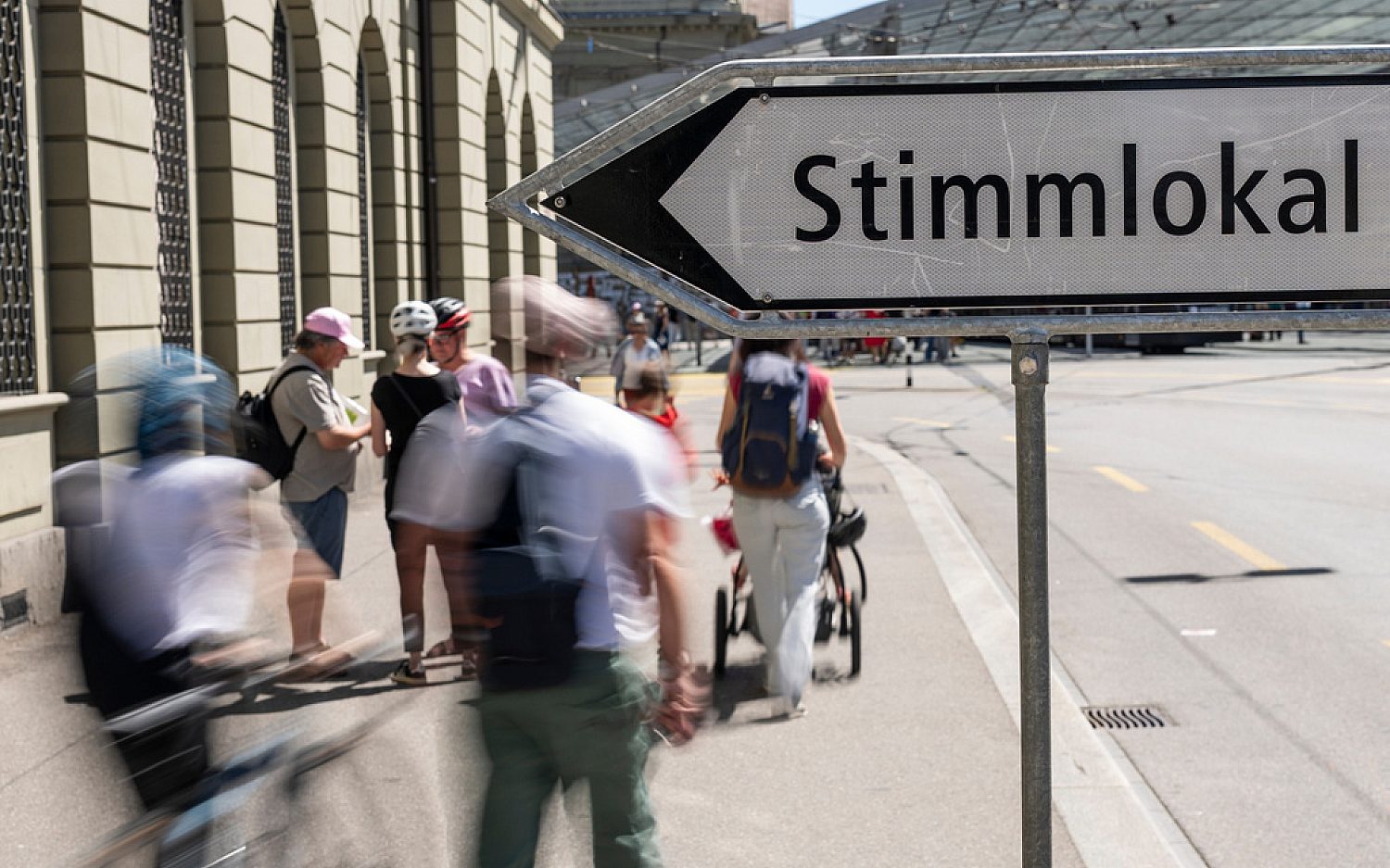
Switzerland voted in June on a proposal to limit the country’s population. When the votes were in, 55% rejected the proposal. But analysts still debate whether a population cap is a wise way to manage immigration.
For most of history, the human population has grown. Families on average had more than two children.
But in the last century, birth rates in some countries have decreased. In Switzerland, the average birth rate is just 1.3 children per woman. But the Swiss population is still growing fast. It’s almost 25% larger now than 20 years ago.
That’s because of immigration. One in three people living in Switzerland moved there from another country. Most immigrants come from other countries in Europe.
The immigration boom helps fill many jobs in Swiss society. But it also creates a high population density. Half of Switzerland’s land is uninhabitable mountains. Most people live near each other on a central flat plateau.
Some people are concerned that adding so many foreigners to the population puts a strain on natural resources, housing, and the Swiss way of life.
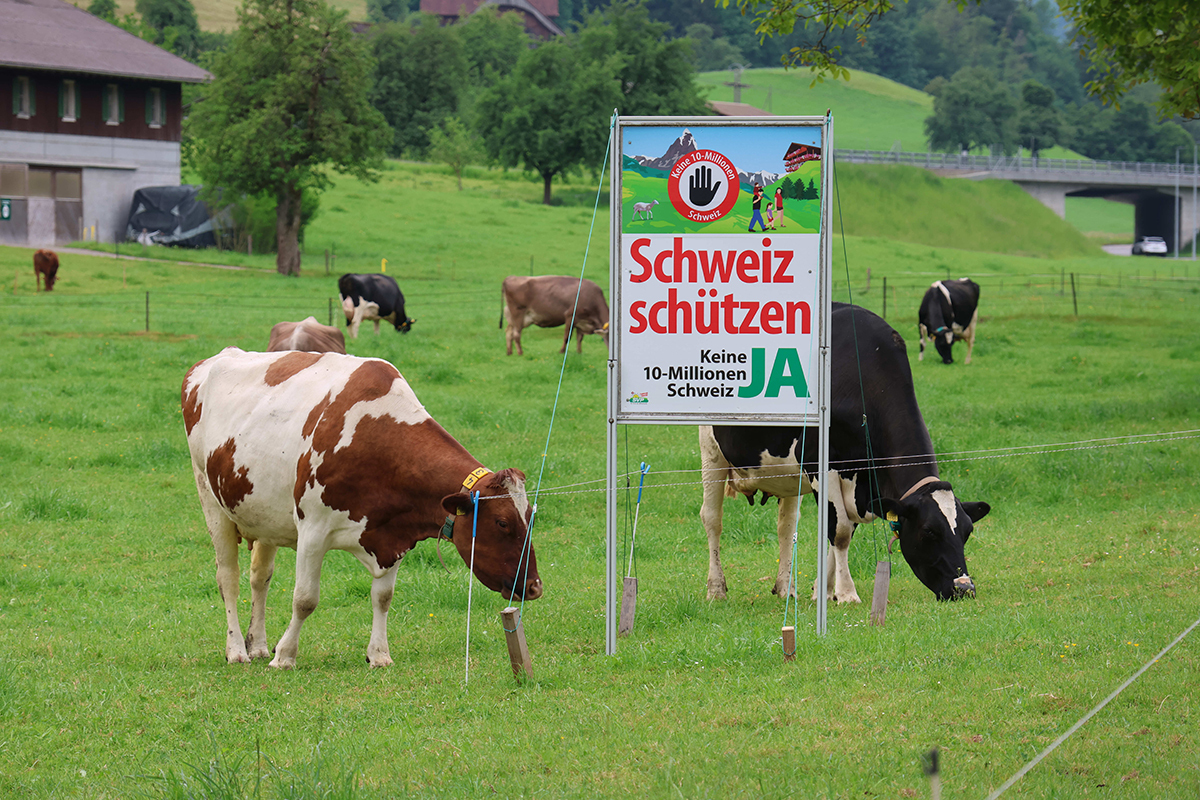
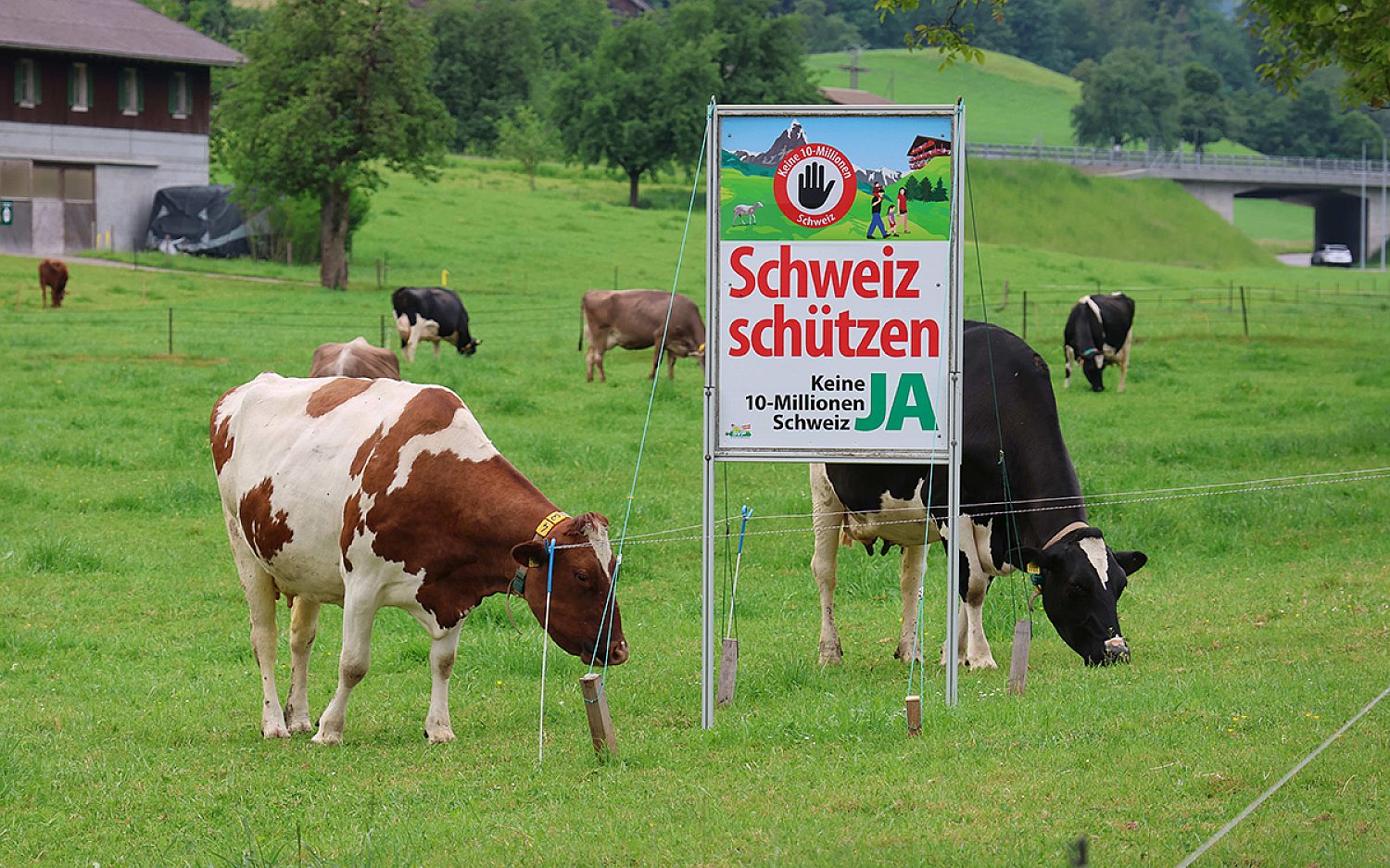
A Swiss political party proposed a population cap at 10 million, at least until 2050. (Switzerland’s current population is 9.1 million.) Supporters call it a “sustainability” measure.
If the initiative had passed, it would require the Swiss government to restrict immigration. But what consequences might come of the cap? No country currently has a population limit.
Schoolteacher Jan Hesselmann voted against the initiative. “It’s the wrong way to go about it,” he explains. His concern is that it encourages people to be unkind towards outsiders.
Maria Lalu arrived in Switzerland in the 1980s from the Philippines. Later, she became a Swiss citizen. She supports the initiative to cap the population.
“I have nothing against immigration. I also am a foreigner,” she says. But she thinks that immigration should be more orderly.
Andre Tapernoux is a Christian living in a suburb of Zurich, Switzerland’s biggest city. He says it’s disconcerting when many people don’t speak the local language, and he must speak in English.
“In my view it is fair to question whether this is sustainable,” he says, “and to ask the government to manage immigration in order to protect the people and our standard of living.”
But he voted against the referendum and was relieved when it didn’t pass. He hopes people can work together to find different ways to manage immigration.
“On Monday evening, after the vote, I met with people involved in local politics from all parties,” he says. “As Christians, we are called to be peacemakers among those with different opinions.”
Why? God told humanity to “multiply and fill the Earth.” (Genesis 1:28) Should humans decide how many people can live in a certain space, and if so, how?