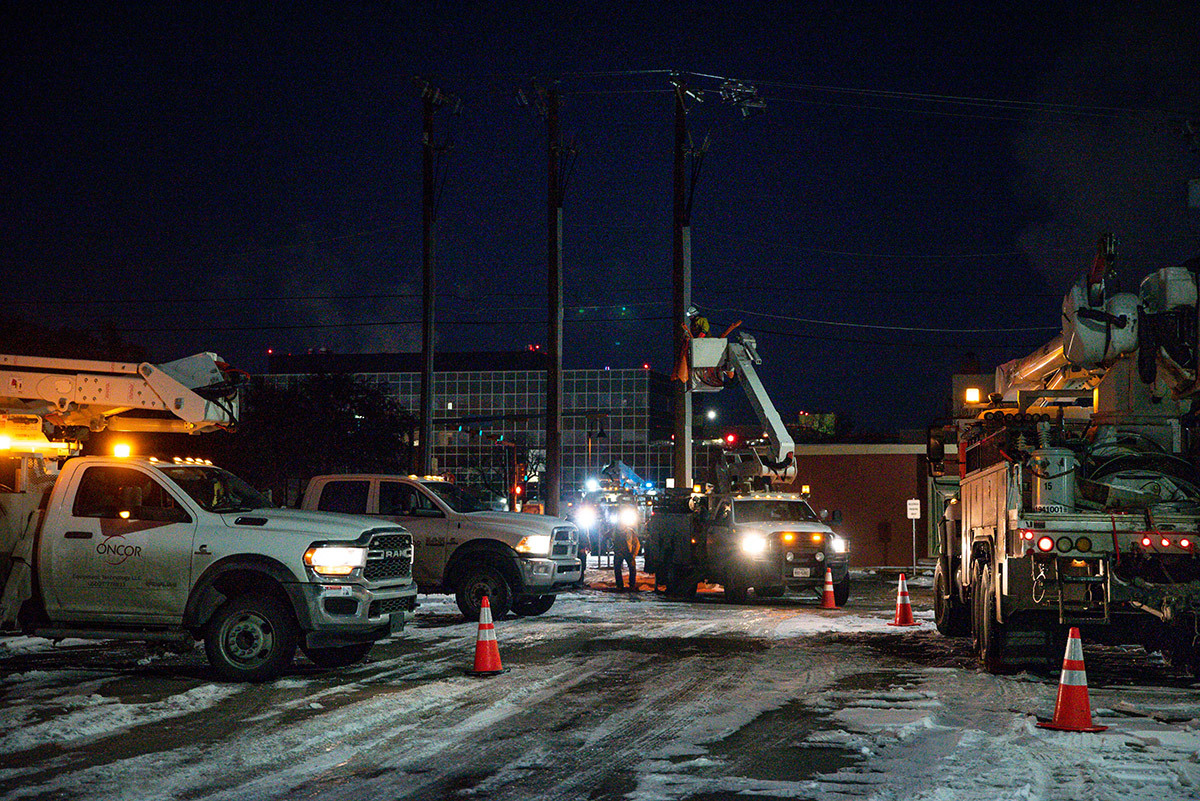

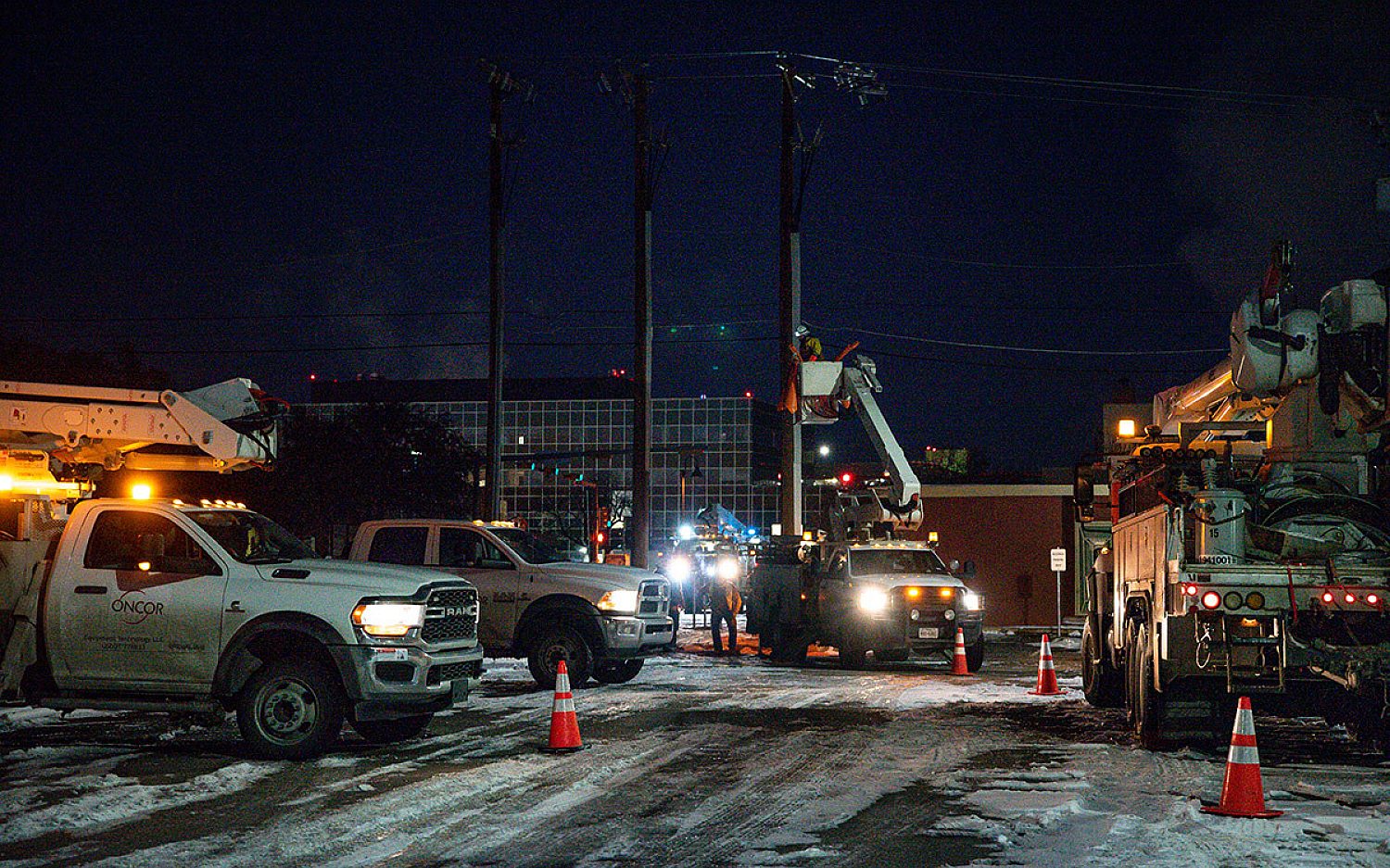
Kenneth Kovar hasn’t forgotten the multiday freeze that pummeled the Texas power grid in 2021. So when he bought an electric Ford F-150, he hoped to be prepared for any new crisis.
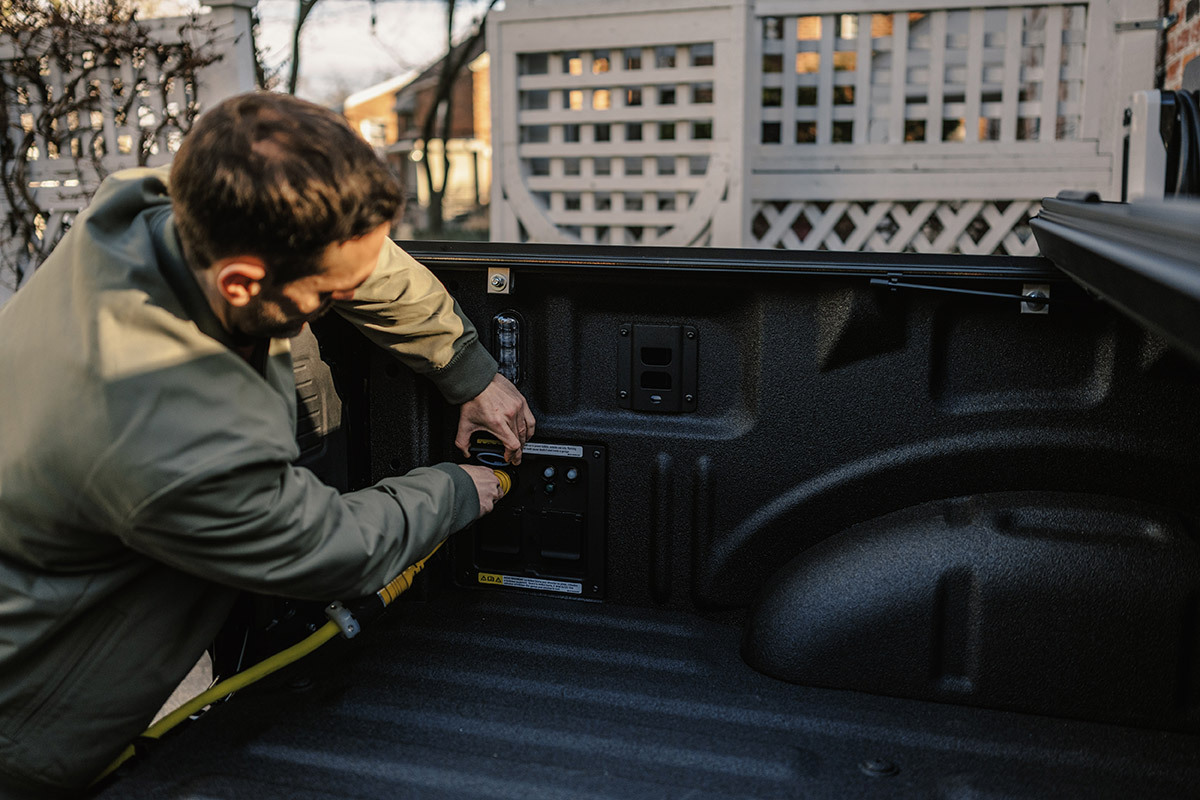
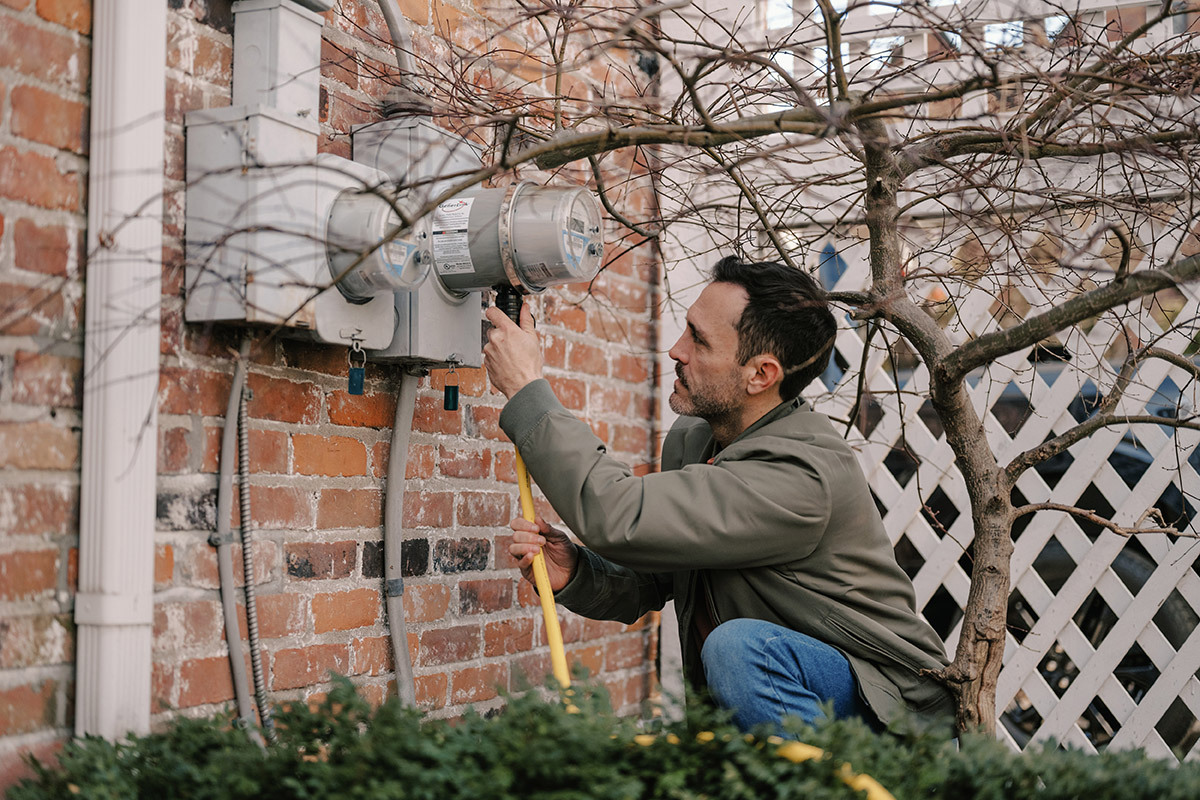
Kovar’s setup allows certain F-150 models to plug directly into an electric meter. Energy stored in the truck’s battery can then power parts of a home during an outage.
The tech doesn’t stop with Ford. Other electric vehicle (EV) makers also are adapting their technology to the home energy business. The EVs support both backup power and power grid resiliency.
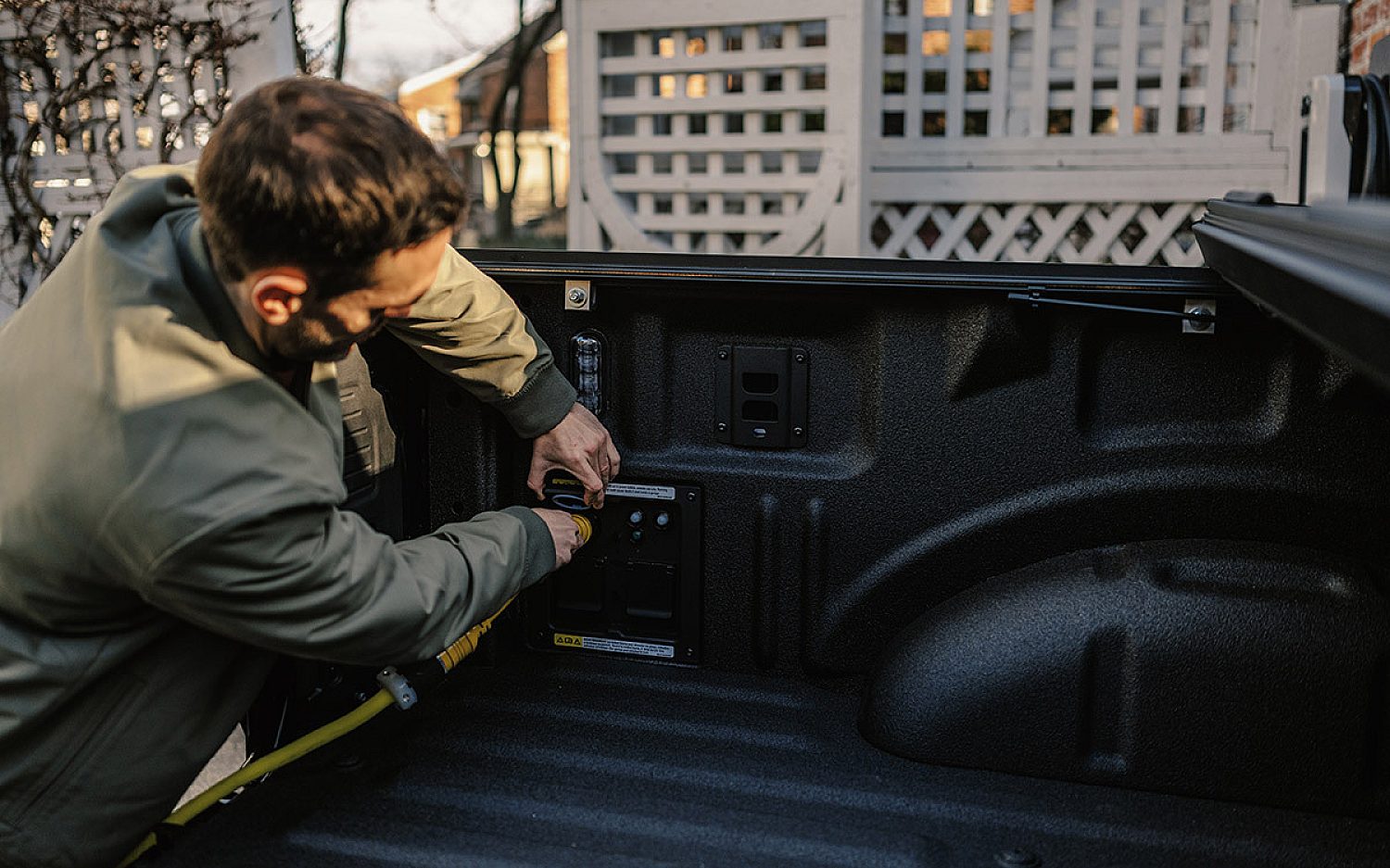
Drivers of the F-150 PowerBoost hybrid and F-150 Lightning electric pickup trucks can plug in an adapter and cable to a 240-volt outlet onboard. Homeowners can then connect the vehicle to a home’s breaker box through the electric meter. They select breaker switches for devices they want powered.
“The way we think about it, especially for customers who already have a compatible vehicle, is you already own the power source,” says Ford employee Amanda Roraff. “It’s in your driveway.”
The Lightning can provide power for two to three days, depending on which home devices are used. The PowerBoost Hybrid can provide power for up to five days on one tank of gas.
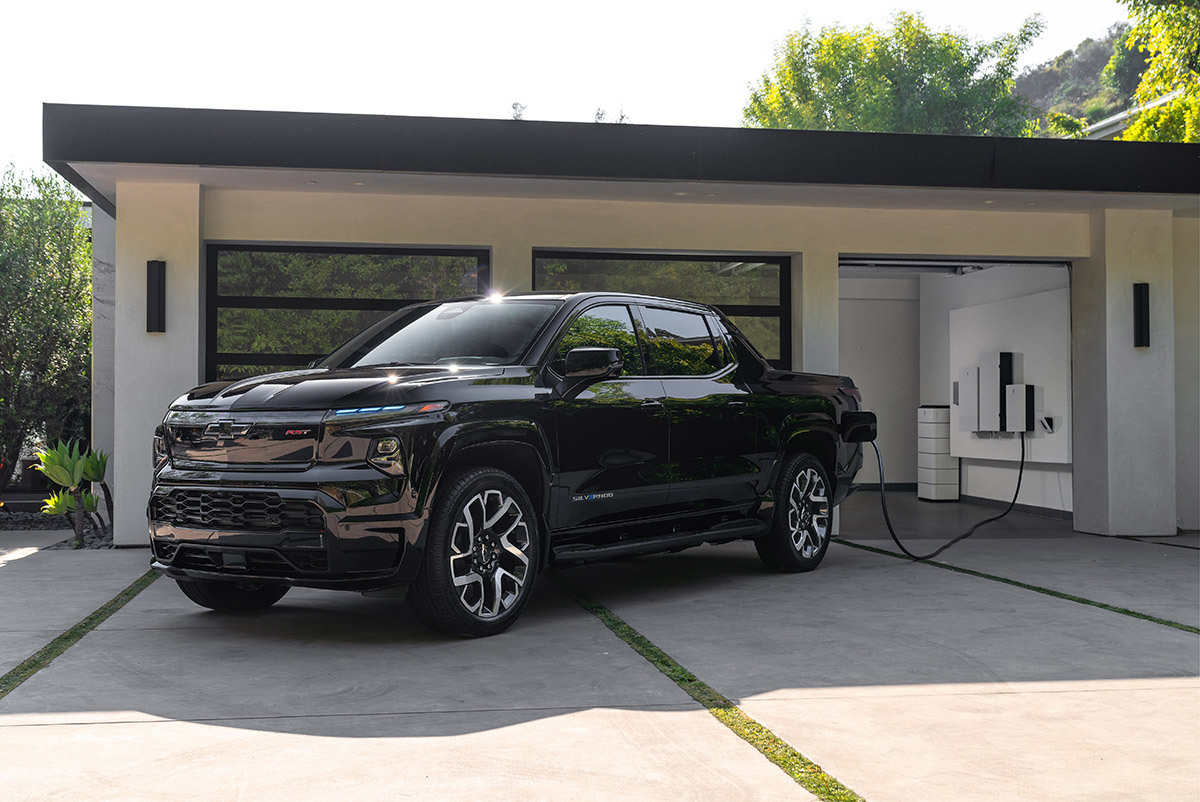
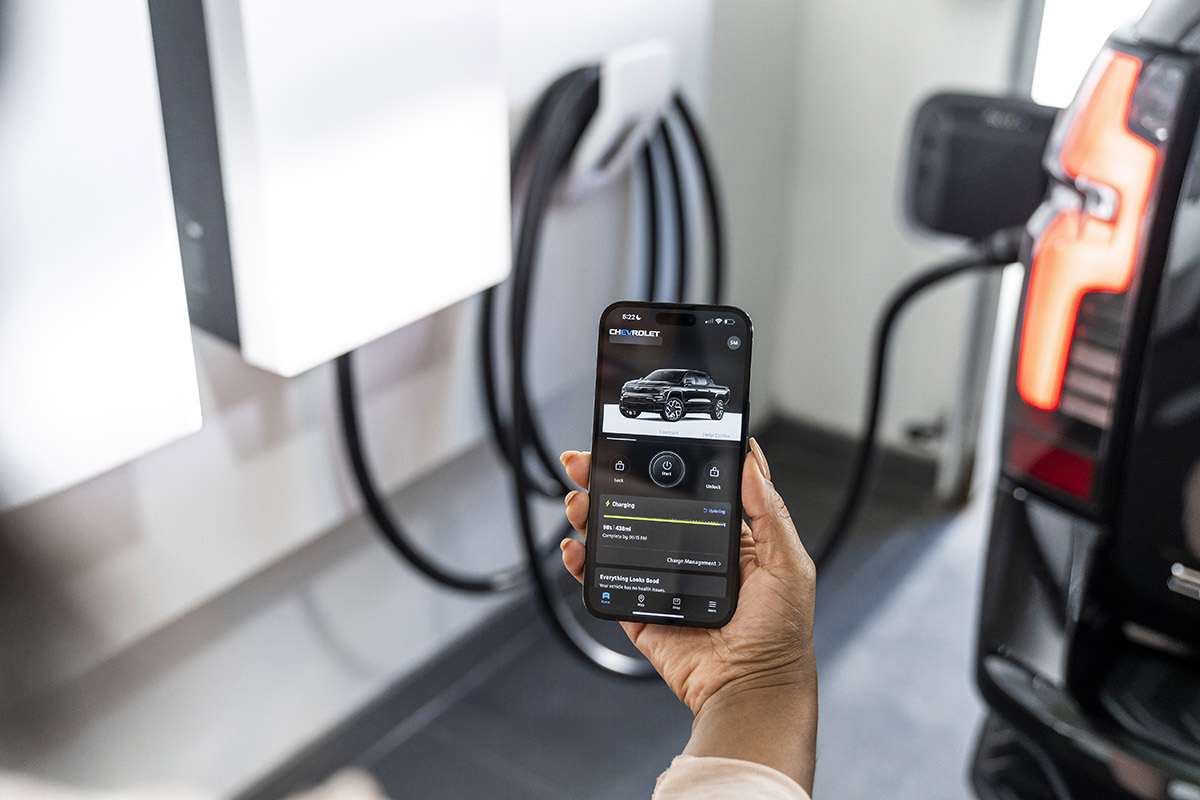
Ford also offers bidirectionality as part of its Home Integration System. It can send power both from the vehicle to the home and from the home to the vehicle.
Automakers are rapidly expanding options. Kia allows drivers to have home power backup. And during periods of high demand, EV owners may cut utility use by siphoning power from the car rather than the electric grid. They can also send power back to the grid.
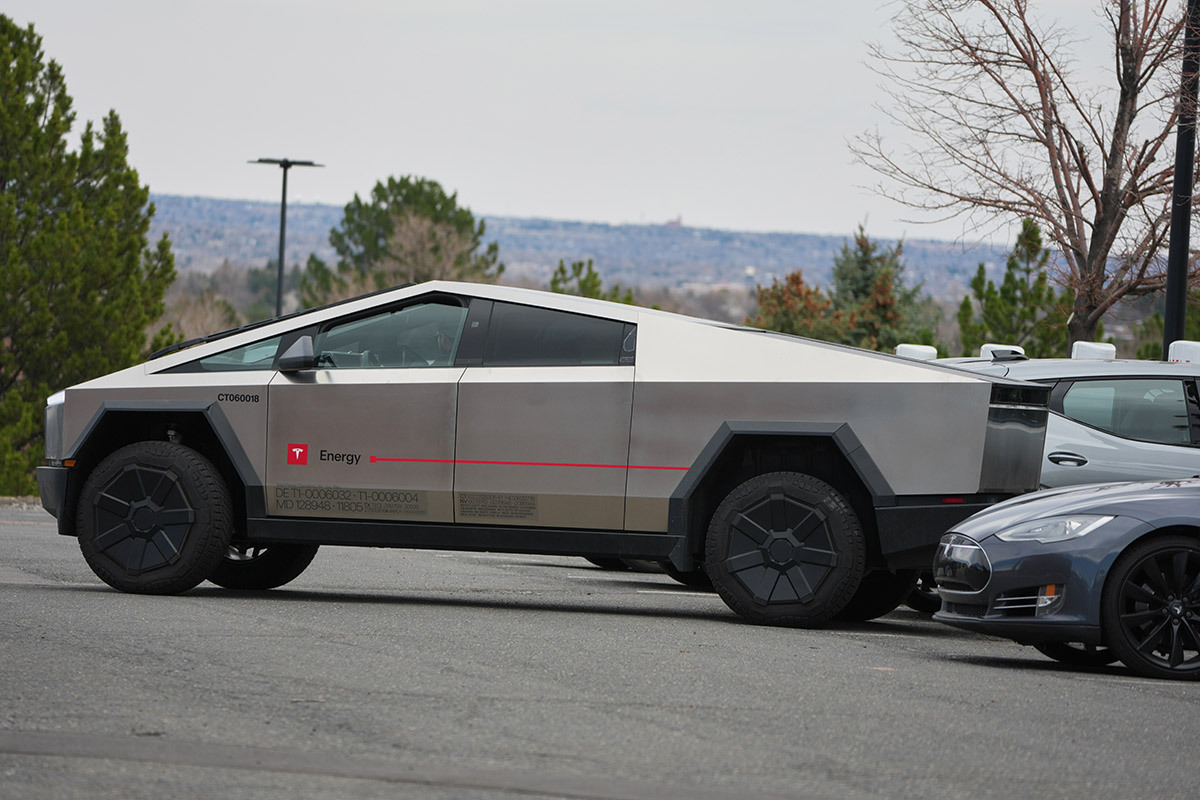
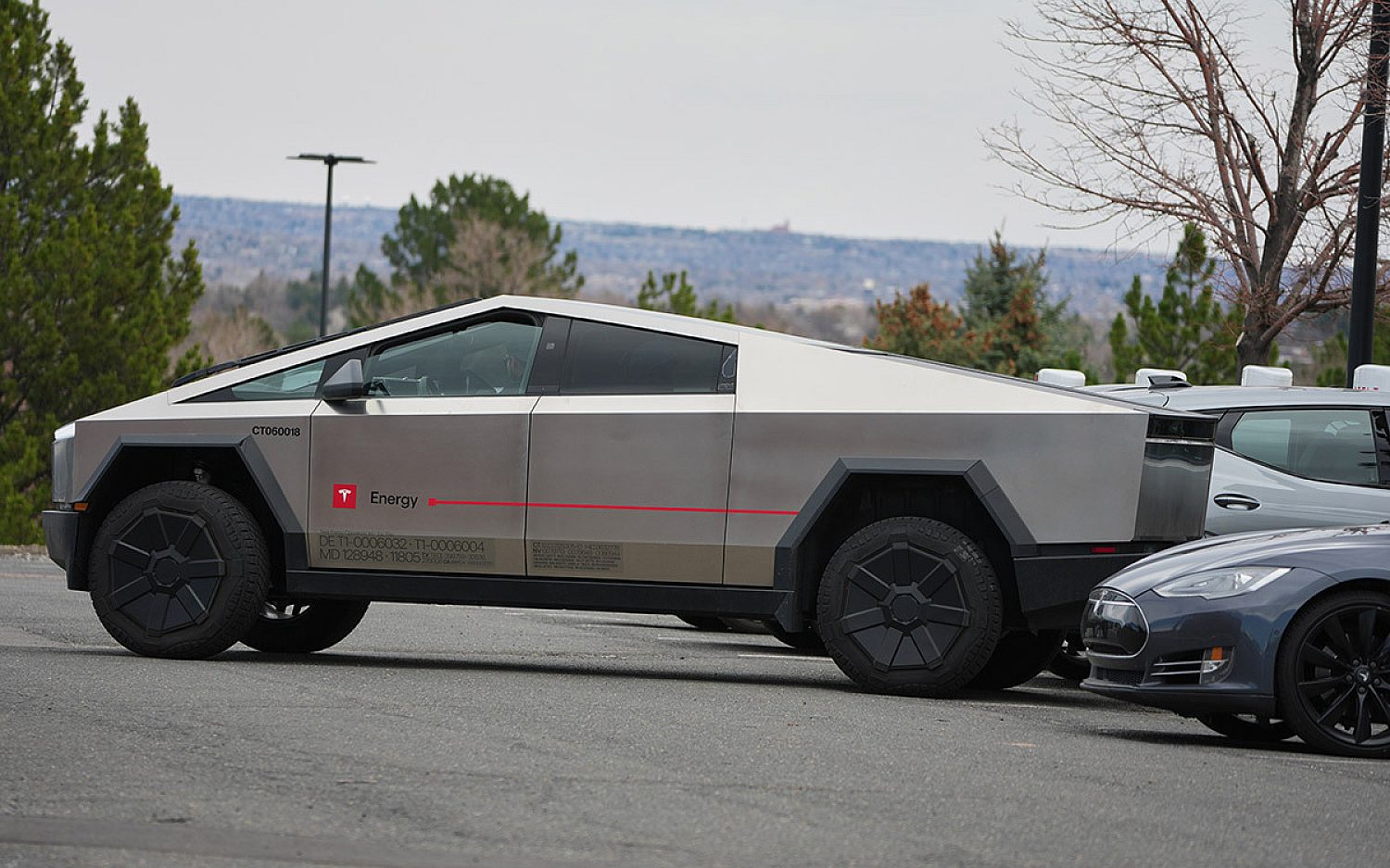
Tesla’s Cybertruck provides full vehicle-to-home capability. Other Tesla models can connect to and power specific devices or appliances.
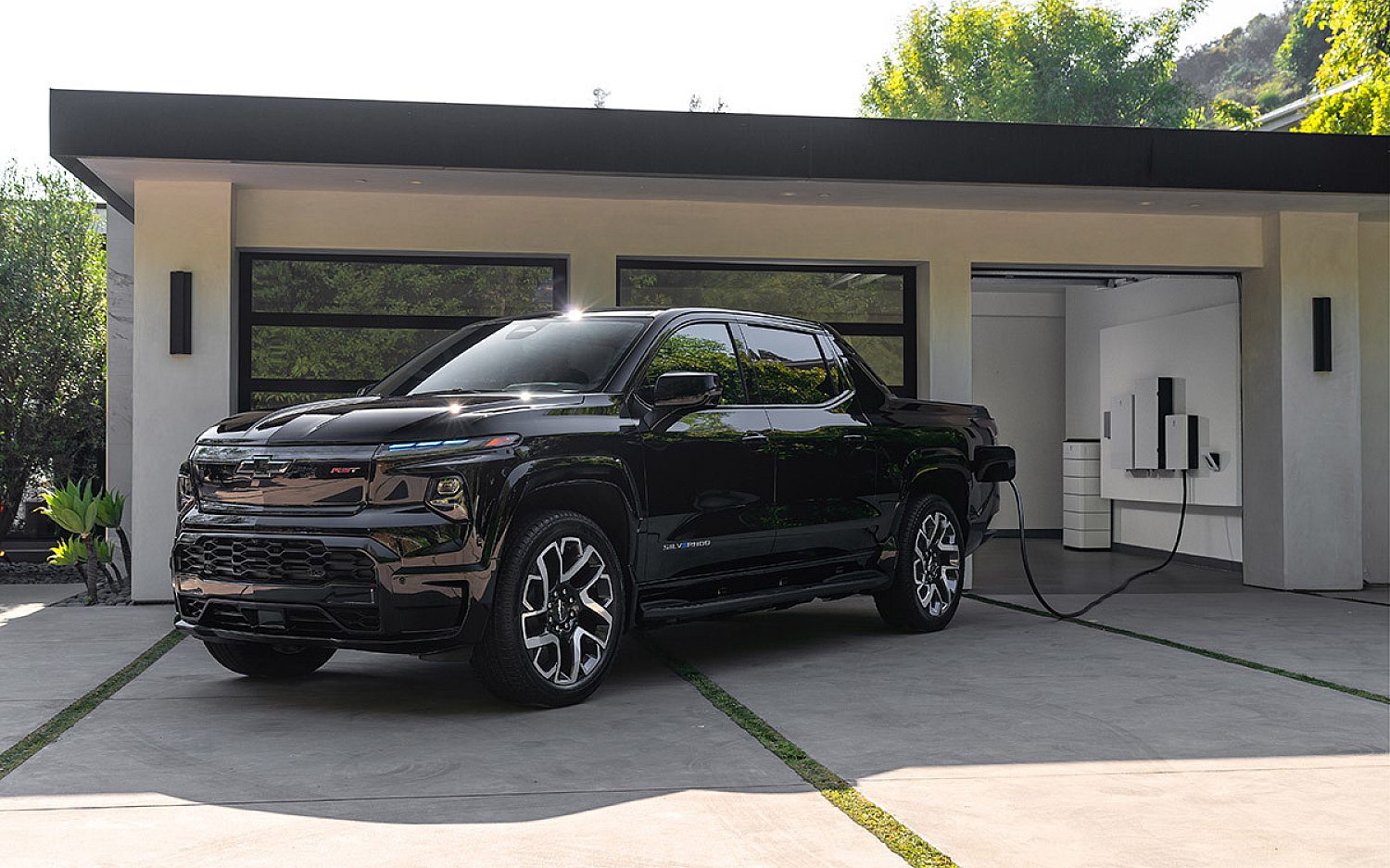
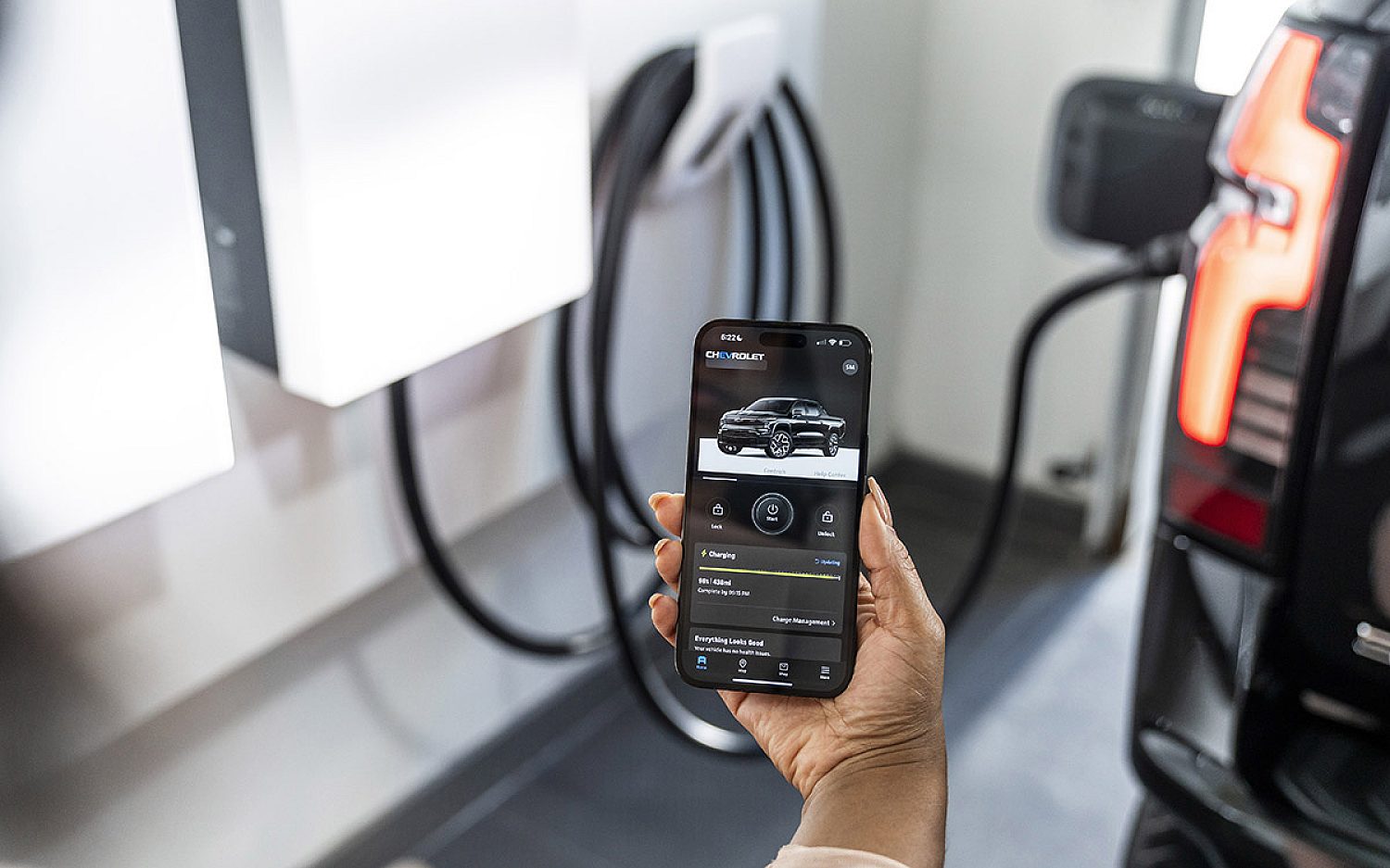
GM’s tech can disconnect a home from the grid during an outage. It will then start supplying power from the owner’s EV.
Conventional portable generators and home battery setups can cost several thousand dollars to install. For drivers who already have an EV, setting up a system is less expensive. Proponents also point out that a portable generator sits idle when not in use. But a vehicle is usually in service for typical auto use when not powering a house.
On the other hand, those who don’t already have an EV can expect to spend between $40,000 to $100,000 on one, depending on the brand. And EVs don’t generate power from nothing. Just as one must have fuel for a conventional generator on hand for outages, an EV owner also has to keep the car battery charged.
Why? It’s wise to prepare for power outages and natural disasters. New ways to use existing EV technology may help.