Have you ever feared losing something irreplaceable? Maybe someone advised, “Better keep a backup.” That’s the idea behind a new venture between Texas-based Colossal Biosciences and the U.S. Fish and Wildlife Service. The two entities are working together. They want to create an archive of genetic materials for every species protected under the U.S. Endangered Species Act.
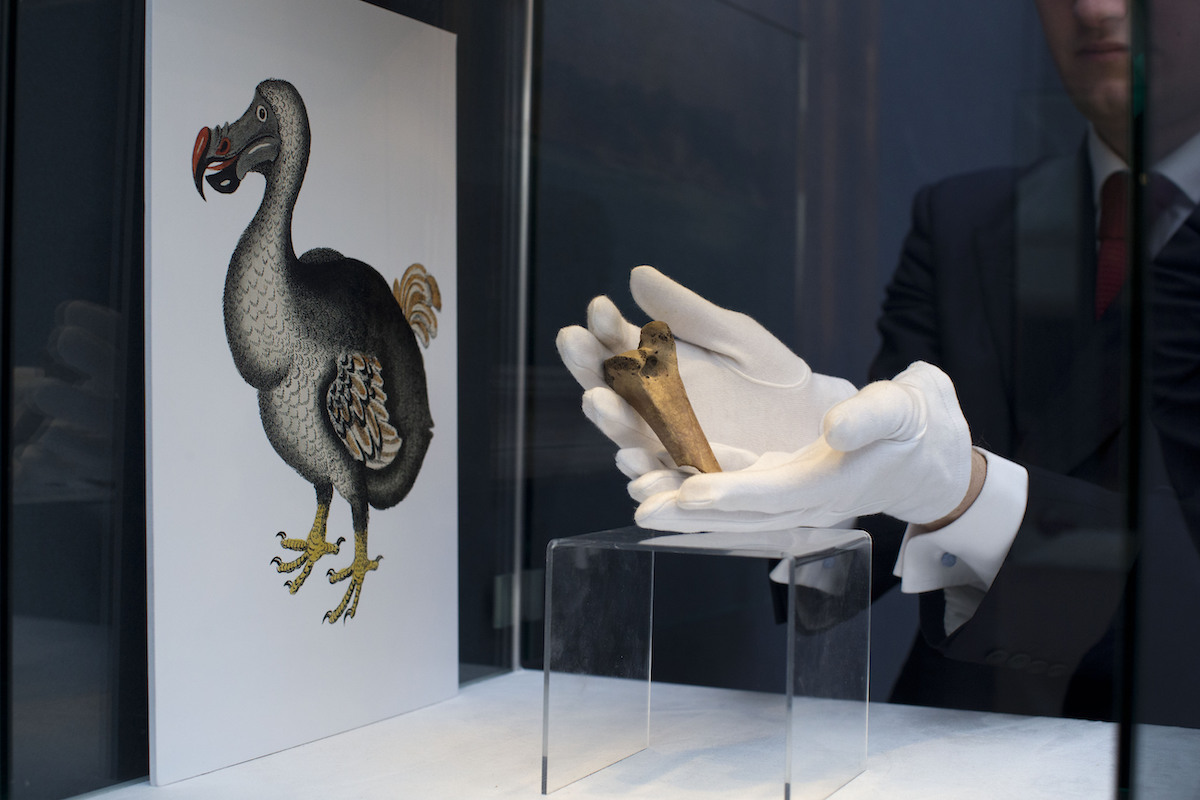
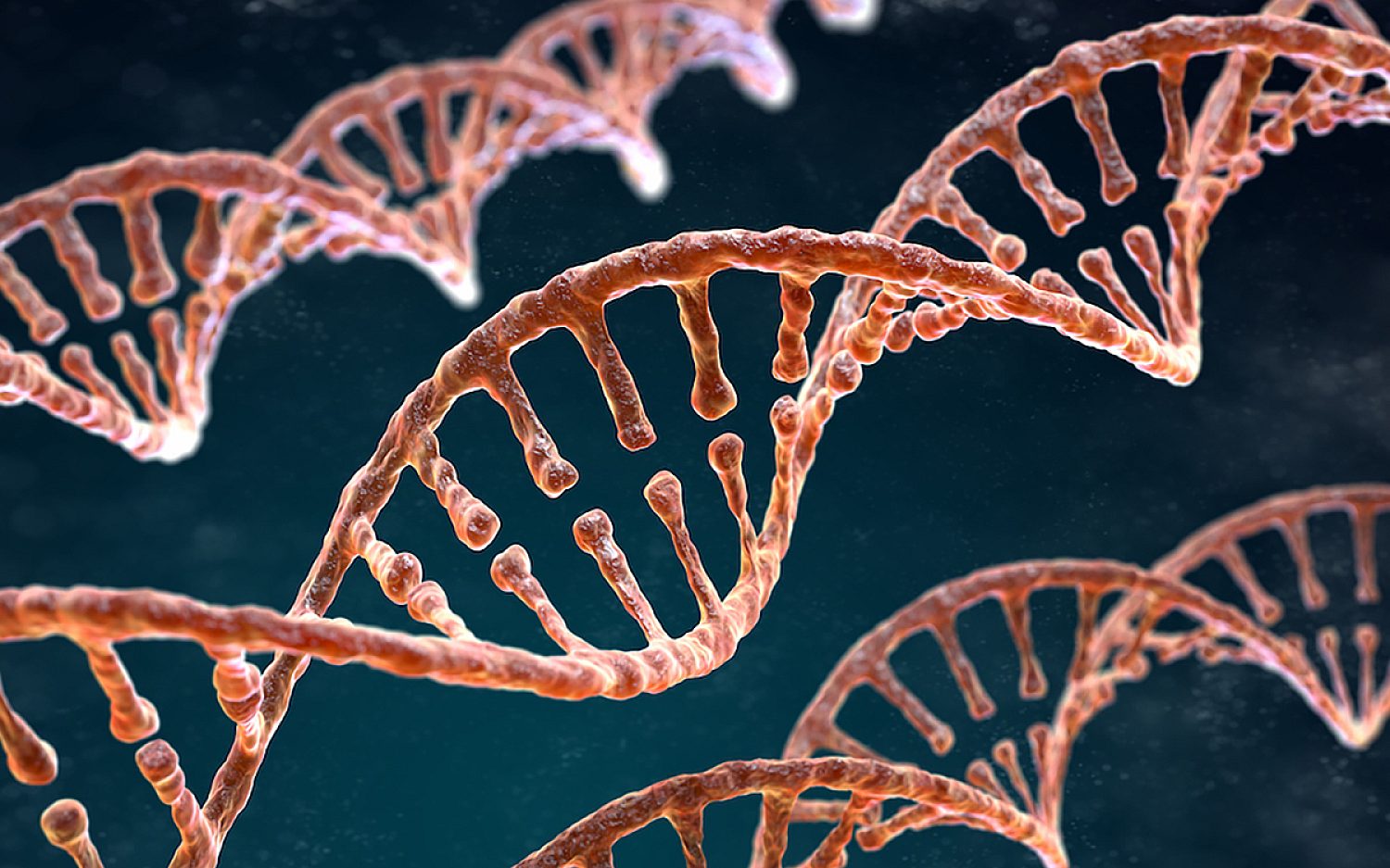
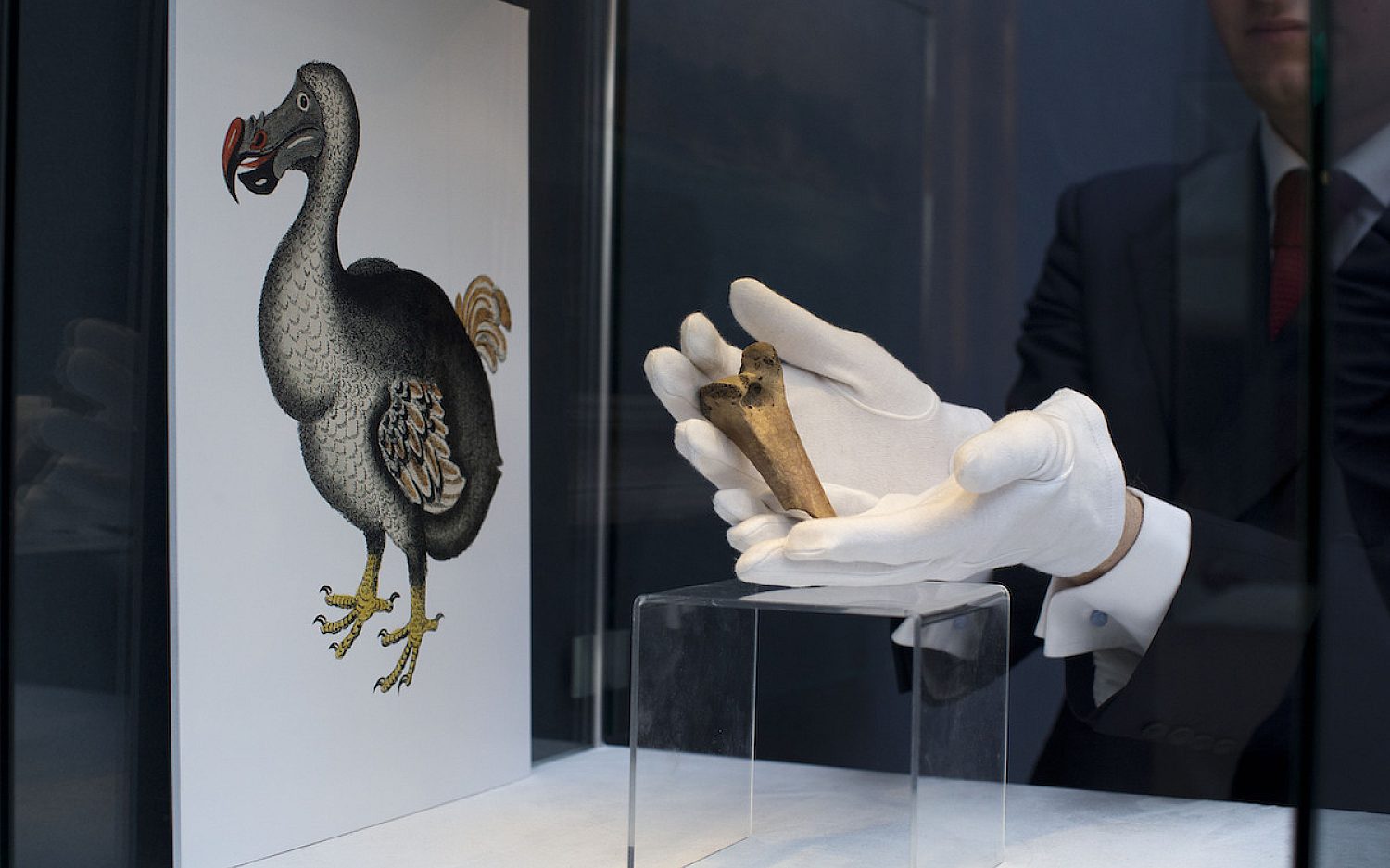
Colossal has numerous projects underway. The company tries to recreate organisms very similar to extinct species, like the woolly mammoth or the dodo bird. Scientists refer to resurrecting the vanished as “de-extinction.” But the genetically engineered recreations aren’t exactly like the original, God-created animals. In every case of attempted de-extinction so far, scientists have altered the DNA of similar living animals. They give those animals some traits of the extinct species. So if humans can’t resurrect the dead, what’s the next best thing? Preserve the gene code of threatened species, so the blueprints are perfectly intact before extinction happens.
Enter Colossal’s planned BioVault.
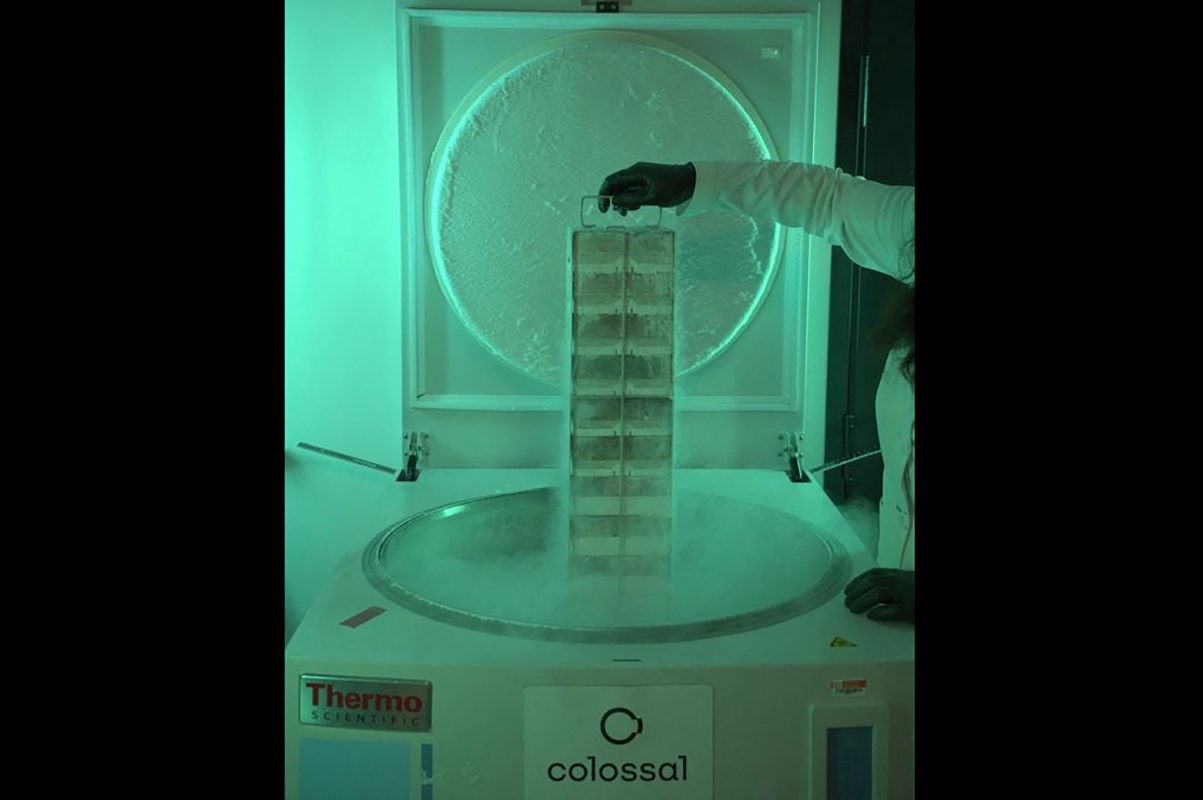
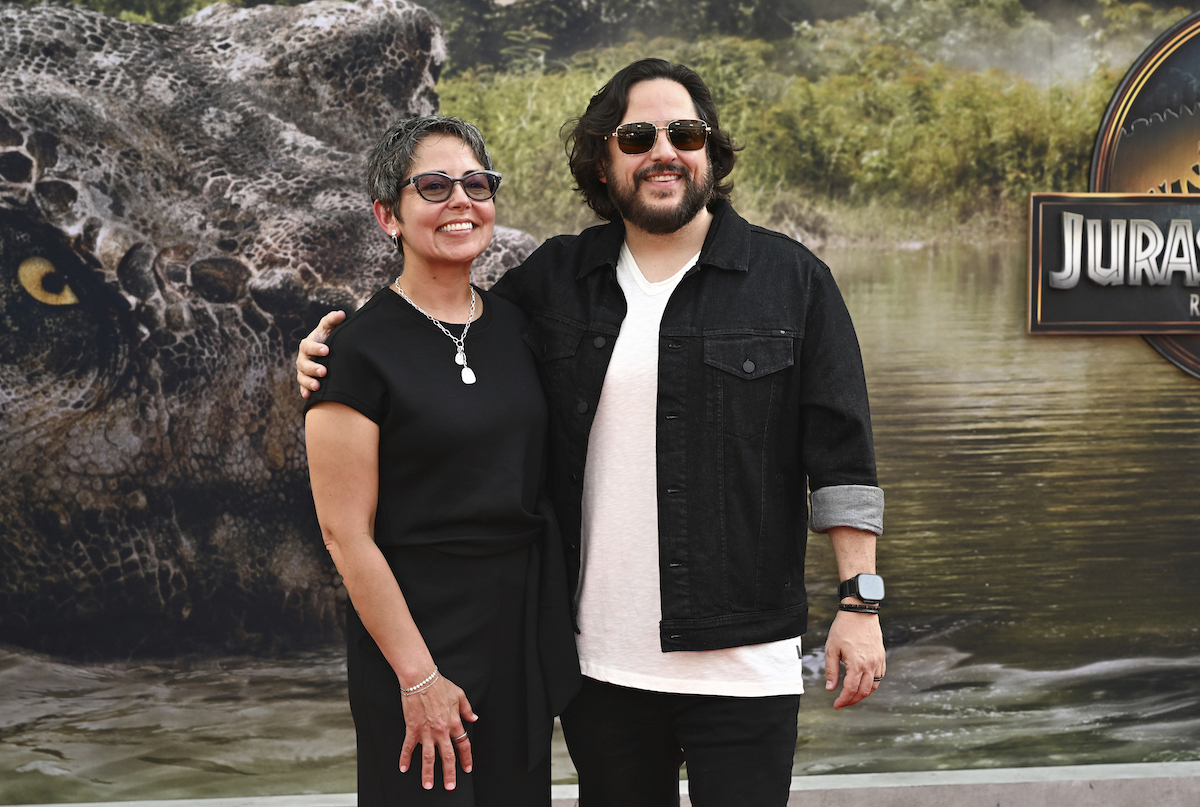
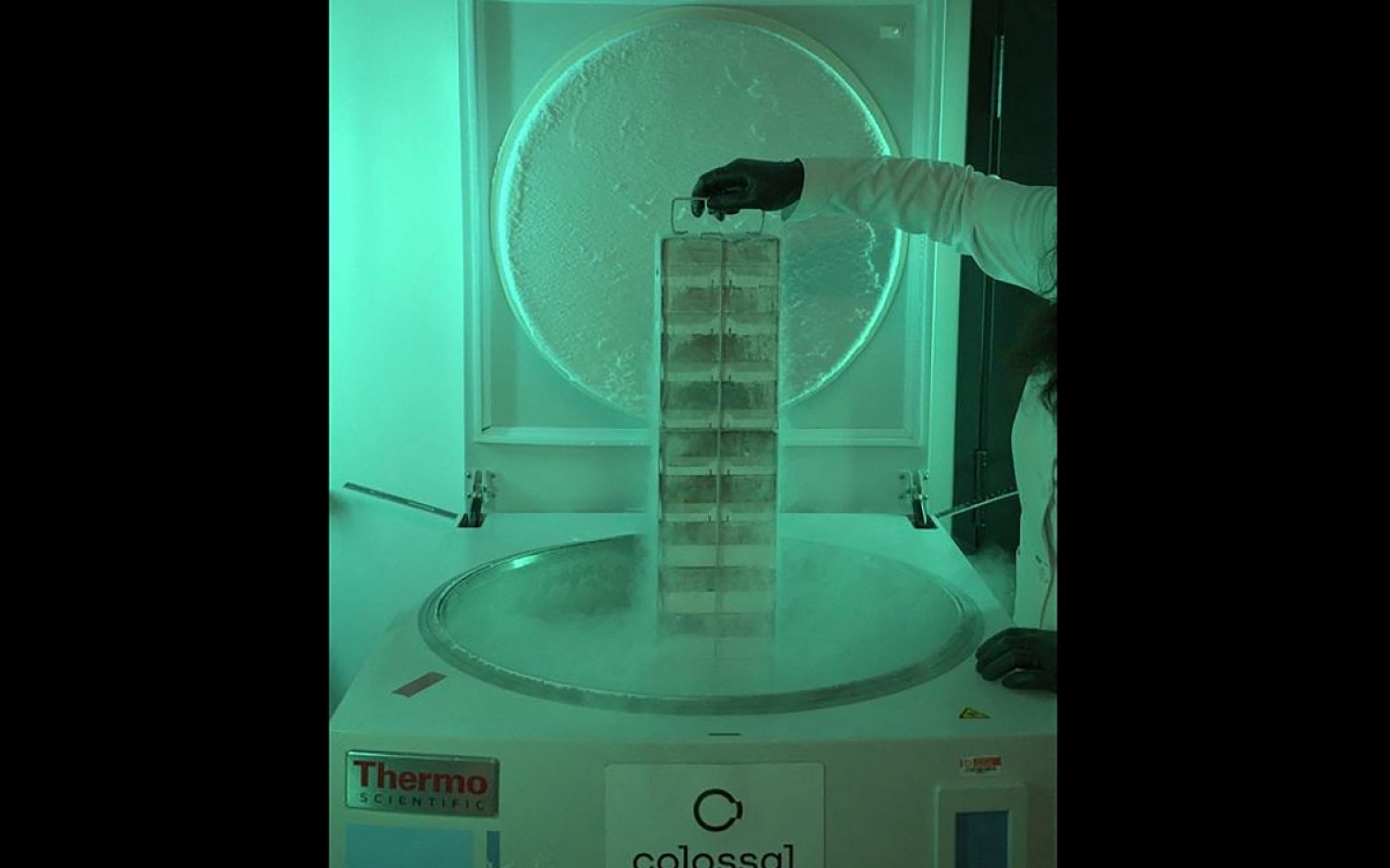
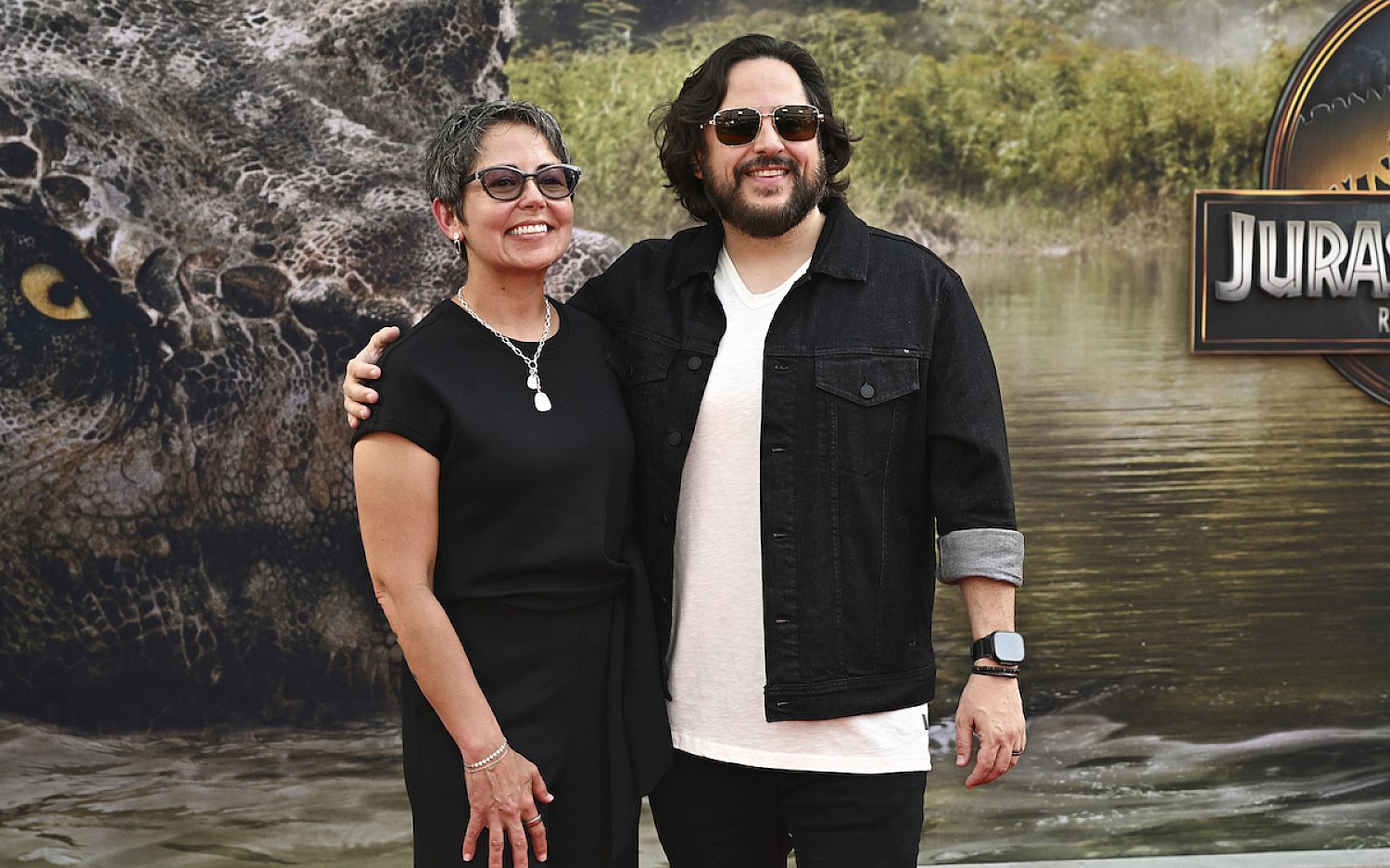
Colossal’s CEO and cofounder is Ben Lamm. He says the company plans a permanent resource that scientists around the world can access. It will consist of a cryogenic (very low temperature) archive storing living cells, reproductive tissues, and genomic DNA. All samples are to be collected before threatened or endangered populations collapse. These materials could help those species reproduce before all living specimens are gone.
Samples in the BioVault will be stored in liquid nitrogen at about -320° Fahrenheit. And there will be multiple locations. The redundancy will protect the samples under every circumstance planners can imagine. That way, “no single event, whether a natural disaster, power failure, or regional disruption, can compromise the integrity of the collection,” Lamm says.
The practice of saving genetic material is called “biobanking.” It’s been happening for decades, but not with systematic intention. Some liken the BioVault to the story of Noah’s ark. Lamm sees the connection.
“The Noah’s ark metaphor is about preserving the blueprint of life before it’s lost, not waiting until a species is on the brink to start paying attention. Noah didn’t build the ark after the flood. The whole point was preparation, preservation,” Lamm says. But, “We’re not loading two of every animal onto a boat. We’re preserving the genomic and biological building blocks.”
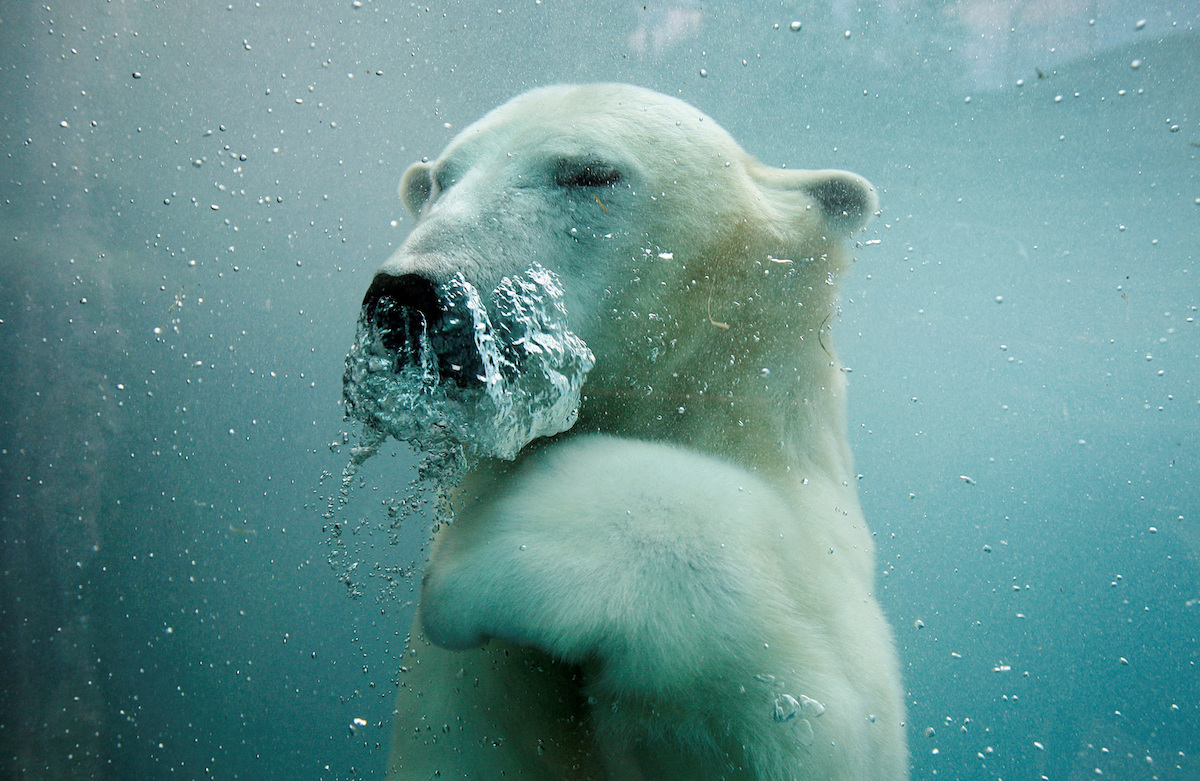
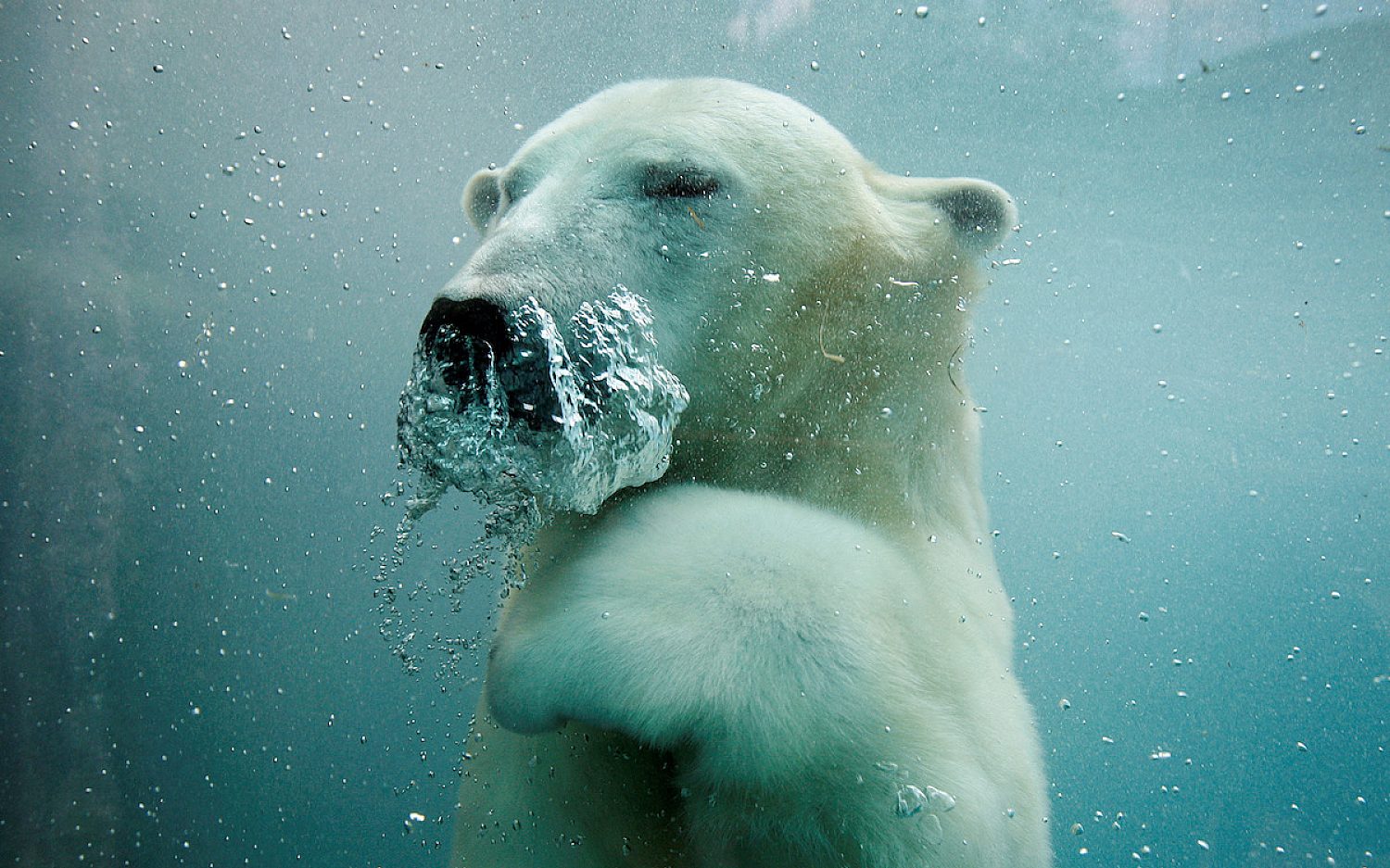
What makes it into the BioVault? The goal is preserving all 2,300 or so species protected under the Endangered Species Act. God designed a creation with great biodiversity. Every species has its place. Those range from the famous polar bear to the obscure Hine’s emerald dragonfly, which hovers now on the brink of extinction.
Why? Every species with which God filled the Earth has a place in the biodiverse balance of creation. Part of dominion-taking is preserving that variety and preventing extinction.
Recommended Reading: For more about efforts to save endangered animals, read Condor Comeback by Sy Montgomery.