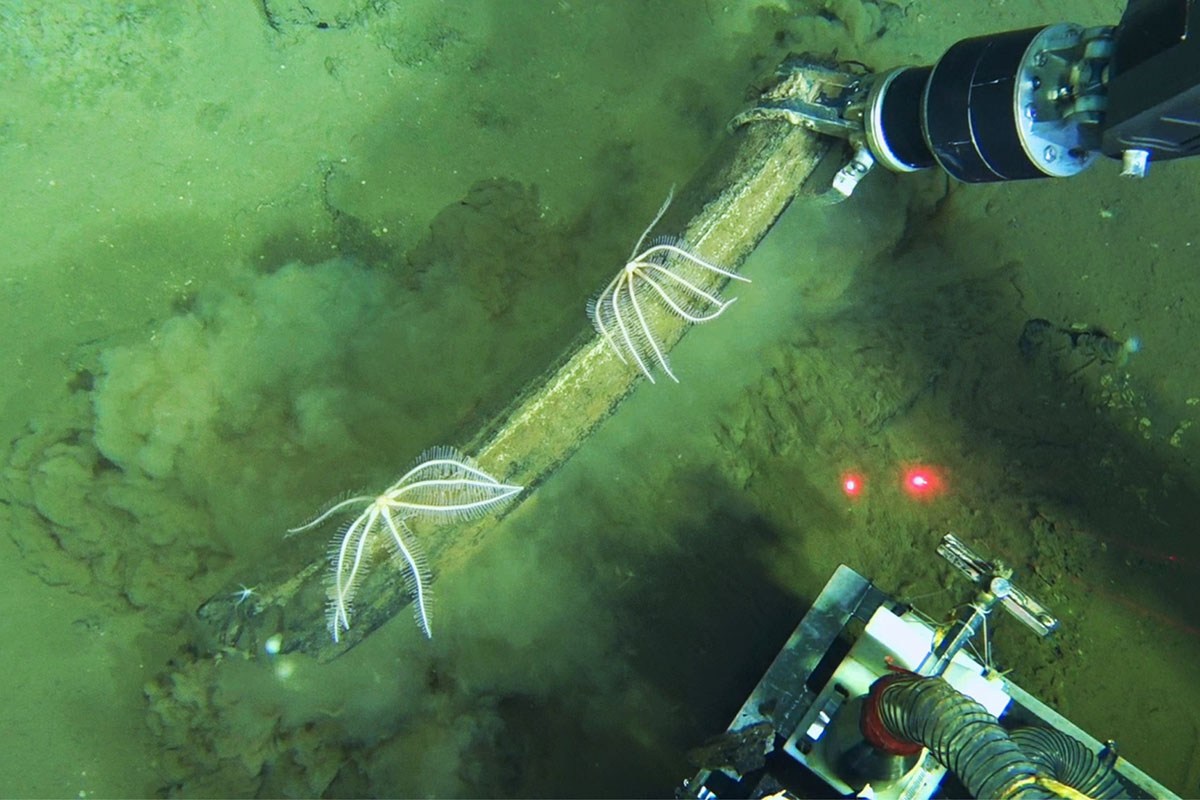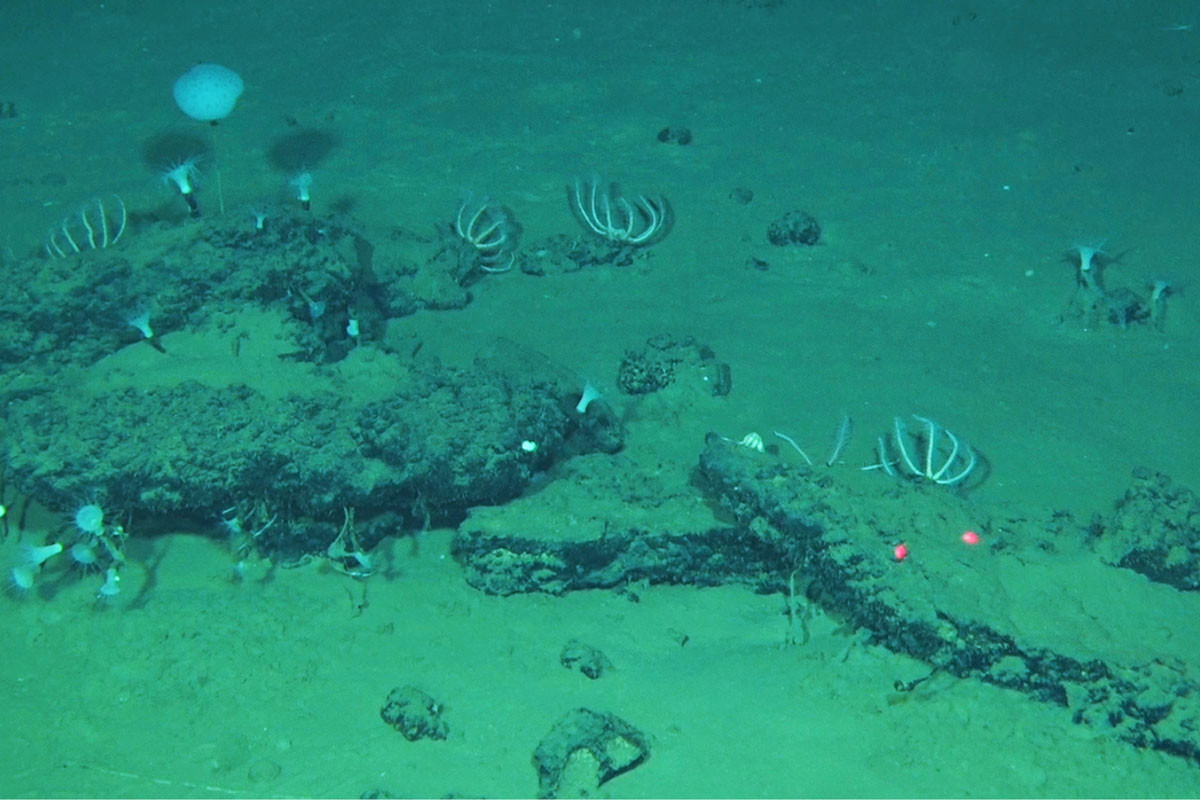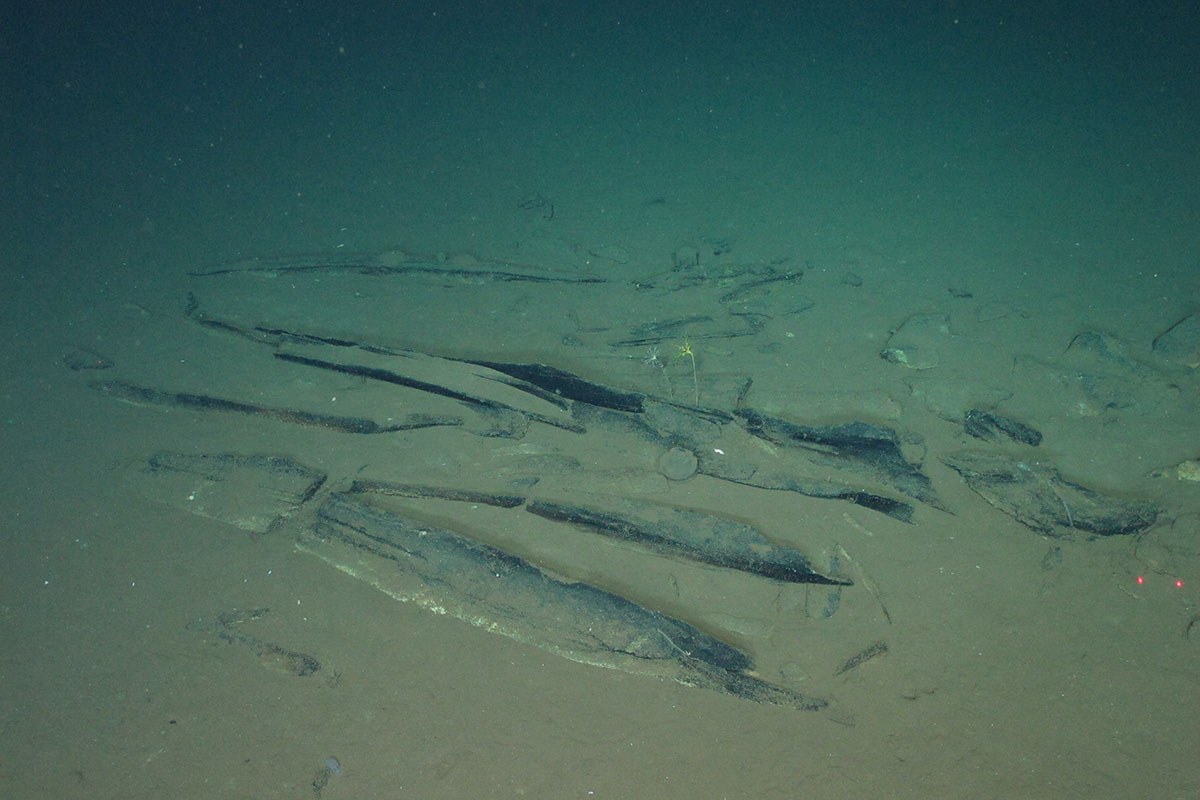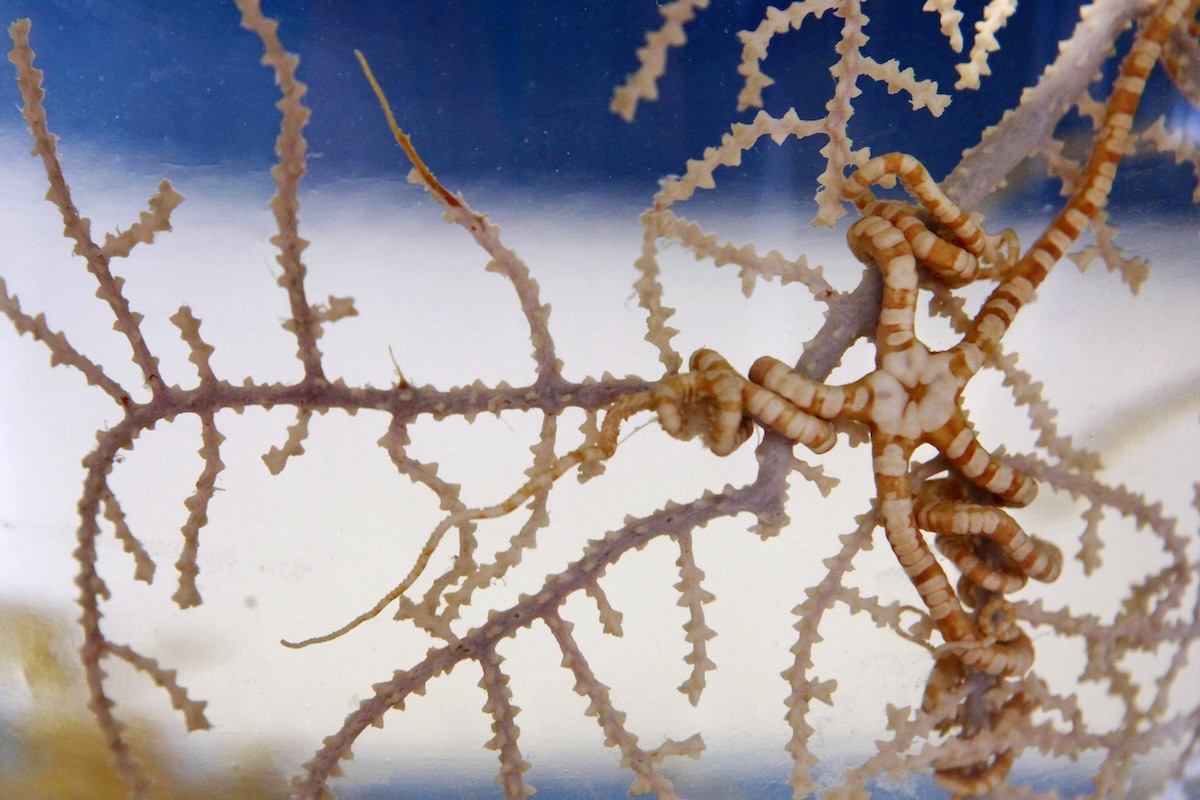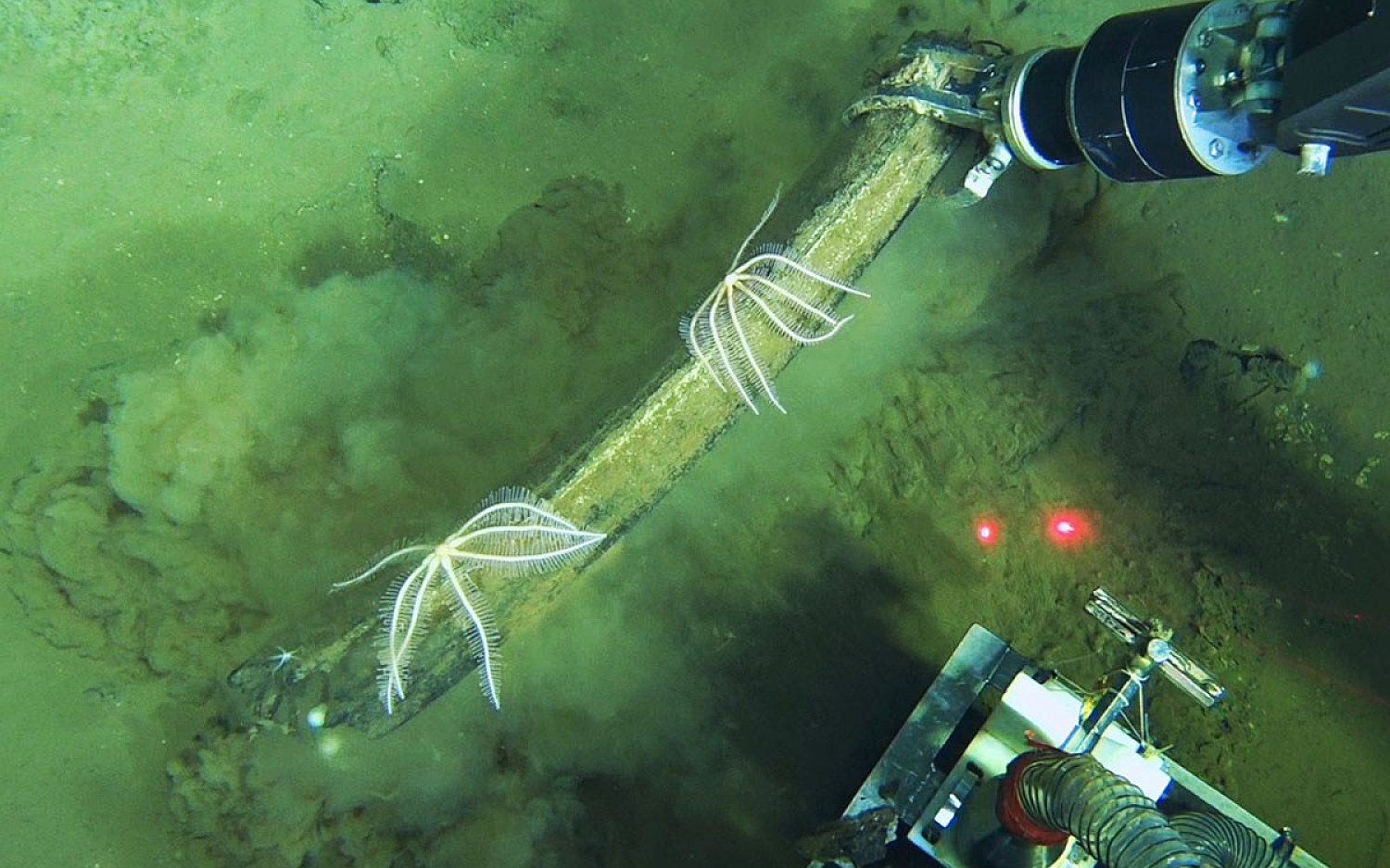
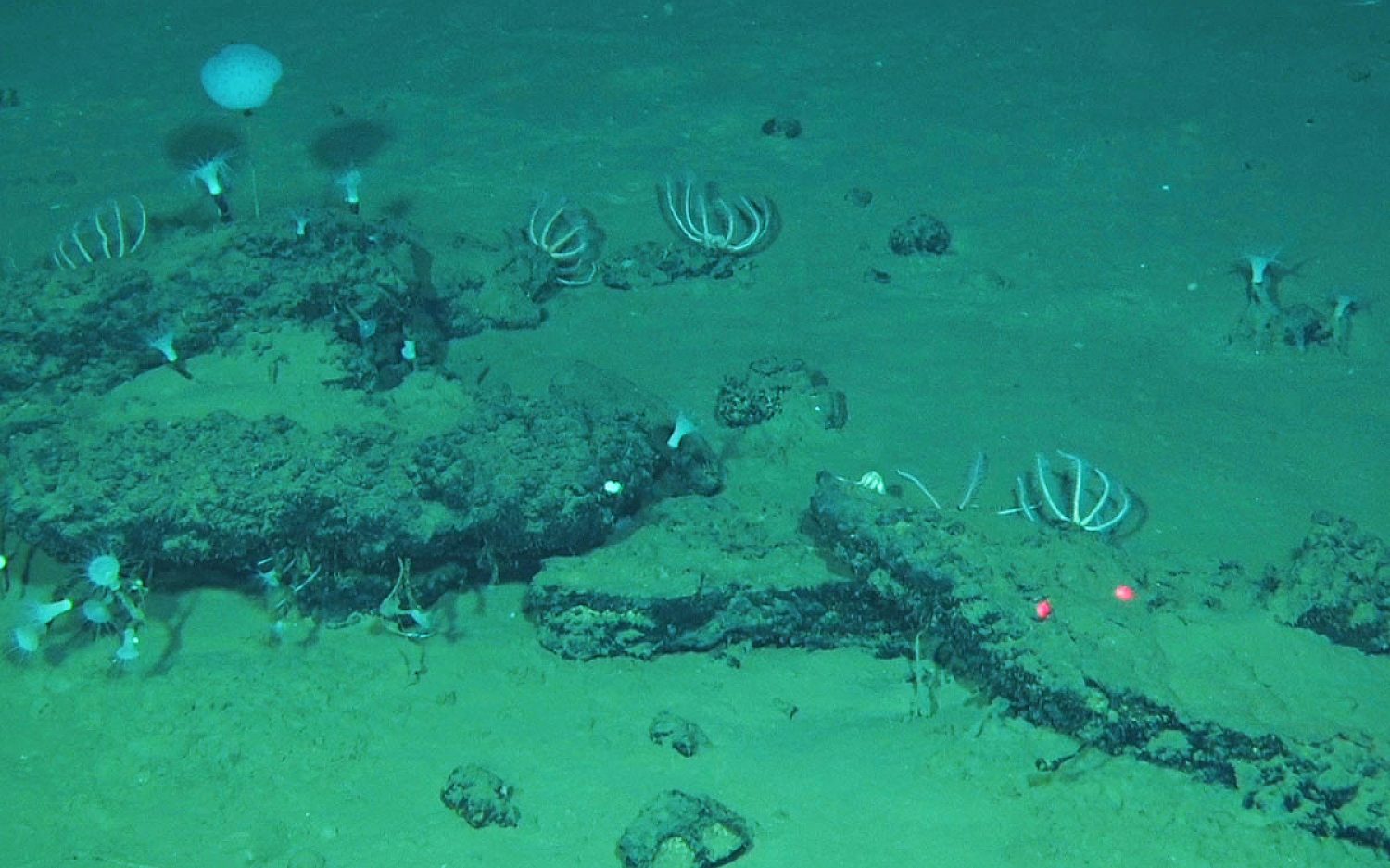
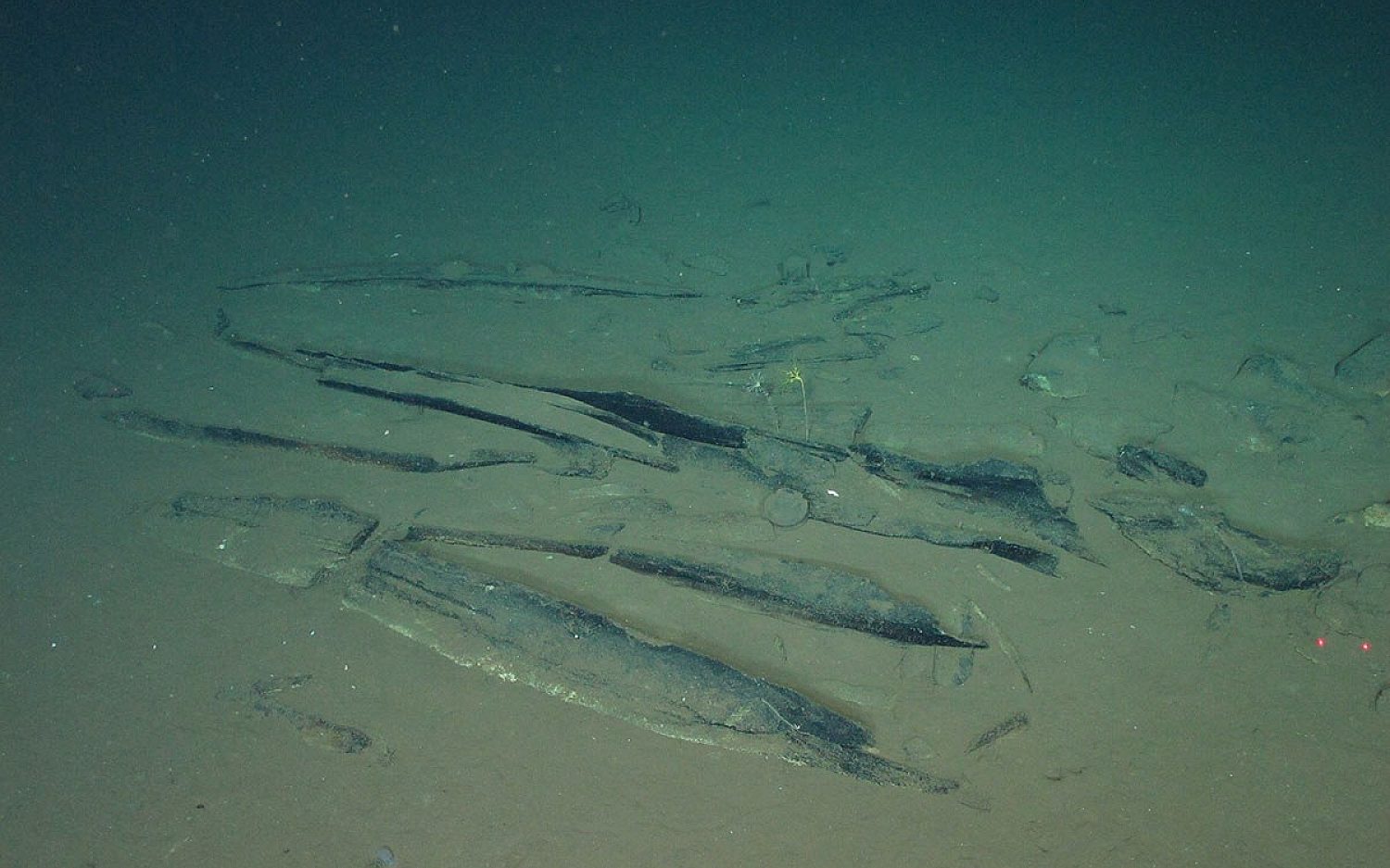
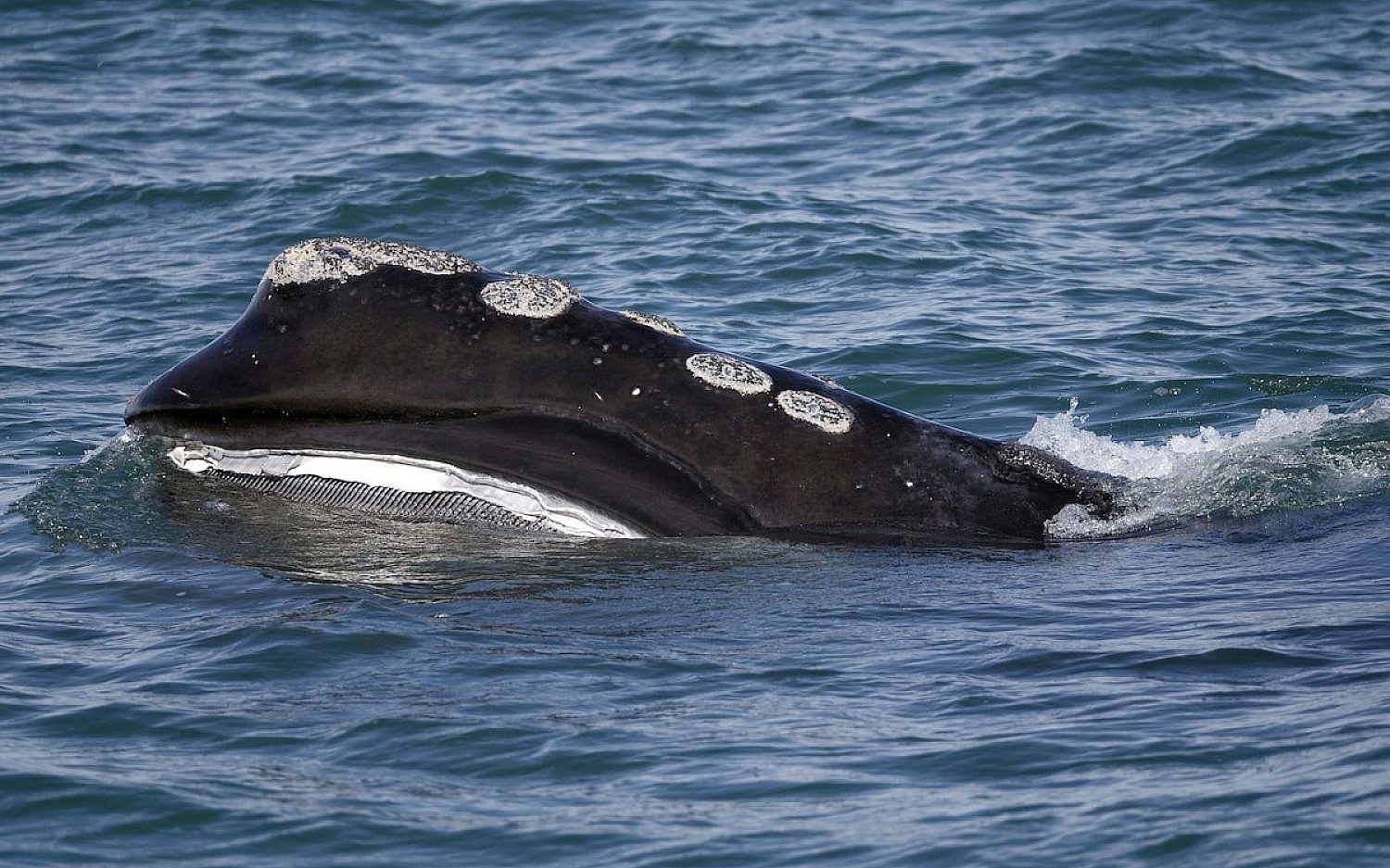
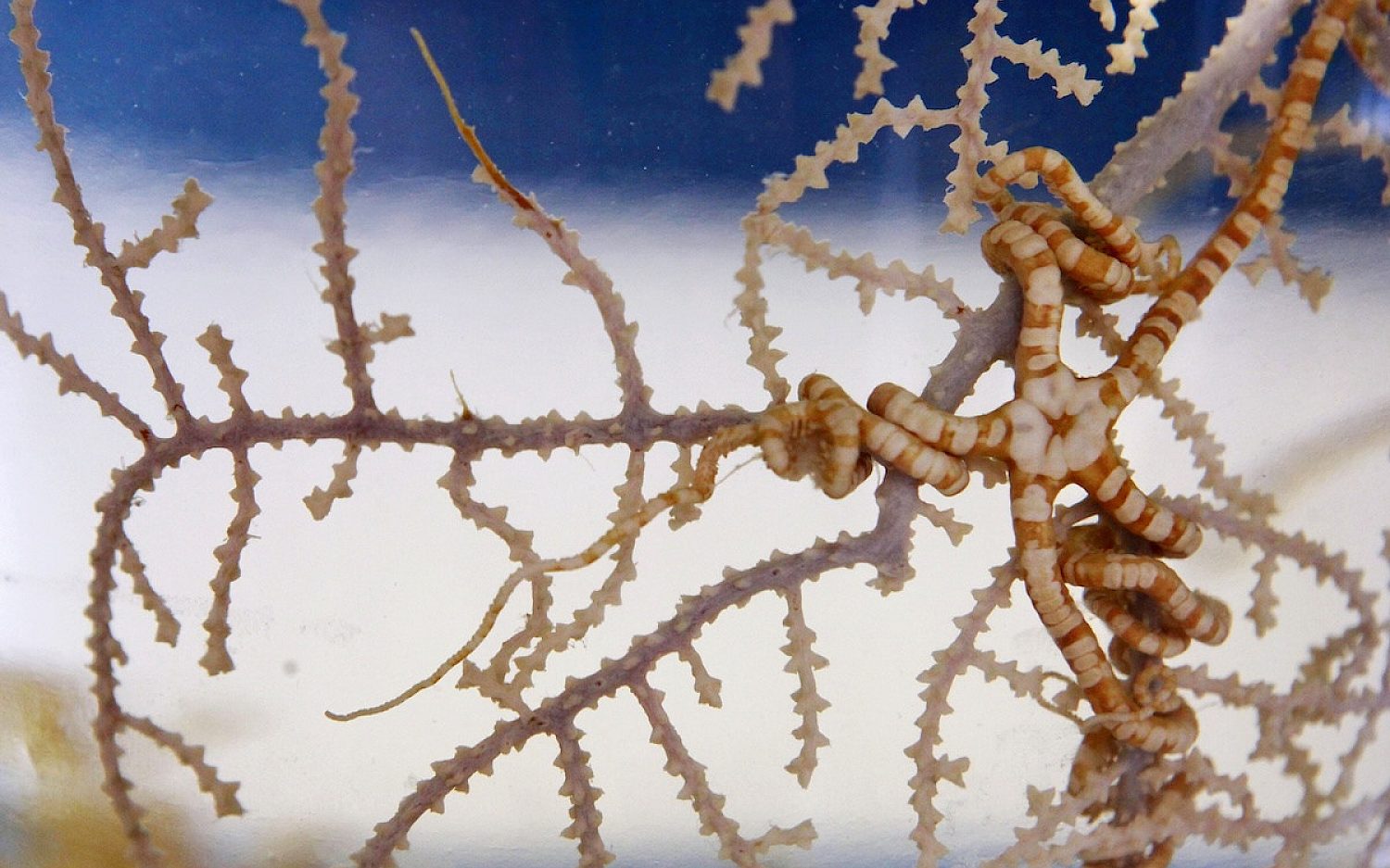

A whale graveyard lies deep below the surface of the southeastern Indian Ocean. But while the whales died many years ago, their final resting place is a lively marine neighborhood. Jellyfish, tubeworms, brittle stars, and other creatures thrive there.
This spot is located up to 23,000 feet below the surface. It is the largest, deepest, and possibly oldest whale graveyard found to date.
A whale’s sheer size and the unique chemistry of its bones are the keys to forming these unique underwater neighborhoods, says biologist Xikun Song. A sunken whale carcass is called a whale fall.
“The very nature of the deep ocean makes these sites exceptionally difficult for scientists to locate,” Song wrote.
Researchers explored the remains during multiple deep-sea submersible trips in 2023. They collected samples and mapped the extent of the necropolis. They found five carcass sites and fossils, including skulls belonging to beaked and baleen whales. The oldest bones appear very ancient.
Feeding and living on the carcasses were myriad creatures, large and small, including sea cucumbers, squat lobsters, and saltwater clams. Many of them are species that have never been documented.
Several factors likely came together to preserve the bones, according to the study authors. They’re dense enough to outlast attacks from bone-eating worms. They are also located deep enough in the ocean to avoid getting buried by dust and loose particles. A light layer of minerals from the surrounding seawater coated them. This may have prevented them from degrading.
Why did so many whales die here? They could have already been living in the area and died of natural causes. A few may have perished from exhaustion or illness caused by deep-sea diving. The area’s shape, akin to the letter V, might also have funneled the remains to their resting spot.
Such discoveries clue scientists in to vibrant places of life even in remote, hard-to-reach environments.
Studying the whale graveyards “is important for understanding how life can adapt to such extreme conditions, not only due to the lack of light and oxygen but also to the incredibly high pressure,” says study co-author Giovanni Bianucci.
In this world, every living thing eventually dies. But in God’s good creation, out of death can come life. A whale’s body nourishes whole ocean communities. In an even greater way, salvation and eternal life for us come out of Jesus’ death.
Why? In God’s goodness, life can come out of death. Nothing is wasted.