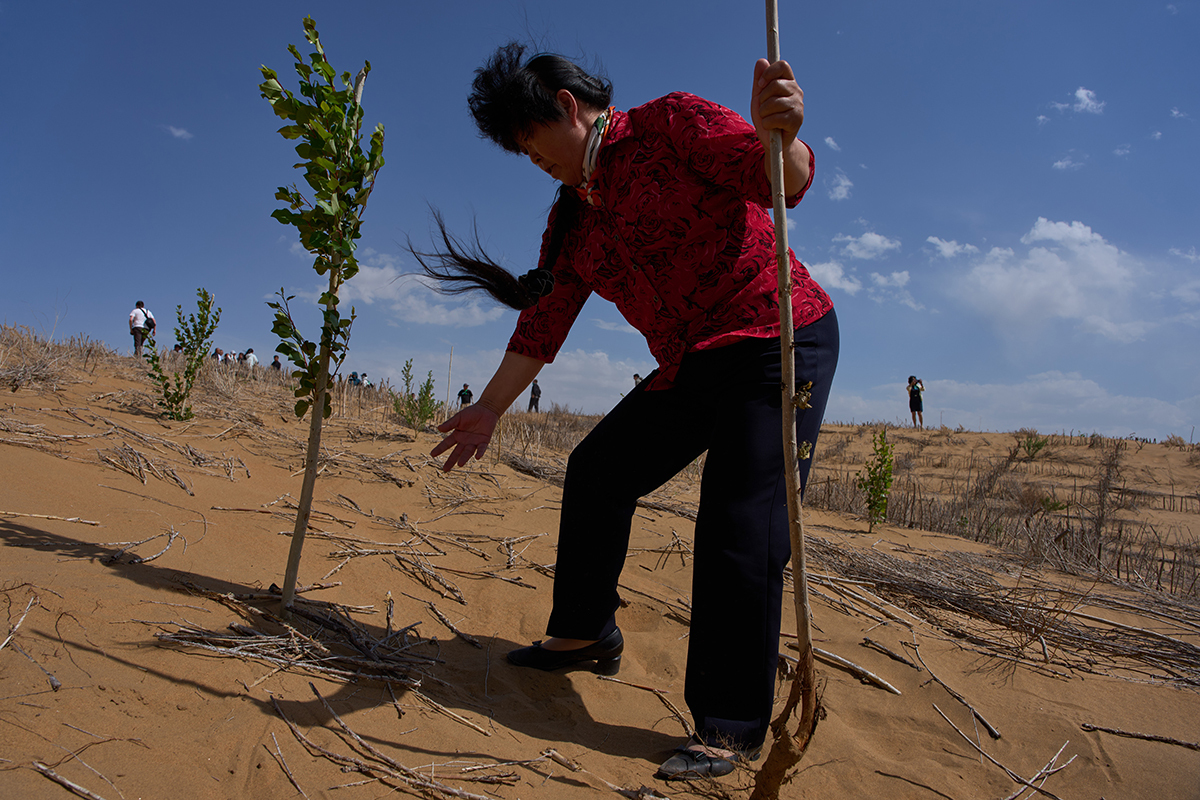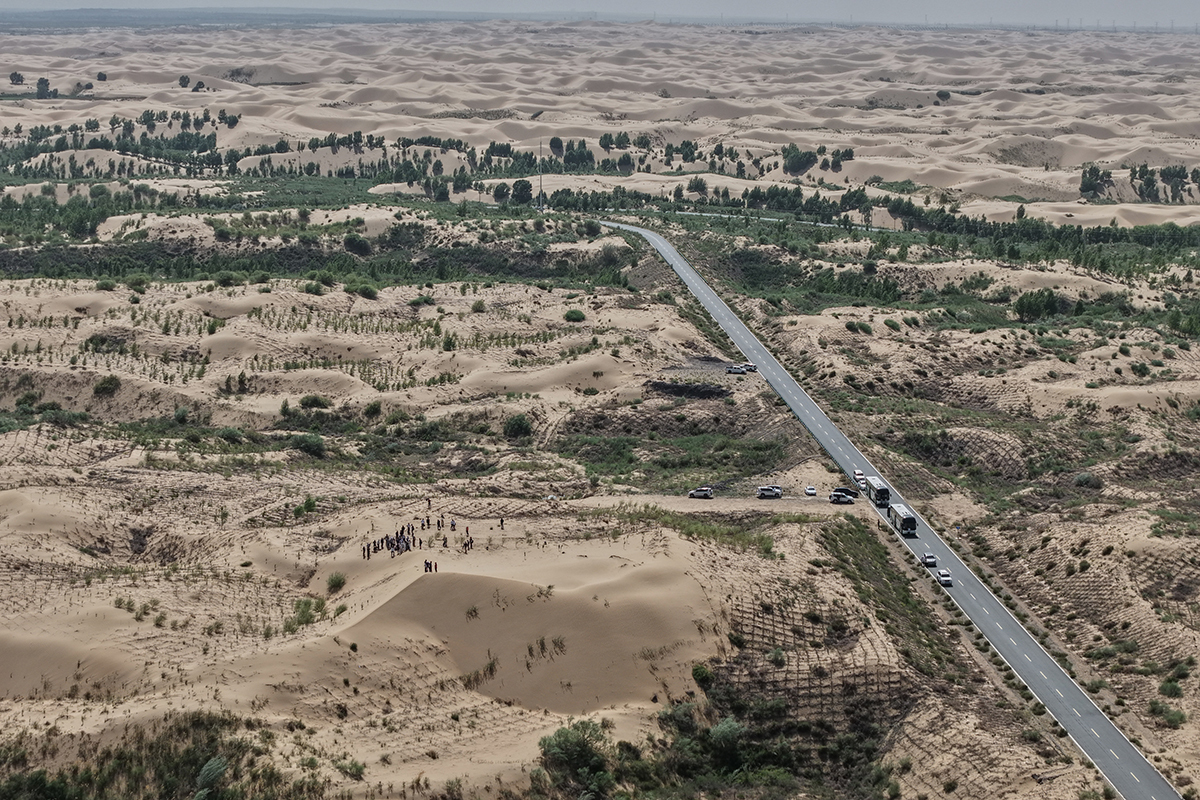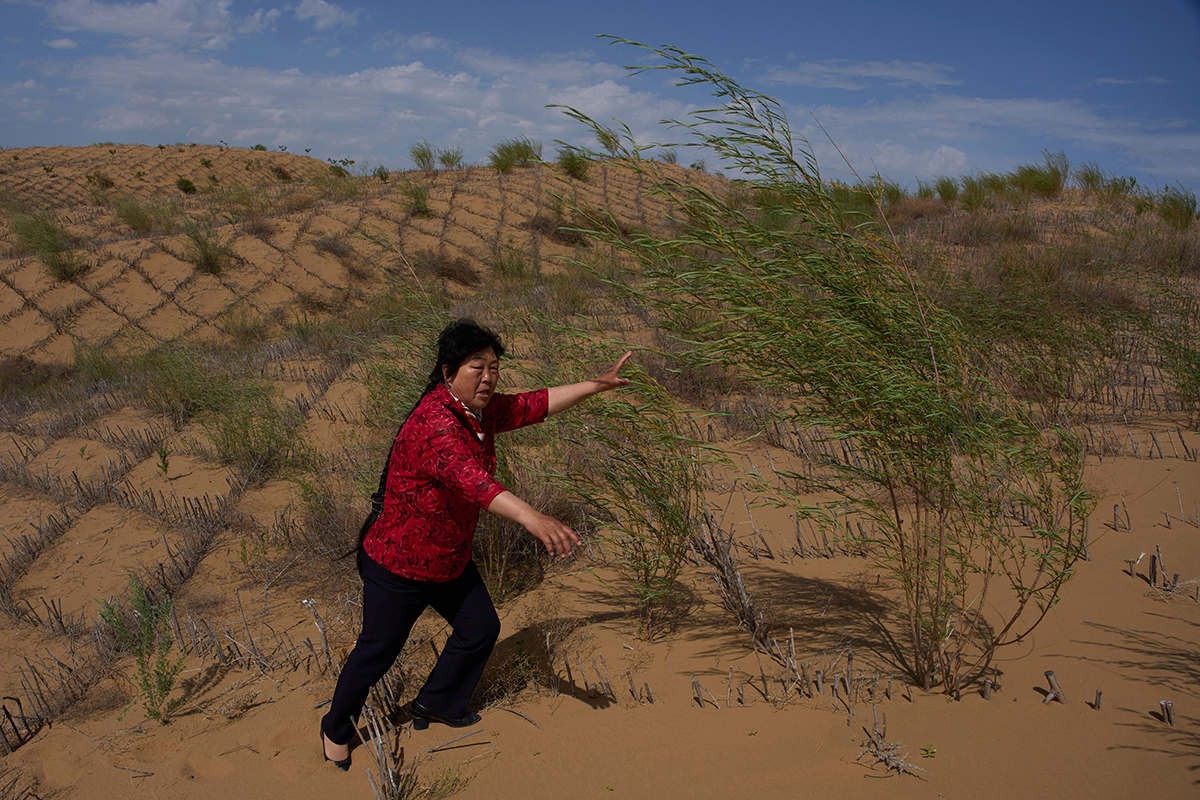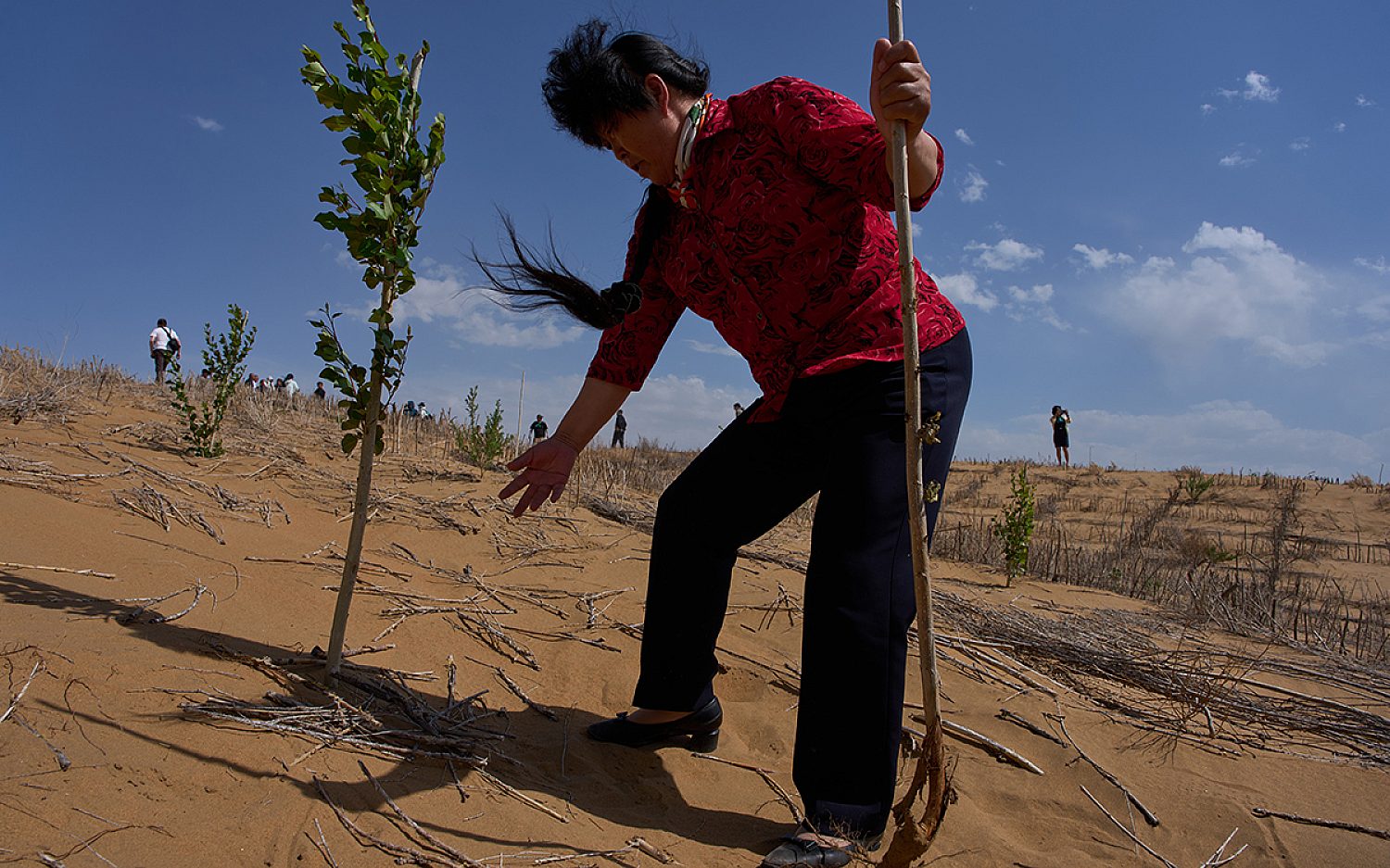
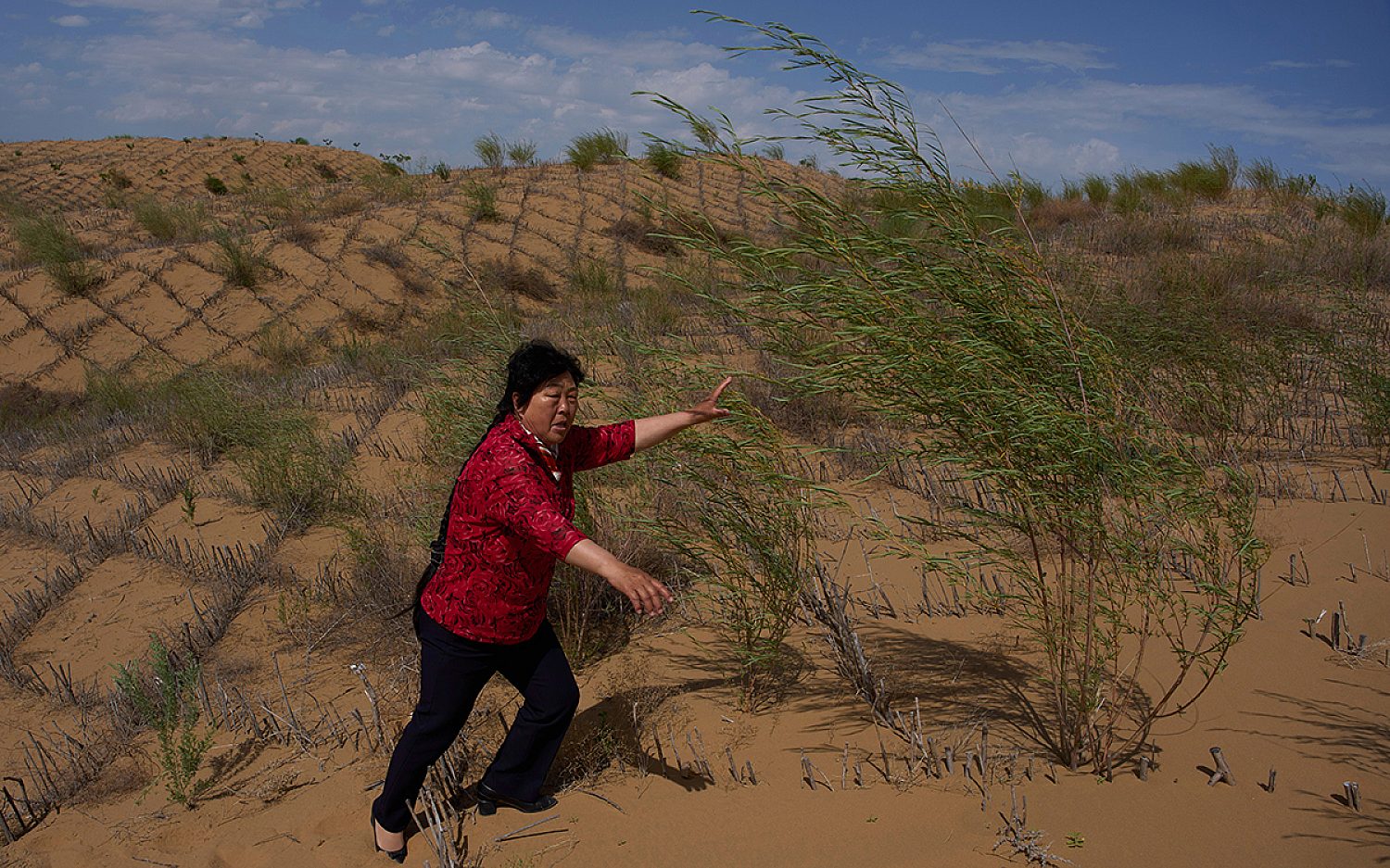
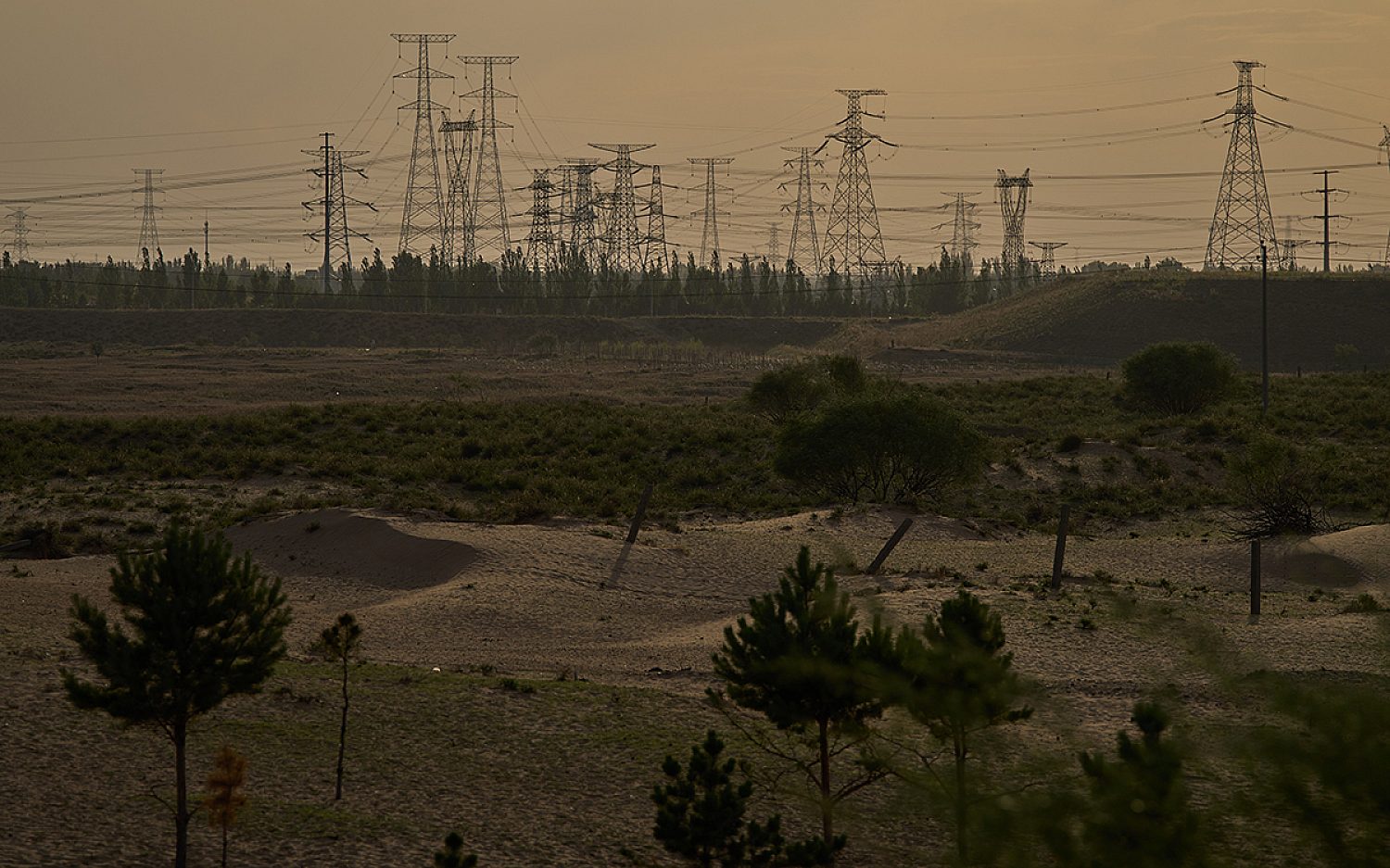

China’s Great Green Wall is meant to hold back not invaders but the desert. The Three-North Protective Forest Program began in 1978. Since then, millions of workers have planted trees in northern China. They place forearm-length sticks into shifting sand, forming a grid. Then they plant saplings at the center of each square.
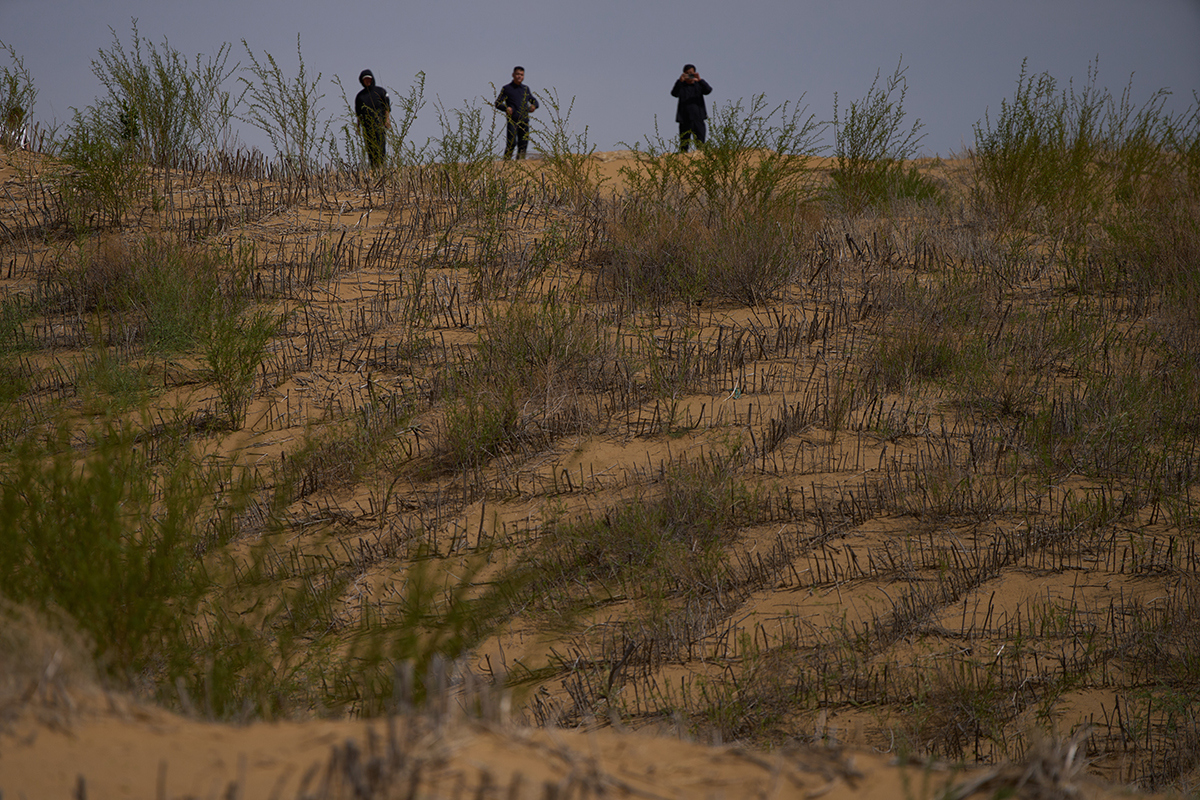
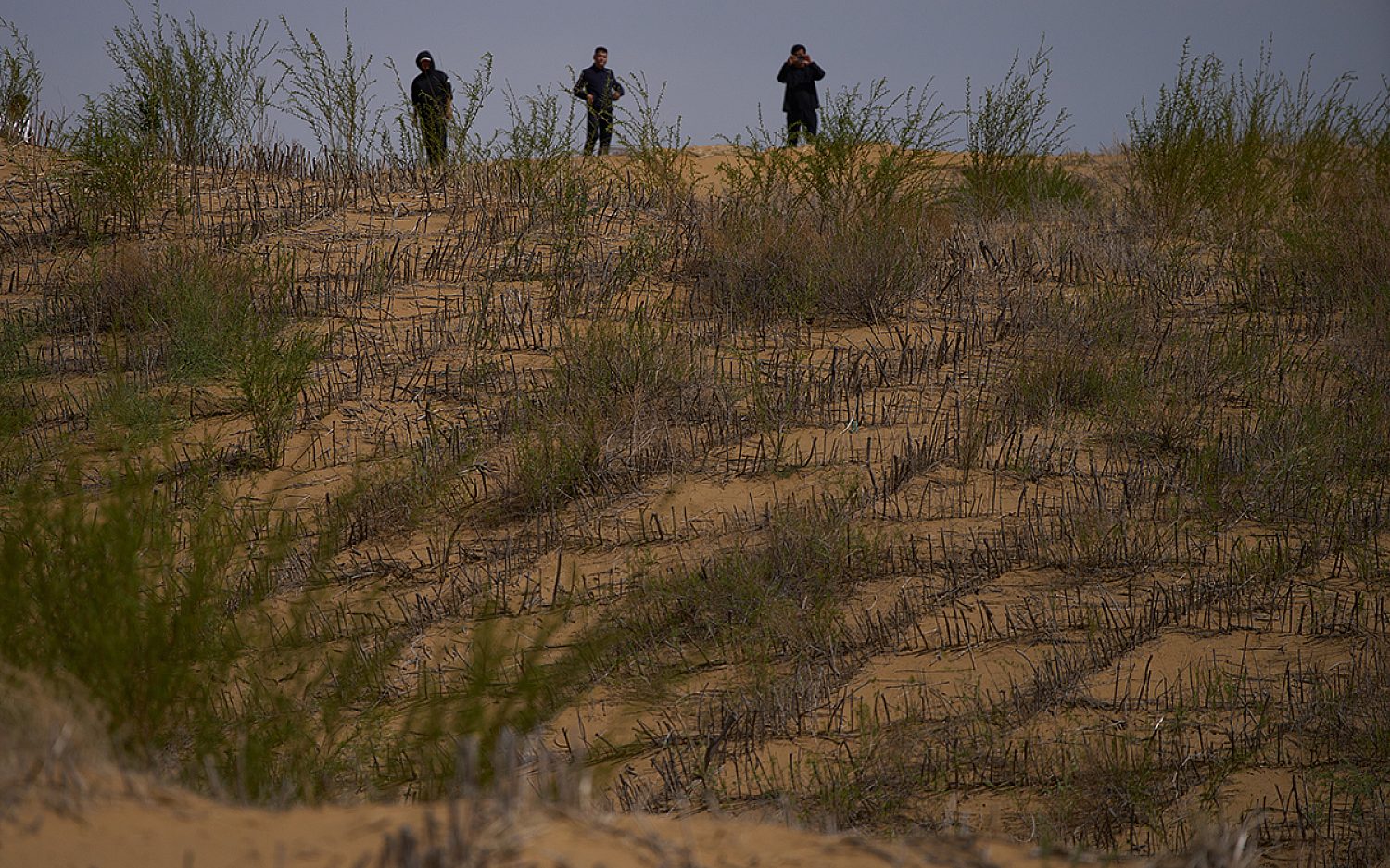
The technique is known as “straw checkerboards.” It stabilizes sand dunes. An irrigation system supplies water. Each planting contributes a building block to the huge project.
Drought, overgrazing, and farming in the region removed vegetation over time and made areas vulnerable to wind and sandstorms. That process is called desertification. The area of desertified land in northern China peaked in 2000.
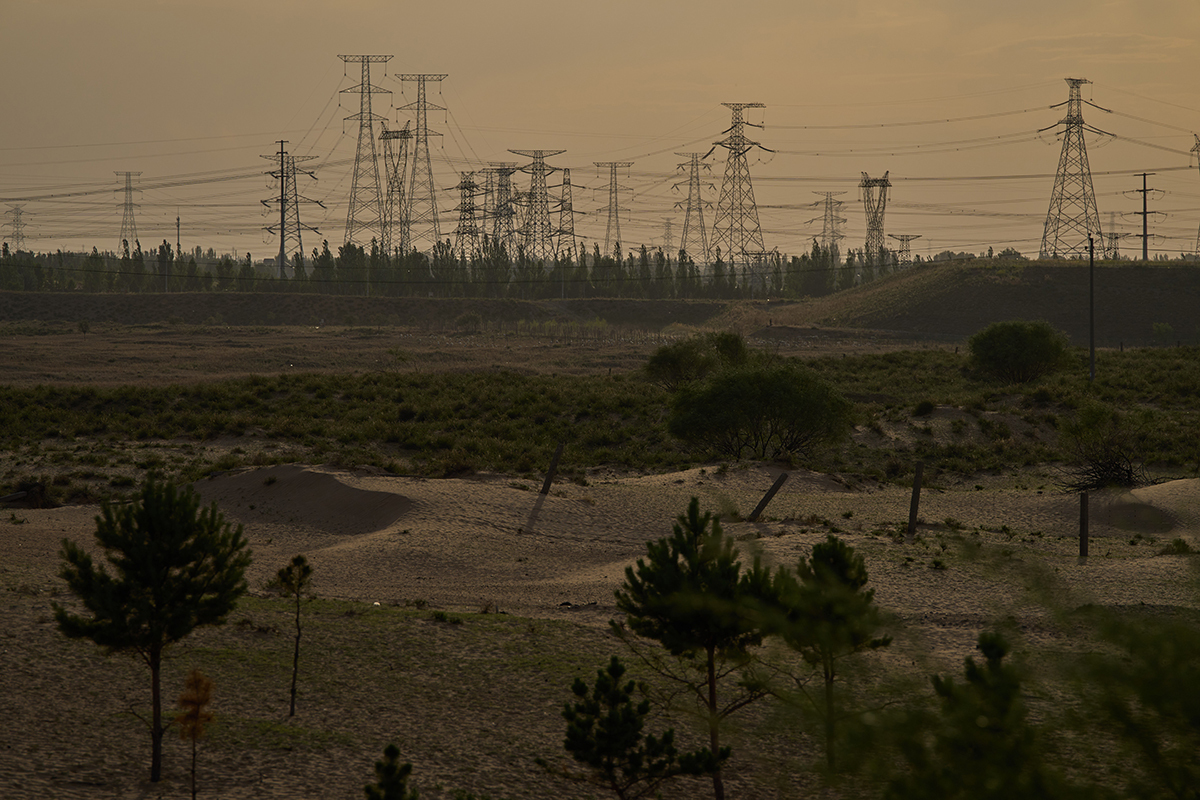
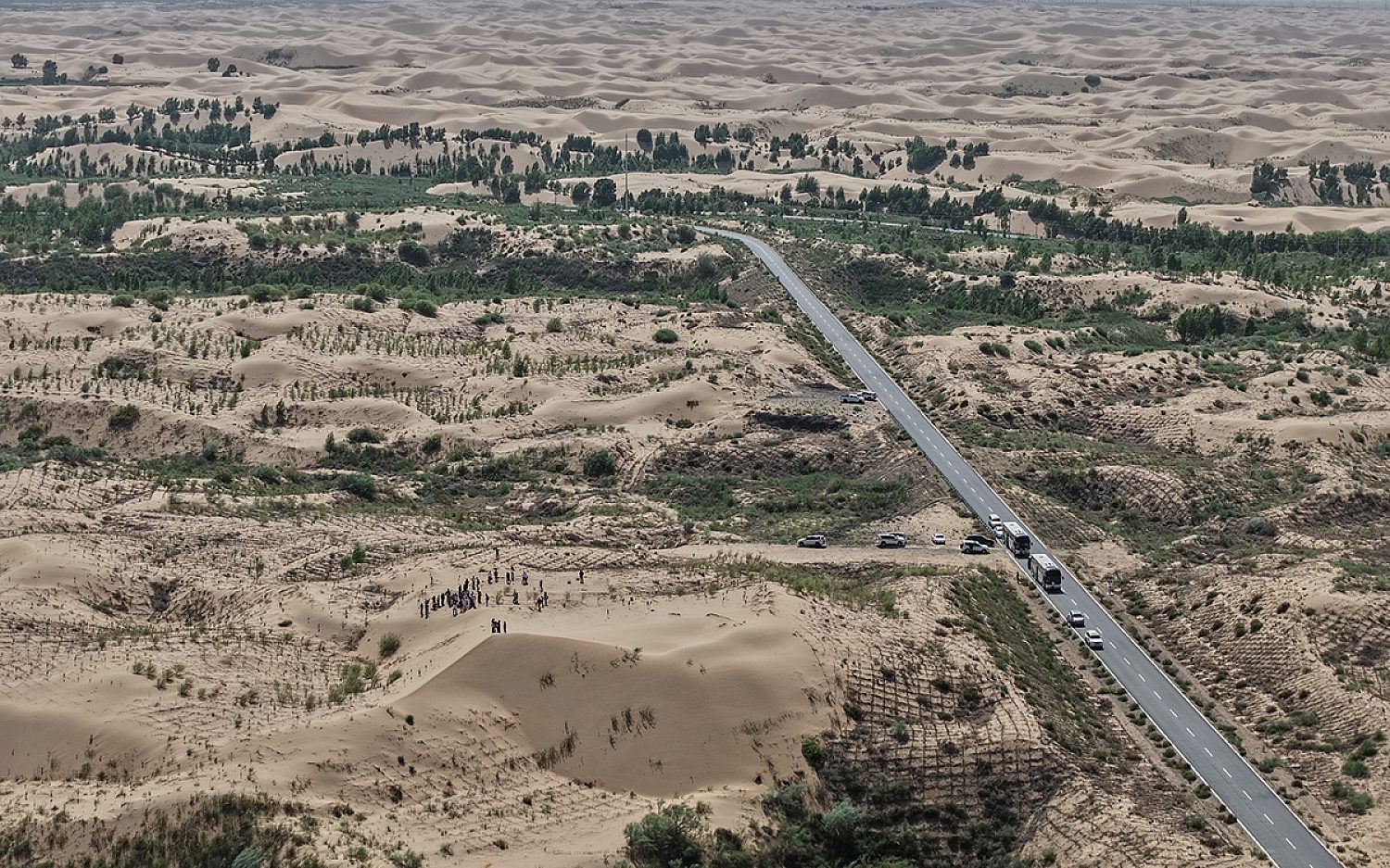
Generations of work have yielded some progress. However, scientists caution that the effort requires decades of continued effort. Restored ecosystems in drylands can become increasingly self-sustaining over time. But they still require careful management and long-term monitoring. Success depends on factors such as water availability and soil health.
Still, forests planted by the program now cover a cumulative 200,000 square miles. According to long-term monitoring data from scientist Zhu Jiaojun’s team, China’s desertified land has shrunk by around 10% overall since 2000. Forest cover in the program area has risen from around 5% in 1978 to 14% in 2022.
China’s progress is the result of the efforts of frontline sand-control workers, along with top-level planning and substantial state investment, says Zhu. He adds that increased rainfall in some areas has made vegetation restoration easier.
Zhu estimates that over 300 million rural laborers have been involved in the program. Most are part-time, paid workers.
Meanwhile, environmental advocacy group Green Camel Bell works to explain desertification and its risks to farmers and herders and help restore and sustain vegetation.
Anti-desertification efforts “should be linked to local livelihoods, so communities do not see economic development and ecological protection as an either-or choice,” says founder Zhao Zhong.
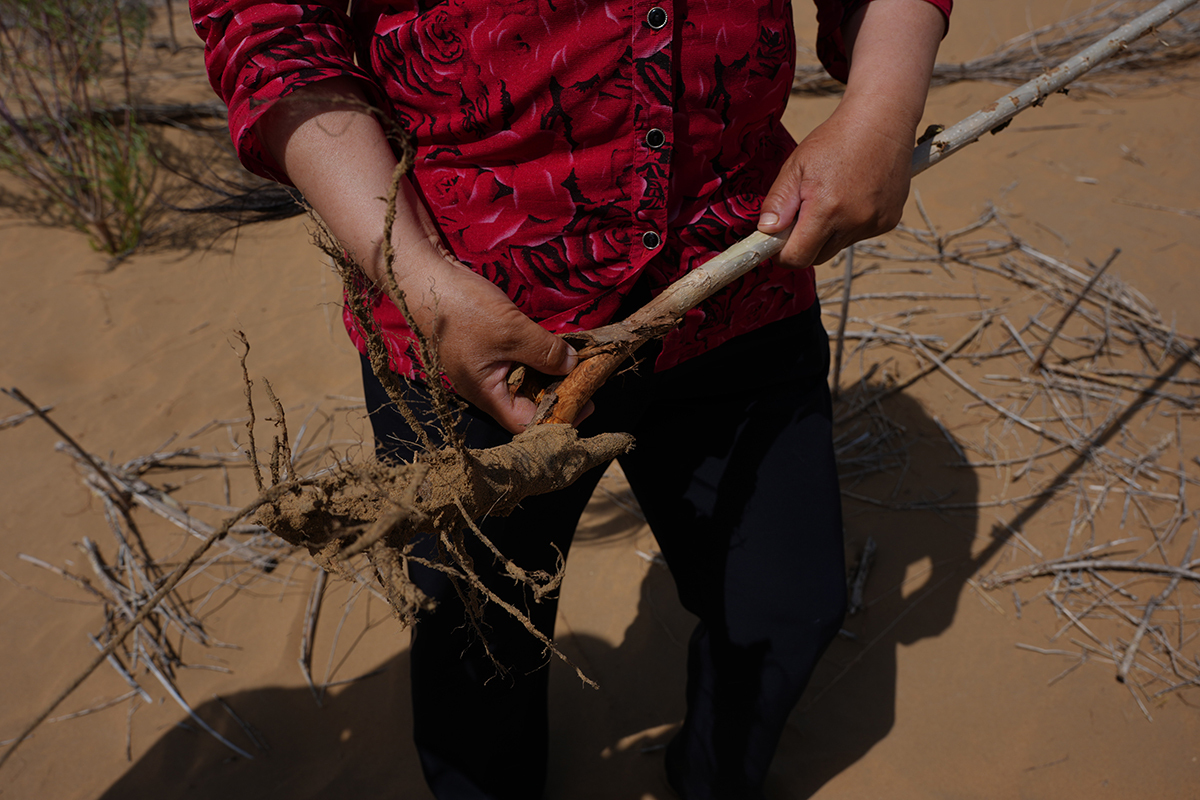
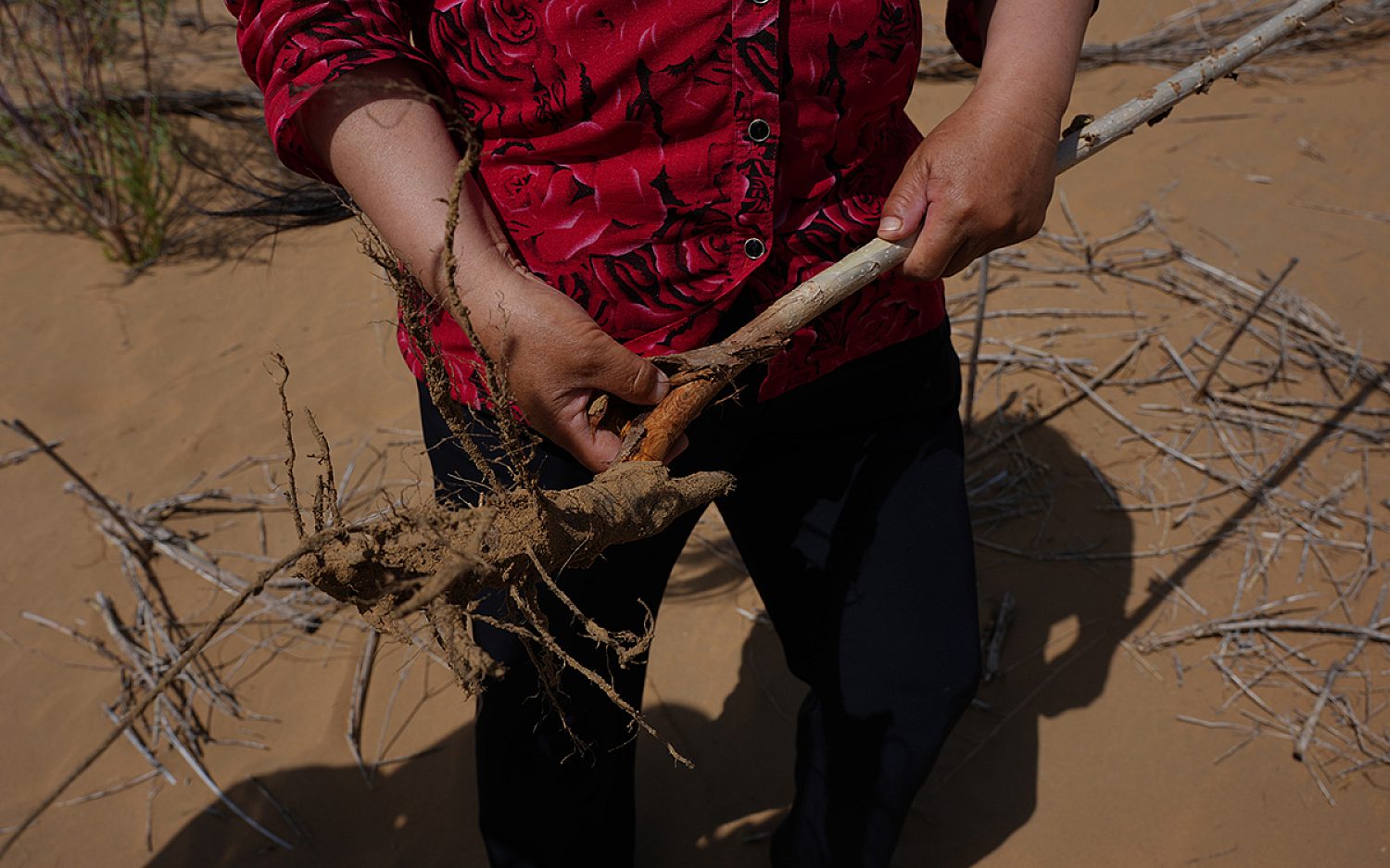
In a corner of Kubuqi Desert, about 500 miles west of Beijing, 60-year-old Yin Yuzhen works from dawn to noon every day. She tends to trees and fixes or replaces checkerboards. She and her husband are joined by their children and sometimes local volunteers.
Four decades ago, she recalls, the sand often blew so thick that it made it hard to see a short distance.
“But now we can see the Sun,” says Yin. “We can see the green in the distance.”
Why? God can use people’s seemingly small efforts to further and protect His creation and kingdom.