

When then-12-year-old Cruz Yturralde set out for a swim three years ago, he never imagined it would motivate his church to build homes for oysters!
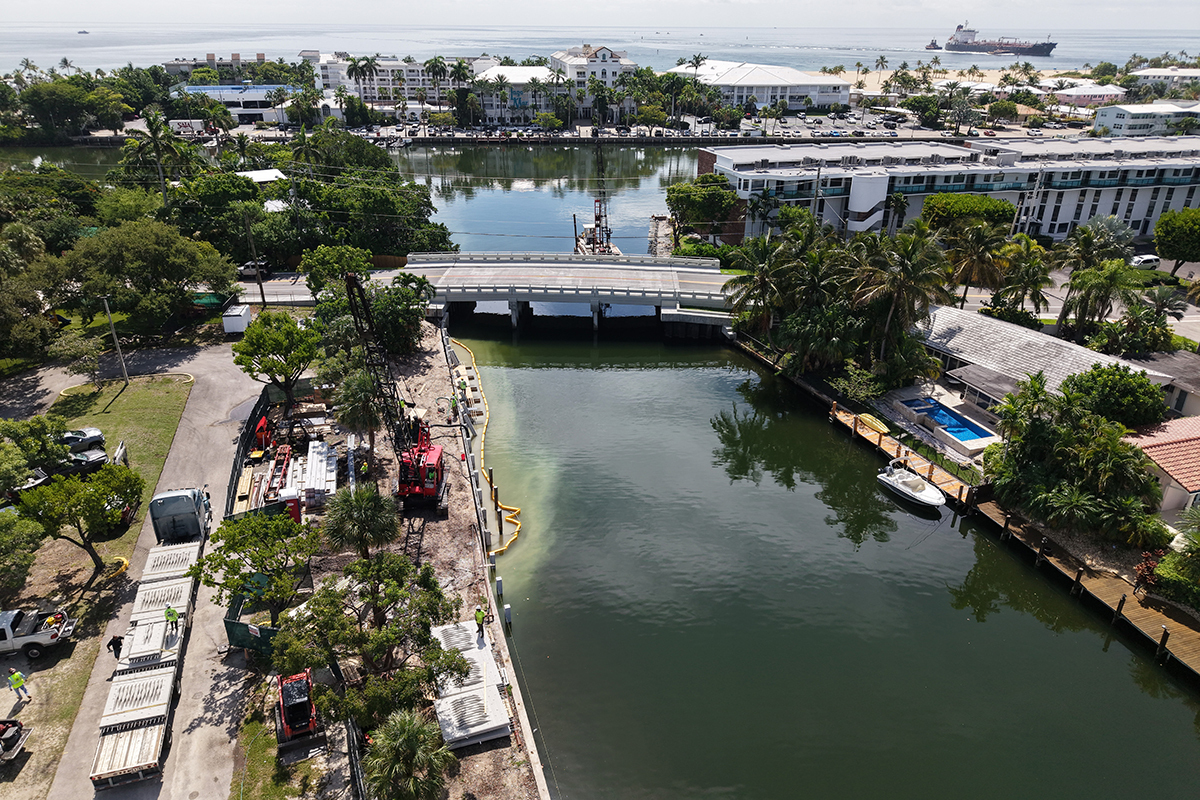
Cruz lives in Fort Lauderdale, Florida, a coastal city with 165 miles of canals. Swimming and boating are everyday life events. But as the city has grown, so has water pollution.
A few days after his swim, Cruz experienced terrible stomach pain. At the hospital, he learned he had E. coli and salmonella infections from bacteria in the canal water.
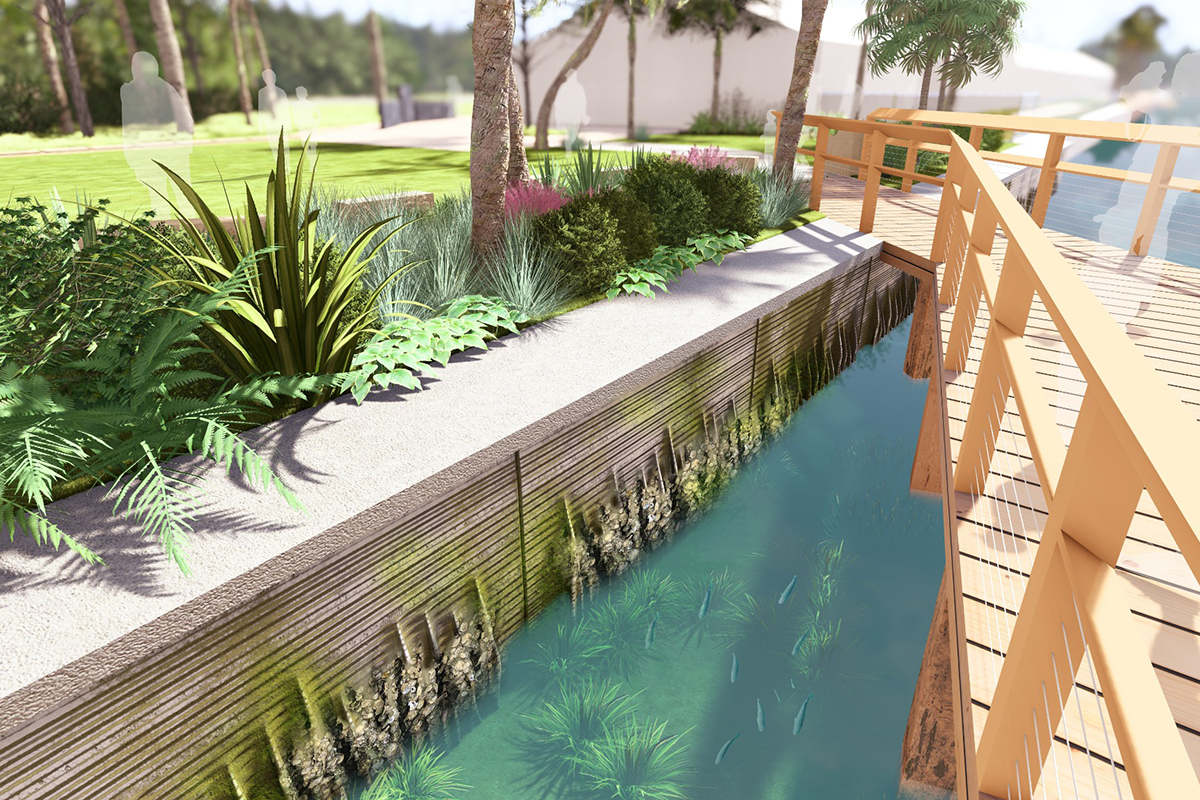
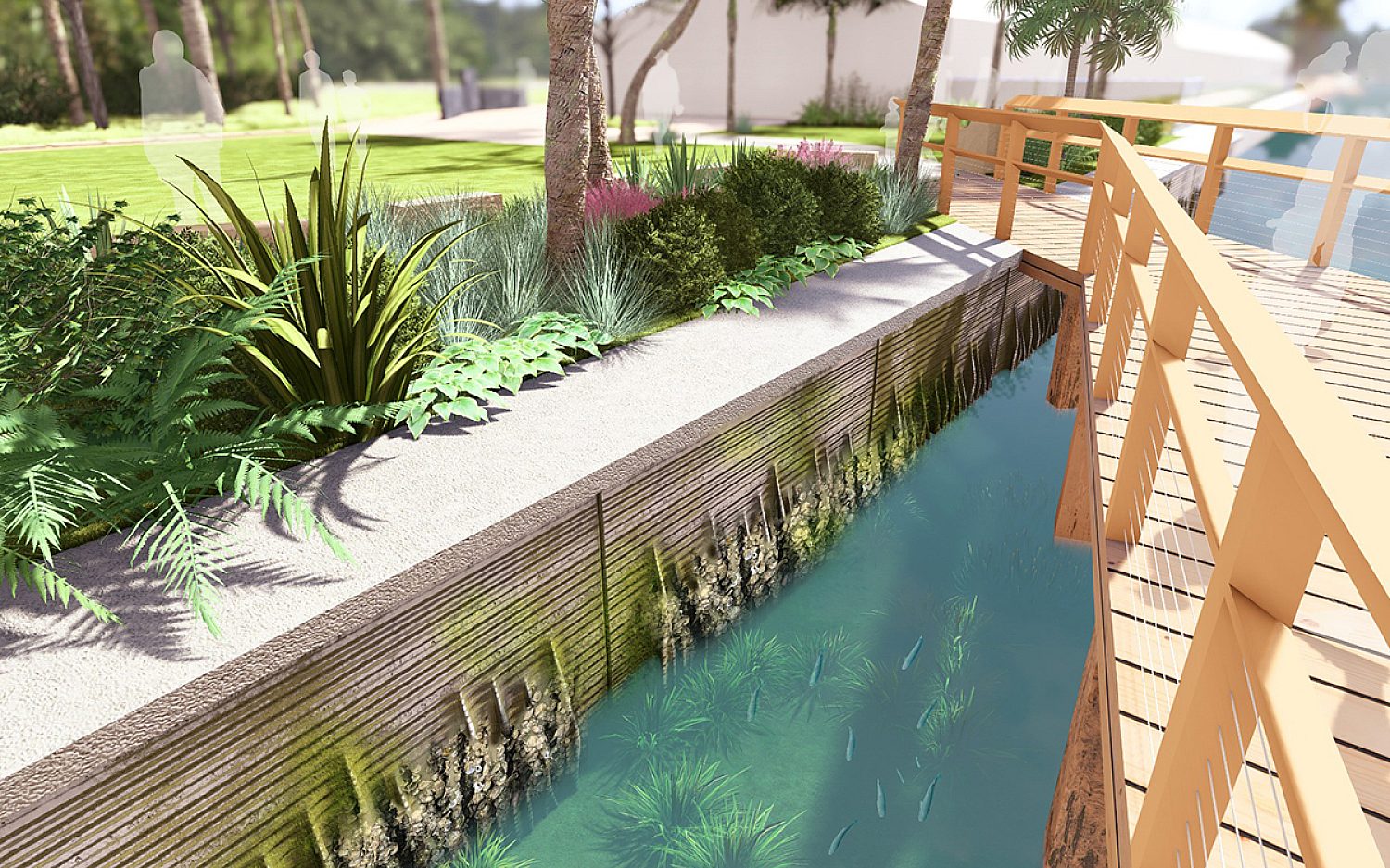
He made a full recovery. But during his illness, Cruz’s father heard about an invention to improve water quality: “living seawalls.” These constructions create habitats for oysters—the ocean’s vacuum cleaners.
Oysters are filter-feeders. They pull water into their shells by making tiny waves with hairlike structures called cilia. Their gills act like a net to trap bacteria and other particles, which the oysters digest. A single oyster can filter 50 gallons of water per day.
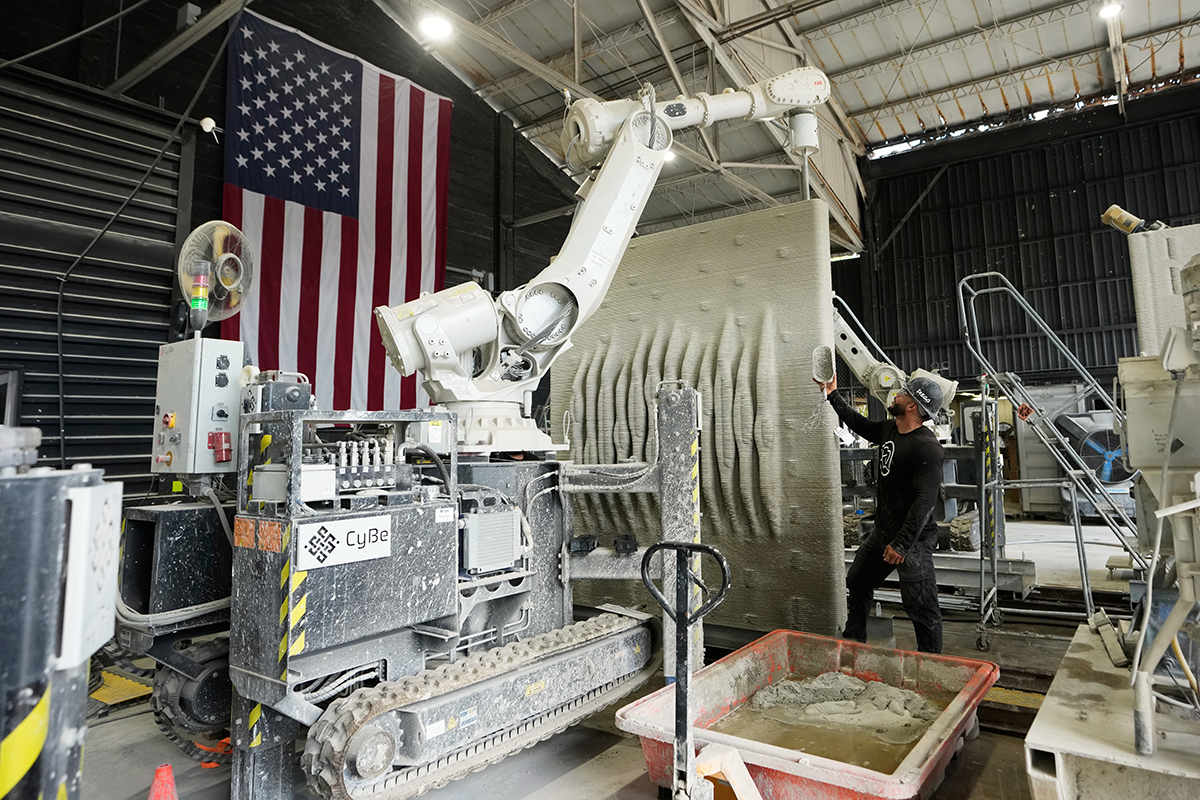
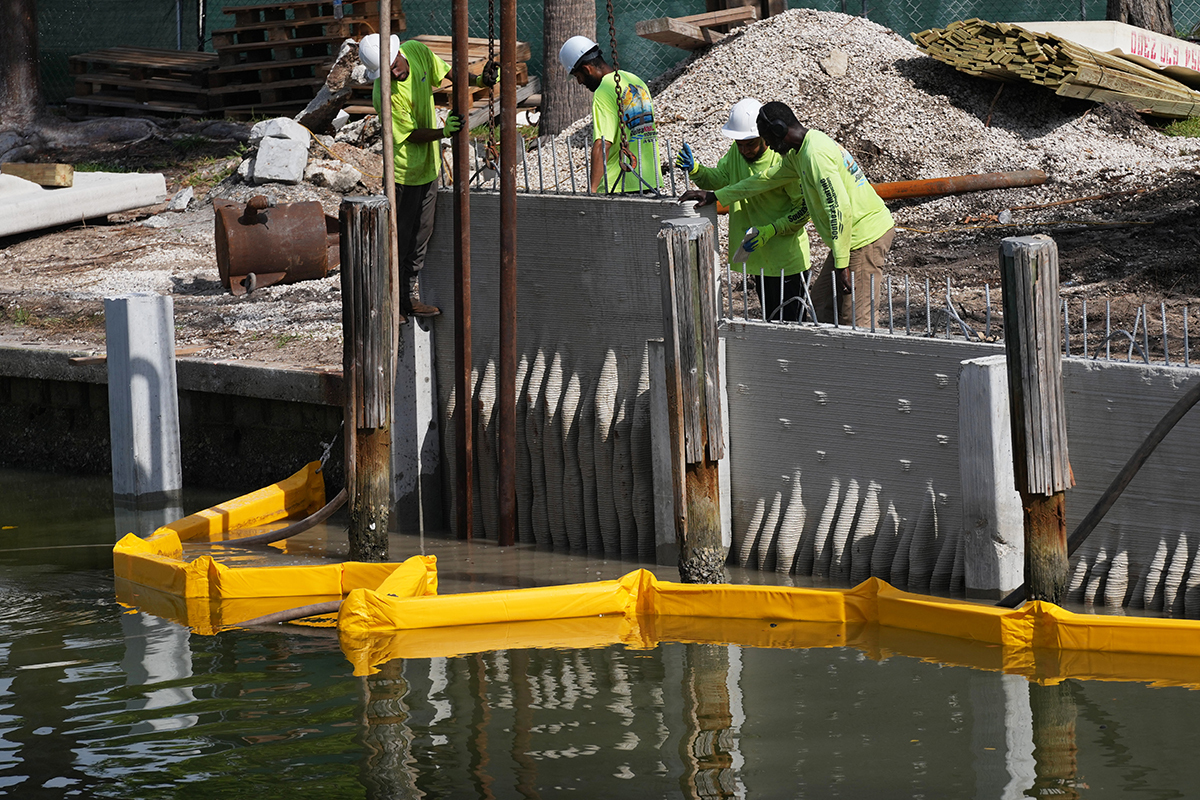
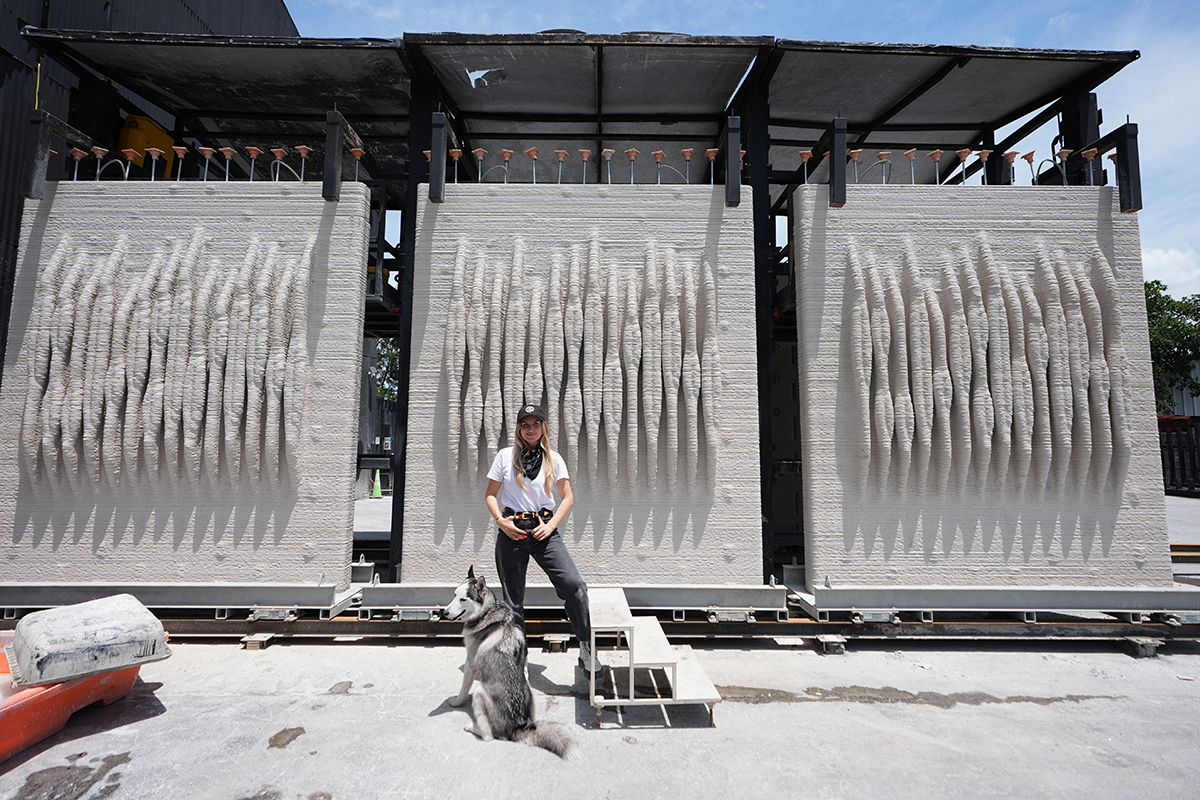
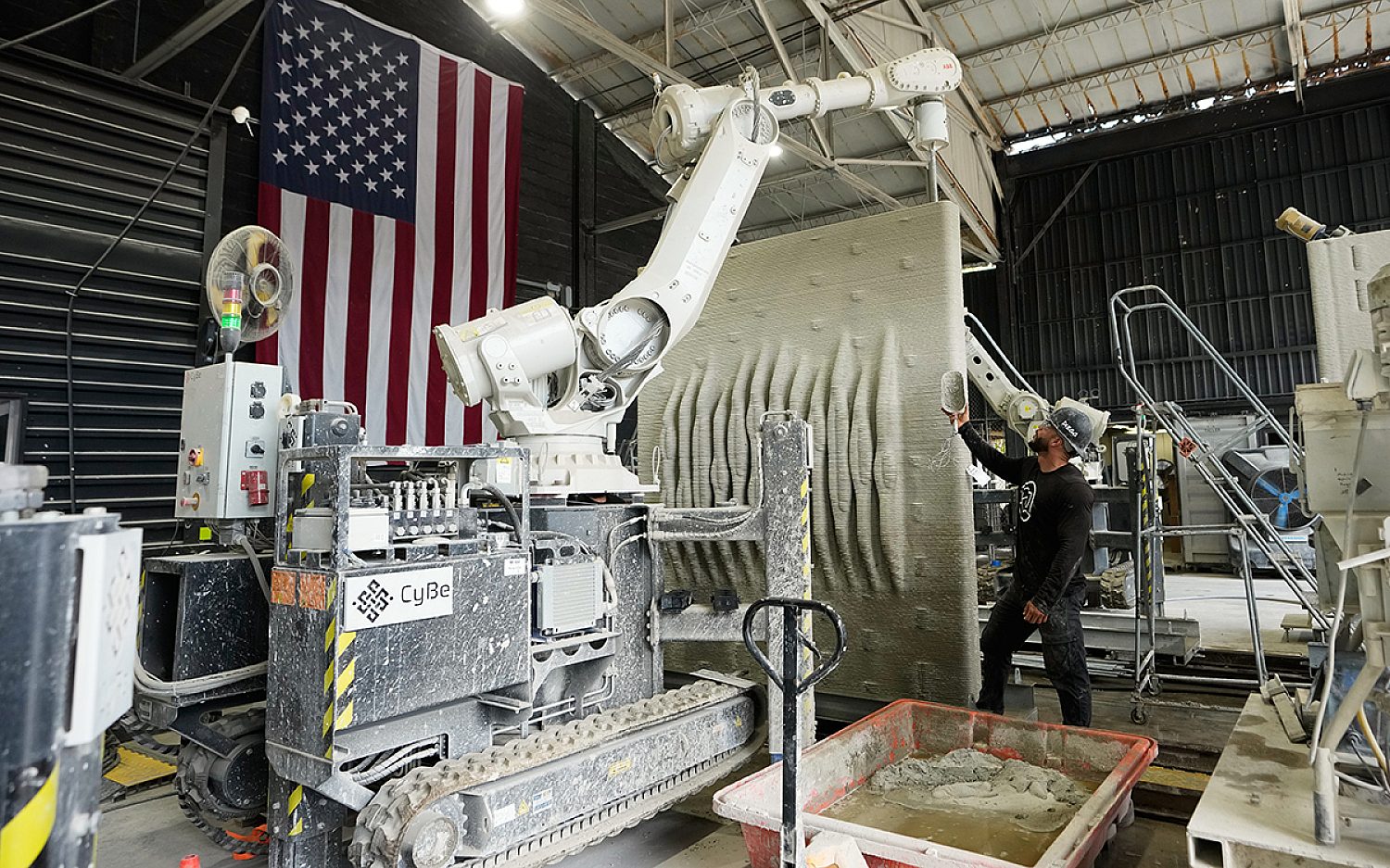
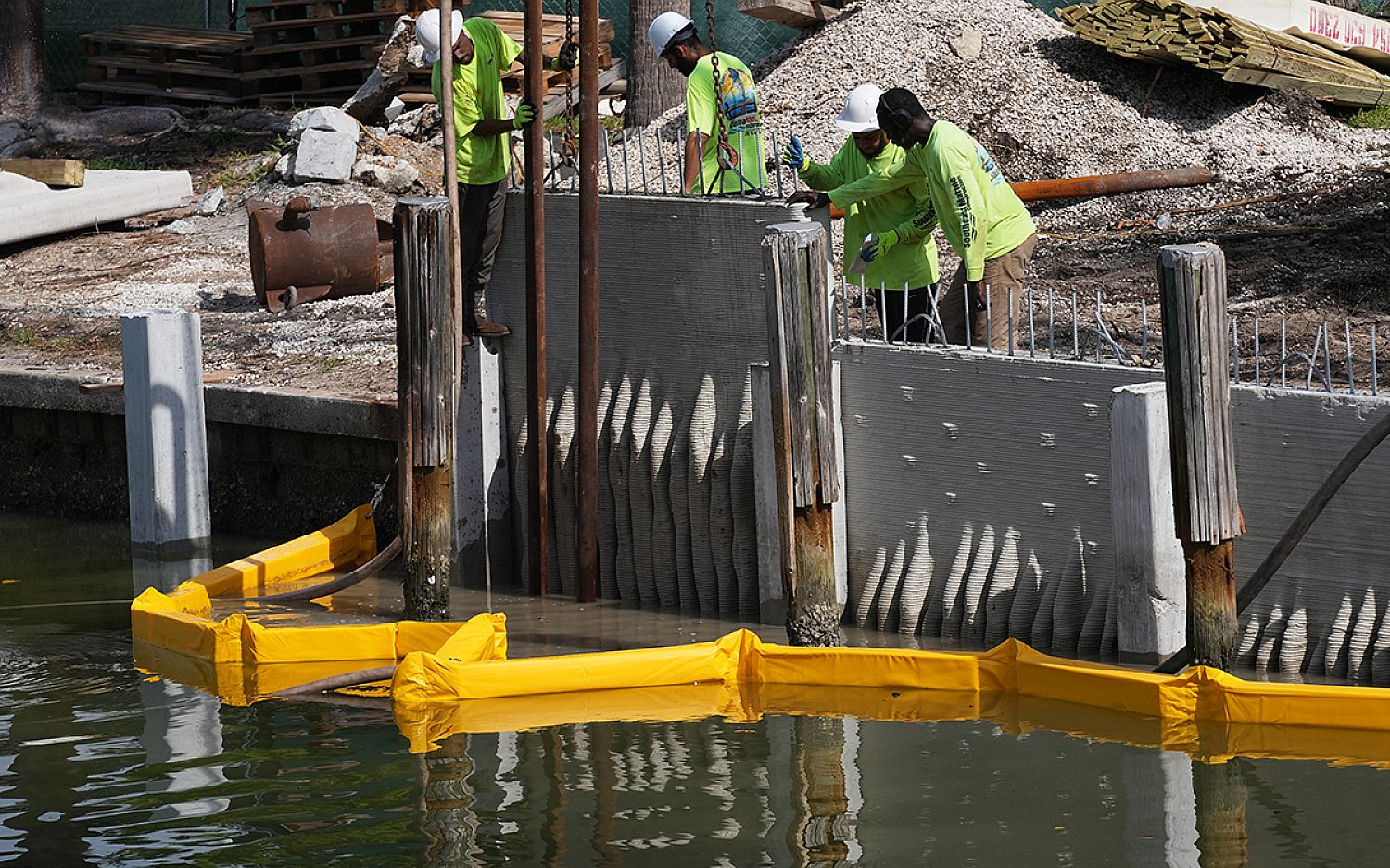
Living seawalls are made from concrete, a material strong enough to hold up streets and buildings. The concrete is 3-D printed to imitate the texture of mangrove tree trunks. This texture creates ideal habitats for marine life.
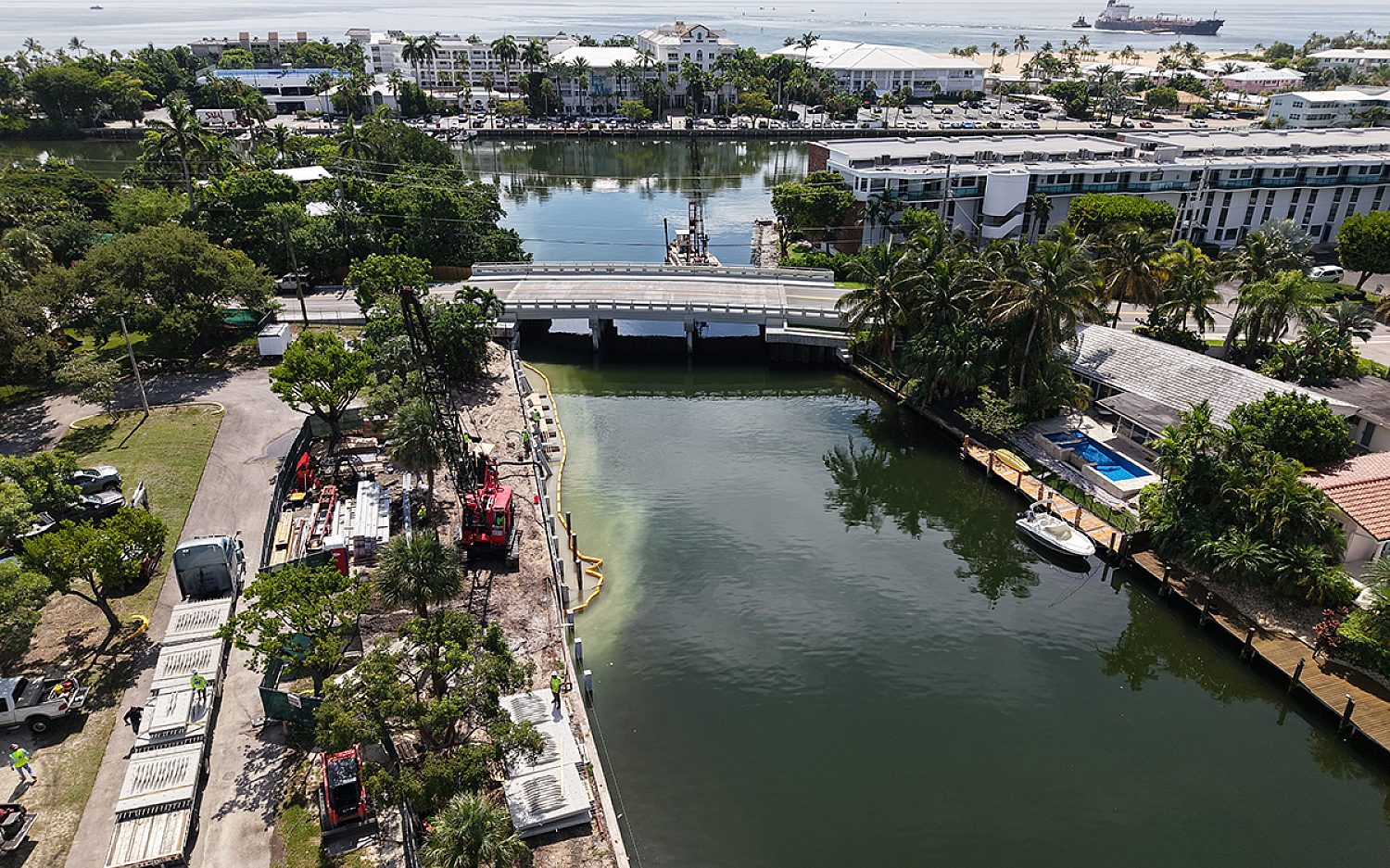
Cruz’s dad, Harry Rozelle, is the treasurer at a church in Fort Lauderdale. He knew his church needed to replace its seawall. A living seawall on the shoreline could clean over a million gallons of water daily. Rozelle suggested the idea and got an enthusiastic response.
The living seawall costs $1.74 million—less expensive than a regular seawall, but still more money than the church had. The leadership set up a fundraising campaign.
“Everybody’s got a different skill,” Rozelle says. “Somebody helped with the website. Somebody did this, somebody did that.” People from around the world donated to the project.
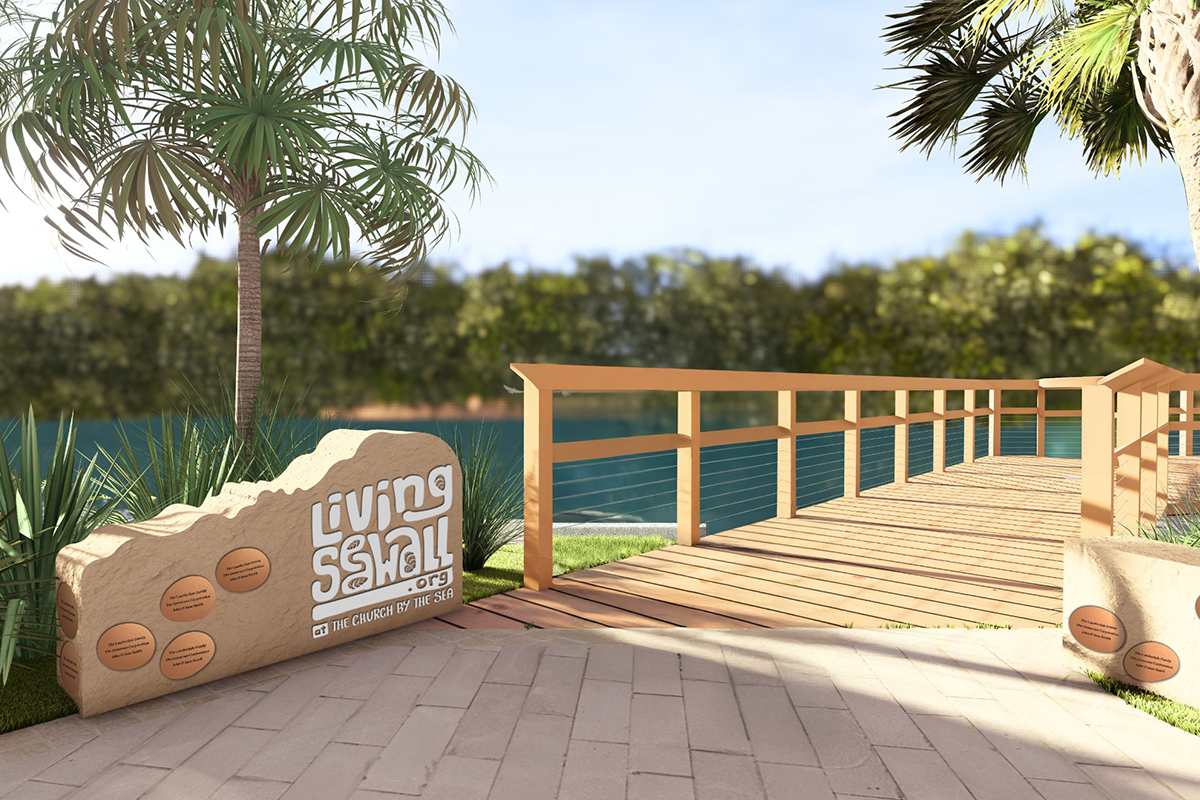
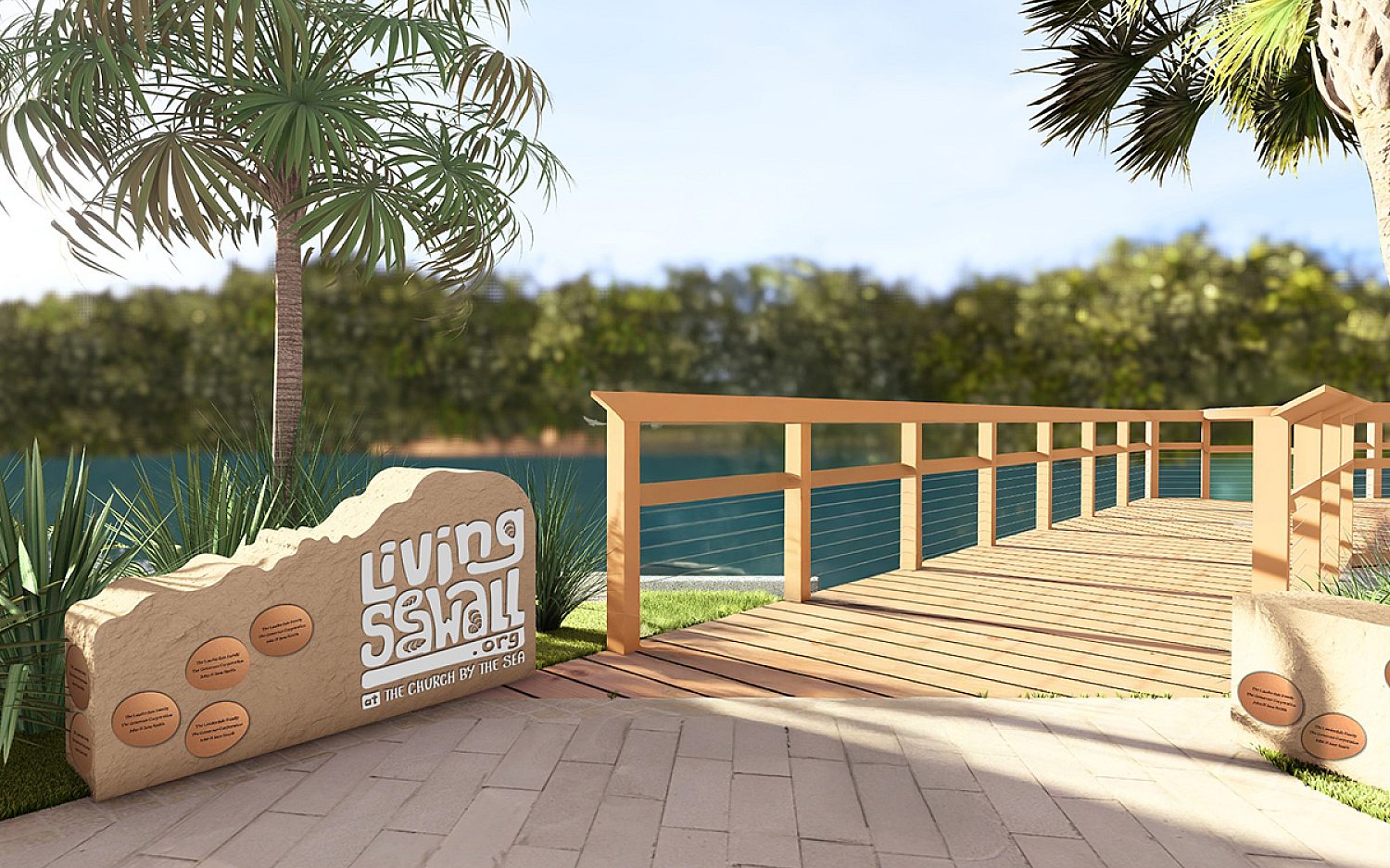
Rozelle realized seawalls are hard to observe—unless you lie down and hang your head over the edge. He decided to include an observation deck.
“People from all over South Florida can come,” Rozelle explains. “They can see the sea life, and they can understand it.”
Pastor Brian Checchio believes building the seawall is an act of stewardship. “In Genesis, mankind is given the task of caring for the world,” he says. “The chance to live out that command is exciting.”
Construction began in July and will finish in February. But marine life is already moving in. Just days after construction began, excited church members spotted a crab exploring the new panels.
Why? Creativity can help us care for God’s creation and keep human habitations safe at the same time.