
What if you turned on the weather channel and saw fins, sharp teeth, and blue-gray skin? Sharks probably won’t be TV anchors anytime soon. But researchers at the University of Delaware found another way to put them to work. They use sharks to predict hurricane strength at landfall.
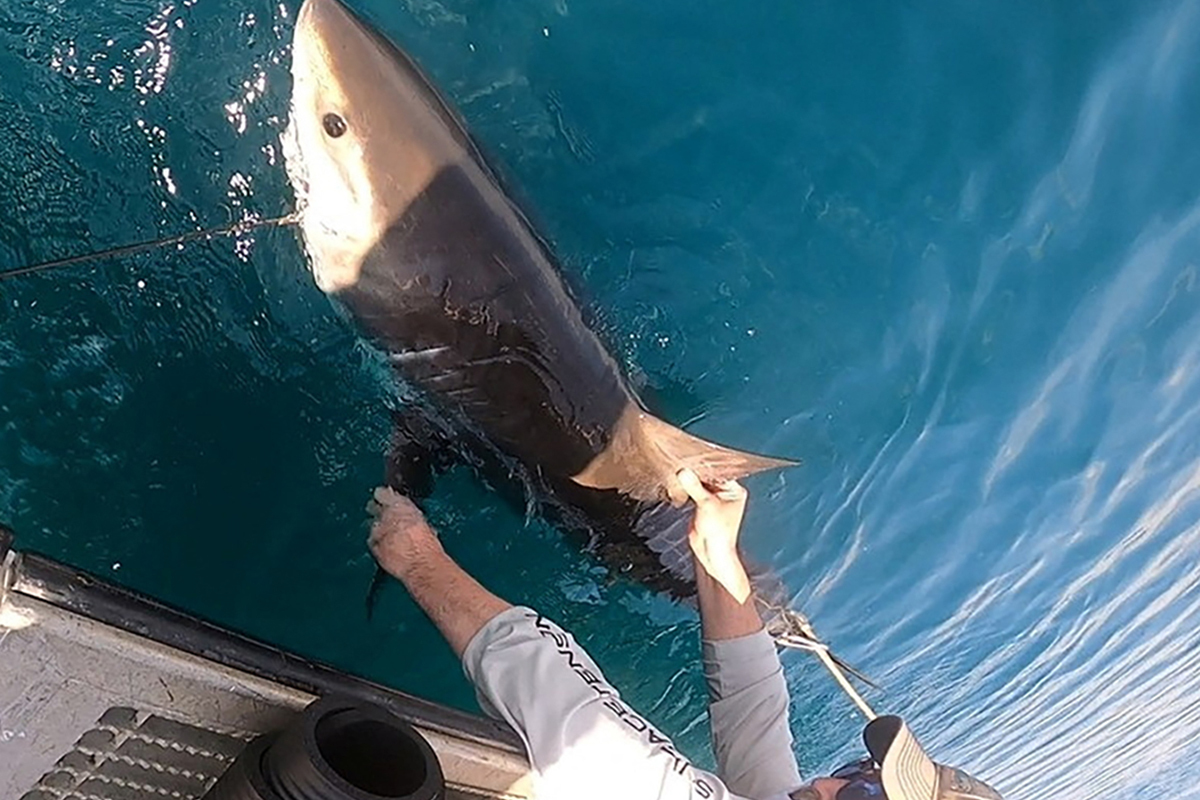
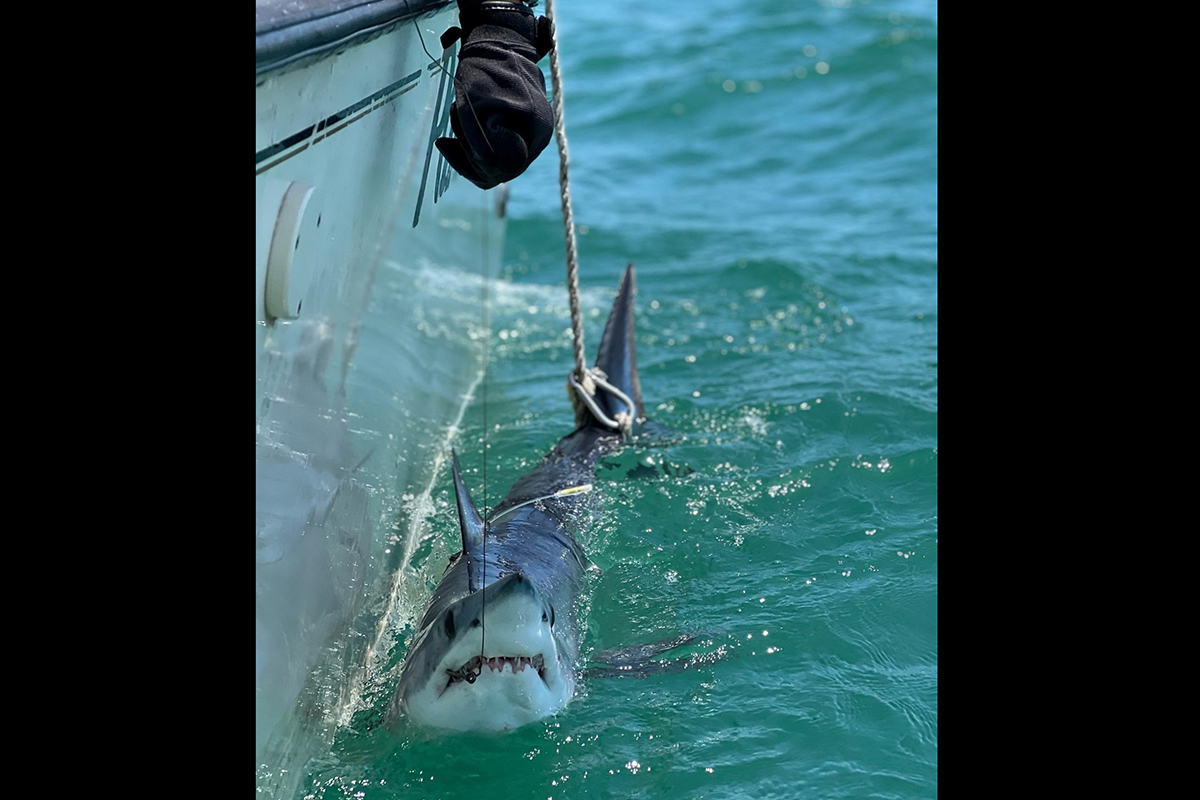
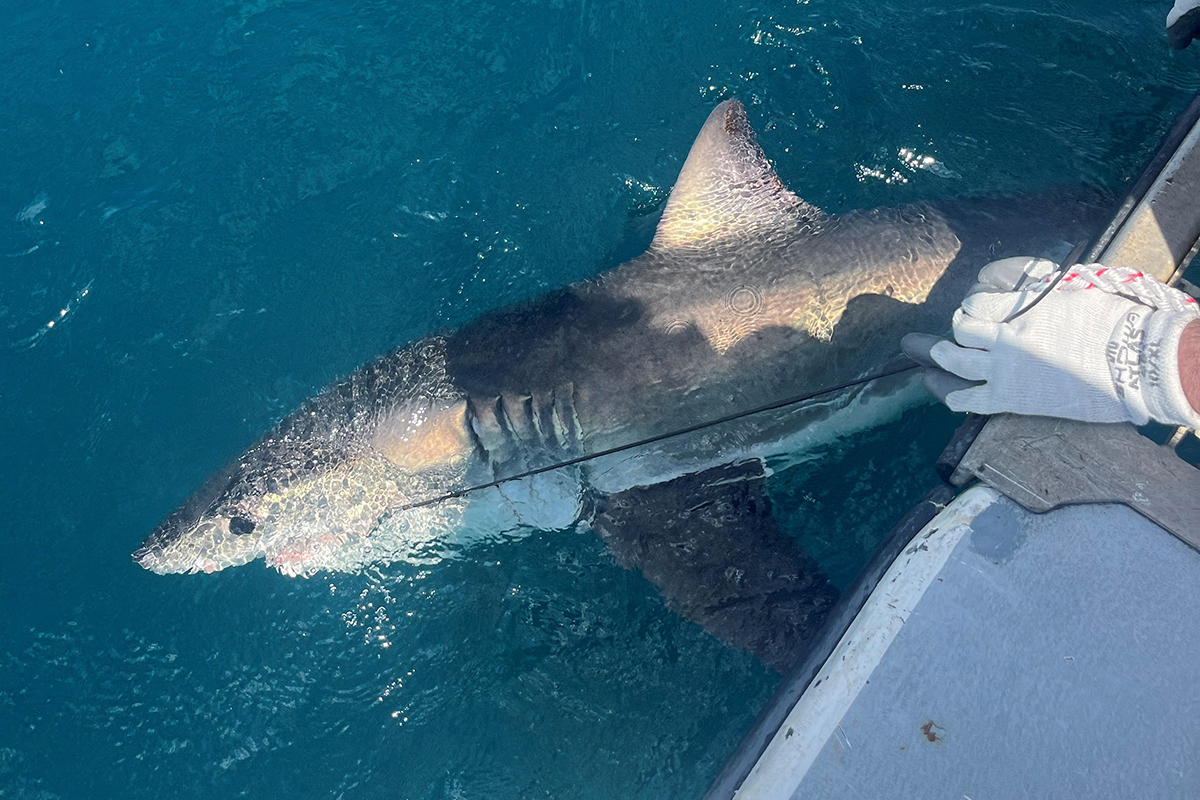
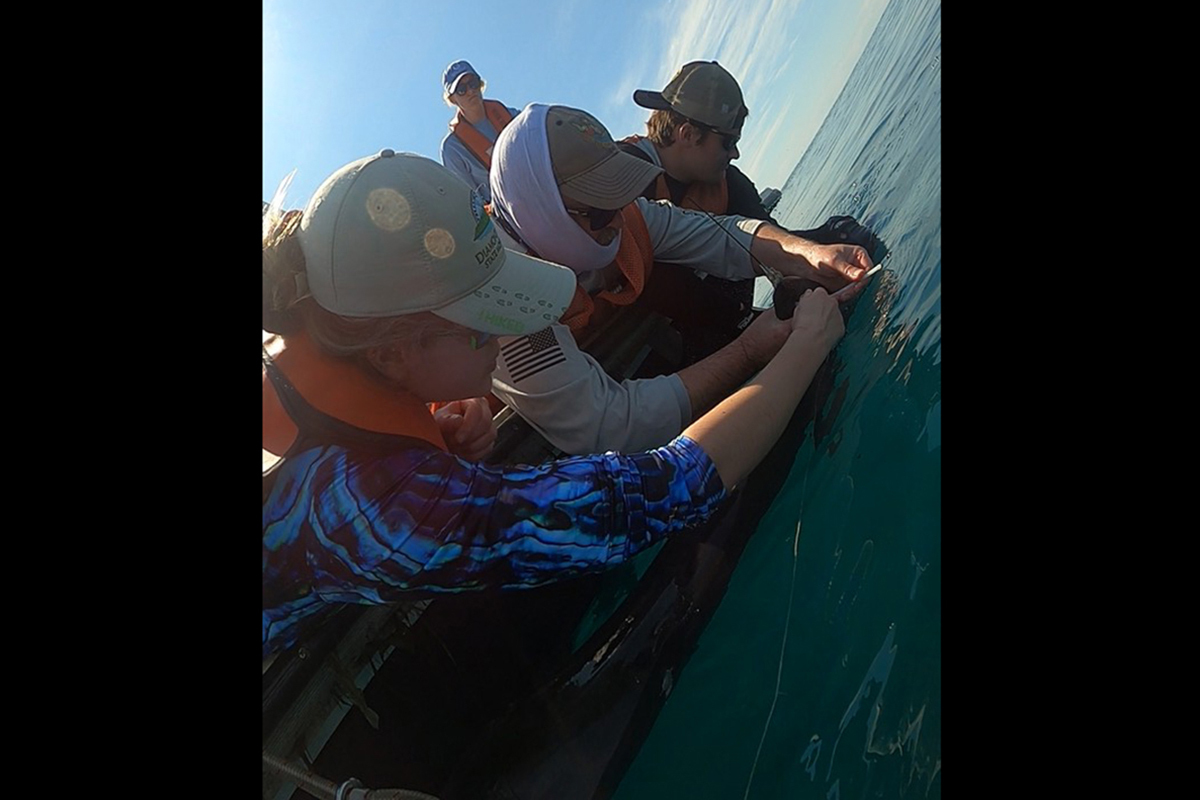
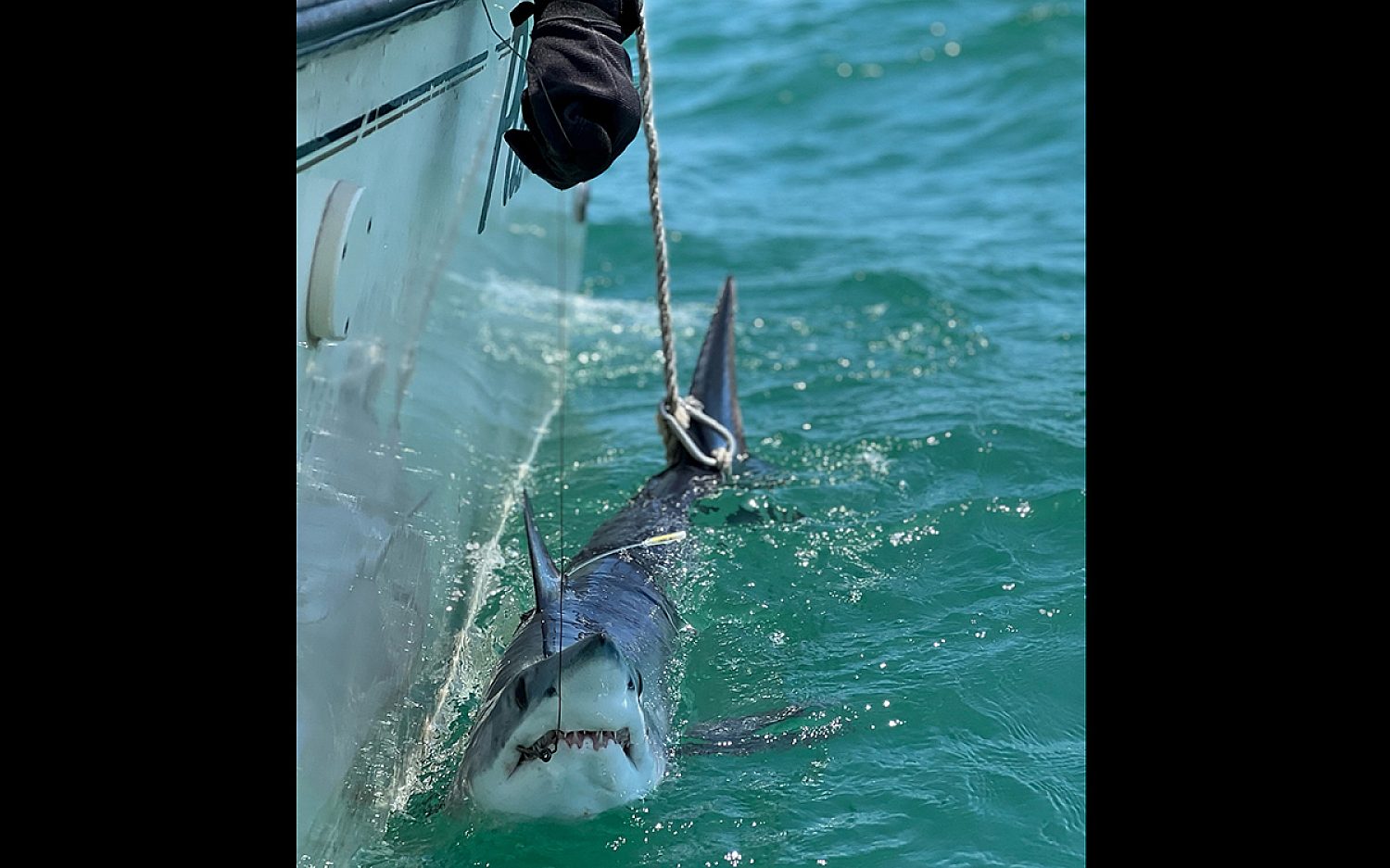
Researchers attach a small electronic device called a CTD tag to a shark’s dorsal fin. As the shark swims and dives, the tag records the ocean’s electrical conductivity, temperature, and depth (CTD).
Ocean conditions affect how powerful a hurricane becomes. Weather researchers study the ocean’s mixed layer. That’s the water near the surface. When the mixed layer is warm, it can give a hurricane more energy. That can create a stronger storm. Shark data can help meteorologists better understand these patterns and improve hurricane forecasts. Better forecasts help people prepare.
Aaron Carlisle, a professor at the University of Delaware’s School of Marine Science, leads the research. He says sharks make great research partners. That’s because they are migratory; they live in many places; and they are easy to access.
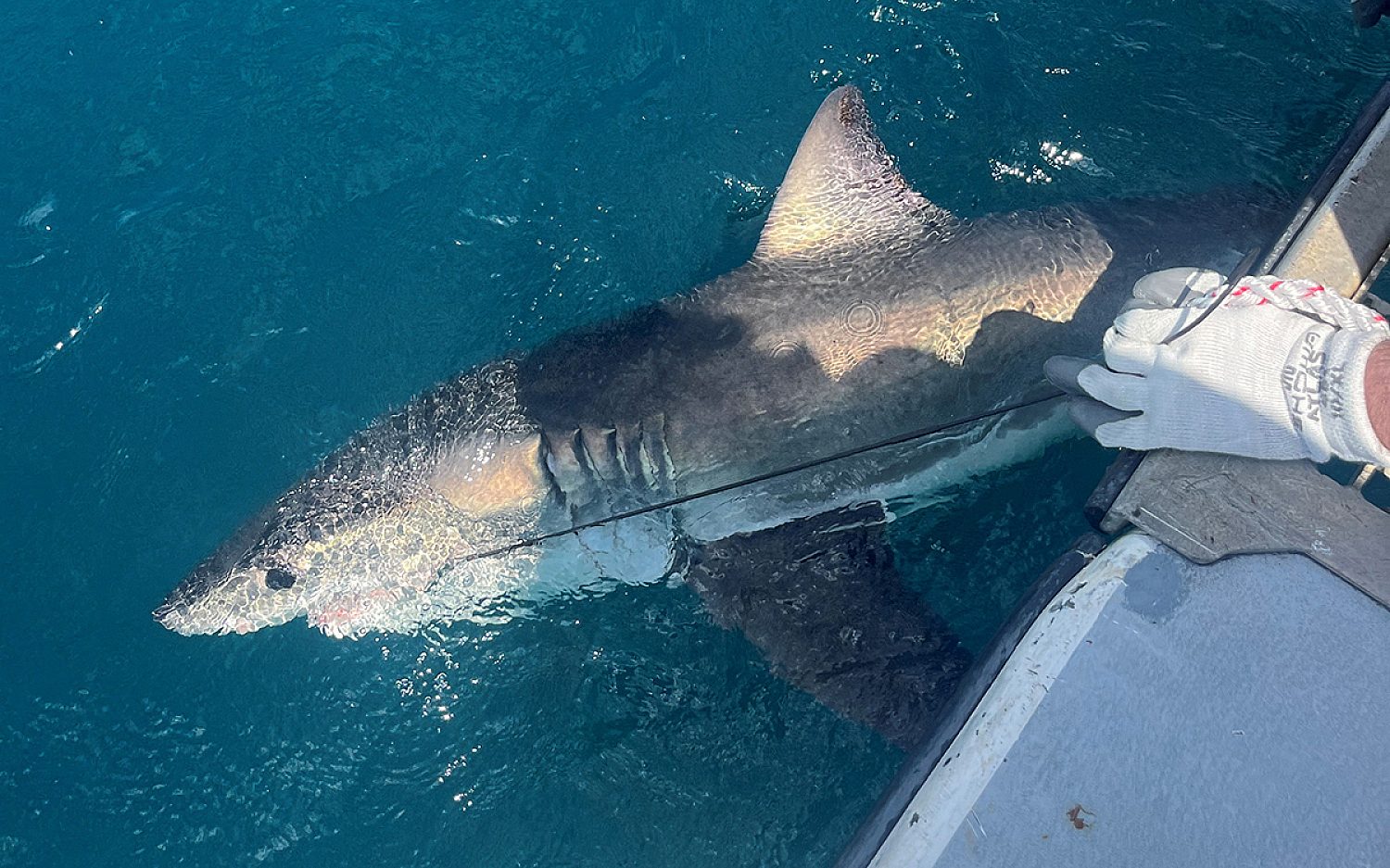
The project favors species that surface often enough for their tags to transmit information to satellites. Researchers identified shortfin mako sharks, blue sharks, smooth hammerheads, and juvenile great white sharks to be especially effective weather reporters for the North Atlantic.
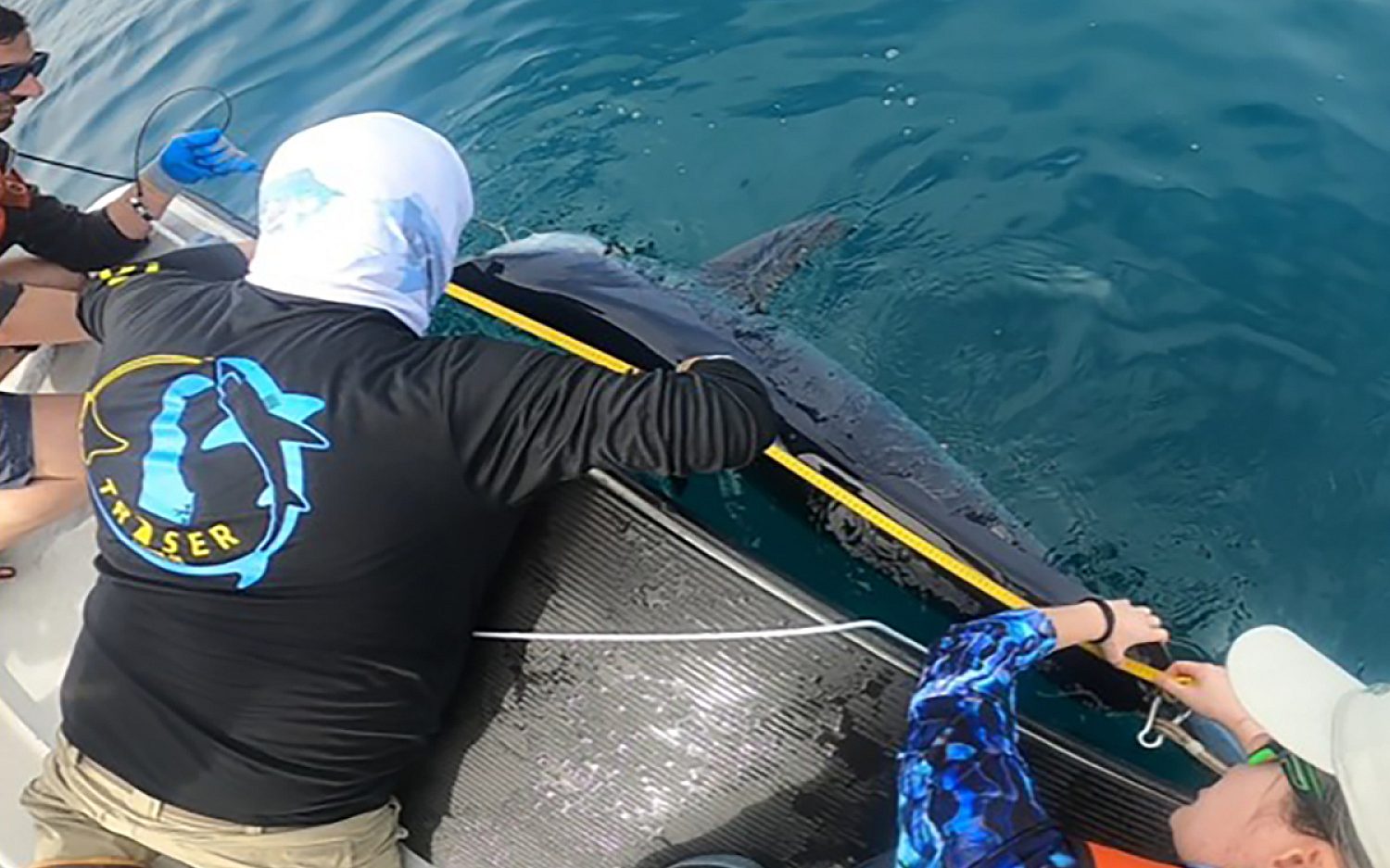
Caroline Wiernicki is a doctoral candidate at the University of Delaware. She says the tagging process begins in early May, when many sharks move toward the coast.
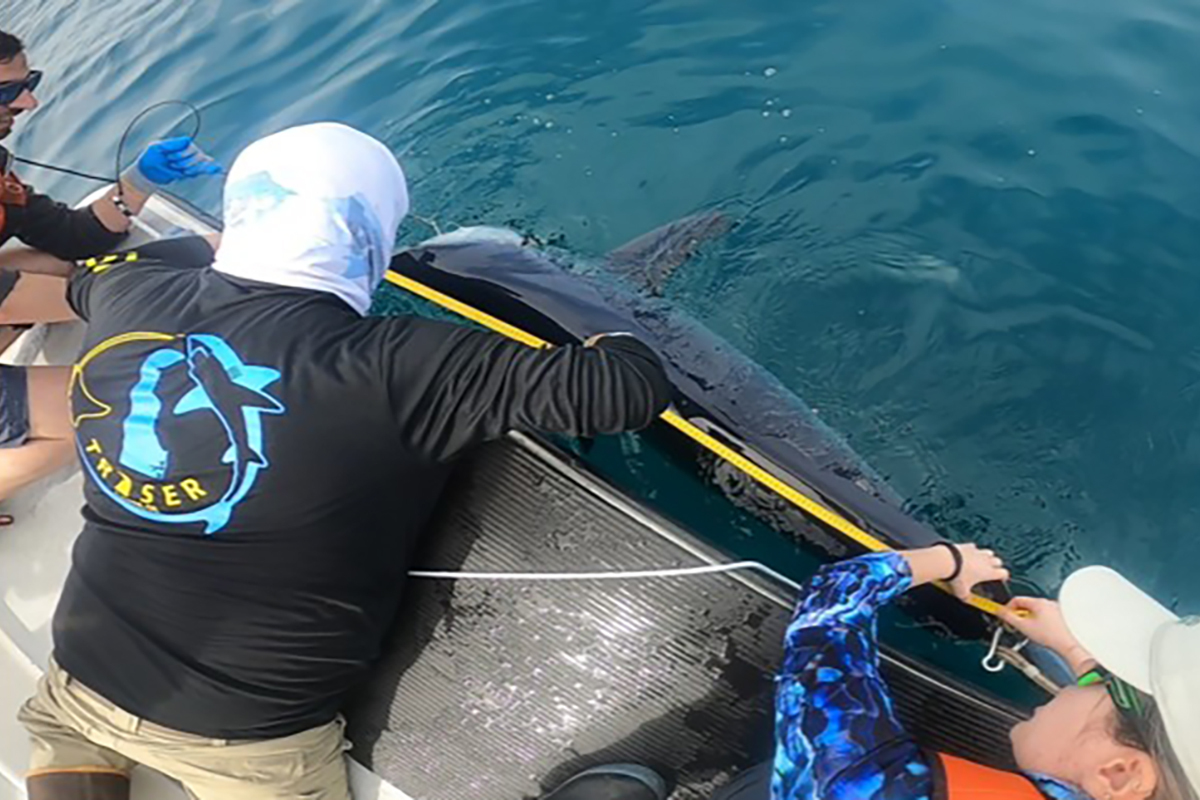
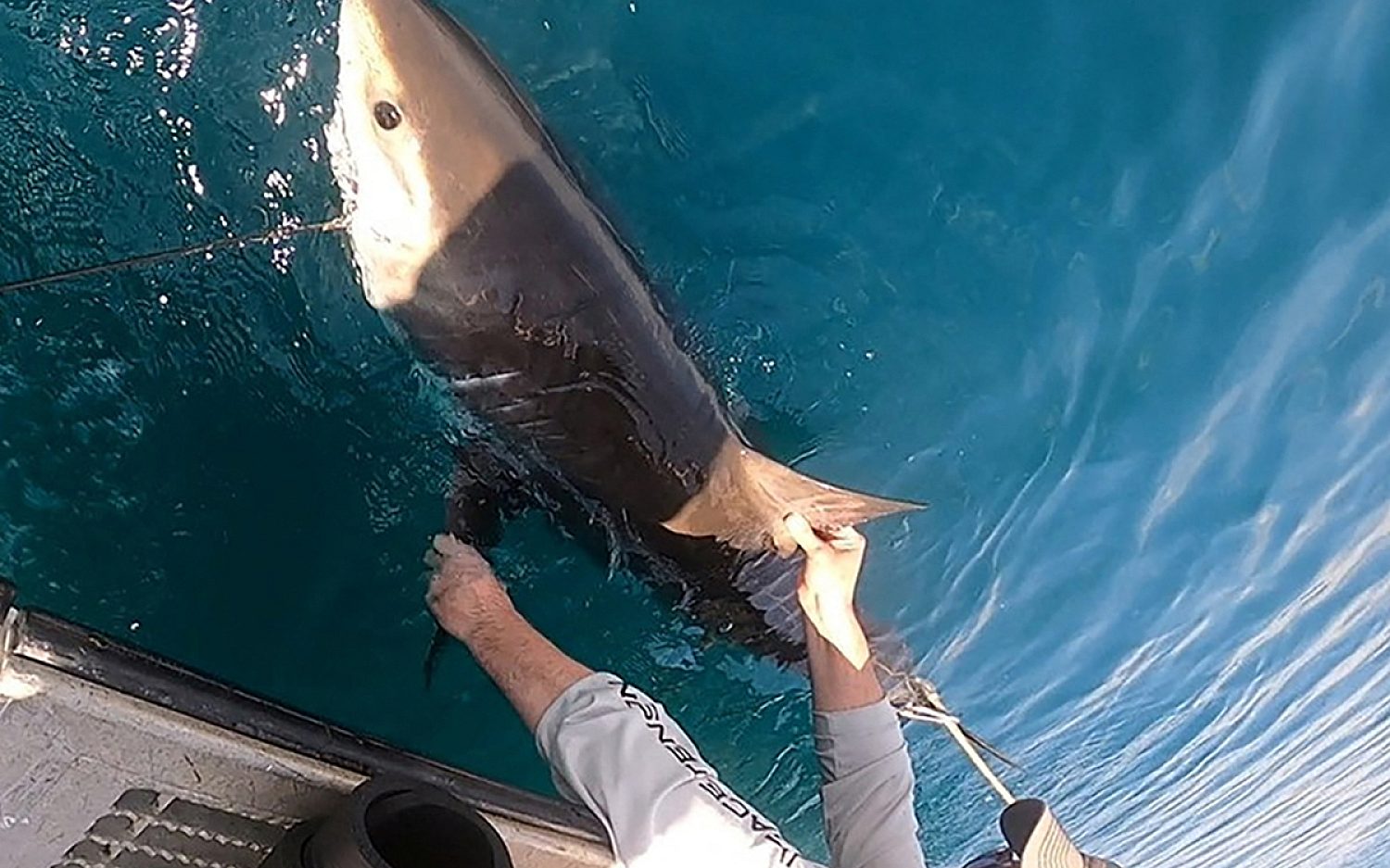
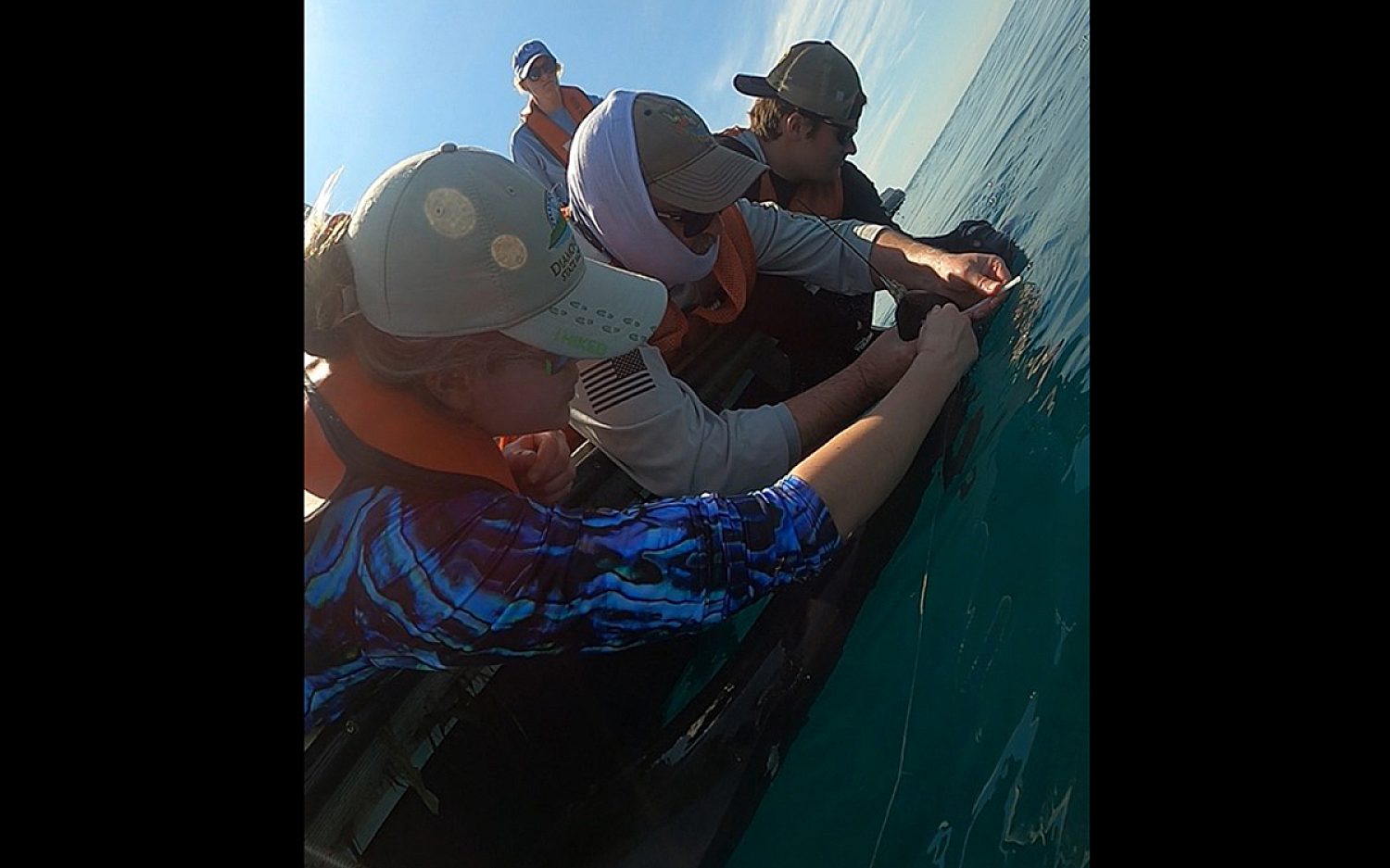
Researchers travel about 35 miles offshore. They use baited fishing lines to catch the sharks. Once they haul one in, they can attach a tag in less than five minutes. The tag’s materials allow it to fall off over time. This way, no sharks get harmed or too stressed in the process.
Wiernicki says that working with sharks is not like the movies. In reality, they are mostly tame creatures. And even in a raging hurricane, there are no “sharknados.”
“It’s more like Bob from Accounting, clocking in with the day’s temperature profiles before he heads back out,” she says, downplaying the drama.
If the project succeeds, the data could improve hurricane forecasts. The information has potential to save lives and communities by helping people prepare for dangerous storms.
Dr. Carlisle hopes the research will help people make wise decisions—and come to see sharks in a more positive light.
Why? Using what God has given us to help our neighbors sometimes calls for creativity and innovation.