
Think of a farm, and what comes to mind? Rows of corn, wheat, tomatoes . . . worms? Worms, you say, remind you of fishing bait—but not typical farm fare. Brothers Jerry and Ron Callison just might change your mind.
The Callisons operate Northern Illinois Worm Farm in Dover, Illinois. For three years, they have cultivated not crops but the wriggling, rarely-seen-above-ground environmental magicians that God designed to turn organic matter into rich fertilizer. Today, the Callisons’ farm boasts almost 750,000 active earthworms.
What in the WORLD is a worm farm?
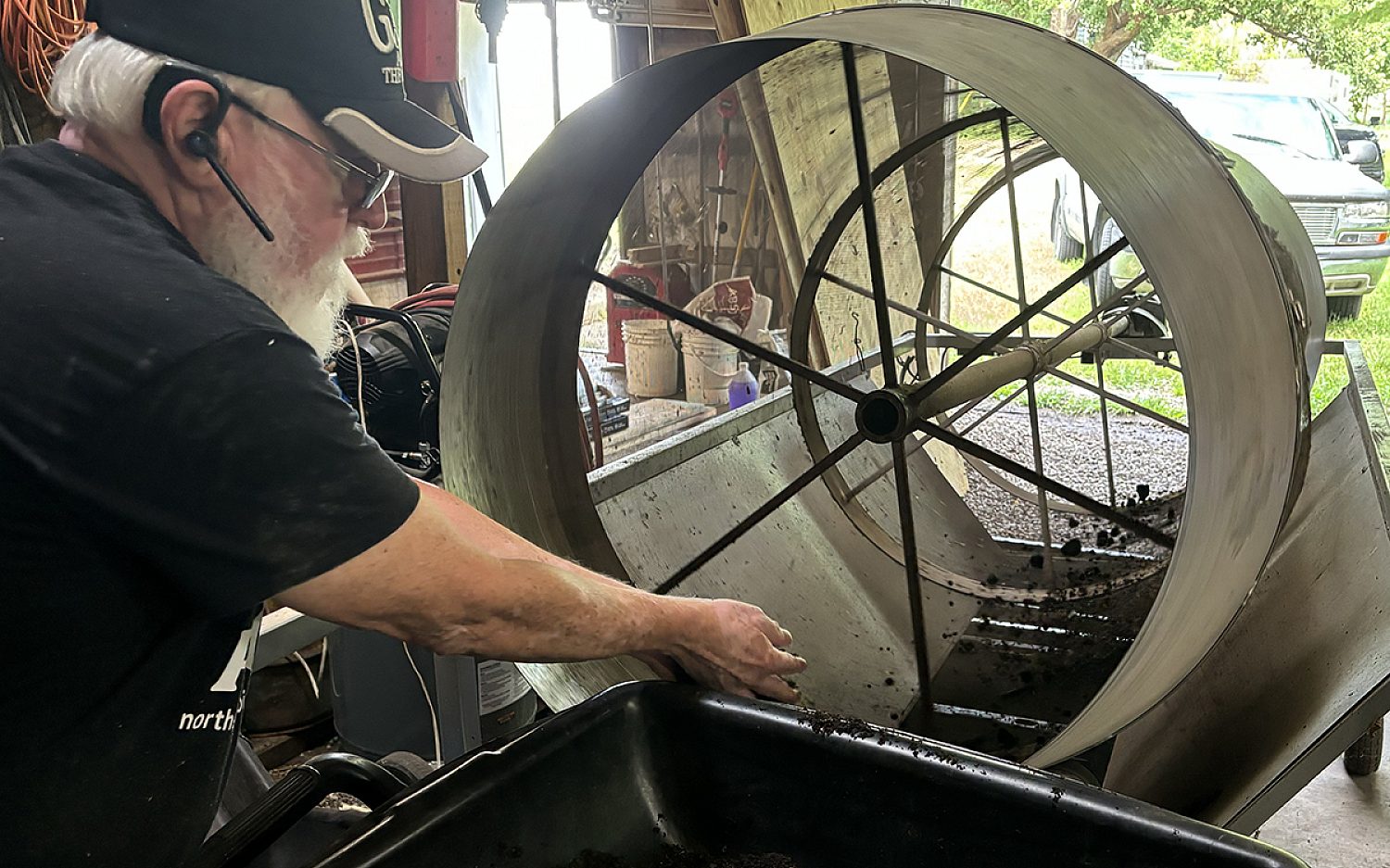
Most farms require acreage, irrigation systems, and machinery. But a worm farm like the Callisons’ needs only some wooden boxes in a shed—plus soil, food waste, worms, and a spinning sifter called a trommel.
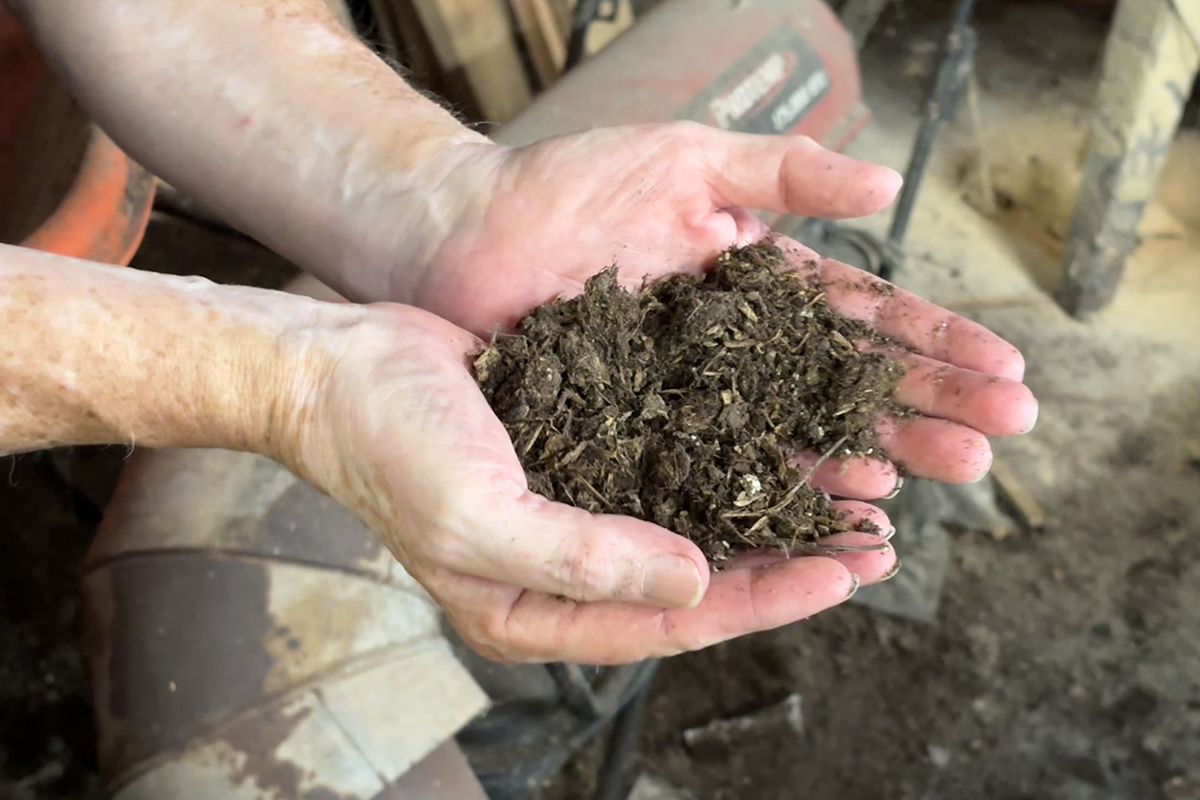
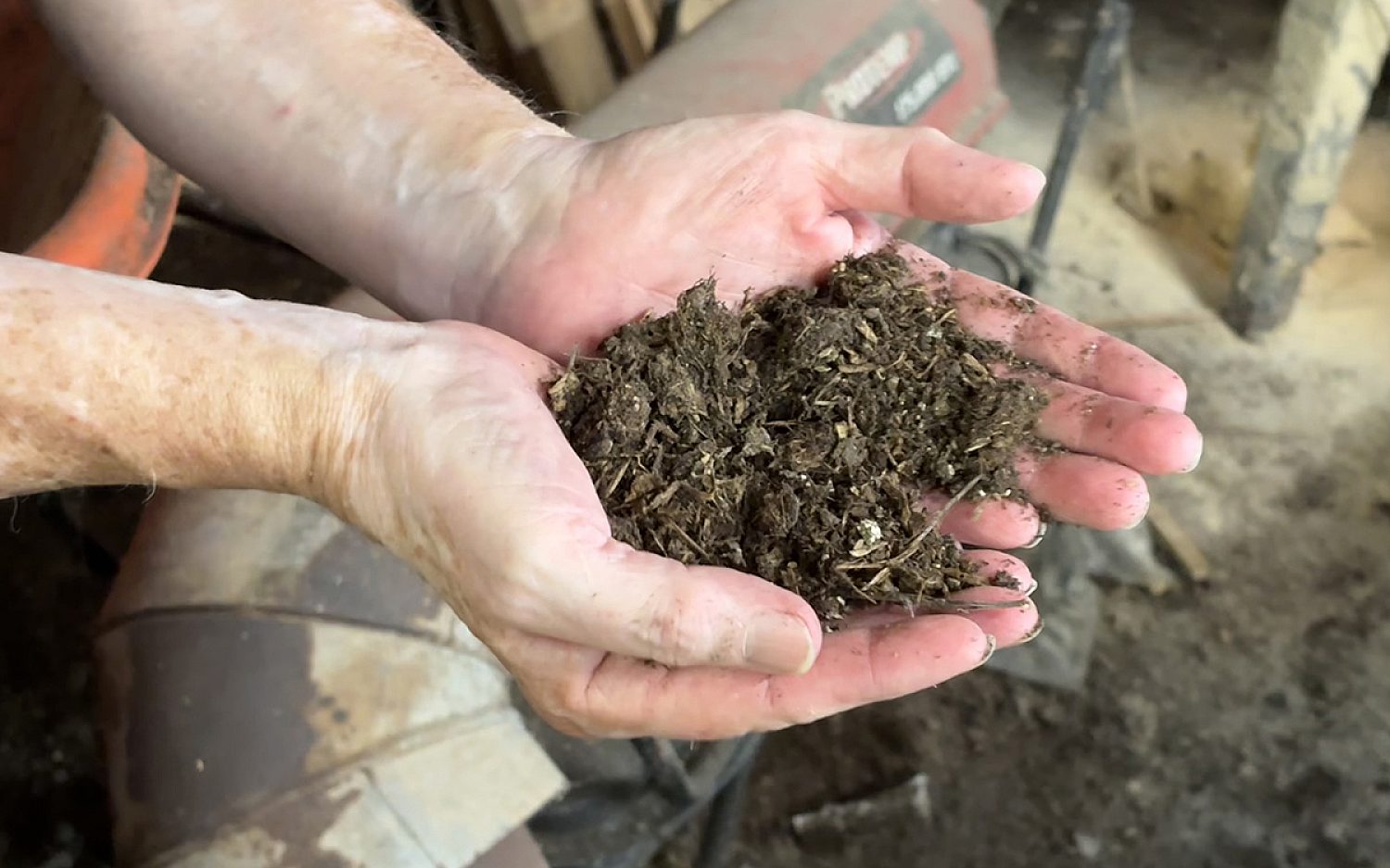
Worms produce castings—aka “worm poop”—God’s superpowered fertilizer. The castings increase crop yield and boost plants’ nutrient content, making them healthier for people. Worm fertilizer even improves produce flavor, elder brother Jerry claims.
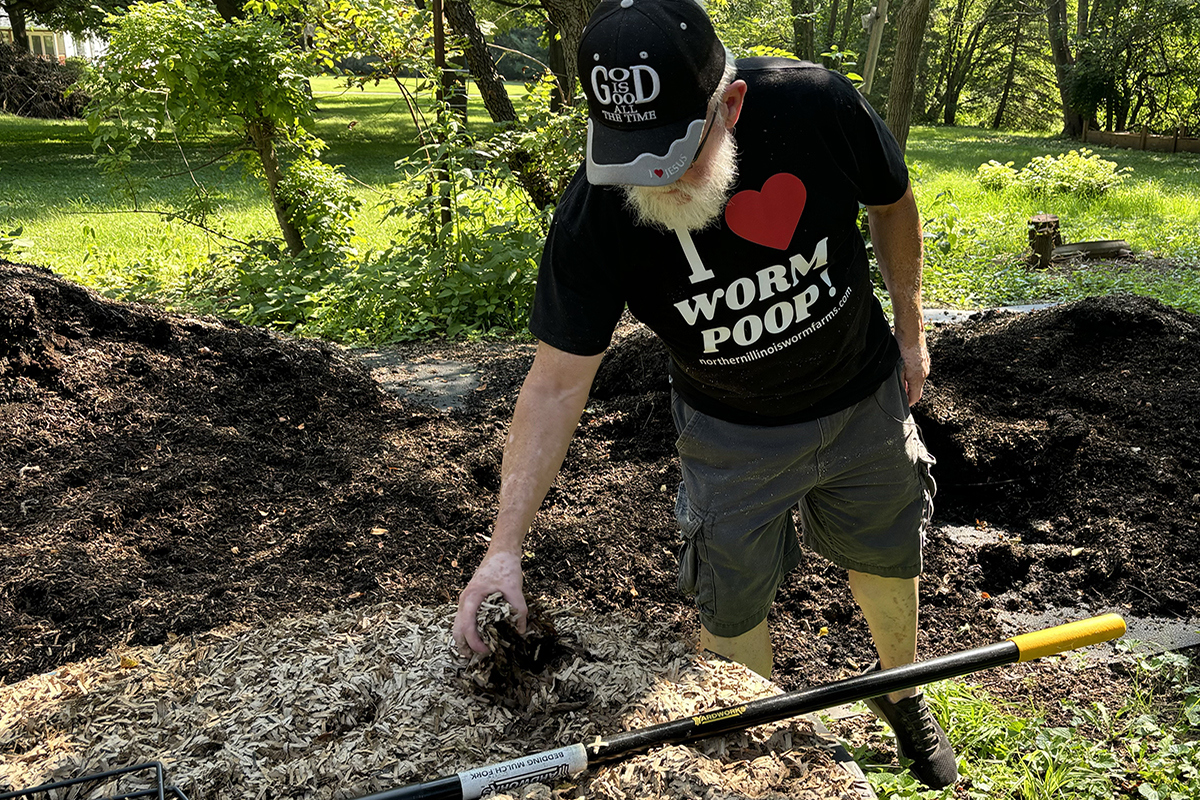
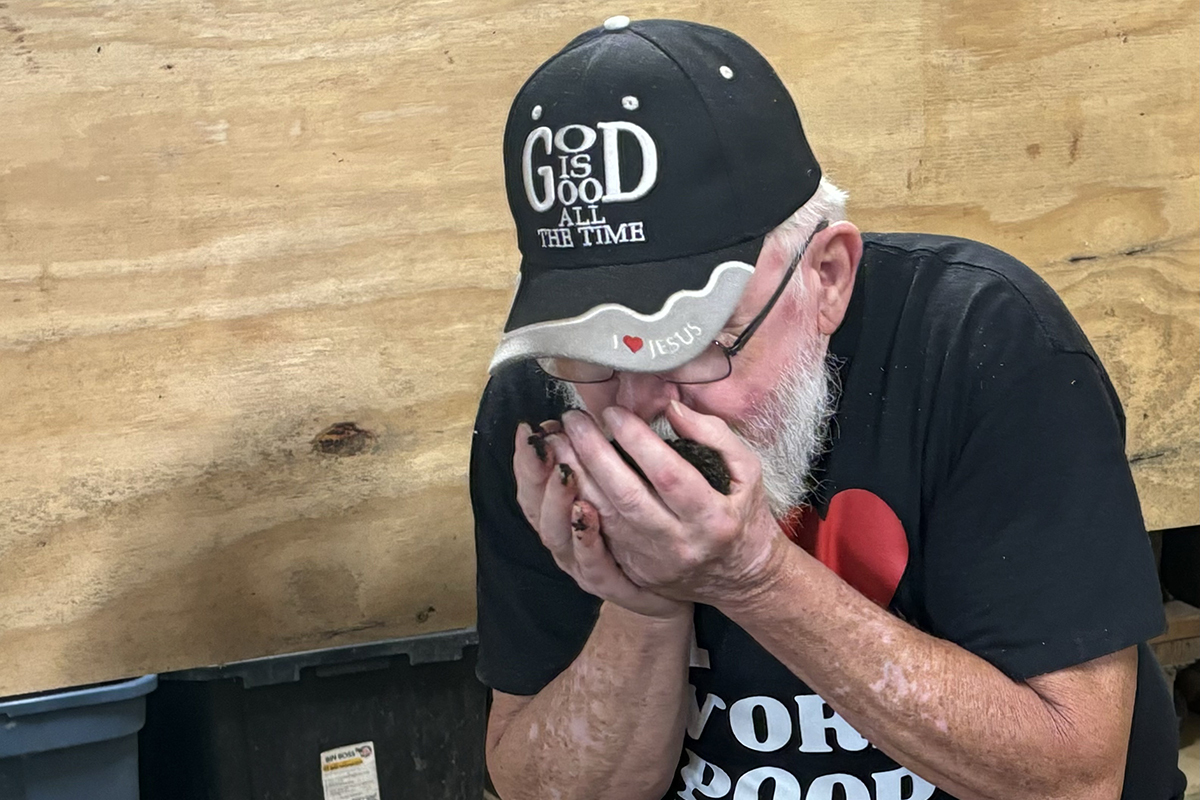
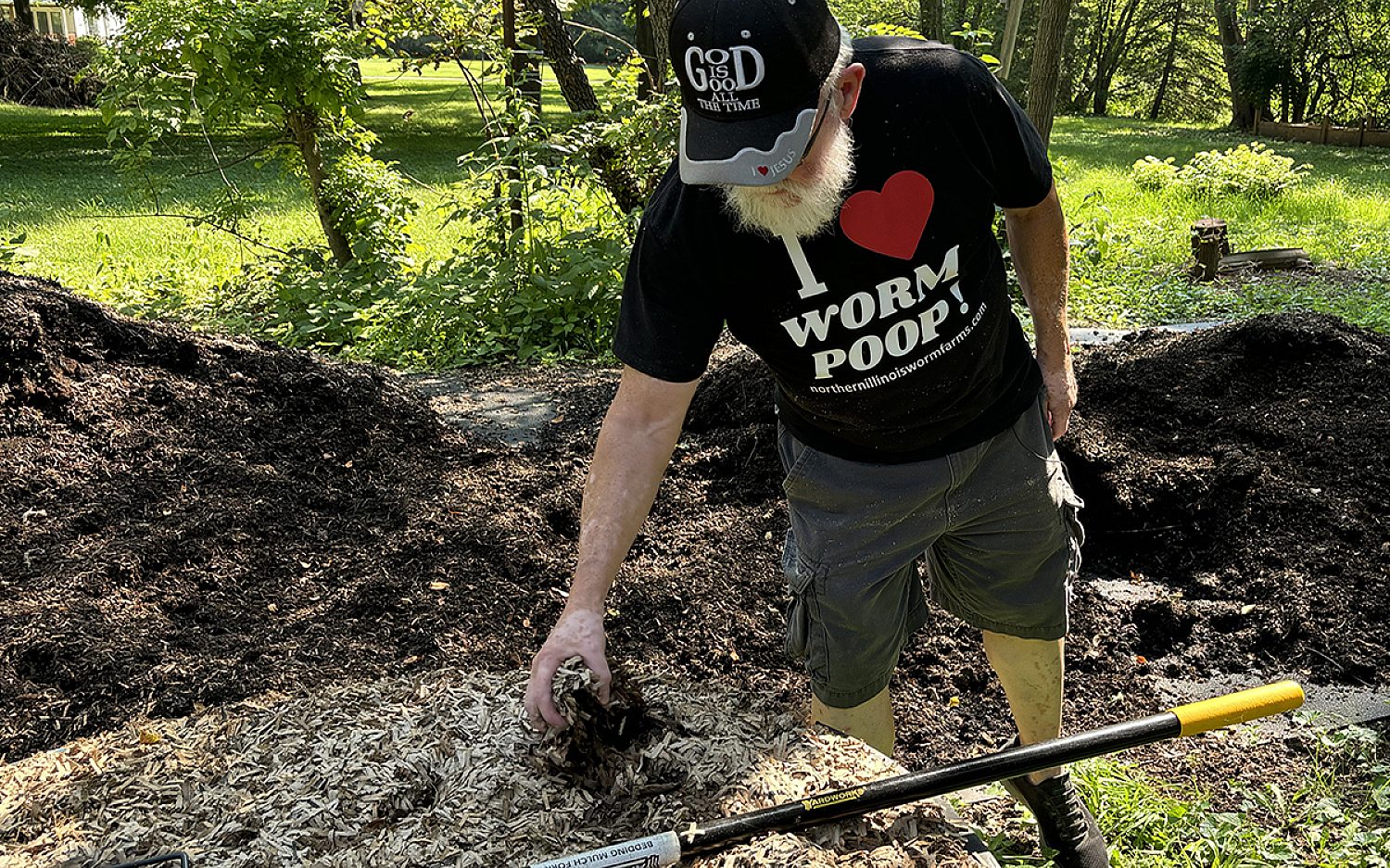
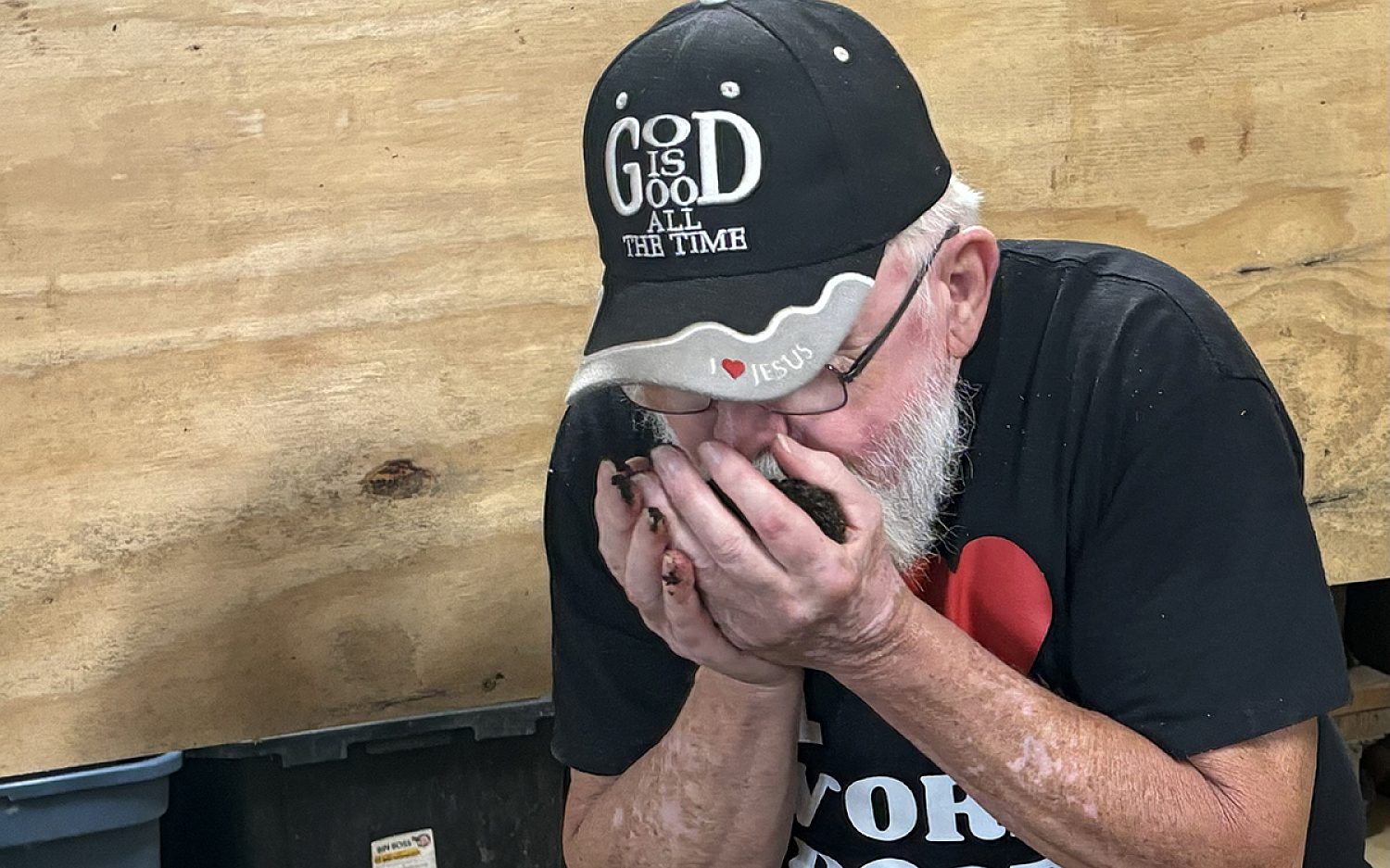
Jerry proudly dons a shirt that reads, “I <3 worm poop!” His hat declares, “I <3 Jesus.” He smiles as he talks about both.
Jerry sees God’s redemptive hand displayed even in the work of these lowly earthworms. “They take something poisonous to us and turn it into something . . . pure,” he explains. “Jesus Christ came and cleansed the sin . . . and He uses the worm to cleanse the world.”
How does worm farming work?
The Callisons mix horse manure, coffee, decaying fruit, cardboard, and other biodegradable materials to feed their worms.
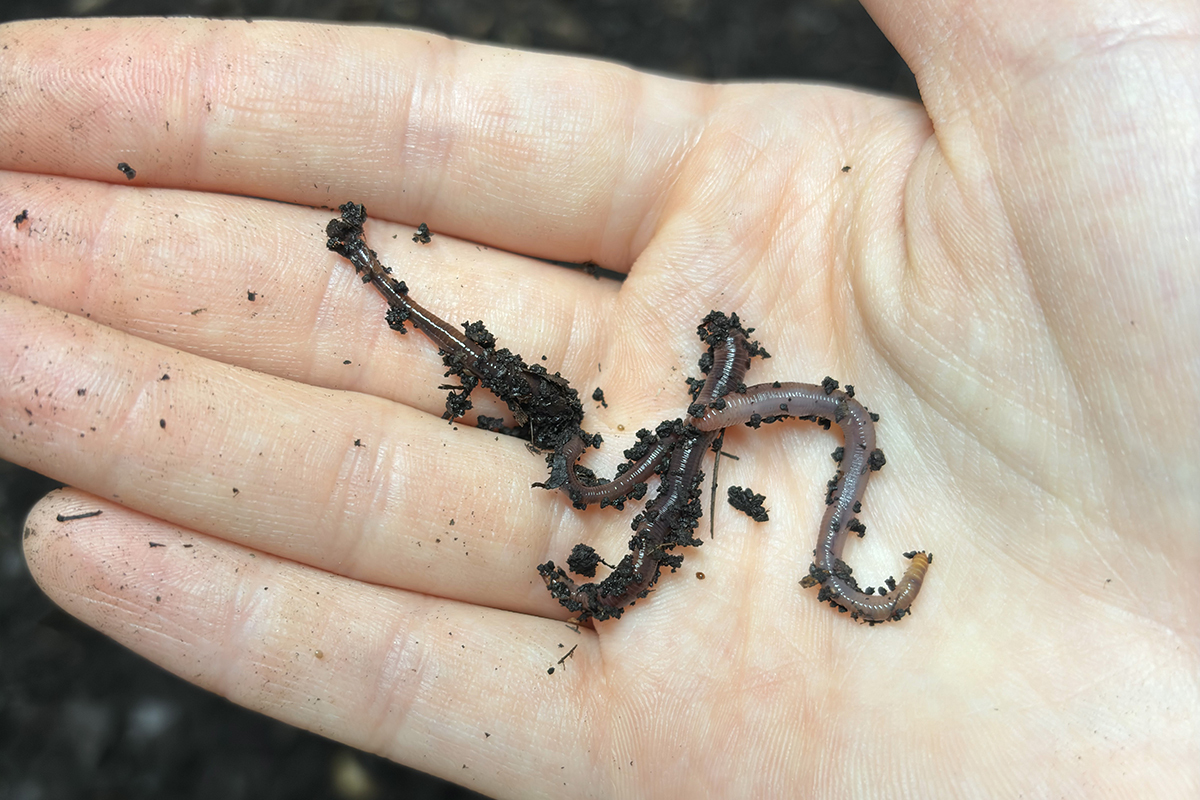
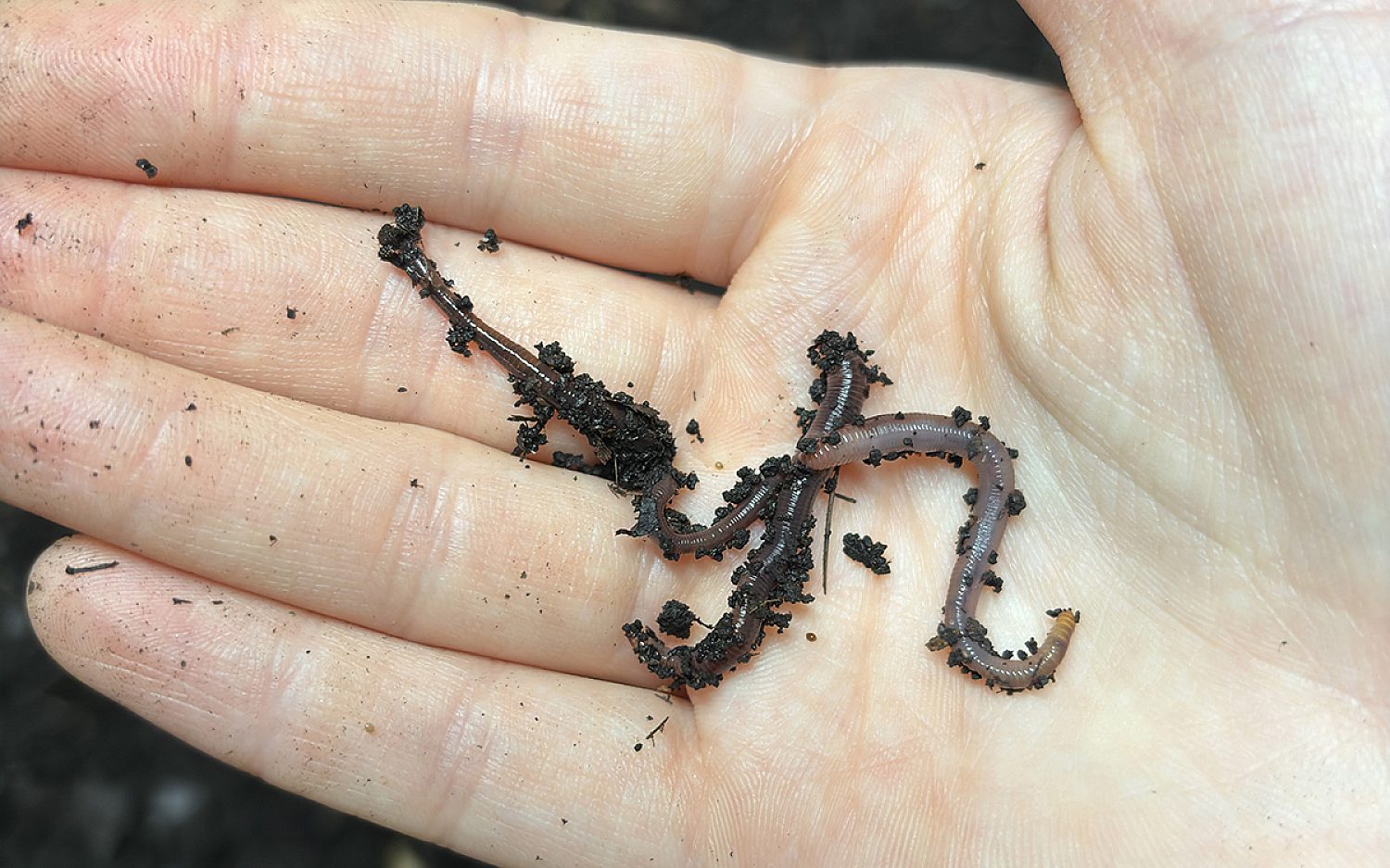
The worms live in four wooden boxes, separated by maturity stage. Hatchlings are smaller than a pinky fingernail. Adults can stretch across an open palm. The brothers sift the worms and dirt from the castings in the two adult boxes. They do this when the dirt’s moisture level is right. It should feel like rich soil without clumping together.
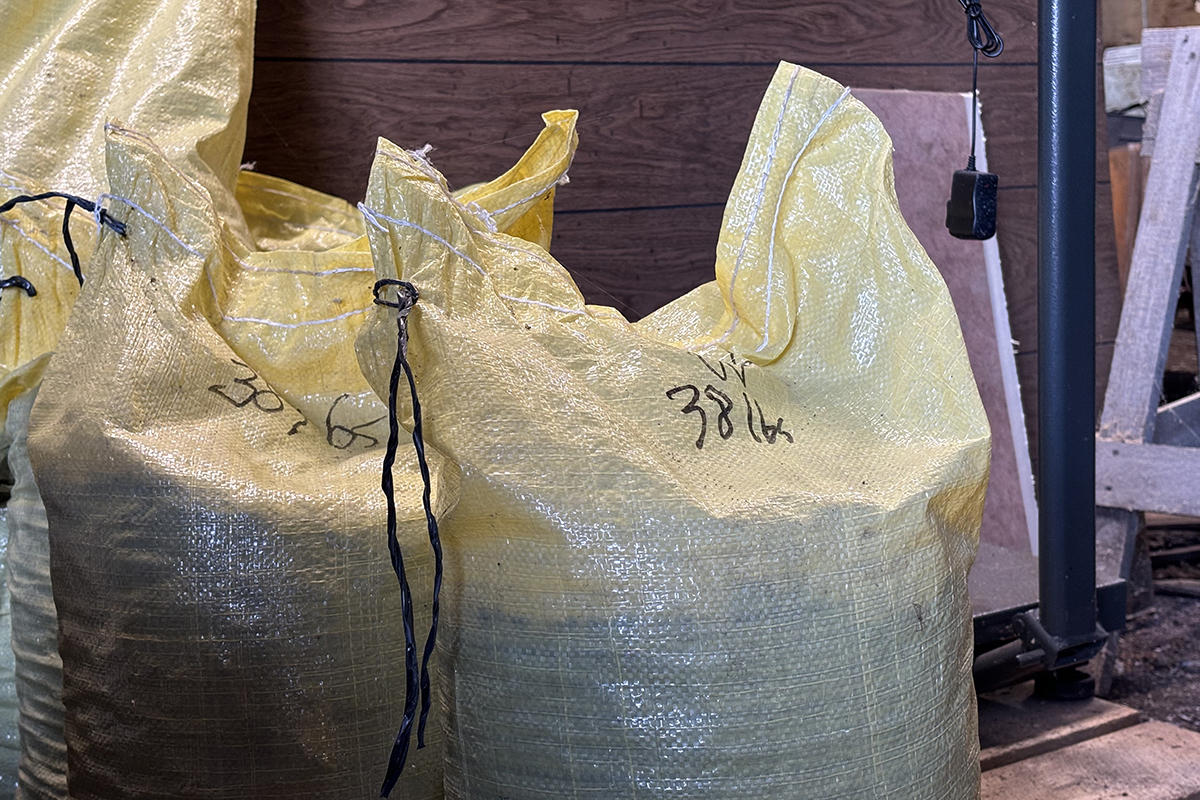
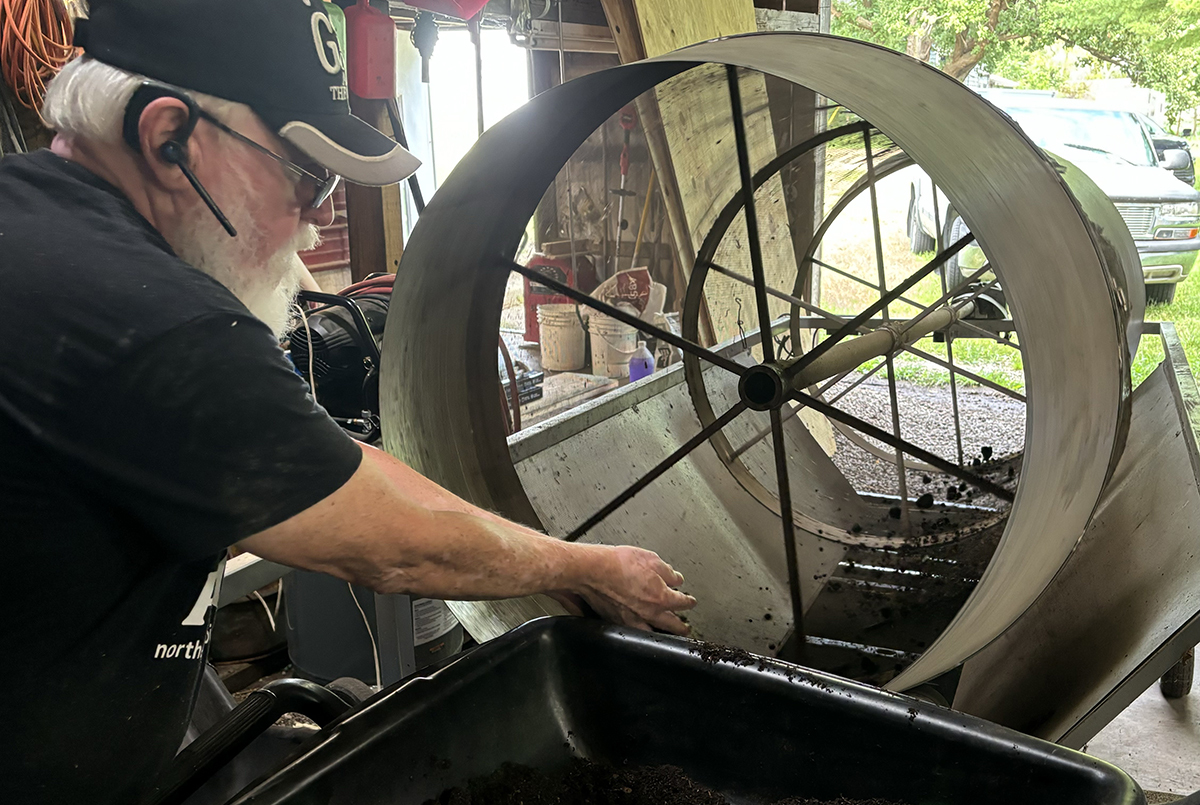
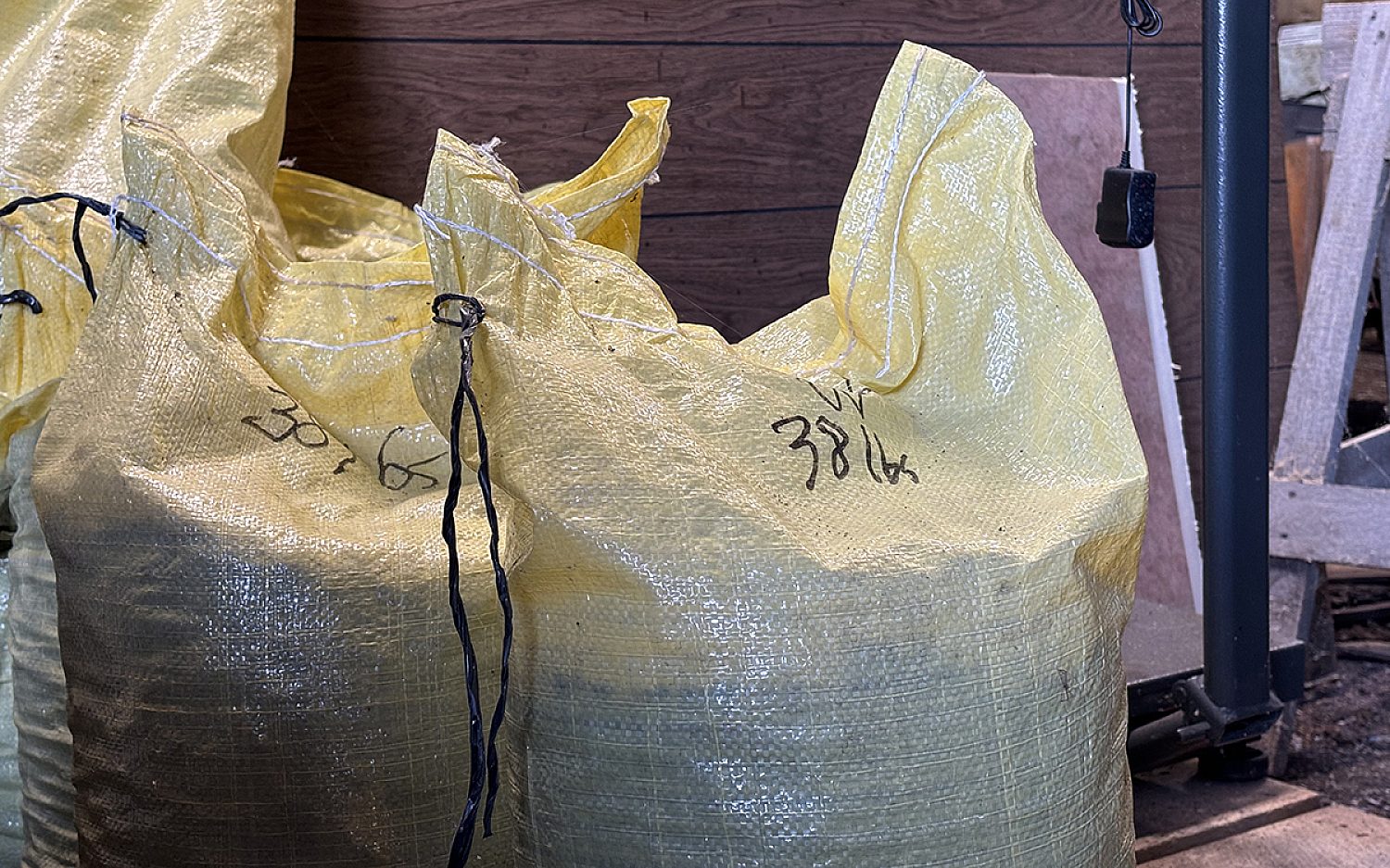
The trommel looks like a spaceship engine with mesh walls. As it spins, Jerry carefully loads dirt into the top. The worms travel safely through into bins waiting at the end of the process. The castings fall through the mesh into other bins beneath. Then they’re loaded into breathable bags designed to keep the castings fresh during transit. They’ll travel from Illinois to locations as far away as Florida.
Unusual crop, unique farmer
Jerry has Guillain-Barré syndrome. That disease causes nerve damage. It left him with paralysis in both legs. Though most who suffer from Guillain-Barré recover 95% of function within a year, Jerry’s paralysis is chronic. But he doesn’t let it hold him back.
“I’m not one to sit and stare at four walls,” he laughs, adding that worming helps. “We get our hands in the soil, and it’s just rejuvenating. It’s good for the spirit . . . I have more fun than I can shake a stick at.”
Despite his diagnosis, Jerry sees God’s purpose in everything. He says the condition allows him to testify more than he might otherwise. The diagnosis also led him to vermiculture, for which he says he is grateful.
“God is just amazing!” Jerry beams.
—by Micah Barkley, Joel Belz Journalism Fellow
Why? God uses even the tiniest of His creatures to do big things.