
Wind blows across Earth’s surface. Over water, wind increases wave strength. In the late 1800s, scientists began harnessing that wind energy. Today, researchers plan to capture and convert energy from waves too.
The Office of Critical Minerals and Energy Innovation is part of the U.S. Department of Energy. The group emphasizes the potential of marine energy.
A University of Hawaii website says the energy in even a small ocean wave could power a home for a day or a car for hundreds of miles.
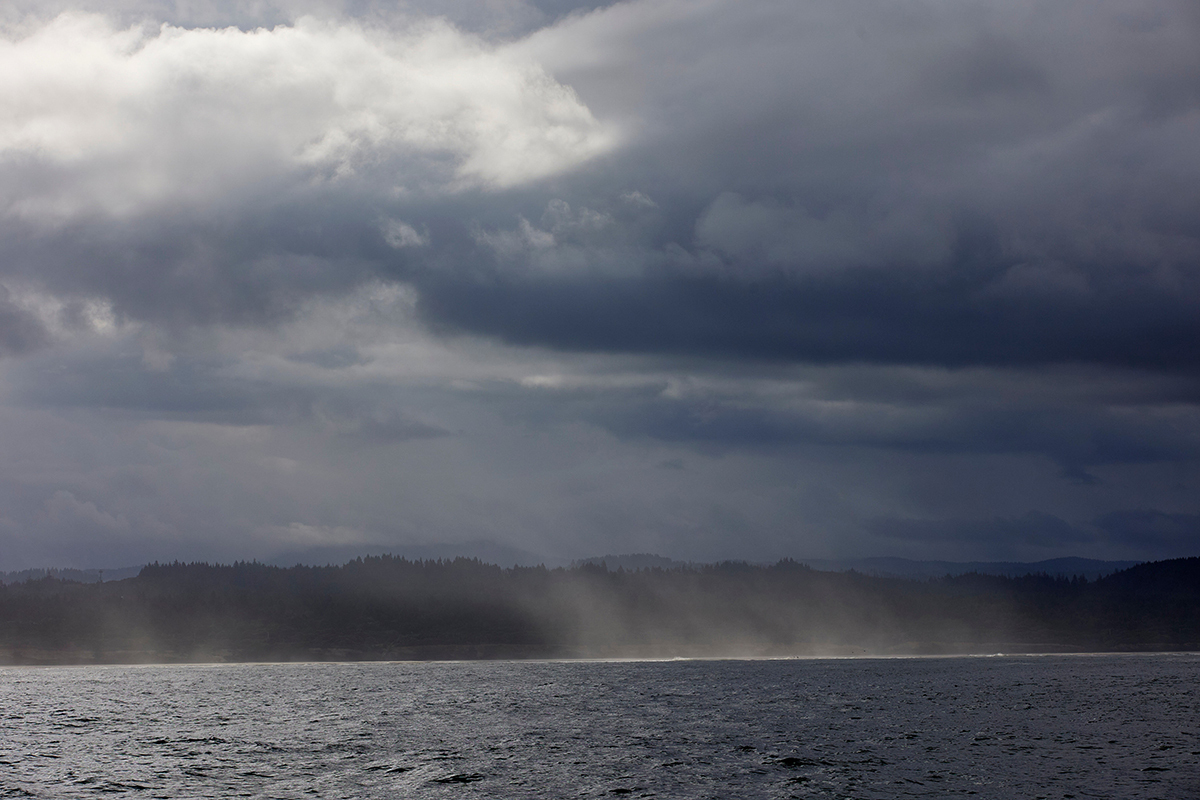
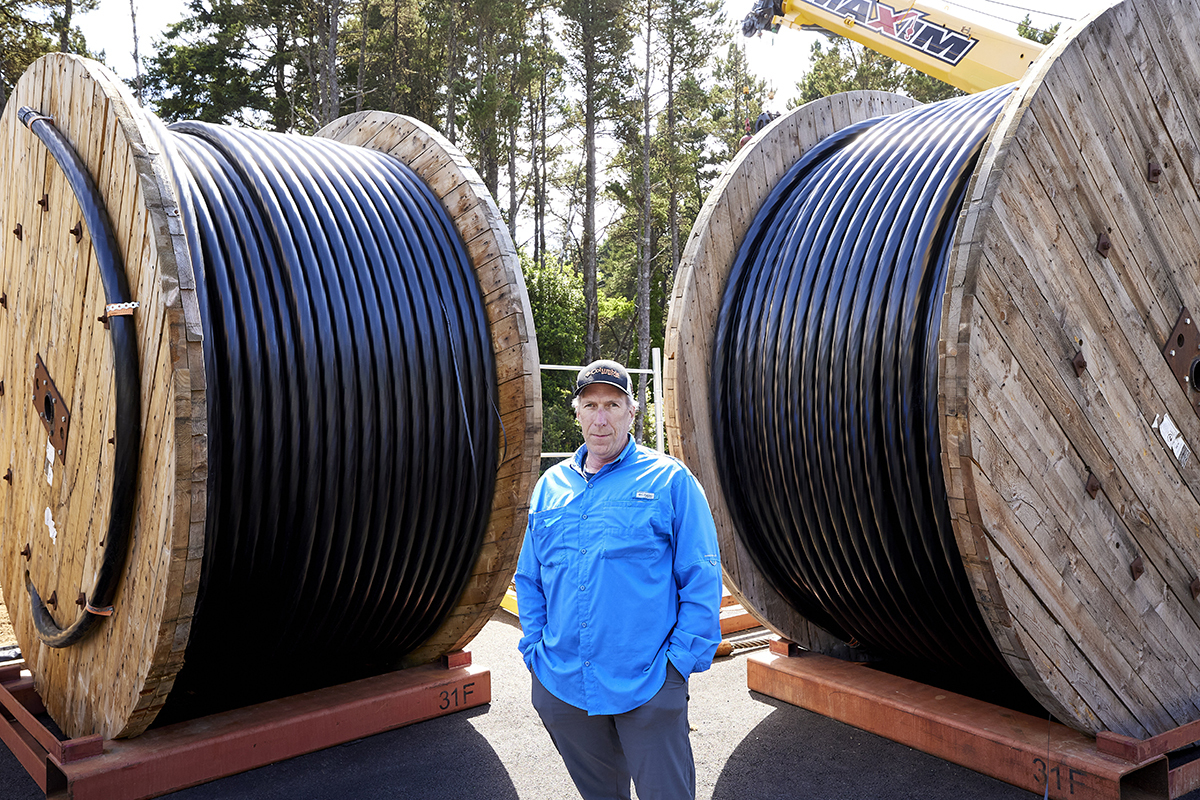
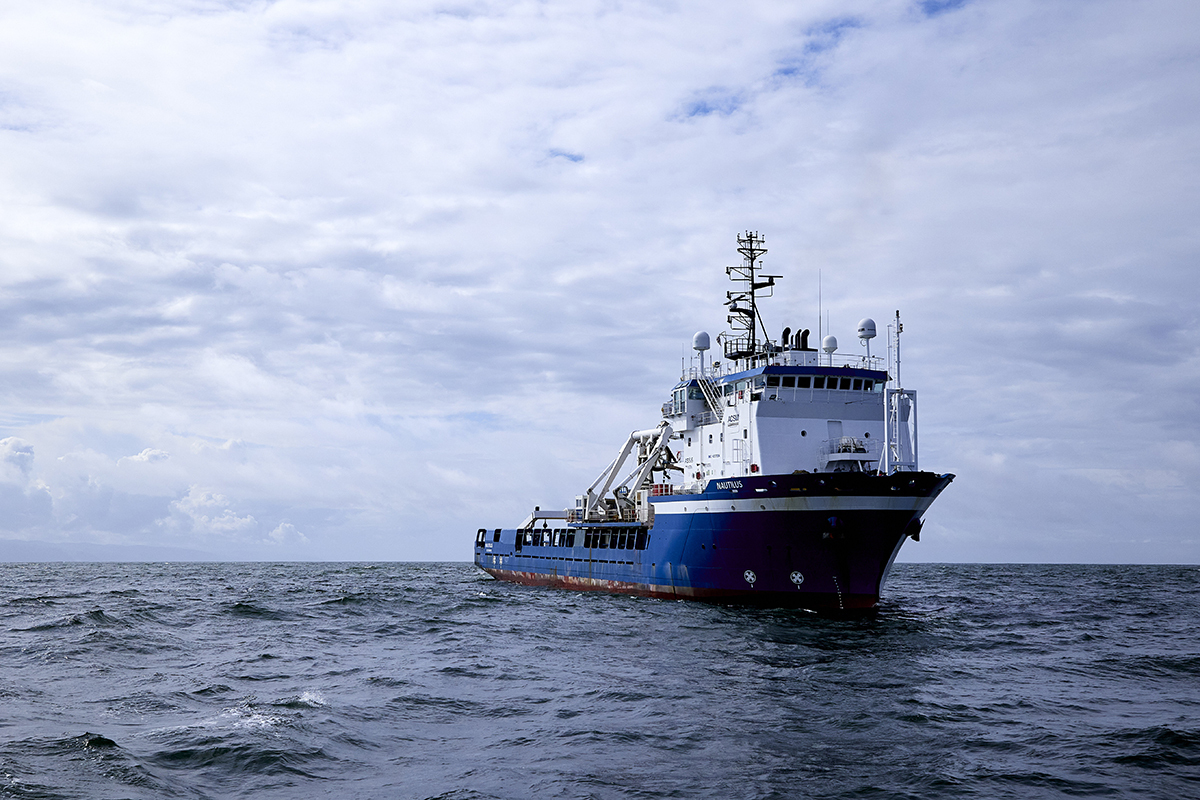
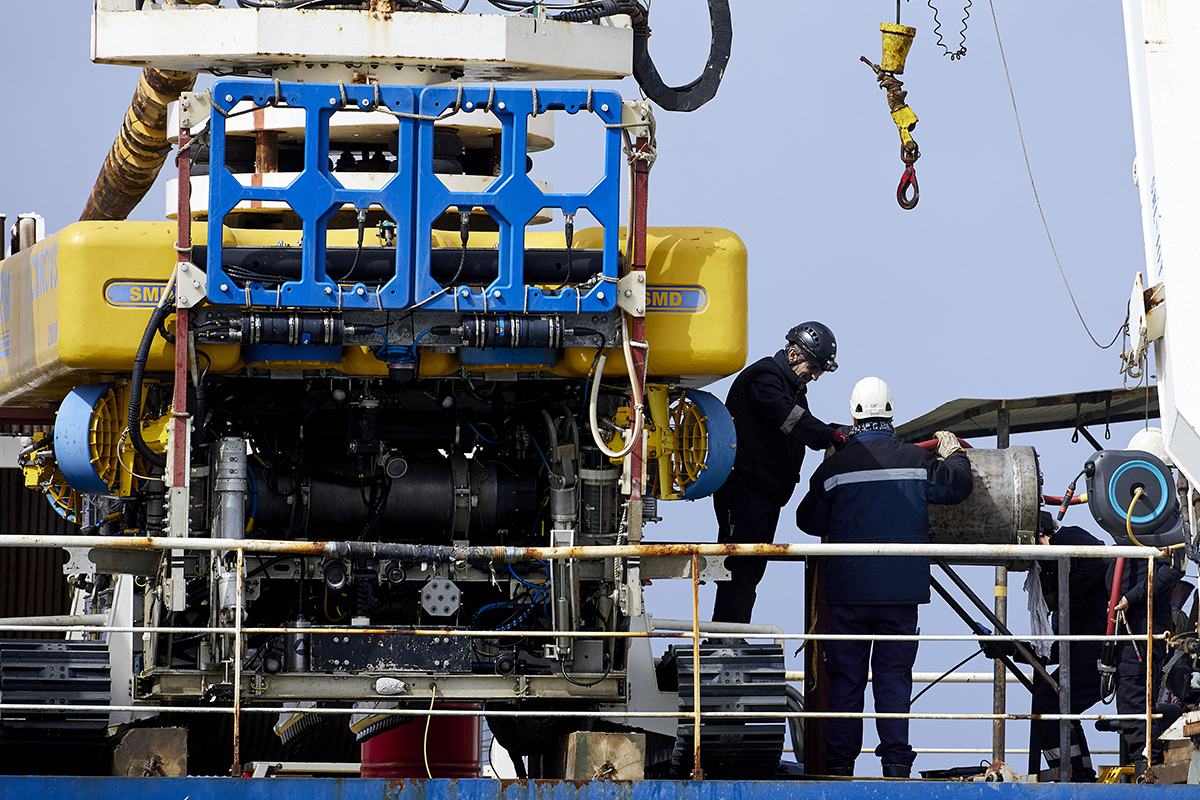
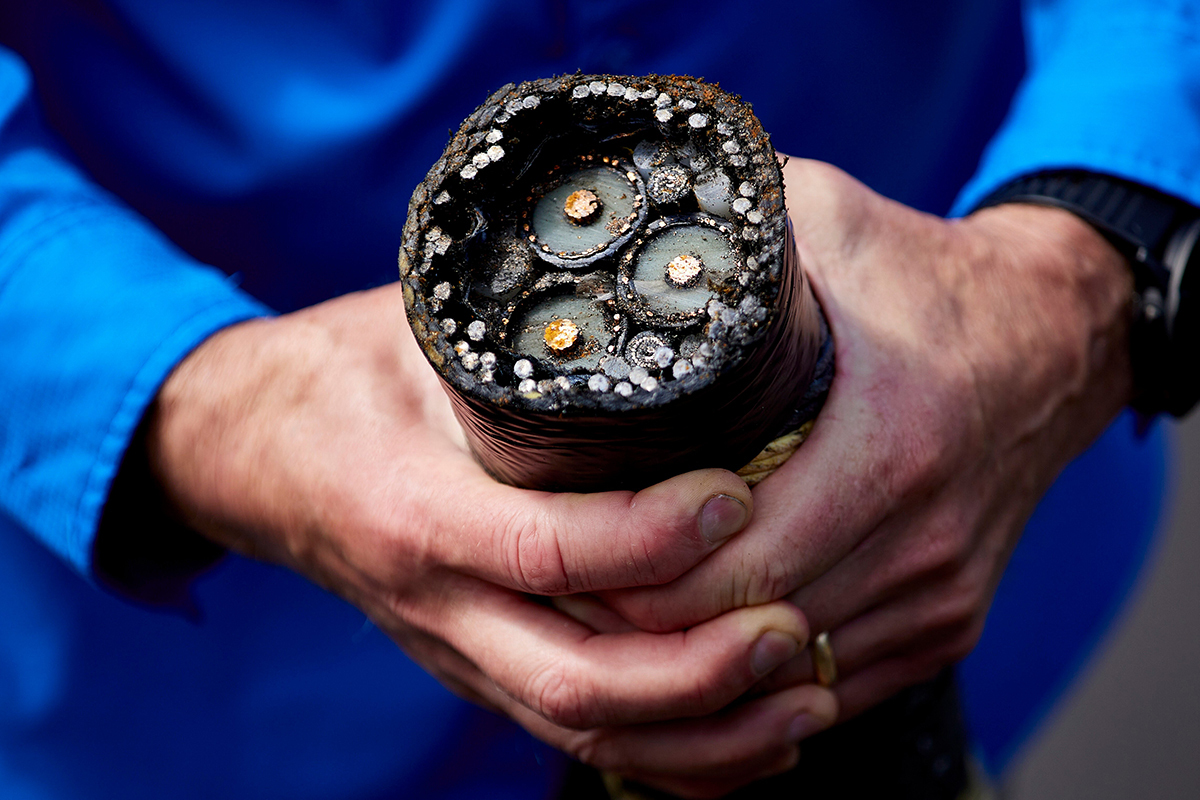
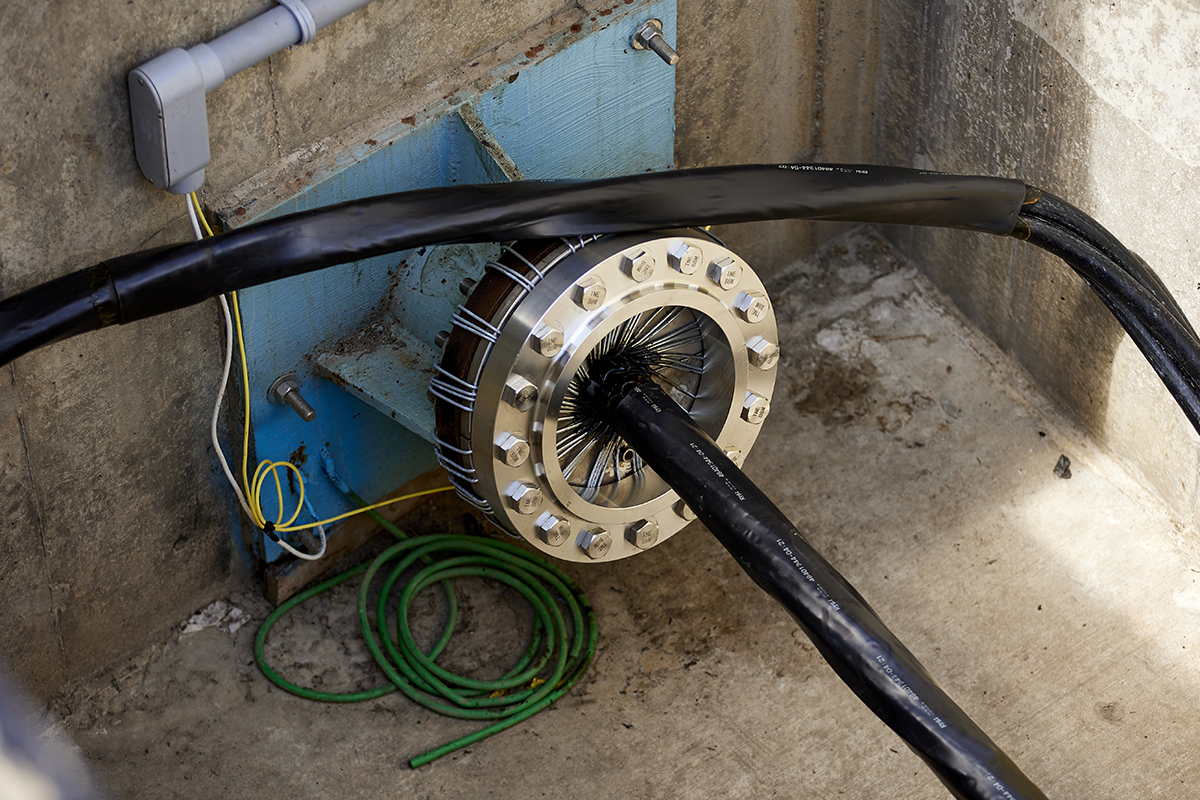
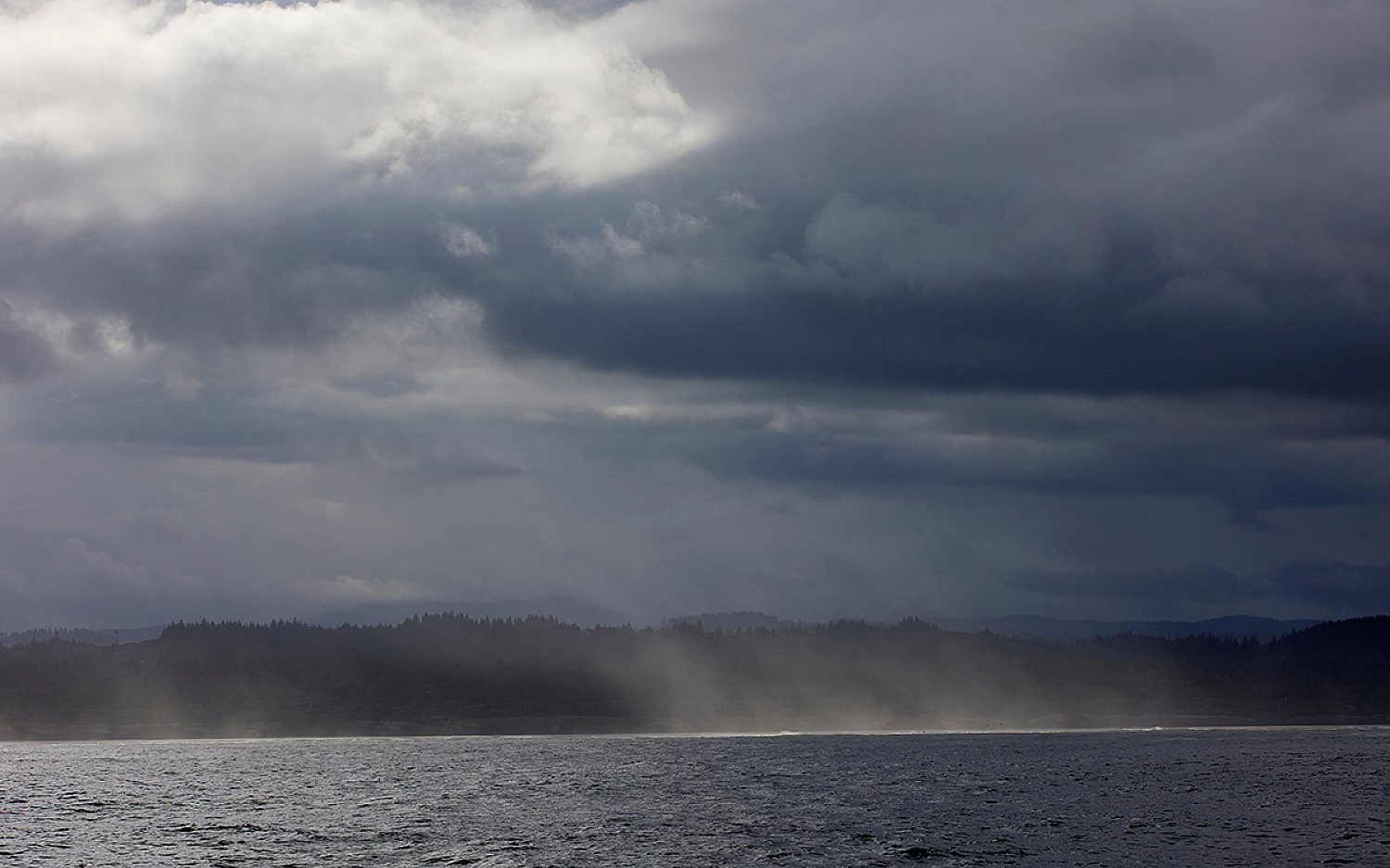
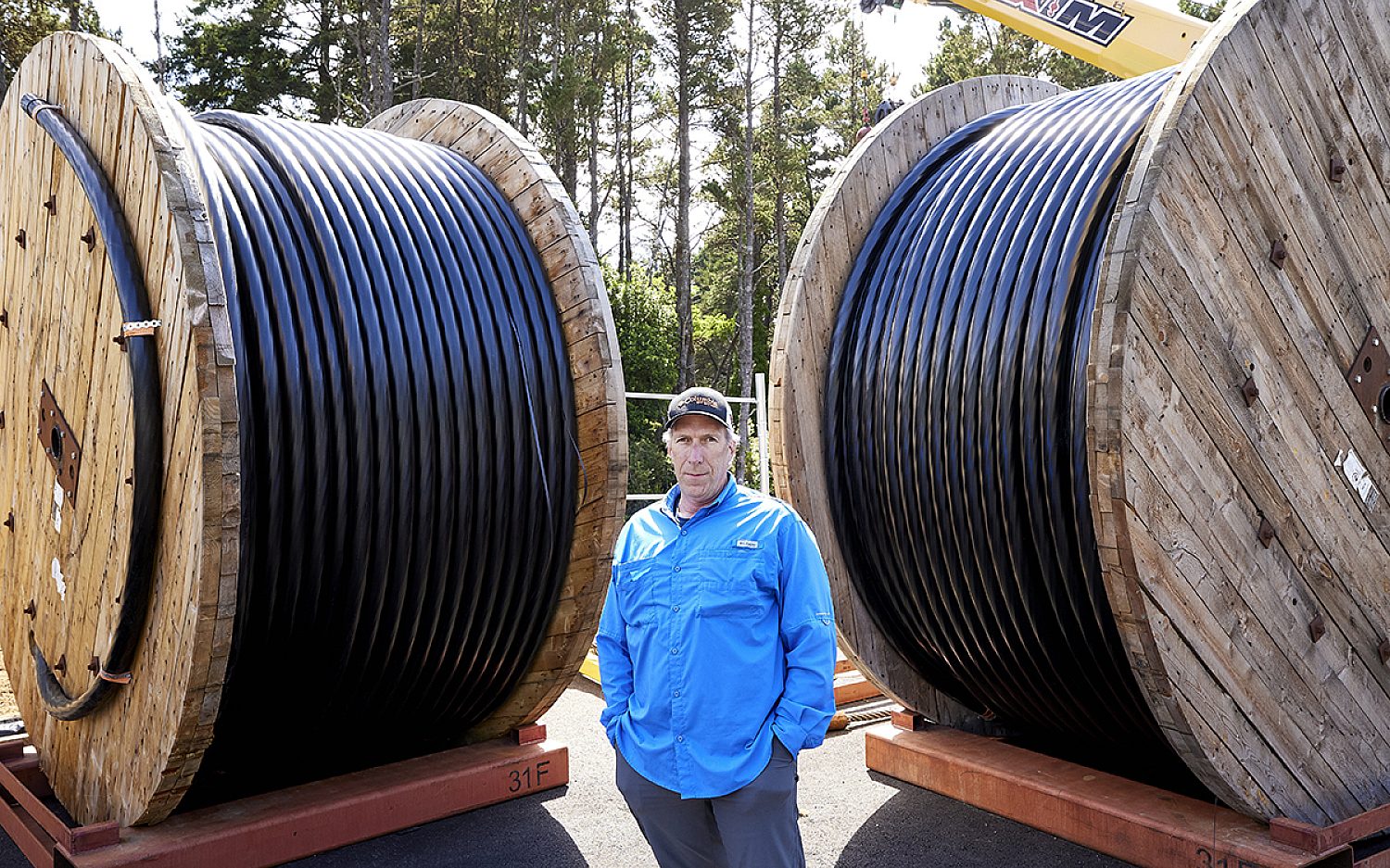
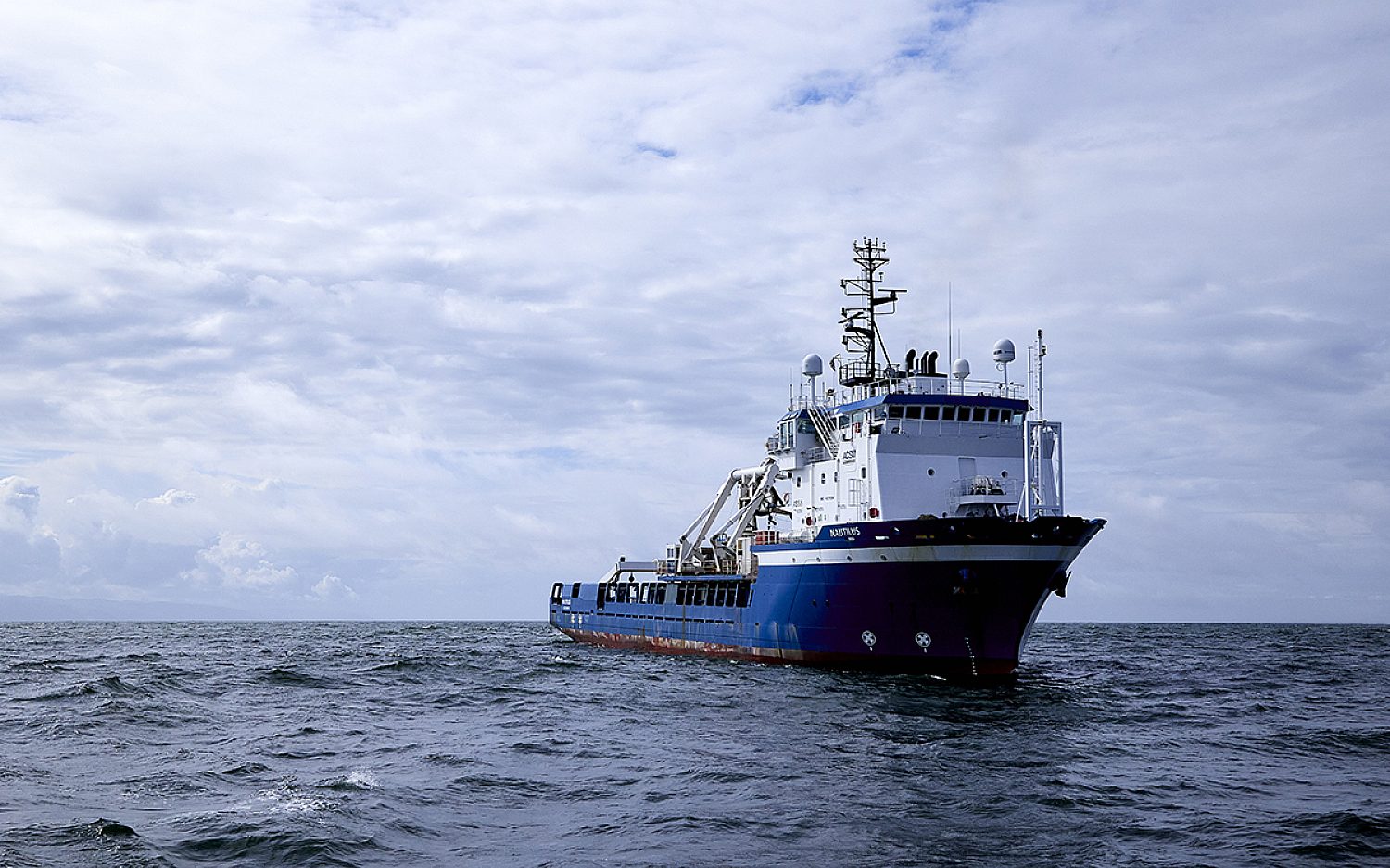
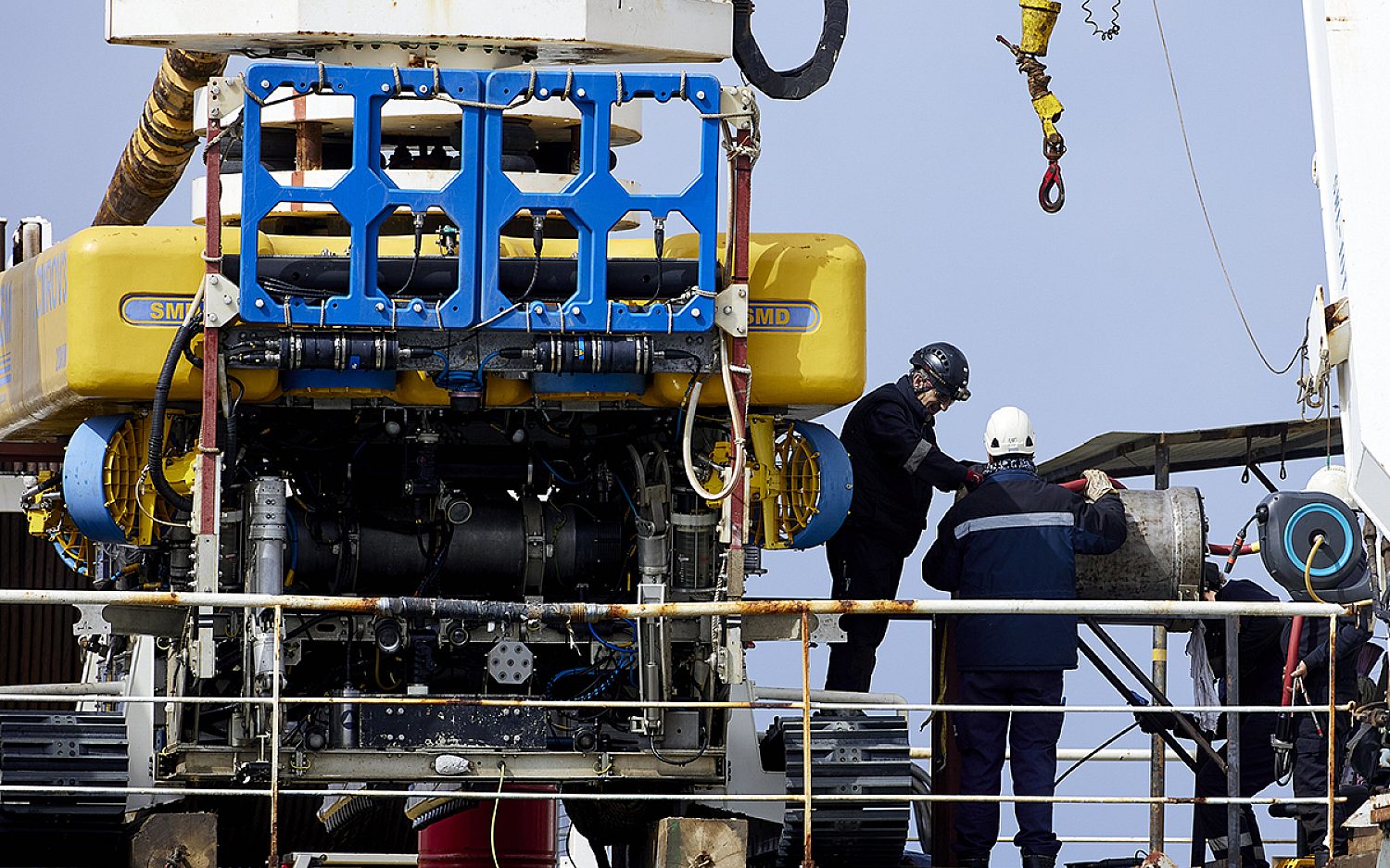
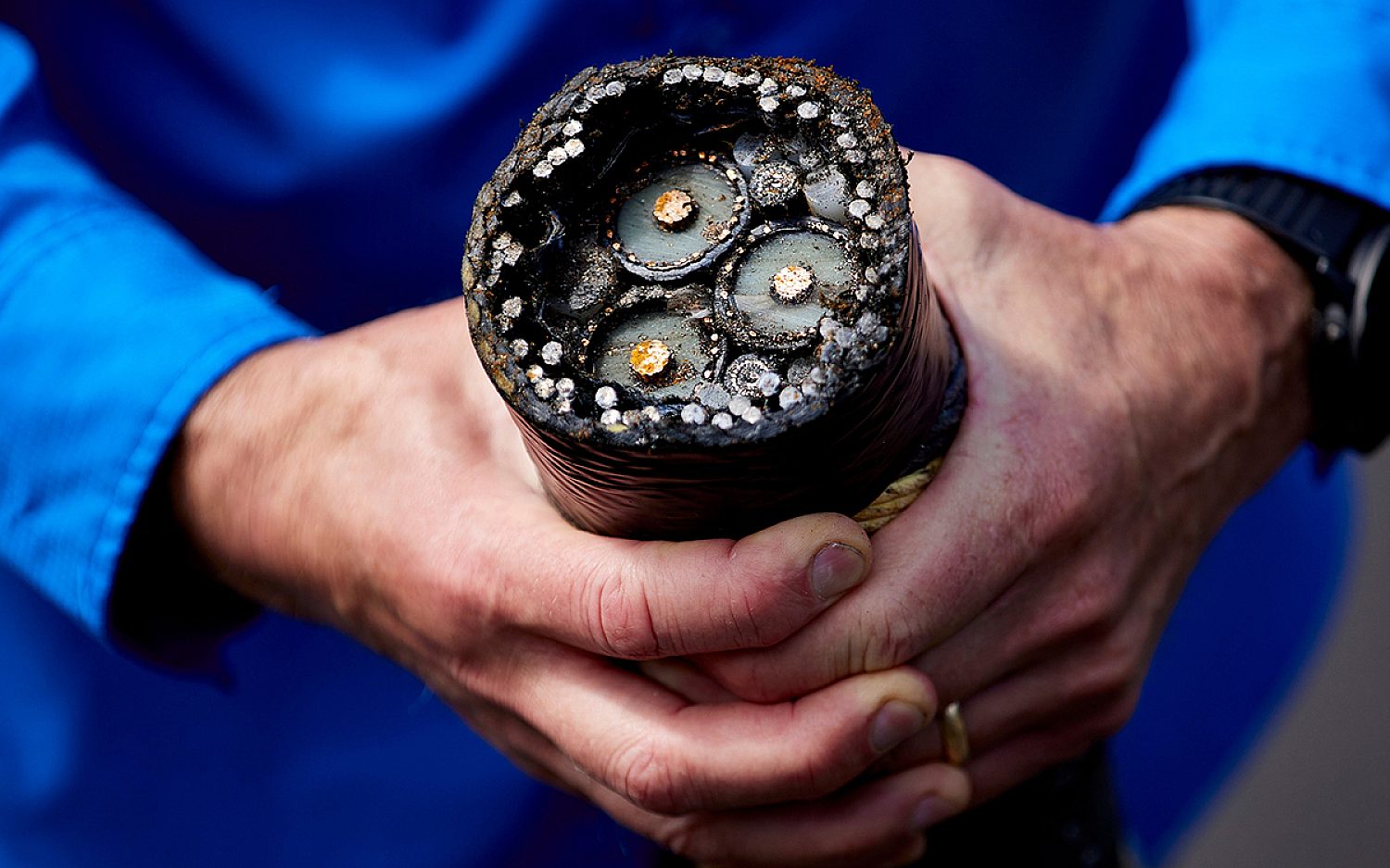
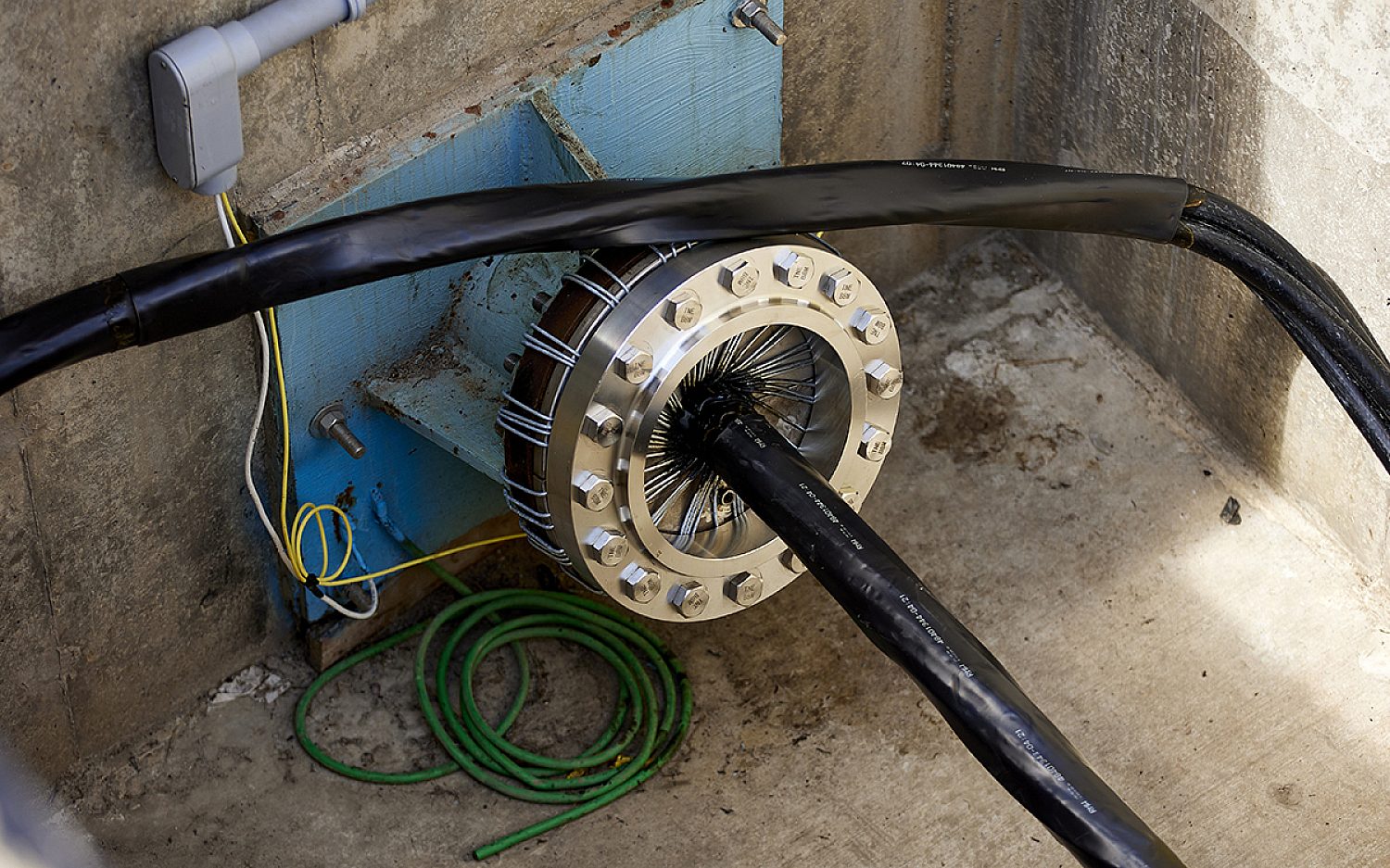
PacWave South is an open-ocean wave energy test facility off the Oregon coast. It allows researchers to test various wave energy converters. These devices use underwater cables to connect to the power grid and supply electricity to shore.
Federal estimates say marine energy could someday supply over half of U.S. electric needs. PacWave South is the first grid-connected wave energy test site attached to the U.S. mainland.
Thanks to God’s creative genius, ocean waves are always renewing—one wave follows another, all around the globe. And since God placed water over about 70% of His Earth, marine energy resources are abundant.
Bringing PacWave South online will help streamline the testing and permitting processes for harnessing that marine energy.
“When you’re developing this technology, ultimately you have to get to that stage of full-scale open water testing, connected to the grid,” PacWave Director Dan Hellin says. “That’s the real bottleneck for the global industry.”
Developers worldwide plan to test different types of wave energy converters at PacWave. Since they won’t have to acquire their own testing permits, they’ll save time and money.
So far, PacWave South hasn’t generated any electricity due to delays in federal funding. However, with recent approval from the Trump administration, marine energy testing at PacWave should begin soon.
PacWave is poised to help convert the motion of the ocean into safe, clean, dependable, and affordable energy.
But the Energy Department says PacWave’s devices will likely do more than light up our lives. They could also enhance national security. Possible uses include remote sensors, underwater robots, and other equipment used in isolated and sensitive offshore and coastal environments.
Another bonus? Marine energy devices usually lie submerged or far out to sea. So while they are producing energy, mapping the ocean, delivering clean water, improving security, and more—they won’t spoil the views.
Why? God the Creator controls the entire world, including the wind, the waves—and the humans who seek to harness their energy.