As the United States celebrates 250 years, one national service stands out. It existed in some form even before the nation was officially established. And for much of that time, this entity served nearly every American, nearly every day.
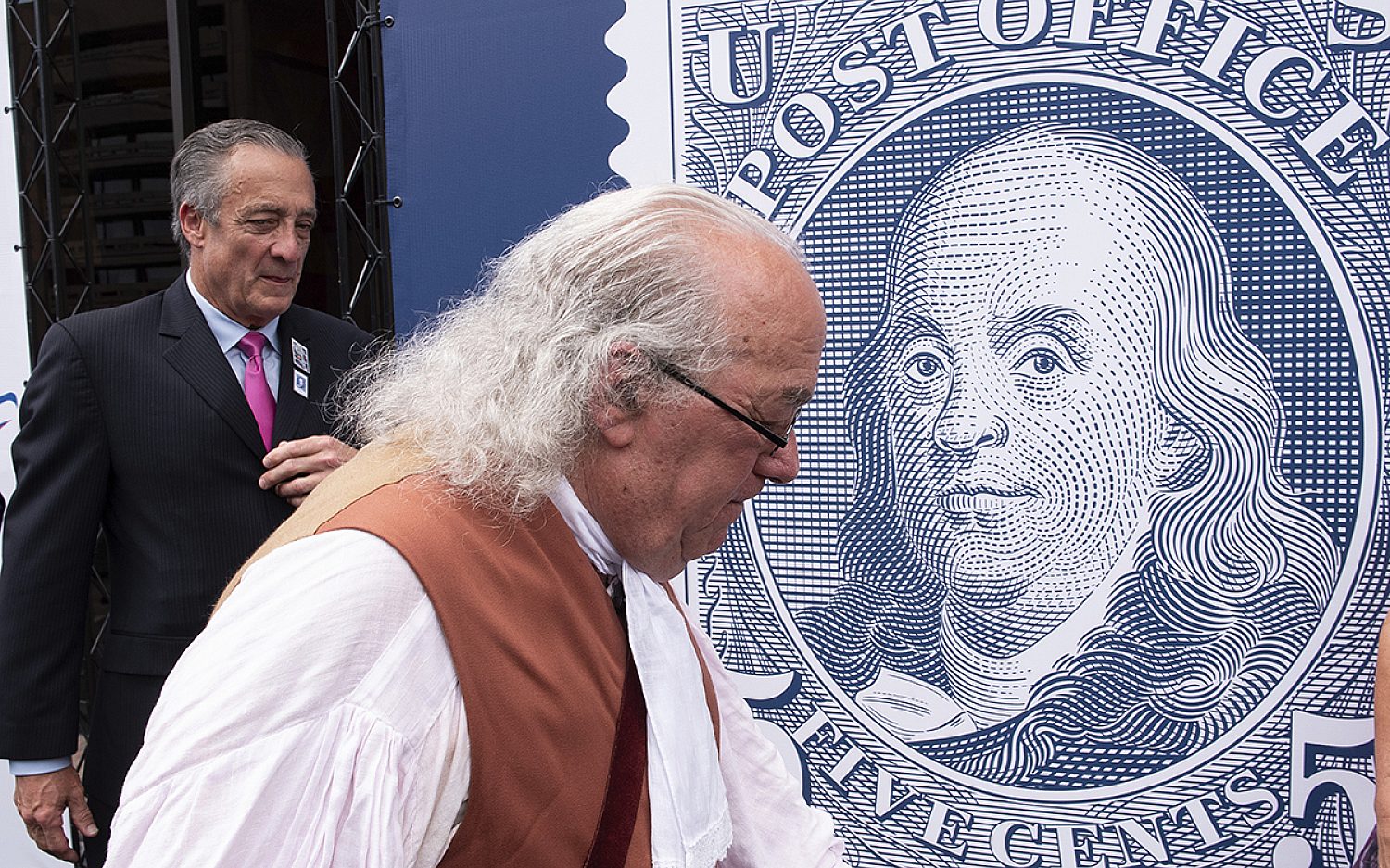
The history of the USPS is closely tied to the nation’s founding. In 1775, the postal system helped spread ideas of liberty by delivering letters, newspapers, and pamphlets to the Continental Army and the colonies.
“The country may not even have come into existence but for the Postal Service,” claims former postmaster and historian Stephen Allen Kochersperger. “People were reading, getting ideas of what it would be like to be an independent country,” he says.
Delivering news and views was key for a fledgling nation. It’s vital now too: Christians should be informed about world events and trends. Then they can pray and act effectively to take the glorious news of Jesus Christ to a lost world.
After the U.S. Constitution’s ratification in 1788, Congress began establishing land mail routes. Most ran north-south. Later, mail by ship—New York to Central America to California—took two to three months.
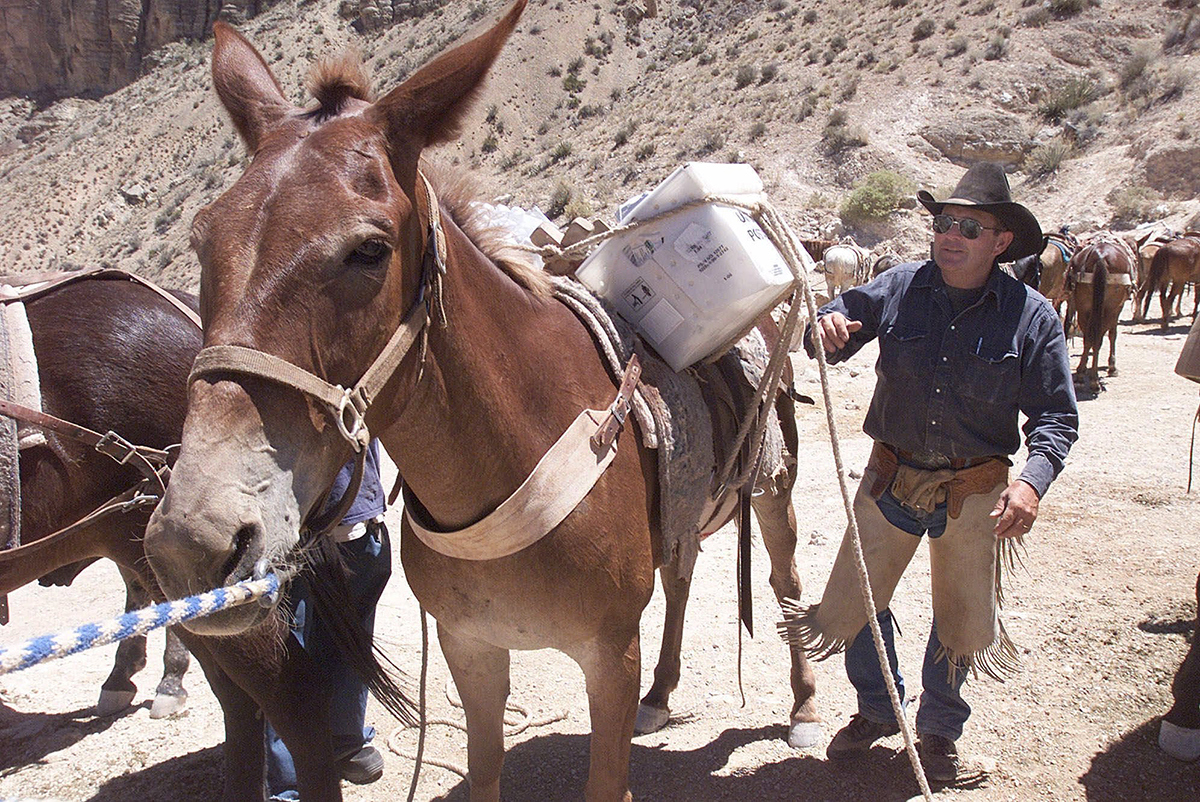
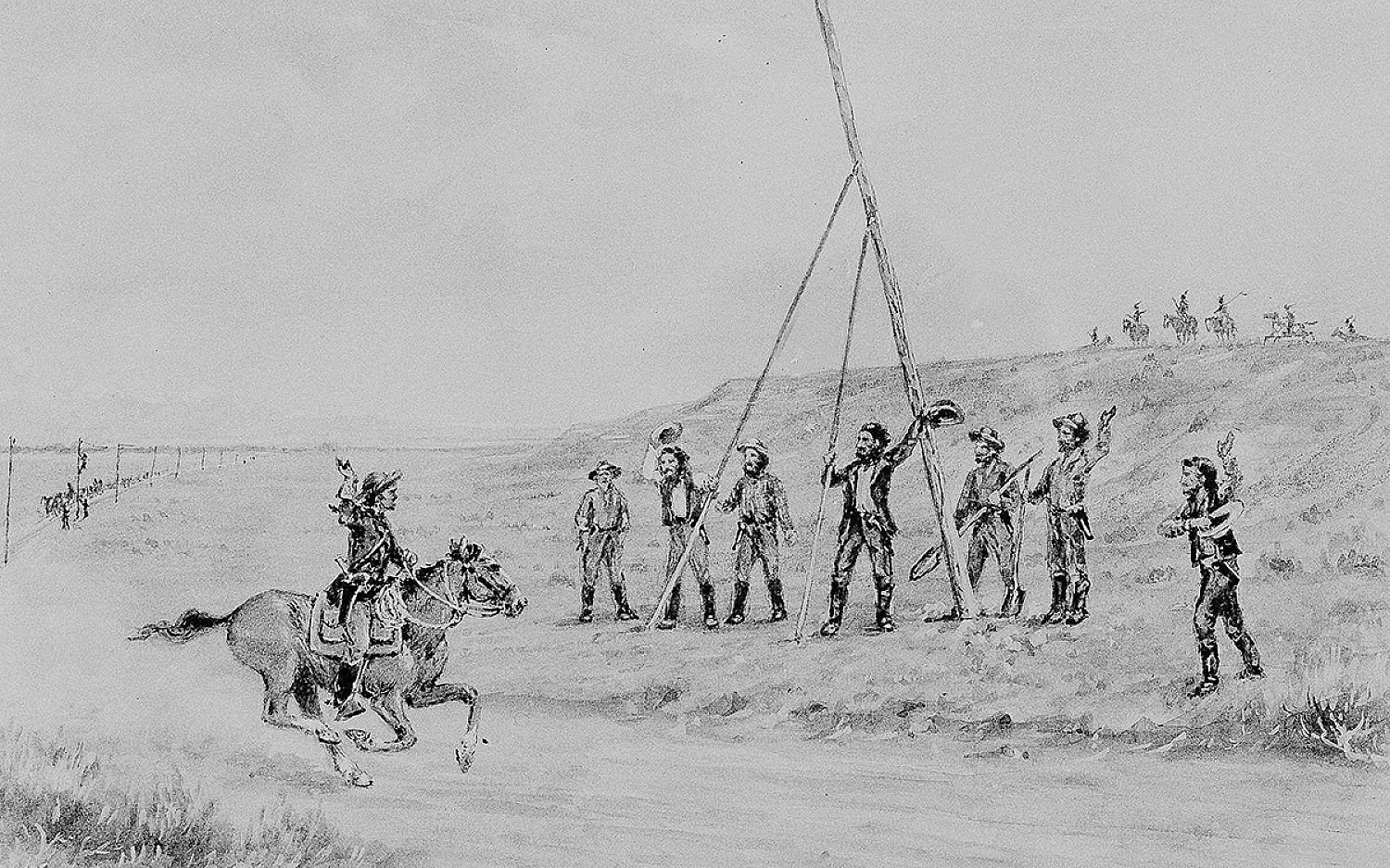
Starting in 1860, the Pony Express sped up that time. A relay system of riders on horseback carried mail between California and Missouri, the farthest westward railroad stop. The 1,800-mile journey took only 10 days.
But the daring enterprise went bankrupt in 18 months. Historians say it lost $30 on every piece of mail! The arrival of the telegraph also helped doom the Pony Express, says Daniel Piazza, a Smithsonian curator of philately.
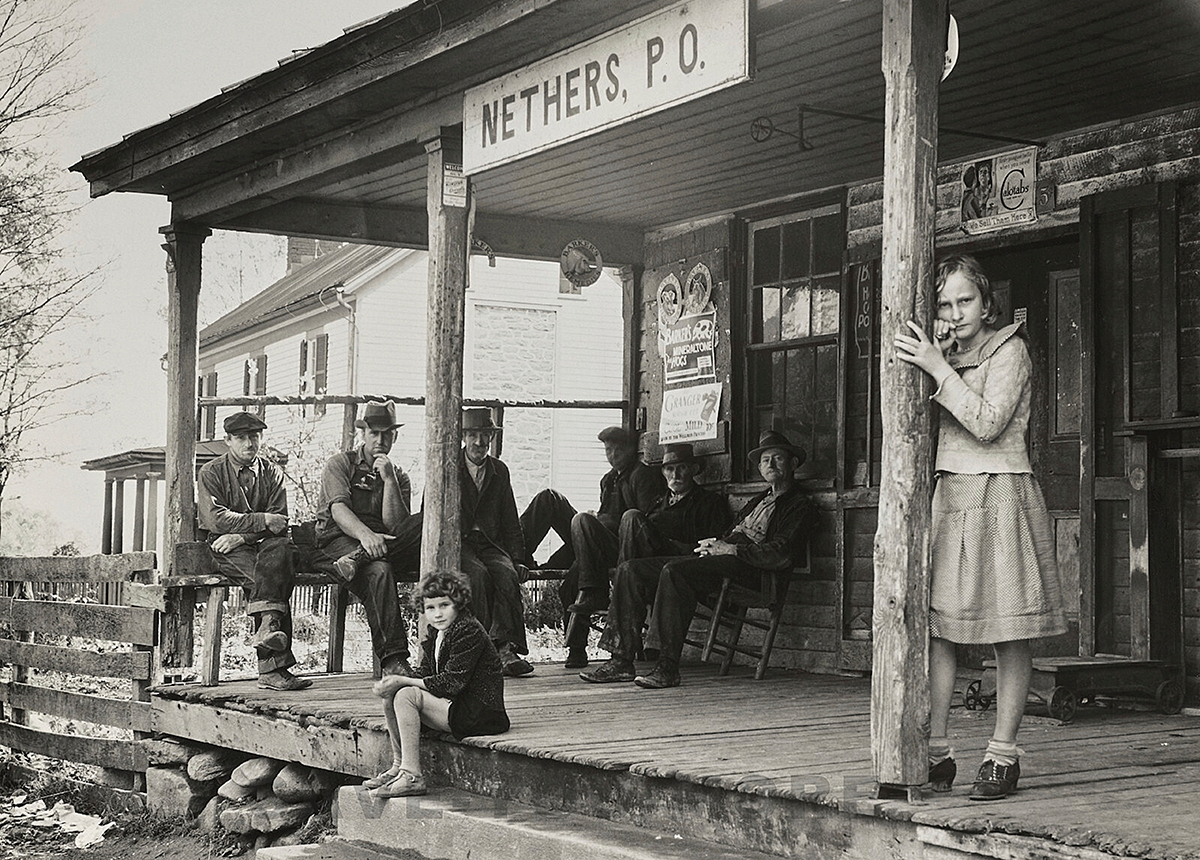
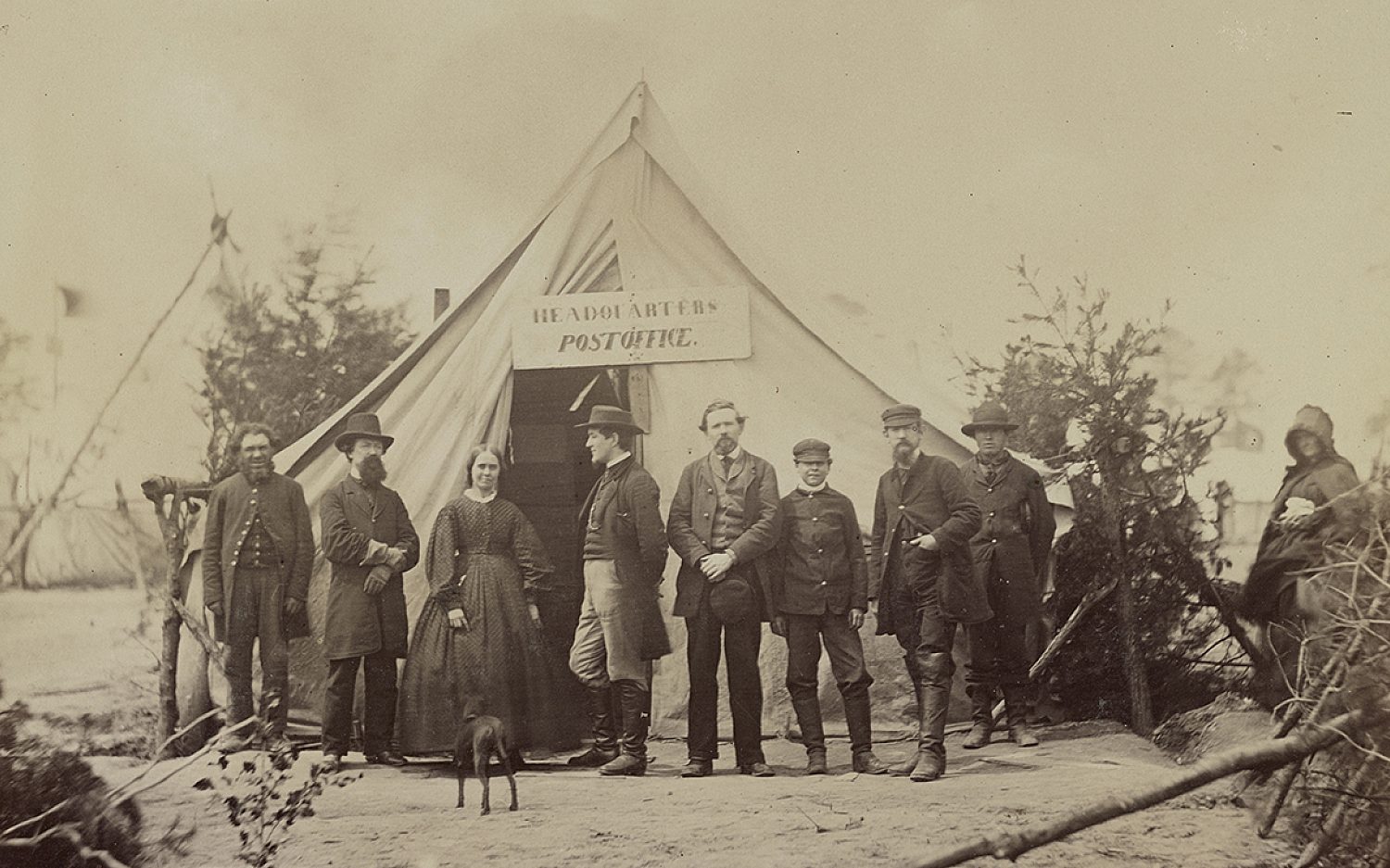
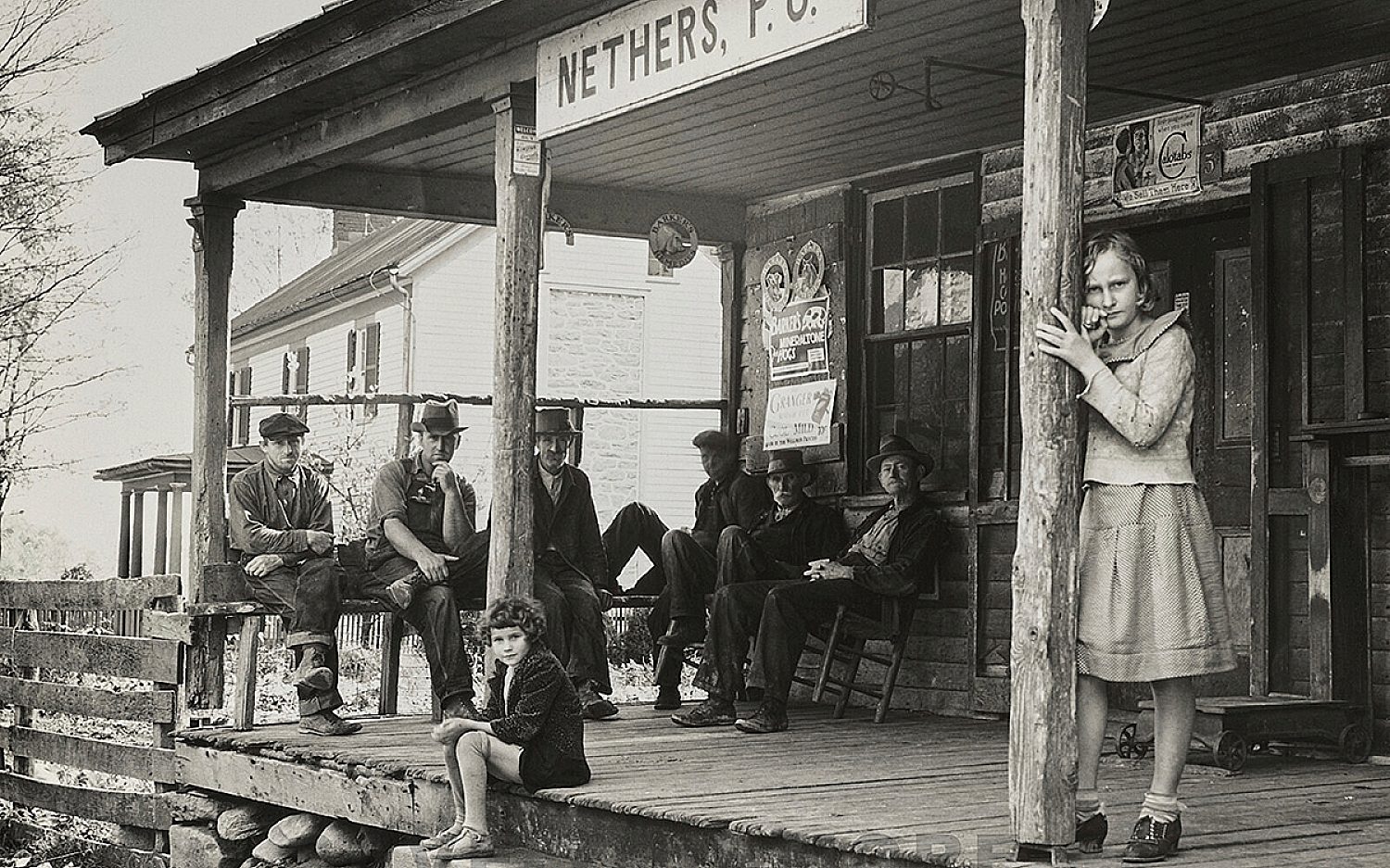
During the Civil War, people queued daily at post offices. They awaited word of loved ones. Out of compassion, Ohio officials began taking mail directly to homes. Free home mail delivery became widespread in the nation’s largest cities in 1863. Rural free delivery followed around 1900.
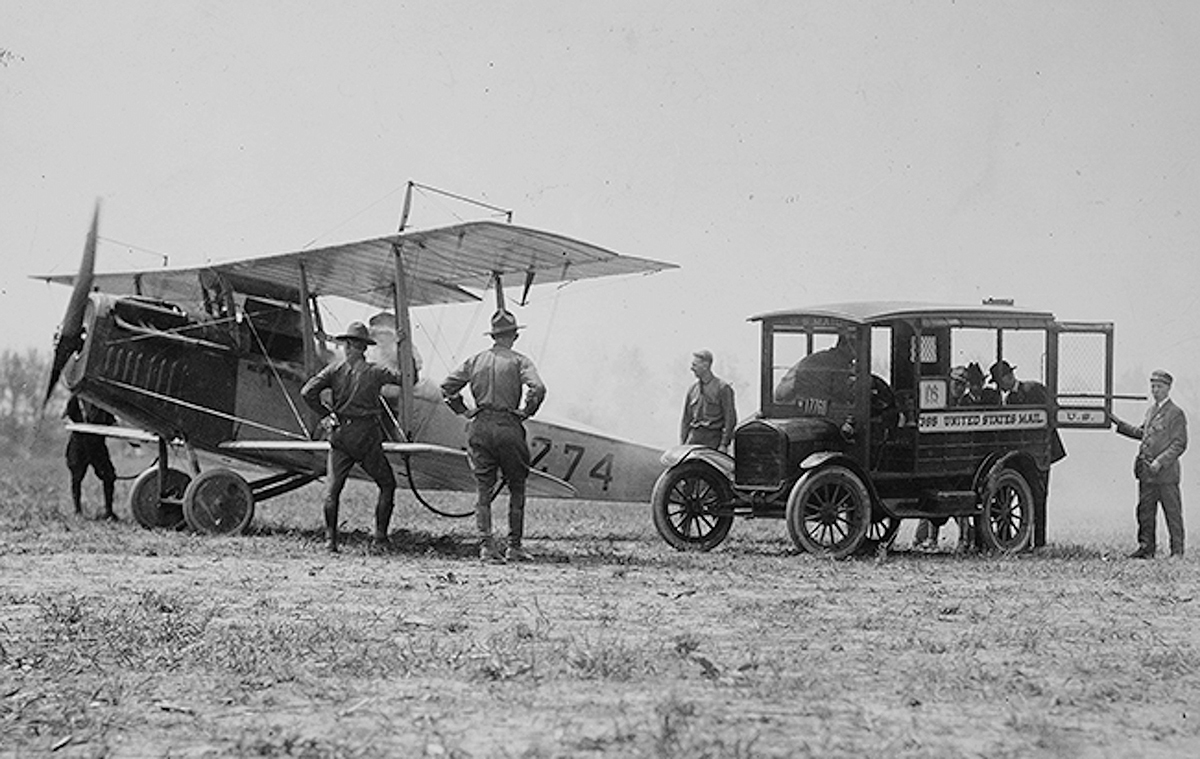
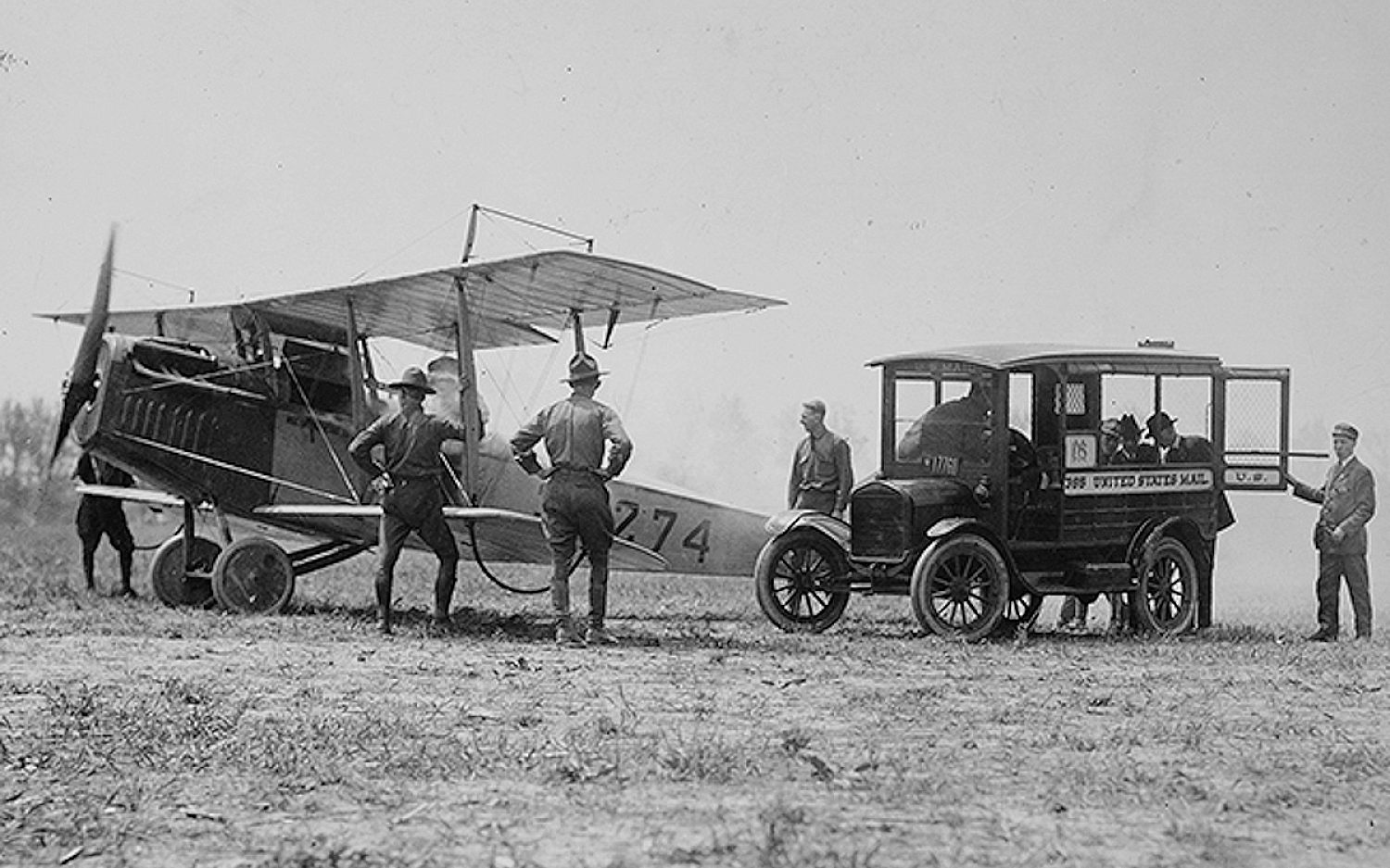
The nation’s first regular airmail service began in 1918. Pilots flew routes among Philadelphia, New York, and Washington, D.C.
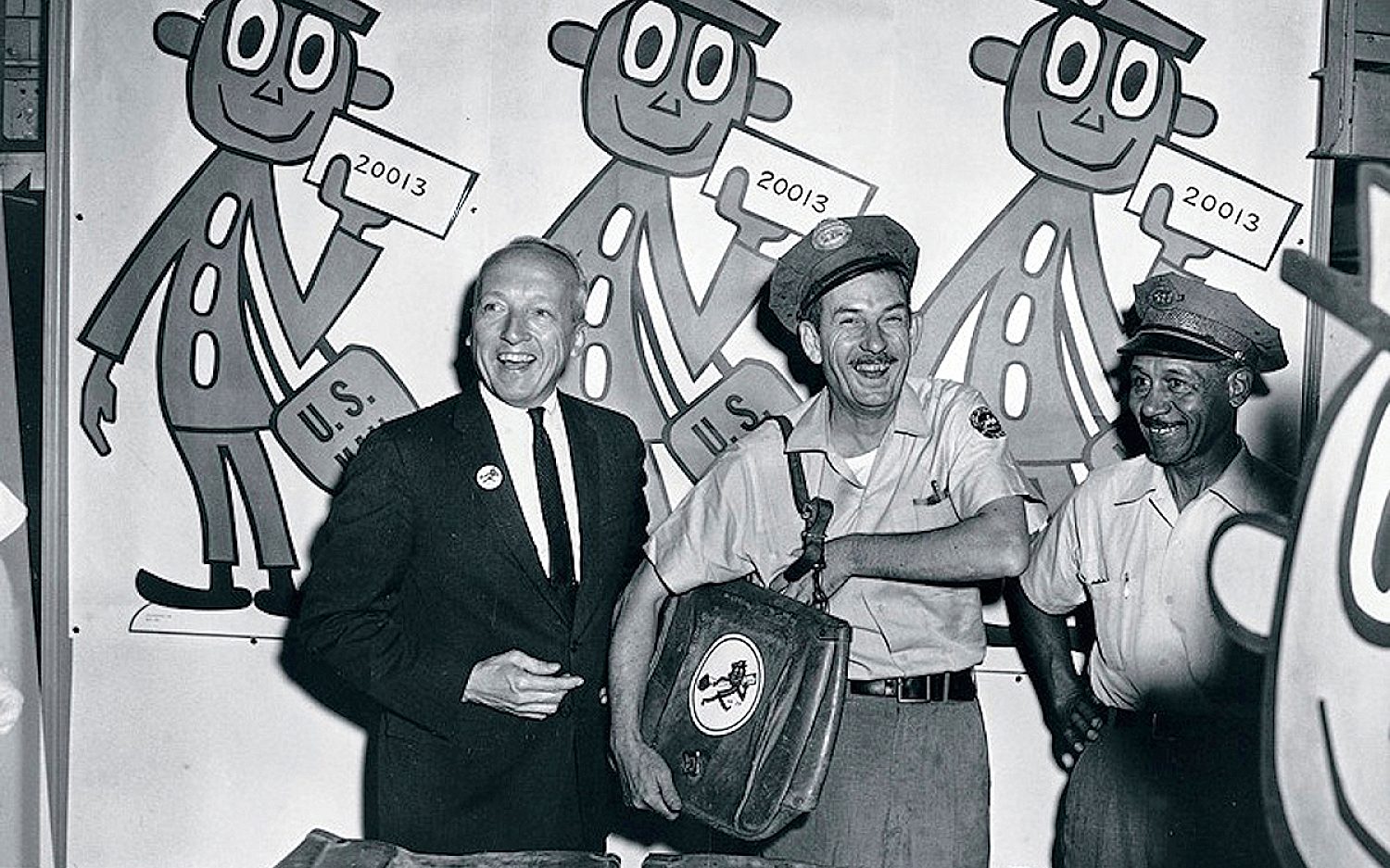
By 1963, surging mail volume required a new sorting plan. Each post office received a five-digit ZIP (zone improvement plan) code. The public disliked the numbers. So the Post Office Department developed a friendly cartoon character named Mr. ZIP. He helped convince people their mail would arrive faster with the code.
In 1970, the Post Office Department rebranded as the United States Postal Service. It is an independent agency within the executive branch.
The USPS has grown with the country. From connecting 13 colonies to serving 169 million addresses, it delivers more mail than any other postal system in the world.
Why? Communication is vital to the spread of ideas. Believers in Christ can be ready to “proclaim the gospel to the whole creation” (Mark 16:15) by all means available—speech, Pony Express, snail mail, or even the internet.
Recommended Reading: For more on letters—in this case, fictional ones—read The Screwtape Letters by C.S. Lewis.