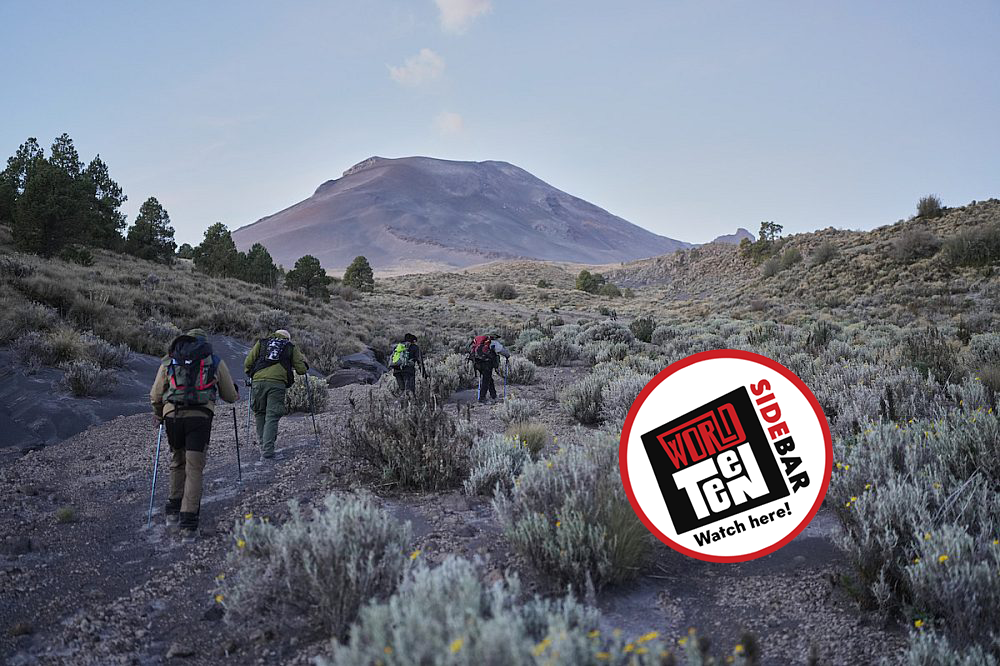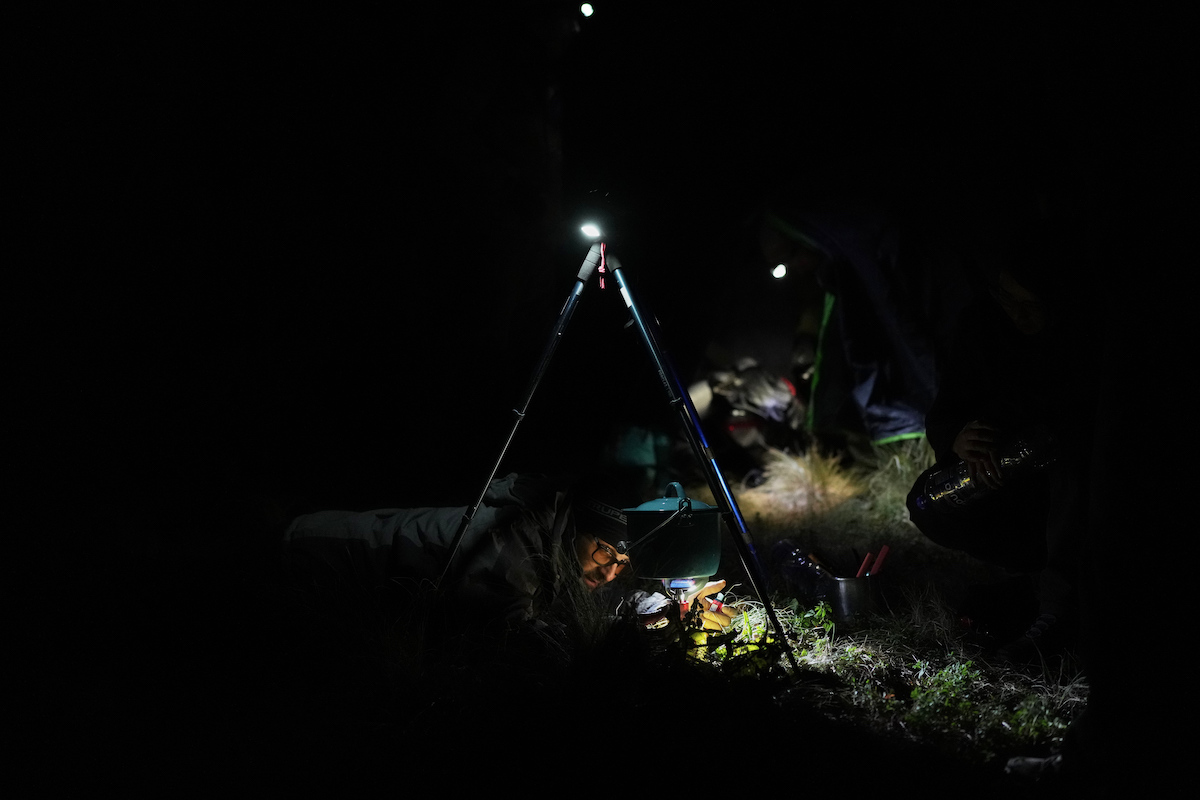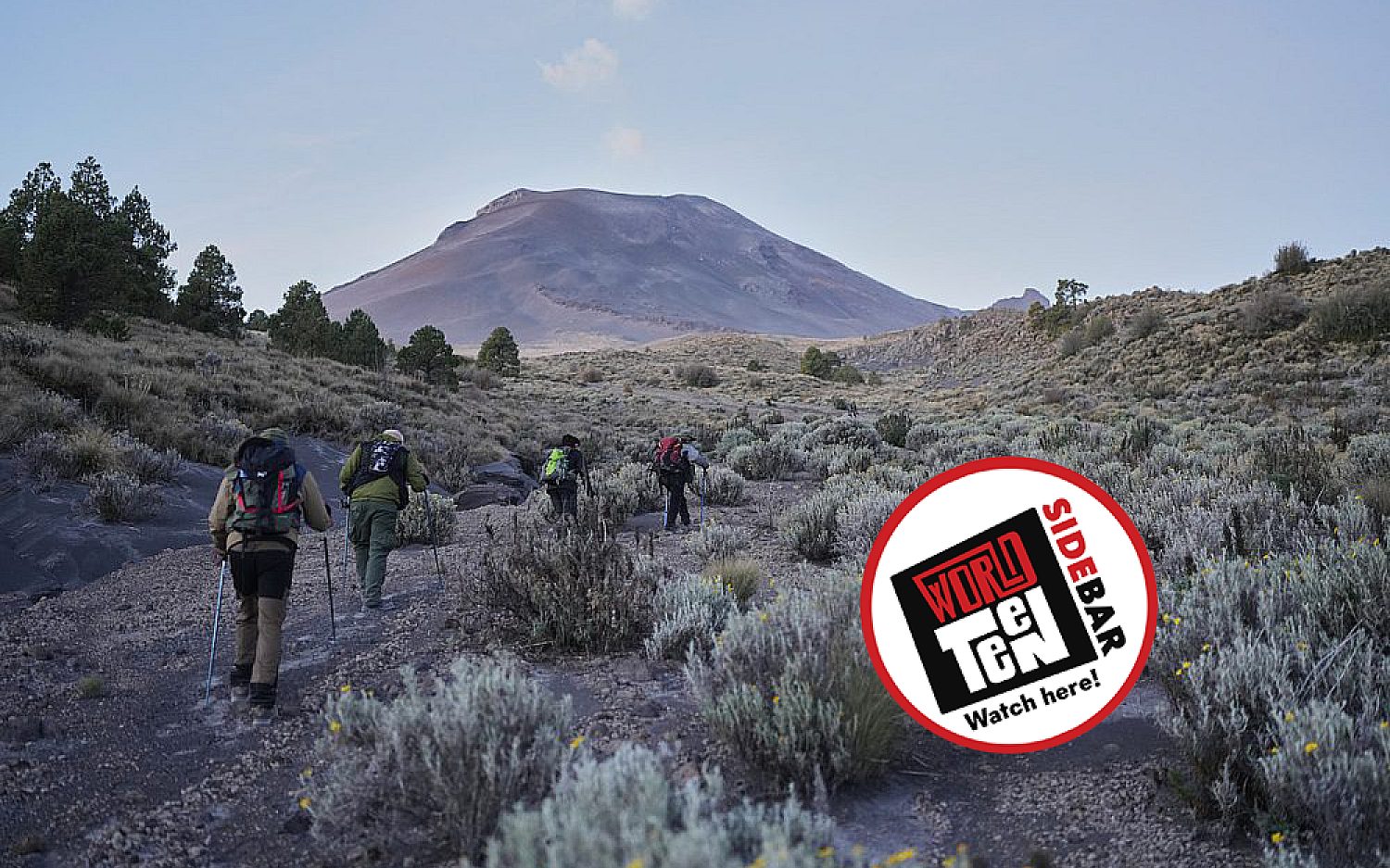
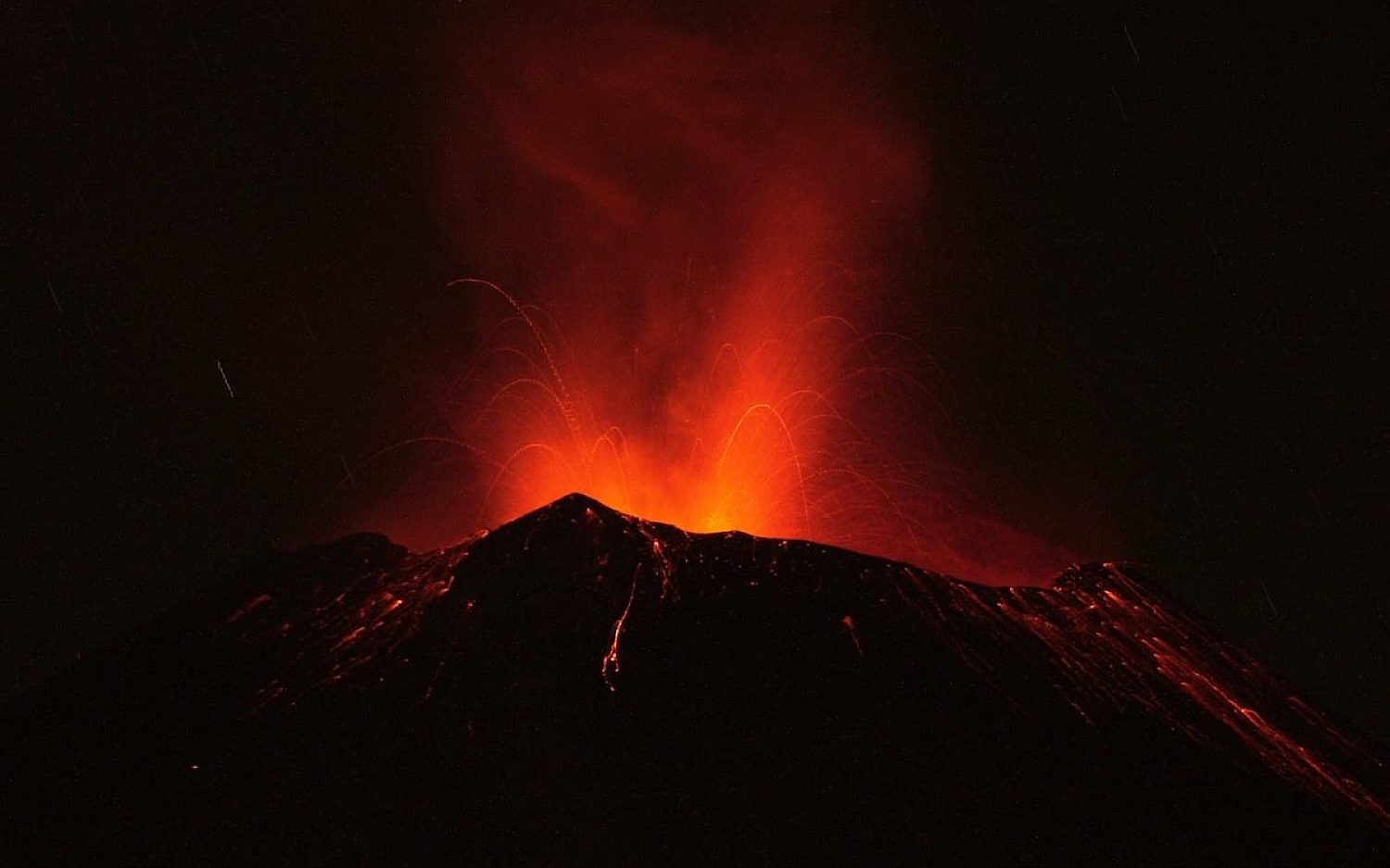
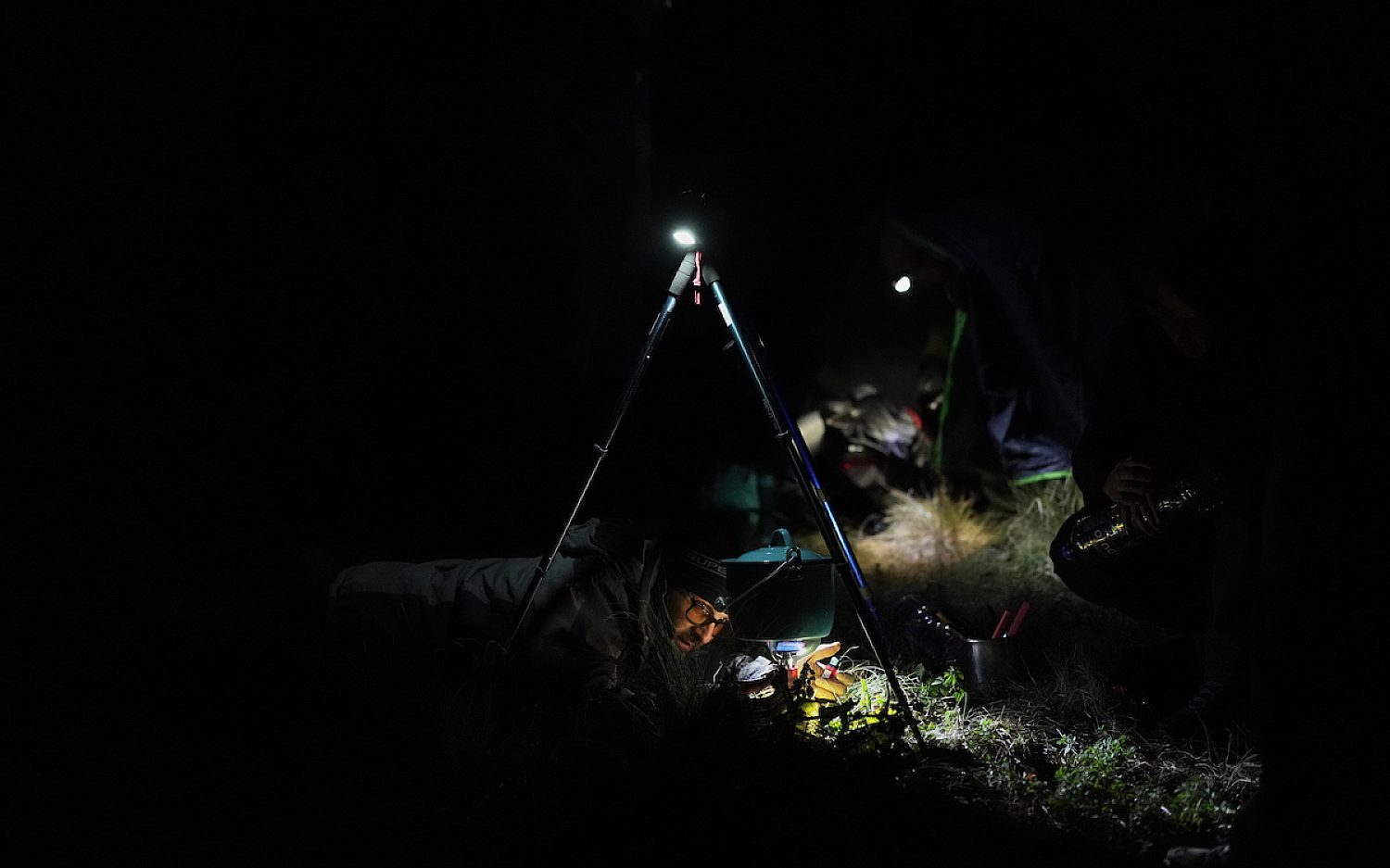


It’s dark as scientists climb Mexico’s Popocatépetl volcano. They haul equipment up the slope. They carry backpacks full of computers. They’ve set out early to map one of the world’s most active volcanos. But they’re not mapping its outside—they’re mapping its inside.
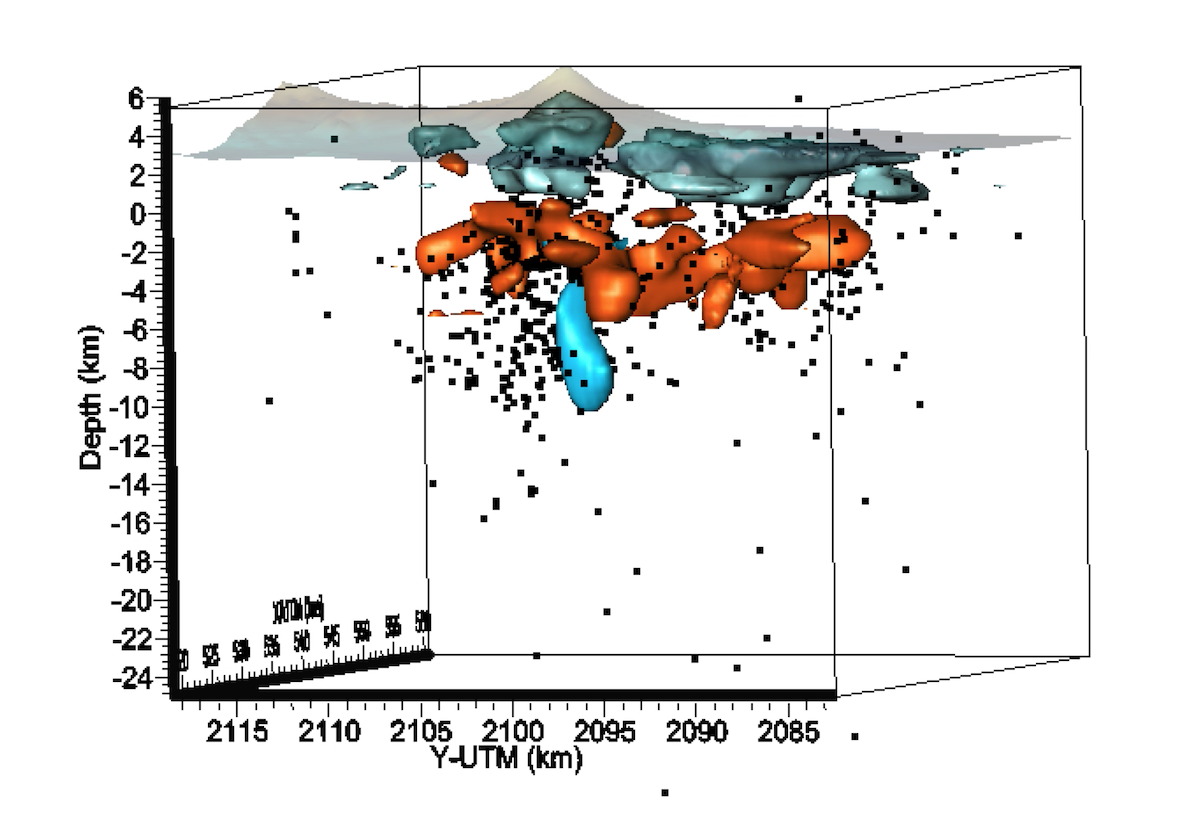
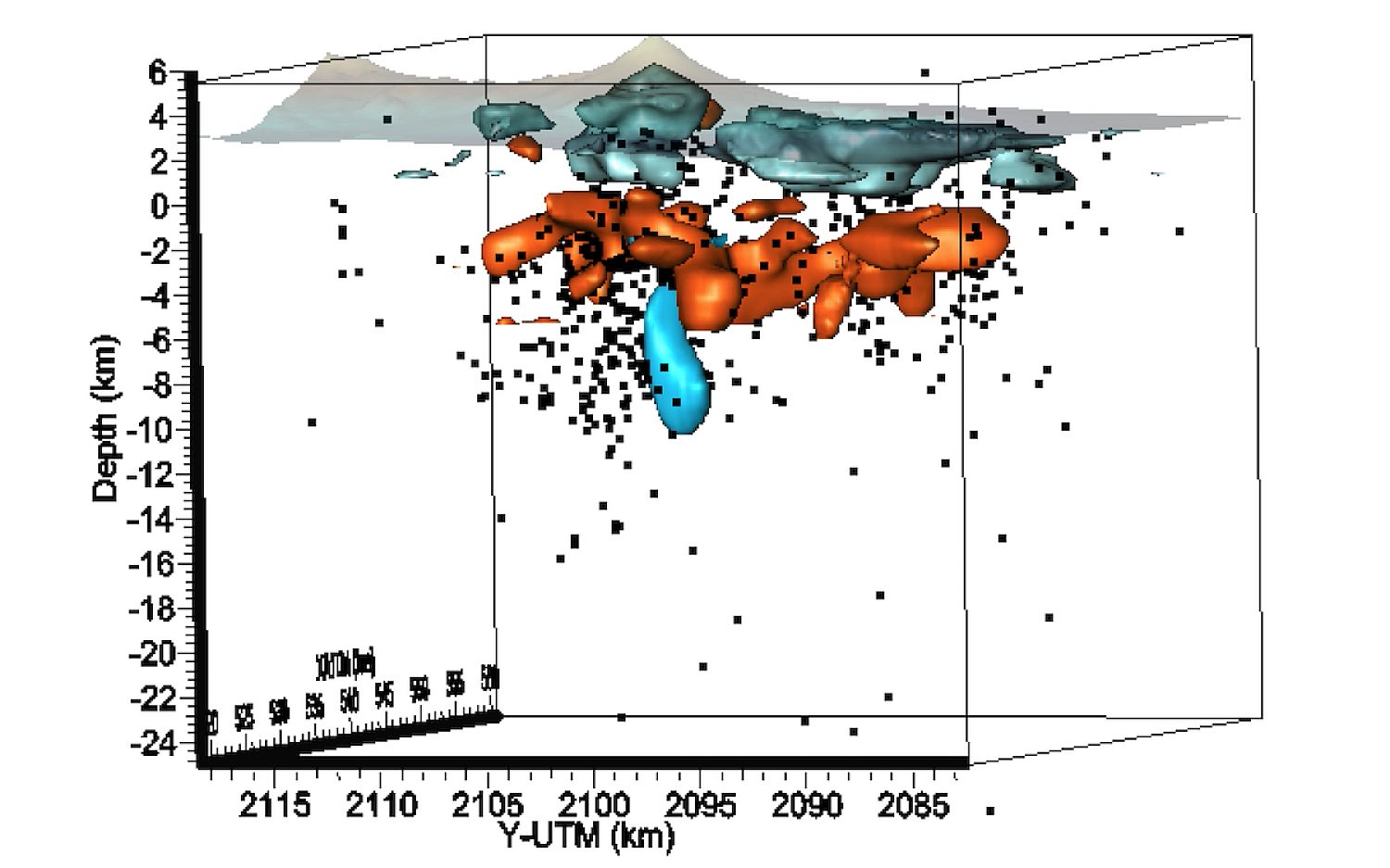
After working five years, researchers from Mexico’s National Autonomous University built the first ever 3-D model of Popocatépetl’s interior. This new map could help protect nearby communities.
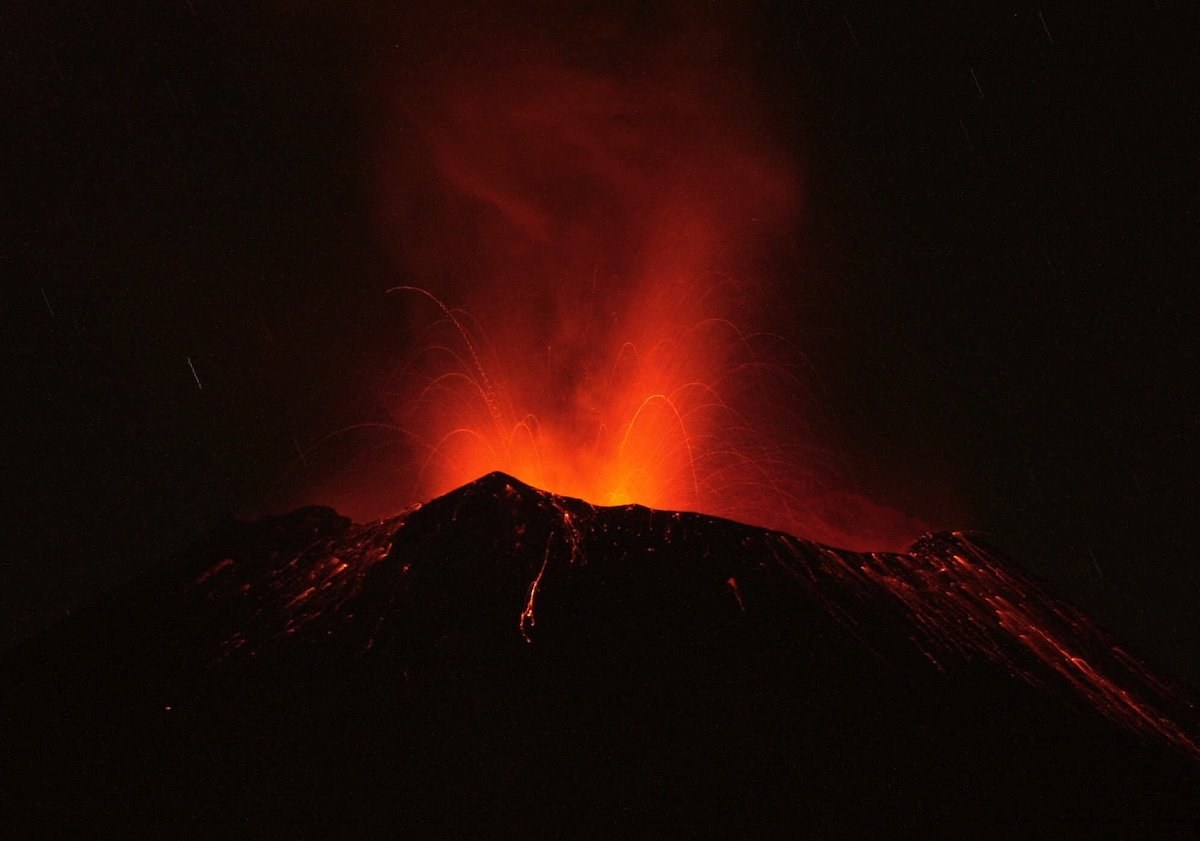
Many Mexicans refer to this volcano as “El Popo.” About 25 million people live near enough to face danger if it erupts. Popocatépetl has been active since 1994. It spews smoke, gas, and ash almost daily. It has erupted more than once in the last three years.
Scientists have mapped most major volcanos near human dwellings. The models reveal what’s going on beneath the surface. That helps nearby communities prepare for eruptions. Until now, Popocatépetl has had no such map. Researchers took images 15 years ago, but those pictures told conflicting stories.
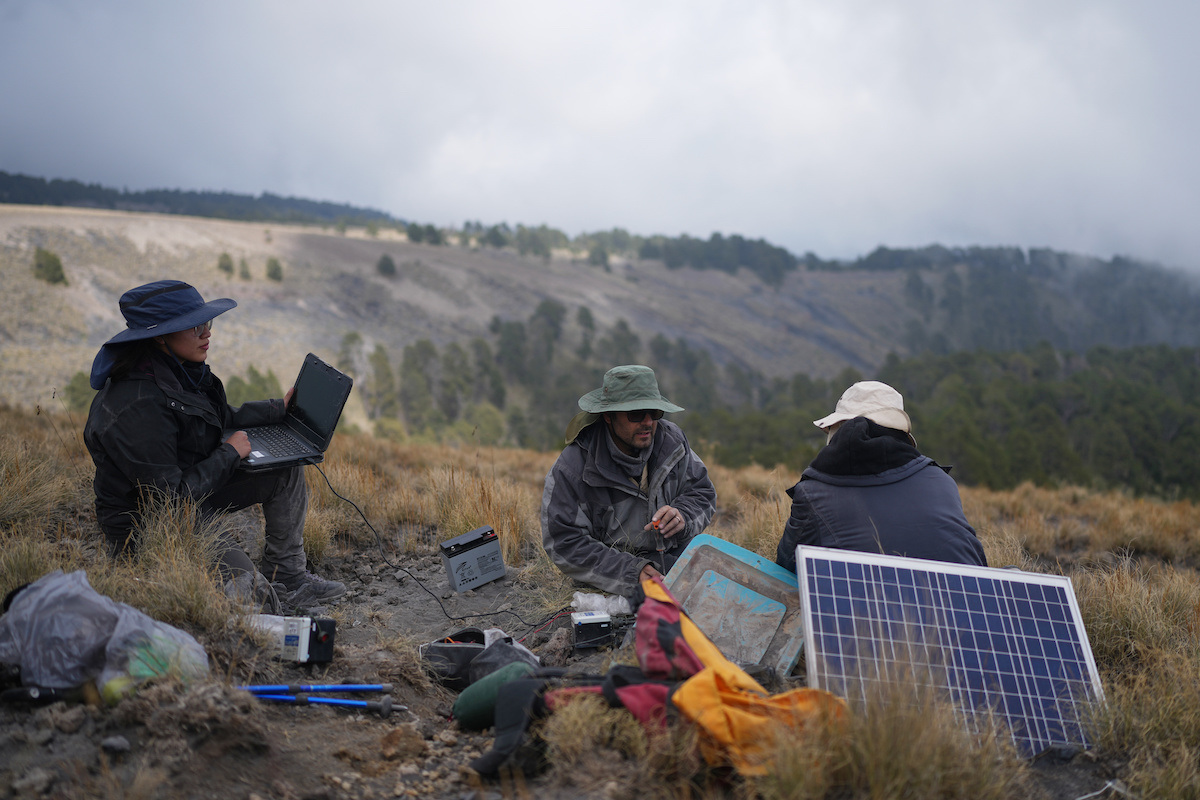
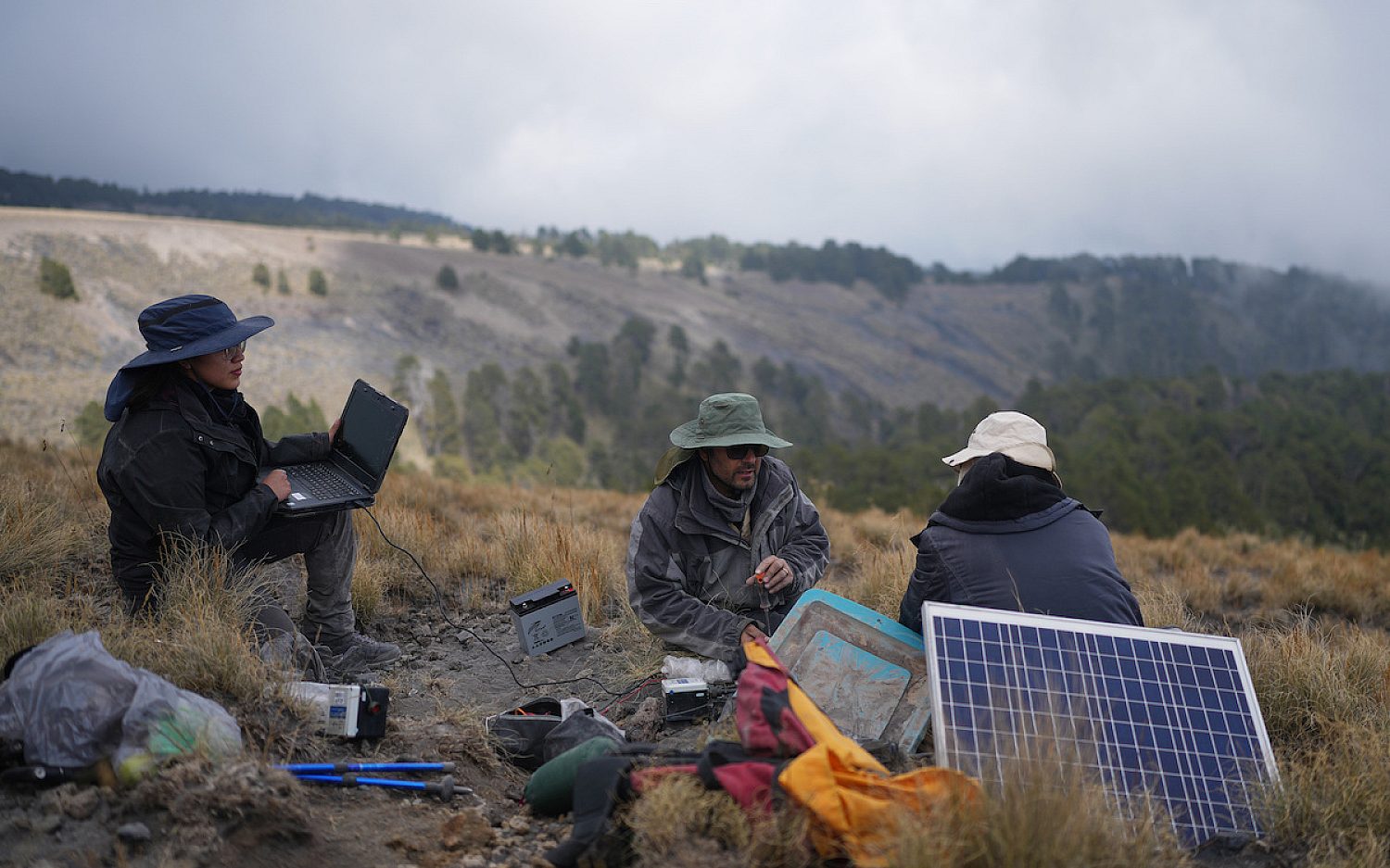
Scientists didn’t need to enter Popocatépetl to map its insides. They used seismographs—buried devices that measure underground tremors.
From the outside, volcanos look still. But inside is a different story. Everything moves within a volcano—rocks, magma, gas, even water. Seismographs detect those movements. The devices measure vibrations 100 times per second. They record the data. Volcanic explosions and bad weather threaten the seismographs. The researchers don’t know whether something went wrong until they climb the slope and dig up the devices. Sometimes they find that a battery has run out. But if the equipment still works, they download the data and rebury it.
Karina Bernal is a doctoral student and a researcher on the project. She uses artificial intelligence to piece together the data.
“I taught the machine about the different types of tremors there are in El Popo,” says Bernal.
The result looks more complex than one might expect. It’s not just a big hollow mountain with magma inside. The 3-D image maps 11 miles below the volcano’s crater. It shows various pools of magma at different depths, with rocks and other materials layered between.
Volcano mapping takes hard work. But that finished 3-D map on the computer screen makes it all worthwhile to the researchers.
“It’s what drives you to start another project and keep climbing,” says master’s student Karina Rodríguez.
Technology allows these researchers to map an entire volcano from the outside. But tech didn’t do all the work. The researchers had to climb, dig, and solve problems. Their efforts paid off—for science and for everyone who lives near Popocatépetl.
Why? New technologies can provide fresh insights, but the biggest accomplishments require old-fashioned teamwork and perseverance.
Recommended Reading: For more on volcanos, read Volcano: The Eruption and Healing of Mount St. Helens by Patricia Lauber.
Click the video button at the top of the story to watch a WORLDteen Sidebar about another volcano research project—one that involves robot dogs!