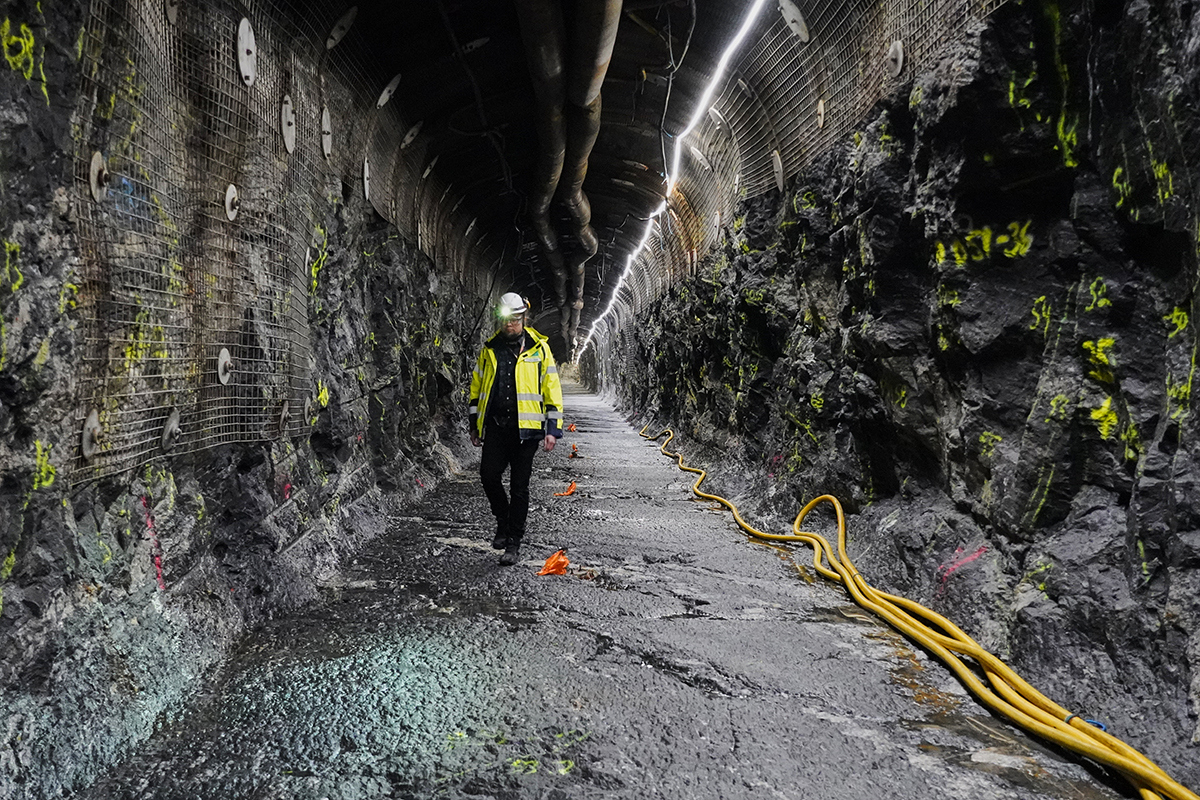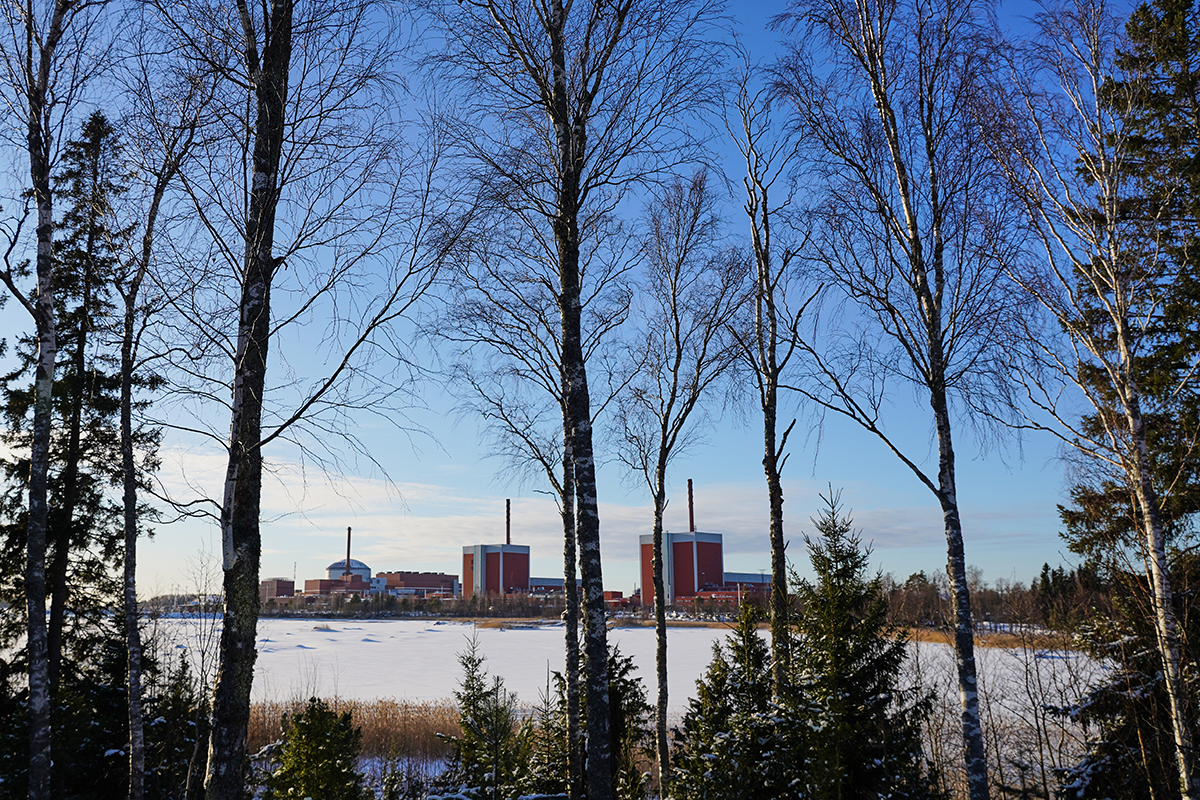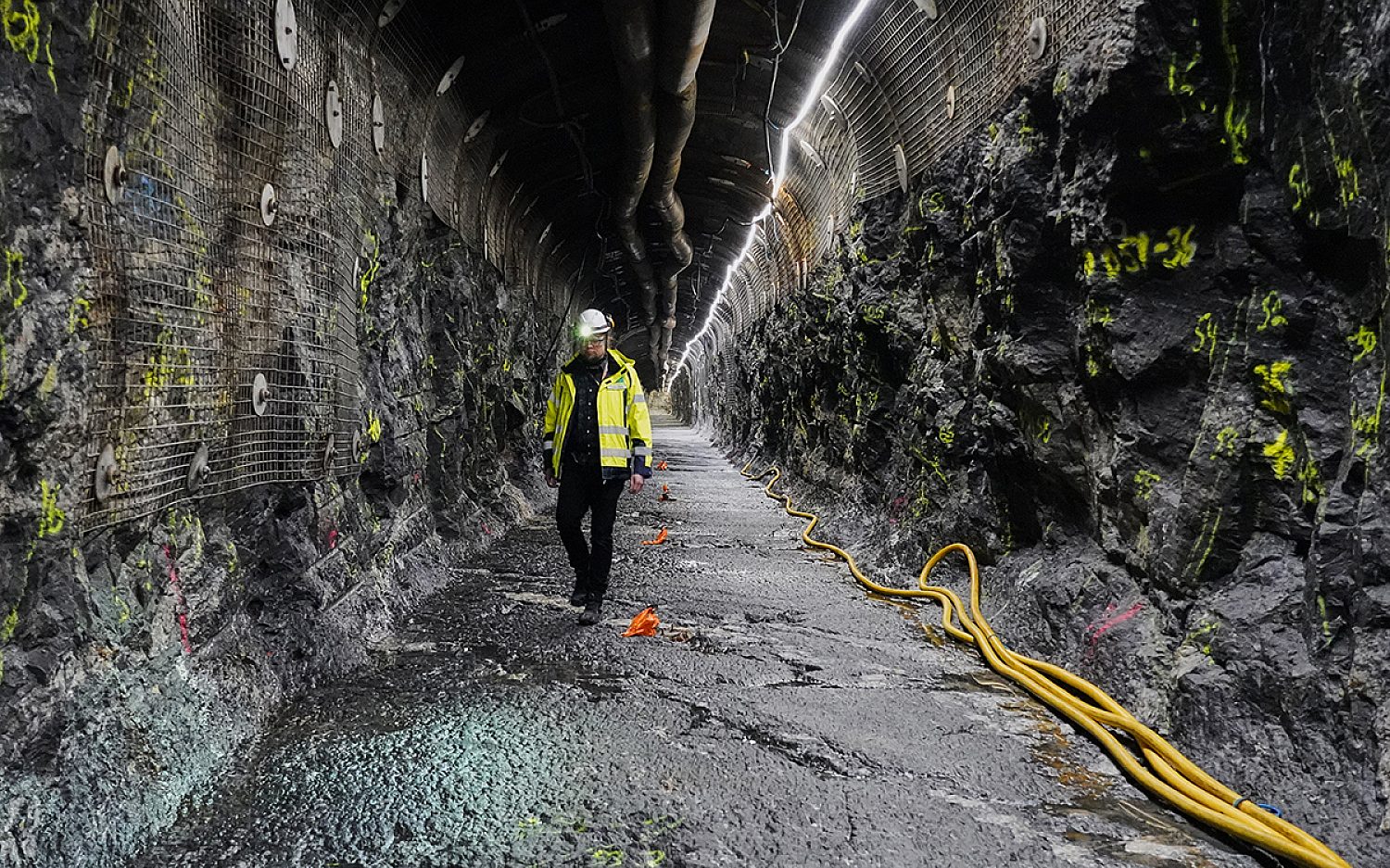
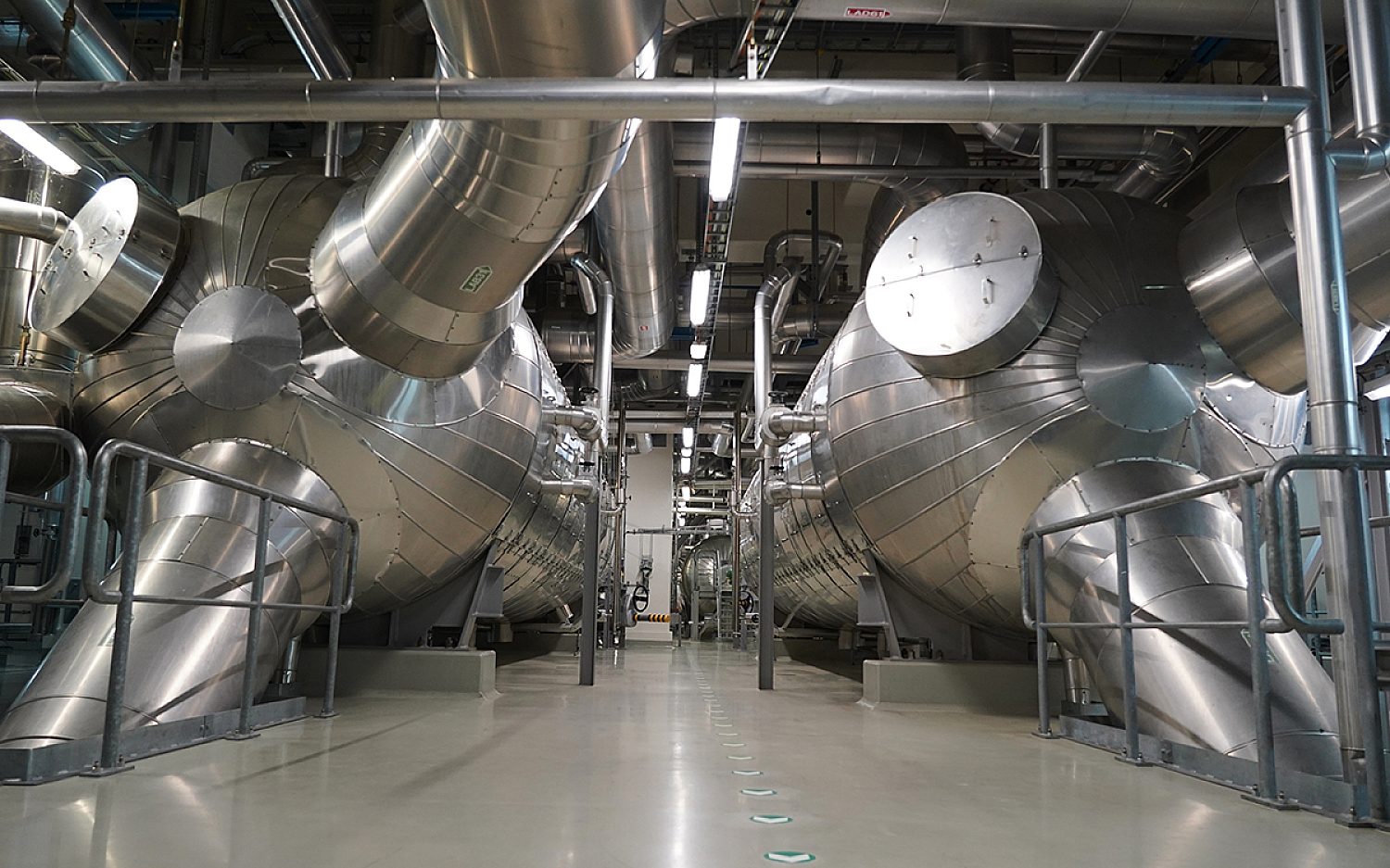

An elevator descends into the depths of Onkalo. Geologist Tuomas Pere steers through a labyrinth of man-made tunnels. “We are now at about minus 430 meters,” he says. That’s 1,411 feet below the Earth’s surface.
The world’s first underground facility for permanently disposing of spent nuclear fuel is set to begin operations in Finland. It will be a final resting place for tons of dangerous radioactive waste.
Construction of Onkalo began in 2004. (The name means “cave” in Finnish.) The project on the secluded island of Olkiluoto cost about $1.2 billion.
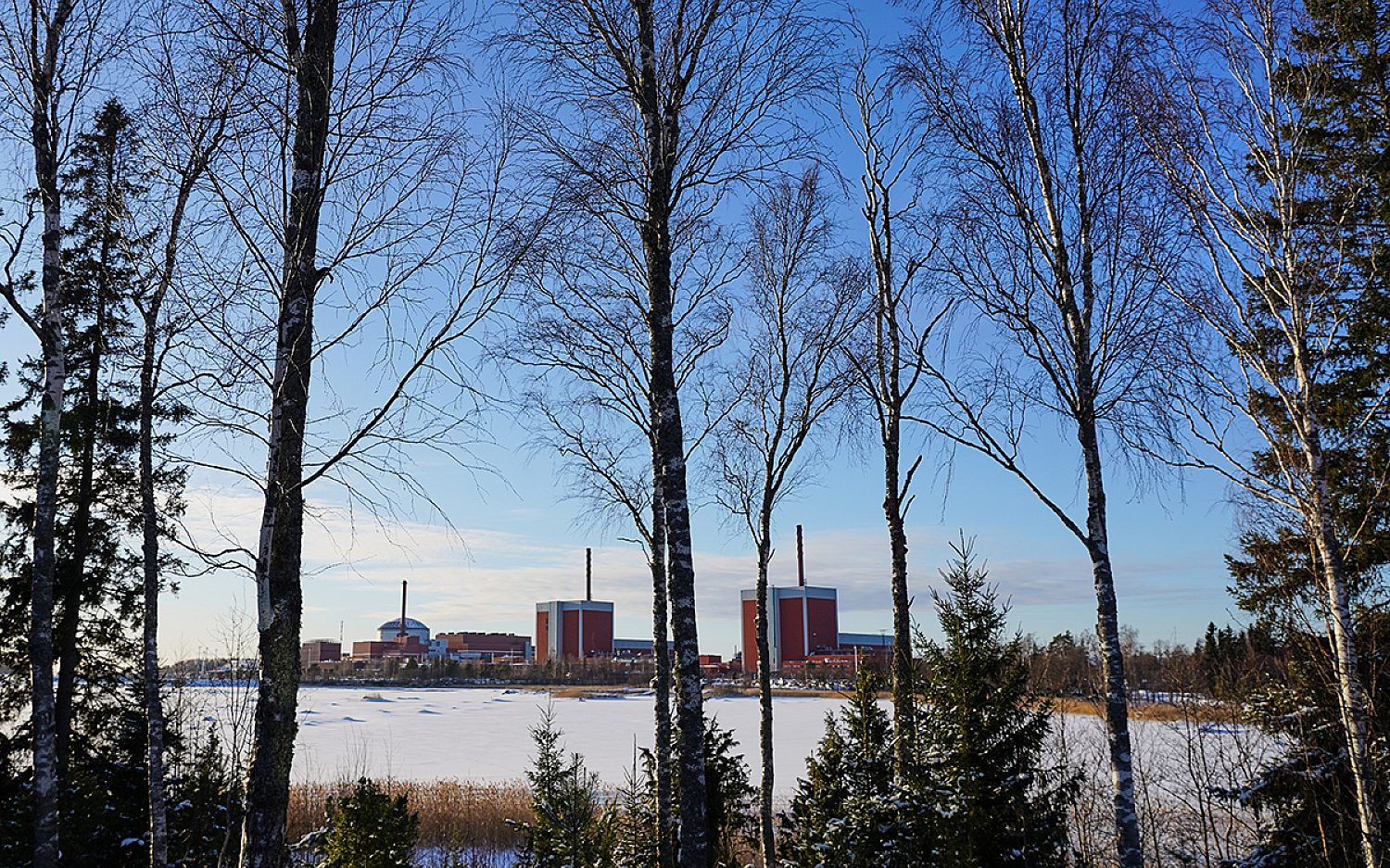
The site is near three of Finland’s five nuclear reactors. Its migmatite-gneiss bedrock is known for high stability and low earthquake risk.
“It’s the isolation from civilization and mankind on the surface that’s important,” Pere says. “We can dispose of the waste more safely than by storing it . . . on the ground.”
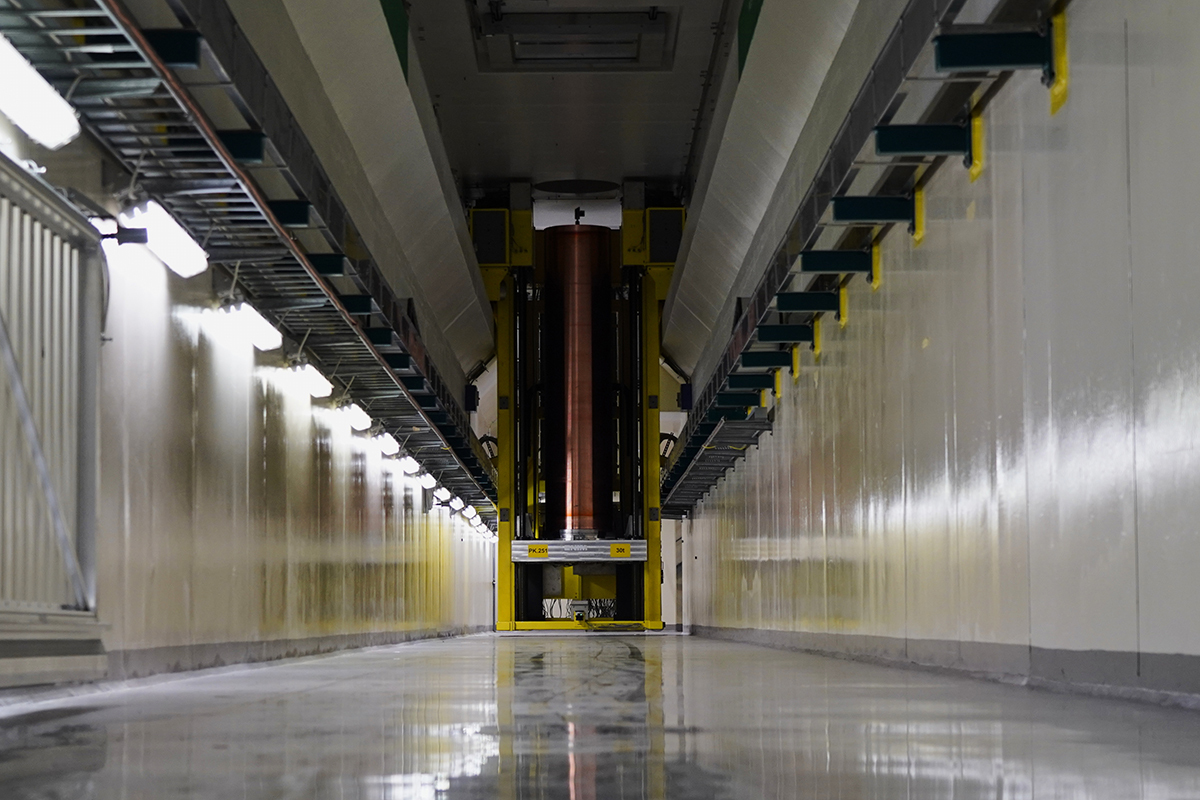
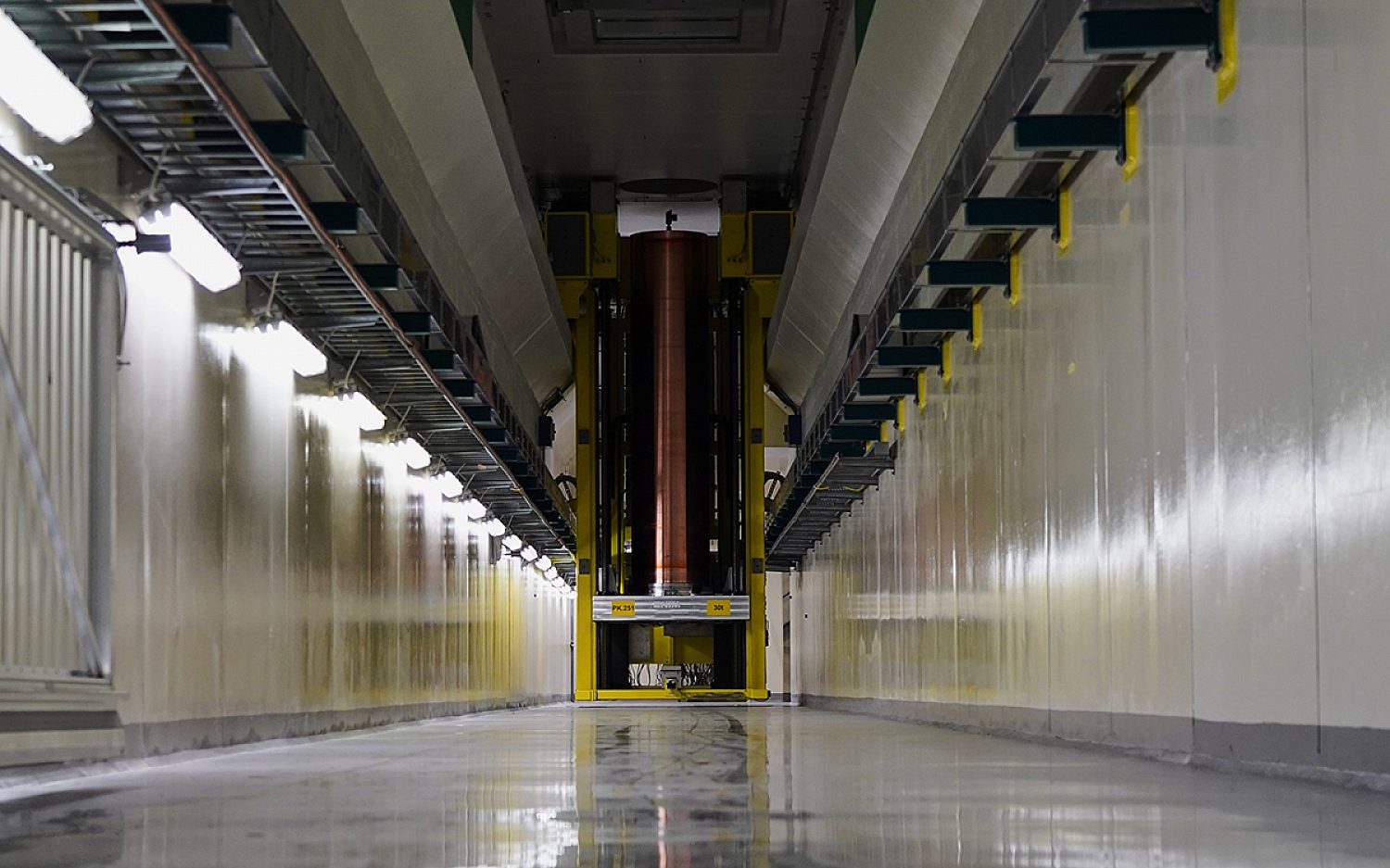
Unmanned machinery will seal radioactive rods in copper canisters. (These rods containing uranium pellets are used as fuel for nuclear reactions.) They will be buried deep in Onkalo’s tunnels. Layers of water-absorbing bentonite clay will hold them in place.
Posiva is the company responsible for the long-term management of Finland’s spent nuclear fuels. It states that Onkalo can store 6,500 tons of spent nuclear fuel.
Engineers designed the disposal canisters to remain sealed “long enough for the radioactivity of spent fuel to decrease to a level not harmful to the environment.” Posiva estimates that could take hundreds of thousands of years.
According to a 2022 International Atomic Energy Agency report, almost 400,000 tons of spent fuel have been produced globally since the 1950s.
The Onkalo facility is expected to operate until the 2120s. Then it will be permanently sealed.
Edwin Lyman directs nuclear power safety at the Union of Concerned Scientists. He warns that the copper canisters containing spent nuclear fuel will eventually corrode. He adds that there are different scientific opinions about how fast that could happen.
“The hope is that it is such a slow process that most of the radioactive material will have decayed away by then. But,” he says, “there are uncertainties.”
A 1994 act requires radioactive waste generated in Finland to be handled, stored, and permanently disposed of within the country’s borders.
“Back then . . . some of the waste was still exported,” says Sari Multala, Finland’s environment minister. “But we wanted to take care of it ourselves.”
Why? Using nuclear power responsibly also means dealing long-term with dangerous waste.