
Grab your trowels, astronauts. It’s time to garden.
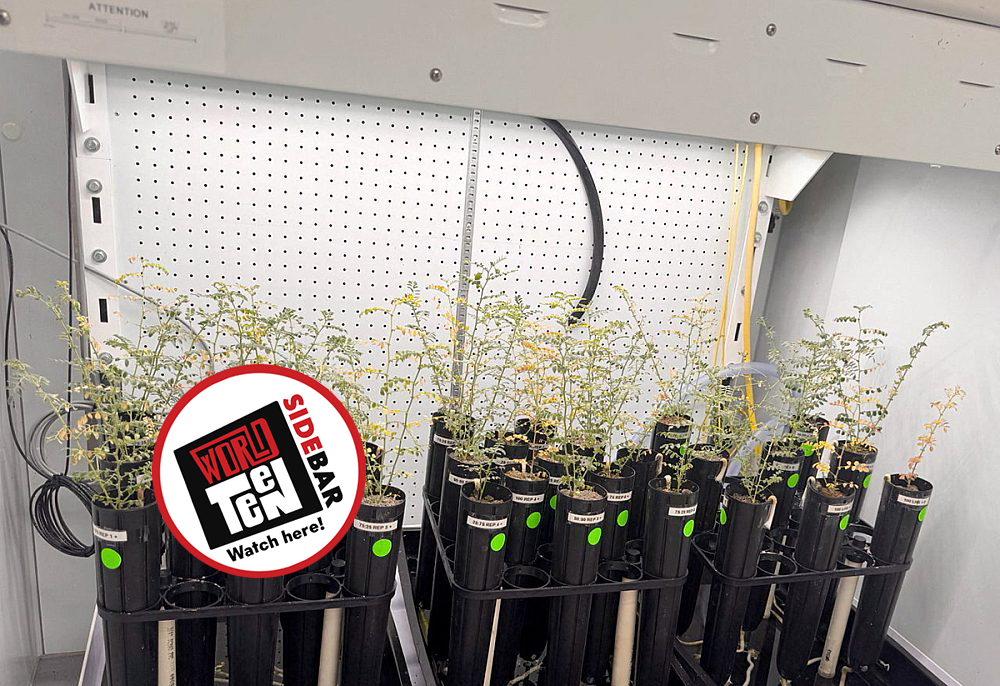
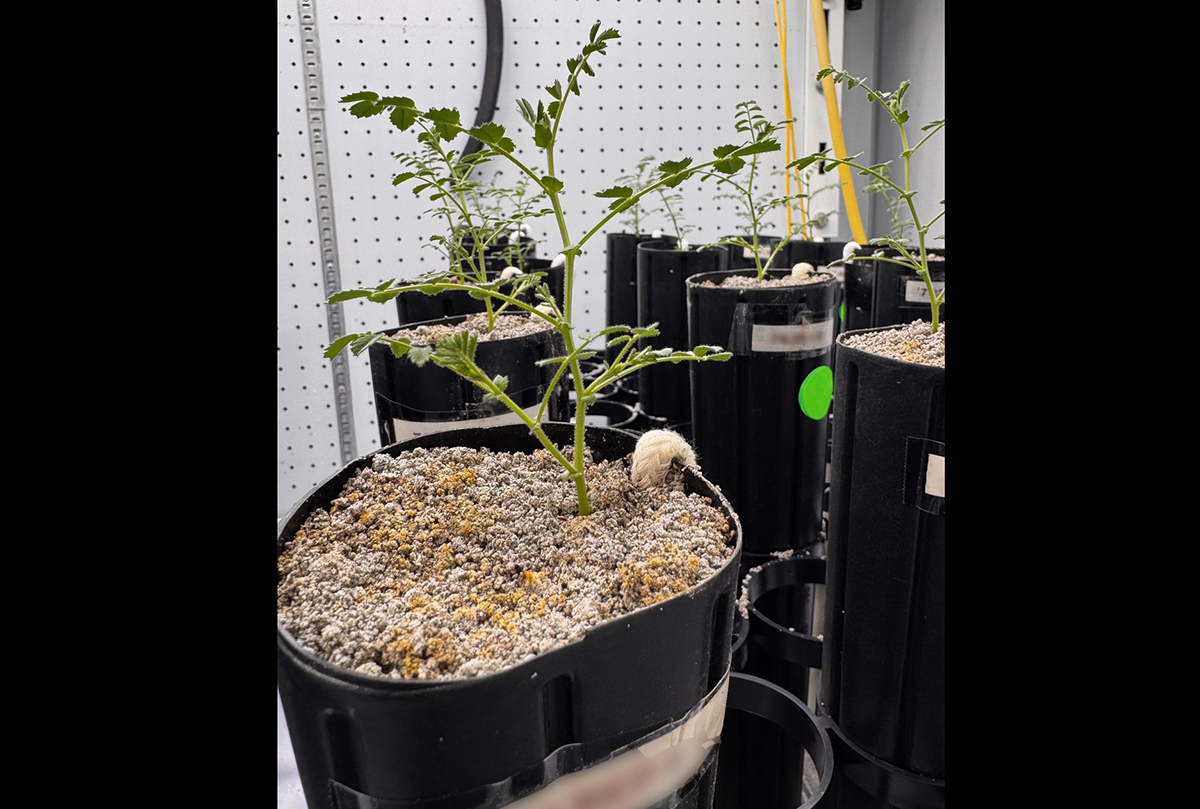
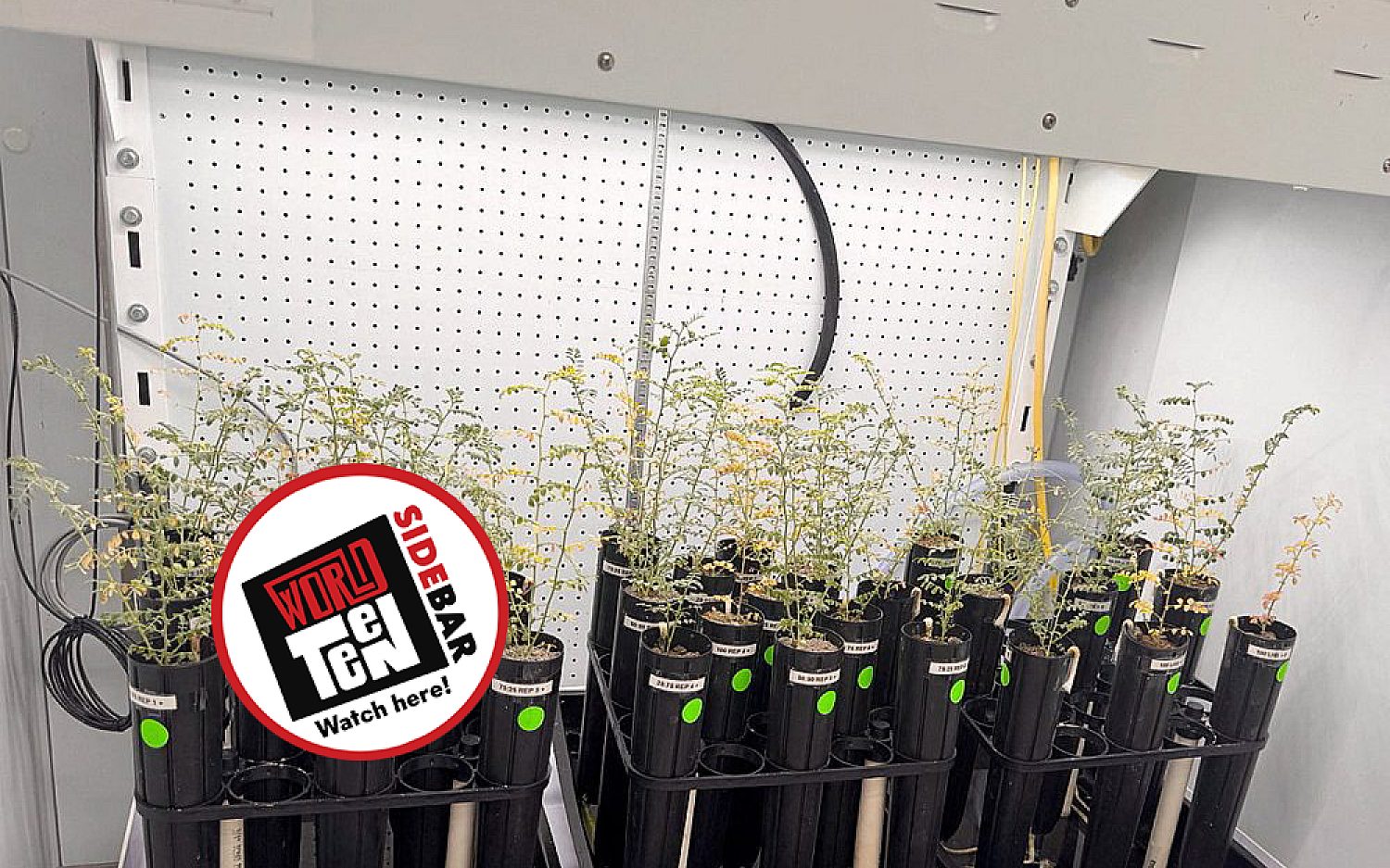
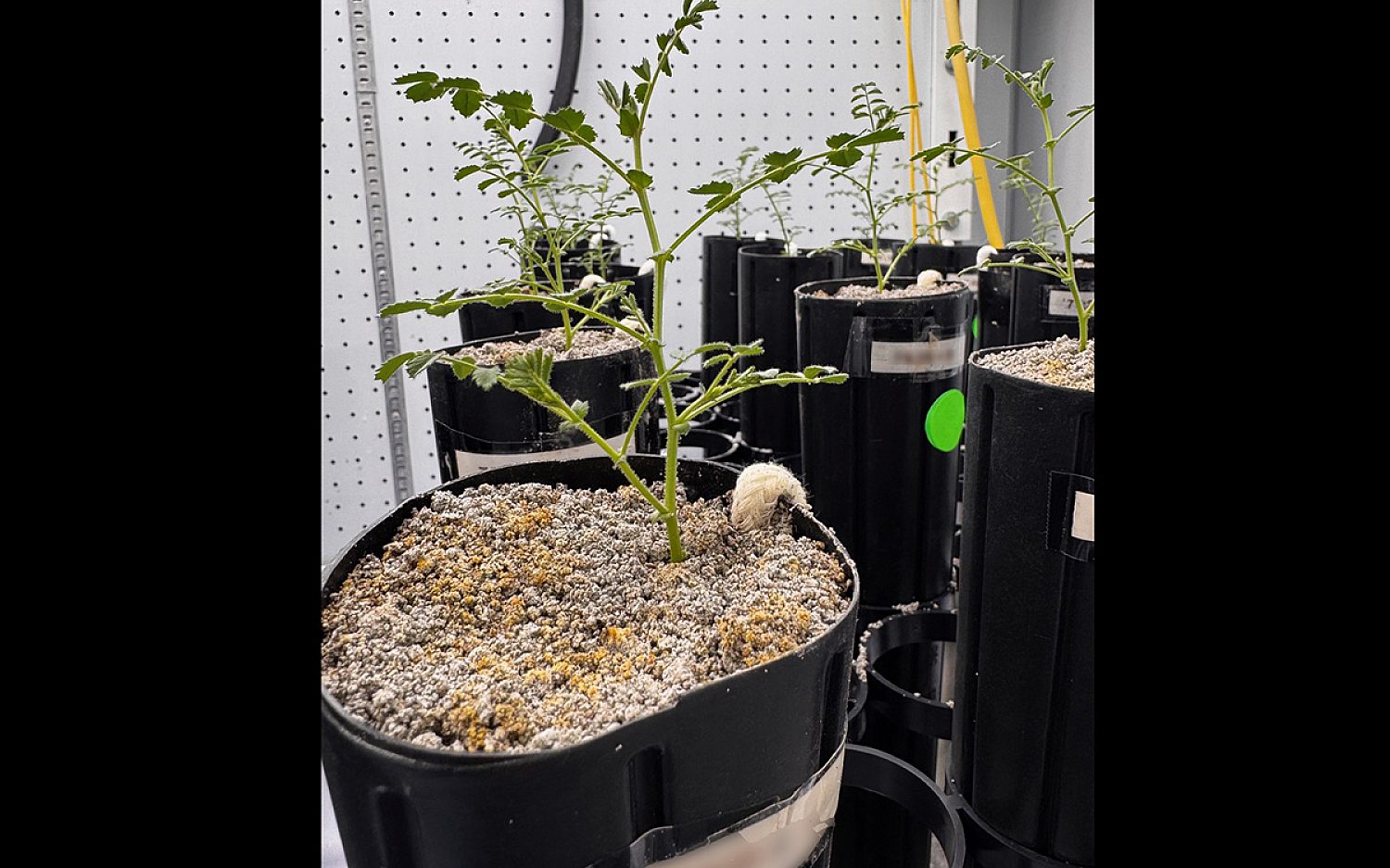
Texas A&M University scientists made a mix like Moon soil. They planted chickpeas in it inside a climate-controlled growth chamber. Why? Scientists want to build a human-occupied base on the Moon. Astronauts can’t stay long in lunar land without food, and it’s costly to ship groceries on rockets. Space travelers need green thumbs!
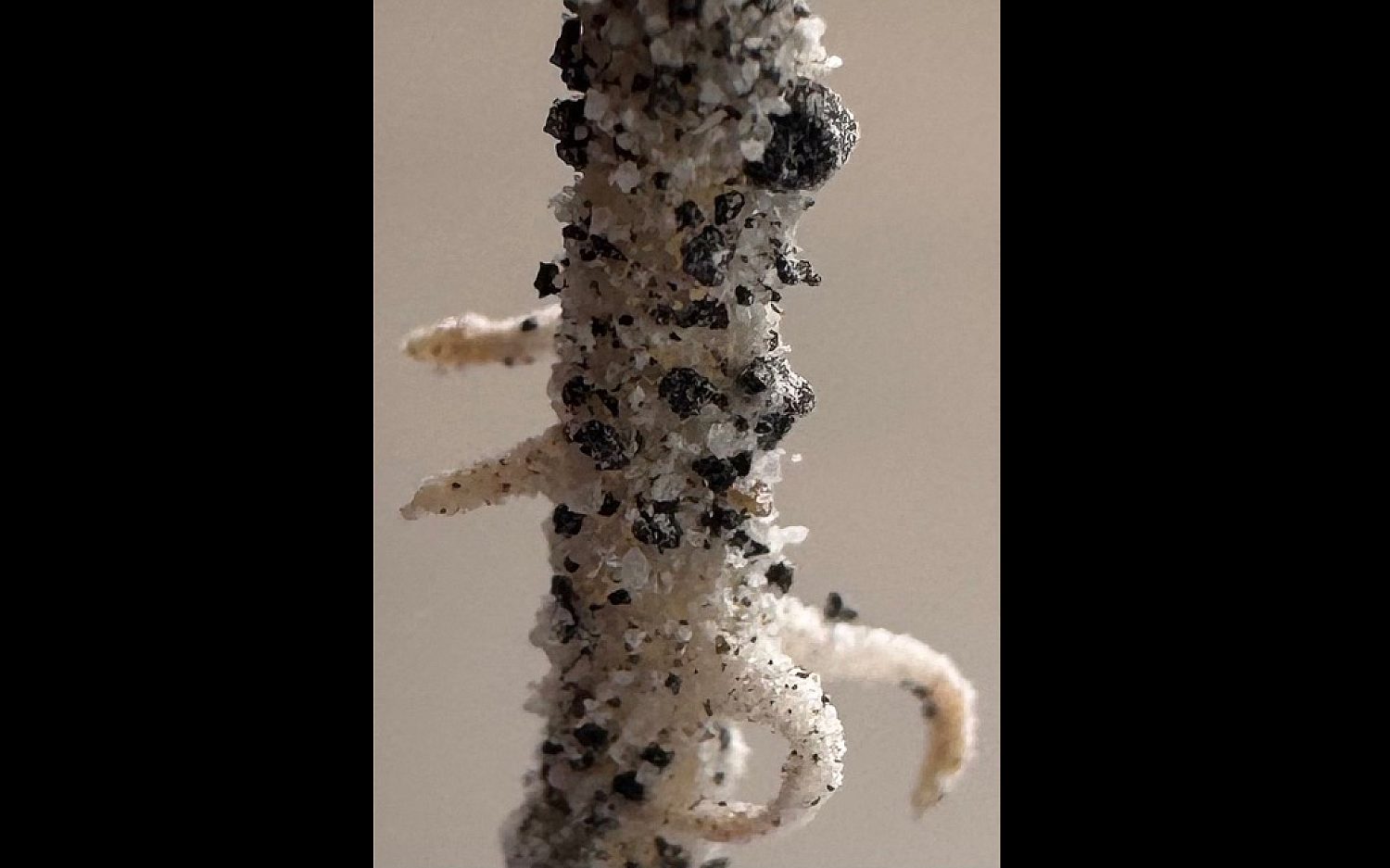
The simulated lunar soil was based on samples NASA retrieved during its Apollo missions more than 50 years ago. Meteorites smashing into the Moon contributed to creation of a surface soil called regolith. It includes rock chips, mineral fragments, volcanic glasses, and dust, along with some minerals.
What’s missing are materials like decaying leaves and animal remains. Such organic matter adds vital nutrients to soil.
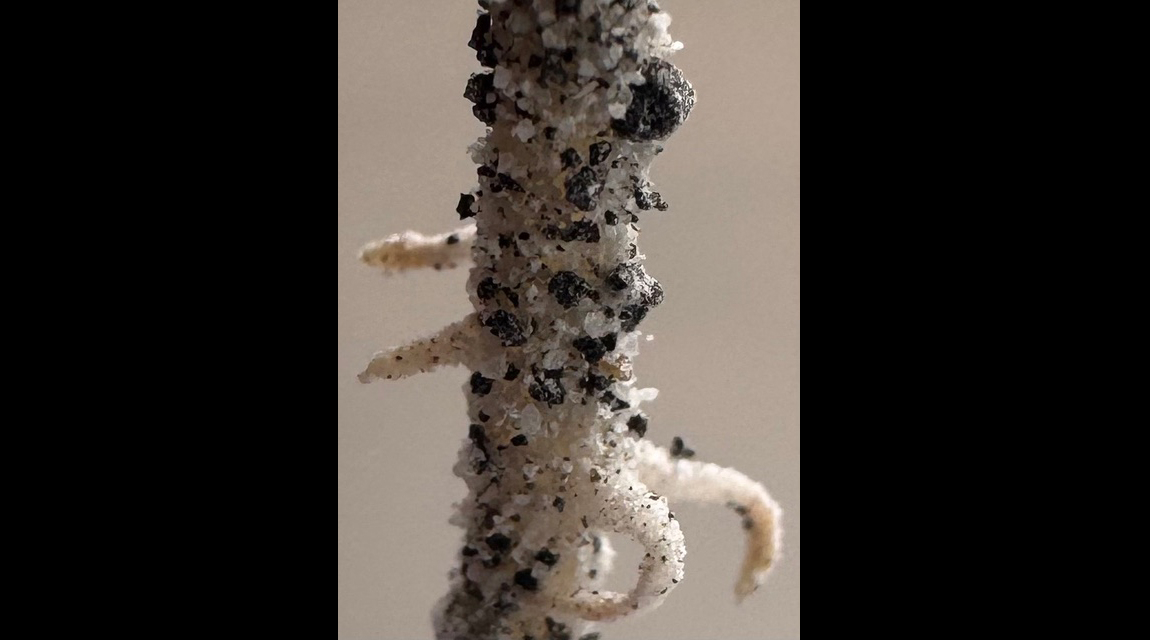
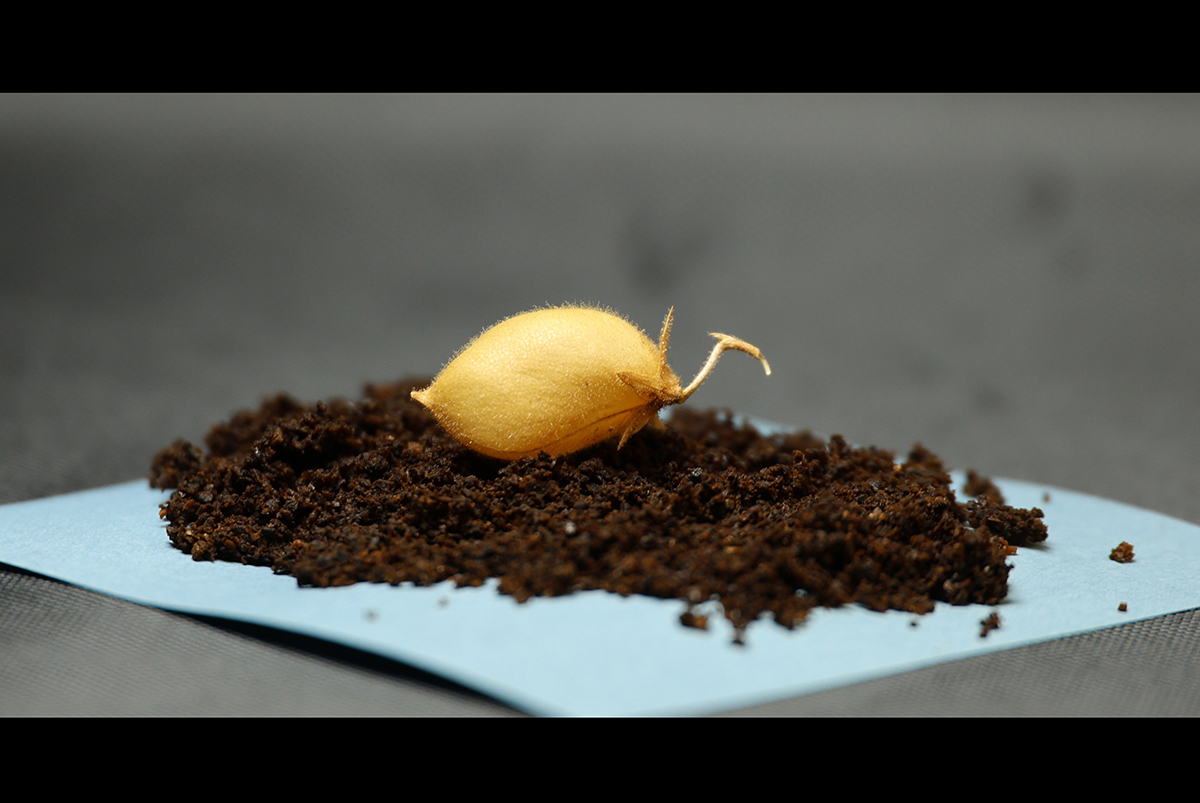
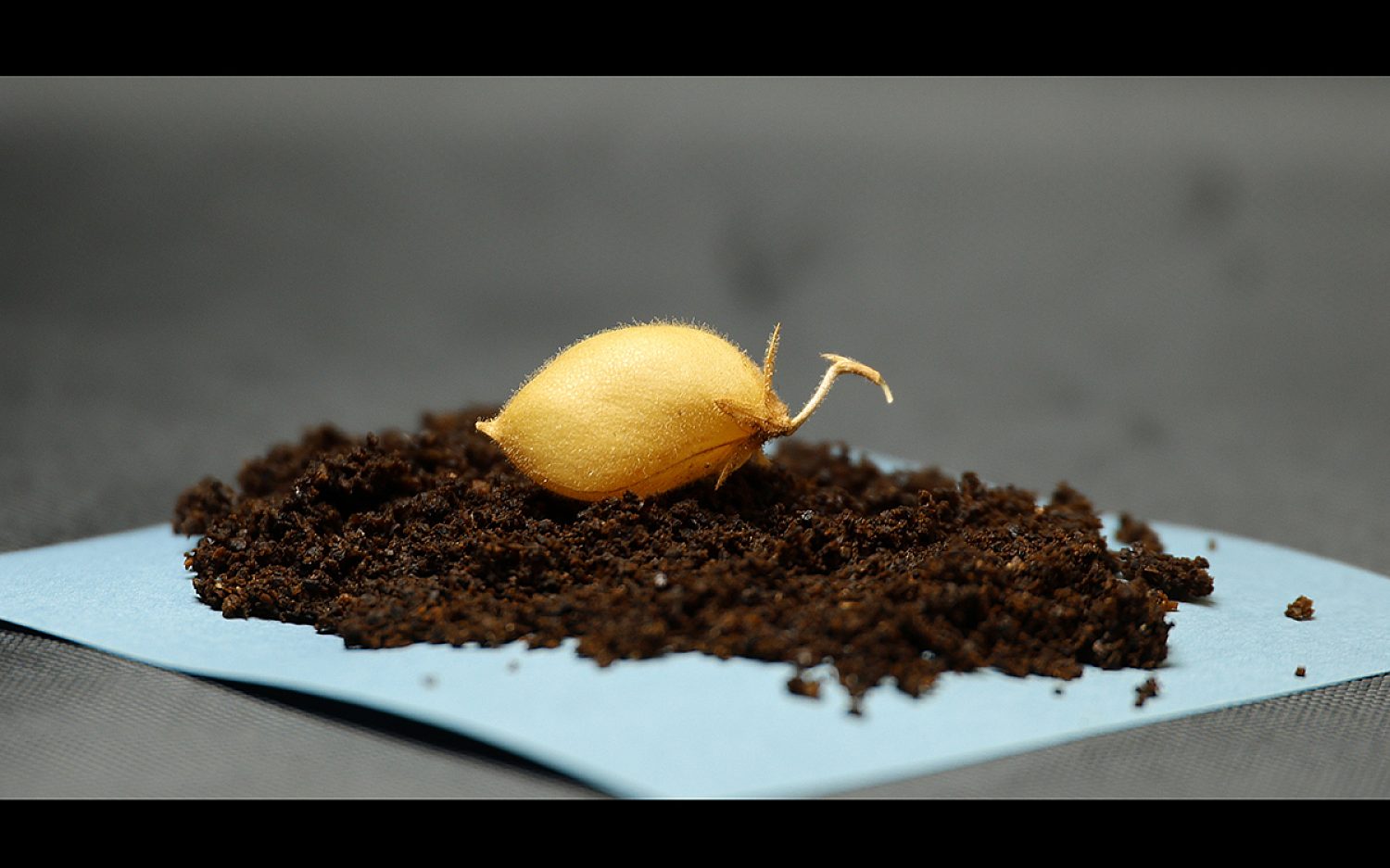
Scientists did experiments. They coated chickpea seeds with helpful fungi. (If you grow beans in a home garden, you might do something similar when you use a legume inoculant.) Seeds planted in 100% lunar-like soil put down roots. But they couldn’t make flowers or seeds. All died early.
Earthworms to the rescue! They generate great compost. These wrigglers consume decaying matter. Their feces contain plant-feeding nutrients. Chickpeas planted in 75% lunar soil mixed with earthworm compost made plants that produced chickpeas.
The less regolith a soil mix had, the more chickpeas each plant made. (God knew what He was doing when He made Earth’s soil so nutrient-rich.)
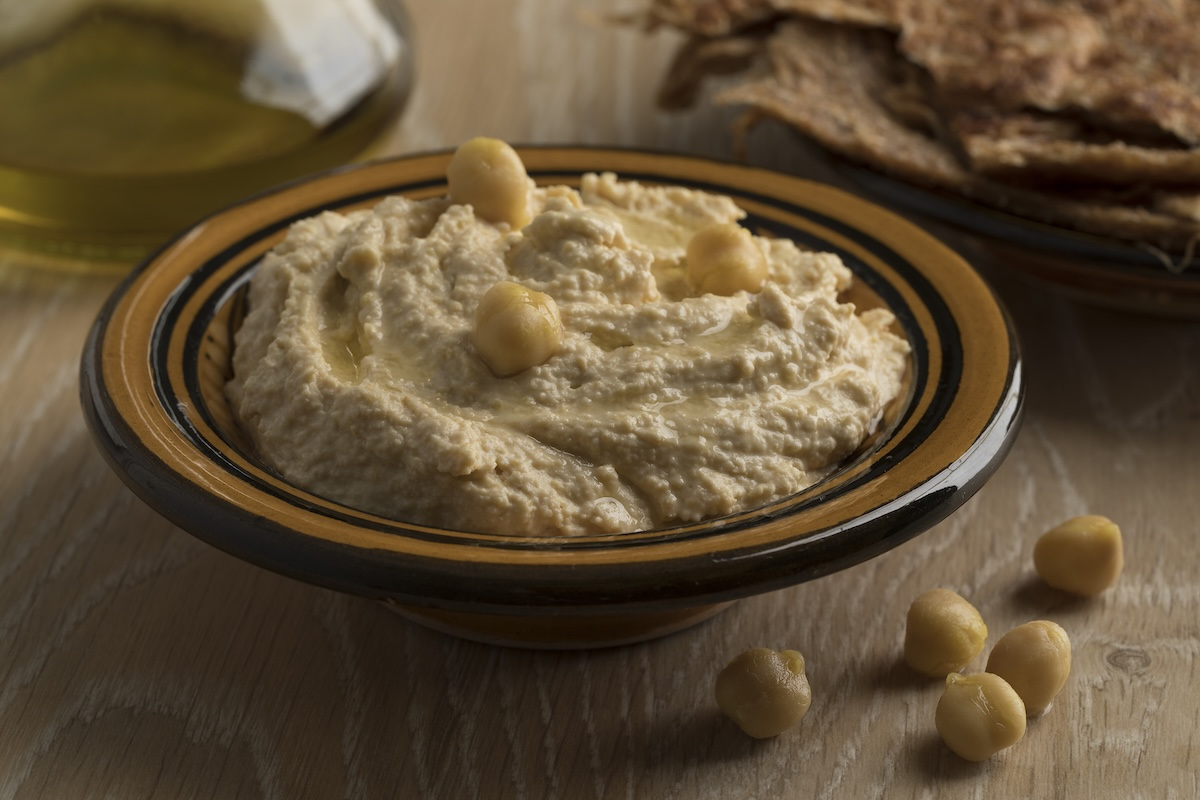
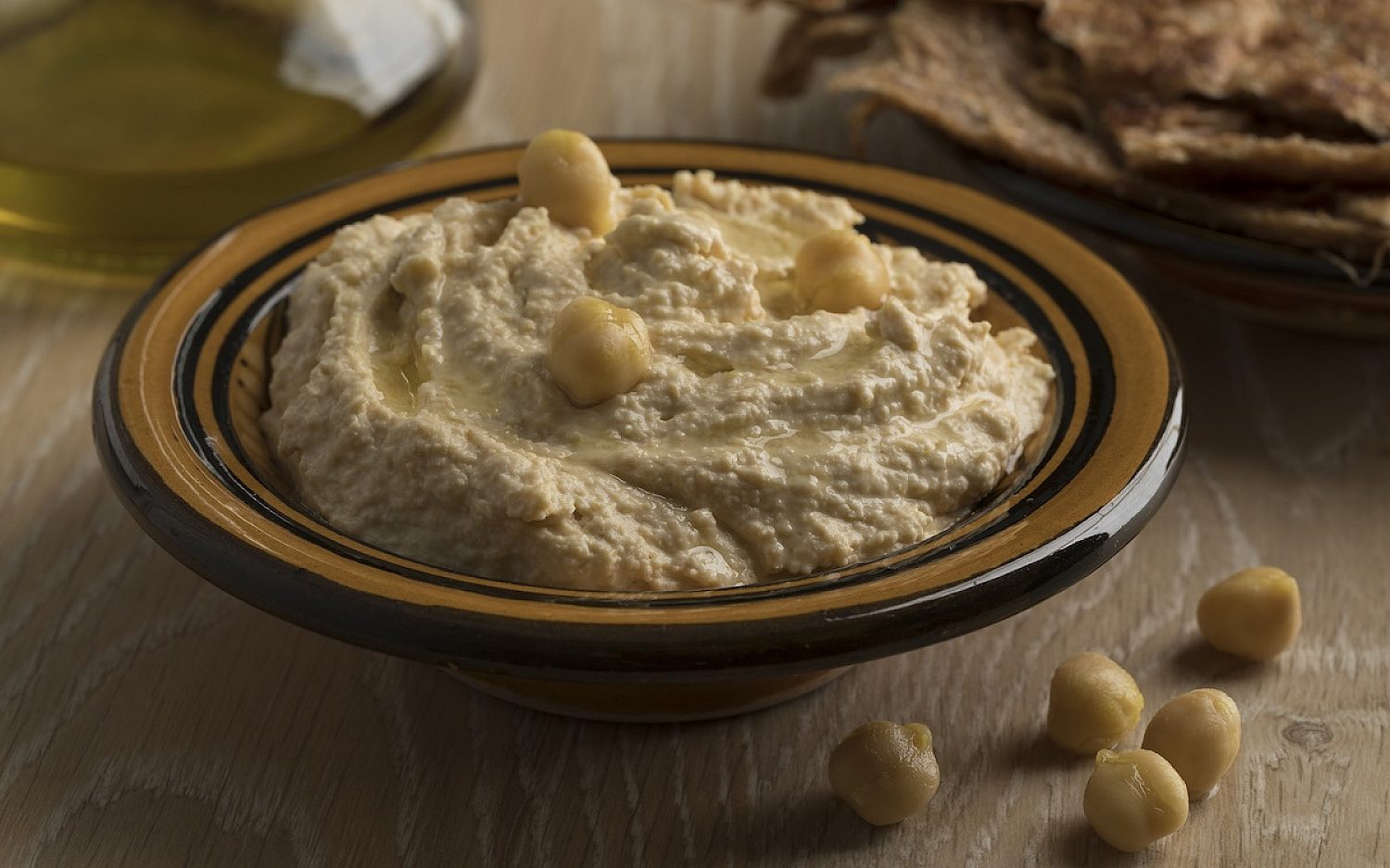
Not a fan of chickpeas or the hummus made by mashing them? Maybe reconsider. Jessica Atkin is a NASA fellow who worked on the project. She explains, “Chickpeas are high in protein and other essential nutrients, making them a strong candidate for space crop production.”
Can astronauts eat the lunar chickpeas? Not yet. Regolith contains metals like aluminum. If the legumes absorb too much, they could be toxic for human consumption.
The fungi that coat the seeds help plants absorb essential nutrients and reduce their uptake of heavy metals. But the plants must still be tested.
Atkin says, “Before anyone makes Moon hummus, we need to confirm they [the plants] are safe and nutritious. Those results will be published in a follow-up paper later this year.”
Sara Oliveira Santos is a researcher at the University of Texas. She says of the chickpea success, “This is a small first step toward growing crops on the Moon. . . . We are moving in the right direction.”
Why? The more we research agriculture options for astronauts, the more we discover how masterfully God designed Earth to be the perfect place for His image-bearers to garden.
Recommended Reading: For more about the Moon and space travel, read Victor J. Glover: Artemis Pilot by Elliott Smith.
Click the “video” button at the top of the story to watch a WORLDteen Sidebar video about exercise in space!