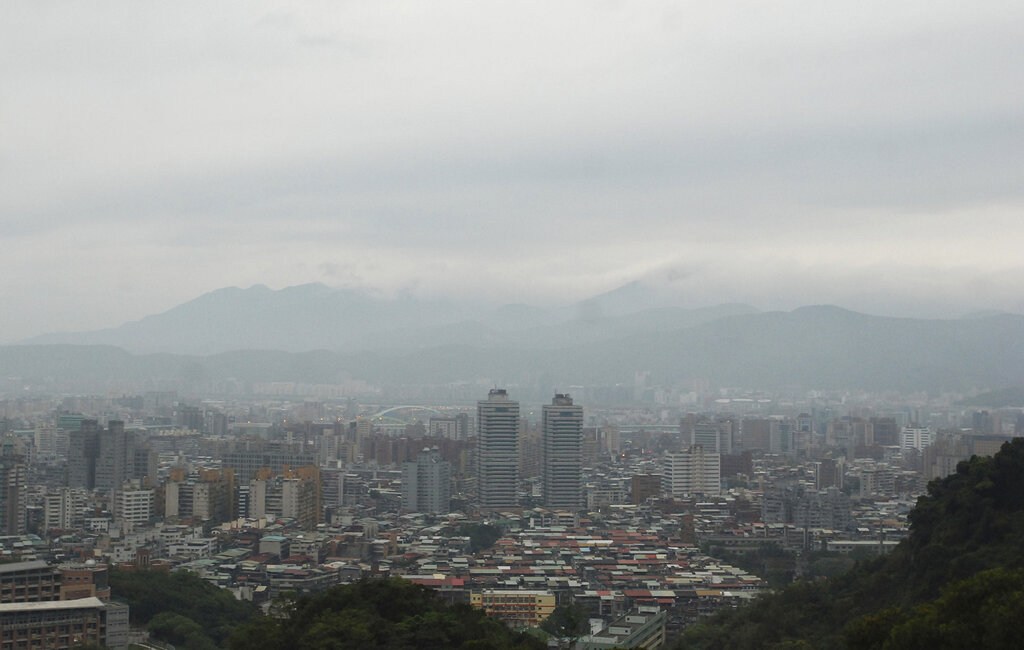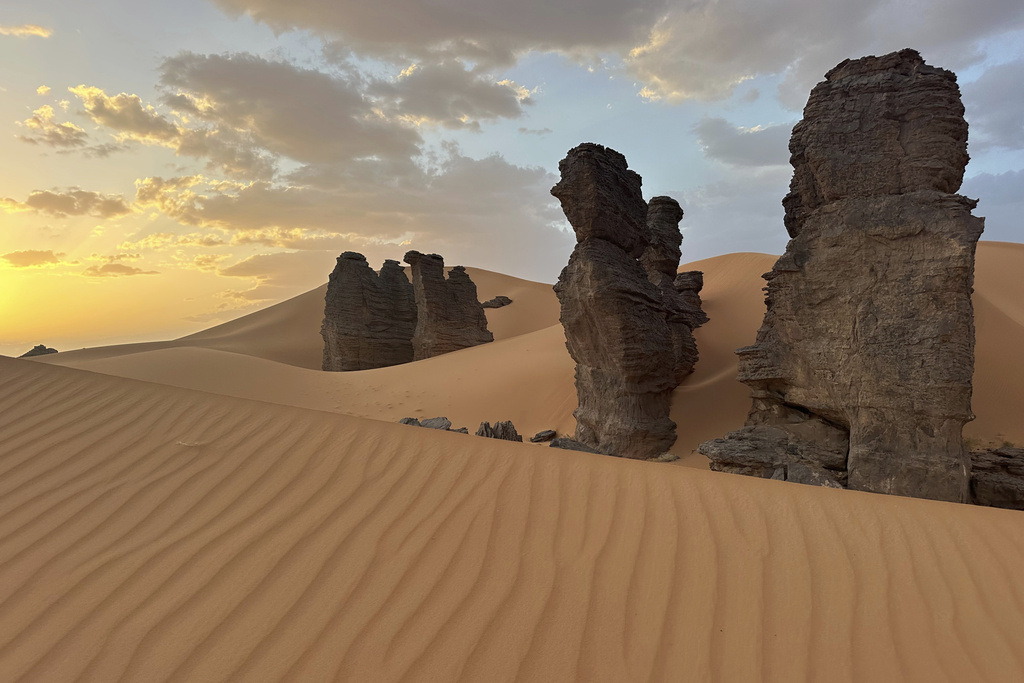
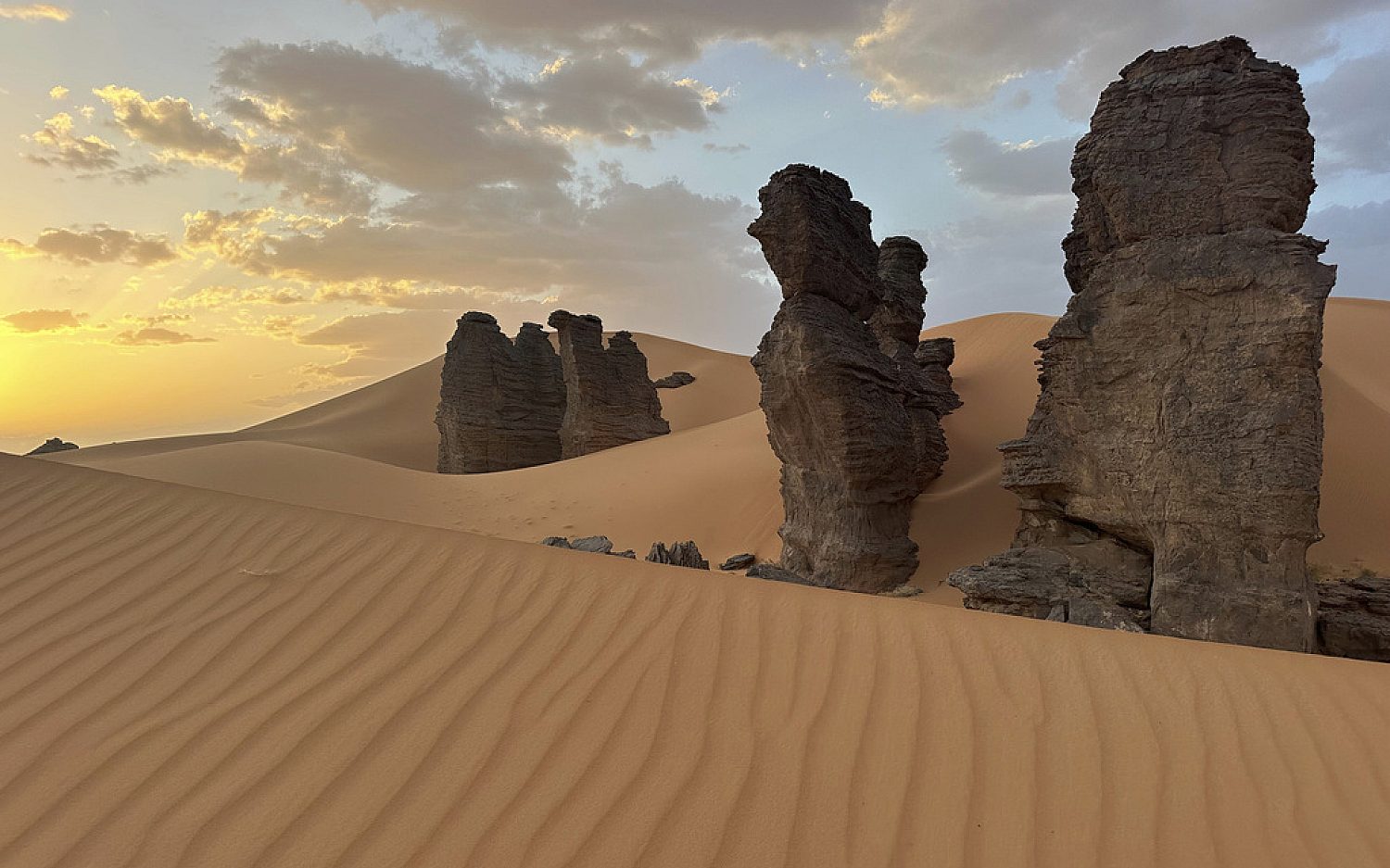
From China to Africa, dust and sand blow around desert areas and into regions beyond. It’s part of a God-ordained cycle. Yet roiling storms often have negative effects on economies and health. What’s a desert to do about sand?
Sand and dust storms (SDS) affect about 330 million people in over 150 countries. Every year, about two billion tons of the stuff swirl into the atmosphere according to a United Nations website. UN representative Laura Paterson calls that amount “equivalent to 300 Great Pyramids of Giza.”
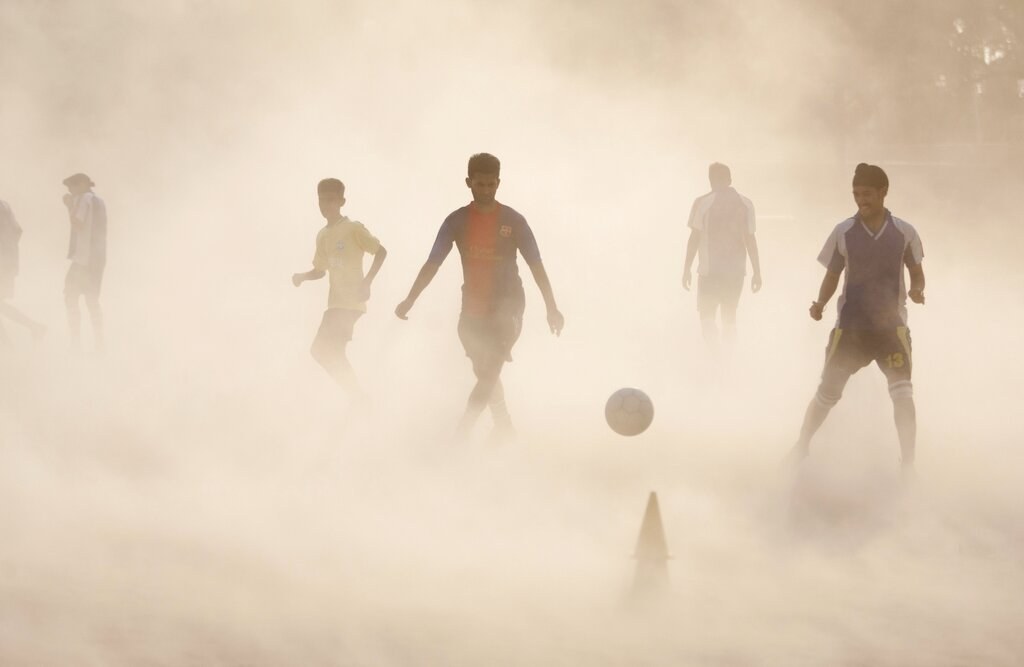
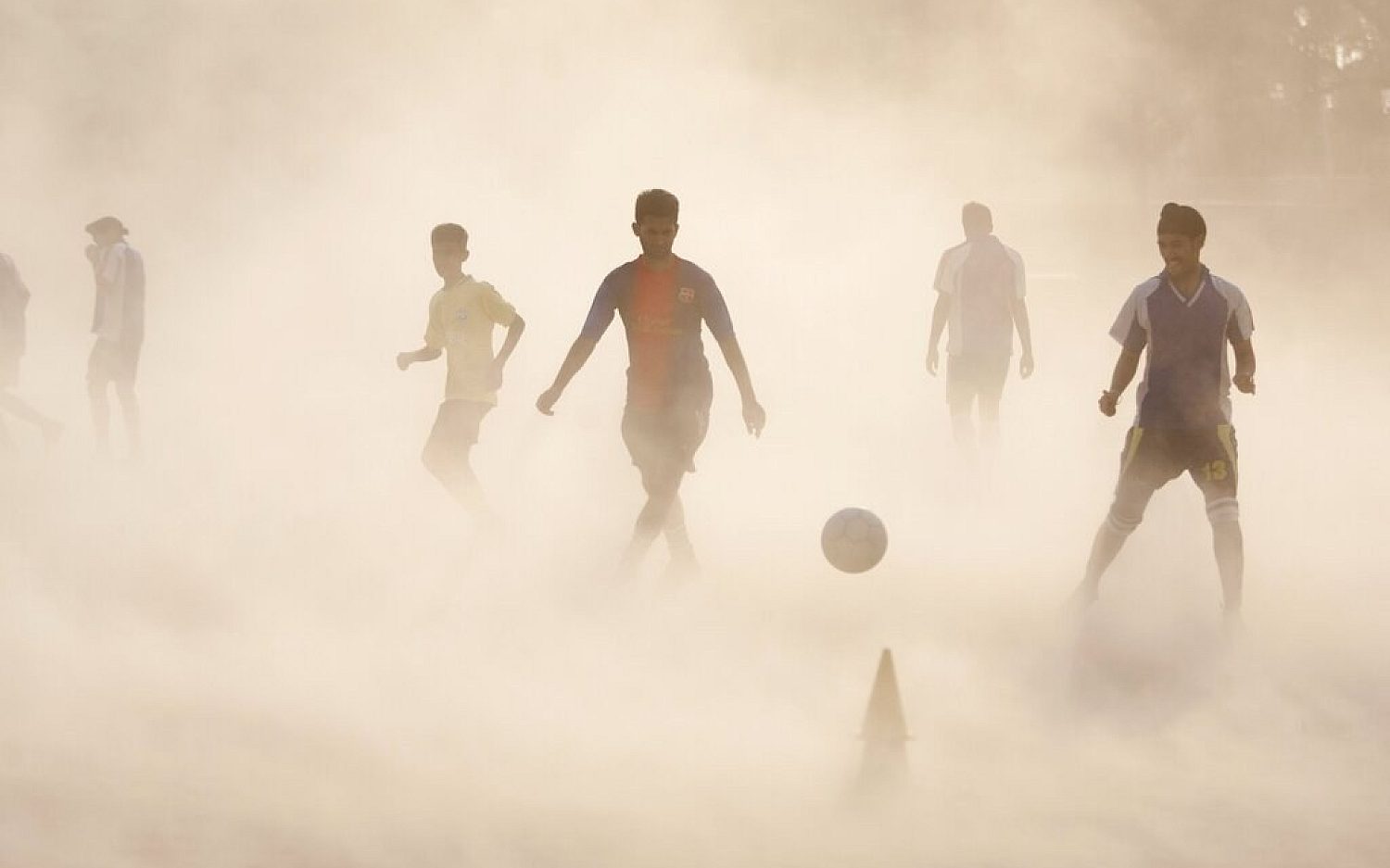
SDS can overwhelm whatever stands in the way. Dark, gritty, billowing clouds reduce visibility, suffocate organisms, disrupt transportation, and wreak havoc. Triggered by dry conditions and strong winds, SDS are taking an increasing toll according to the UN World Meteorological Organization.
Drought, wind, and wildfires can also contribute to SDS, as can some farming practices or water usage.
UN General Assembly President Philemon Yang says airborne particles from SDS contribute to seven million premature deaths every year. He says they can trigger lung and heart disease and reduce crop yields by up to 25%. In turn, poor crop harvests contribute to hunger and migration.
Yang says SDS “are fast becoming one of the most overlooked yet far-reaching global challenges of our time.”
More than 80% of the world’s dust comes from deserts in North Africa and the Middle East, Paterson says. That faraway dirt can have global effects since particles can blow thousands of miles across continents and oceans.
SDS are a vital part of a system that allows elements like water and nutrients to cycle through land, water, and air. Yet they can also cause destruction. It’s good for humans to work to lessen suffering in the world while remembering who controls dust and sand and causes the wind to blow where He wills. (Psalm 135:7)
Undersecretary-General Rola Dashti heads the UN Economic and Social Commission for Western Asia. She mentions SDS in Iraq that overwhelmed hospitals and those in Kuwait and Iran that forced schools and offices to close. She says dust from the Sahara desert in Africa has reached as far as the Caribbean and Florida.
On July 12, the United Nations marked the International Day of Combating Sand and Dust Storms. The group also chose 2025 to 2034 as the UN decade of combating SDS.
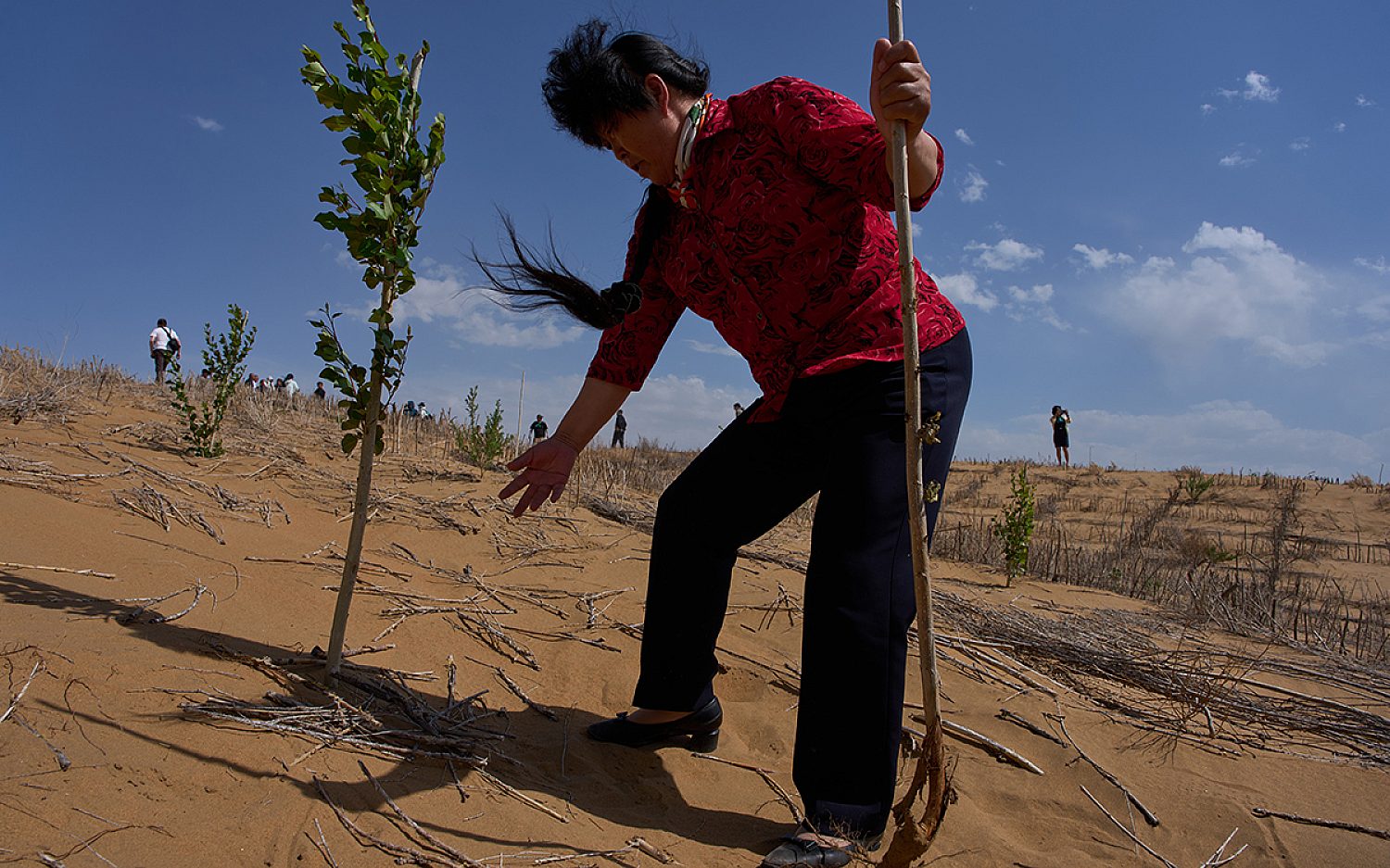
Dashti sees hope. “From land restoration and sustainable agriculture to integrated early warning systems, we have the tools to act,” she says. All that’s needed now, Dashti adds, is money and resolve.
But don’t forget the One who controls the wind, the waves—and the sand.
Why? We can take comfort in the vastness of sand: “How precious to me are your thoughts, O God! How vast is the sum of them! If I would count them, they are more than the sand. I awake, and I am still with you.” (Psalm 139:17-18)
Recommended Reading: For more about dust storms, read Children of the Dust Bowl by Jerry Stanley.