Do you hear that? No? Exactly.
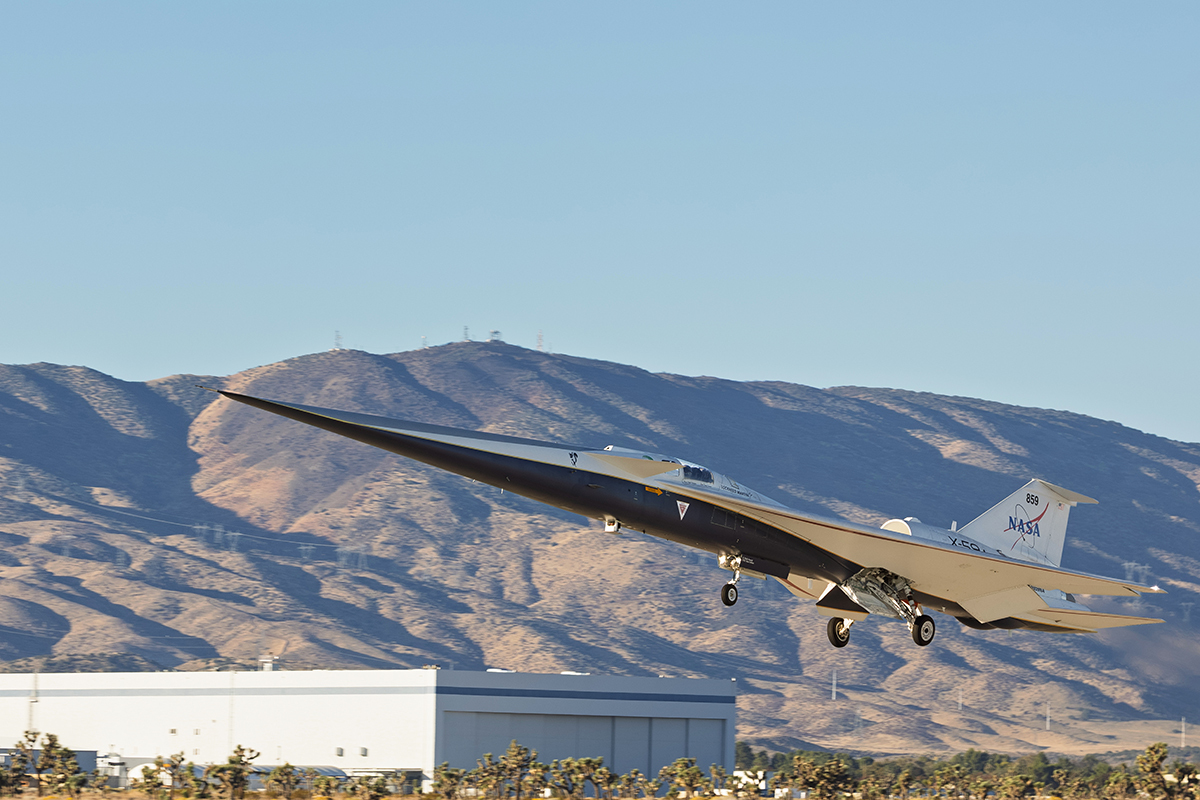
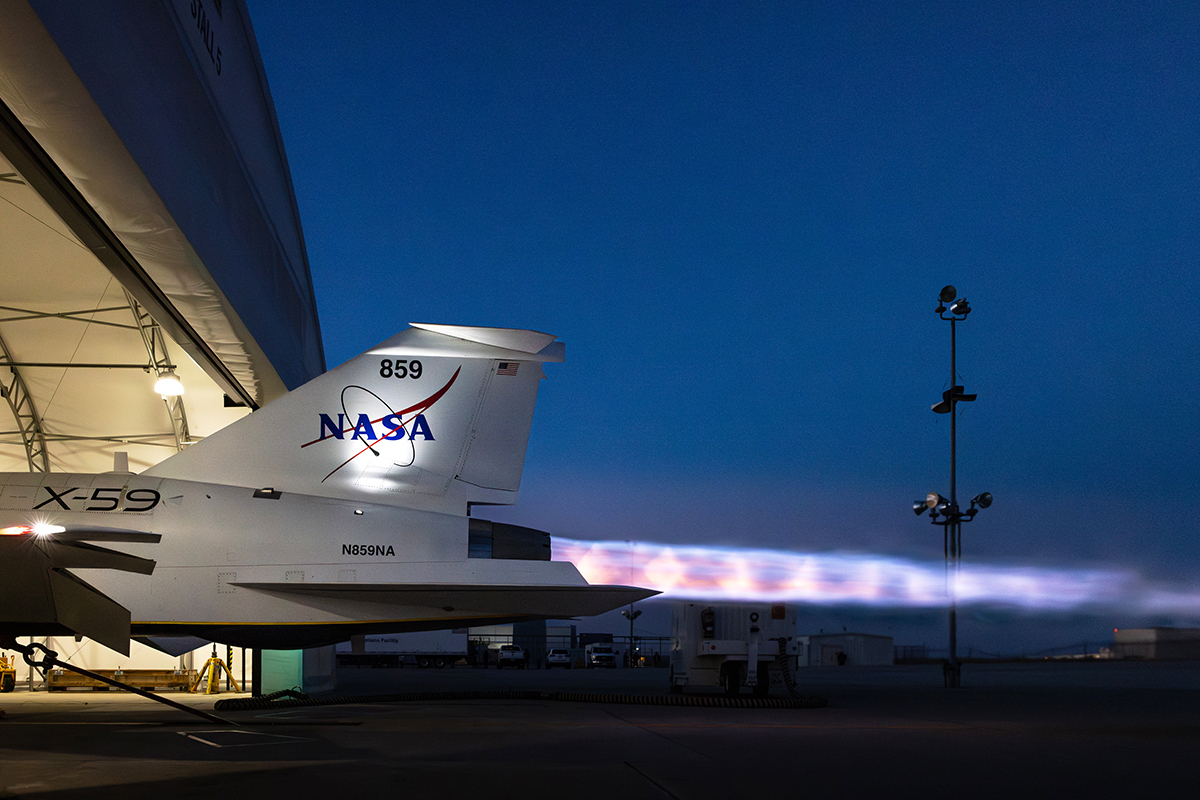
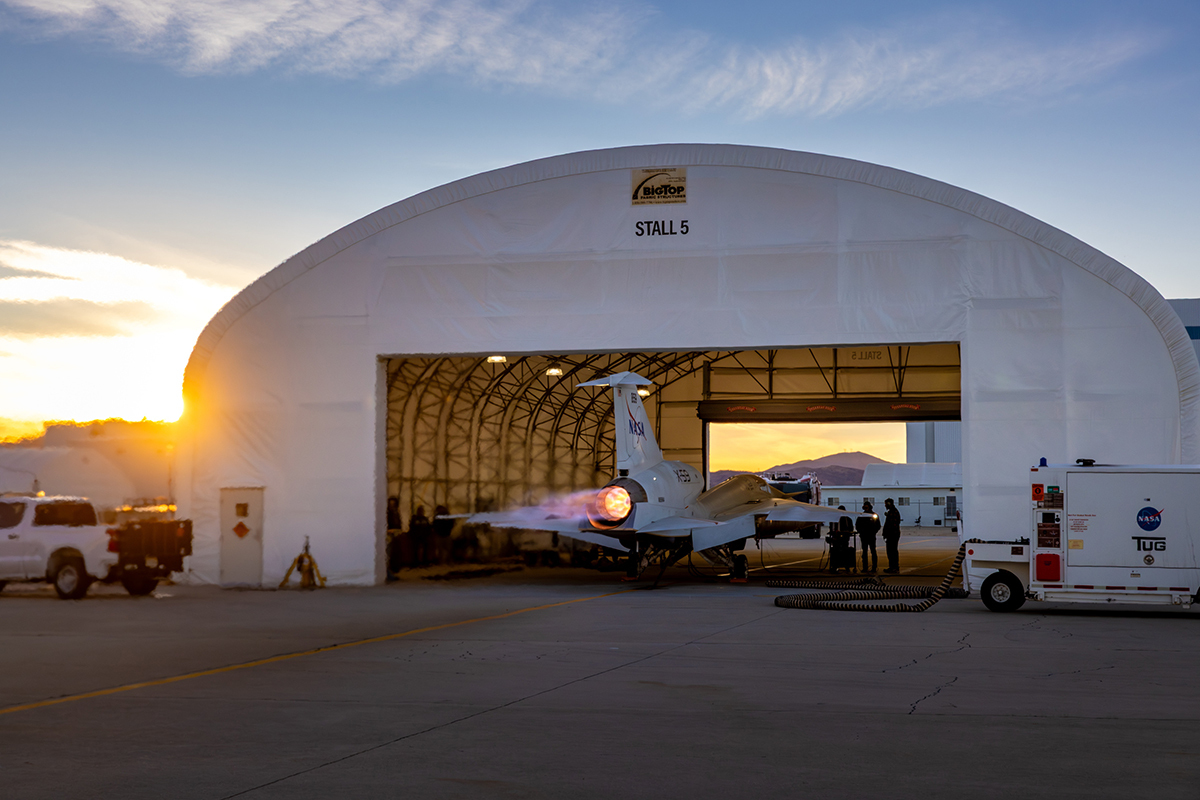
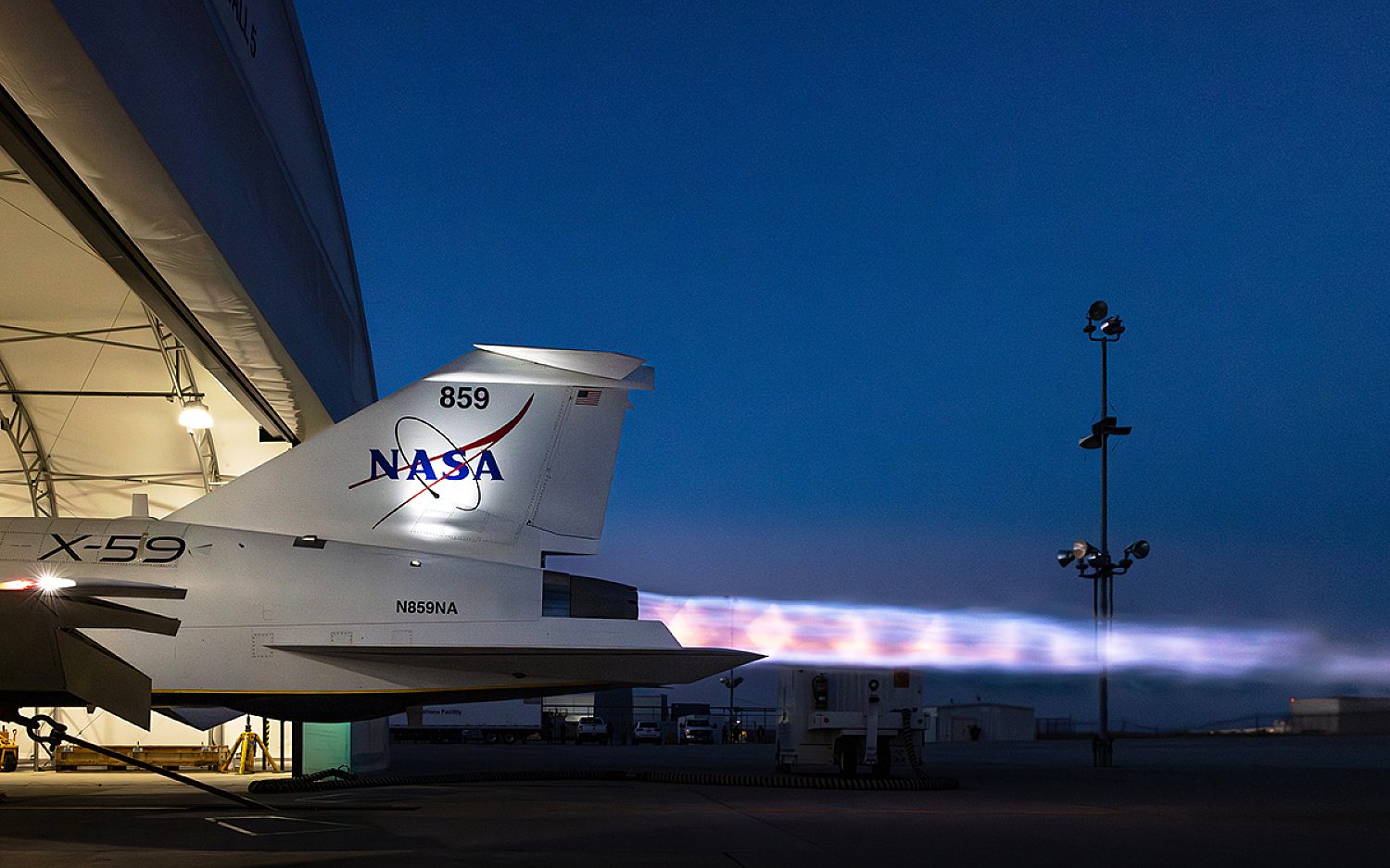
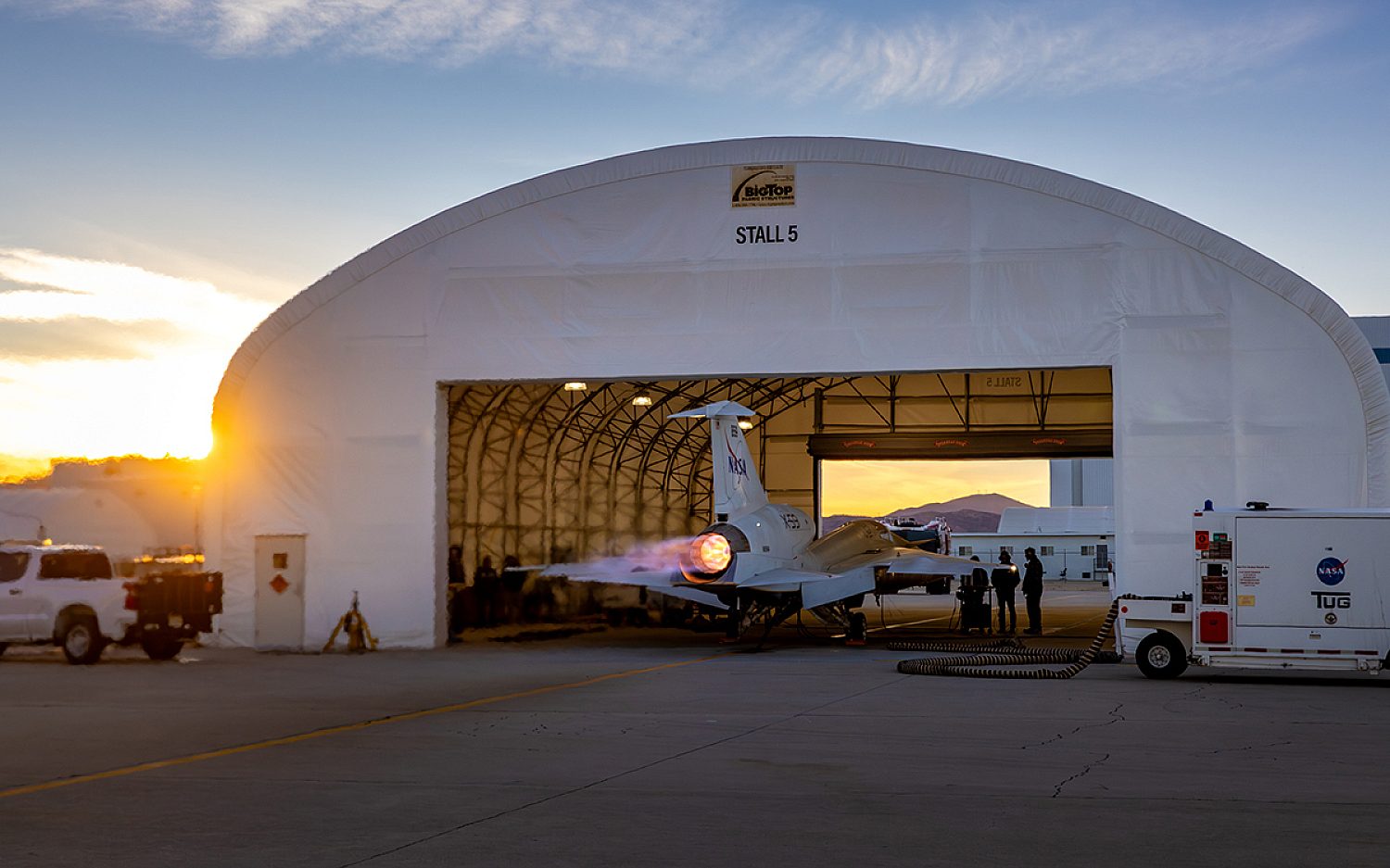
In October, the X-59 jet took its first flight over a California desert. This plane can reach supersonic speeds—faster than the speed of sound. That’s not a first in the world of aviation. So what makes this jet innovative? It’s quiet. Engineers believe it can go supersonic without producing a sonic boom.
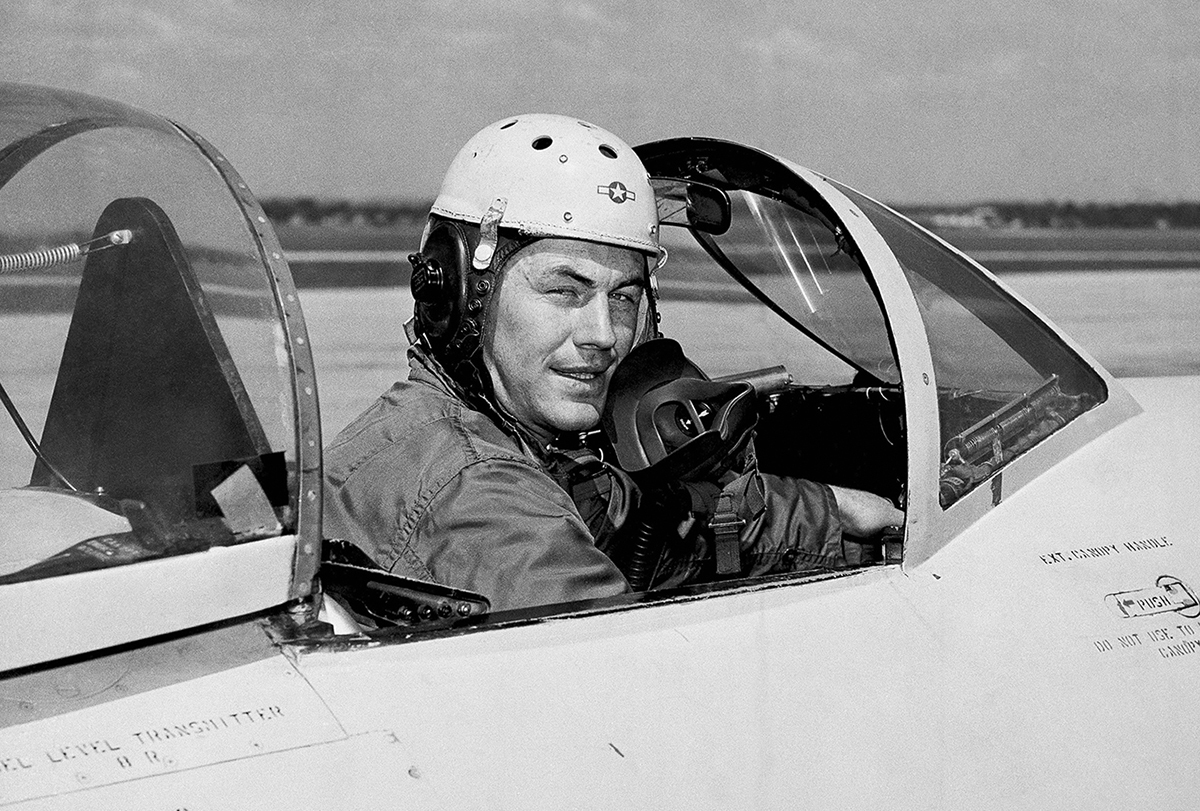
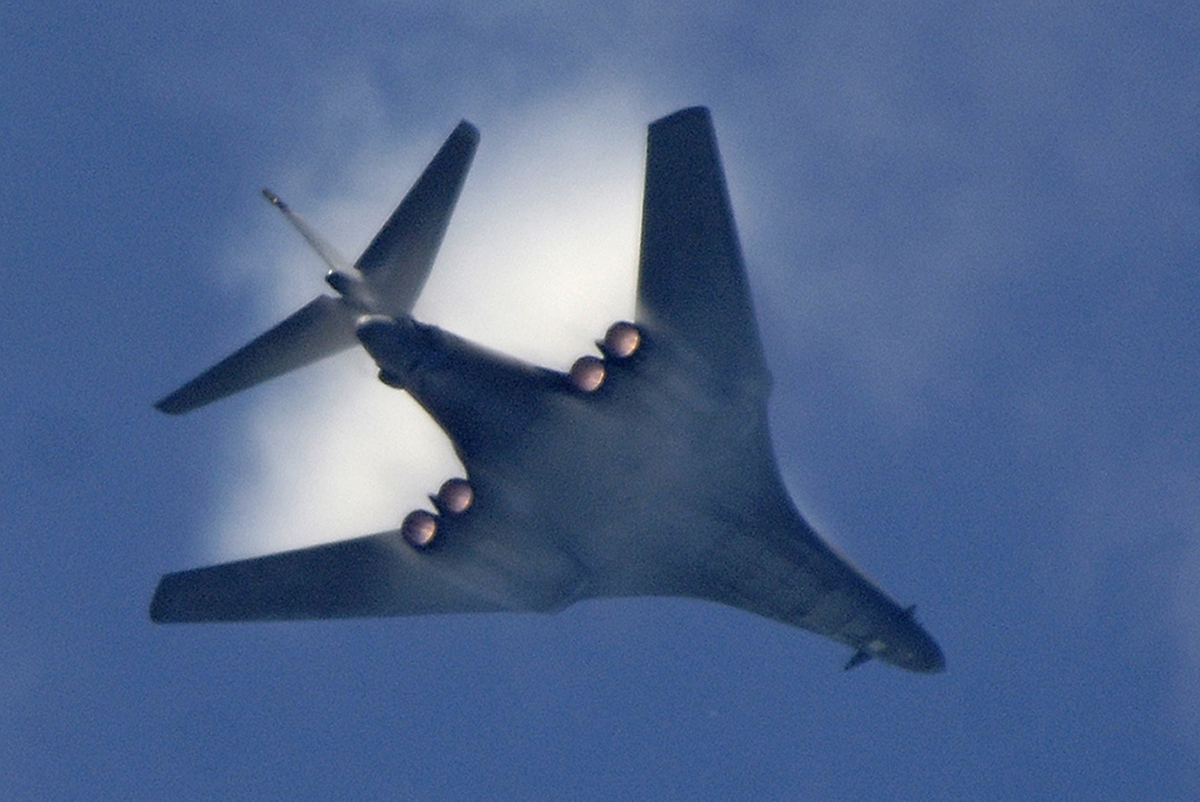
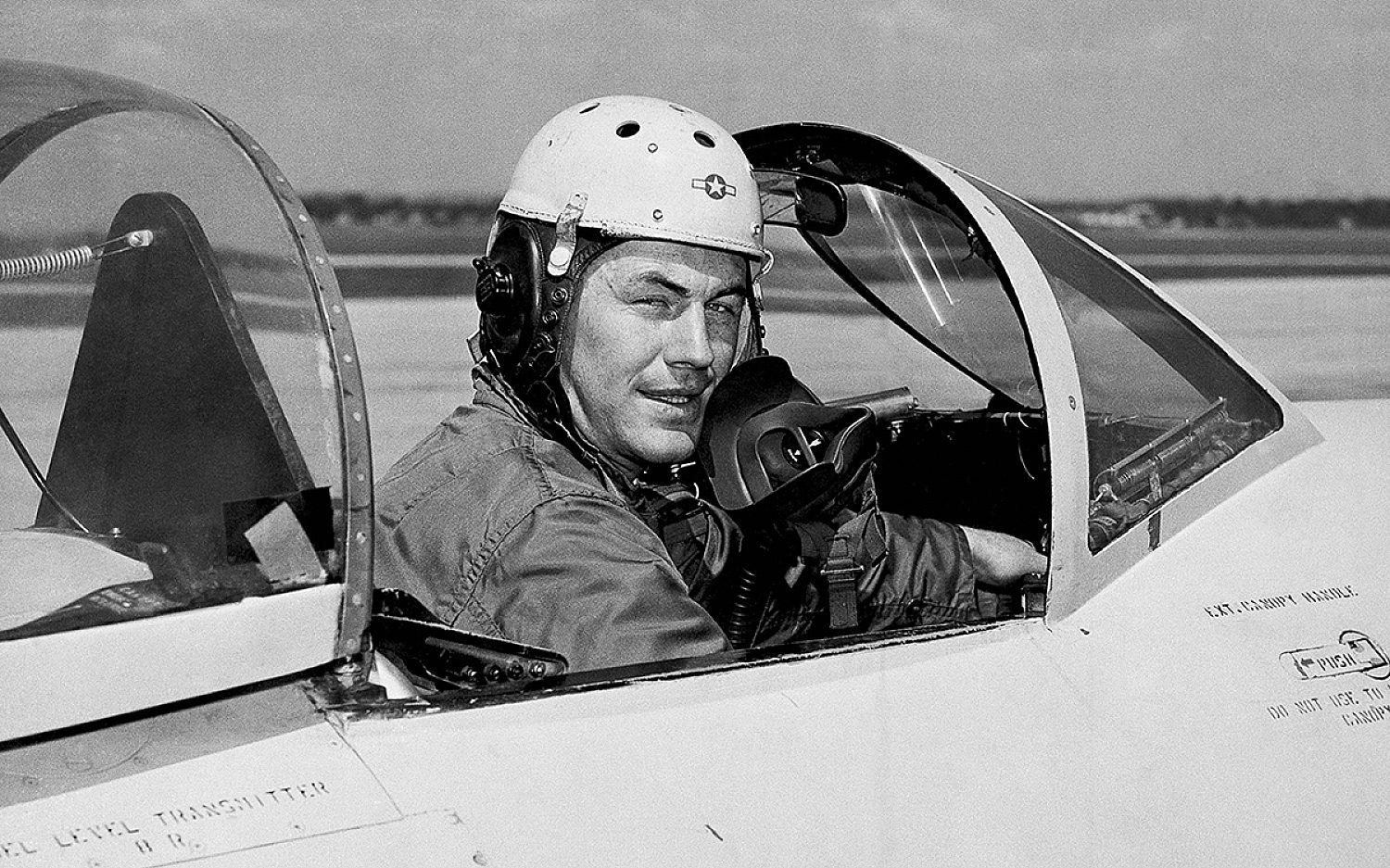
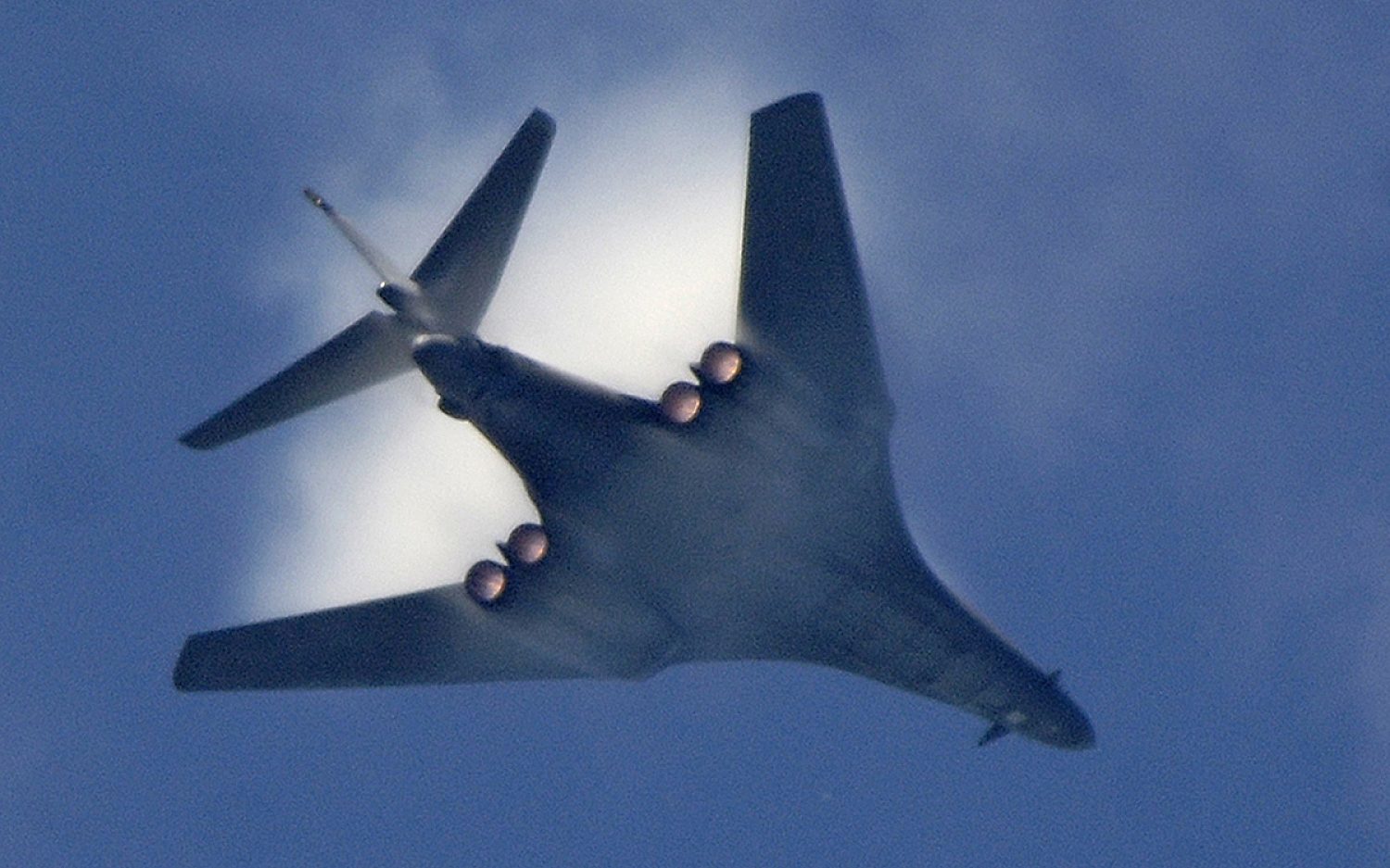
Pilot Chuck Yeager first broke the “sound barrier” in 1947. The feat requires speeds of over 767 miles per hour. A supersonic plane literally flies faster than its own sound. If you’re on the ground below, you won’t hear it until it has passed. When you do, you might want to cover your ears! Supersonic speeds produce sonic booms. Air molecules can’t get out of the plane’s way fast enough. They compress into shockwaves and form a cone shape. To listeners, the passing cone sounds like thunder or an explosion.
Beginning in 1973, the U.S. government restricted civilian supersonic flights over land. Before the ban, people complained about the noise. Sonic booms startle humans and animals. They echo through cities. They rattle and even crack walls and windows. (In June 2025, President Donald Trump wrote an order to lift that restriction.)
But what if you could have supersonic flight without the fright?
Engineers at NASA and Lockheed Martin seek to answer that question with innovation. They teamed up to design and build the X-59. (NASA’s X series of planes test new technologies.) During its test flight, the jet didn’t quite go supersonic. But the experts say it can—and without the big boom.
How does it work? The X-59’s pointed nose and swept wings cut down the pressure created by its high speeds. This design softens the curve of the pressure waves. It turns the sharp crack of a sonic boom into a “gentle thump.”
NASA and Lockheed Martin have spent years trying to solve the sonic boom problem. They want to open up supersonic travel for commercial flights. Today, a flight between New York City, New York, and Los Angeles, California, takes about five and a half hours. Supersonic travel could cut that by nearly half—to just under three hours.
Supersonic travel has been possible for decades—but at the cost of peace, quiet, and even safety. If successful, the X-59 could cut travel times in the air and disruptions on the ground.
Why? When dreaming up high-flying new ideas, it’s easy to forget the people below. The best innovations don’t just improve technology—they keep human needs in mind.
Recommended Reading: For more on planes, read The World Encyclopedia of Fighter Aircraft by Francis Crosby.