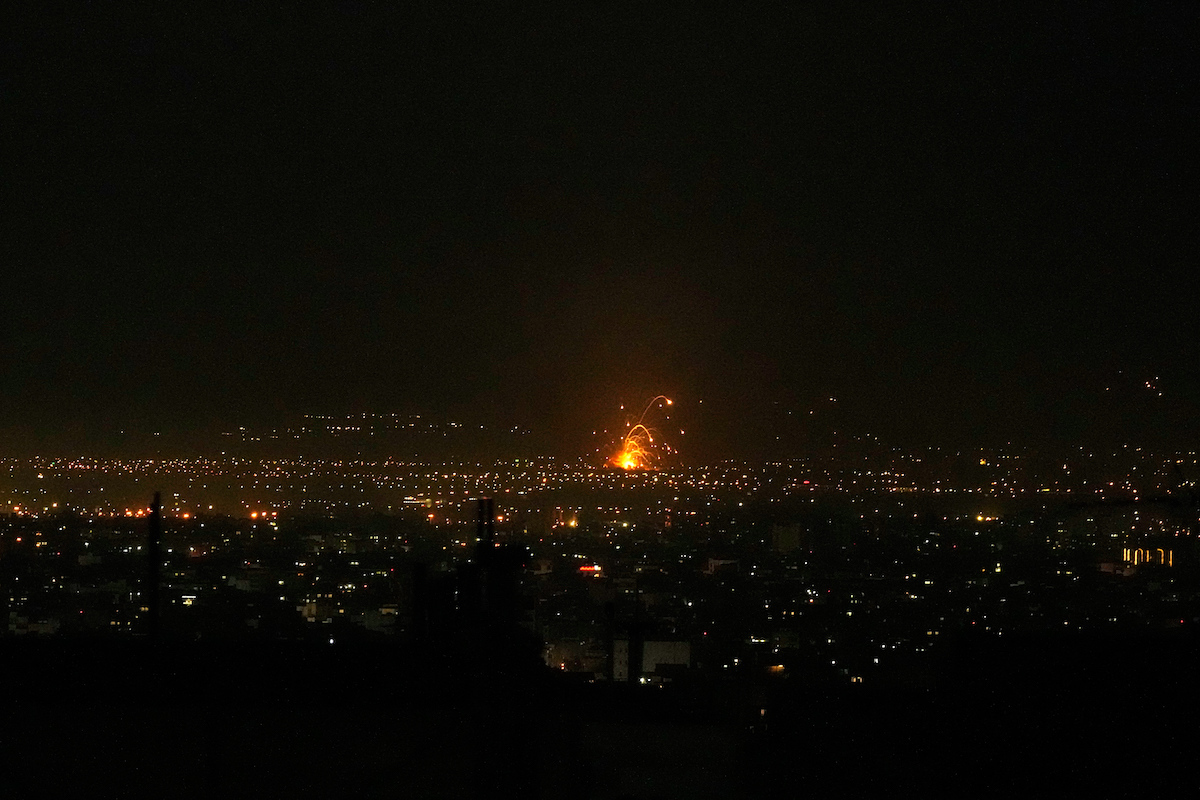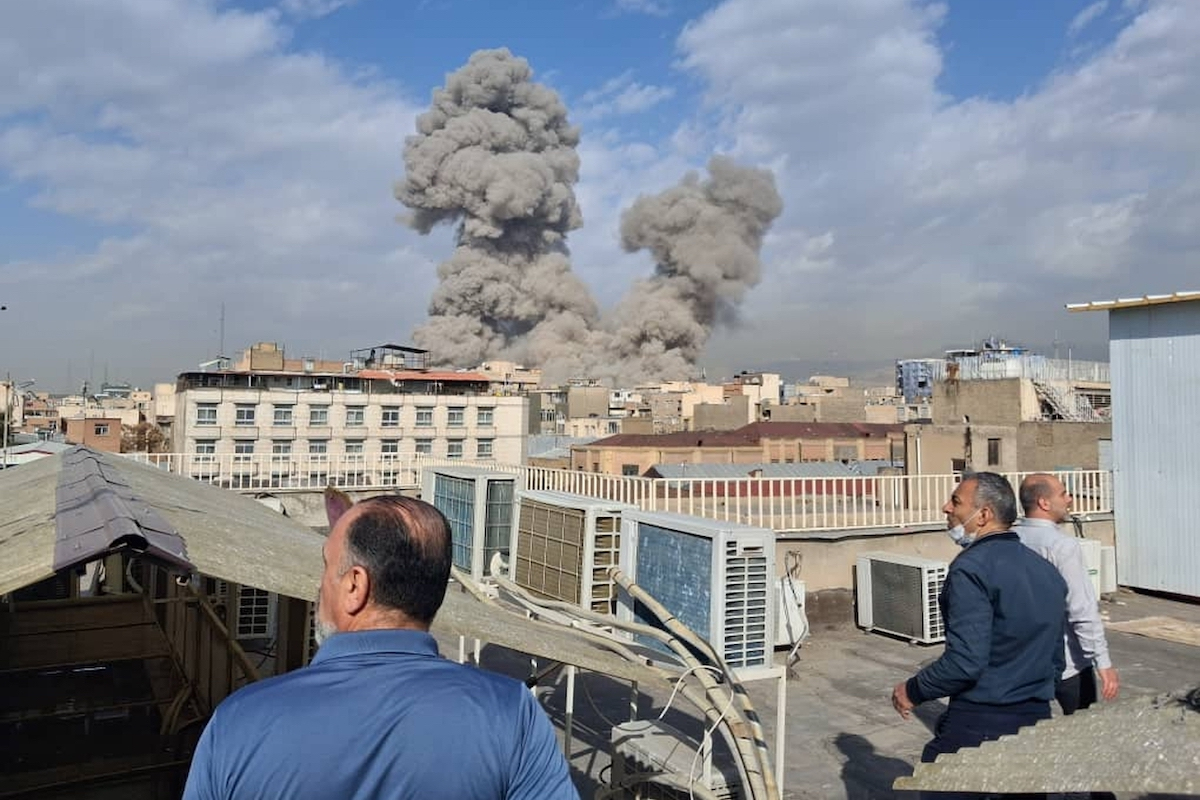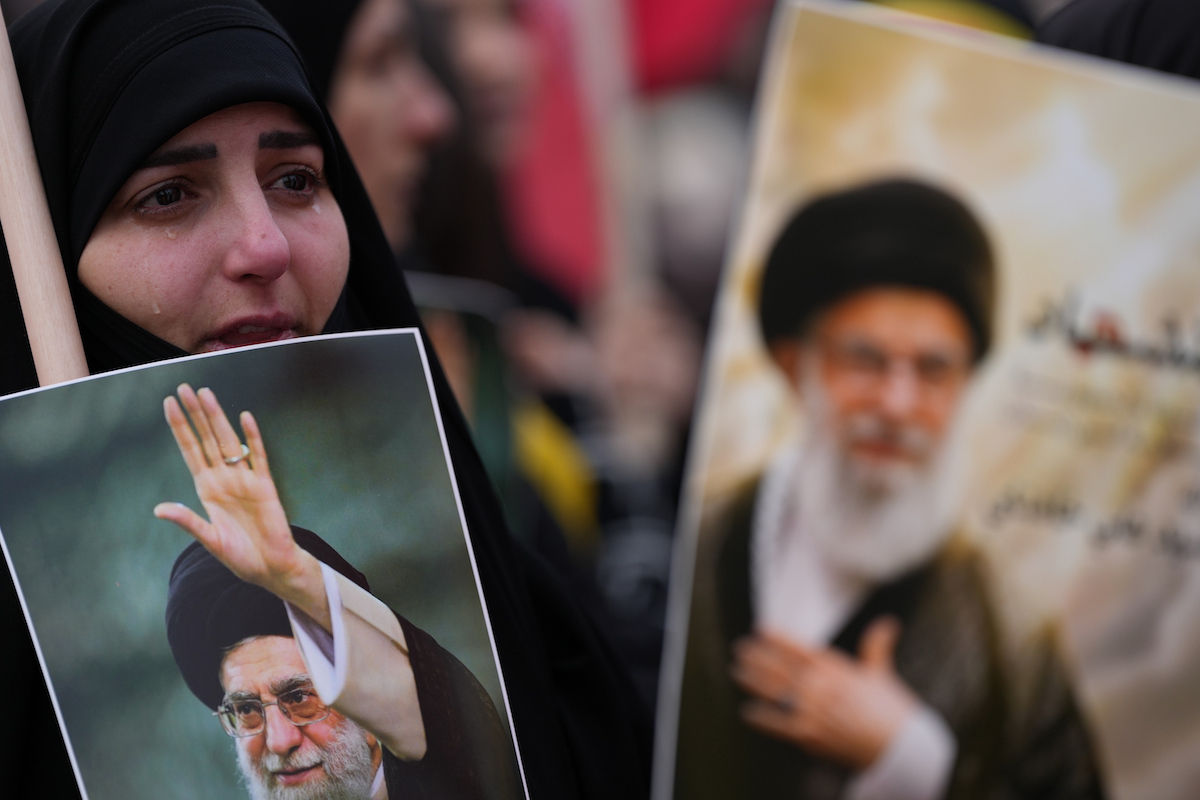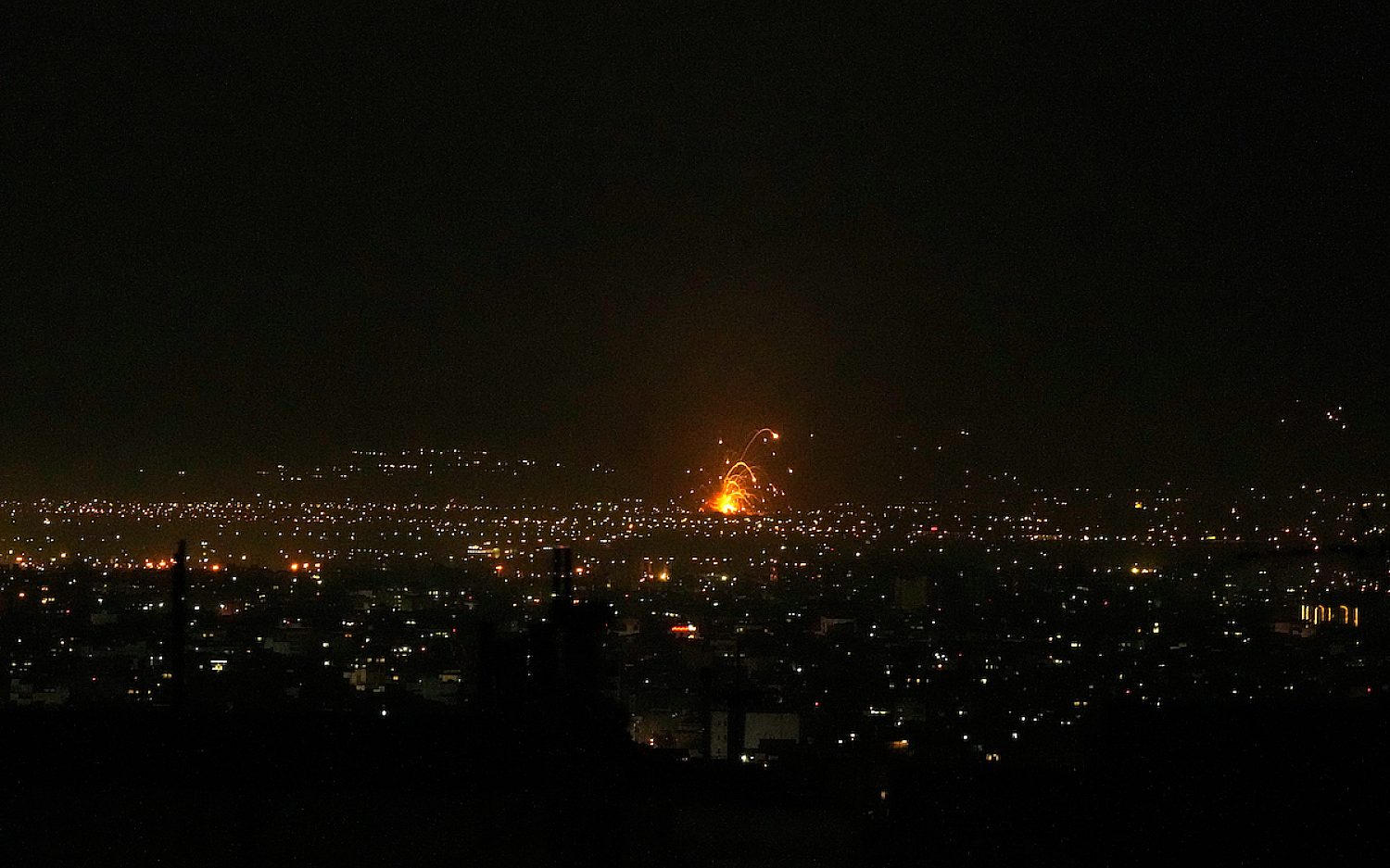
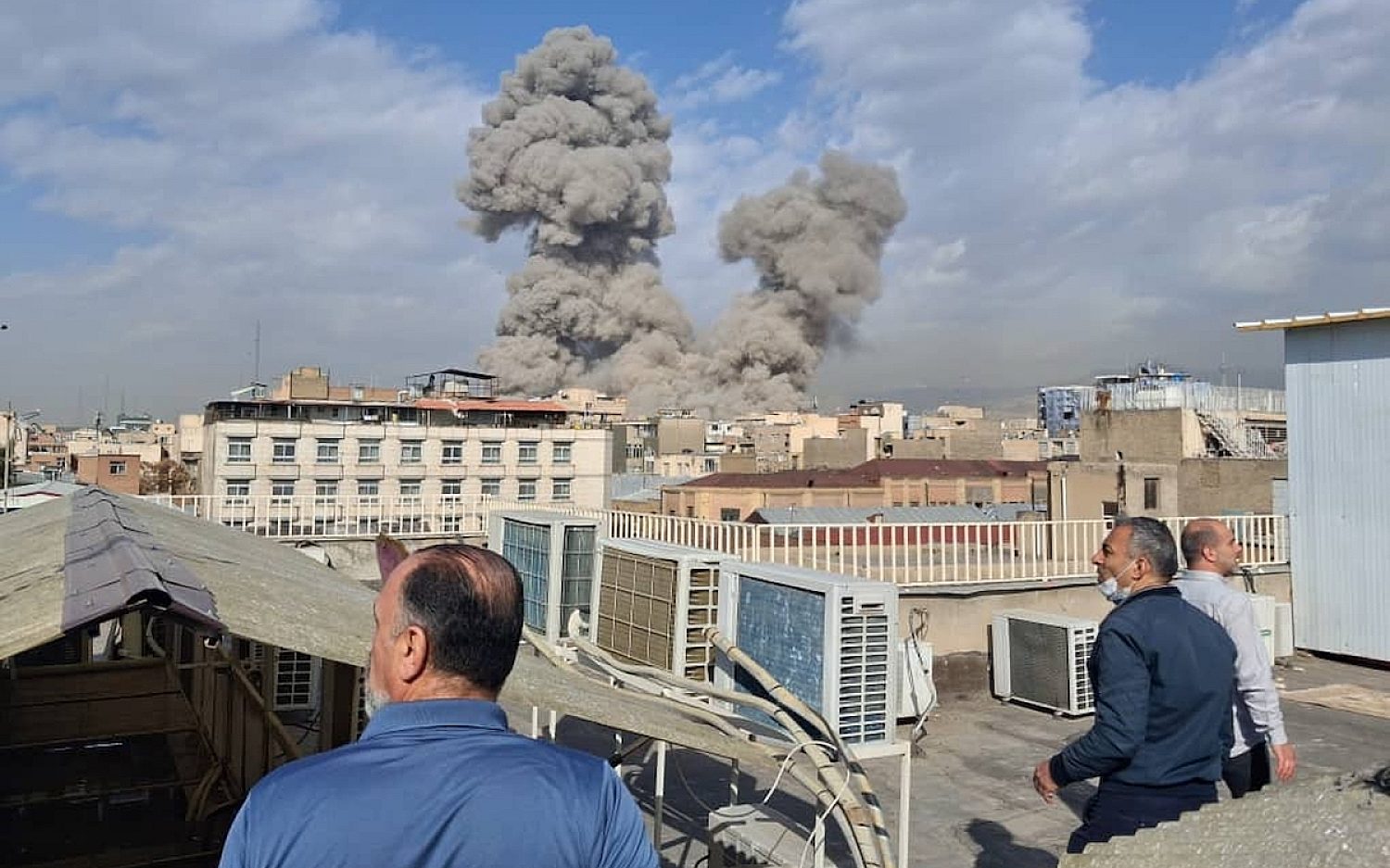


On February 28, the United States and Israel launched an attack on Iran. Wars don’t begin overnight. The roots of this conflict reach far back into history.
Iran’s Past
The area we today know as Iran once went by the name Persia. (You might recognize Persia from the Bible.) In the early 1900s, Persia took a more modernized, Western direction. It became Iran in 1935.
The 1979 Islamic Revolution pushed Iran away from Western influence. The revolution ousted Iran’s king, the Shah, and instituted theocracy. In a theocracy, religious leaders rule according to their religion’s laws.
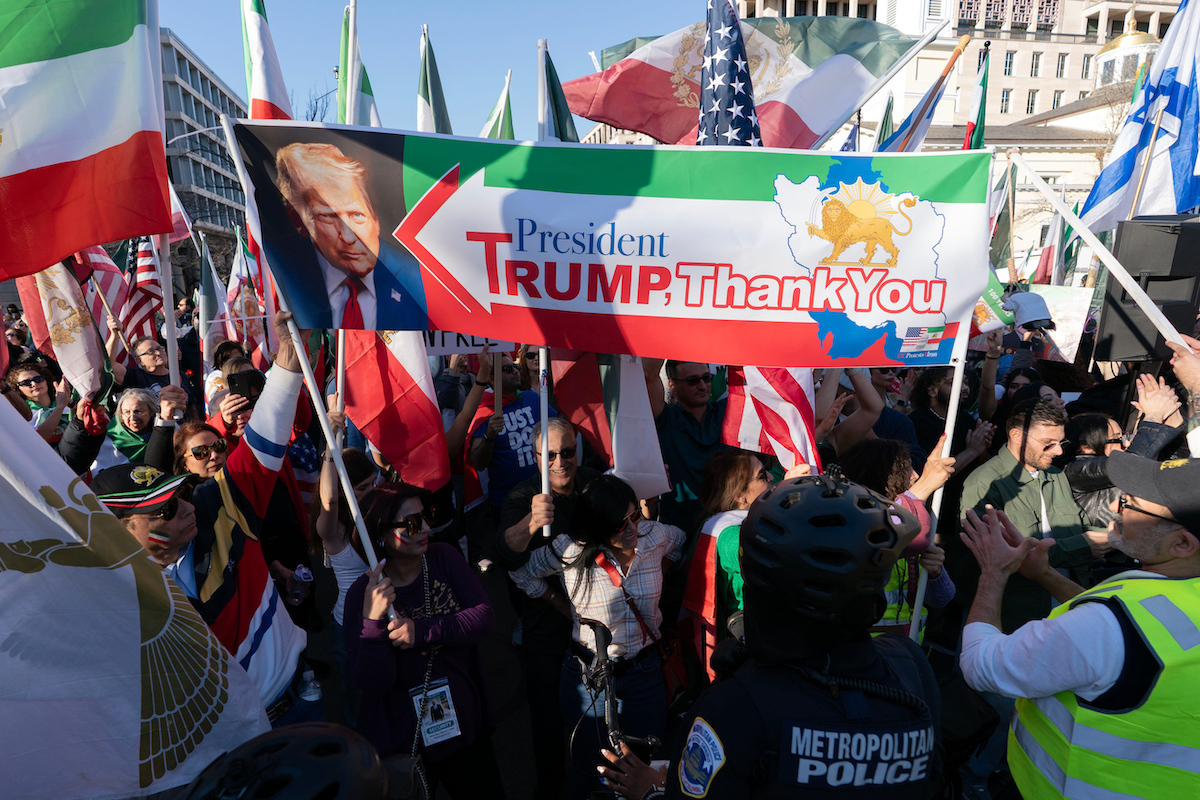
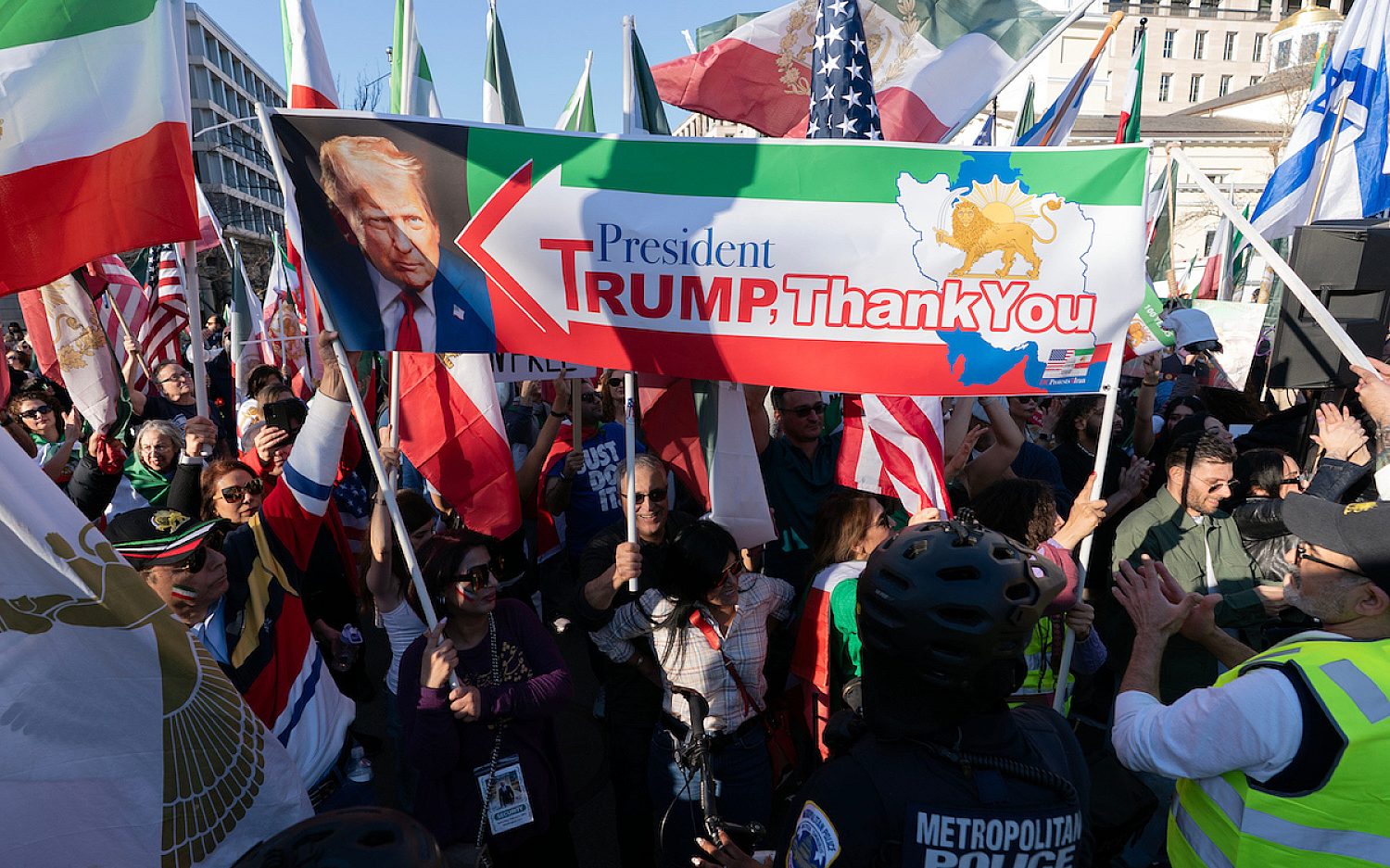
Iran’s government enforces strict Shiite Muslim laws, called Sharia. Today, many Iranians miss the days of the Shah. Protests have rocked the nation’s streets. The government pushed back, even killing thousands of protesters.
The threat of violence spread beyond Iran’s borders. Iran’s leaders led crowds in chants of “death to the United States” and “death to Israel.” The nation has backed terrorist groups such as Hezbollah, the Houthis, and Hamas.
International tensions peaked with Iran’s nuclear research. Iranian officials claimed to develop nuclear power for peaceful purposes. U.S. officials feared the creation of nuclear weapons. Negotiations of early 2026 ended with no agreement.
Iran’s Present
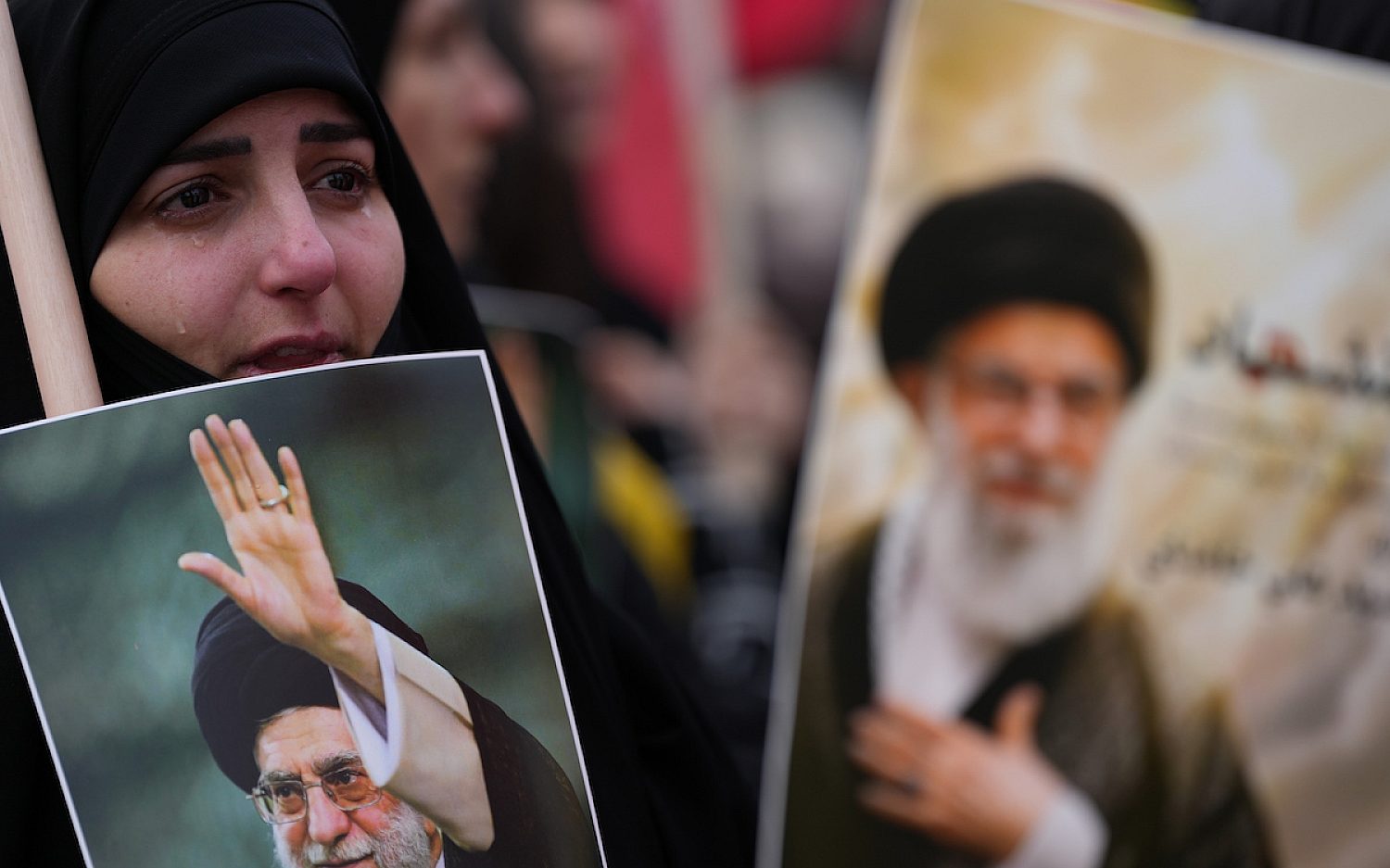
The next day, the United States and Israel struck. The attacks hit Iran’s capital, Tehran. Iran’s Supreme Leader Ayatollah Ali Khamenei died. U.S. officials say the operation focused on removing Iran’s military capabilities and its ability to build nuclear weapons. Iran swiftly retaliated, launching missiles on Israel and U.S. military bases.
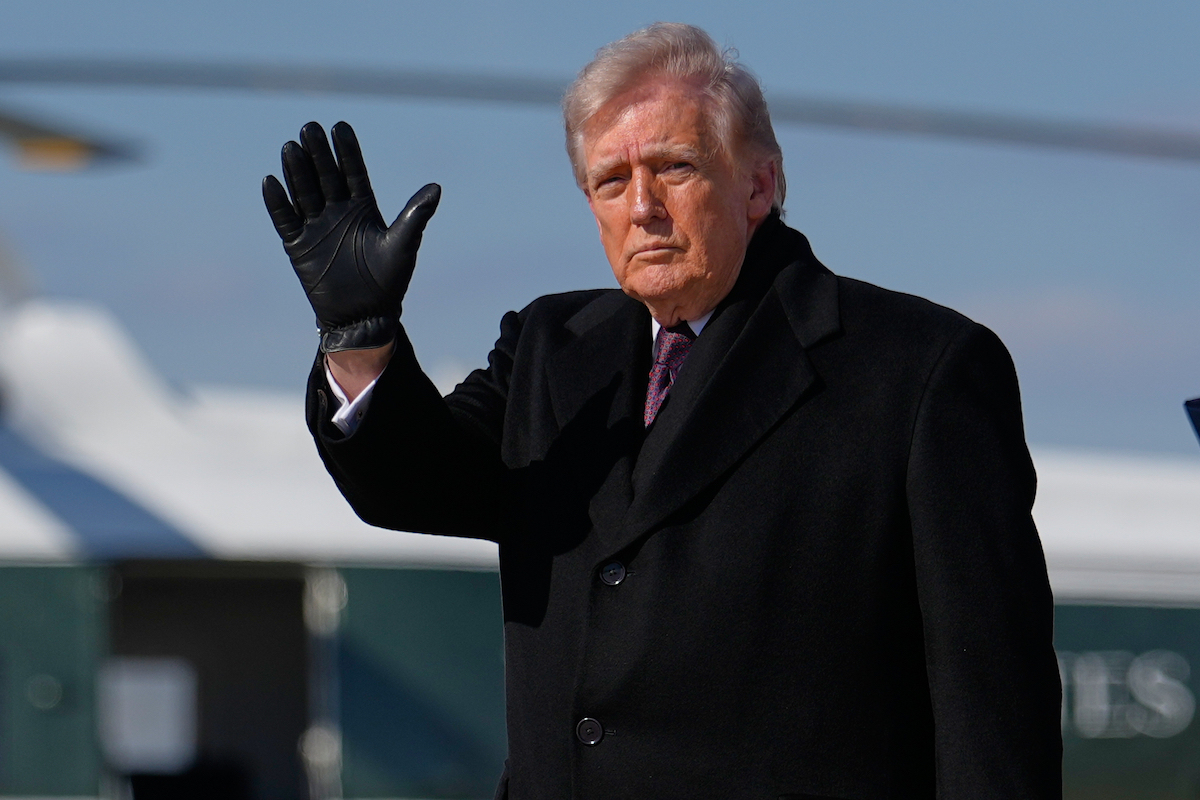
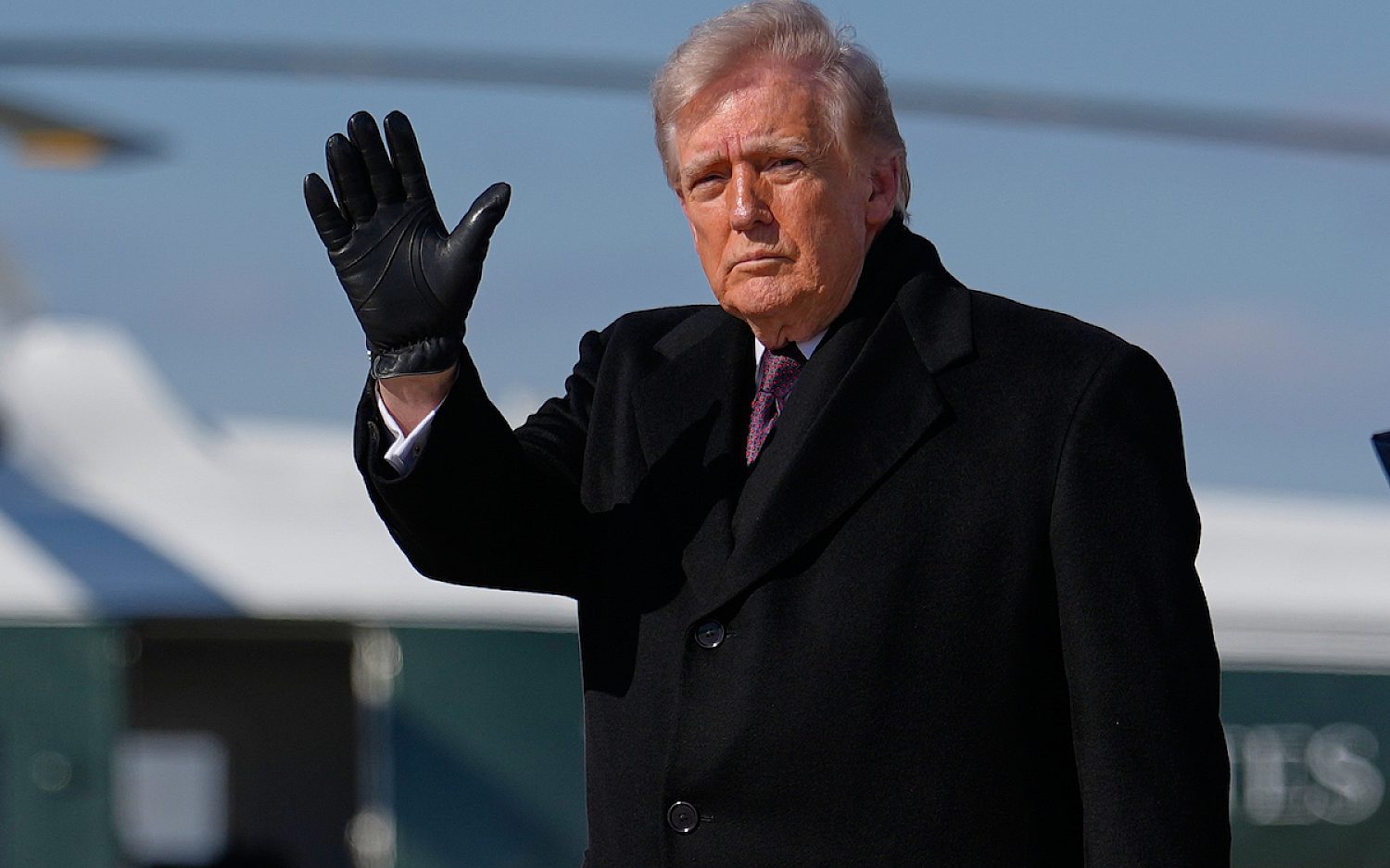
Some nations voiced approval for the strikes on Iran. Some politicians criticized President Donald Trump for engaging in war without approval from Congress. Only Congress can declare war, but past presidents have treated this loosely. In March, the House voted against curbing President Trump’s war powers. The fight against Iran continued.
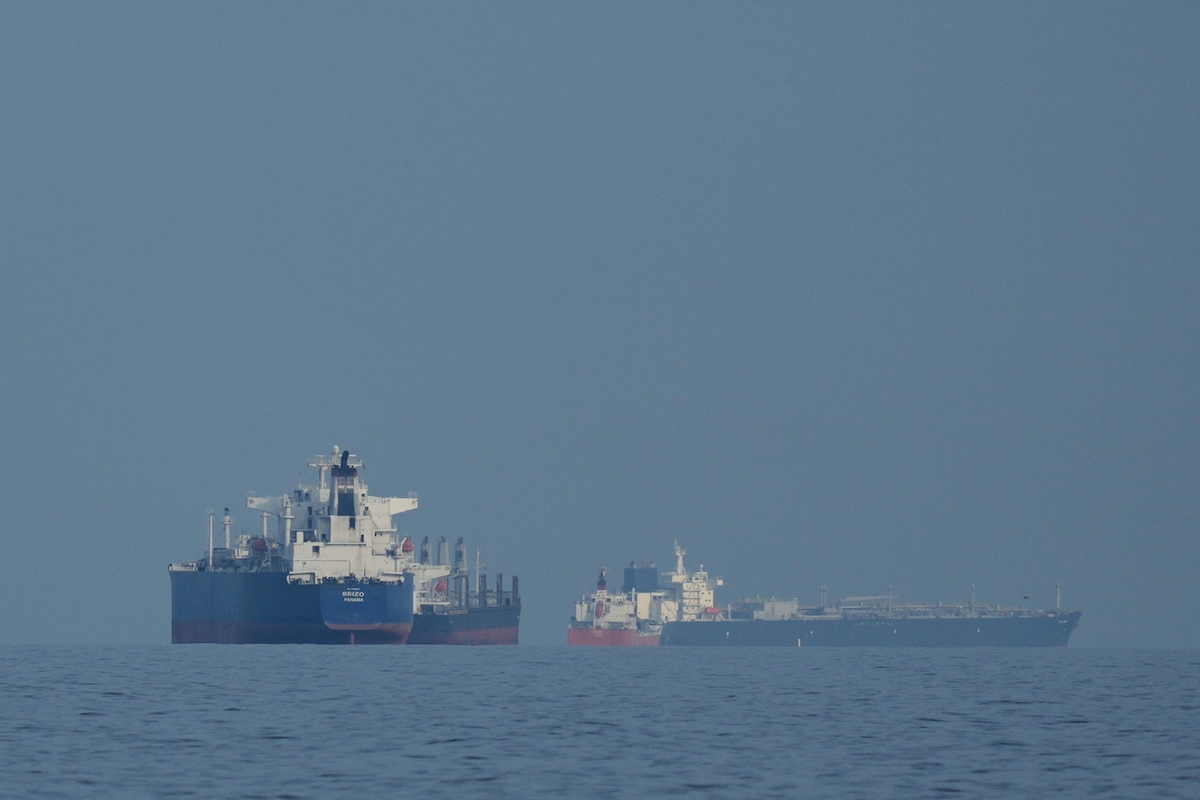
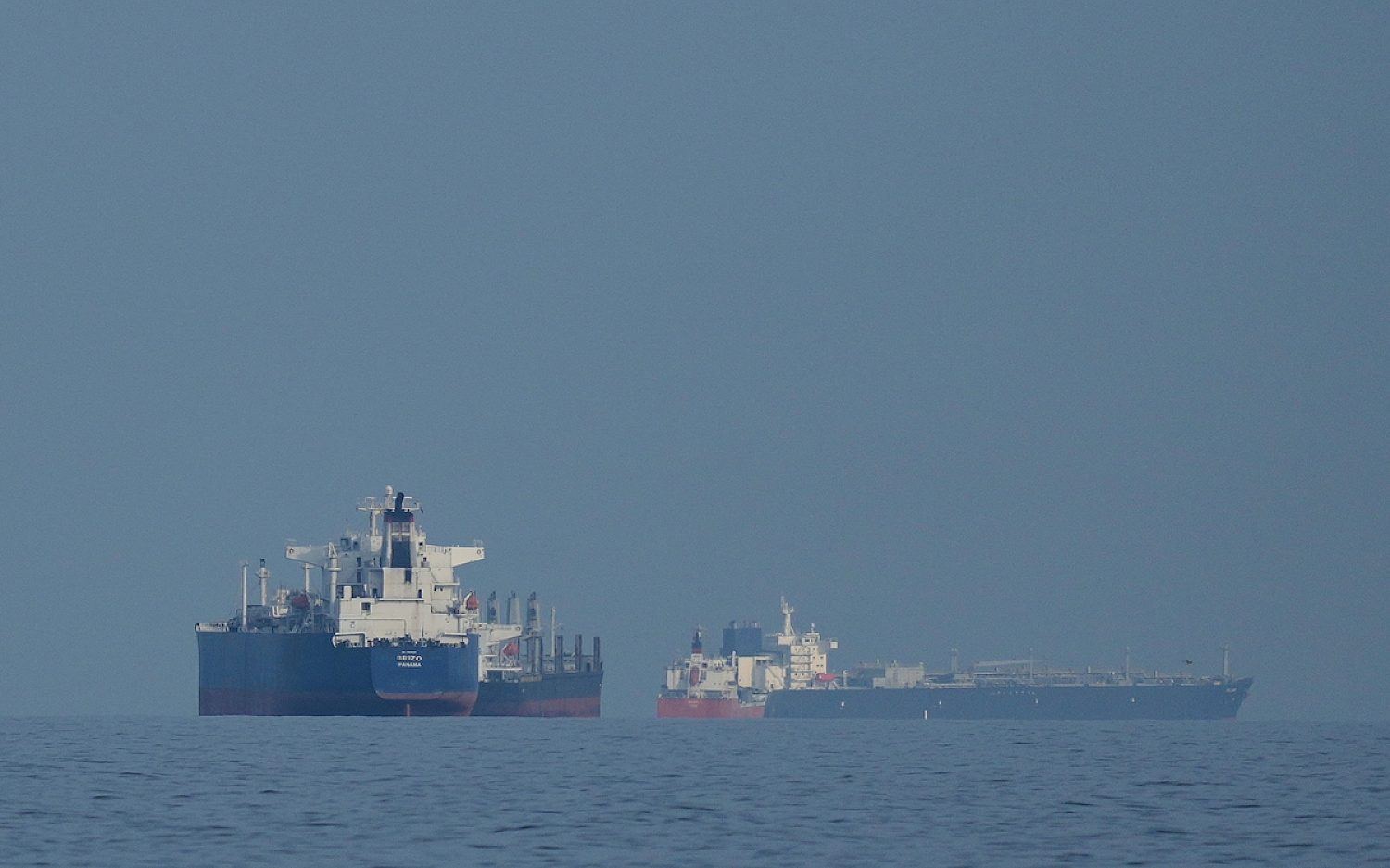
The war sparked an energy crisis. About one-fifth of the world’s oil travels through the Strait of Hormuz off Iran’s coast. Iran’s military closed this passageway. President Trump threatens more attacks if the strait doesn’t open. At the time of this writing, a tentative ceasefire was in effect, and the strait was temporarily opened.
Iran’s Future
Many—including Iranians in exile—hope for Iran’s Islamist regime to fall. That outcome looks increasingly unlikely. Iran installed Mojtaba Khamenei, son of the previous leader, as its new ruler.
President Trump expressed hopes for a swift end to the war. He’s also suggested it may last longer than expected. Iran first rejected ceasefire proposals.
Pray for the war to conclude with greater freedom and safety for Iran’s people—and the rest of the world. In a fallen world, conflict doesn’t come as a surprise. But God uses hard circumstances for good.
Why? Modern conflicts have roots in history. To understand the present, we need to know the past. There’s nothing new under the Sun.
Recommended Reading: For more about Iran, read Tales of Persia by William McElwee Miller.