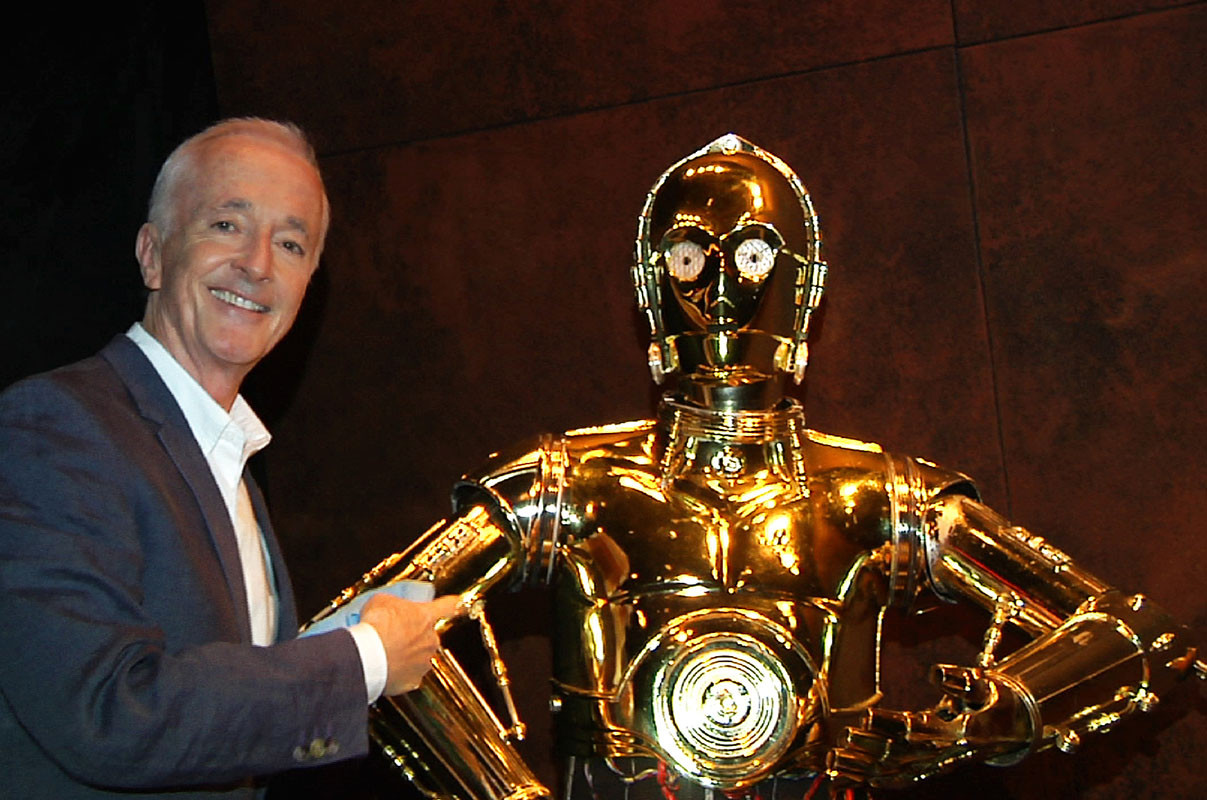
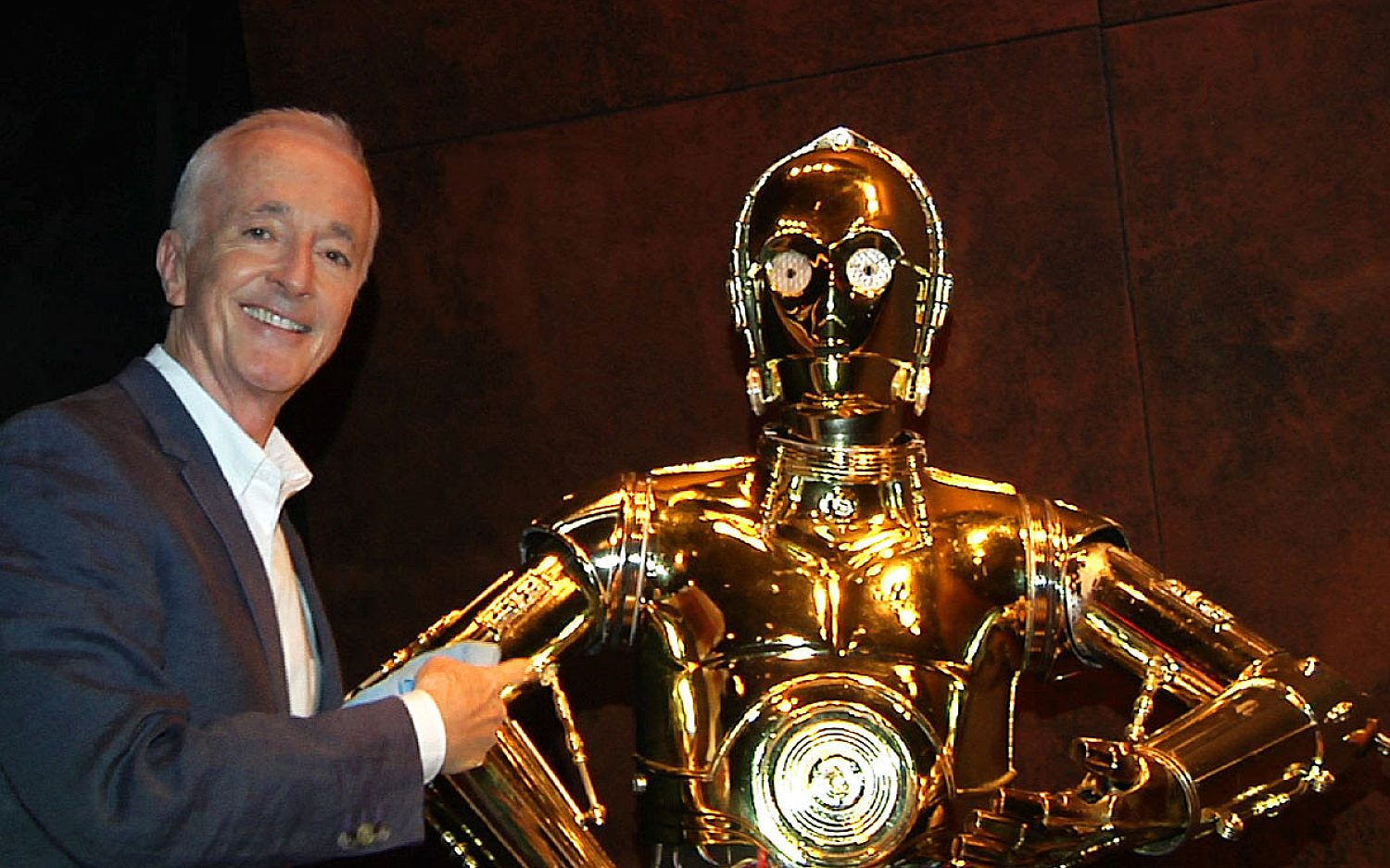
Ever wish for a robot friend like C-3PO or Wall-E? Science fiction books and movies feature robots full of personality. In reality, people didn’t have the ability to make these—until now. Generative AI makes possible a new kind of life-like robot or robo-pet.
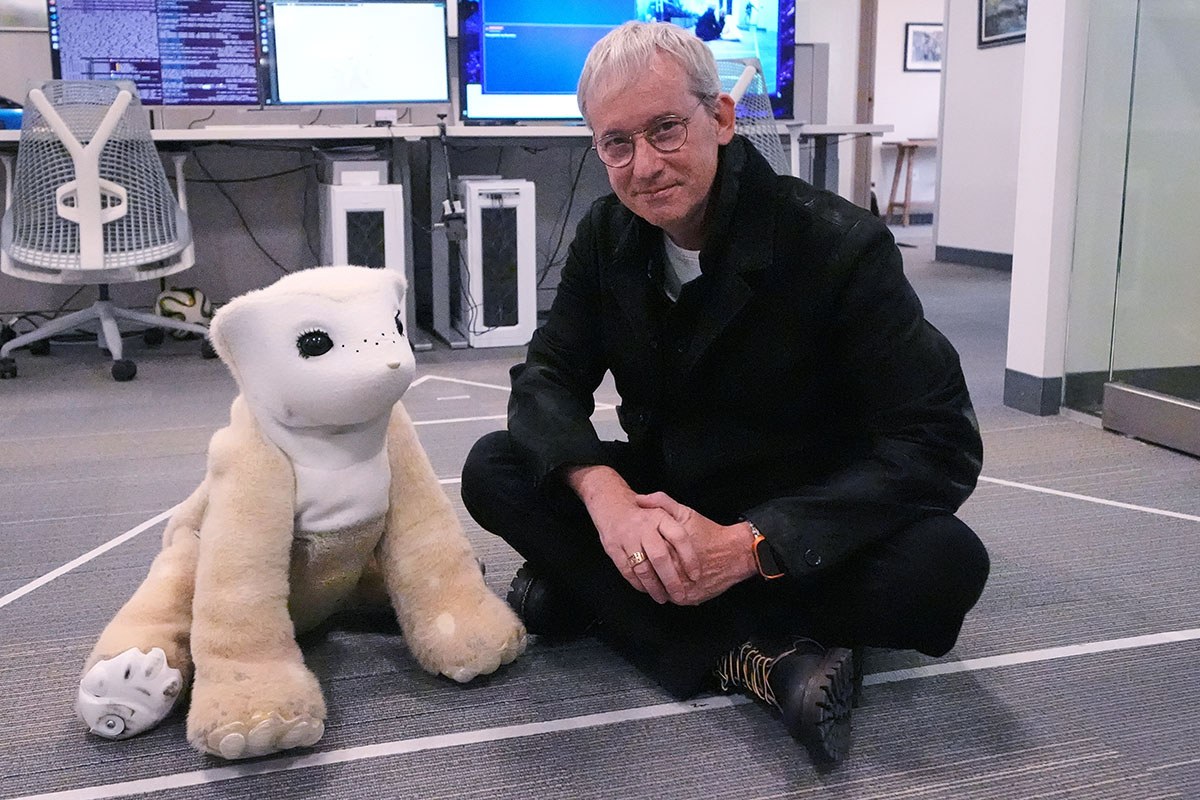
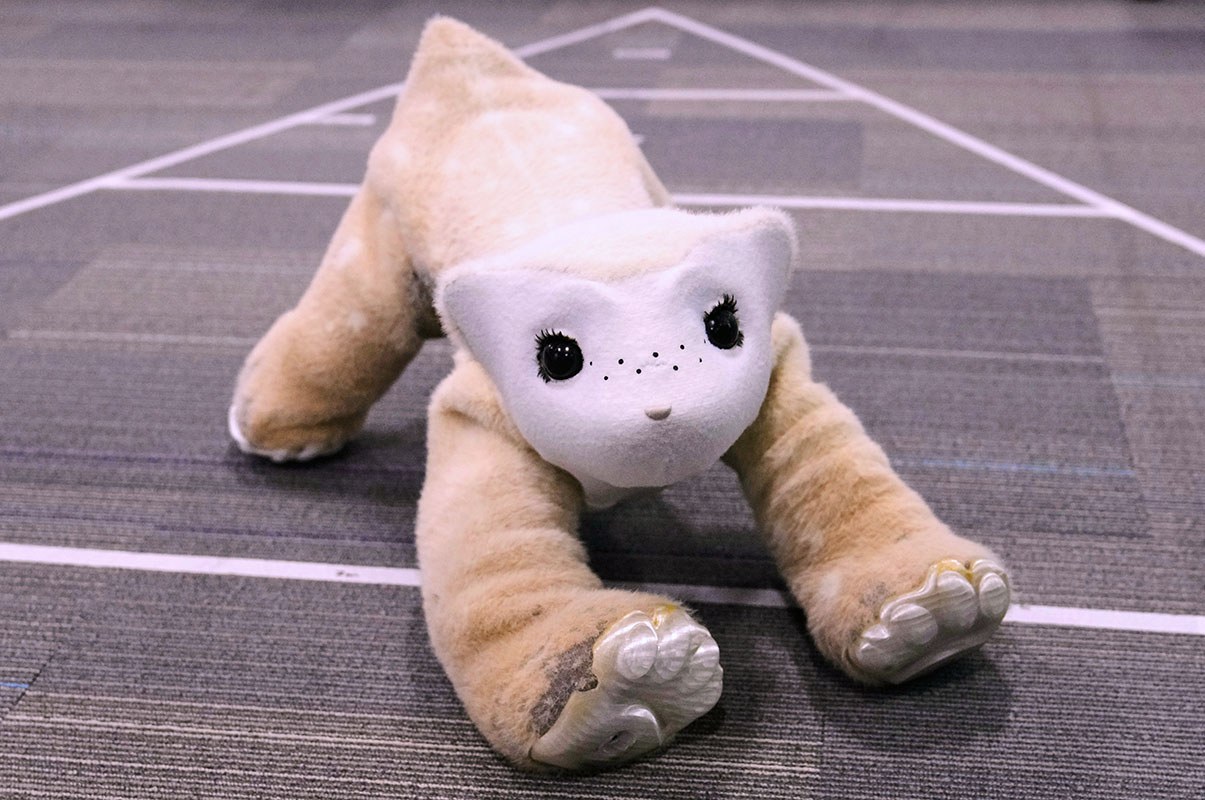
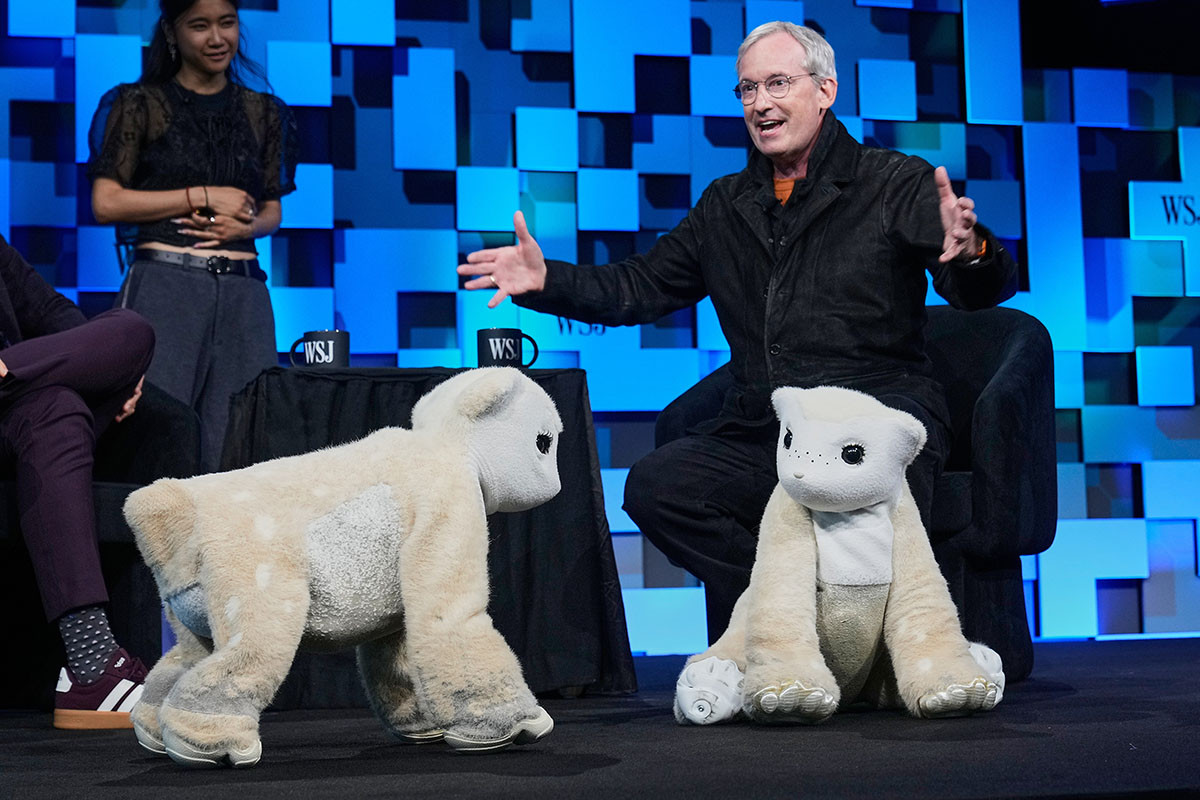
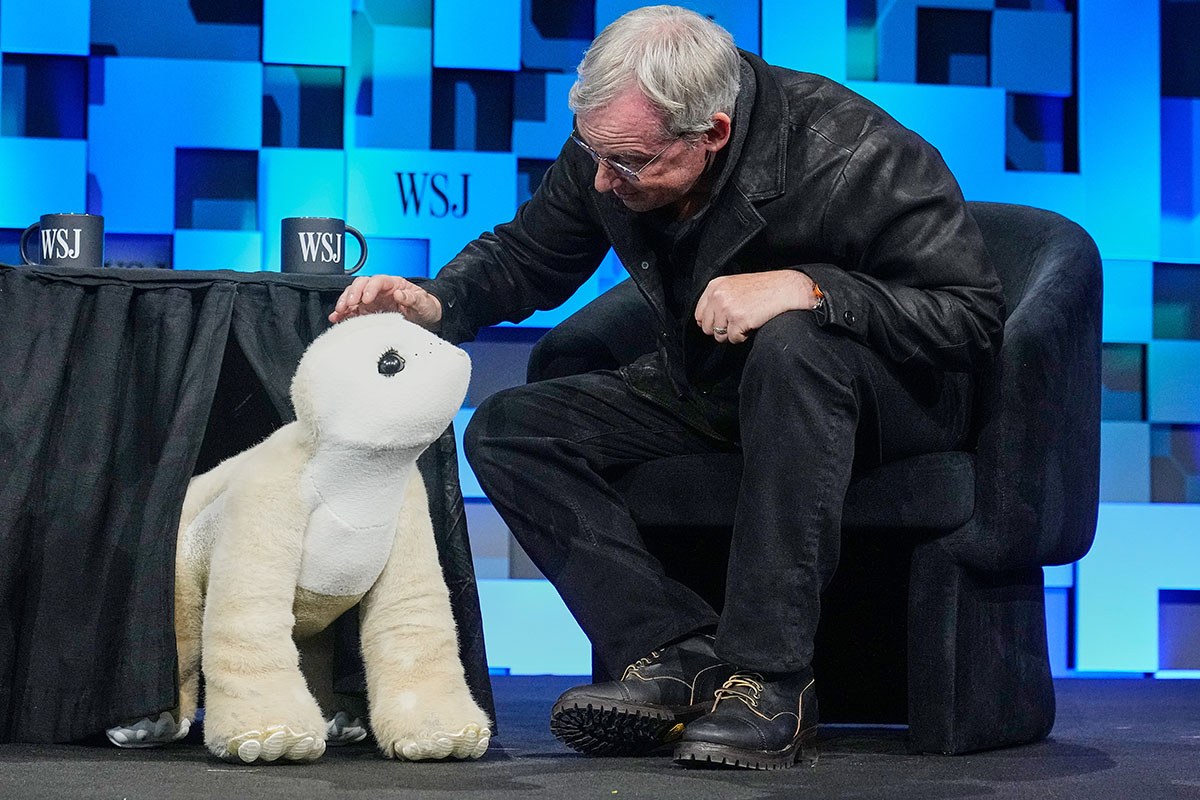
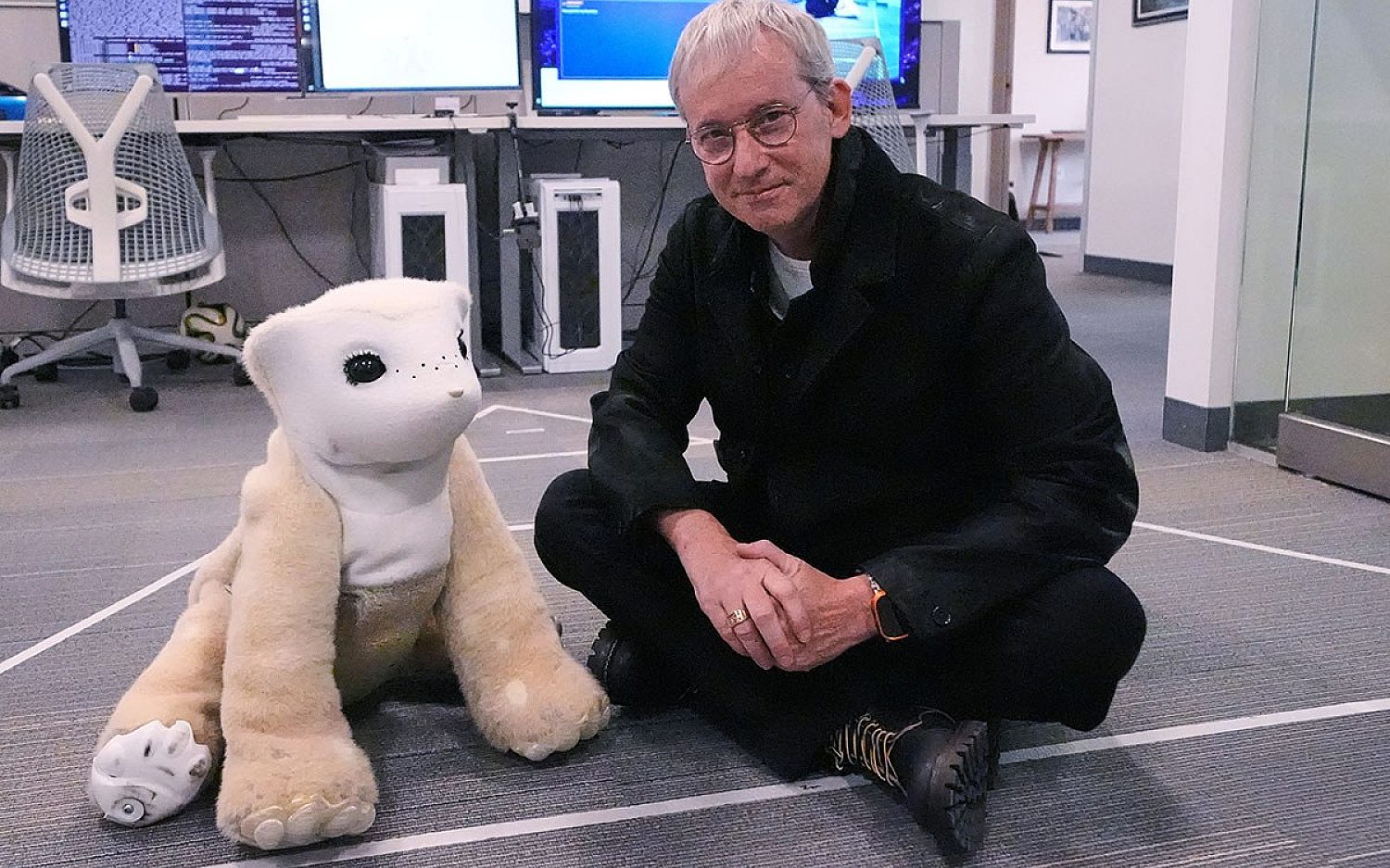
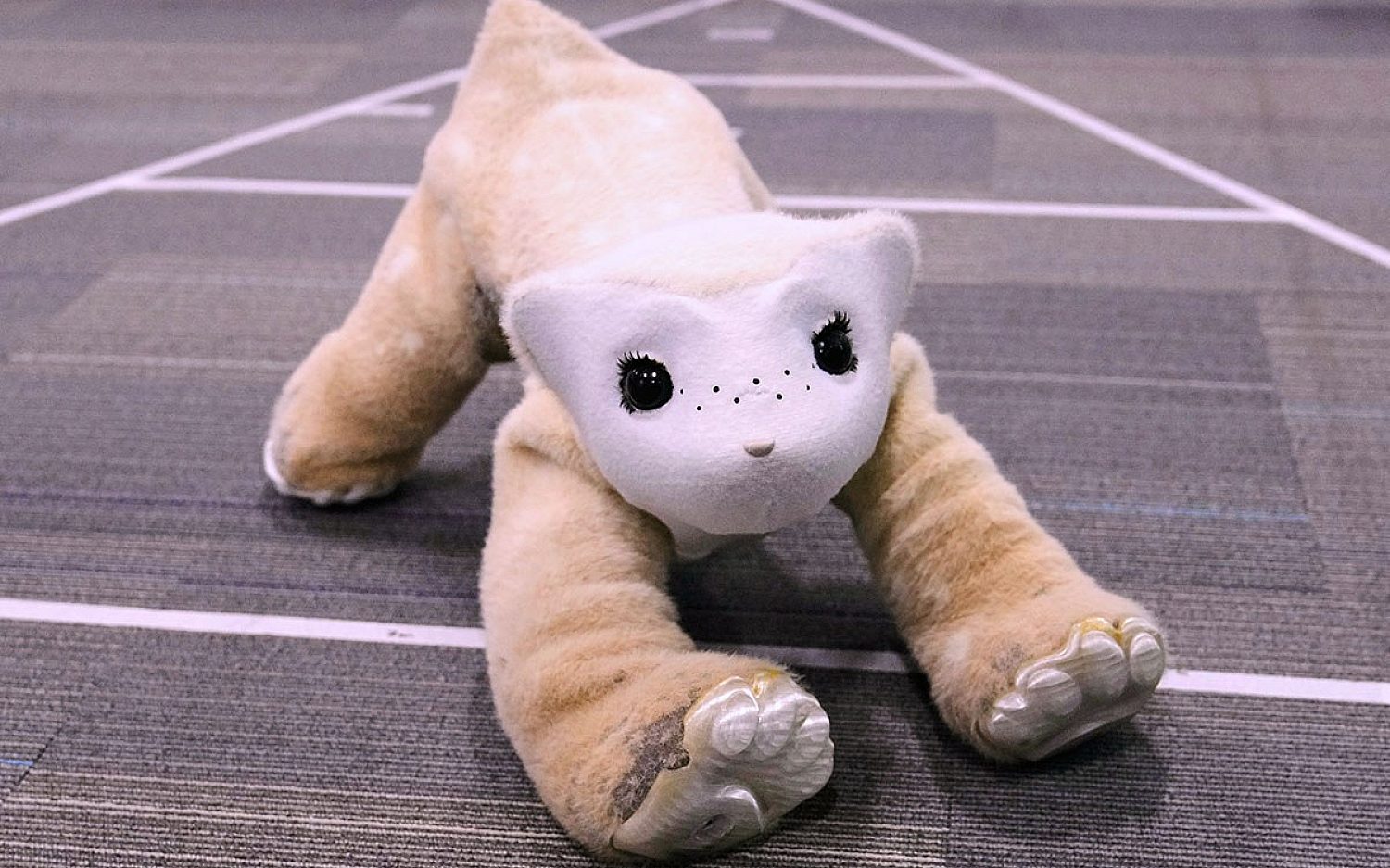
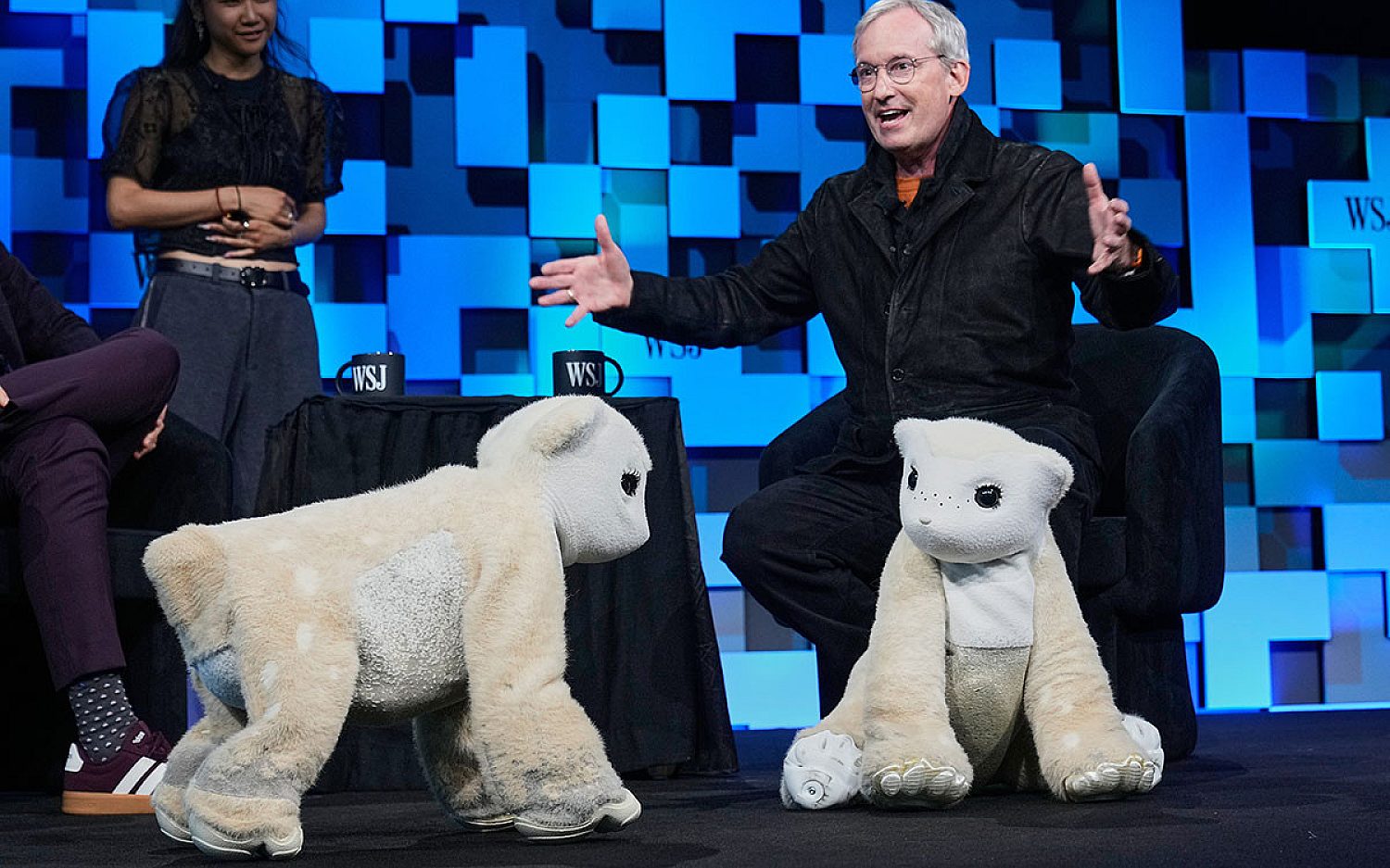
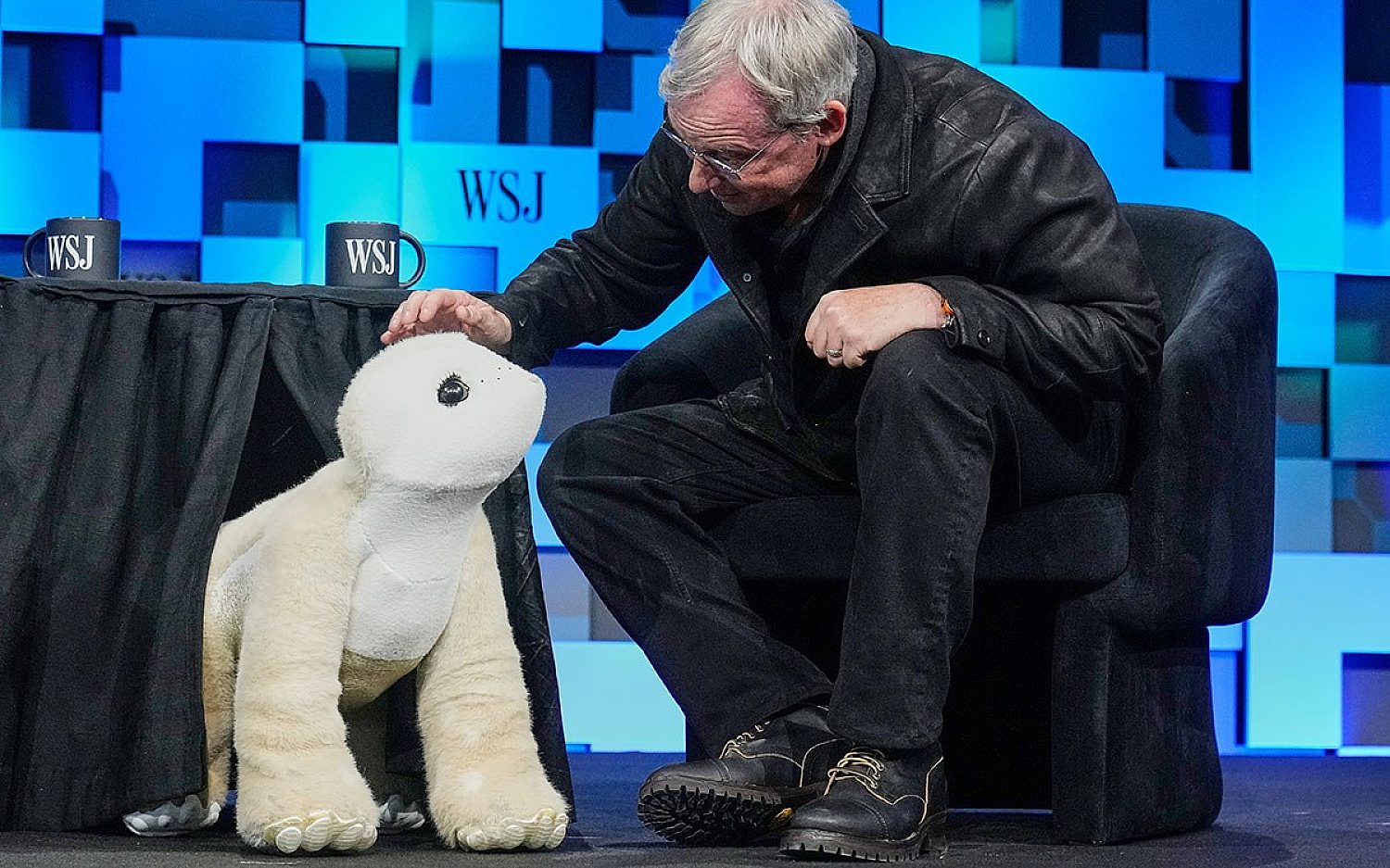
Colin Angle, the robotics pioneer that brought the Roomba vacuum to millions of homes, unveiled a prototype of an artificial pet called the Familiar in May. The robot is the size of a bulldog with doe-like eyes and bear cub ears and paws.
Angle says the robot will make animal-like sounds but won’t talk. However, its audio input “ears” and AI system like those used in chatbots can learn from what is said to it. It gradually adapts its behavior as it learns from the people around it—for example, learning when dinner time is and walking family members to the dining room.
Other companies marketed robotic pets in the last several decades. Most feature sensors that identify when a user pets them. Some can also “listen” for commands. The robots react with preprogrammed sounds and movement. But Angle claims the Familiar can learn its owner’s habits and react to his or her actions.
“The challenge is to make something that’s not a watch-me toy,” Angle says. “This is about having something that you want to hug, you want to pet. . . . And it is large enough or mobile enough to follow you to the kitchen.”
Engineers remote-controlled the robot for part of the demonstration. But Angle says his company will start selling fully autonomous machines next year.
One target demographic for sales is retired people. Older folks often want a pet, but may lack the ability to care for a living creature.
The Familiar Machines & Magic website claims that the ’bot can nudge owners when they spend too much time on phones and prompt them to take it for a walk. It could help parents by engaging kids in screen-free play.
Still, “this isn’t trying to be a replacement for a real friend,” Angle told engineering magazine IEEE Spectrum.
Journalist Jennifer Pattison Tuohy is skeptical. In an article for The Verge, she writes, “By offering a substitute for some aspects of human companionship, it could just as easily become as big a barrier to real social interaction as screens are.” It’s a fair warning.
The takeaway? AI companions, like smartphones, can be a useful tool or another pull away from the real life relationships and responsibilities for which God designed us.
Why? People imagined the future with robots that respond and interact with us. Now that future of impressive tech and artificial companions is here.
Note: A “familiar” in folklore and fantasy literature is an animal, usually with a type of supernatural power, that guards or accompanies an individual.