In this year of the 250th anniversary of U.S. independence, it’s fitting to look back on the sacrifices made during the country’s last great war. The month of May even sets aside a day of remembrance for those who gave their lives in service: Memorial Day. And June 6 marks the anniversary of the Allied invasion of occupied Normandy, France, during World War II, generally considered to be the turning point in that devastating conflict.
Commands to remember and warnings against forgetting occur often in the Bible. They usually urge Jesus’ followers to keep God’s instructions and His Person front of mind. But they also encourage recalling the deeds of those who have gone before—whether good or bad.
These few stories about the ordinary people of World War II reveal bravery, honor, sacrifice, and love.
Lest we forget.
Nurses on the Frontlines
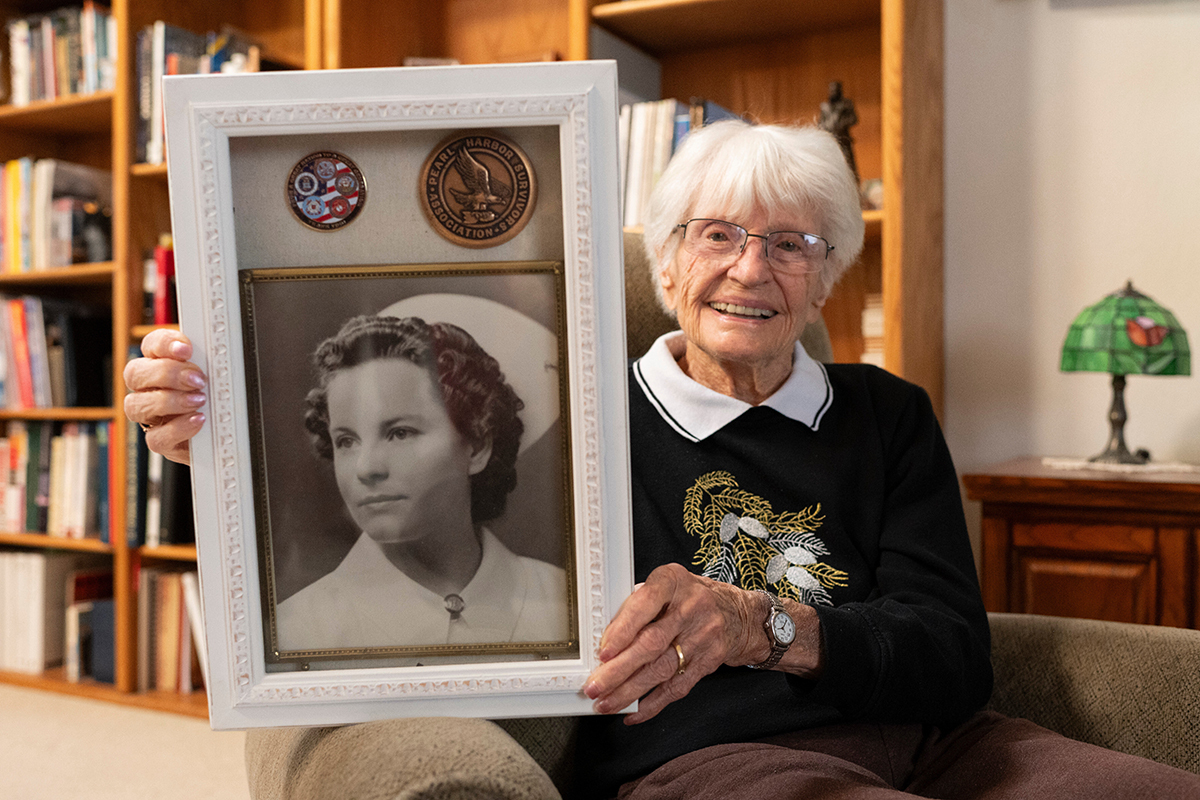
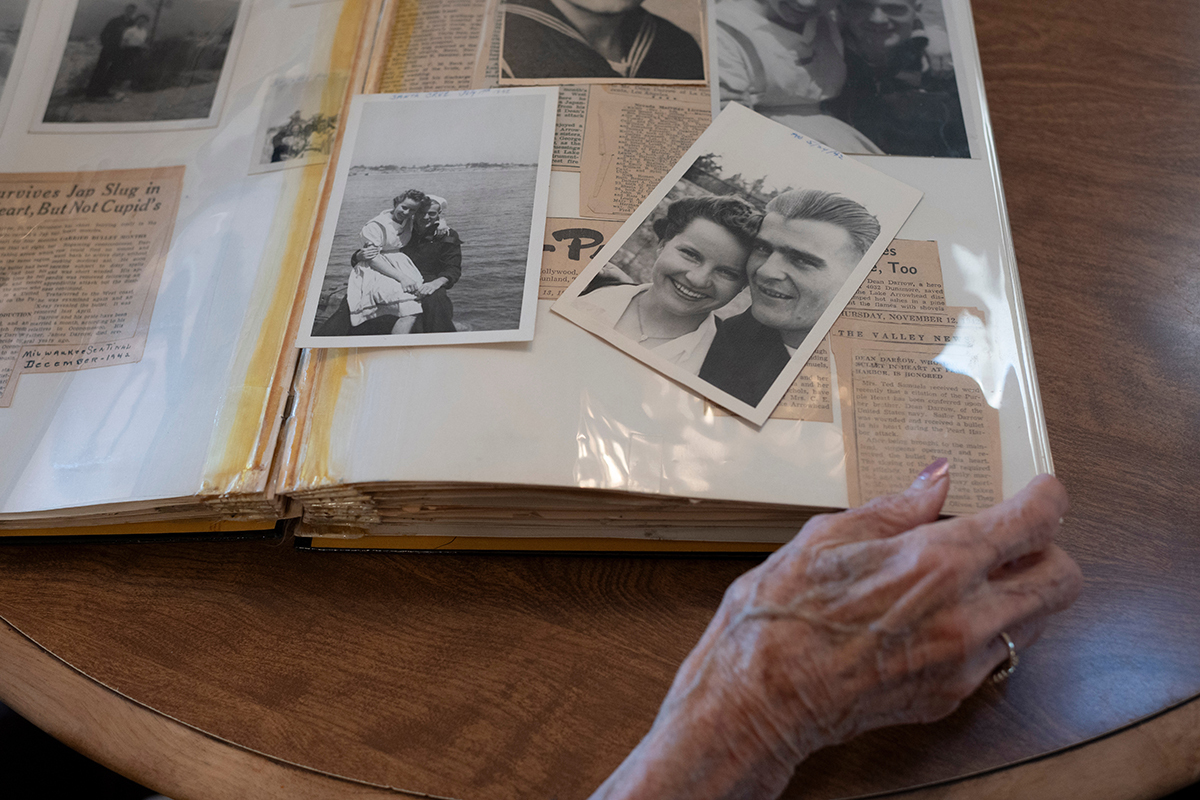
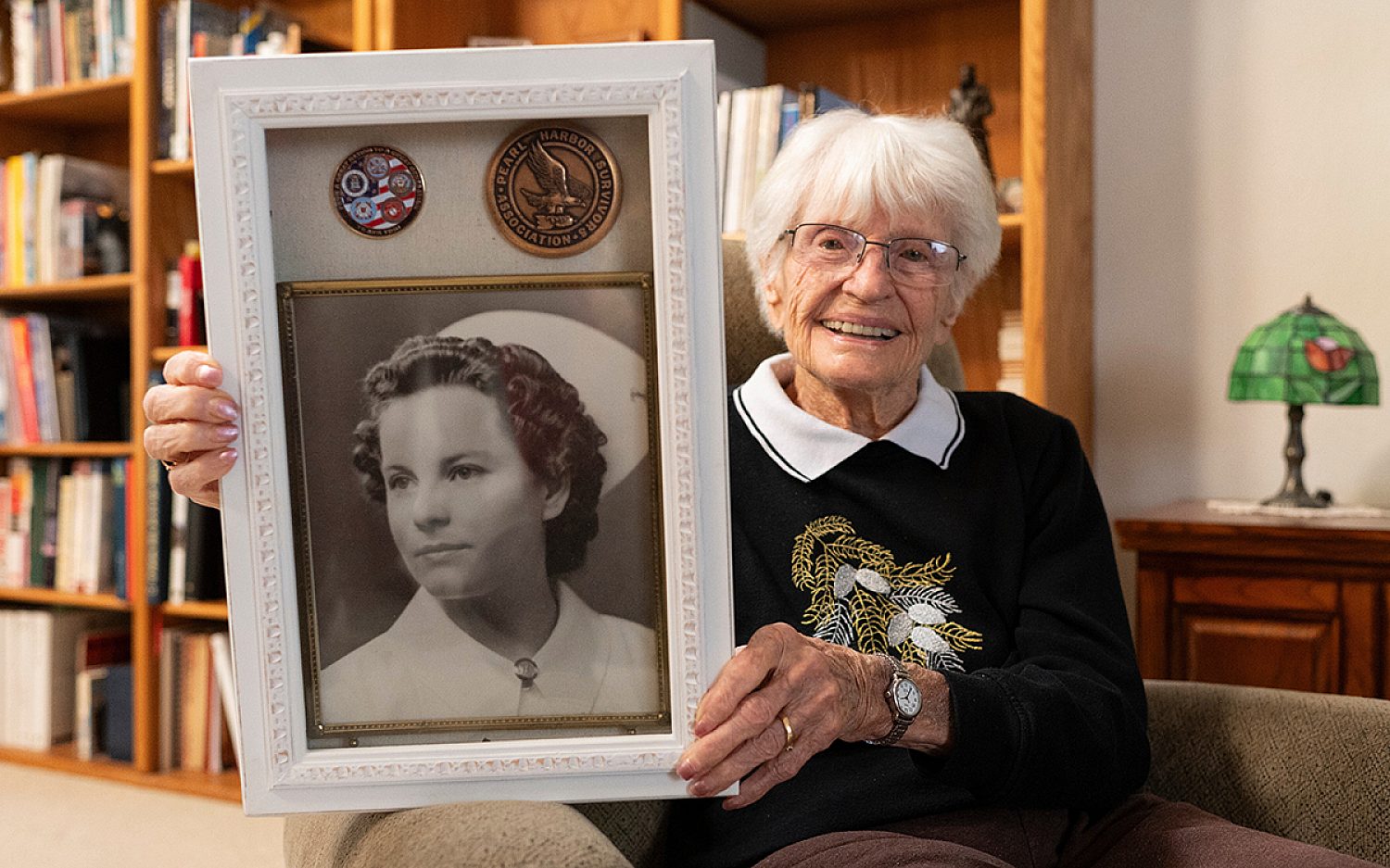
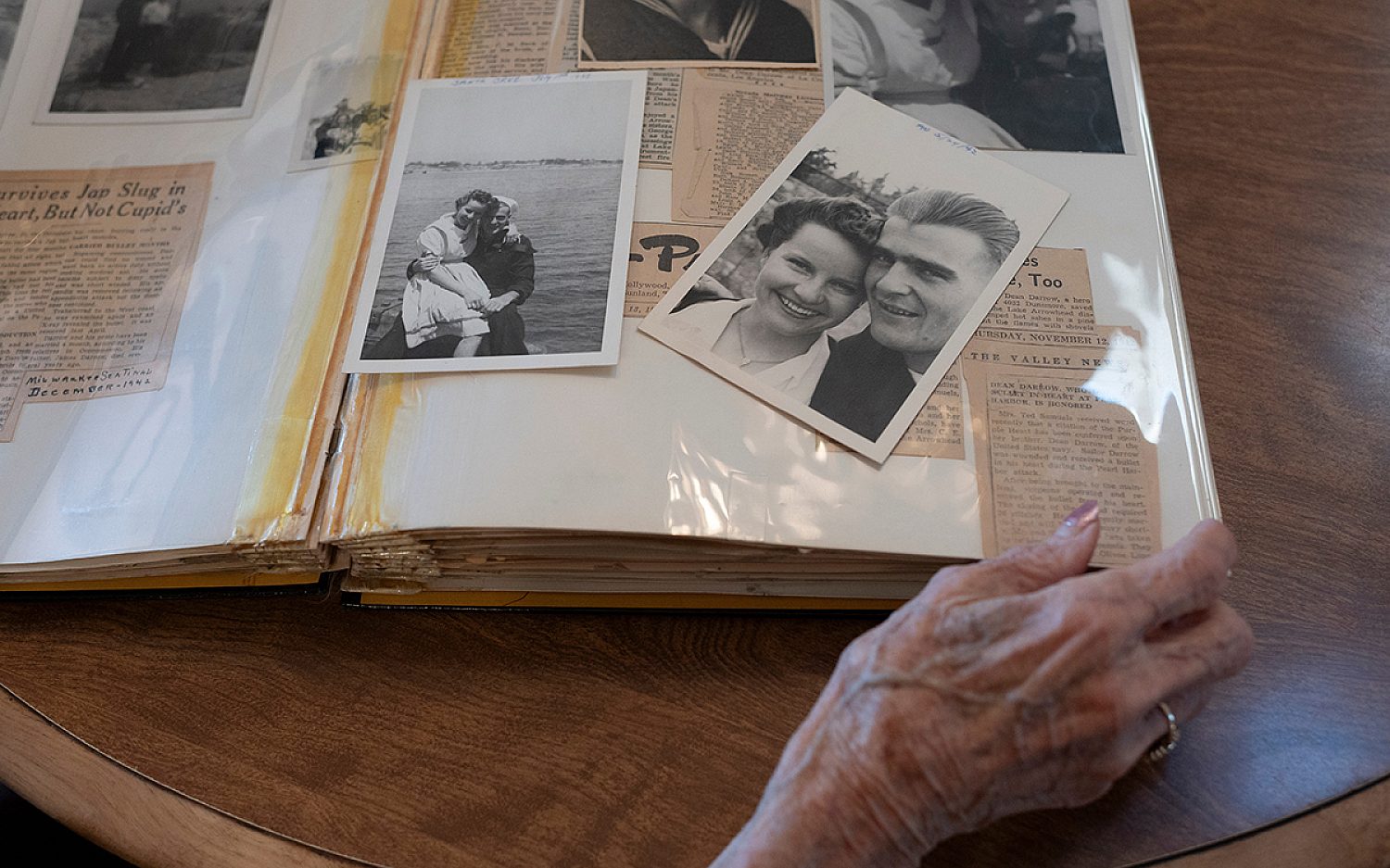
At 106, Alice Darrow recalls her days as a WWII nurse. She dodged bullets, hauled supplies, and treated soldiers. Some nurses endured captivity, starvation, and disease.
One of Darrow’s patients was a soldier wounded in Japan’s attack on Pearl Harbor in 1941. He asked whether she would date him if he made it through surgery to remove a bullet from his heart.
“I said, ‘Well sure, you can count on me,’” Darrow laughs. “I couldn’t say, ‘No, I don’t think you’re going to make it.’”
Dean Darrow did survive. The two dated, married, raised four children—and kept the bullet. Last fall, Darrow donated the slug to the Pearl Harbor National Memorial.
Love in Wartime
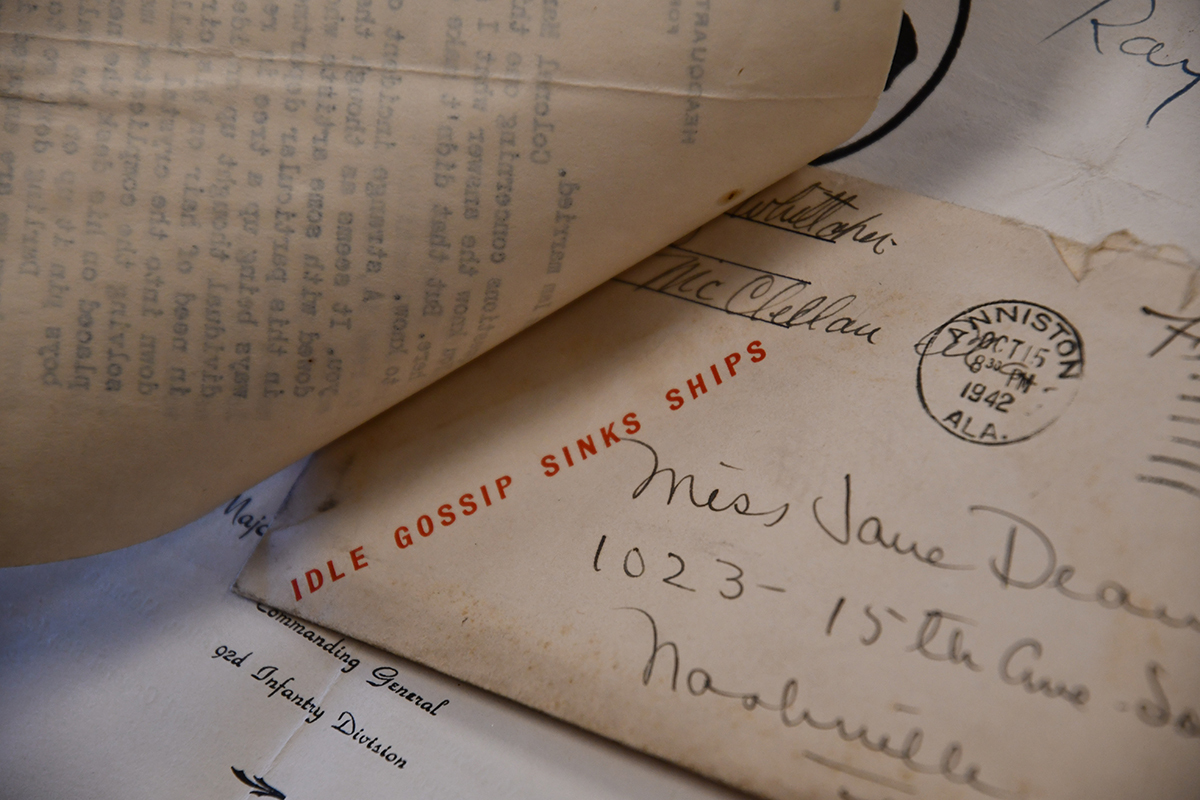
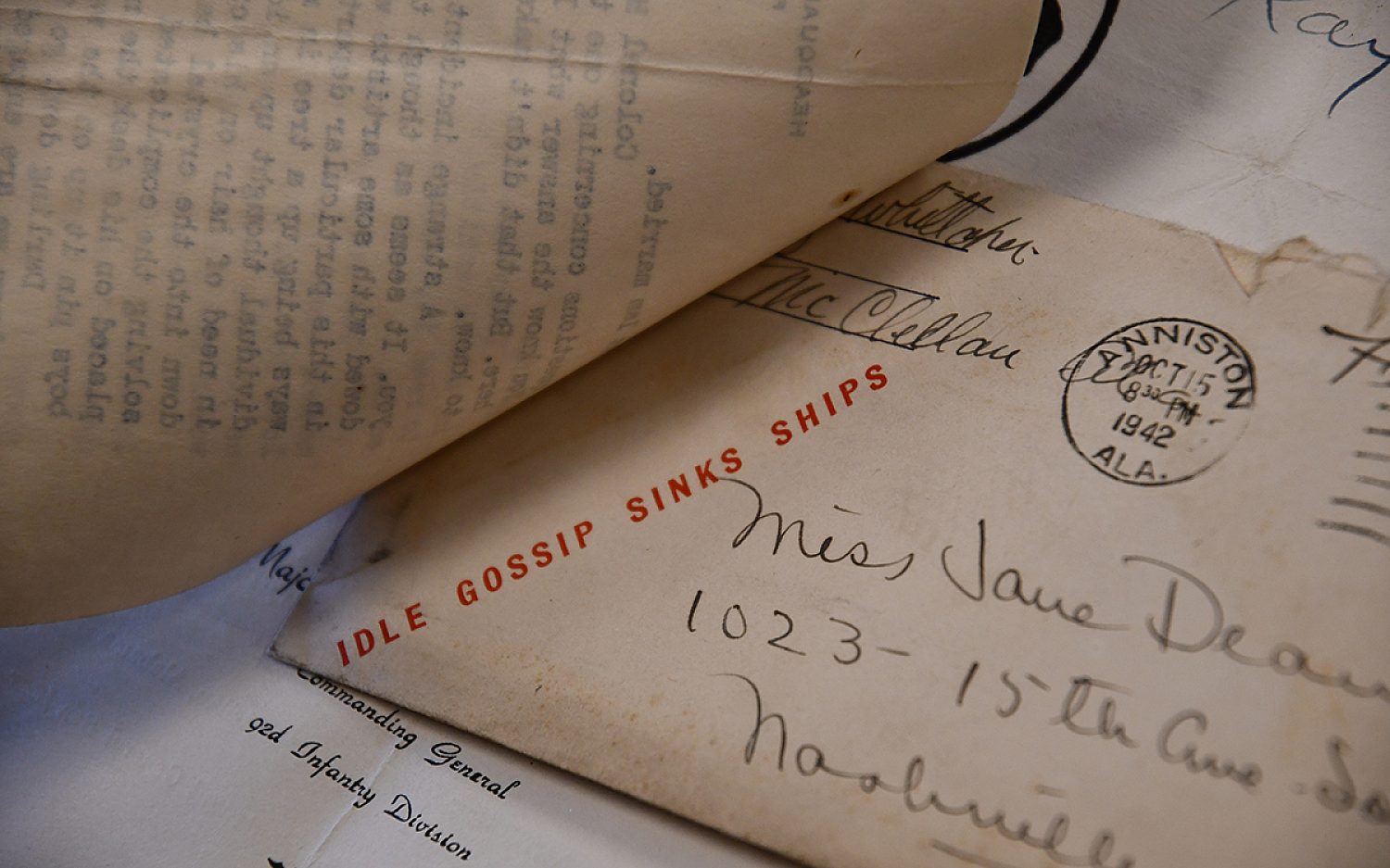
More than 80 years after their writing, over 200 love letters are on digital display. They offer a snapshot of love during war.
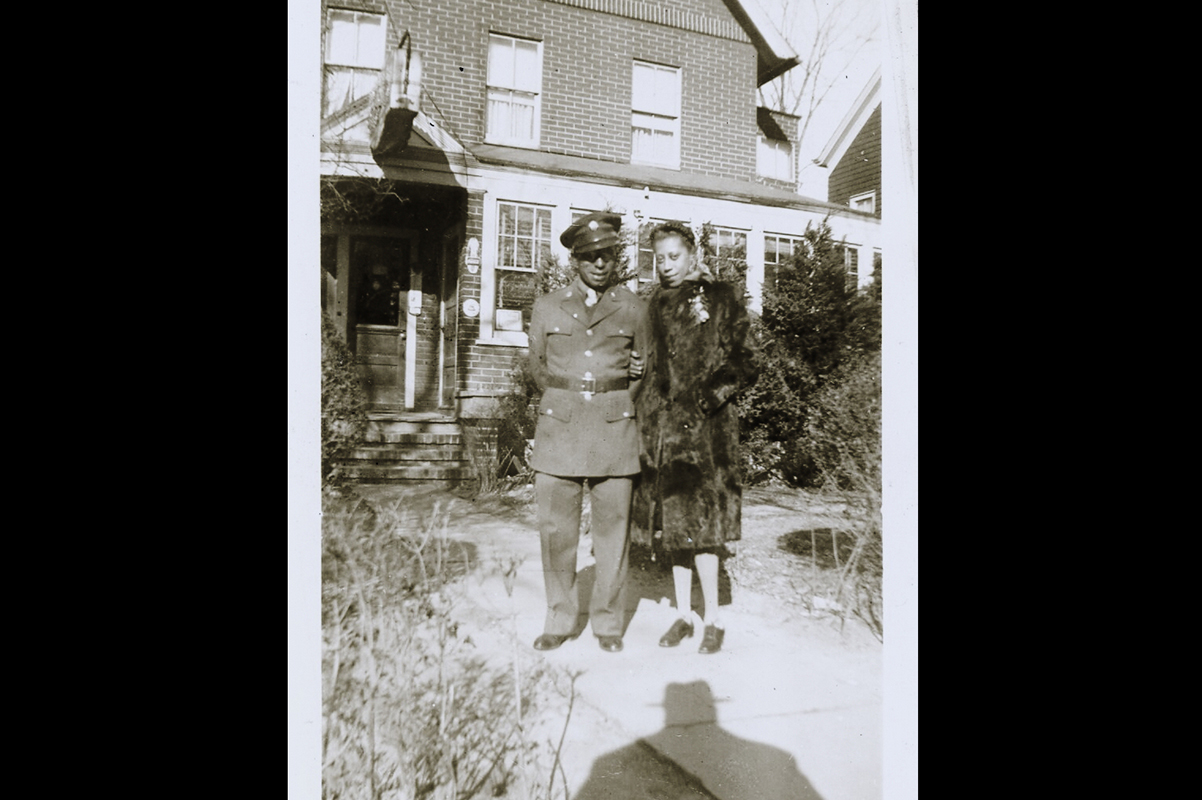
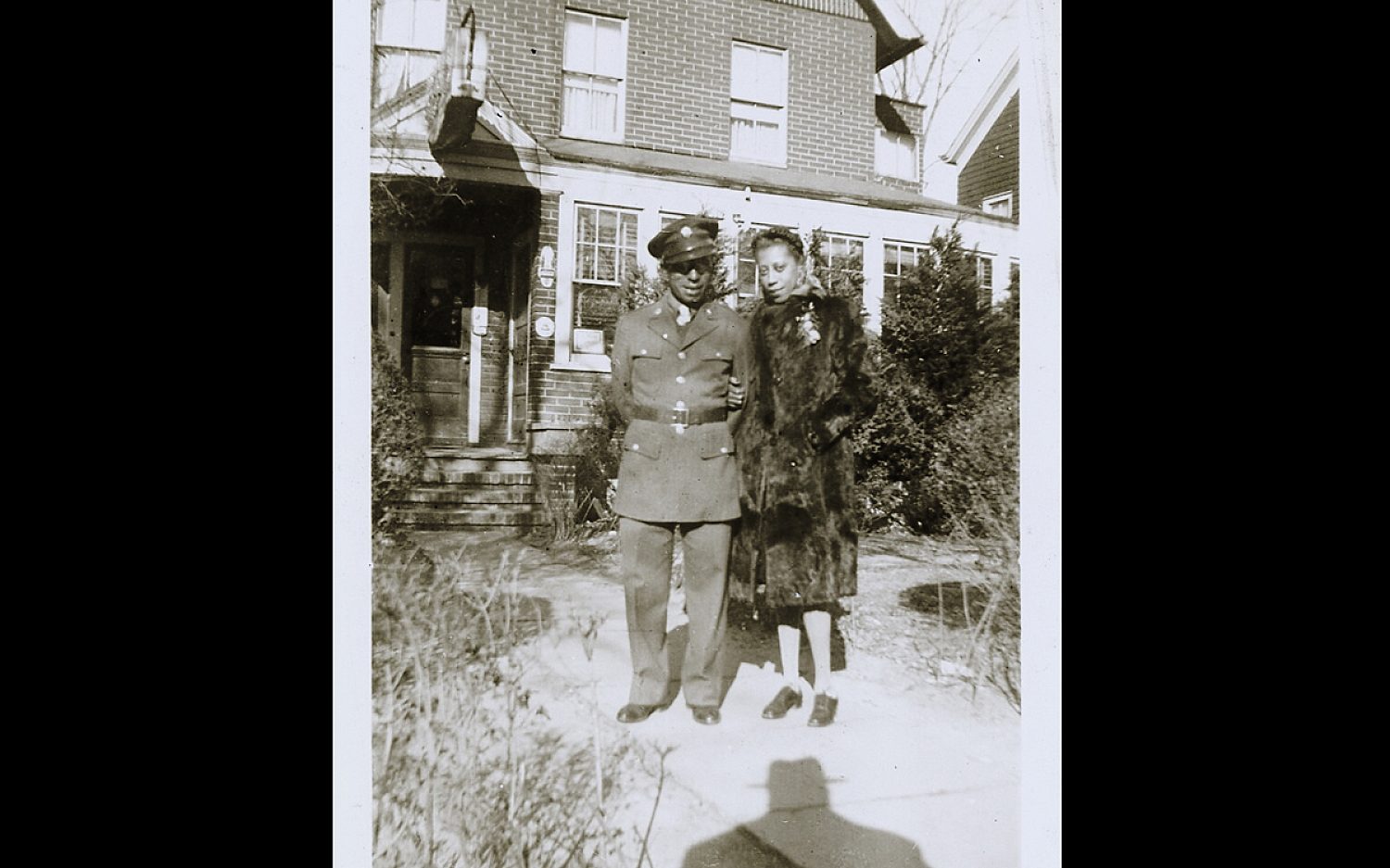
In summer 1942, letters flew between William Raymond “Ray” Whittaker and Jane Dean. Ray was in the Army. His first letter is missing from the Nashville Public Library archive. But her July 30 reply is there.
Jane has conflicted feelings about Ray’s initial missive: “Pleasant because you will always hold a place in my heart, and it’s nice to know you think of me once in a while. Sad because you are in the armed forces.” She continues, “War is so uncertain, however I’m proud to know that you are doing your bit for your country.”
She lists several friends who are married (a hint?) and signs off, “Write, wire, or call me real soon—Lovingly Jane.”
In an undated September letter, Ray writes, “I have something very important to tell you.” He adds, “I might even ask you to marry me.”
“What makes you think you still love me?” Jane queries on September 23. “Is it that you are lonesome and a long way from home.”
The two marry November 7. Two days later, Jane mentions regret “that we didn’t marry years ago.” She’s already back in Nashville; he is on base. Newlywed Jane suggests, “Maybe this old war will soon be over and we can be together for always.”
Top-Secret Diary Account
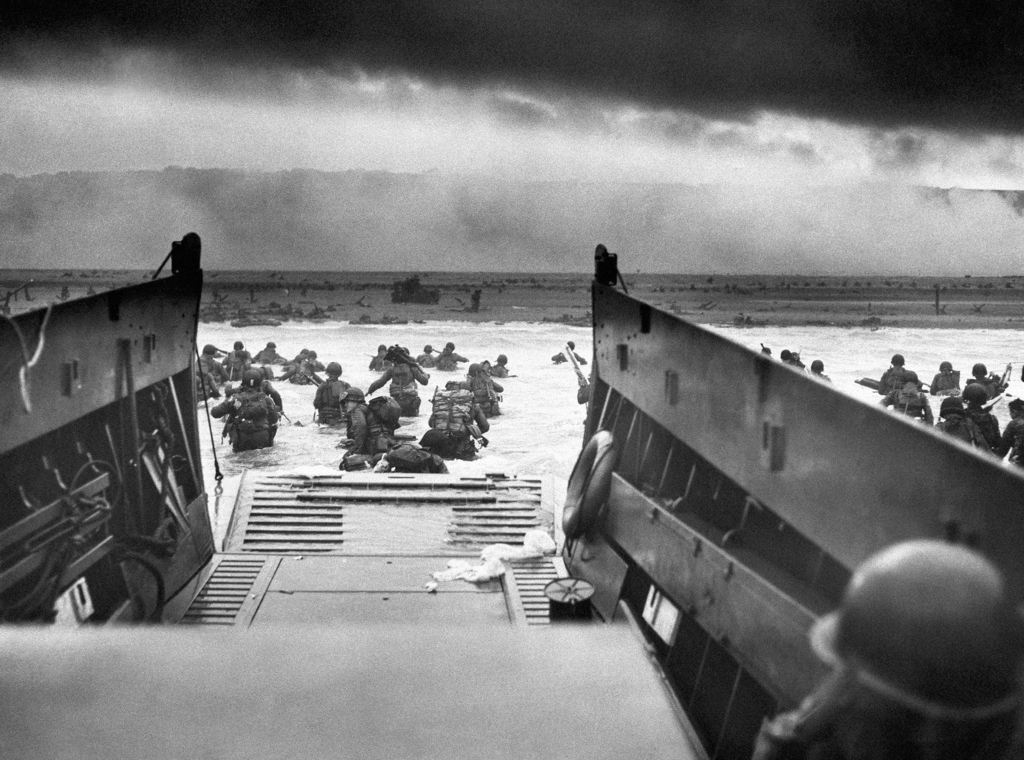
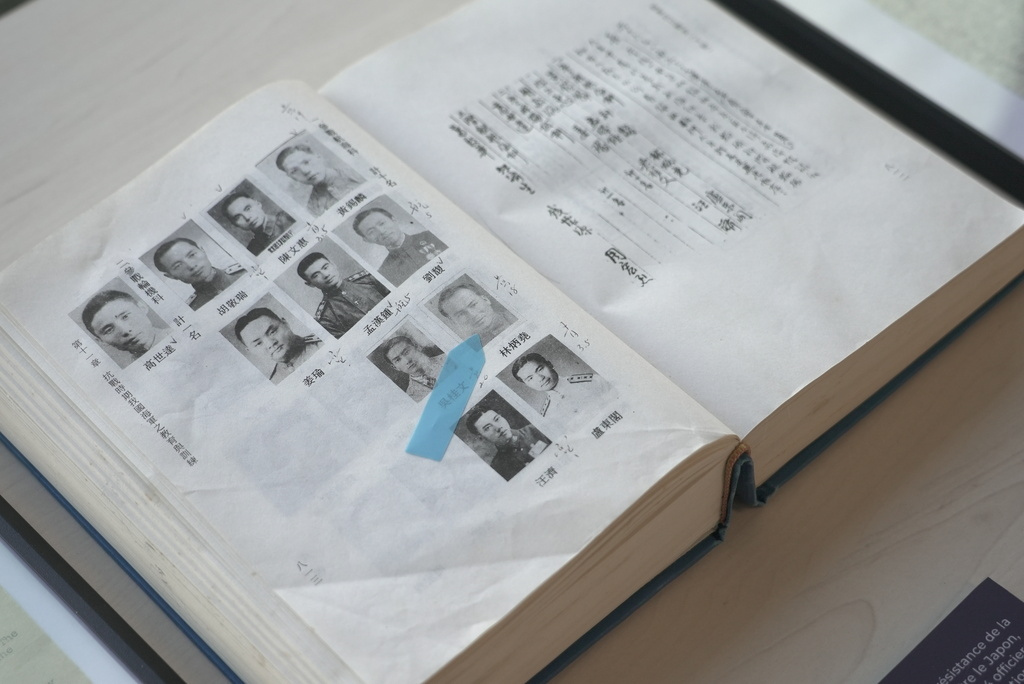
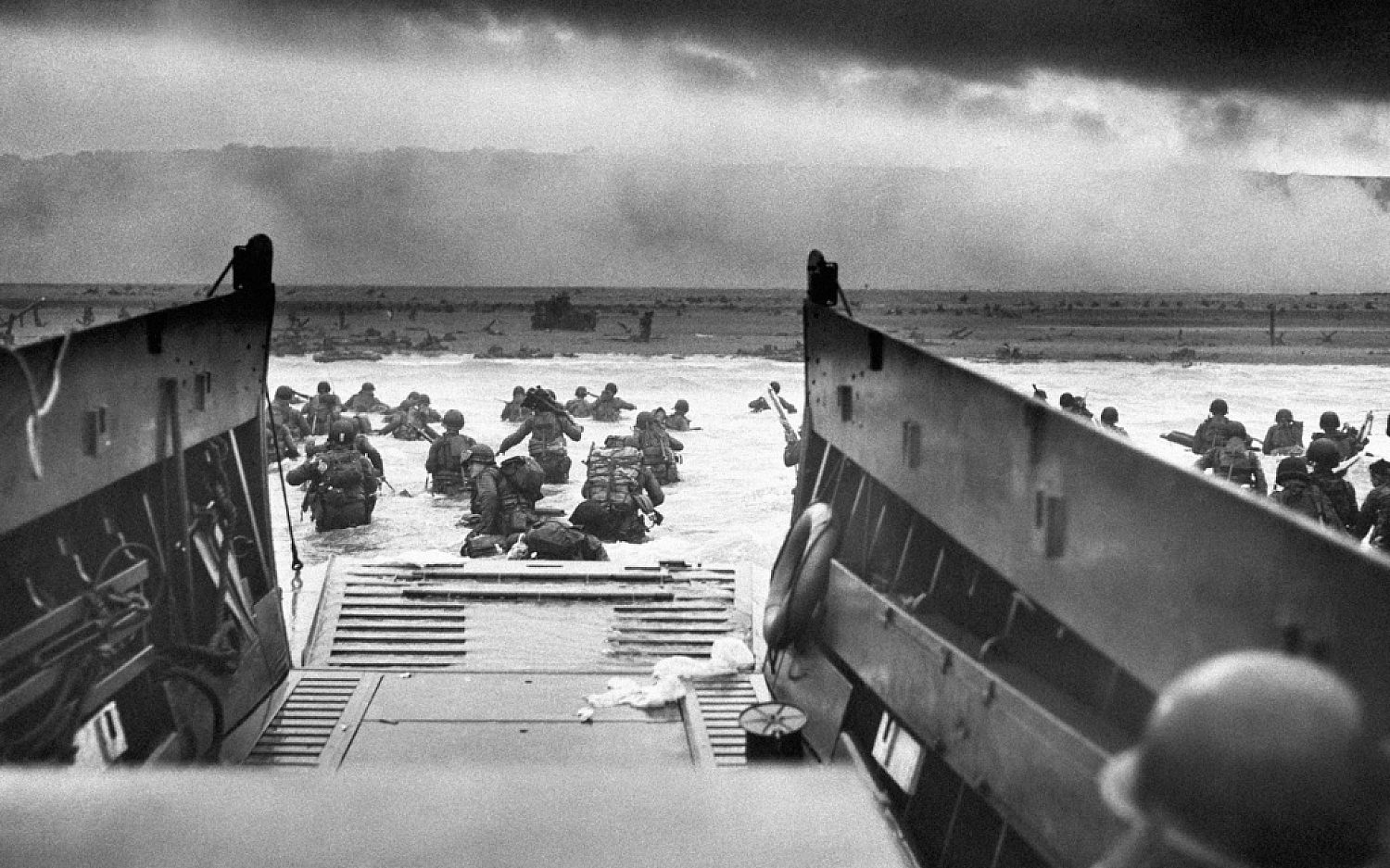
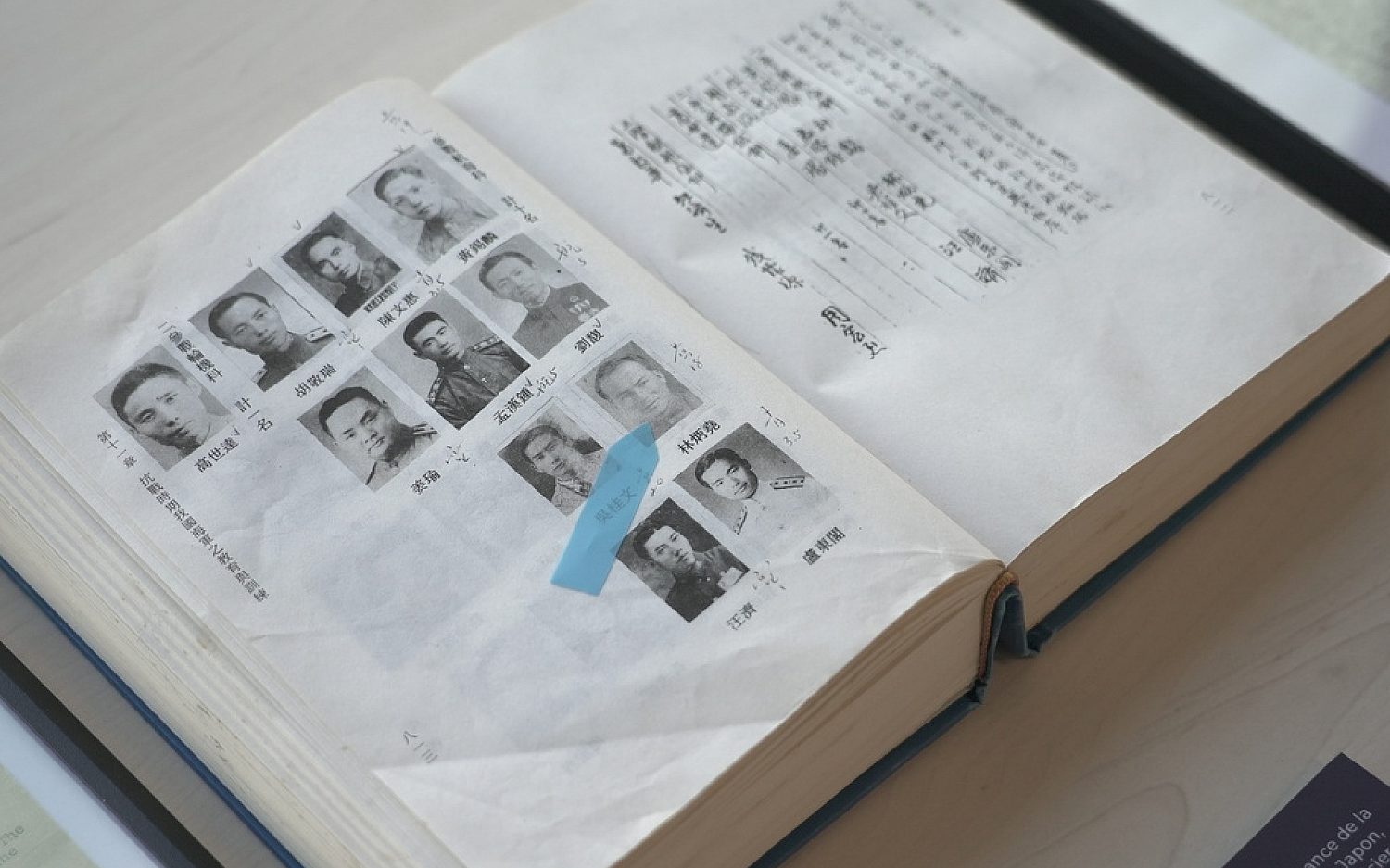
Urban explorers in Hong Kong discovered a long-forgotten diary. It detailed a closely guarded secret. The author? A Chinese officer who participated in the D-Day invasion. The secret? The Battle of Normandy, aka D-Day, on June 6, 1944.
D-Day involved the world’s largest-ever sea, land, and air armada. Nazi Germany’s attempted takeover of Europe ended 11 months later.
The 80-page diary belonged to Lam Ping-yu. In wispy Chinese characters, he describes how officers on board his ship were told to prepare for “an extremely important task.”
As D-Day survivors pass from the Earth, Lam’s firsthand account adds a unique voice to WWII history. Perhaps it will help ensure that the sacrifices for freedom and the global support that defeated Nazism aren’t forgotten.
“Saw the army’s landing craft, as numerous as ants, scattered and wriggling all over the sea, moving southward,” Lam observed on the evening of June 5.
“Three torpedoes were fired at us,” he wrote of a narrow brush with death the next day. “We managed to dodge them.”
Missing but Not Forgotten
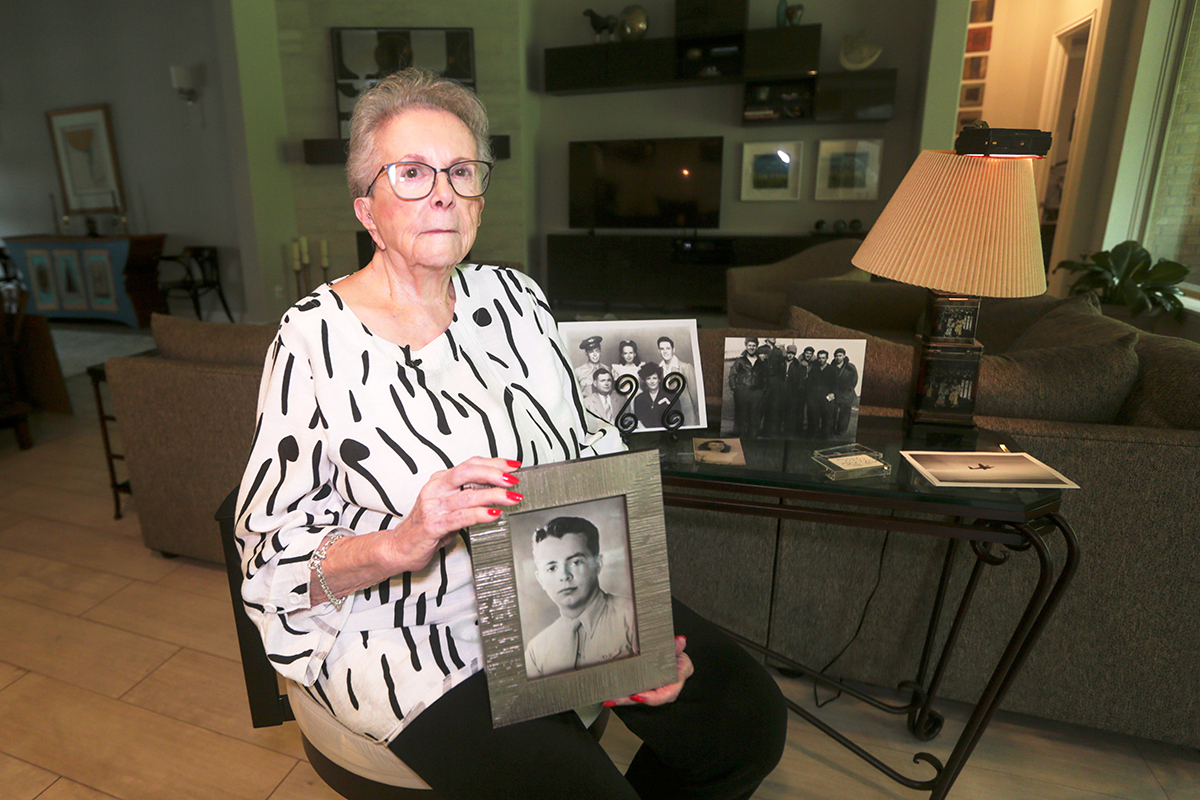
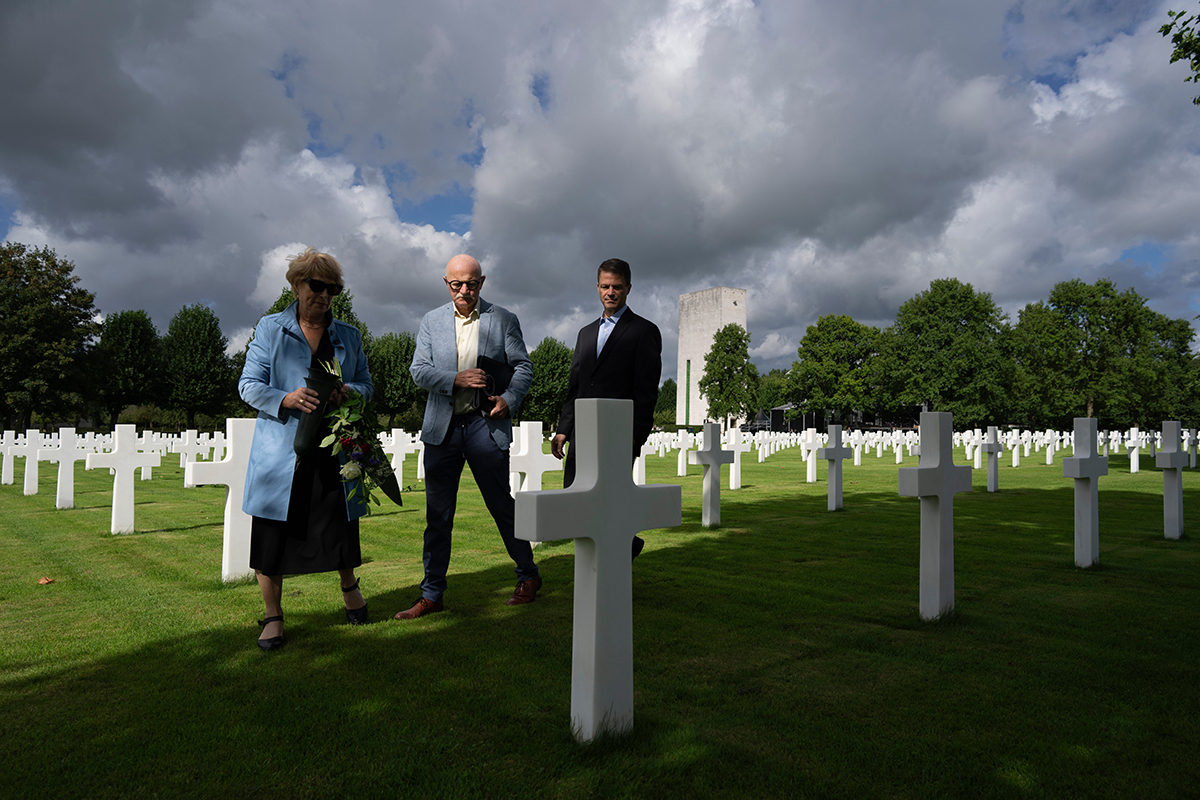
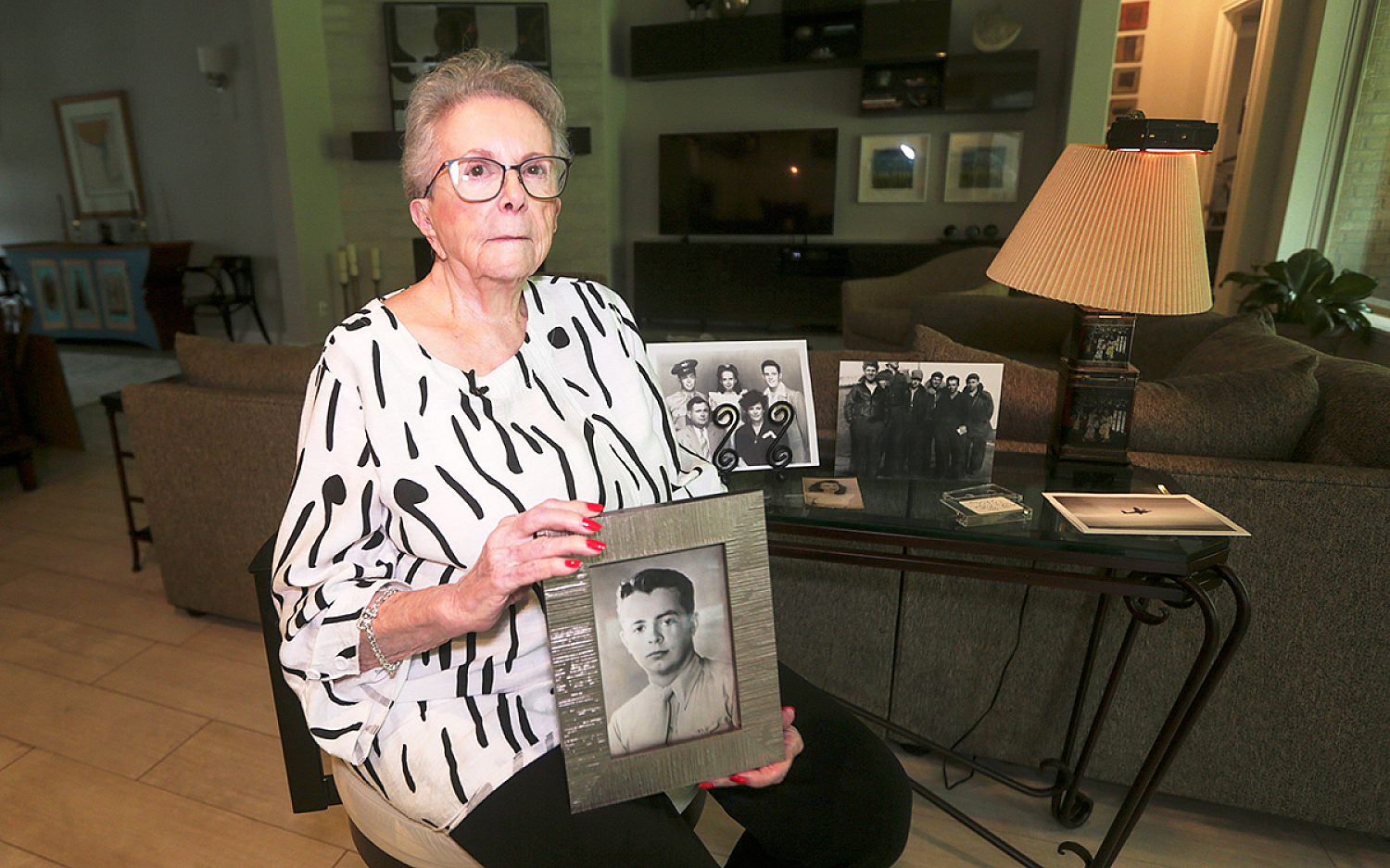
June West Brandt’s brother died in World War II when his plane went down over the North Sea. But 93-year-old Brandt still remembers his kindness, artistic nature, and boogie-woogie piano playing. In the Netherlands, a Dutch couple who never met the soldier remembers him too.
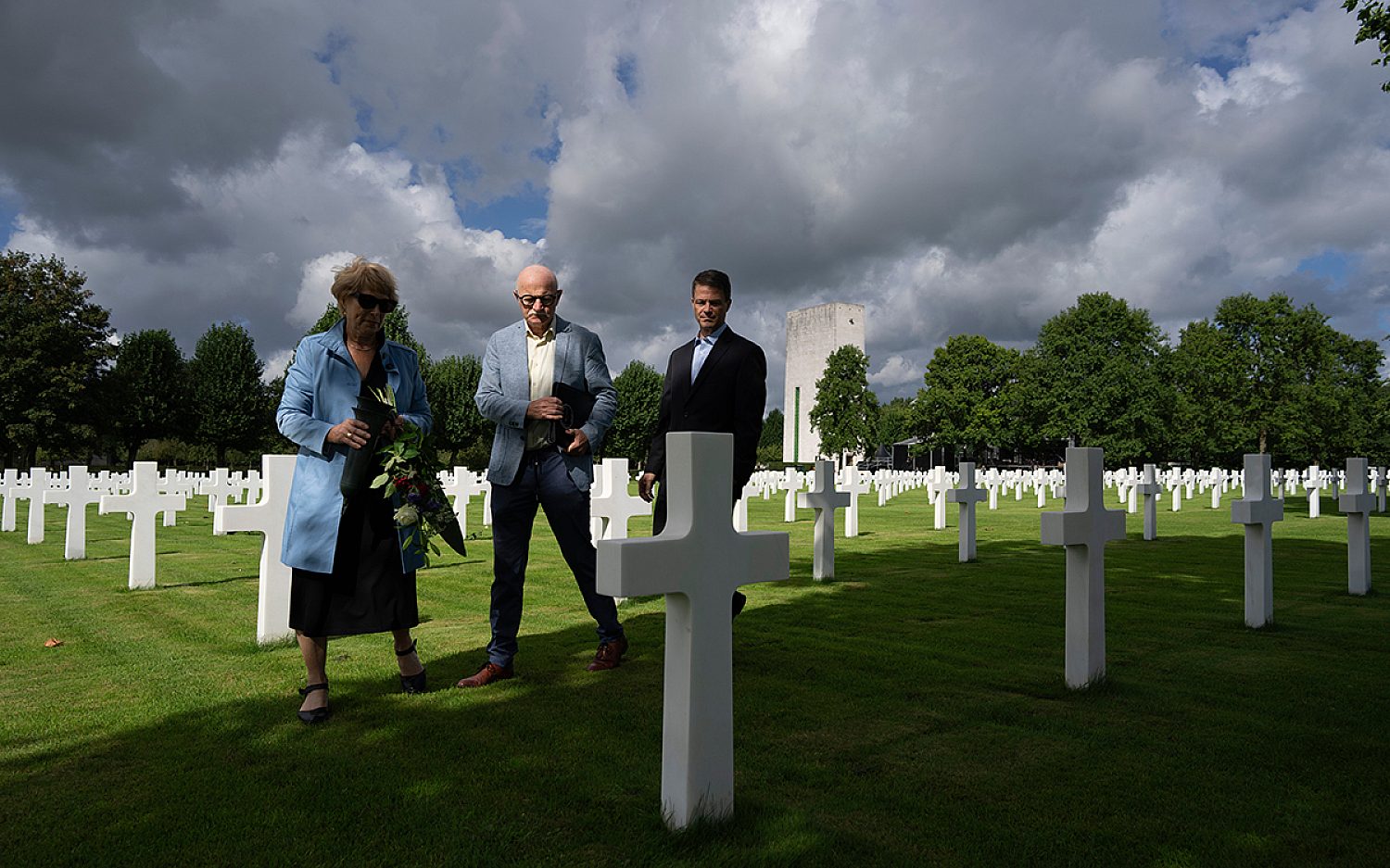
Lisa and Guido Meijers belong to a group that visits and cares for graves of missing WWII soldiers. They chose the marker of William Durham West, Jr. Through Brandt, they’ve learned West was “a creative soul,” Lisa Meijers says. For her, that changes “how to remember someone.”
Frans Roebroeks, secretary for the group, says some families have cared for the same graves since war’s end. In his family, one grave has passed from Roebroeks’ grandfather to his mother and now his sister.
“We just really feel how extremely important it is to remember these things,” Lisa Meijers says, “and to honor the sacrifices these people made for us.”
Why? As we celebrate the semiquincentennial of the United States of America, we remember the sacrifices of those who bravely served our nation in wartime.
Recommended Reading: For more about honoring veterans, read America's White Table by Margot Theis Raven.