The United States launched new airstrikes against Iran early Thursday. The strikes came hours after U.S. President Donald Trump said recent Iranian attacks on ships in the Strait of Hormuz signaled the end of the fragile ceasefire. Tehran responded by targeting U.S.-allied Mideast countries. The mutual attacks threaten the interim deal intended to help end the war.
Sirens sounded three times in Bahrain, a small country on the Persian Gulf. Bahrain is home to the U.S. Navy’s 5th Fleet headquarters. The country says it shot down incoming fire.
Alarms also blared in Jordan, east of Israel. The United States has troops and aircraft stationed there. A Jordanian spokesperson says all incoming fire has been intercepted.
In addition, Iran targeted Kuwait and Qatar with missiles. Both countries are on the Persian Gulf. Kuwait says falling debris wounded one person as the nation shot down three ballistic missiles, a cruise missile, and 10 drones. There is no immediate word of damage in Qatar.
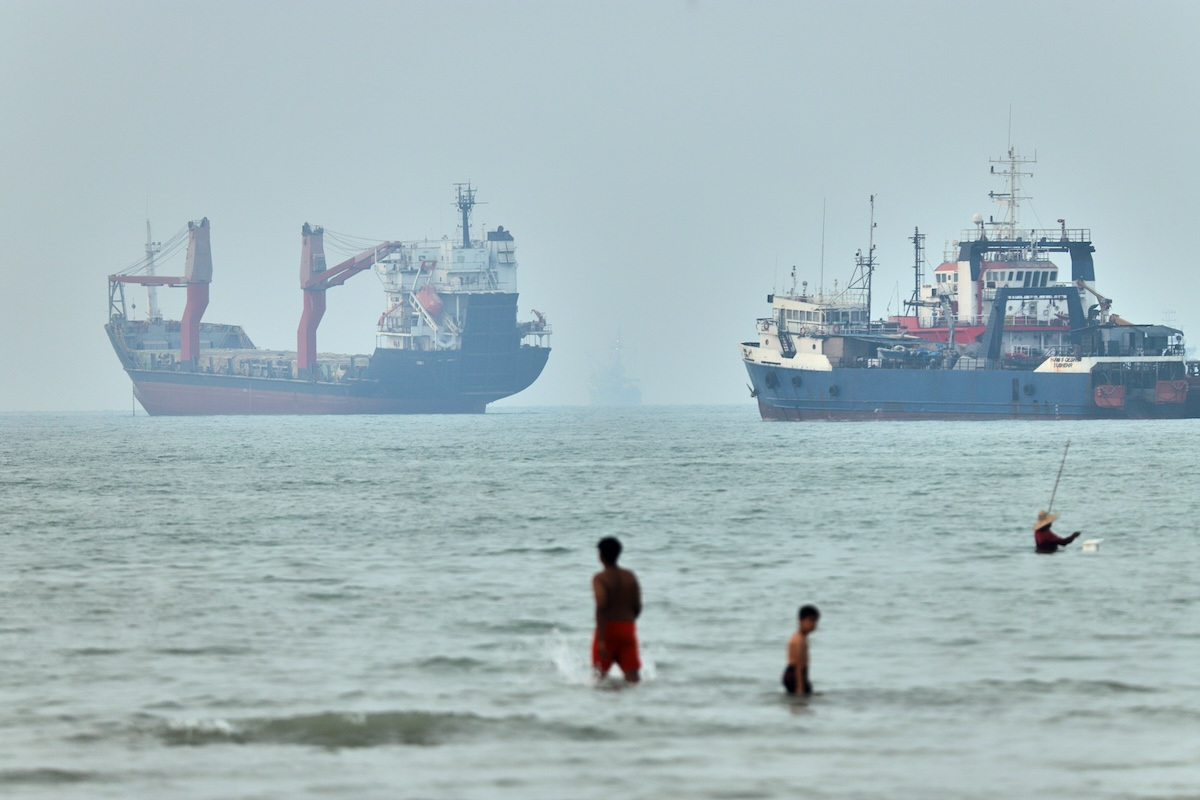
The U.S. military’s Central Command says it hit 90 targets across Iran. The strikes were intended to “further degrade” Iran’s ability “to threaten freedom” of boats traveling in the strait.
A fifth of the world’s traded oil and natural gas passed through the Strait of Hormuz before the war began on February 28. The United States and Israel attacked Iran to remove its military capabilities. They also sought to end its nuclear weapons program.
Ongoing conflict could once again halt energy shipments through the strait. The shipments are crucial for the global economy.
Iranian state media reported explosions in several locations, including Bushehr. The city is home to Iran’s nuclear power plant complex.
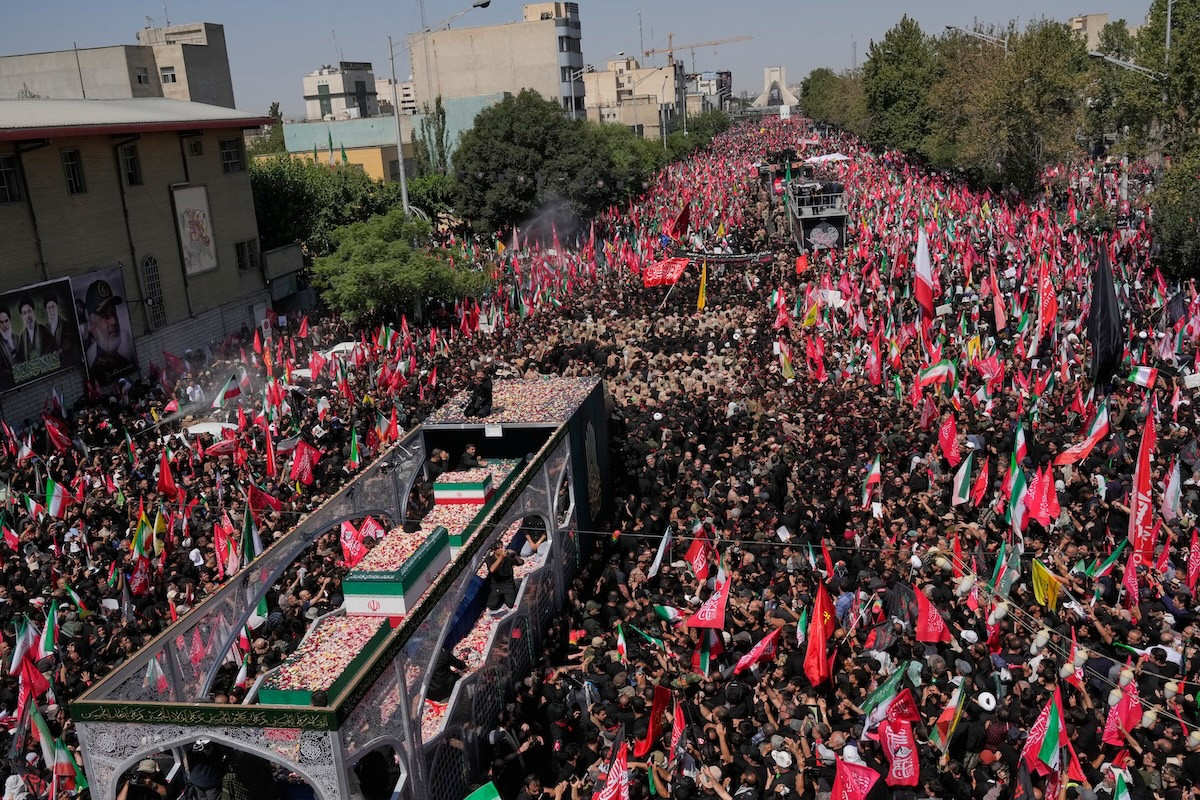
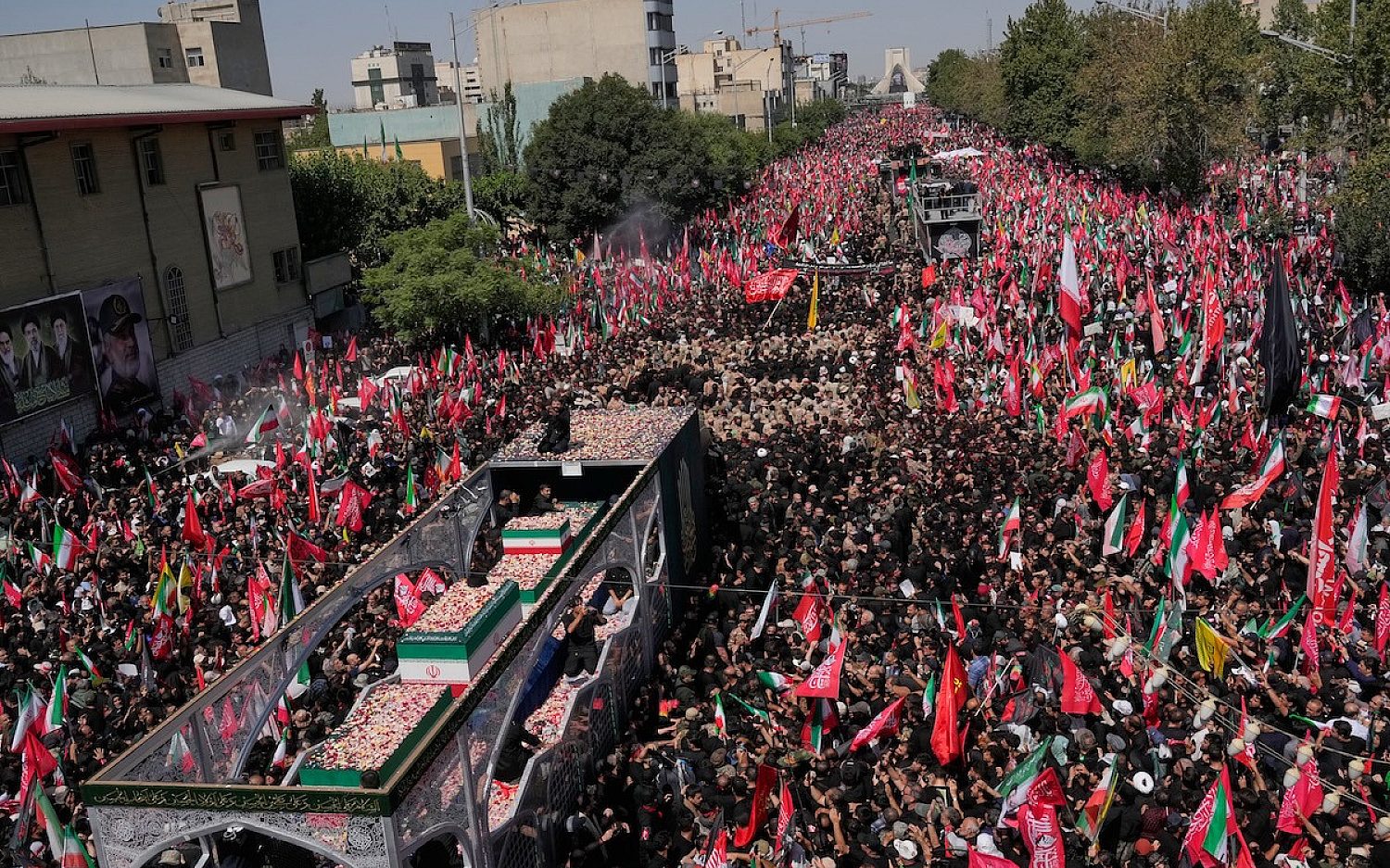
U.S. strikes also appeared to target Iranian bridges for the first time since April. State media reported a strike on a railway bridge in Iran’s Golestan province. The Revolutionary Guard said two bridges were attacked on the route to Mashhad, where tens of thousands of mourners thronged. They gathered during the final funeral procession for Supreme Leader Ayatollah Ali Khamenei on Thursday.
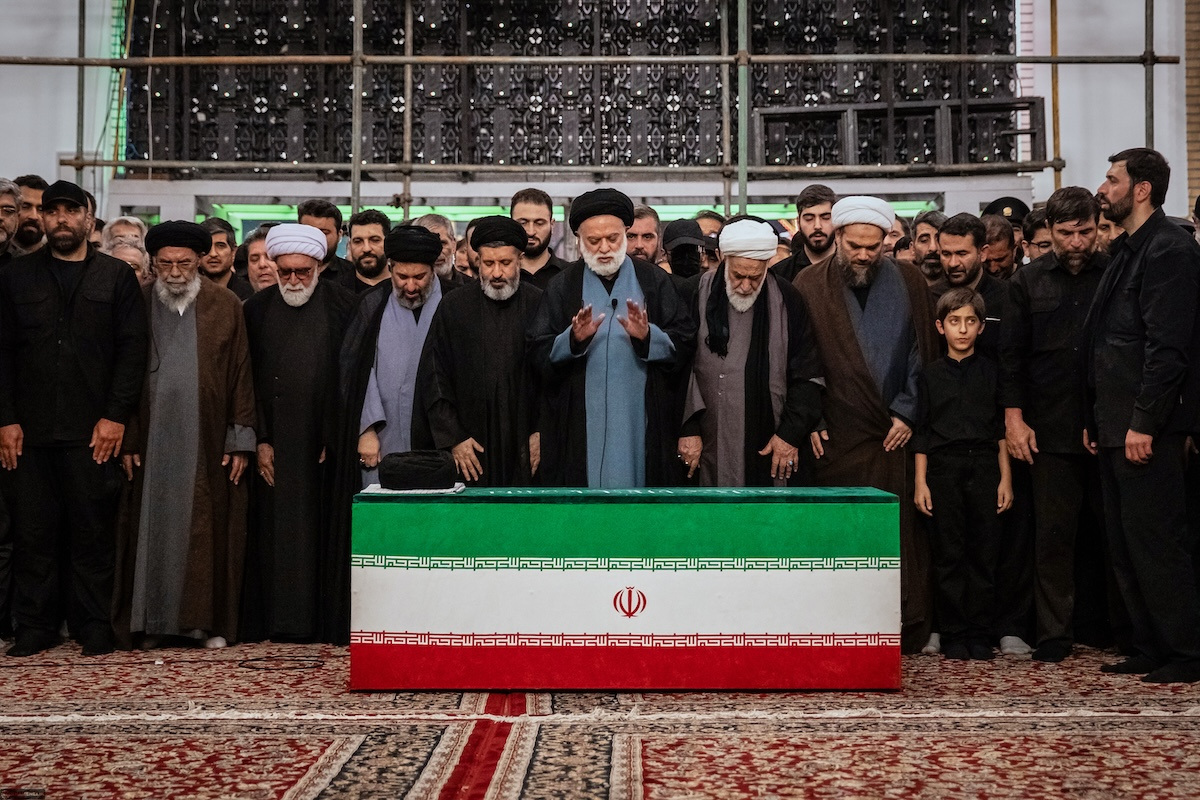
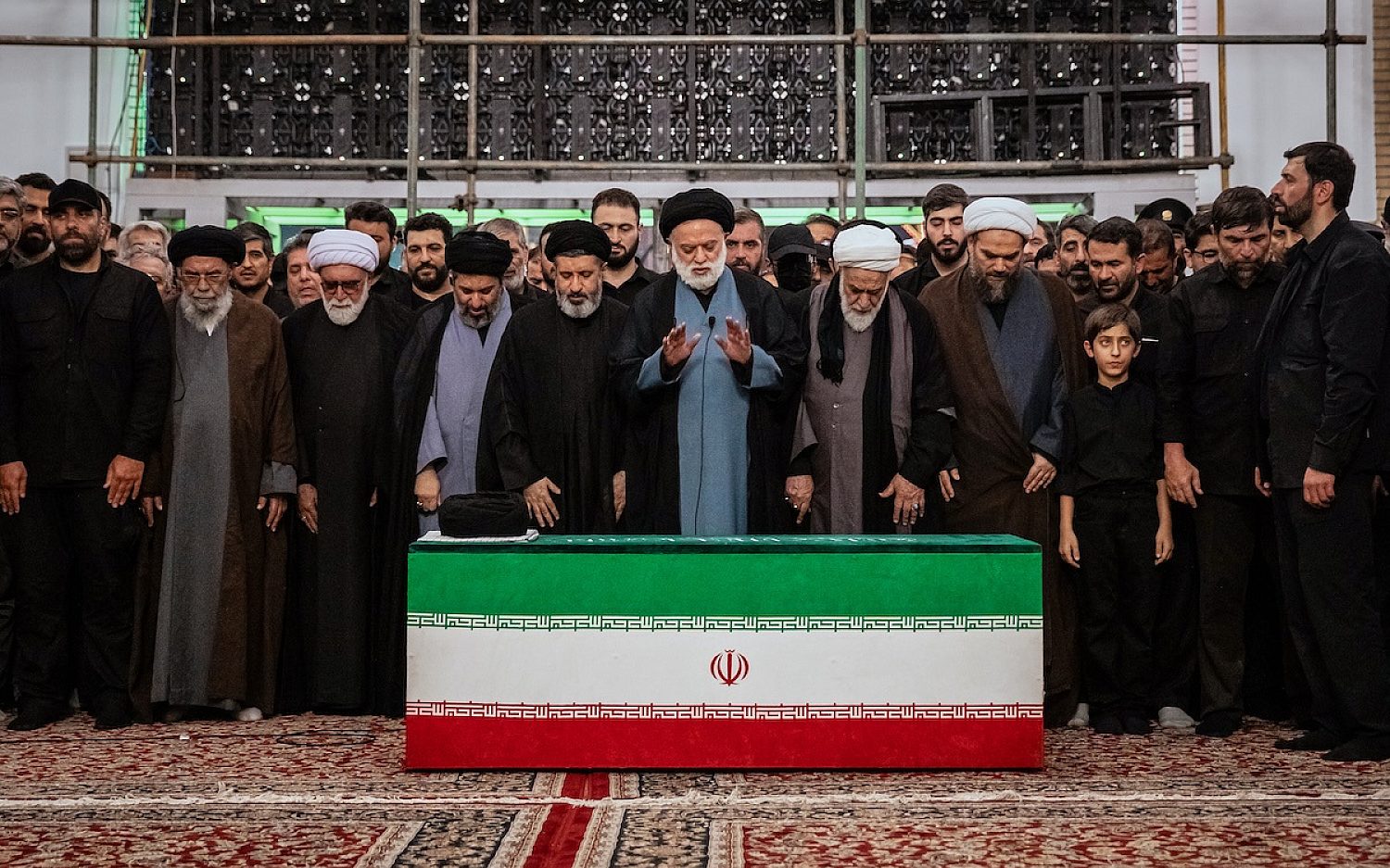
Early Friday, Khamenei was buried in his hometown of Mashhad. He ruled Iran with an iron fist for nearly 37 years before being killed in the airstrikes that started the war.
Hard-liners grieving Khamenei hailed him as a defender of clerical rule who stood up to the West and Israel. His funeral was designed to showcase Iran’s unity.
But the country is bitterly divided. Khamenei’s reign left large sectors of Iran disillusioned over decades of bloody repression, international sanctions, and economic mismanagement. Anger and despair run deep since authorities killed thousands of anti-government protesters in January.
Khamenei’s successor is his son, Mojtaba Khamenei. He is regarded even more religiously strict than his father.
For working-class families, Iran’s plunging economy has only worsened since the war. The sister of a slain January protester says, “Workers can barely afford to buy bread. Everything is so expensive.”
President Trump said Wednesday that he would allow dialogue with Iran to continue but thought negotiators were “wasting their time.” Efforts to reach a final peace deal were due to start after Khamenei’s funeral.
The talks are meant to focus on fully reopening the strait and rolling back Tehran’s disputed nuclear program.
Pray for wisdom for world leaders and that they would have the ability to reach a successful peace agreement. Pray that God would provide the gospel and economic relief to the people of Iran.